
What if your snack could help you lose weight instead of derailing it?
Turn to protein snack ideas for weight loss that keep you full and calm your cravings.
This post shows simple, grab-and-go options and a few quick homemade recipes you can actually eat when you’re short on time.
The idea is practical: aim for about 10 to 25 grams of protein and roughly 150 to 300 calories per snack.
Those choices keep you satisfied, protect muscle, and make sticking to a lower calorie plan way easier.
High-Protein Snack Options That Directly Support Weight Loss Goals
When you’re trying to lose weight while managing hunger, your snack’s nutritional profile matters way more than the timing or whatever brand name is on the package. Protein snacks work because they slow digestion, stabilize blood sugar, and stop you from tearing through the pantry an hour later. The most reliable options fall into a specific calorie and protein range that makes them practical when you’re eating in a deficit.
Go for snacks with roughly 10 to 25 grams of protein and 150 to 300 calories per serving. That combo keeps you full without blowing your daily budget. Low calorie protein snacks in this range also give you enough macros to hold onto muscle during weight loss, which helps keep your metabolism from tanking. Snacks under 200 calories are especially useful if you need to fit two or three into a busy day without going over your targets.
Picking snacks with clear portion sizes removes guesswork and stops portion creep. When you know exactly what you’re eating and how it fits, you’re way more likely to stay consistent.
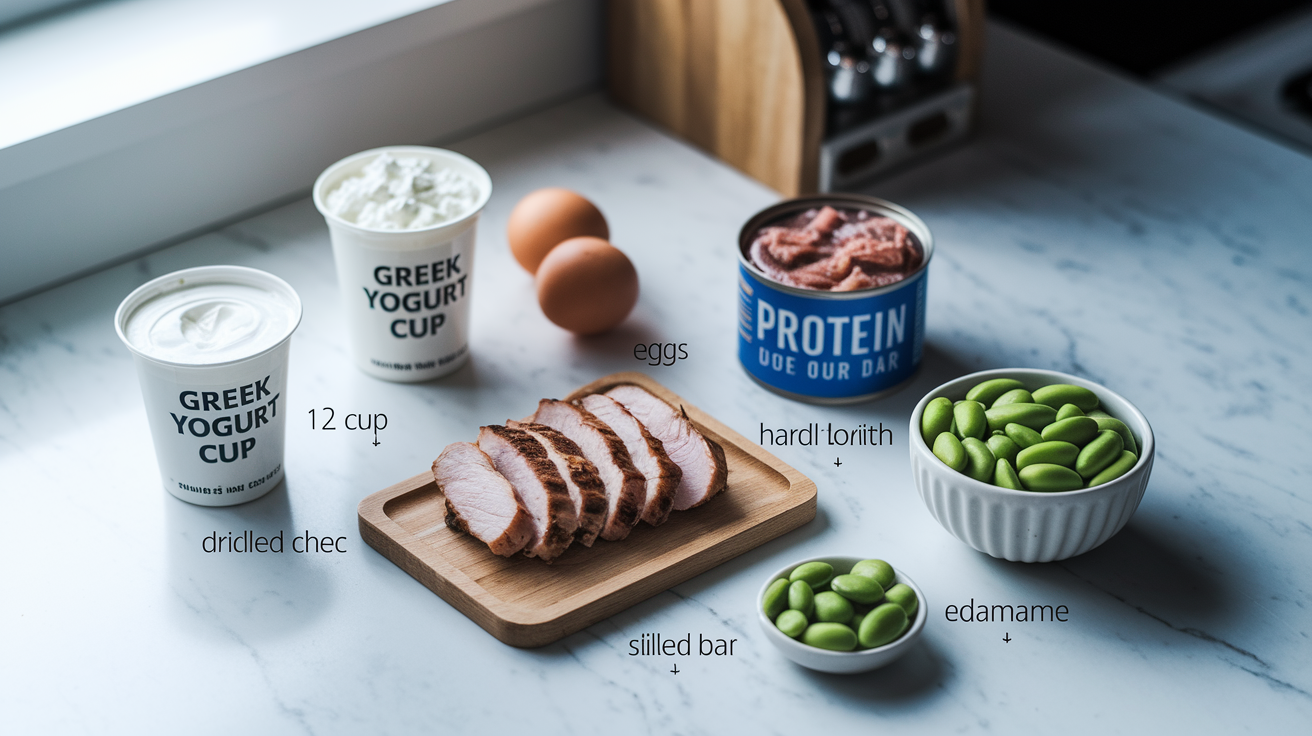
Ready to eat protein snack examples:
- Nonfat Greek yogurt (6 oz): 100 to 130 kcal, 15 to 20 g protein
- Low fat cottage cheese (1/2 cup): 90 to 110 kcal, 12 to 14 g protein
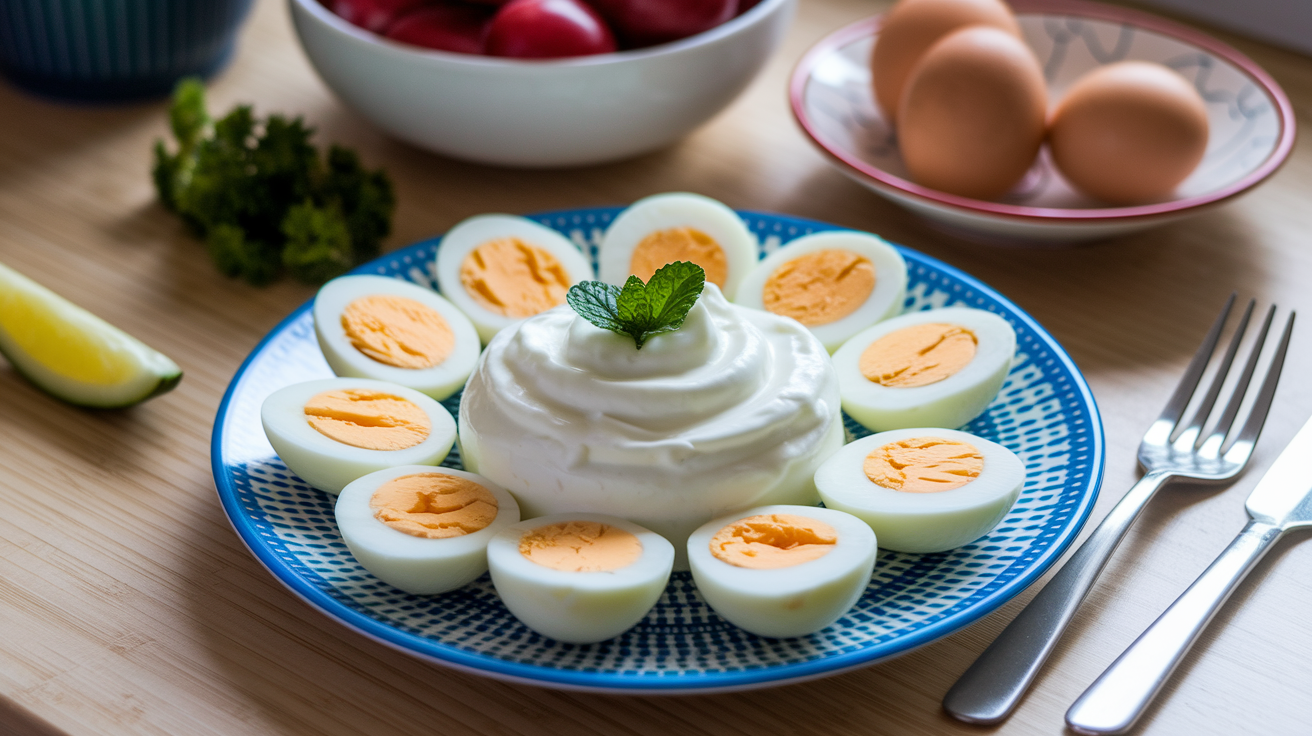
- Hard boiled eggs (2 large): 140 kcal, 12 g protein
- Canned tuna in water (3 oz drained): 100 to 120 kcal, 20 to 22 g protein
- Ready to eat grilled chicken strips (3 oz): 100 to 140 kcal, 18 to 22 g protein
- Protein bars (1 bar): 150 to 220 kcal, 10 to 20 g protein
- Shelled edamame (1 cup): 188 to 200 kcal, 16 to 18 g protein
- String cheese (1 stick): 80 kcal, 6 to 8 g protein
These work as daily staples because they take almost no prep, fit into most eating patterns, and help you manage mid meal hunger without derailing your deficit. Stock a few options each week so you’ve always got a high protein choice ready when hunger hits between meals.
Understanding Protein’s Role in Weight Loss and Smart Snacking
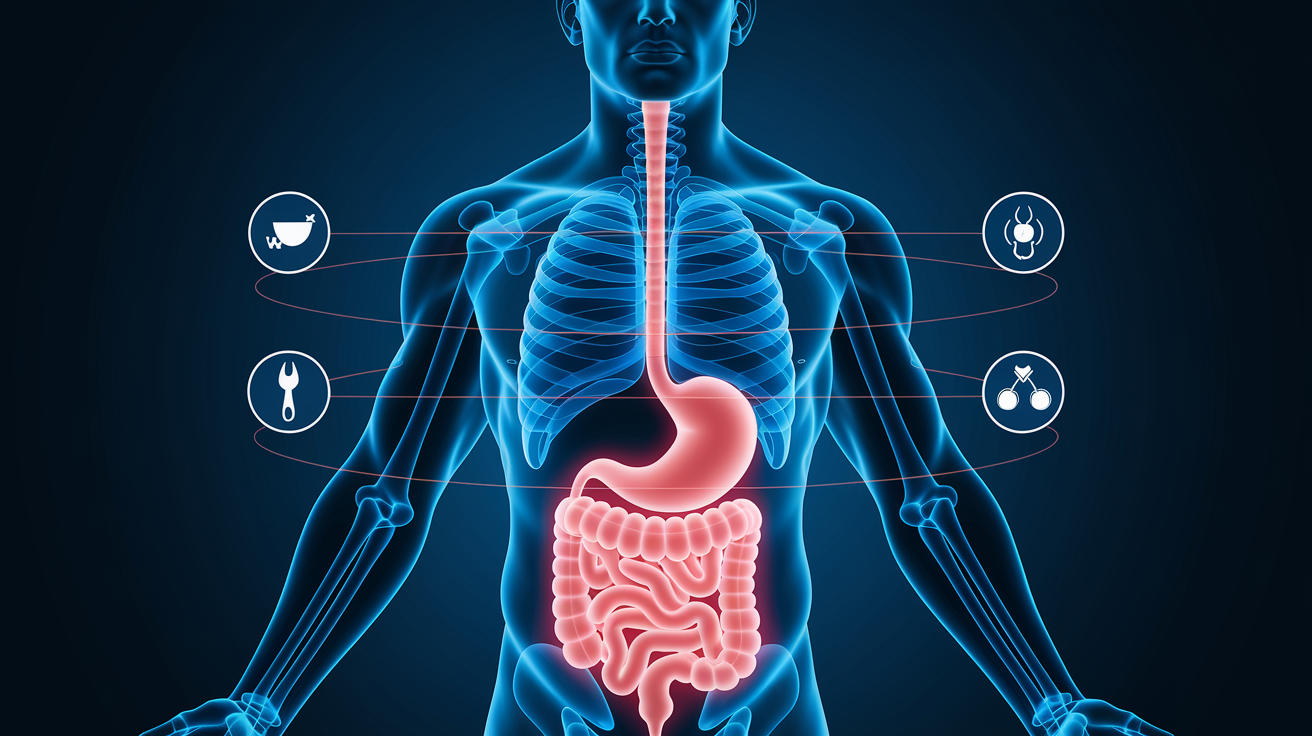
Protein affects weight loss in three measurable ways. First, it increases fullness by slowing how fast food leaves your stomach and signaling satiety hormones. Second, it requires more energy to digest than carbs or fat, a process called the thermic effect of food that slightly raises your daily calorie burn. Third, adequate protein helps preserve lean muscle during a deficit, which keeps your metabolism from slowing as much as it would if you lost muscle along with fat.
When you eat high protein snacks for appetite control, you’re using these mechanisms to manage hunger between meals without adding empty calories. Snacks that deliver protein without excessive sugar or fat keep your blood sugar more stable. That reduces energy crashes and the cravings that usually follow. High protein low fat snacks are particularly useful if you need to stay within tight calorie limits but still want to feel satisfied throughout the day.
The timing and composition of your snacks matter less than the total protein and calorie content. A snack with 20 grams of protein and 200 calories will support your goals better than a 300 calorie snack with only 5 grams of protein, regardless of when you eat it.
Protein Targets That Help Control Hunger
The range of 10 to 25 grams of protein per snack is practical because it balances satiety with calorie control. On the lower end, 10 grams is the minimum needed to trigger a noticeable fullness response. 25 grams is the upper limit before you start exceeding typical snack calorie budgets or displacing protein from your main meals. The midpoint, around 15 to 20 grams per snack, tends to improve fullness the most without requiring you to eat a mini meal or spend extra time on prep. Snacks in this range also align with daily protein targets for weight loss, which typically fall between 1.6 and 2.2 grams per kilogram of body weight. If you’re eating three meals and one or two snacks per day, aiming for 15 to 20 grams per snack helps you meet your total without forcing oversized portions at any single sitting.
Time Saving Methods for Preparing 5 Minute Protein Snacks
Consistency matters more than perfection when you’re trying to lose weight. Quick protein snacks under 5 minutes make consistency realistic for people with unpredictable schedules. The barrier to eating well planned snacks isn’t usually a lack of willpower or knowledge. It’s the friction of assembling ingredients or waiting for something to cook when you’re already hungry. Removing that friction by preparing components in advance or choosing foods that require zero assembly keeps you on track even during busy weeks.
Six practical time saving techniques for protein snacks:
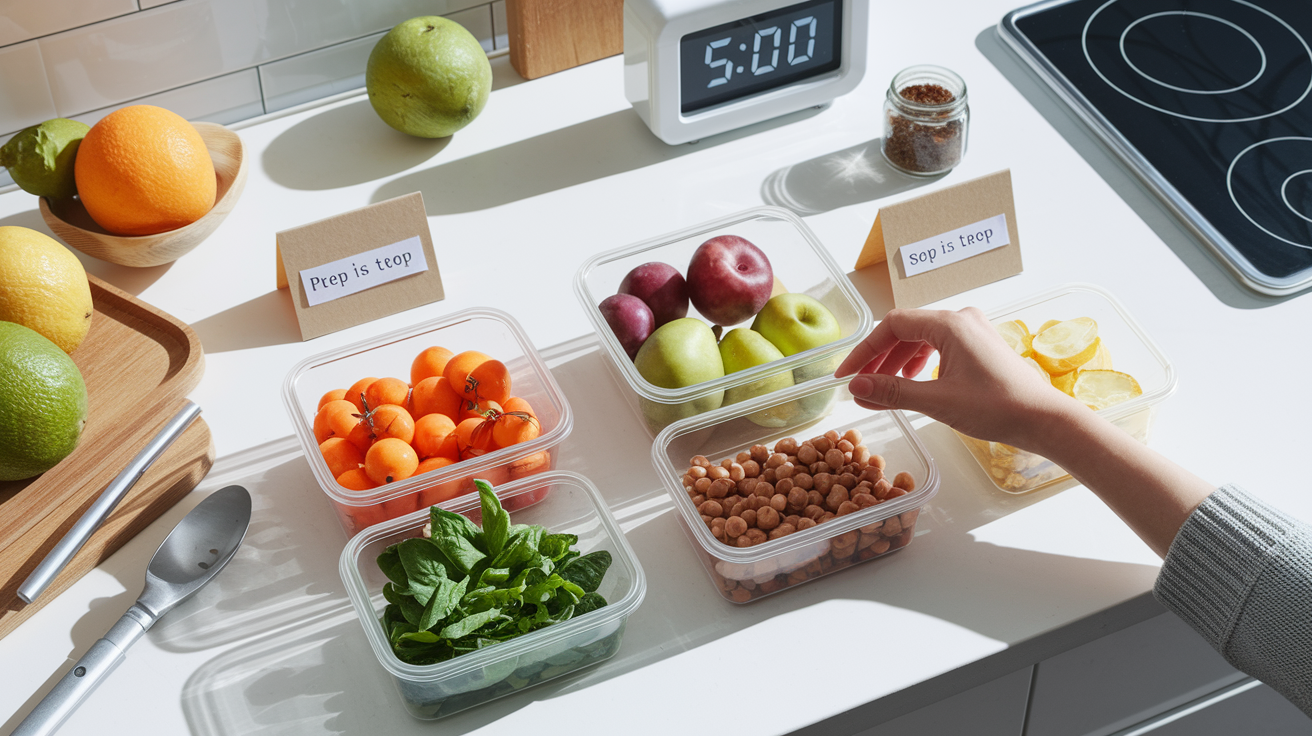
- Pre portion ingredients on Sunday. Divide yogurt, cottage cheese, or hummus into single serve containers so you can grab one without measuring.
- Stock pre cooked proteins. Rotisserie chicken, canned tuna, hard boiled eggs, and pre cooked shrimp eliminate cook time entirely.
- Use single serve packs. Individual cheese sticks, protein bar wrappers, and yogurt tubes remove the need to portion or clean up.
- Assemble dairy free combos. Edamame, roasted chickpeas, or nut packs paired with cut vegetables give you plant based options that travel well.
- Pair quick proteins with fiber sources. Smoked salmon on cucumber slices or turkey wrapped around a bell pepper strip adds volume and nutrients in seconds.
- Keep kitchen shortcuts ready. A jar of nut butter, a bag of shelled edamame, or a pack of deli meat means you can build a snack without opening multiple containers.
Rotating through these methods prevents boredom and keeps your snack routine flexible. If you batch prep on weekends but run out by Thursday, having shelf stable backups like beef jerky or protein bars means you won’t default to chips or crackers just because nothing is ready.
Homemade Protein Snack Recipes for Efficient Weight Loss
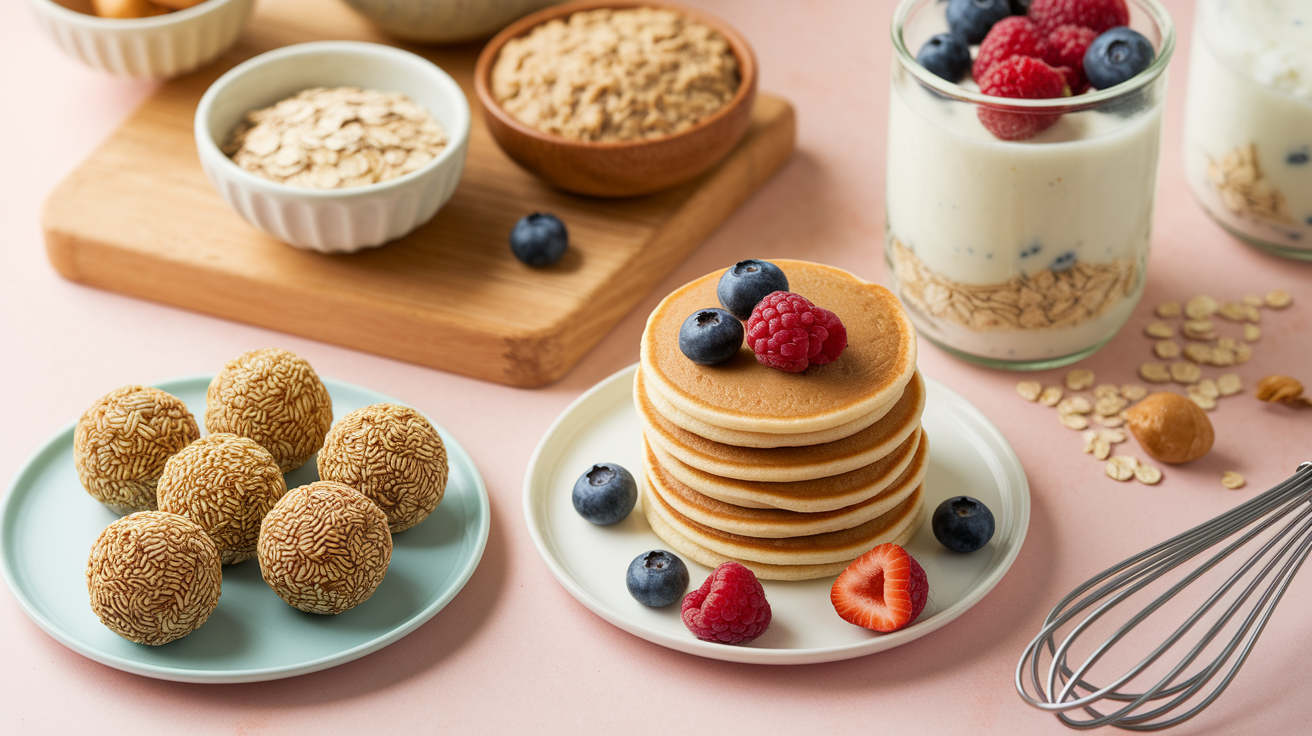
Making your own snacks gives you control over ingredients, portion sizes, and sugar content. That’s especially useful if you’re tracking calories or avoiding certain additives. Homemade protein rich snack recipes also tend to cost less per serving than packaged options and can be customized to fit your taste without scanning dozens of labels at the store.
No Bake Protein Balls
Combine 1/2 cup rolled oats, 2 tablespoons peanut butter, 1 scoop vanilla protein powder, and 1 tablespoon honey in a bowl. Mix until everything holds together, then roll into 8 small balls. Refrigerate for at least 30 minutes to firm up. Prep time is about 5 minutes, and each ball contains roughly 100 to 130 calories and 6 to 8 grams of protein. Store in an airtight container in the fridge for up to two weeks, or freeze for longer.
High Protein Mini Pancakes
Blend 1/2 cup oats, 1 scoop protein powder, and 1 egg until smooth. Pour into 2 to 3 small rounds on a hot nonstick pan and cook for 2 minutes per side. The entire batch makes about 300 calories and 25 to 30 grams of protein. Cut the batch in half to make two snack portions of approximately 150 calories and 12 to 15 grams of protein each. These pancakes reheat well in the microwave and can be stored in the fridge for three to four days.
Greek Yogurt Parfait Build
Layer 1 cup plain nonfat Greek yogurt with 1/4 cup fresh or frozen berries and 1 tablespoon chopped almonds. The total is about 220 to 260 calories and 22 to 25 grams of protein, depending on the exact brands and measurements. Assemble in a jar or container the night before for a grab and go breakfast or mid morning snack. You can swap the berries for diced apple or pear and the almonds for walnuts or sunflower seeds without changing the calorie or protein range much.
Plant Based High Protein Snack Ideas With New Options for Weight Loss
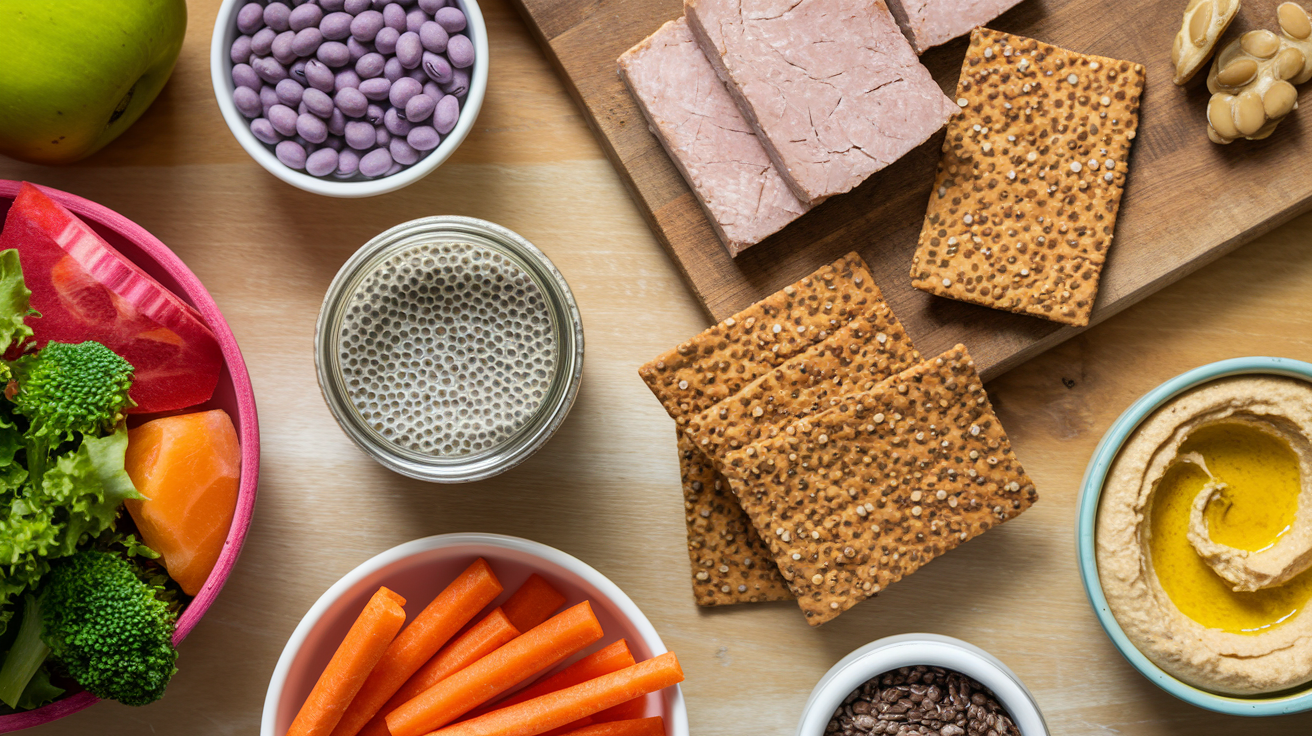
Plant based high protein snacks require more attention to protein density because most plant foods deliver fewer grams of protein per calorie than animal products. Vegan protein snack options that hit the 10 to 25 gram target per serving usually combine legumes, seeds, fortified soy products, or concentrated plant proteins like pea or hemp powder. The advantage of plant based choices is that they also provide fiber, which works alongside protein to increase fullness and slow digestion.
Lentil based protein snacks like roasted lentil crackers or lentil chips offer around 4 to 6 grams of protein per ounce. That’s lower than chicken or yogurt but higher than most grain based snacks. Lupini beans, a Mediterranean legume, deliver about 13 grams of protein per half cup serving with only 100 calories, making them one of the most protein dense plant snacks available. Tempeh strips, made from fermented soybeans, provide roughly 15 to 17 grams of protein per 3 ounce serving and can be pan seared in minutes. Chia pudding made with soy milk instead of almond milk increases the protein content from about 4 grams to 10 to 12 grams per cup. Sunflower seed dip and seitan slices are also compact, high protein options that fit into a variety of eating patterns.
| Snack Type | Calories per Serving | Protein per Serving |
|---|---|---|
| Lupini beans (1/2 cup) | 100 kcal | 13 g |
| Tempeh strips (3 oz) | 150 to 170 kcal | 15 to 17 g |
| Chia pudding with soy milk (1 cup) | 180 to 220 kcal | 10 to 12 g |
| Lentil crackers (1 oz) | 110 to 130 kcal | 4 to 6 g |
Combining plant protein with fiber rich vegetables or whole fruits improves satiety beyond what either macronutrient provides alone. A serving of hummus with sliced bell pepper or a handful of roasted chickpeas with cherry tomatoes gives you protein, fiber, and volume. Together, those help you feel full longer without adding many calories.
Portable Protein Snack Techniques for Work, Travel, and Busy Schedules
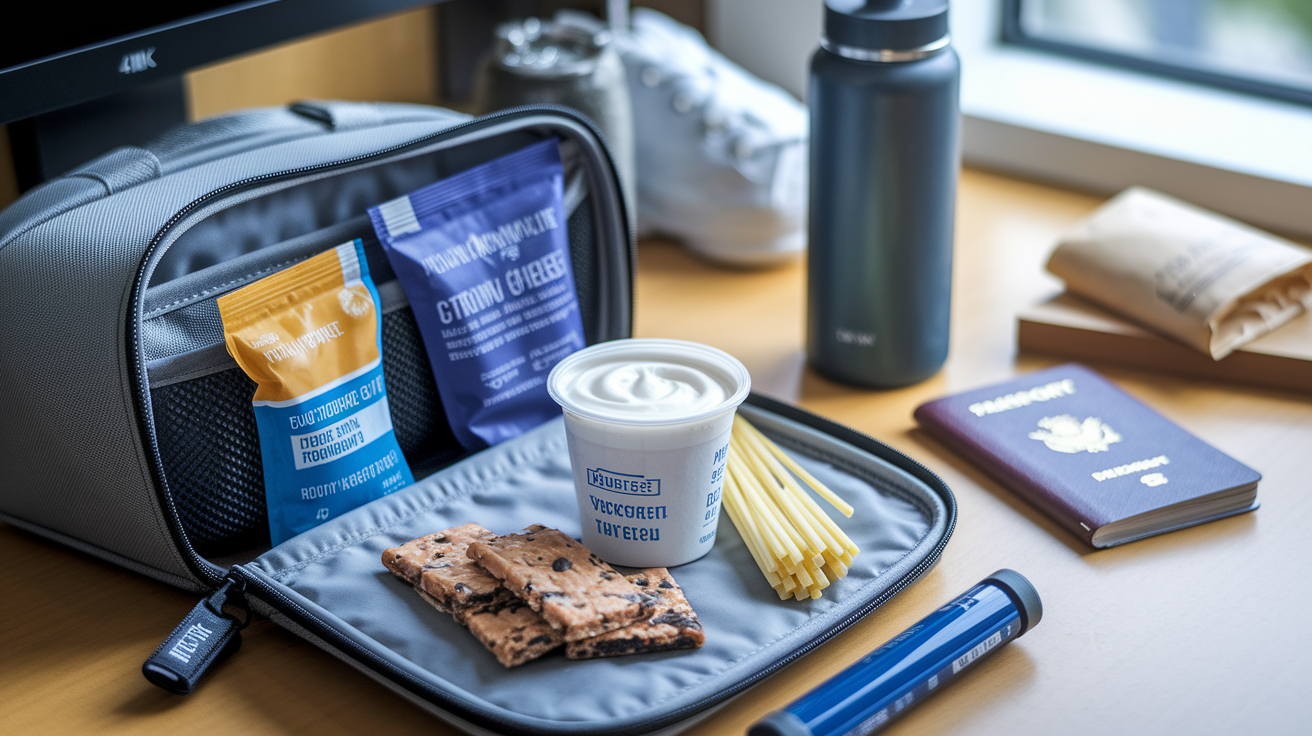
Carrying protein snacks with you prevents the need to rely on vending machines, convenience stores, or fast food restaurants when hunger hits away from home. Portable protein snacks for busy people work best when they don’t require refrigeration, won’t spill, and can withstand a few hours in a bag or desk drawer. Travel ready high protein snacks follow the same principles but need to meet TSA guidelines if you’re flying or survive a long car ride without spoiling.
The key to portability is choosing packaging that protects the food and prevents leaks. Insulated lunch bags with small ice packs keep yogurt, cottage cheese, or deli meat fresh for several hours, while vacuum sealed pouches of tuna or salmon need no cooling at all. Shelf stable items like jerky, protein bars, roasted chickpeas, and nut packs are the most convenient for travel because they don’t spoil and don’t need special storage.
Six practical packing techniques for protein snacks:
- Use insulated bags with reusable ice packs to keep dairy and cooked proteins safe for 4 to 6 hours.
- Choose single serve packets like tuna pouches, string cheese wrappers, or individual yogurt cups to avoid portion guessing.
- Stock shelf stable options such as jerky, protein bars, or roasted edamame for days when refrigeration isn’t available.
- Pack vacuum sealed items like smoked salmon or pre cooked chicken strips that stay fresh longer than open containers.
- Store snacks in compact, leak proof containers with tight sealing lids to prevent spills in bags or briefcases.
- Organize snacks in a dedicated section of your bag so you can grab them quickly without digging through other items.
Office friendly protein snacks should also be low odor if you’re eating at a shared desk. Hard boiled eggs and canned tuna are high protein and practical, but they may not be ideal in close quarters. In those cases, yogurt, cheese, protein bars, or nut packs are quieter choices that still deliver the protein you need without drawing attention or complaints.
How to Choose the Best Protein Snacks for Weight Loss
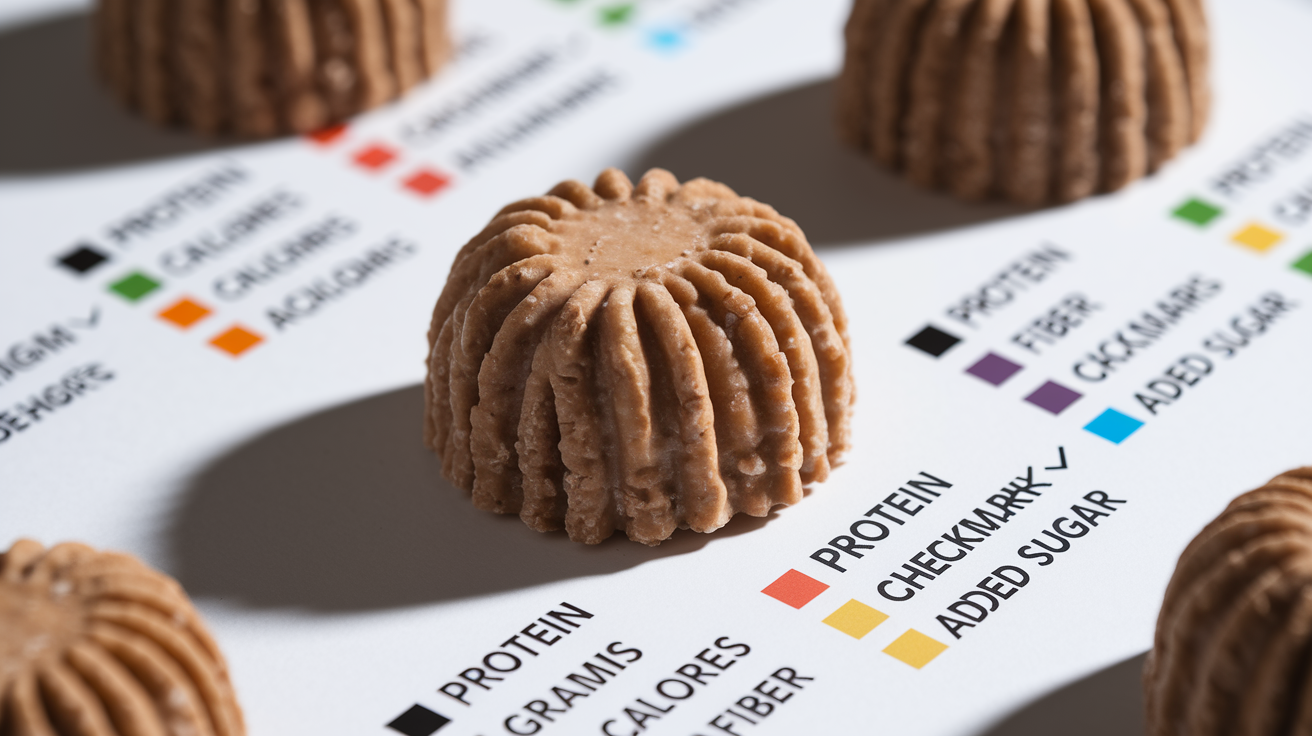
Learning to read labels and evaluate snacks by their nutritional profile helps you build a roster of reliable options that support your goals without requiring constant research or guesswork. The best protein snacks for weight loss meet specific criteria for protein content, calorie density, added sugar, and fiber. Together, those determine how well the snack will keep you full and fit into your daily calorie budget.
Start by checking the protein grams per serving. A snack should provide at least 10 grams of protein to have a noticeable effect on satiety, with 15 to 20 grams being even better for longer lasting fullness. Next, check the calorie count. Low sugar protein snack choices typically fall between 150 and 300 calories per serving, which leaves room for three meals and one or two snacks in a typical weight loss eating plan. Added sugar is the third metric to watch. Aim for 10 to 12 grams or less per snack, and lower if possible. Fiber is the final factor. Snacks with at least 3 grams of fiber slow digestion and add volume, which improves fullness without adding calories.
Five key label metrics for evaluating protein snacks:
- Protein: at least 10 g per serving (aim for 15 to 20 g for best satiety)
- Calories: 150 to 300 kcal per serving
- Added sugar: 10 to 12 g or less per serving
- Fiber: at least 3 g per serving
- Ingredients: short list with recognizable items and minimal additives
Reading labels for protein content becomes faster with practice. Once you’ve identified a few reliable products, you won’t need to check every time. The same habit applies to portion control. Dividing yogurt or cottage cheese into 6 ounce containers, using 1 ounce nut packs, or prepping 3 to 4 ounce chicken portions removes the need to measure every time you eat. For more guidance on making smart snack decisions that support long term habits, see healthy snack ideas for weight management.
Building a habit around smart snack selection means you’ll eventually stop thinking about it. You’ll know which protein bars fit your macros, which yogurt brands have the best protein to calorie ratio, and which portion sizes keep you satisfied without overshooting your daily targets.
Meal Prep and Batch Cook Protein Snack Strategies
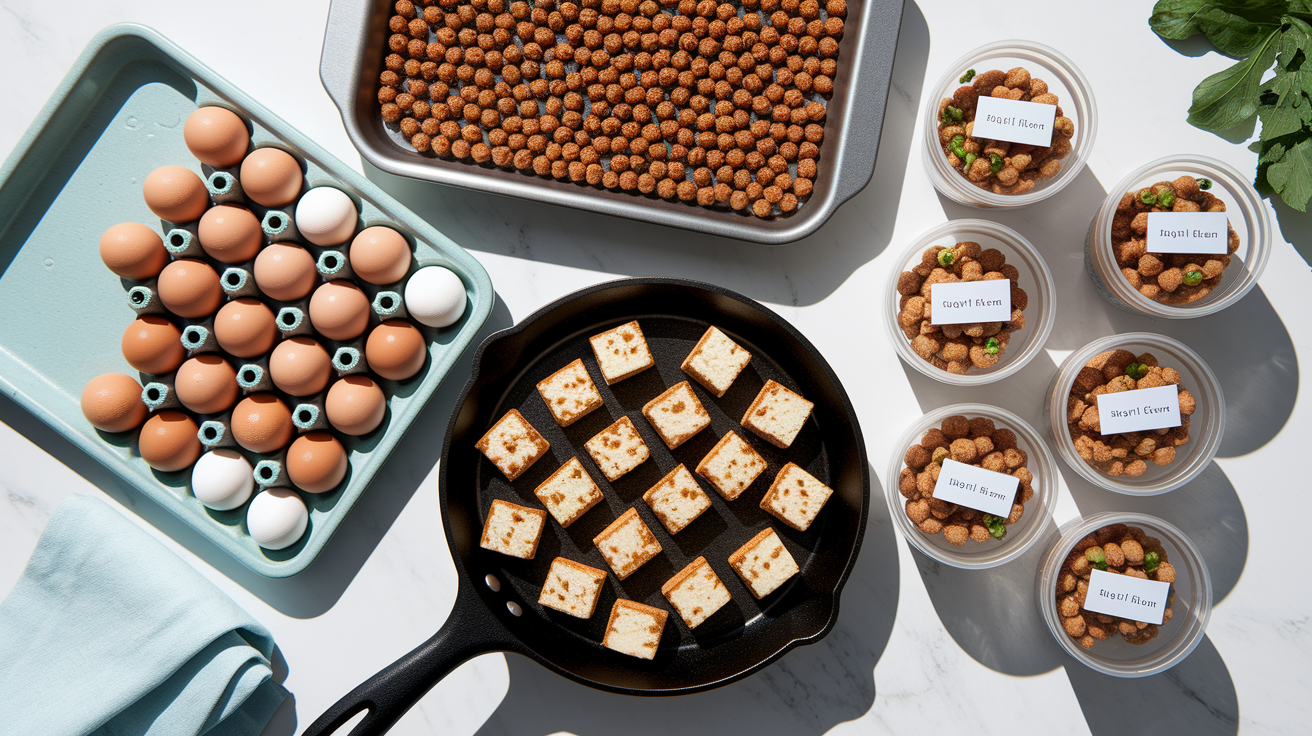
Preparing multiple servings of protein snacks at once removes decision fatigue and ensures you always have something ready, even on days when you’re too tired or busy to cook. Smart snack prepping for weight loss focuses on foods that hold up well in the refrigerator for several days or freeze easily for longer storage. Batch cooking also reduces per serving prep time. Boiling a dozen eggs takes only a few minutes longer than boiling two, and roasting a full tray of chickpeas uses the same oven energy as roasting half a tray.
The most efficient batch prep strategy is to dedicate one block of time each week to cooking or assembling your protein snacks for the next five to seven days. Boiling 10 to 12 eggs at once gives you a week’s worth of grab and go protein. Roasting chickpeas for 25 to 30 minutes yields four to six snack portions that stay crunchy in an airtight container for up to four days. Searing snackable tofu bites in a hot pan with minimal oil produces a high protein option that pairs well with vegetables or dips. Dividing Greek yogurt or cottage cheese into individual 6 ounce containers ensures you don’t overeat from a large tub. Pre slicing grilled chicken into 3 to 4 ounce portions makes it easy to pack a snack or add protein to a salad without measuring every time.
Five specific batch prep steps for weekly protein snacks:
- Boil 10 to 12 eggs in one pot. Cook for 10 to 12 minutes, then cool and store peeled or unpeeled in the fridge for up to one week.
- Roast two cups of chickpeas on a sheet pan. Drain, dry, toss with 1 teaspoon oil and spices, then roast at 400°F for 25 to 30 minutes. Store in a sealed container.
- Pan sear 12 ounces of firm tofu cut into cubes. Cook in 1 to 2 teaspoons oil over medium high heat for 8 to 10 minutes. Refrigerate in a covered dish for up to five days.
- Pre portion 1 to 2 quarts of Greek yogurt or cottage cheese into 6 ounce containers. Label with the date and stack in the fridge for easy access.
- Grill or bake 1 to 1.5 pounds of chicken breast, then slice into 3 ounce portions. Refrigerate for three to four days or freeze extras for later use.
For additional strategies on efficient weekly protein prep, see protein meal prep tips.
Batch prepping also makes it easier to track snack portion control tips like eating from single serve containers instead of large packages, which reduces the risk of mindless overeating. When your snacks are already divided and ready, you spend less time in the kitchen and more time focused on the rest of your day.
High Protein Snack Examples by Calorie Target (150 to 300 kcal)
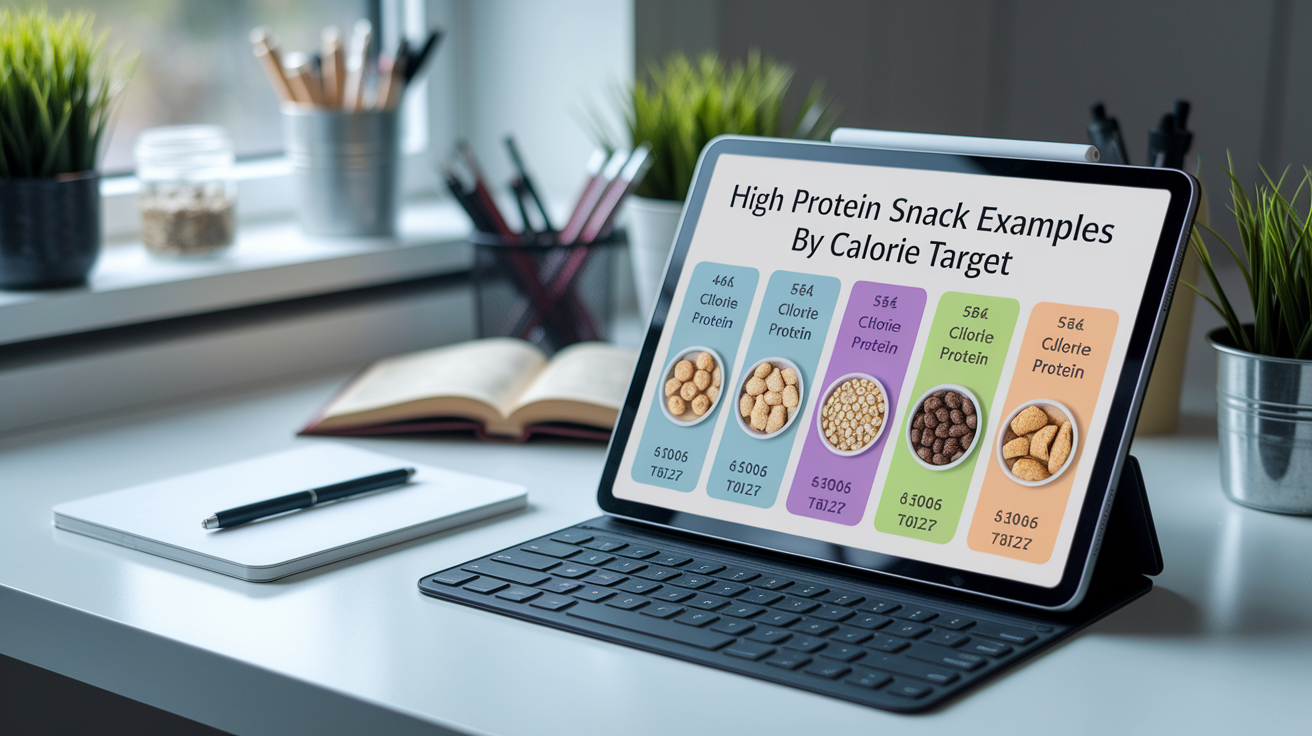
Balancing macros in snacks means choosing combinations that deliver enough protein to improve satiety while keeping total calories within a range that supports weight loss. The calorie density of protein snacks varies depending on whether you pair protein with fruit, vegetables, healthy fats, or grains. Understanding those combinations helps you adjust your snacks based on how hungry you are and when you’re eating. Protein snacks for women weight loss often fall on the lower end of the calorie range to fit tighter daily budgets, but the same principles apply regardless of gender or total calorie target.
| Snack Combination | Calories | Protein |
|---|---|---|
| 1 cup nonfat Greek yogurt + 1 tbsp almond butter | 220 to 260 kcal | 18 to 22 g |
| 1 string cheese + 1 hard boiled egg + 1 small apple | ~260 kcal | 13 g |
| 3 oz canned tuna + 6 cucumber slices | 120 to 140 kcal | 20 to 22 g |
| 1/2 cup cottage cheese + 1 cup sliced vegetables | 140 to 170 kcal | 12 to 14 g |
| 2 hard boiled eggs + 1/2 medium avocado | ~240 kcal | 12 g |
| 1 scoop protein powder + 1 cup unsweetened almond milk + 1/2 cup berries | 170 to 220 kcal | 20 to 25 g |
Use the lower calorie combinations when you need a light snack to bridge the gap between meals without reducing your appetite for lunch or dinner. Higher calorie options work better when you’re genuinely hungry or when you know your next meal is several hours away.
Choosing combinations based on hunger level and timing prevents under eating that leads to cravings later or over eating that pushes you past your daily calorie target. If you’re only slightly hungry, a single hard boiled egg or a small serving of yogurt may be enough. If you’re genuinely hungry and need something more substantial, pairing protein with healthy fat or fiber rich produce gives you more volume and satisfaction without requiring a large calorie investment.
Final Words
Grab one snack and try it today — Greek yogurt, a tuna pouch, or two hard-boiled eggs. This post gave exact portions and calories, quick 5-minute prep tricks, homemade recipes, plant-based swaps, packing tips, label-reading advice, batch-prep steps, and calorie-target combos.
You learned why protein helps: it keeps you full, protects muscle, and steadies energy, plus simple ways to fit snacks into a busy day.
Use these protein snack ideas for weight loss as daily go-tos to curb mid-meal hunger and keep momentum. Small, steady wins add up.
FAQ
Q: What are good snacks for hypertension?
A: Good snacks for hypertension are low-sodium, potassium-rich, and high-fiber choices like fresh fruit (bananas, berries), unsalted nuts, plain Greek yogurt, raw veggies with low-salt hummus, and edamame.
Q: What are good snacks for Type 1 diabetics?
A: Good snacks for Type 1 diabetics are balanced choices pairing carbs with protein and fiber—apple with nut butter, Greek yogurt with berries, hard-boiled egg plus a whole-grain cracker; check glucose and work with your care team.
Q: How to get 30g protein in a snack? Which snacks are highest in protein?
A: Getting 30 g protein in a snack works by combining concentrated sources: 3 oz tuna (20–22 g) plus 6 oz Greek yogurt (15–20 g), or a 25–30 g protein shake; other high-protein picks: cottage cheese, edamame, seitan.