
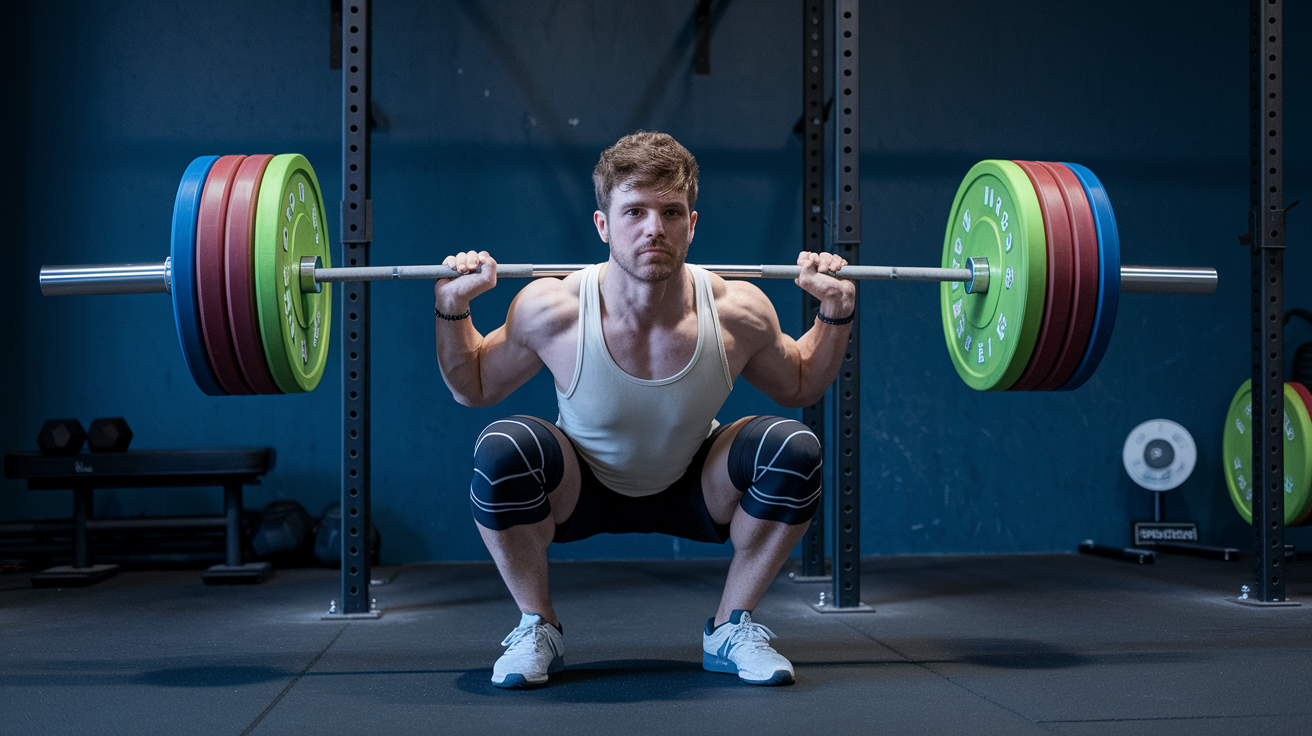
You don’t need long workouts or fancy lifts to get stronger in your first week at the gym.
Start simple and consistent, and you’ll build confidence faster than you think.
This post gives a beginner gym routine you can actually repeat: three to four short sessions, full-body movements, easy warm ups, and clear progression tips.
Follow the first-week plan and you’ll learn squat, hinge, push, and pull patterns, protect your joints, and set a habit that lasts.
No perfection required, just small steps you can repeat next week.
Beginner-Friendly Workout Structure Overview
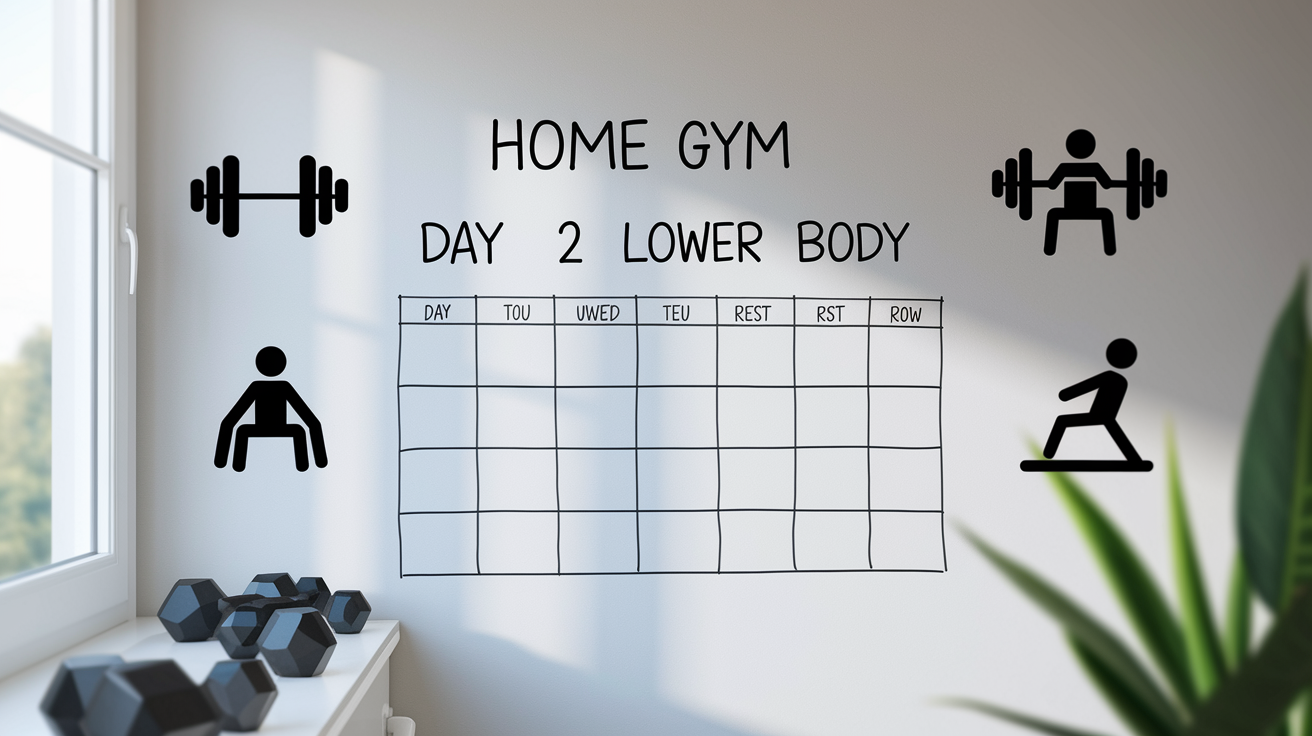
A structured routine turns “I should work out” into a week you can actually repeat. For beginners, that means picking a simple schedule, sticking with basic movements, and building the habit before chasing perfect programming.
Most new lifters do best with three to four gym sessions per week. That gives your body time to recover between workouts while creating enough frequency to learn movement patterns and build strength. Full body sessions work well on non‑consecutive days. Monday, Wednesday, Friday, for example. If you prefer four days, an upper/lower split lets you train a bit more often without overloading any single muscle group.
Here’s a simple four day beginner template you can follow:
- Day 1, Upper Body (Push Focus): Chest press, shoulder press, tricep work, and a plank to finish. Builds pressing strength and core stability.
- Day 2, Lower Body: Squats, hinges like deadlifts, glute bridges, and calf raises. Covers all major leg and hip muscles.
- Day 3, Rest or Light Activity: Walking, stretching, or complete rest. Recovery is where your body adapts.
- Day 4, Upper Body (Pull Focus): Lat pulldowns, rows, bicep curls, and core rotation work. Balances out the pressing from Day 1.
Days 5 and 7 are rest or active recovery. Day 6 can be a shorter full body session if you feel good, or another rest day if you’re still sore. The goal isn’t to do more. It’s to show up consistently and finish feeling capable, not destroyed.
Understanding Essential Gym Equipment
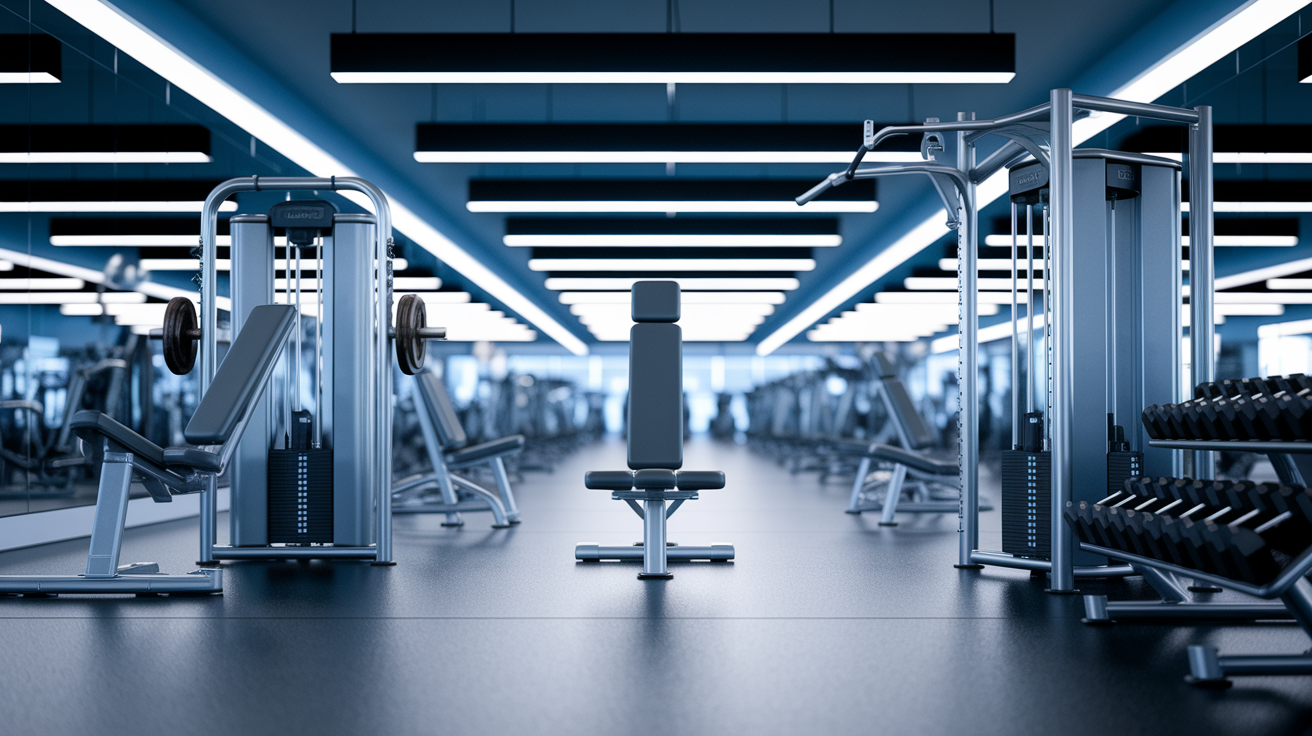
Walking into a gym for the first time can feel like stepping into someone else’s workshop. You don’t need to know every machine on day one, but learning a few core pieces will get you through most beginner routines with confidence.
Selectorized machines are the ones with weight stacks and pins. Leg presses, chest press machines, lat pulldown stations, and shoulder press machines all fall into this category. They’re beginner friendly because they guide the movement path and let you focus on effort instead of balance. Cable machines use adjustable pulleys and let you perform rows, curls, tricep pushdowns, and dozens of other exercises with one station. Dumbbells live on racks and come in pairs. They demand more stability than machines, which makes them great for building coordination once you’ve learned the basic patterns. Cardio equipment like treadmills, stationary bikes, rowers, and air bikes help you warm up, cool down, or add conditioning between strength days.
Here’s a quick rundown of common starter equipment:
- Leg Press Machine: Builds quad, glute, and hamstring strength with a seated, controlled movement.
- Lat Pulldown Station: Trains your back and biceps with an overhead pulling motion.
- Chest Press Machine: Targets chest, shoulders, and triceps using a fixed pressing path.
- Cable Station: Adjustable for rows, curls, pushdowns, and dozens of other exercises.
- Treadmill or Stationary Bike: Low skill cardio options for warming up or adding steady state work.
Most gyms will have staff or trainers who can show you how to adjust seat height, select weight, and position yourself safely on any machine. Ask once, remember it, and you’re set.
Key Exercises Every Beginner Should Learn
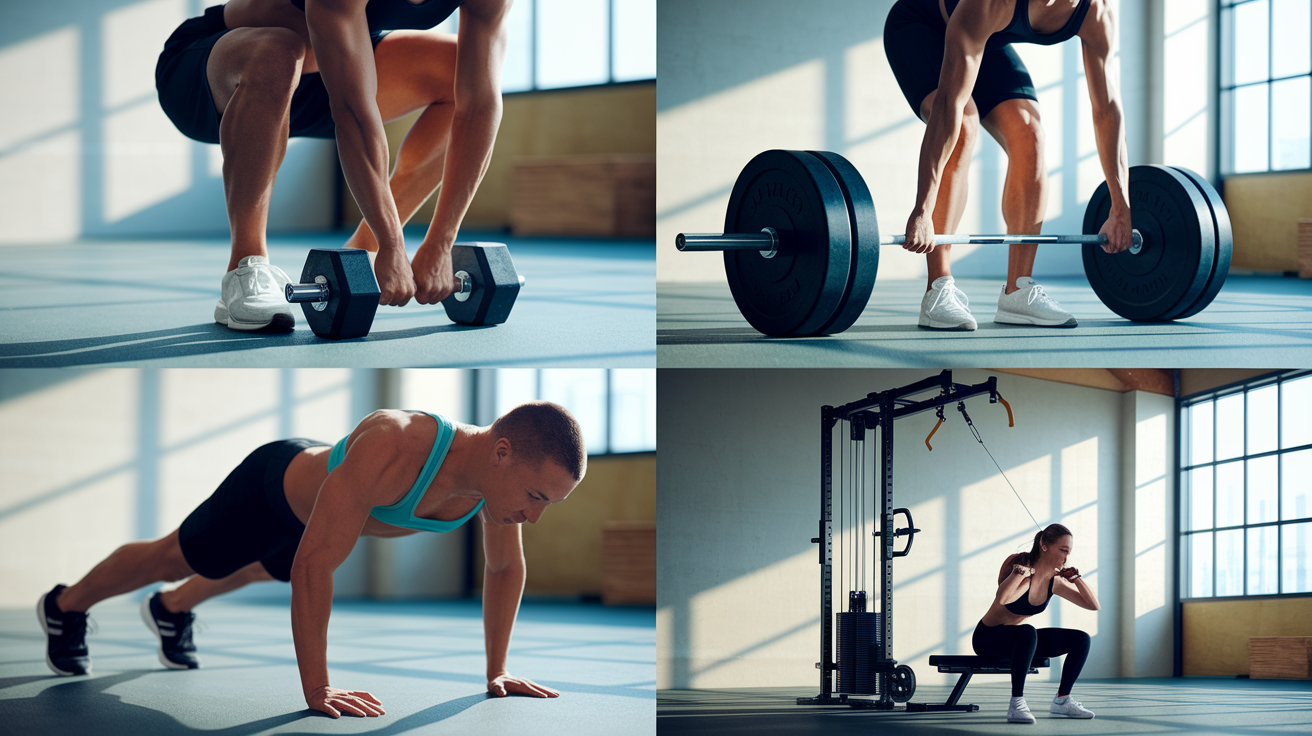
Beginners don’t need fifty exercises. You need four or five movement patterns you can load, repeat, and improve over time.
Squat Pattern
Squats teach you how to bend at the hips and knees while keeping your torso stable. Bodyweight squats, goblet squats with a dumbbell, and leg press machines all use this pattern. Your quads, glutes, and core do most of the work. Squatting builds lower body strength that carries over to standing up from a chair, climbing stairs, and picking things up off the floor. Start with bodyweight or light goblet squats until the movement feels natural, then add load gradually.
Hinge Pattern
A hinge means bending at the hips while keeping your back flat and knees mostly straight. Deadlifts, Romanian deadlifts, and glute bridges all train the hinge. This pattern strengthens your hamstrings, glutes, and lower back. It’s one of the most practical movements you’ll ever learn because it’s how you safely lift anything heavy off the ground. Beginners can start with dumbbell deadlifts or plate deadlifts using light weight. Focus on feeling the stretch in the hamstrings and squeezing the glutes at the top.
Push Pattern
Pushing includes any movement where you press weight away from your body. Chest presses, shoulder presses, and push ups all count. These exercises build your chest, shoulders, and triceps. Push ups are a perfect starting point because they require no equipment and teach you how to keep your ribcage stacked over your hips while your arms work. Once you can do ten solid push ups, adding dumbbell or machine presses will feel more controlled and confident.
Pull Pattern
Pulling means drawing weight toward your body or your body toward a fixed point. Rows, lat pulldowns, and assisted pull ups all use this pattern. Your back, biceps, and rear shoulders do the work. Most beginners are weaker at pulling than pushing, so these movements help balance out your upper body and improve posture. Lat pulldowns and cable rows are beginner friendly because the machine guides the path and lets you focus on squeezing your shoulder blades together at the end of each rep.
Warm Up and Cool Down Basics
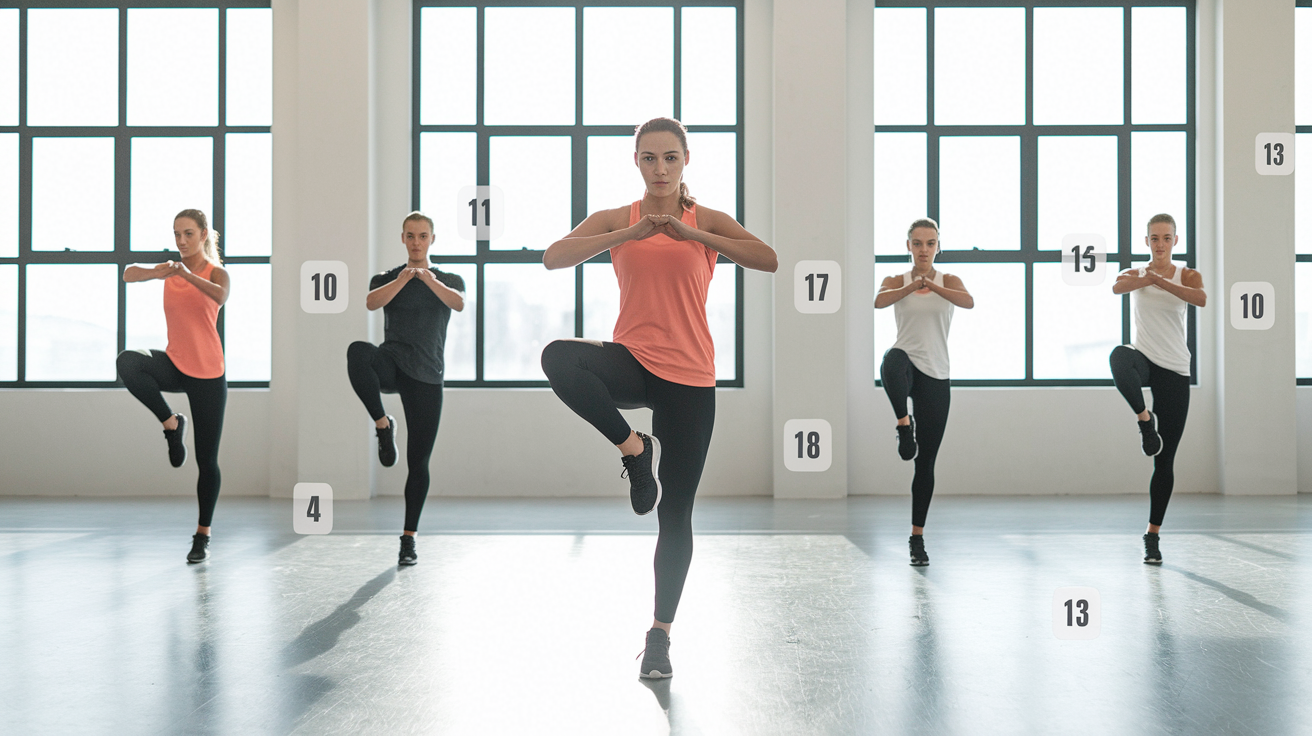
Warming up isn’t optional. It prepares your joints, raises your heart rate, and reduces the chance of tweaking something in the first few minutes of your session. Five to ten minutes is enough.
A good warm up uses movement, not static holds. Dynamic stretches and light cardio get blood flowing and remind your nervous system how to coordinate the patterns you’re about to load. After your session, a five minute cool down with easy cardio or gentle stretching helps your heart rate come down and gives your muscles a chance to relax while they’re still warm.
Here are six simple dynamic warm up options to rotate through:
- Jumping jacks for 30 seconds to raise your heart rate.
- Arm circles (forward and backward, 10 each direction) to open up your shoulders.
- Leg swings (front to back and side to side, 5 reps per side) to loosen your hips.
- Bodyweight squats (10 reps) to rehearse the squat pattern before loading it.
- Walking lunges (5 per leg) to activate glutes and improve hip mobility.
- Mountain climbers (30 seconds) to combine core work with a heart rate boost.
Pick three or four movements that match the session you’re about to do. If it’s lower body day, spend more time on leg swings and squats. If it’s upper body day, prioritize arm circles and light push ups.
Tracking Progress and Increasing Difficulty

Progress happens when you ask your body to do slightly more than it did last time. That could mean one more rep, five more pounds, or an extra set. Beginners respond quickly to almost any consistent stimulus, so the key is tracking what you do and making small, deliberate increases every week or two.
Write down your sets, reps, and weights after every session. Use your phone’s notes app, a simple notebook, or a free tracking app. When you can complete all your prescribed reps with good form, it’s time to add load or volume. Most beginners can increase weight by around ten to twenty percent every two weeks during the first month or two.
The table below shows four practical ways to apply gradual progression without guessing:
| Method | Description |
|---|---|
| Add Reps | Keep the same weight and aim for one to two more reps per set each week. |
| Add Weight | Increase the load by 5 to 10% once you hit the top of your rep range with control. |
| Add a Set | Move from three sets to four sets of the same exercise, keeping reps and weight the same. |
| Shorten Rest | Reduce rest periods by 10 to 15 seconds between sets to increase workout density. |
You don’t need to use all four methods at once. Pick one, apply it for a week or two, then reassess. If your form starts breaking down, you’ve added too much too soon. Drop back to the previous week’s numbers and build from there.
Common Beginner Mistakes and How to Avoid Them

Doing too much in the first two weeks is the fastest way to burn out or get hurt. Beginners often assume more days, more sets, and heavier weights equal faster results. Your body needs time to learn movement patterns and adapt to new stress. Three to four sessions per week is plenty.
Skipping the warm up because you’re in a hurry sets you up for pulled muscles and joint pain. Your connective tissue needs a few minutes to get ready, especially if you’ve been sitting all day. Five minutes of movement prep protects the next forty five minutes of work.
Comparing yourself to the person next to you is a waste of energy. They might be three years into their routine, recovering from an injury, or built completely differently than you. Your only useful comparison is last week’s version of yourself. Did you add a rep? Did the weight feel more controlled? That’s progress.
Chasing perfect form on day one creates paralysis. Yes, technique matters, but you’ll refine it over weeks of practice. Start with lighter loads, film a set if it helps, and adjust as you go. Good enough to begin beats waiting until you feel ready.
Staying Consistent and Motivated

Motivation gets you started. Consistency keeps you going. The difference is that motivation is a feeling, and consistency is a decision you make even when the feeling isn’t there. Treat your gym sessions like appointments you don’t cancel unless something legitimately prevents you from showing up.
Set small, realistic goals that you can hit in two to four weeks. “Add ten pounds to my goblet squat” or “complete all three sets of push ups without dropping to my knees” gives you something concrete to work toward. Winning small builds momentum. Chasing huge transformations in month one usually leads to frustration and quitting.
Find a reason that’s bigger than looking different. Maybe it’s having the energy to play with your kids, reducing back pain, or proving to yourself that you can build a habit and keep it. When the alarm goes off and you don’t feel like going, that reason is what gets you out the door. Track your workouts, celebrate the weeks you show up, and remember that imperfect consistency beats perfect plans you never follow.
Final Words
Start with the simple 3–4 day plan. Learn the core moves, like squats, hinges, pushes, and pulls, and get comfortable with basic machines. Warm up, cool down, and use gradual progress to avoid common mistakes.
Pick training days that fit your week, log sets or reps, and add a little more when it feels doable. If a session feels like too much, scale back or swap in a lighter option.
Choose a beginner gym routine that fits your schedule, stick with it most weeks, and small wins add up fast.
FAQ
Q: What is the 3/2/1 rule in gym?
A: The 3/2/1 rule in the gym is a simple cardio interval—3 minutes easy, 2 minutes moderate, 1 minute hard. Repeat 4–6 rounds to build endurance and practice controlled effort.
Q: What is the 3 3 3 rule for working out?
A: The 3 3 3 rule for working out is doing 3 exercises per session, 3 sets each, about 3 times a week—an easy, repeatable plan to build strength and consistency without overcomplicating things.
Q: What is the best exercise for heart disease?
A: The best exercise for heart disease is regular aerobic movement like brisk walking or cycling, done most days for 20–30 minutes; check with your doctor to match intensity and safety.
Q: How should a beginner train in the gym?
A: A beginner should train with simple full‑body or split routines, 2–4 sessions weekly, focusing on basic moves (squat, hinge, push, pull), solid form, and gradual, consistent progress.