
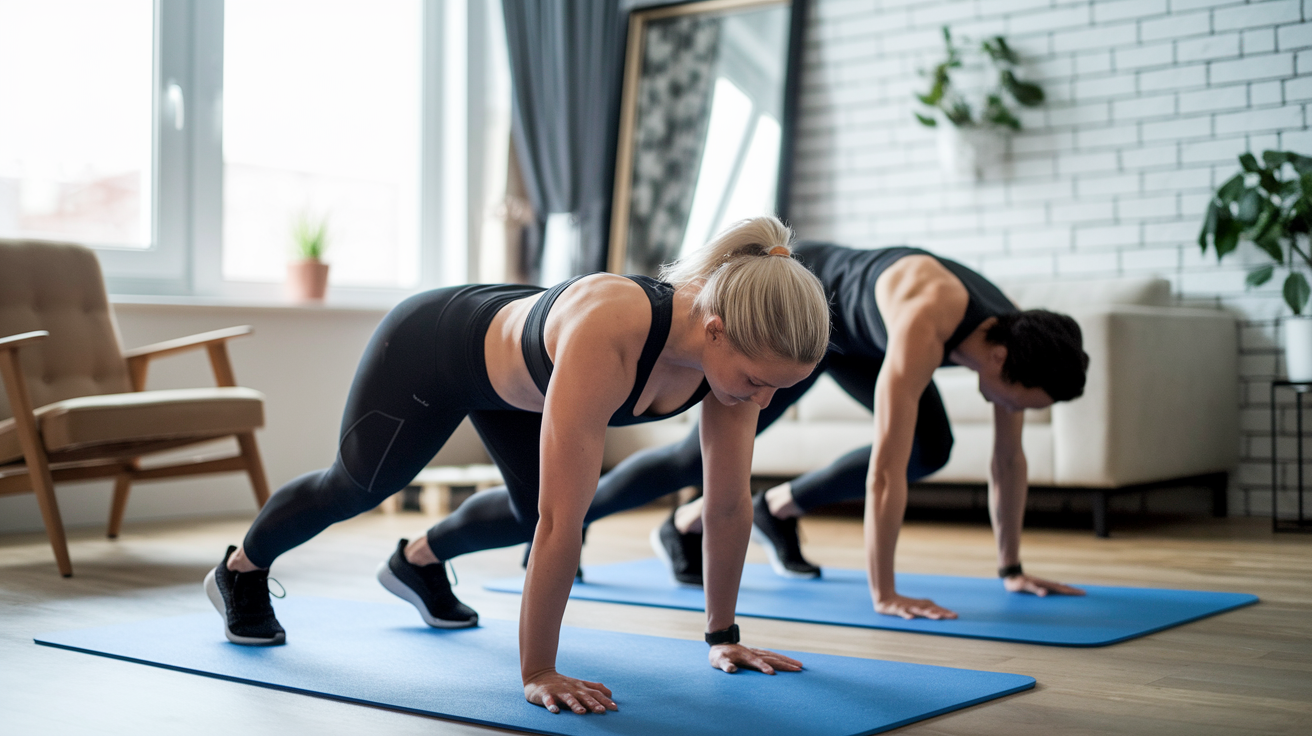
Think you need an hour at the gym to see real progress?
This beginner 20 minute workout proves you can make meaningful gains in a small, easy chunk of time.
No equipment, a short warm‑up, two 10‑minute rounds of simple moves, and a quick cool‑down—done at a steady pace—builds strength, improves movement, and boosts your energy.
If you’re short on time or just starting, read on for the exact sequence, safe modifications, and a 30‑day tracking plan to help you stick with it.
Quick 10‑Minute Beginner Workout (No Equipment)
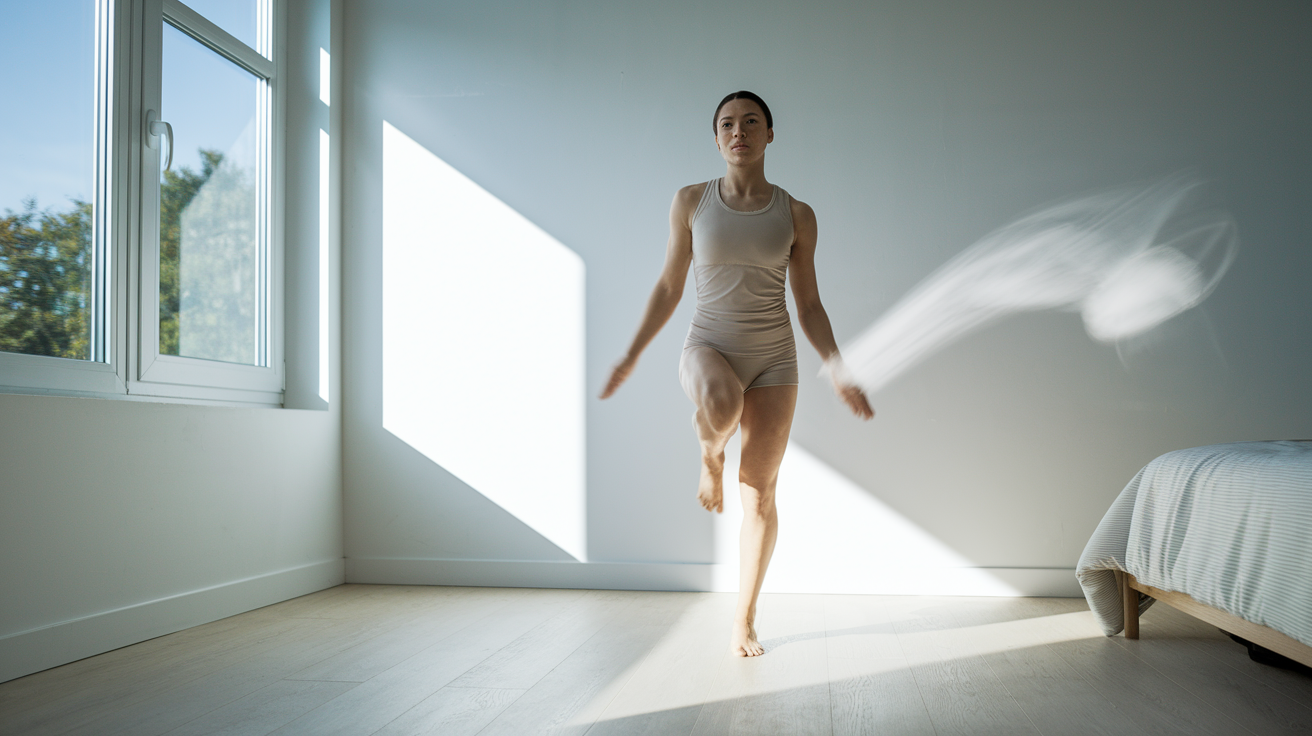
This 10‑minute session gives you a full body movement sequence that’ll fit into literally any schedule. You can do this in your bedroom, living room, or a hotel room. Zero equipment needed.
Each minute follows one movement. Move at whatever pace feels comfortable, keep breathing steady, and stop if something feels sharp or painful. Run through it once for 10 minutes. When you’re ready, do it twice for 20.
-
Marching in Place – Lift your knees to hip height, let your arms swing naturally. If that’s too much, just step side to side with a small knee lift.
-
Bodyweight Squats – Feet about shoulder width, sit back like you’re reaching for a chair, keep your chest up. Not ready for full depth? Go halfway down or hold onto a counter for balance.
-
Wall Push‑Ups – Put your hands on the wall at shoulder height, bend your elbows, bring your chest toward the wall. Stand farther from the wall to make it easier.
-
Standing Knee Raises – Alternate lifting your knees toward your chest. Hands on hips or swinging gently. If balance is tricky, just march slowly in place.
-
Glute Bridges – Lie on your back, knees bent, feet flat. Press your hips up, squeeze your glutes at the top, lower slowly. Or hold the top position for 3 seconds instead of doing reps.
-
Modified Plank (on knees) – Forearms on the floor, knees down, body straight from head to knees. Hold steady. You can also rest on your hands instead of forearms.
-
Standing Calf Raises – Rise onto your toes, lower slowly. Hold a wall or chair if you need balance support.
-
Dead Bug – Lie on your back, arms up, knees bent at 90 degrees. Lower your opposite arm and leg slowly, return, switch sides. Or move just one limb at a time.
-
Walking Jacks – Step one foot out wide, raise your arms overhead, step back, repeat on the other side. Skip the arm movement if you want and just focus on the stepping rhythm.
-
Standing Hip Circles – Hands on your hips, draw slow circles with your hips. Reverse direction halfway through the minute.
Warm‑Up Routine for Beginners
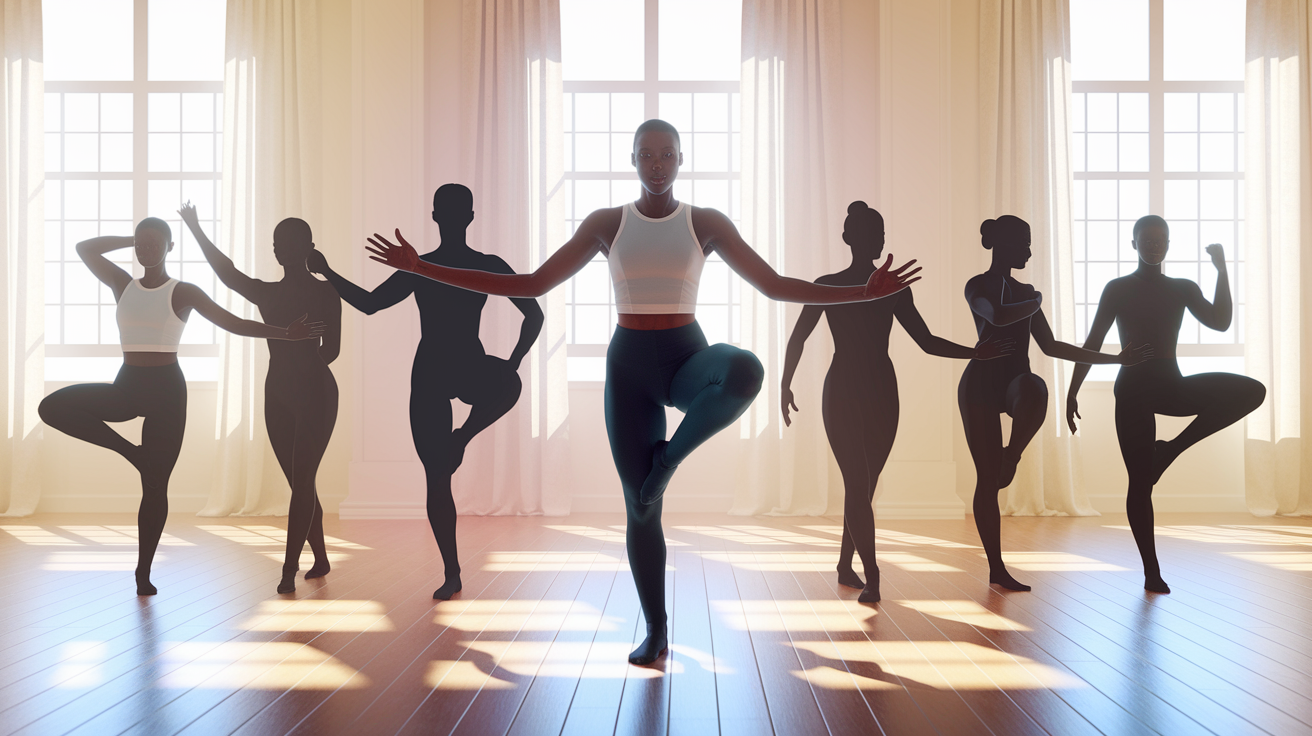
You need 3 to 5 minutes of light movement before the main workout. This raises your heart rate, moves your joints through their range, and reduces stiffness. Skip it and the first few minutes of your workout feel way harder than they should.
Use these five movements:
- Marching in Place – 1 minute at an easy pace. Lift knees gently, swing arms naturally.
- Arm Circles – 30 seconds forward, 30 seconds backward. Keep your shoulders relaxed and your circles smooth.
- Hip Hinges – Stand tall, hinge forward at your hips with soft knees, sweep your arms down, return upright. Repeat slowly for 1 minute.
- Side Steps with Reach – Step right, reach both arms overhead. Step left, reach overhead. Continue for 1 minute.
- Gentle Torso Twists – Stand with feet hip width, rotate your upper body left and right slowly. Let your arms swing naturally for 1 minute.
Core Workout Breakdown (20‑Minute Structure Explained)
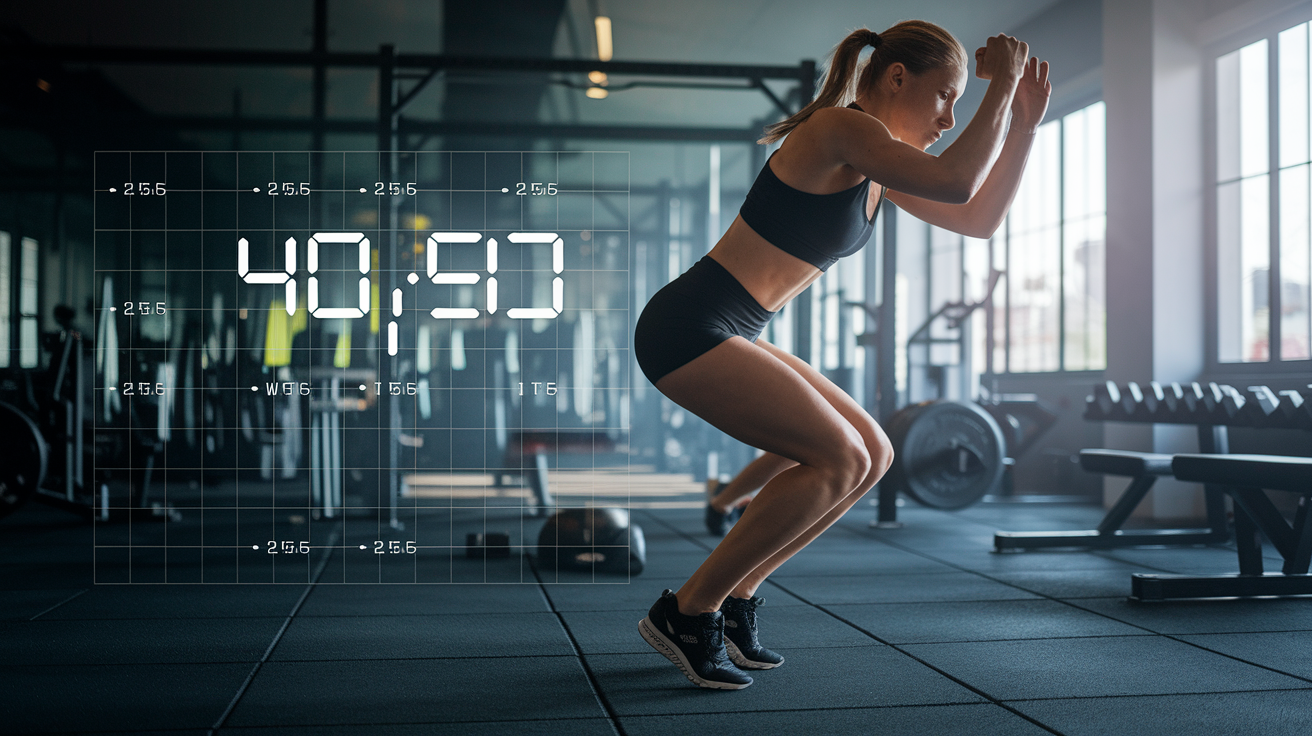
A 20‑minute beginner workout splits into three phases. Warm‑up, main circuit, cool‑down. The main circuit usually runs 14 minutes and uses a work/rest pattern that keeps your heart rate elevated while giving you time to recover between exercises. A common structure is 40 seconds of movement, 20 seconds of rest, repeated for 7 exercises. Then the full round repeats once more.
Forty seconds is long enough to complete 8 to 12 controlled reps of most movements. The 20 second rest gives you time to set up for the next exercise, take a few deep breaths, shake out your legs or arms. Between full rounds, take a 1 minute rest to sip water and reset your focus.
Beginners ask if 20 minutes is enough to see results. Yes, if you stay consistent. Two or three sessions per week, with steady effort and clean form, will improve your energy, strength, and movement quality within a month. It’s not how long you train in one session. It’s how many sessions you complete over time.
Easy Cool‑Down and Stretching Sequence
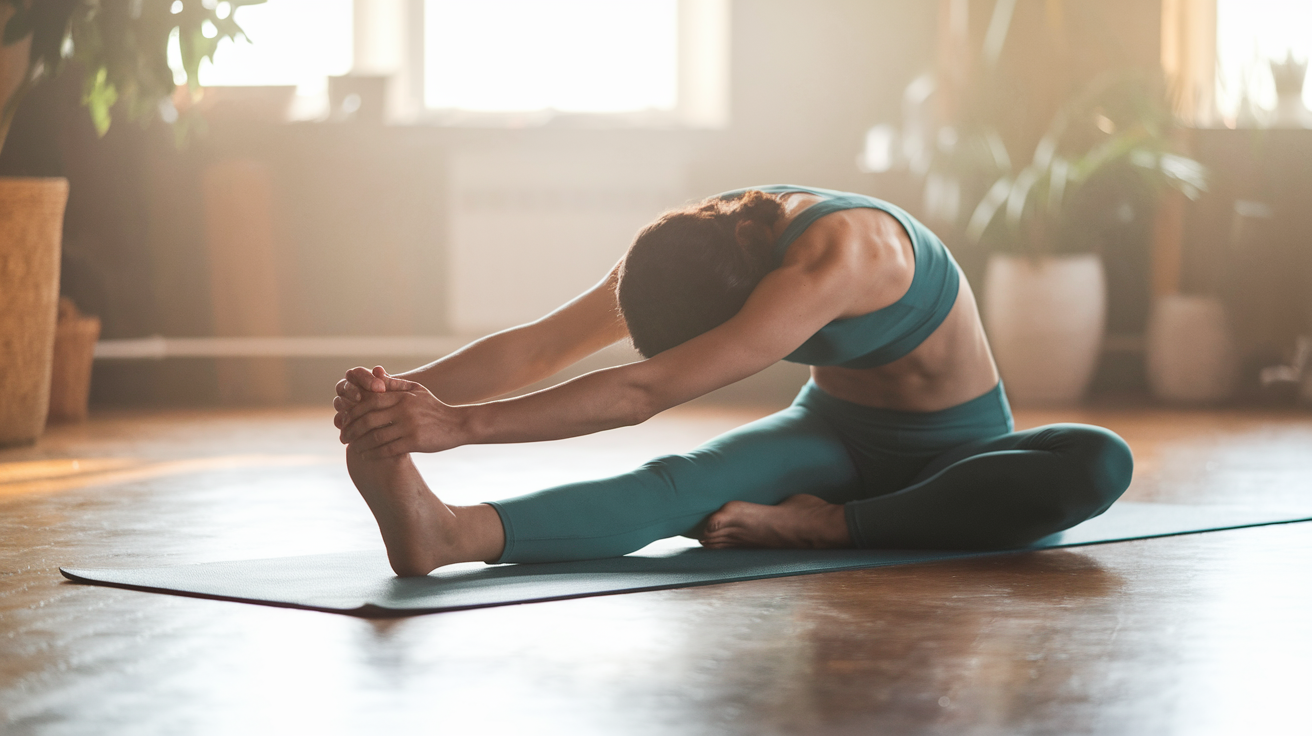
After your last exercise, take 3 to 5 minutes to lower your heart rate and stretch the muscles you just worked. Going straight from exercise to sitting or lying down can leave you feeling stiff later. And skipping stretches means you miss the chance to improve flexibility and reduce soreness.
- Standing Hamstring Stretch – Step one foot forward, hinge at your hips, reach toward your toes. Hold 30 seconds each side. Keep your back flat and knee soft.
- Quad Stretch – Stand on one leg, pull your opposite heel toward your glutes, hold your ankle gently. 30 seconds per side. Use a wall for balance if needed.
- Chest Opener – Clasp your hands behind your back, straighten your arms, lift your chest. Hold 30 seconds. This counters the forward posture from push‑ups and planks.
- Seated Forward Fold – Sit with legs extended, hinge at your hips, reach toward your feet. Hold 45 seconds. Let your head hang and breathe slowly.
Beginner Modifications and Low‑Impact Alternatives
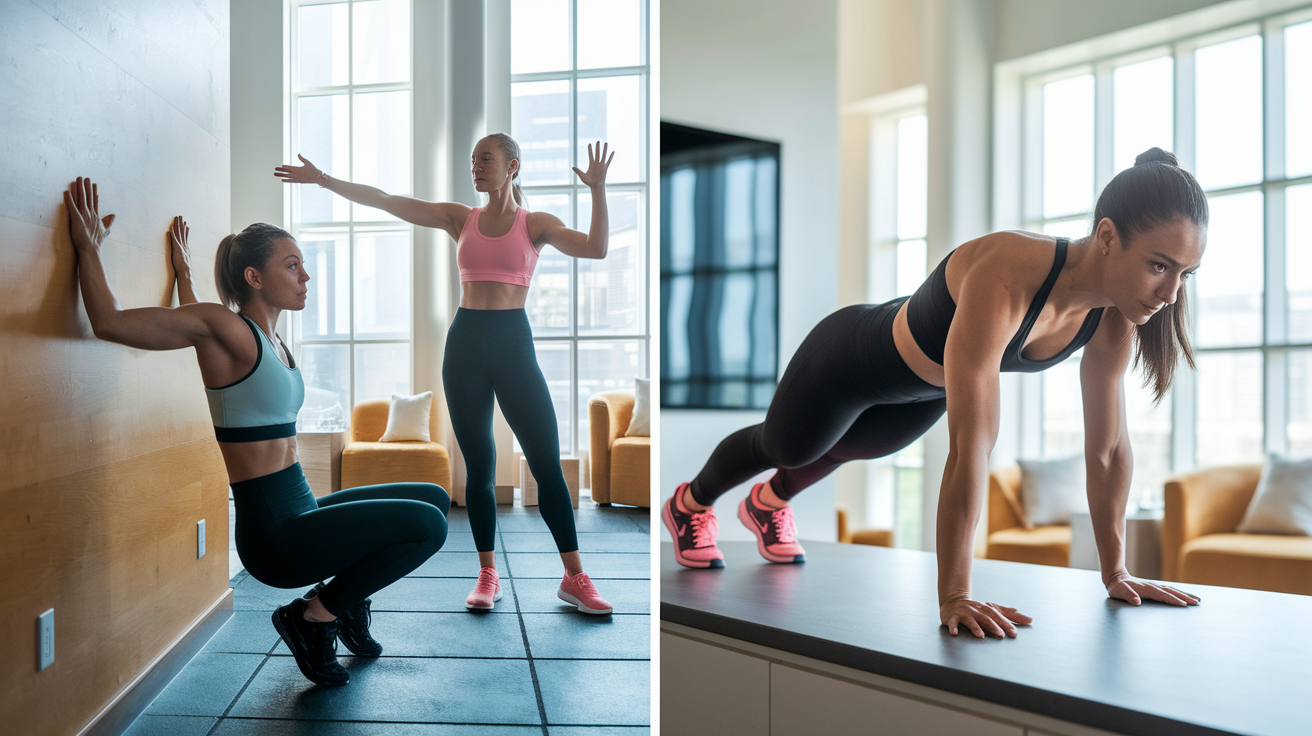
Modifying exercises isn’t a shortcut. It’s not a sign of weakness. It’s how you match the movement to your current strength and joint health. Using modifications keeps your form clean, protects your knees and shoulders, and lets you complete the full session without pain or excessive fatigue.
If an exercise feels too hard, try these adjustments. Wall push‑ups replace floor push‑ups when your upper body isn’t ready for full bodyweight load. Knee push‑ups reduce the load further while still training your chest, shoulders, and triceps. For squats, reduce your depth or sit back onto a chair and stand up again. This version, called a sit to stand, builds the same muscle groups with less joint stress.
- Replace jumping jacks with walking jacks – Step one foot wide, raise arms, step back. Repeat on the opposite side.
- Use a countertop or sturdy table for incline push‑ups instead of the floor.
- Drop to your knees during planks to shorten the lever and reduce core demand.
- Hold the top position of glute bridges for 3 seconds instead of continuous reps when your hamstrings or glutes fatigue.
- March in place instead of knee raises if balance or hip mobility is limited.
Safety Tips for New Exercisers
Sharp pain is your stop signal. Muscle burn, heavy breathing, and mild discomfort are normal during a workout. Sharp, sudden, or localized pain in a joint is not. If you feel a pinch, ache, or shooting sensation, stop that exercise immediately. Rest for a minute and try a lighter modification. If the pain returns, skip that movement for the day.
Keep your breathing steady. Never hold your breath during reps. Exhale during the hardest part of each movement. Push the air out as you press up from a squat or push away from the wall. If you feel lightheaded, dizzy, or notice your heart pounding in your ears, stop and walk slowly in place until your breathing calms. Stay hydrated before and after your session. Avoid training in extreme heat or on an empty stomach if you tend to feel faint.
Tracking Progress Over 30 Days
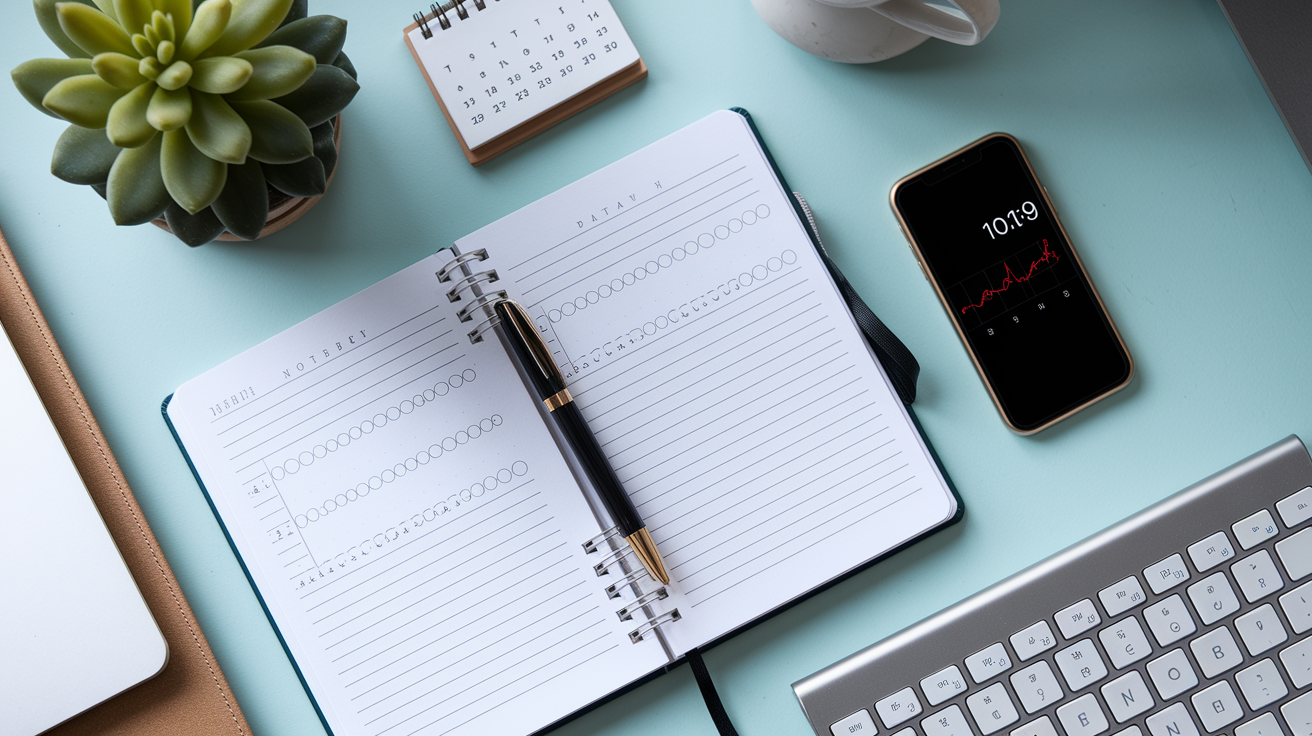
Simple tracking turns guesswork into visible progress. You don’t need an app or a complex spreadsheet. Just a notebook or a note on your phone with the date, what you did, and how it felt. Over 30 days, small improvements add up. An extra rep, a longer plank hold, a faster recovery between rounds.
Track these four metrics to measure your progress clearly. Reps completed tells you if you’re getting stronger. Duration tolerated shows if your stamina is improving. Perceived exertion (on a scale of 1 to 10) helps you notice when the same workout starts to feel easier. Heart rate recovery, how quickly your pulse drops after the session, indicates better cardiovascular fitness.
| Metric | Description | How to Record |
|---|---|---|
| Reps Completed | Number of squats, push-ups, or bridges finished in each work interval | Write down total reps per exercise after each session |
| Duration Tolerated | How long you held a plank or marched without stopping | Note seconds or minutes next to the exercise name |
| Perceived Exertion (RPE 1–10) | How hard the workout felt overall | Rate your session immediately after cool‑down |
| Heart Rate Recovery | Pulse drop 1 minute after finishing the main circuit | Count pulse for 15 seconds at end of workout and 1 minute later, multiply by 4, note the difference |
Printable & Saveable Workout Resources
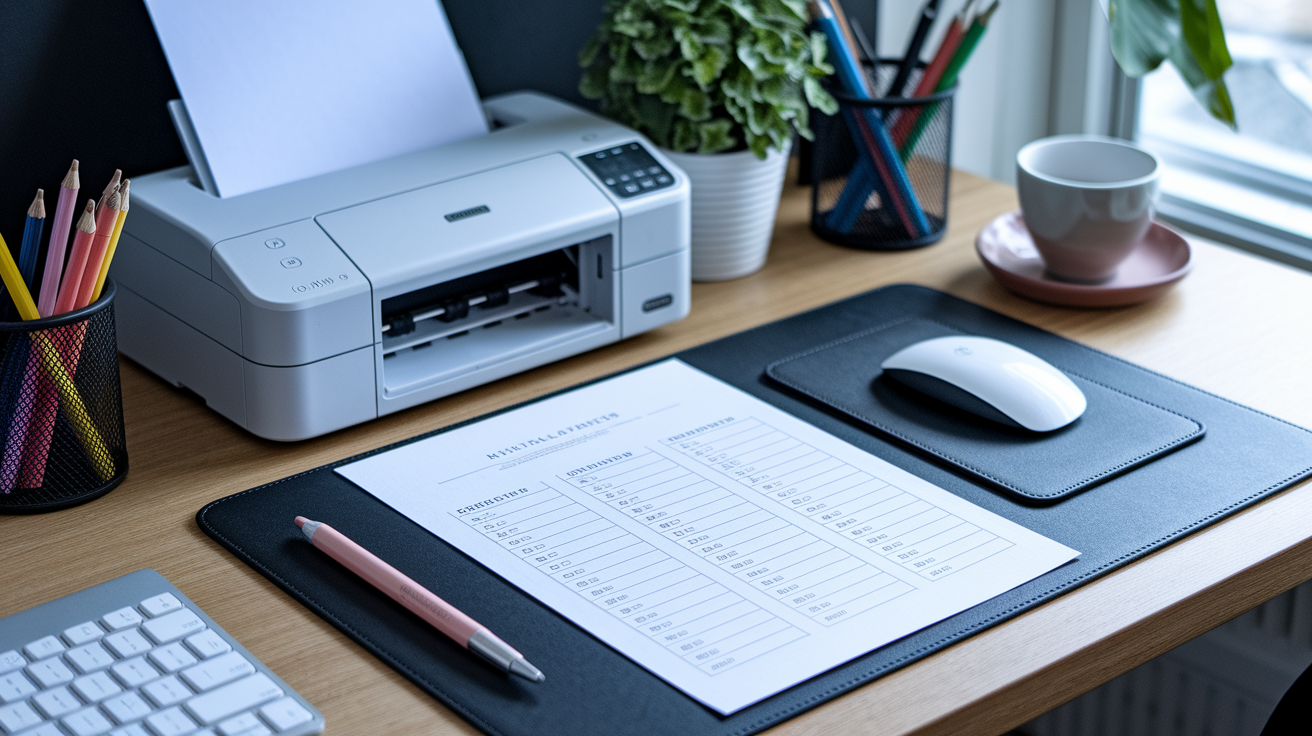
A one page workout summary keeps you focused and removes the need to remember exercise order, work intervals, or rest times. Print it, tape it to your wall, or save a photo on your phone so you can glance at it between sets instead of scrolling back through an article or video.
Your printable resource should include:
- Exercise list in order – Number each movement (1 through 7 or 10) with the work and rest time next to it.
- Modification options in parentheses – Add a short note like “(knee option available)” or “(wall version)” beside each exercise.
- Warm‑up and cool‑down reminders – List 2 to 3 movements for each phase so you never skip them.
- Progress tracking box – Leave space for date, rounds completed, and a quick note about how the session felt.
Final Words
Start now: do the short warm-up, try the 10-minute sample to build confidence, then follow the 20-minute structure for a full session.
This post gave a quick 10-minute no-equipment circuit, a warm-up, clear 20-minute structure, cool-down, low-impact options, safety tips, progress-tracking, and printable resources. Use the modifications when needed and keep form simple.
Treat this beginner 20 minute workout like a repeatable habit. Pick the version that fits your day and track the small wins—steady progress adds up.
FAQ
Q: Is a 20-minute workout good for a beginner?
A: A 20-minute workout is a great start for beginners because it builds consistency, improves stamina and basic strength, and fits busy days. Aim for steady progression and good form over time.
Q: What is the best exercise for heart disease?
A: Brisk walking and other moderate aerobic activity are the best exercises for people with heart disease because they boost cardiovascular fitness and circulation. Check with your doctor first and start with short, steady sessions.
Q: What is the 3 3 3 rule for working out?
A: The 3-3-3 rule for working out commonly refers to a simple beginner guideline: three workouts per week, three sets per exercise, and three weeks to build the habit. Adjust the plan as needed.
Q: What’s the best exercise for type 2 diabetes?
A: Combining moderate aerobic activity (like brisk walking) with regular strength training is the best approach for type 2 diabetes because it helps blood sugar control and improves insulin sensitivity. Talk with your healthcare team.