
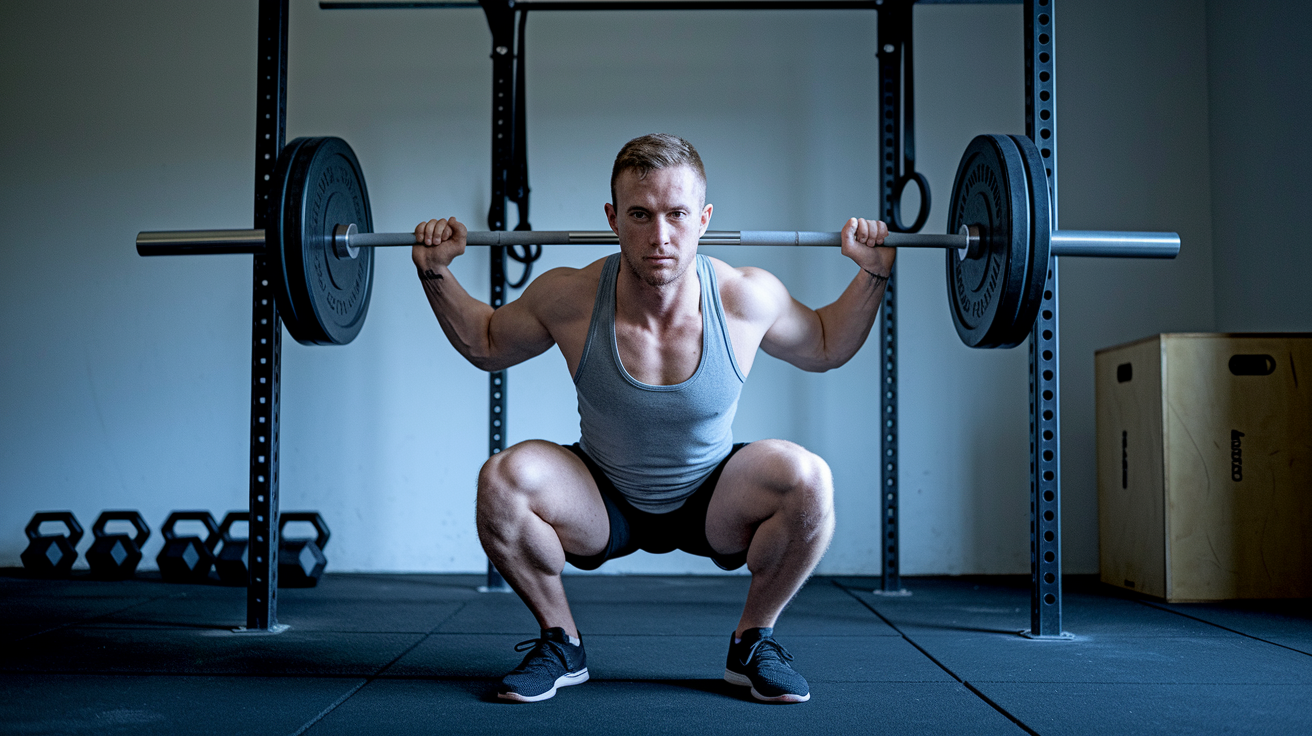
You don’t need hours at the gym or fancy machines to build strength fast.
This beginner full‑body workout plan gives a clear, doable path: six simple moves per session that hit every major muscle group in 30 to 60 minutes, three nonconsecutive days a week.
No prior experience required, and you can use bodyweight, dumbbells, or household items.
Follow the order, pick a weight that leaves the last reps challenging, and you’ll see steady gains without overcomplicating things.
Here’s the straightforward routine to get you started.
Quick Start Full‑Body Routine for Beginners
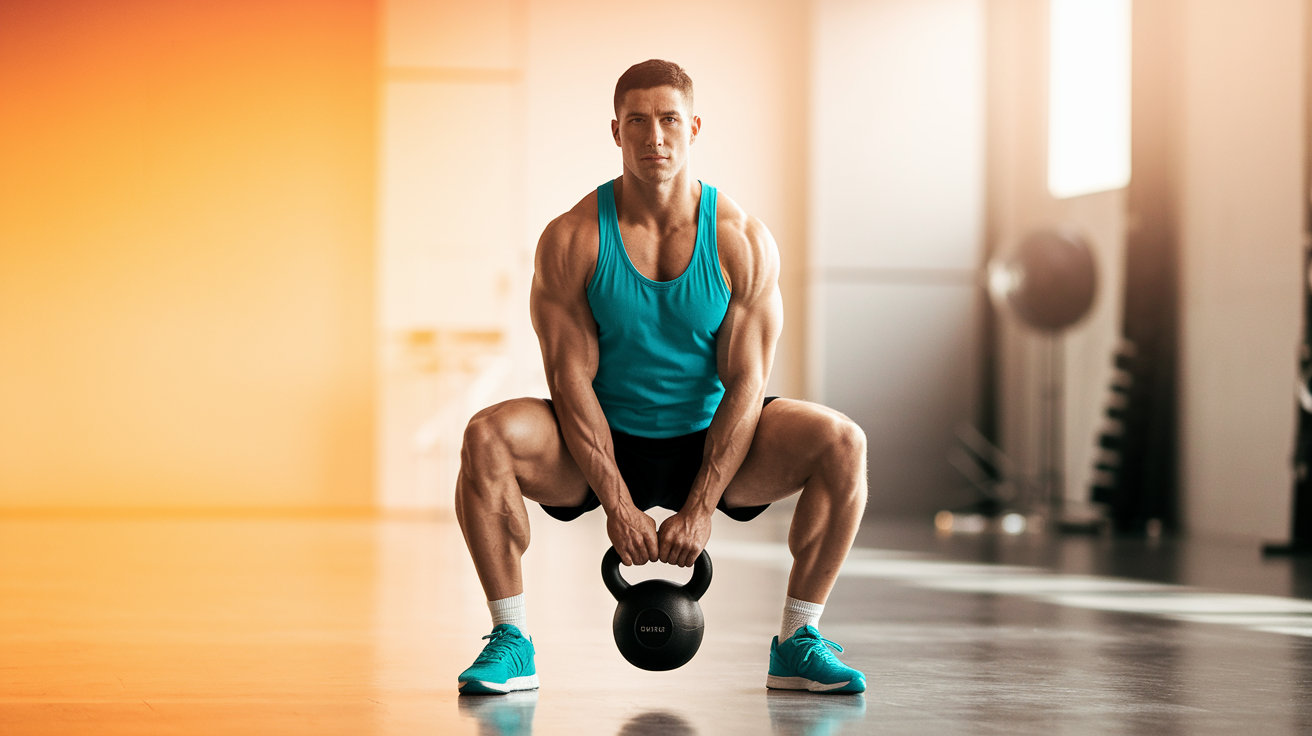
This routine hits every major muscle group three times a week in 30 to 60 minutes. Each session includes six exercises with 2 to 3 sets, 8 to 12 reps, and structured rest. You don’t need fancy equipment or any prior experience.
Follow the exercise order as written. It warms up your body gradually and keeps smaller muscles fresh when you need them. Run through the full routine on three nonconsecutive days, with at least one full rest day between sessions.
The Workout:
- Goblet Squat – 3 sets × 8–12 reps, rest 90 seconds
- Push-Up (or hands elevated on bench) – 3 sets × 8–12 reps, rest 60 seconds
- Bent-Over Dumbbell Row – 3 sets × 8–12 reps per arm, rest 90 seconds
- Romanian Deadlift (dumbbell or bodyweight) – 2 sets × 8–12 reps, rest 90 seconds
- Seated Dumbbell Shoulder Press – 2 sets × 10–15 reps, rest 60 seconds
- Plank – 3 sets × 30–60 seconds, rest 60 seconds
Try Monday, Wednesday, Friday, or pick any three days that work for your schedule. Start with a weight or body position that makes the last two reps tough but manageable without your form falling apart. That’s around a 7 or 8 out of 10. Miss a day? Just grab the next scheduled session without doubling up.
How to Perform Each Exercise Safely and Correctly
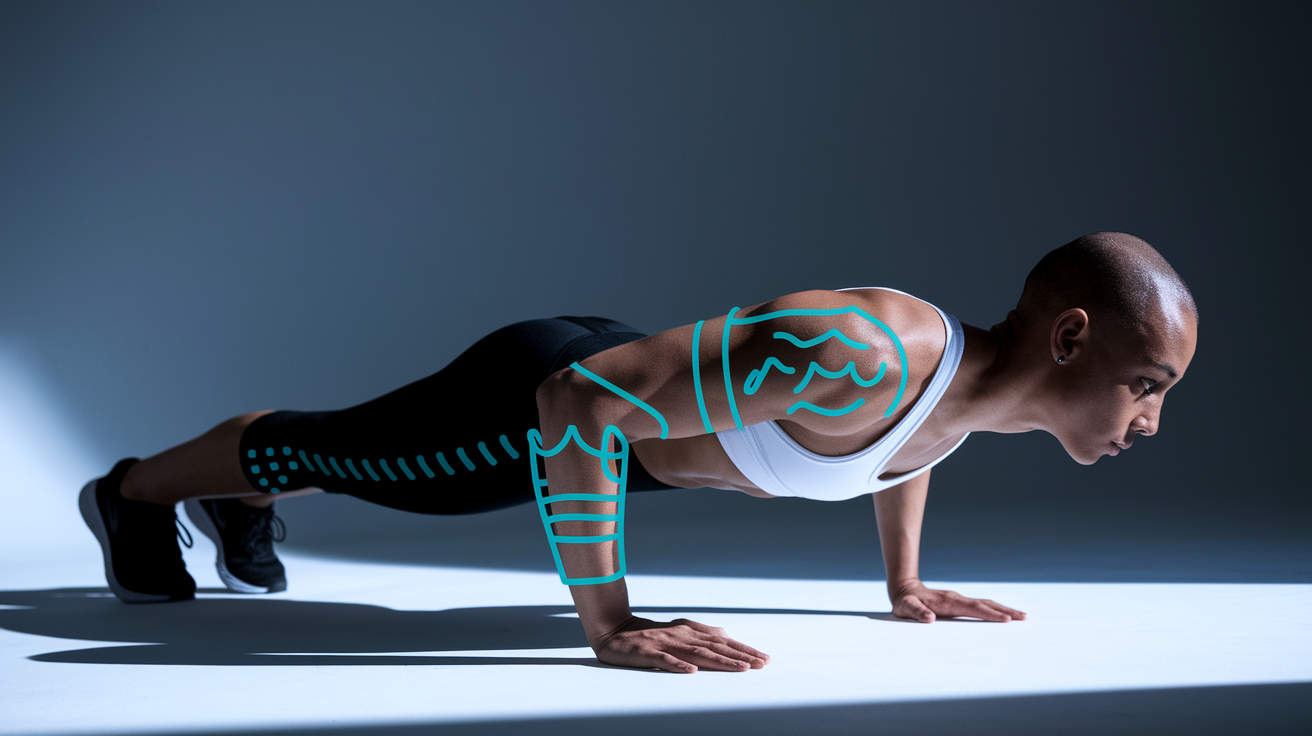
Alignment is everything. Keep your ribcage stacked over your hips. Don’t let your lower back arch too much or round like a turtle shell. Picture a straight line from the top of your head down through your tailbone for squats and deadlifts. Your knees should track with your toes, not caving in or flaring out wide. When you press or pull, shoulders stay down and back, away from your ears.
Tempo matters more than most people think. Lower the weight (or your body) over a slow two-second count, pause briefly at the bottom, then press or pull back up in one controlled second. Bouncing out of the bottom or using momentum to cheat the next rep is a no-go. Can’t control the descent? The weight’s too heavy or the variation’s too advanced.
Breathing supports everything. Inhale on the easier part, exhale during the hardest part. Squat down on the inhale, stand up on the exhale. Push-up down on the inhale, press up on the exhale. Holding your breath through an entire set cranks up internal pressure and can leave you dizzy. Match one breath cycle to each rep.
Essential Warm‑Up and Cool‑Down for Beginners
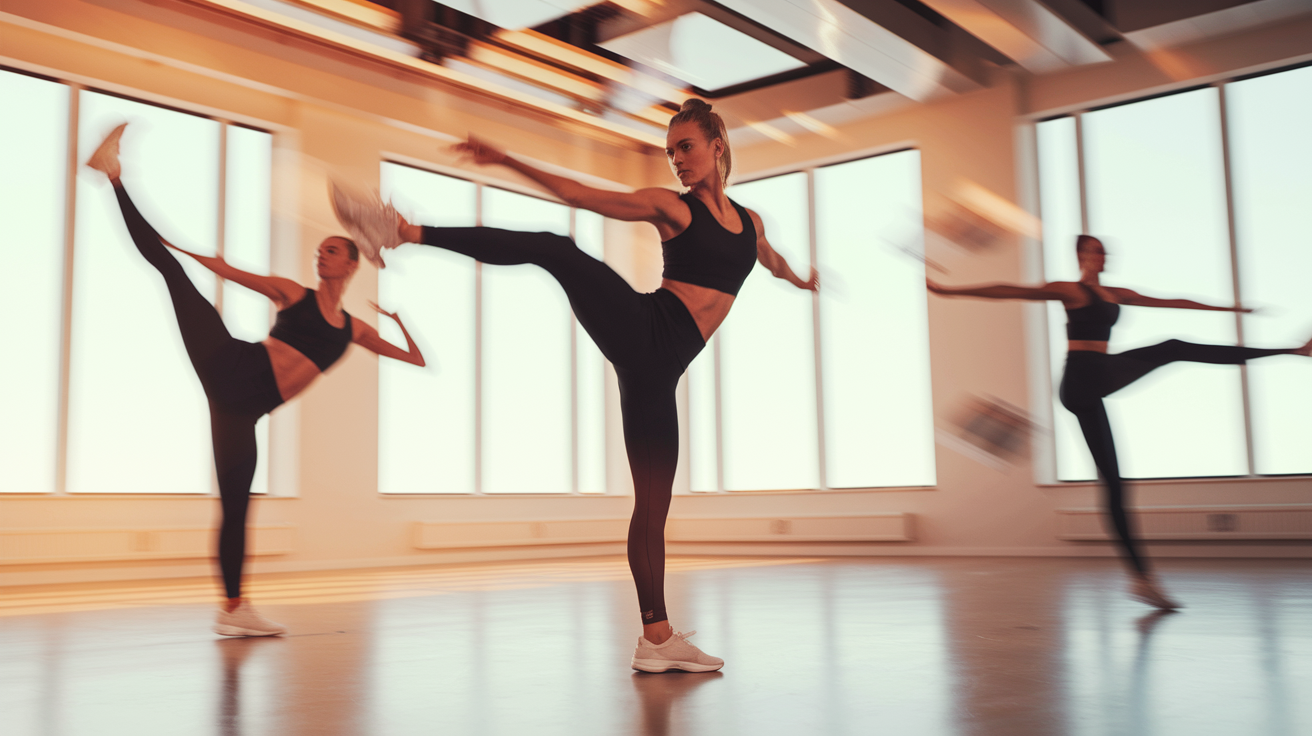
Spend five to ten minutes warming up. It raises your heart rate, gets your joints moving, and wakes up the muscles you’re about to use. Skip it and the first few sets feel like slogging through mud. Dynamic movements that mimic your workout patterns are best.
Dynamic Warm-Up (5–10 minutes):
- Jumping jacks or marching in place – 60 seconds
- Leg swings front to back – 10 per leg
- Leg swings side to side – 10 per leg
- Arm circles forward and back – 30 seconds total
- Bodyweight squats with slow tempo – 10 reps
After your last set, take five to ten minutes for static stretching and light movement. It signals your body that the work’s done. Hold each stretch for 20 to 30 seconds without bouncing. This cuts down on next-day stiffness and keeps muscles from locking up too fast. Focus on what you just trained and any areas that feel tight from sitting or daily posture.
Beginner‑Friendly Equipment Options
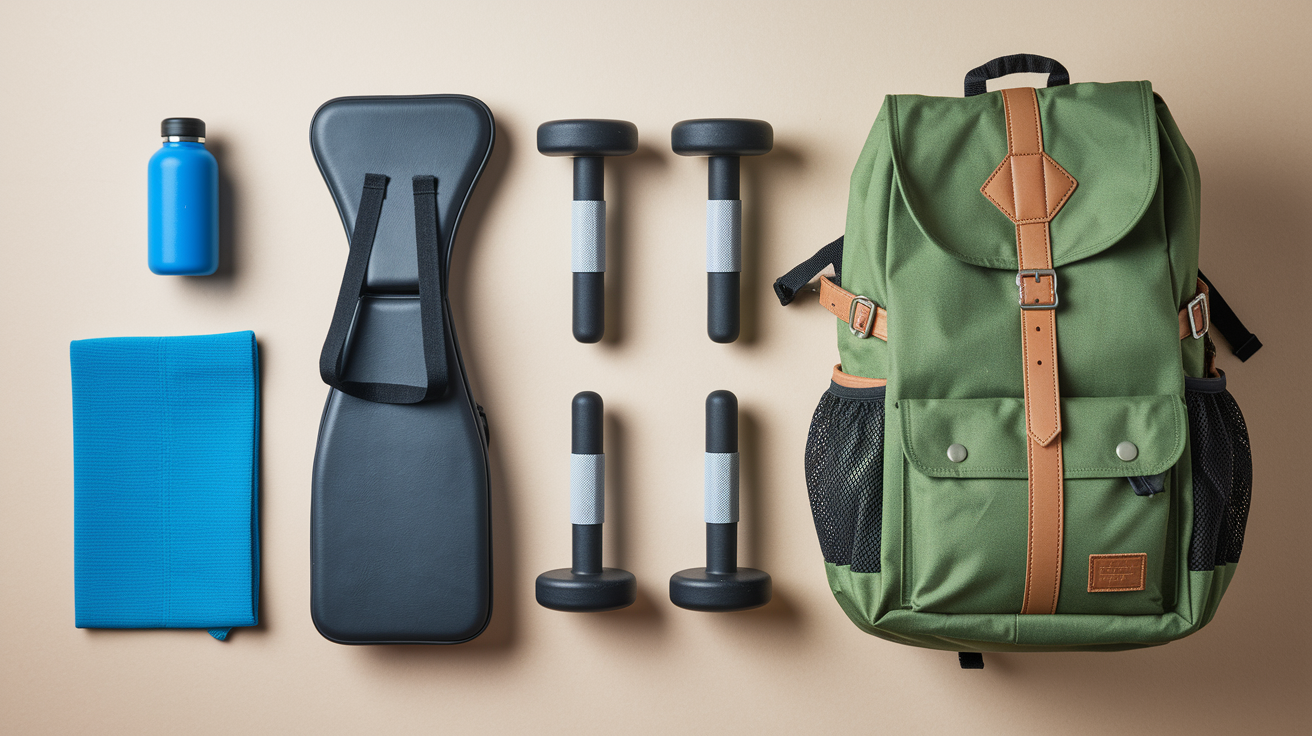
You can start this routine with just your body and a sturdy chair or bench. Bodyweight squats, elevated push-ups, glute bridges. All zero dollars. Once bodyweight versions feel easy for 12 to 15 reps, adding external load is the next step.
A pair of adjustable dumbbells covers most beginner needs. They run anywhere from fifty to three hundred dollars depending on weight range and brand. Resistance bands cost ten to forty dollars and handle rows, presses, mobility drills. A flat or adjustable bench adds another fifty to one hundred fifty and opens up chest press and incline work.
No dumbbells? Use filled water bottles, canned goods, or a loaded backpack for goblet squats and rows. A sturdy countertop or table edge works for elevated push-ups. A thick towel or yoga mat handles planks and floor exercises. The point is consistent effort with whatever you’ve got right now, not waiting for perfect gear to start.
How to Progress Your Full‑Body Workout Over Time
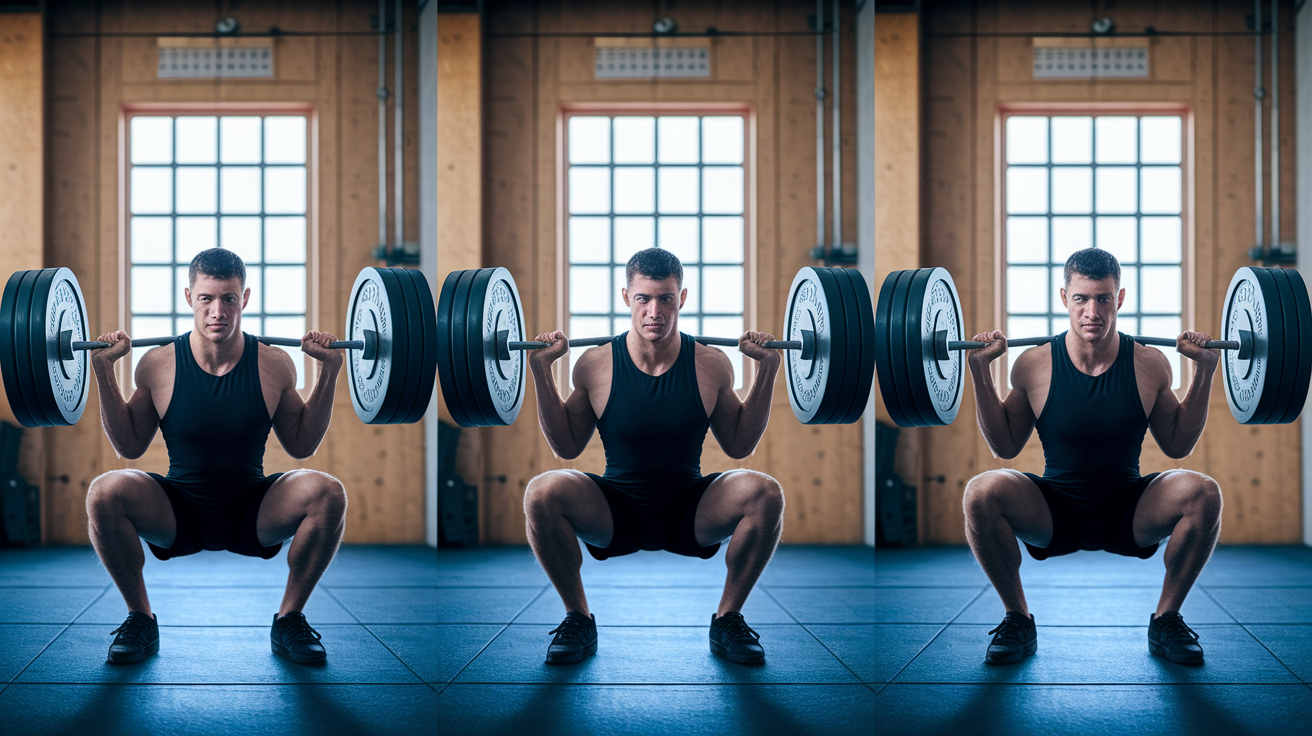
Progressive overload means doing slightly more work over time while keeping form solid. The simplest method? Add one or two reps to each set once you can hit the top of the target range for two straight workouts. Hit 12 reps on goblet squats for all three sets two sessions in a row? Bump the weight by two and a half to five pounds and drop back to 8 reps.
Adding sets works when increasing weight isn’t available or feels too aggressive. Move from two sets to three, or tack on a fourth set to your primary lifts after four to six weeks of consistent training. You can also shorten rest periods by ten to fifteen seconds once your breathing recovers faster between sets. All three methods build capacity without needing heavier weights.
Swap exercise variations every four to eight weeks to keep things moving and maintain interest. Trade push-ups for dumbbell bench press, or swap bent-over rows for seated cable rows. Keep the same movement patterns and rep ranges but change the angle, equipment, or grip. Plan one lighter week every four to eight weeks by cutting volume or intensity in half. Let your body recover fully before pushing harder again.
Printable and Downloadable Beginner Workout Resources
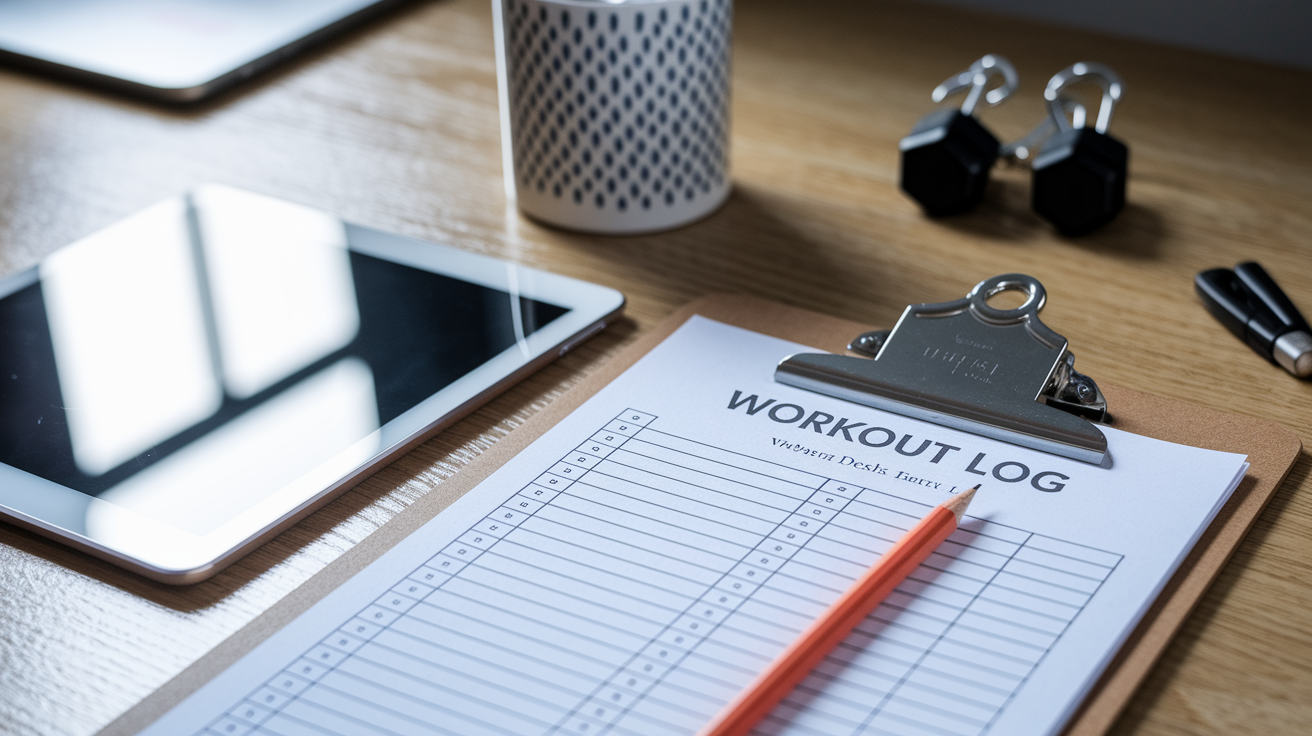
Downloadable workout logs help you track sets, reps, and weights session by session without relying on memory or scattered notes. A simple spreadsheet or printable PDF with columns for date, exercise name, sets, reps, load, and effort level keeps your progress visible. Builds accountability. Seeing numbers climb week over week reinforces the habit and shows exactly when to add weight or reps.
Many beginner plans include one-week, four-week, and eight-week templates with daily checkboxes and pre-filled exercise lists. Print the sheet at the start of each week and bring it to your workout space. Some templates link to short video demonstrations of each exercise so you can check form between sets. Using a physical or digital tracker turns vague effort into measurable progress. Makes it easier to spot patterns like missed sessions, plateaus, or overreaching.
Final Words
Start the week with the quick full-body routine: six compound moves, 2–3 sets of 8–12 reps, done on a Mon/Wed/Fri schedule. Do the dynamic warm-up, use the form cues, and pick equipment that fits your life.
Track progress by adding a rep, a set, or a little weight every 1–2 weeks. Rest and the cool-down matter just as much as the work.
This beginner full body workout plan gives a clear, repeatable path. Keep it consistent and you’ll build strength and confidence.
FAQ
Q: What is a simple full-body workout for beginners?
A: A simple full-body workout for beginners includes six compound moves: squats 3×8–12, push-ups 3×8–12, bent-over rows 3×8–12, lunges 2×8–12, glute bridges 2×12–15, plank 2×20–40s. Rest 60–90s.
Q: How often should beginners train a full-body routine each week?
A: Beginners should train full body 2–3 times per week, for example Monday/Wednesday/Friday. Keep sessions moderate. Finish feeling challenged but able to recover between workouts.
Q: What basic form tips help prevent injury during these exercises?
A: Basic form tips include keeping a neutral spine, bracing your core, using a controlled tempo, moving through a comfortable range of motion, and exhaling on effort to lower injury risk.
Q: What should a beginner do to warm up and cool down?
A: Beginners should warm up with 5–7 minutes of movement like marching, leg swings, arm circles, hip hinges, and walking lunges. Cool down with 5 minutes of light stretching to aid recovery.
Q: What equipment do beginners need for a full-body routine?
A: Beginners need minimal equipment: bodyweight is enough, plus optional resistance bands or light dumbbells. Household items like filled water bottles or a backpack work as substitutes.
Q: How do I safely progress my beginner full-body workout over time and when should I increase load?
A: Safely progress by adding reps, sets, weight, or shortening rest. Increase difficulty every 1–2 weeks when you can complete current sets with good form and feel ready for a step up.
Q: How can printable workout resources help beginners stay consistent?
A: Printable workout resources help beginners track sets, reps, and rest, plan a weekly schedule, and spot progress. Use them to review workouts weekly and keep your plan realistic and repeatable.
Q: What should a beginner realistically expect from this routine?
A: A beginner should expect steady strength and mobility gains over weeks to months. Focus on consistency, recovery, and small progressions rather than quick fixes or dramatic changes.