
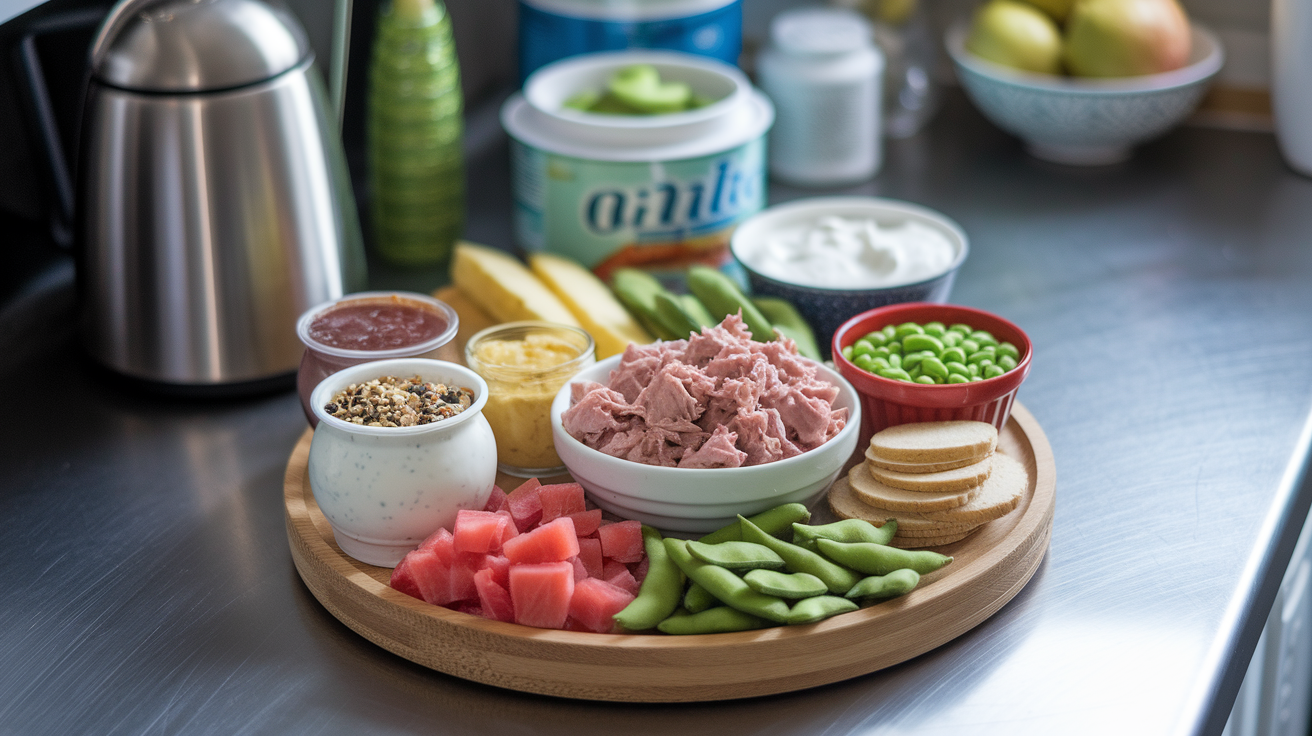
Think snacks are just empty calories? Think again.
Pick the right ones and snacks can give steady energy, support your muscles, and stop that heavy afternoon slump.
This post shares fast, practical high-protein, low-fat snack ideas—most deliver around 10–25 grams of protein with under 3 grams of fat per serving.
You’ll get grab-and-go options, quick prep ideas, dairy and plant-based swaps, and lean seafood or meat picks so you can eat smarter without fuss.
Fast and Practical High-Protein, Low-Fat Snack Options (0–5 Minutes)
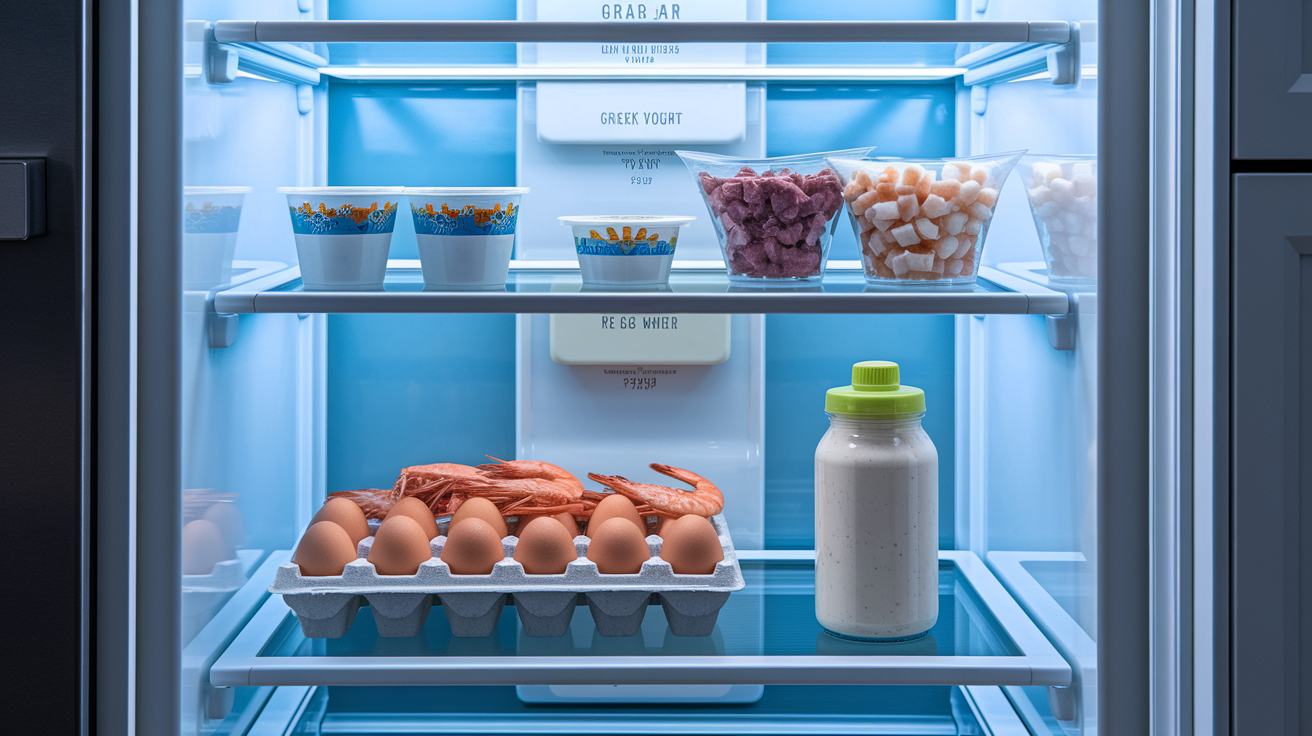
When you need something quick between meetings or right after a workout, reaching for a snack with solid protein and minimal fat keeps energy steady without dragging you down. Most options here deliver at least 10 grams of protein per serving with less than 3 grams of fat. You get the muscle supporting benefits without extra calories from fat.
Focus on snacks you can grab straight from the fridge or pantry with zero or near zero prep time. A few require one or two simple steps, opening a can, stirring a bowl, or shaking up a bottle, but nothing that needs a recipe or more than five minutes.
Nonfat Greek yogurt parfait — 1 cup (245 g) nonfat Greek yogurt + 1/4 cup berries. Protein: ~22 g; Fat: 0 g; Calories: ~120 kcal; Prep time: 1–2 min. Price per serving: ~$1.25.
Low fat cottage cheese + cucumber — 1/2 cup (113 g) 1% cottage cheese. Protein: ~14 g; Fat: ~1.5 g; Calories: ~90 kcal; Prep time: 1–2 min. Price per serving: ~$0.80.
Canned tuna in water — 3 oz drained (85 g). Protein: ~20 g; Fat: ~0.5 g; Calories: ~90 kcal; Prep time: 0–1 min. Price per serving: $0.75–$1.25.
Pre cooked shrimp cocktail — 3 oz (85 g) cooked shrimp. Protein: ~20 g; Fat: ~1 g; Calories: ~90 kcal; Prep time: 0–2 min if purchased pre cooked. Price per serving: $1.25–$1.75.
Egg white snack — 3 large egg whites (≈100–120 g total, from carton or hard boiled). Protein: ~11 g; Fat: 0 g; Calories: ~55 kcal; Prep time: 0 min if using liquid carton, 10–12 min if boiling whole eggs. Price per serving: $0.50–$0.80.
Whey isolate shake with water — 1 scoop whey isolate (≈30 g) + water. Protein: ~25–27 g; Fat: ~0–1 g; Calories: ~110–130 kcal; Prep time: 1 min. Price per serving: $0.90–$1.25.
Turkey breast roll ups — 2 oz (56 g) sliced lean turkey breast (3–4 slices). Protein: ~12 g; Fat: ~1 g; Calories: ~60–70 kcal; Prep time: 1–3 min. Price per serving: $0.65–$0.95.
Shelled edamame (frozen, steamed) — 1/2 cup (78 g) shelled. Protein: ~8.5 g; Fat: ~3.5 g; Calories: ~100 kcal; Prep time: 3–5 min. Price per serving: $0.60–$0.90.
Lean turkey or chicken jerky — 1 oz (28 g) lean poultry jerky. Protein: ~10–12 g; Fat: ~1–2 g; Calories: ~60–90 kcal; Prep time: ready to eat. Price per serving: $1.00–$1.75.
Canned chicken breast in water — 3 oz drained (85 g). Protein: ~21 g; Fat: ~1 g; Calories: ~100 kcal; Prep time: 0–1 min. Price per serving: $1.00–$1.50.
Skim milk + whey mini smoothie — 1 cup skim milk (240 ml) + 1/2 scoop whey isolate (15 g). Protein: ~25–33 g total; Fat: ~0–0.5 g; Calories: ~150–210 kcal; Prep time: 1–2 min. Price per serving: $1.10–$1.50.
Canned crab or imitation crab — 3 oz (85 g). Protein: ~16–18 g; Fat: ~0.5–1 g; Calories: ~80–90 kcal; Prep time: 0–2 min. Price per serving: $1.25–$2.00.
Protein enriched skyr or Icelandic style yogurt cup — single 170–200 g cup. Protein: ~15–20 g; Fat: ~0–1 g; Calories: ~100–140 kcal; Prep time: ready to eat. Price per serving: $1.00–$1.75.
Portion control keeps these macronutrient totals accurate. Doubling the serving size doubles the protein, fat, and calorie numbers. Check nutrition labels on packaged items, especially jerky and yogurt, to confirm that fat stays at or below 3 grams per serving.
Choosing Snacks by Preparation Time (Without Repeating the Main List)
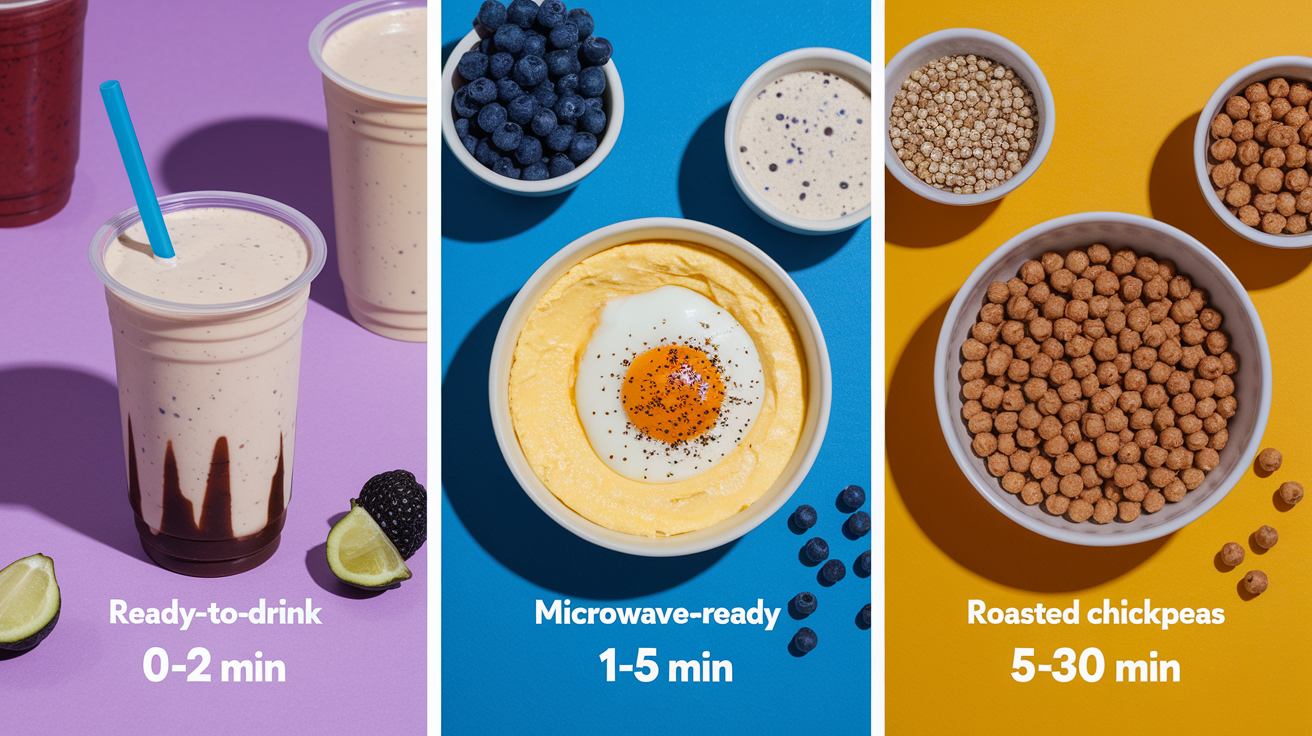
When your schedule changes day to day, sorting snacks by how long they take can make planning simpler.
0–2 minutes (grab and go):
Ready to drink protein beverages (20–30 g protein, typically under 2 g fat), pre portioned single serve yogurt cups with no added sugar, individual salmon pouches (similar macros to tuna but with slightly higher omega 3 fats), beef or bison jerky sticks (lean, single serve packages around 10–15 g protein), frozen shelled edamame single serve microwaveable bags (8–10 g protein).
1–5 minutes (minimal prep):
Skim milk poured over a scoop of unflavored casein protein powder (20–25 g protein, minimal fat, creates a thicker texture than whey), sliced deli chicken breast layered on a few baby carrots (12–15 g protein), egg white scramble cooked in the microwave using liquid egg whites and a sprinkle of seasoning (11 g protein per three egg white serving), seasoned lupin beans straight from the jar (around 7–10 g protein per serving, slightly lower fat than chickpeas).
5–30 minutes (quick assemble or cook):
Seared firm tofu cubes with low sodium soy sauce and garlic powder (8–11 g protein per 3 oz, fat varies by firmness but generally 3–5 g), roasted chickpeas tossed with spices and air fried or oven baked at 400°F for 30–40 minutes (7–8 g protein per 1/2 cup), seitan strips pan seared with onion powder (21 g protein per 3 oz, around 2 g fat), protein enriched overnight oats assembled the night before using skim milk and whey or casein powder (25–30 g protein total).
Grab and go works best when you know mornings are tight. Minimal prep snacks make sense during a lunch break at your desk. Quick cook options fit evenings when you have a few extra minutes and want something warm or more filling.
Lean Dairy Snacks with Creative Variations (No Repetition of Section One Items)
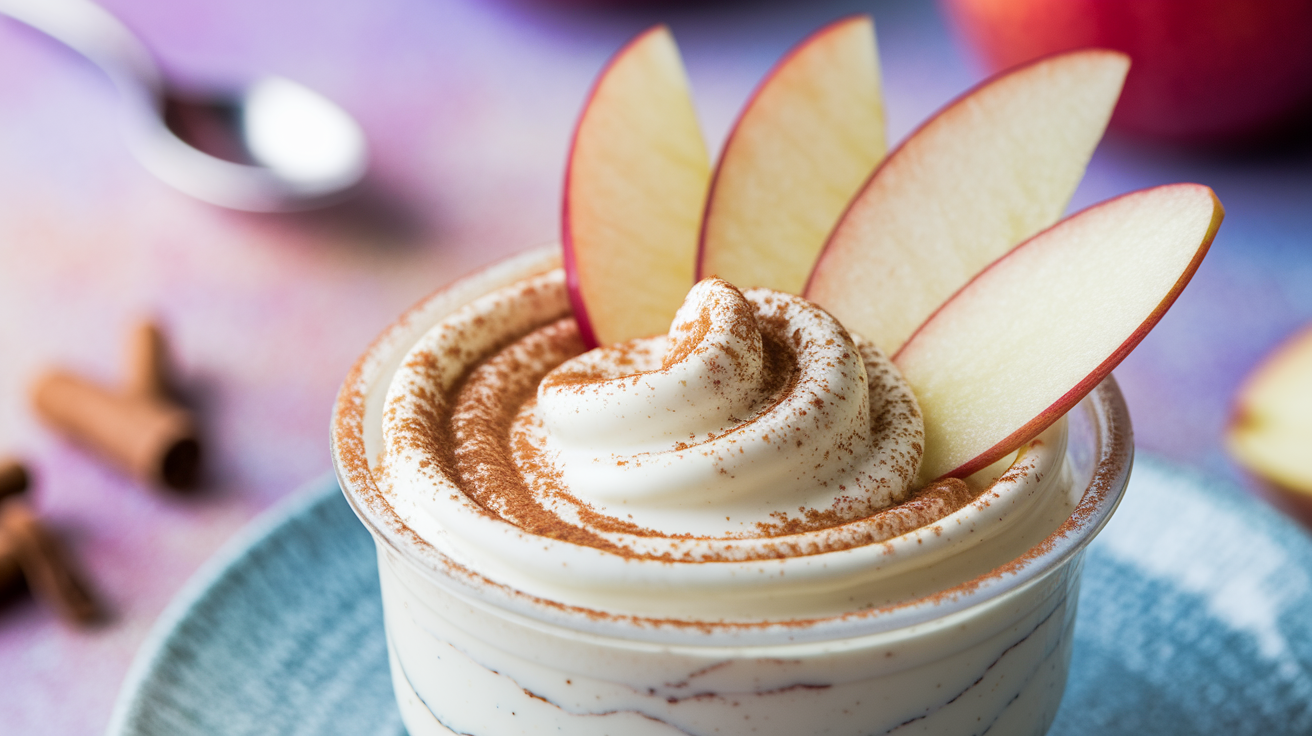
Dairy delivers a solid protein to fat ratio when you stick with nonfat or low fat varieties. Small changes in flavoring keep things interesting without adding much fat or sugar.
Nonfat vanilla Greek yogurt + cinnamon + sliced apple — Similar macros to plain Greek yogurt (around 15–22 g protein per cup, 0–1 g fat), but the apple and cinnamon add natural sweetness without needing honey or syrup.
Skyr with a sprinkle of unsweetened cocoa powder — Skyr typically offers 15–20 g protein per cup with 0–1 g fat. The cocoa adds a chocolatey note with negligible added fat.
Cottage cheese + pineapple chunks (canned in juice, drained) — 1/2 cup cottage cheese (~14 g protein, ~1.5 g fat) + 1/4 cup pineapple. The fruit brings a tropical sweetness without adding fat.
Fat free ricotta mixed with cinnamon and a pinch of stevia — 1/2 cup fat free ricotta delivers around 14 g protein with less than 1 g fat. Stir in cinnamon and a zero calorie sweetener for a dessert like snack.
Low fat string cheese + cherry tomatoes — 1 stick (28 g) low fat string cheese (~7.9 g protein, ~2 g fat) + 1 cup cherry tomatoes. The tomatoes add volume and vitamins with almost no fat.
Nonfat Greek yogurt blended with frozen berries and a splash of almond milk — Creates a soft serve texture without needing ice cream. Protein stays around 20–25 g per cup with under 1 g fat.
Cottage cheese + diced cucumber and fresh dill — A savory take on cottage cheese that feels more like a salad than a snack. Macros remain similar to plain cottage cheese (~14 g protein per 1/2 cup).
Skyr layered with sliced strawberries and a sprinkle of chia seeds — Chia adds a small amount of omega 3 fat (around 1–2 g per tablespoon) but keeps total fat low while boosting fiber.
Choose nonfat dairy options when you want to keep fat as close to zero as possible. Low fat versions (1–2% fat) add only a gram or two of fat per serving but can taste richer if you prefer a creamier texture.
Plant Based Snack Ideas Using Unique Preparations & Ingredients
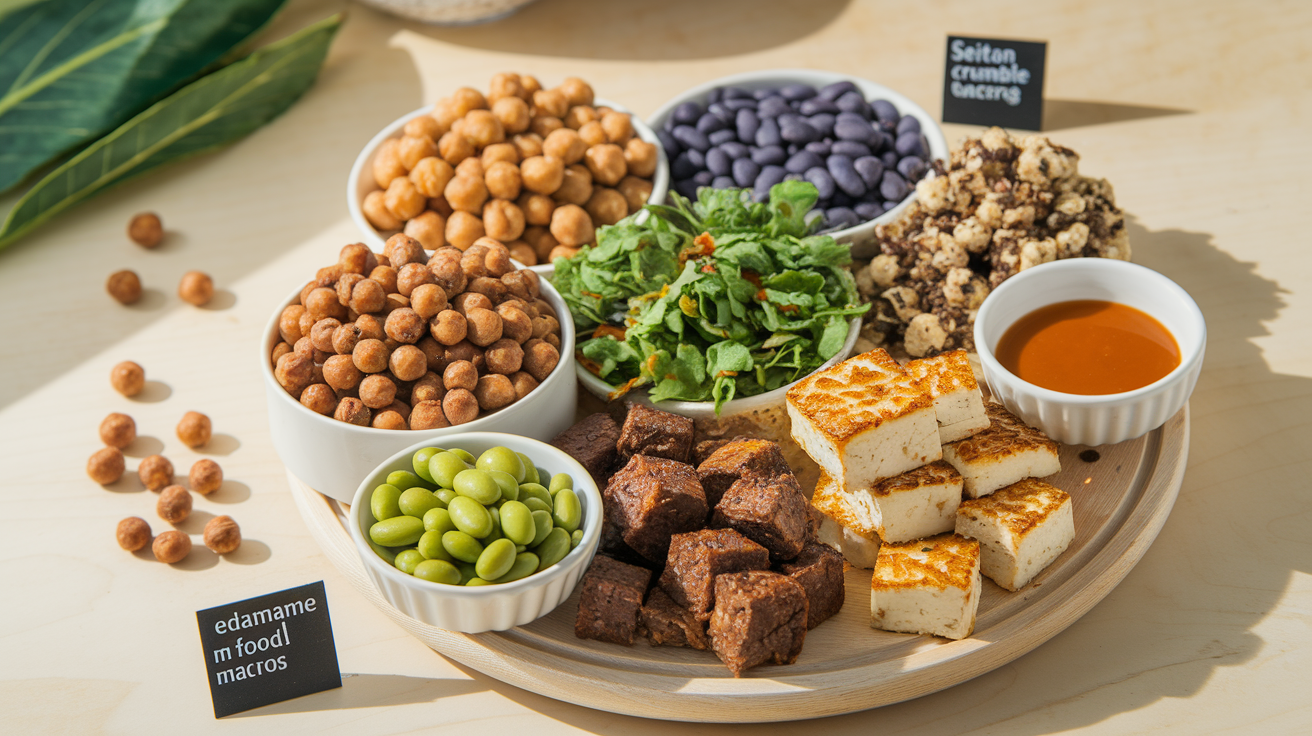
Plant proteins tend to come with a bit more fat than lean animal proteins, but careful selection and preparation keep total fat low while delivering solid protein numbers.
Legumes, soy products, and certain seeds offer complete or nearly complete amino acid profiles. Flavor and texture variety comes from how you season and cook them.
Oven roasted chickpeas with smoked paprika and garlic powder — 1/2 cup roasted chickpeas (7–8 g protein, 2–3 g fat). Roasting at 400°F for 30–40 minutes makes them crunchy.
Pan seared extra firm tofu cubes with low sodium tamari — 3 oz tofu (8–11 g protein, 4–5 g fat). Pressing the tofu before cooking reduces moisture and improves texture.
Seitan bites tossed in nutritional yeast — 3 oz seitan (21 g protein, ~2 g fat). Nutritional yeast adds a cheesy, savory flavor without dairy.
Seasoned tempeh crumbles sautéed with onion powder and cumin — 3 oz tempeh (15–18 g protein, 8–10 g fat). Tempeh has more fat than seitan but offers probiotics and a firmer texture.
Lupin beans (jarred, drained) with a squeeze of lemon — Around 7–10 g protein per serving with minimal fat. Lupin beans have a milder taste than chickpeas.
Edamame mixed with diced bell pepper and rice vinegar — 1/2 cup shelled edamame (8.5 g protein, 3.5 g fat). The bell pepper and vinegar add crunch and tang without fat.
Plant based protein pudding made with pea or hemp protein powder and unsweetened almond milk — Around 20–25 g protein per serving with 2–4 g fat depending on the powder. Blend until smooth and chill.
Seaweed snacks layered with thin cucumber slices and a dab of miso paste — Seaweed alone is low in protein, but pairing it with miso and cucumber makes a filling snack with around 5–8 g protein total.
Air fried chickpea “popcorn” seasoned with chili powder — Similar to roasted chickpeas but quicker in an air fryer (15–20 minutes at 375°F). Macros are the same.
Unsweetened soy yogurt mixed with a scoop of vanilla pea protein powder — Boosts the yogurt’s protein to around 20–25 g per serving with minimal added fat.
Use spices, herbs, vinegars, and citrus to add flavor without adding fat. Oil sprays or a single teaspoon of olive oil can help with roasting or sautéing, but you can skip oil entirely by using parchment paper or a nonstick pan.
Seafood & Lean Meat Snacks with Alternate Preparations
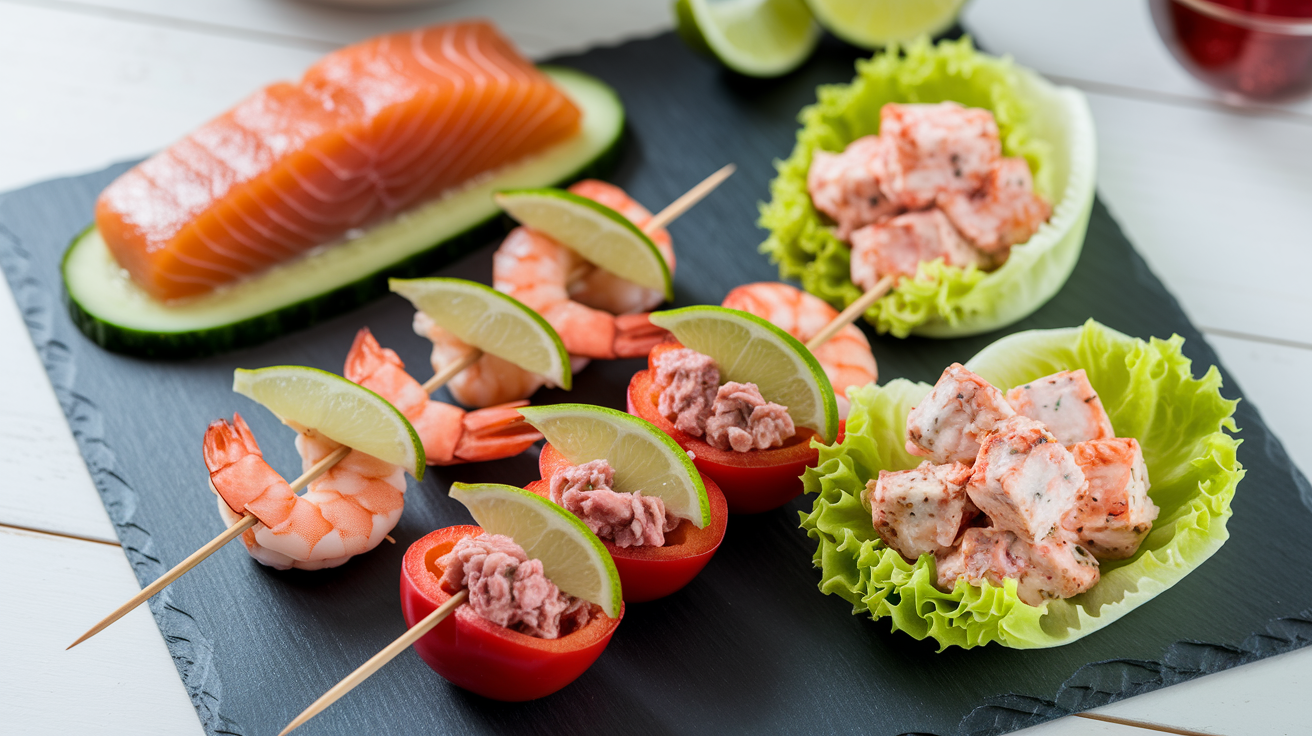
Lean proteins from the water or farm deliver high protein with very little fat when you skip heavy sauces, breading, or added oils.
Smoked salmon on cucumber rounds with a sprinkle of dill — 2 oz smoked salmon (12–14 g protein, 2–4 g fat). Slice a cucumber into thick rounds and top each with a small piece of salmon.
Chicken breast cubes (pre cooked, chilled) with mustard dip — 3 oz cooked chicken breast (26 g protein, 3 g fat). Dice leftover grilled or baked chicken and dip in yellow or Dijon mustard.
Crab meat in butter lettuce cups — 3 oz lump crab meat (16–18 g protein, 0.5–1 g fat). Spoon crab into lettuce leaves and add a squeeze of lemon.
Bison jerky (low sodium variety) — 1 oz (10–14 g protein, 1–2 g fat). Bison is leaner than beef and has a slightly sweeter taste.
Shrimp skewers with lime wedges — 3 oz cooked shrimp (20 g protein, 1 g fat). Thread shrimp onto wooden skewers and squeeze fresh lime juice over them.
Tuna salad stuffed in mini bell peppers — 3 oz canned tuna + 1 tablespoon nonfat Greek yogurt or light mayo, spooned into halved mini peppers. Protein: ~20 g; Fat: ~1–2 g.
Turkey breast slices rolled with romaine lettuce and a thin spread of low fat cream cheese — 2 oz turkey (12 g protein, 1 g fat). The cream cheese adds a creamy texture with minimal fat if you use a light version.
Low sodium turkey jerky (oven dried or dehydrator made at home) — 1 oz (10–12 g protein, 1–2 g fat). Making jerky at home lets you control sodium and sugar.
Canned salmon flaked over mixed greens with balsamic vinegar — 3 oz canned salmon (18–20 g protein, 5–6 g fat). Salmon has slightly more fat than tuna but provides omega 3s.
Grilled chicken strips with salsa — 3 oz grilled chicken breast (26 g protein, 3 g fat). Salsa adds flavor without fat.
Check sodium levels on canned seafood and jerky products. Rinse canned items under cold water to reduce sodium by about 30–40 percent if the label shows more than 300 mg per serving. Choose jerky labeled “low sodium” or “no added sugar” to avoid hidden calories and blood pressure concerns.
Sweet & Savory Make Ahead Recipes (Distinct From Section One)
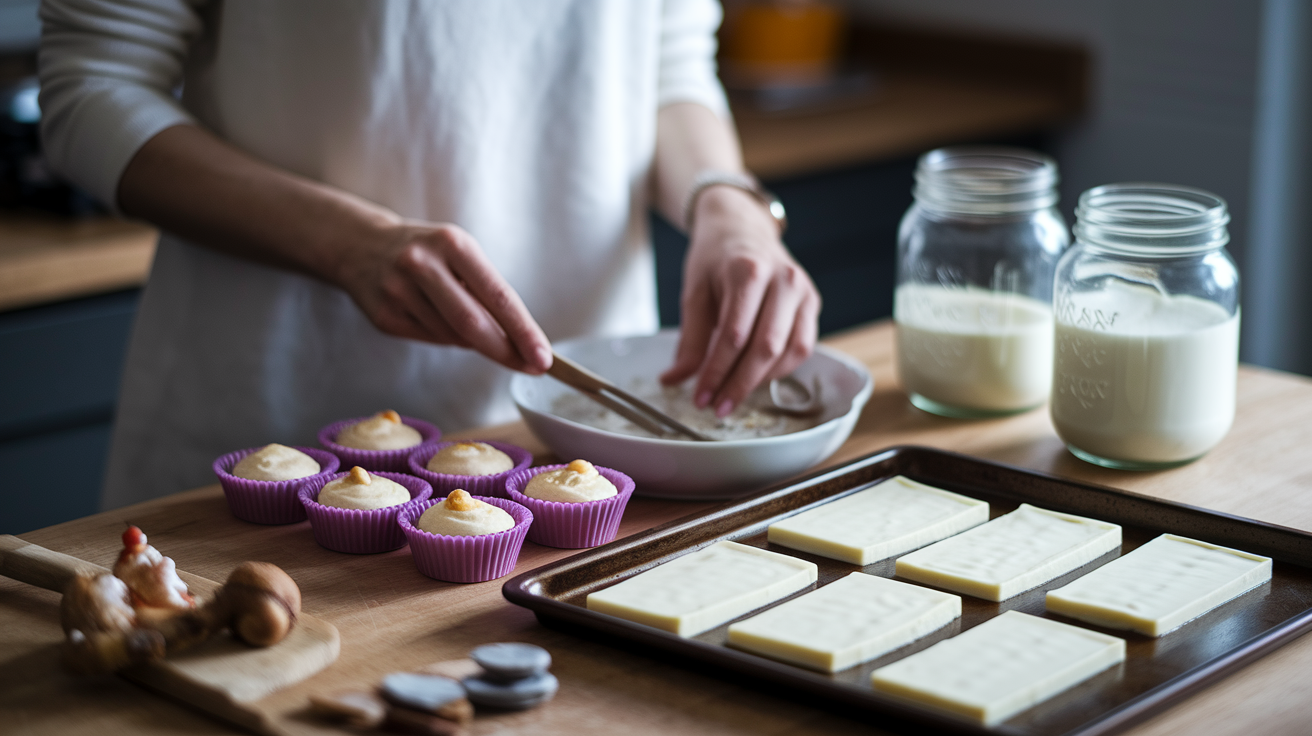
Batch prepping a few snacks on Sunday or Wednesday evening keeps the fridge stocked with grab and go options that don’t rely on store bought convenience foods.
Sweet
Chia protein pudding bowls — 3 tablespoons chia seeds + 1 cup unsweetened almond milk + 1/2 scoop vanilla whey protein. Stir and refrigerate overnight. Protein: ~20 g; Fat: ~8 g (mostly from chia); Calories: ~200 kcal. Top with a few fresh berries before eating.
Greek yogurt bark with blueberries and a drizzle of sugar free maple syrup — Spread 2 cups nonfat Greek yogurt on a parchment lined baking sheet, press in blueberries, drizzle syrup, and freeze for 2 hours. Break into pieces. Protein per piece: ~5–8 g depending on size.
Vanilla protein pudding made with casein powder and skim milk — 1 scoop casein + 1/2 cup skim milk. Whisk and chill for 30 minutes. Protein: ~30 g; Fat: ~1 g. Casein thickens more than whey, creating a true pudding texture.
Almond extract protein “nice cream” using frozen banana and whey isolate — Blend 1 frozen banana + 1 scoop whey isolate + 1/4 teaspoon almond extract. Protein: ~25 g; Fat: ~0.5 g. Serve immediately or refreeze.
Mini protein cheesecake bites made with fat free cream cheese and egg whites — Mix 8 oz fat free cream cheese + 2 egg whites + 1 scoop vanilla whey. Pour into silicone muffin cups and bake at 325°F for 20 minutes. Each bite: ~6–8 g protein, ~1 g fat.
Savory
Air fried tofu cubes seasoned with garlic and onion powder — Cut extra firm tofu into 1 inch cubes, press out moisture, toss with seasoning, and air fry at 375°F for 15–20 minutes. Protein per 3 oz: ~8–11 g; Fat: ~4–5 g.
Savory chickpea patties made with mashed chickpeas, egg whites, and spices — Mash 1 can chickpeas, mix with 2 egg whites and seasonings, form small patties, and bake at 375°F for 25 minutes. Each patty: ~5–7 g protein, ~2 g fat.
Shrimp and cucumber boats with a squeeze of sriracha — Halve a cucumber lengthwise, scoop out seeds, and fill with cooked shrimp. Protein: ~18–20 g per 3 oz shrimp; Fat: ~1 g.
Mini frittata cups using liquid egg whites, diced turkey, and bell peppers — Pour egg whites into greased muffin tins, add turkey and peppers, and bake at 350°F for 18–20 minutes. Each cup: ~7–9 g protein, ~1 g fat.
Herb seasoned seitan strips pan seared with rosemary and thyme — Slice seitan, season with dried herbs, and sear in a nonstick pan for 5–7 minutes. Protein per 3 oz: ~21 g; Fat: ~2 g.
Store make ahead snacks in airtight containers in the fridge for up to four days. Label each container with the date you made it so you know when to use it or toss it. Freeze items like yogurt bark or protein cheesecake bites for up to a month.
Weight Loss & Energy Focused Snacking Strategies (Instead of Another List)
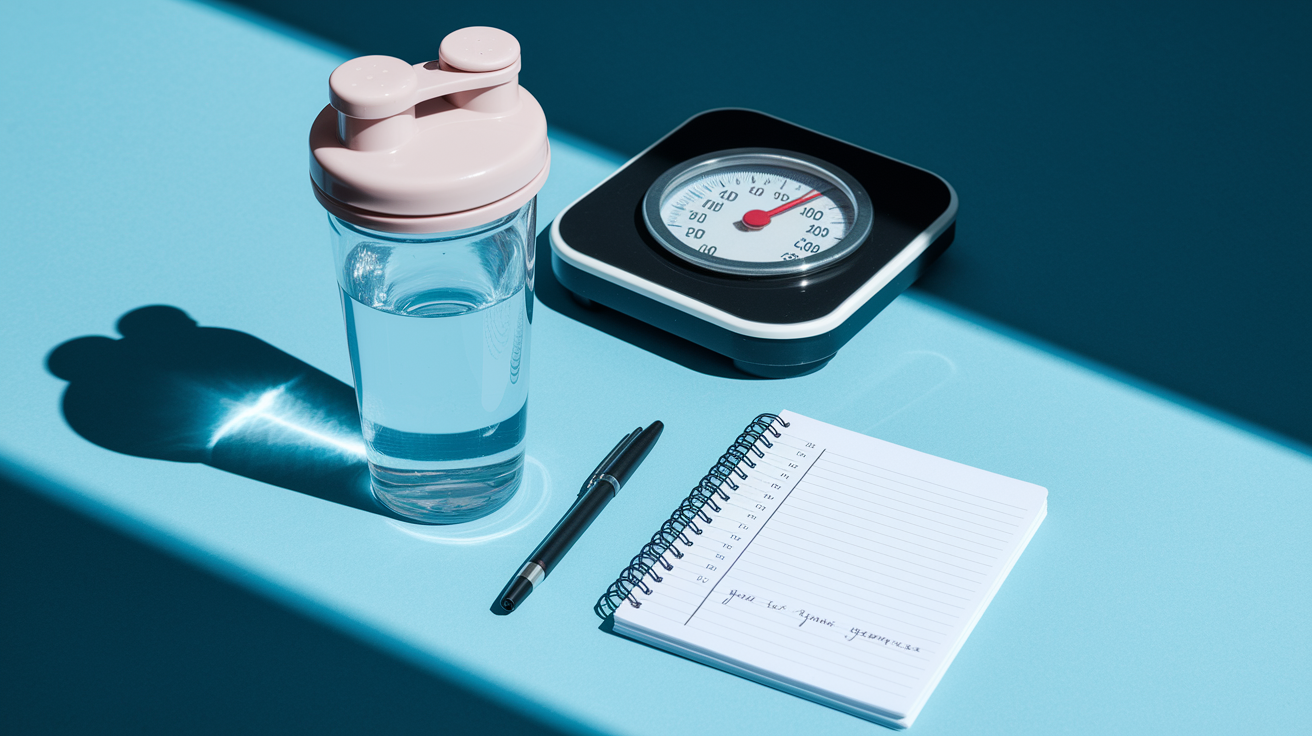
Protein snacks work for weight loss because they help you feel full longer without piling on extra calories from fat or sugar. Keeping fat at or below 3 grams per serving means more room in your daily calorie budget for meals.
Target total daily protein around 0.7–1 gram per pound of body weight if you’re active or trying to preserve muscle while losing fat. Spread that protein across three main meals and two or three snacks so your body has a steady supply throughout the day.
Use snacks to bridge long gaps between meals. If lunch is at noon and dinner isn’t until 7 p.m., a high protein snack around 3 or 4 p.m. keeps energy stable and reduces the chance of overeating at dinner.
Pair protein with a small amount of fiber or volume. A handful of baby carrots or a few cucumber slices alongside turkey slices or cottage cheese adds bulk without many calories, making the snack feel more satisfying.
Pre portion snacks into single serve containers. It’s easy to eat more than one serving when snacking straight from a large tub. Dividing Greek yogurt, cottage cheese, or roasted chickpeas into individual portions keeps intake consistent.
Keep fat at or under 3 grams per snack serving. Most protein sources that fit this guideline clock in around 60–120 calories per serving, leaving plenty of room for balanced meals.
Choose snacks that require minimal cleanup. The easier a snack is to prepare and eat, the more likely you are to stick with it on busy days when motivation is low.
Track your snacks for a week to see patterns. Write down what you ate, when you ate it, and how hungry you felt before and after. Adjust timing or portion sizes based on what works.
Example single day snack plan — Mid morning: 1 cup nonfat Greek yogurt (22 g protein, 0 g fat). Afternoon: 3 oz canned tuna (20 g protein, 0.5 g fat). Evening: 1 scoop whey isolate shake with water (25 g protein, 0.5 g fat). Total protein across three snacks: ~67 g. Total fat: ~1–2 g. Combined calories: ~320–360 kcal. Price estimate: ~$3.00–$4.50.
This keeps protein intake high while leaving room for whole meals with healthy fats from sources like olive oil, avocado, or nuts during breakfast, lunch, and dinner.
Store Bought Snack Selection Guide (No Repeated Food Lists)
Walking into a grocery store with a clear idea of what to look for makes it easier to skip products loaded with added sugar or unnecessary fat.
| Product Category | Target Protein Range | Target Fat Range | What to Check on the Label |
|---|---|---|---|
| Protein bars | 15–25 g per bar | ≤5 g per bar | Sugar alcohols, fiber content, ingredient list length |
| Ready to drink shakes | 20–30 g per bottle | ≤2 g per bottle | Carbohydrate source, added sugars, sodium |
| Jerky (poultry, beef, bison) | 10–15 g per oz | ≤2 g per oz | Sodium (aim for <400 mg per serving), added sugar |
| Yogurt cups (Greek, skyr) | 15–22 g per cup | 0–1 g per cup | Nonfat or low fat label, added sugars, live cultures |
| Canned seafood pouches | 15–25 g per pouch | ≤2 g per pouch | “In water” label, BPA free packaging, sodium |
| Roasted legume snacks | 7–10 g per serving | ≤3 g per serving | Added oils (choose air roasted), sodium, fiber |
| Cottage cheese single serve cups | 12–16 g per cup | ≤2 g per cup | 1% or nonfat label, sodium, preservatives |
Compare brands side by side in the store. Two products in the same category can have wildly different sugar and sodium levels even when protein and fat look similar. A protein bar with 20 grams of protein might have 2 grams of fat but 15 grams of sugar, while another bar with the same protein and fat has only 3 grams of sugar and more fiber.
How to Combine Snacks for Better Satiety (Without Reusing Simple Items)
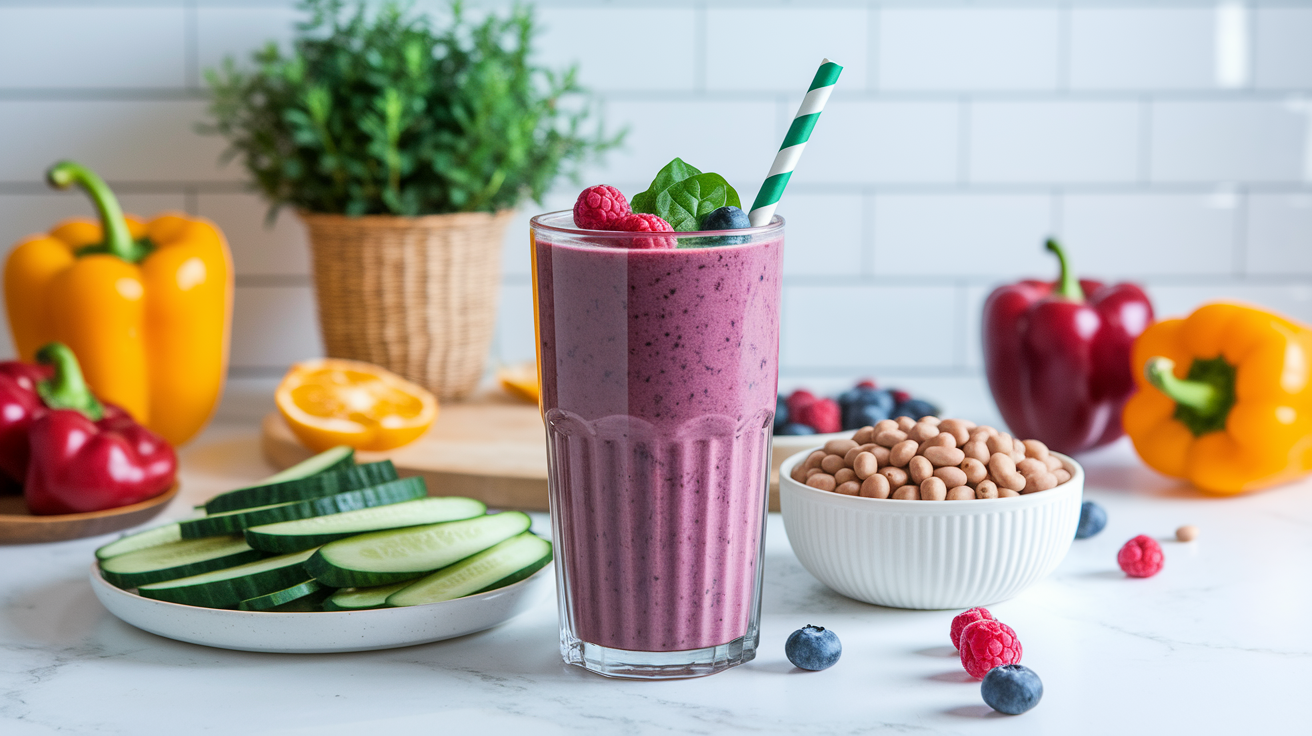
Pairing a lean protein with a small amount of fiber or a crunchy vegetable makes a snack more filling without adding many calories.
Protein smoothie (whey isolate + water) with a handful of fresh spinach and frozen berries — The spinach adds volume and fiber without altering the taste much. Protein stays around 25–30 g with under 1 g fat.
Seasoned tofu cubes with raw bell pepper strips — The tofu provides 8–11 g protein and the peppers add crunch and vitamin C. Total fat stays under 5 g.
Lupin beans tossed with a tablespoon of fresh salsa — The beans deliver around 7–10 g protein with minimal fat, and the salsa adds tangy flavor without extra calories.
Seitan strips with apple slices — The savory seitan (21 g protein, 2 g fat per 3 oz) contrasts with the sweetness of the apple, making the snack feel more balanced.
Canned chicken breast mixed with diced cucumber and a splash of balsamic vinegar — The chicken offers 21 g protein with 1 g fat, and the cucumber adds hydration and crunch.
Nonfat Greek yogurt blended with a scoop of unflavored collagen powder and a few ice cubes — Collagen adds around 10–15 g protein with 0 g fat, bringing the total protein to 30–35 g for a thick, cold snack.
Hard boiled egg whites (from carton) with cherry tomatoes and a pinch of sea salt — Three egg whites give 11 g protein with 0 g fat, and the tomatoes add vitamins and flavor.
Time these snacks around workouts if you want to support muscle recovery. Eating within 30–60 minutes after strength training helps your muscles start the repair process. If your workout is later in the day, a snack with 20–30 grams of protein right after training sets you up for recovery while you wait for dinner.
Snack Strategies for Different Lifestyles (Guidance, Not Repeated Lists)
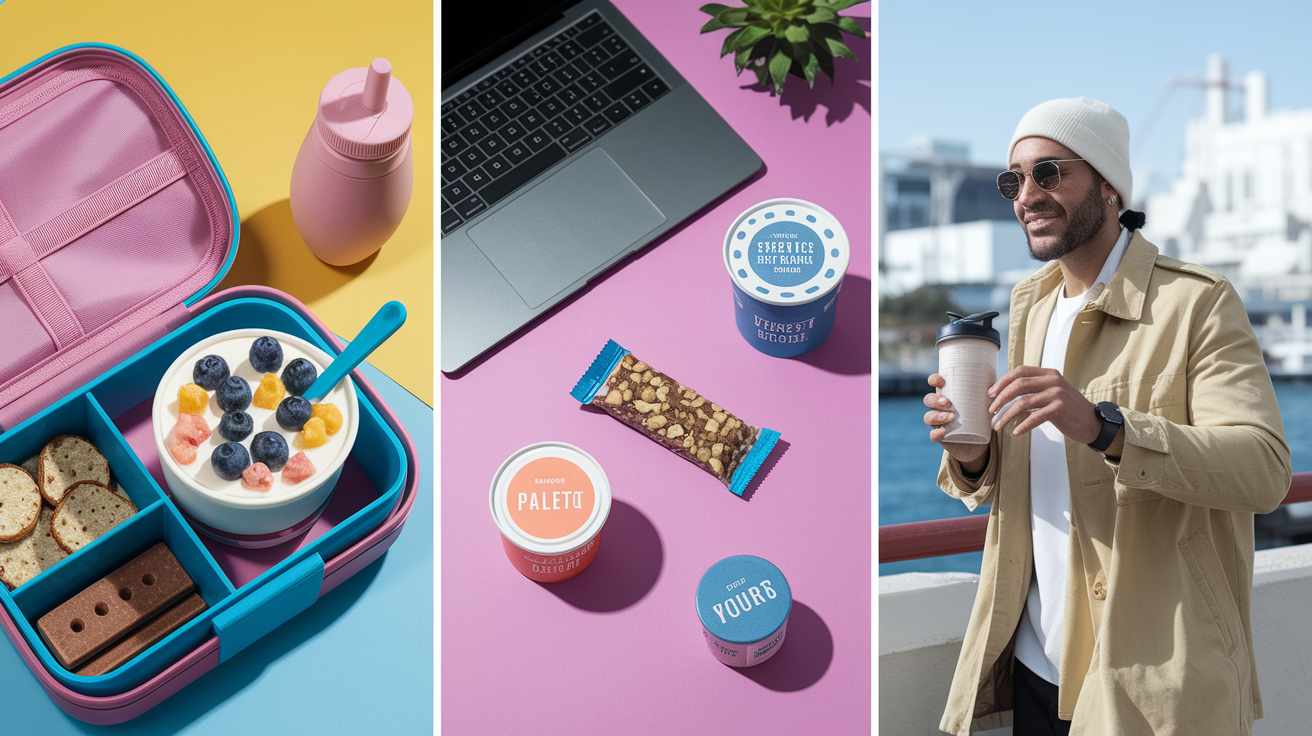
Kids
Keep flavors mild and familiar. Most kids respond better to plain Greek yogurt with a little fruit stirred in than to heavily spiced options. Avoid jerky with too much heat or strong garlic flavors. Pre portion snacks into small containers so kids can grab one without needing help. Cottage cheese, string cheese, and turkey slices work well because they’re easy to eat and don’t make a mess. Let kids help assemble snacks like yogurt parfaits or turkey roll ups so they feel more invested in eating them.
Office
Choose snacks that don’t smell strong or require refrigeration all day if your office fridge is unreliable. Protein bars, jerky, roasted chickpeas, and whey isolate packets mixed with water from the water cooler all work. Keep a small insulated lunch bag with an ice pack if you prefer fresh options like Greek yogurt or cottage cheese. Avoid anything that needs heating unless your office has a microwave you trust. Single serve packaging prevents overeating and keeps your desk drawer organized.
Travel
Pack shelf stable items that pass through airport security or survive a road trip without spoiling. Protein bars, jerky, dry roasted edamame, single serve protein powder packets, and shelf stable tuna or salmon pouches all fit in a carry on or glove compartment. Bring a shaker bottle so you can mix protein powder with water from a fountain or vending machine. Avoid anything that needs to stay cold unless you have a cooler with ice packs. Check TSA rules for liquids if you’re flying. Some ready to drink protein shakes are under the 3.4 ounce limit for carry on liquids, but most aren’t.
Store snacks in a cool, dry place when you’re not eating them. Heat and humidity shorten shelf life, especially for jerky and protein bars. Keep a stash at work, in your car, and in your gym bag so you’re never caught without a good option.
Budget Friendly High Protein, Low Fat Snacking Techniques (Not Another Food List)
Keeping protein intake high without spending too much starts with buying versatile ingredients you can use in multiple ways throughout the week.
Buy large containers of nonfat Greek yogurt or cottage cheese instead of single serve cups. The per serving cost drops by 30–50 percent when you portion it yourself into reusable containers. A 32 ounce tub of Greek yogurt costs around $5–6 and provides eight servings at about $0.65–$0.75 per serving, compared to $1.00–$1.75 for pre portioned cups.
Choose store brand protein powder. Many grocery chains sell their own whey isolate or concentrate at 20–40 percent less than name brands. Check the label to confirm protein per scoop and ingredient quality, but the macros are often identical.
Buy canned tuna and chicken in bulk. A 12 pack of 5 ounce cans usually costs $10–15, bringing the per serving price down to $0.85–$1.25 instead of $1.50–$2.00 for single cans.
Prep hard boiled eggs at home. A dozen eggs costs $2–4 depending on your region. Boiling them yourself gives you 12 servings of egg whites (three whites per serving) for around $0.15–$0.30 per serving, far cheaper than buying pre peeled eggs.
Use dried legumes instead of canned when you have time. A pound of dried chickpeas costs $1–2 and yields about six servings after soaking and cooking, compared to $1–2 per can for pre cooked chickpeas.
Shop sales and stock up on shelf stable items. Protein bars, jerky, and canned seafood often go on sale. Buy extras when the price drops and store them in a cool, dry pantry.
Skip specialty products marketed as “high protein.” Many of these items cost more per gram of protein than basic options like Greek yogurt, cottage cheese, or canned tuna. Compare the cost per serving of protein instead of just the sticker price.
Make your own jerky if you have a dehydrator or oven. Lean turkey or beef from the deli counter costs $4–6 per pound. Season and dry it yourself to get 8–12 servings of jerky for half the price of store bought.
Final Words
You’ve now got a handy toolbox: fast ready-to-eat picks, time-based choices, creative dairy and plant-based options, lean meat and seafood twists, make-ahead sweet and savory recipes, plus shopping, pairing, and budget tips.
Use the lists to combine small portions, check labels for fat and sodium, and match snacks to your day—office, travel, or busy evenings. Aim for simple swaps you can actually repeat.
Pick three high protein low fat snack ideas to try this week, see what keeps you full, and tweak portions as needed. Small steps build steady wins.
FAQ
Q: What snacks have high-protein and low-fat?
A: High-protein, low-fat snacks are nonfat Greek yogurt, canned tuna, egg whites, low-fat cottage cheese, whey isolate shakes, shrimp cocktail, turkey roll-ups, and shelled edamame—quick options that deliver 10–27 grams protein with minimal fat.
Q: What’s the best snack for diabetics?
A: The best snack for diabetics is a protein-forward, low-sugar choice paired with fiber, like nonfat Greek yogurt with berries, turkey roll-ups, or a whey isolate shake—helps steady blood sugar and curb hunger.
Q: What to eat when you’re hungry late at night?
A: When you’re hungry late at night, eat a small, protein-rich, low-fat snack like egg whites, nonfat Greek yogurt, or a whey shake—about 10–15 grams protein to satisfy hunger without heavy digestion.