
Tired of snacking and still hungry an hour later?
You’re not alone.
Most store-bought snacks are mostly carbs that crash your energy.
Swap those for protein-focused choices and you’ll feel full longer, curb evening overeating, and have steadier energy.
This post gives simple, real-world protein snack ideas that actually keep you full.
You’ll get five top grab-and-go picks, no-prep and five-minute builds, make-ahead recipes, plus smart shopping and storage tips so you can eat well without extra time or fuss.
Quick High‑Protein Snacks (Top 5 Fast Picks)
When you need something right now that won’t leave you hungry in an hour, a high-protein snack’s your best bet.
These five deliver real staying power. No planning, no extra time.
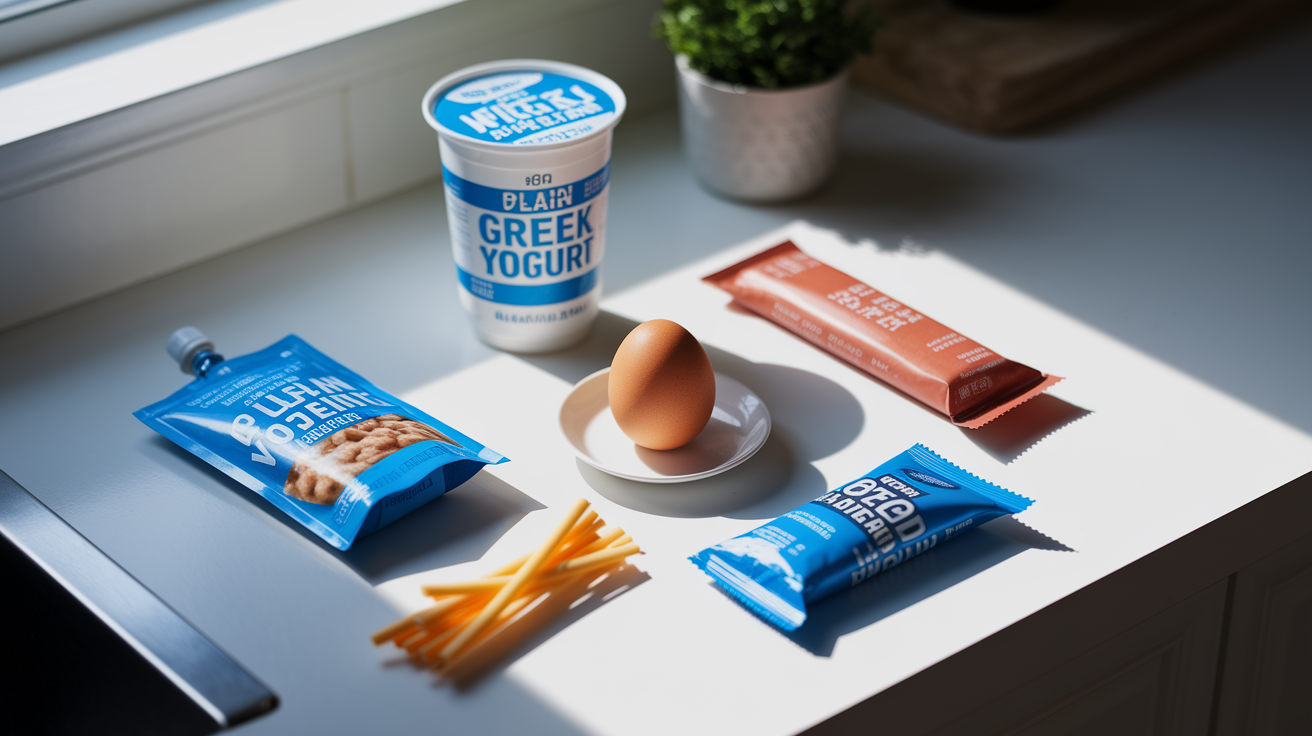
- Greek yogurt (6 oz) – 17g protein per container. Go plain if you want to keep sugar low.
- Canned tuna pouch (3 oz) – 20g protein. Single-serve pouches fit in a desk drawer or gym bag.
- Hard-boiled egg (1 large) – 6g protein. Cook a batch on Sunday and grab one each morning.
- String cheese (1 stick) – 7g protein. Individually wrapped and good outside the fridge for a few hours.
- Protein bar – 10–20g protein depending on the brand. Compare labels and look for at least 10g protein with minimal added sugar.
These work because they’re portion-controlled, easy to find, and backed by actual protein numbers. If your afternoon usually includes a bag of pretzels and regret, swapping one of these in keeps energy steady without needing to plan ahead or clean up afterward.
No‑Prep High‑Protein Snacks
Some weeks don’t leave room for slicing, stirring, or even opening a recipe. No-prep snacks mean you buy it, store it, eat it. That’s it.
These live in your fridge, pantry, or bag until you need them.
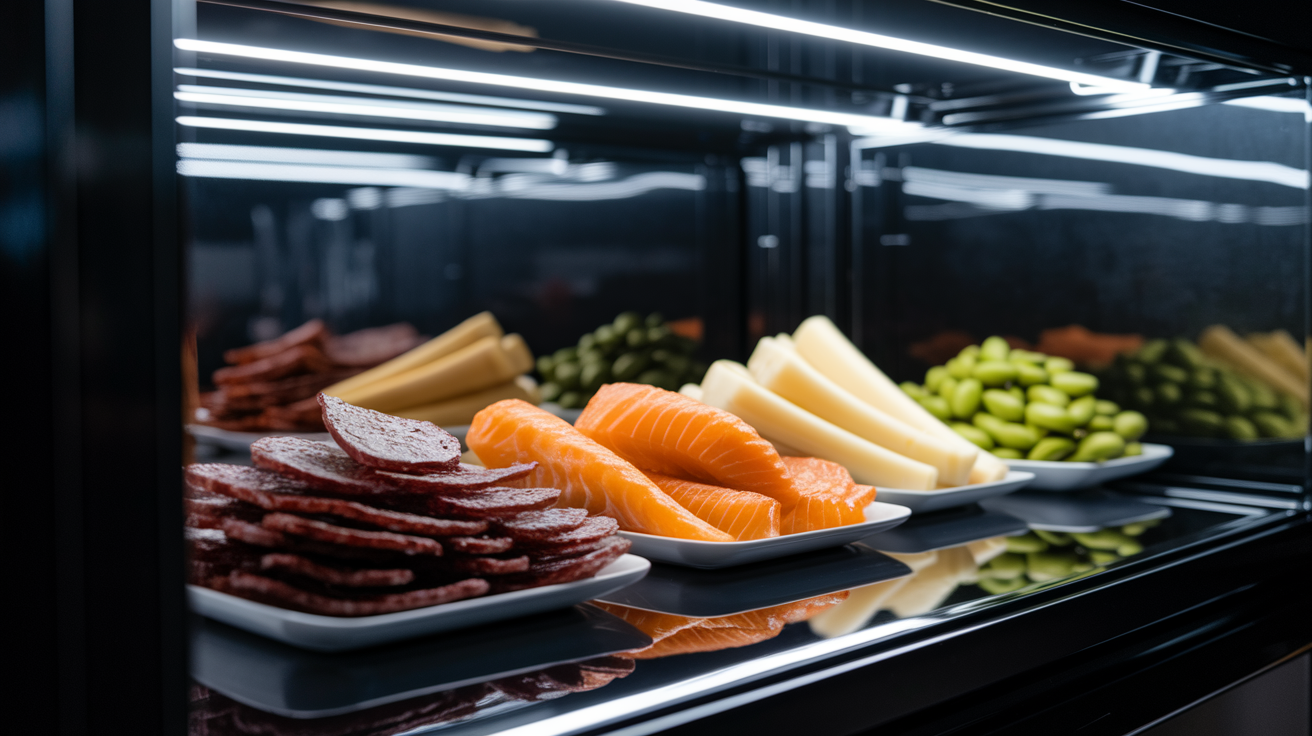
- Beef jerky (1 oz) – 9–10g protein. Sodium can be high on packaged versions, but the portability’s tough to beat.
- Chicken or turkey jerky (1 oz) – 10g protein. Slightly leaner than beef and travels well.
- Salmon jerky (1 oz) – 12g protein. Higher in omega-3s if you can track it down.
- Mozzarella or cheddar cheese stick (1 stick) – 7–8g protein. About the size of two dice.
- Roasted edamame snack pack (1/2 cup) – 8–9g protein. Crunchy, salty, filling.
- Almonds (1 oz, about 23 almonds) – 6g protein. A small handful fits in most pockets.
- Peanut butter (2 tbsp straight from the jar) – 7–8g protein. Pair with an apple if you’ve got one nearby.
- Smoked salmon (2 oz) – 12g protein. Pre-sliced packages last about a week refrigerated.
Keep a rotation of three or four favorites stocked. That way you’ve always got a backup that actually fills you up when your schedule blows up or you’re genuinely too tired to assemble anything.
5‑Minute High‑Protein Snacks
If you’ve got five minutes and access to a counter, you can turn basic staples into snacks that feel more like real food.
These require minimal effort but deliver more variety and flavor than grab-and-go alone. Most use two or three ingredients you probably already have.
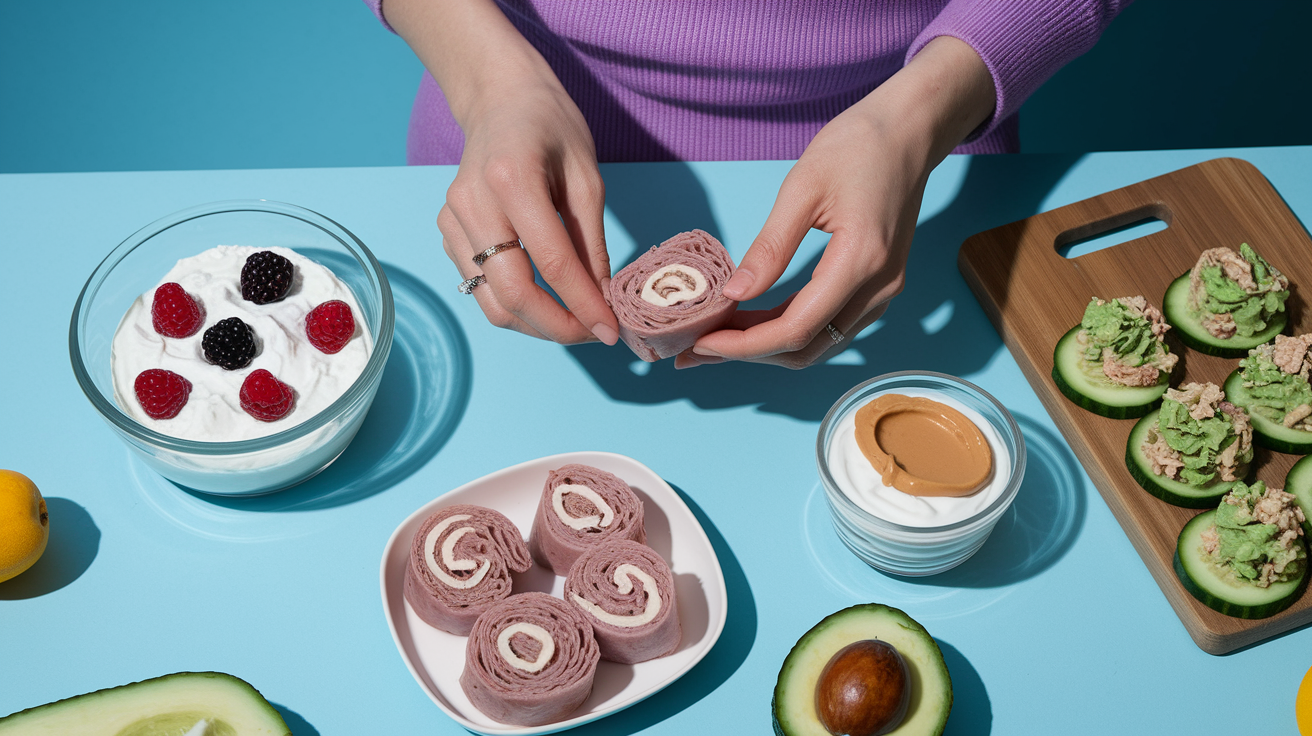
Cottage cheese bowl with fruit and nuts
Scoop 1/2 cup cottage cheese into a bowl. Add a handful of berries and 1 tablespoon of chopped almonds or walnuts. Total protein: about 16g. The cottage cheese does the heavy lifting while the fruit and nuts add texture and a little sweetness without turning it into a sugar bomb.
Turkey or chicken roll-ups
Lay out 3 oz of deli turkey or chicken. Spread a thin layer of mustard or hummus down the center. Roll each slice and eat. Total protein: about 18g. Add a slice of cheese inside each roll if you want closer to 20g.
Greek yogurt with peanut butter
Stir 1 tablespoon of peanut butter into 6 oz of plain Greek yogurt. Total protein: about 18g. Too thick? Add a splash of milk. Too plain? Add a small drizzle of honey.
Avocado tuna mix on cucumber rounds
Mash 1/4 avocado with 3 oz of canned tuna. Scoop onto thick cucumber slices. Total protein: about 20g. The avocado replaces mayo and keeps the mix creamy without extra saturated fat.
Swap the base ingredients depending on what’s in your fridge. Deli ham instead of turkey. Almond butter instead of peanut. Cherry tomatoes instead of cucumber. The structure stays the same and the protein numbers hold.
Make‑Ahead High‑Protein Snacks
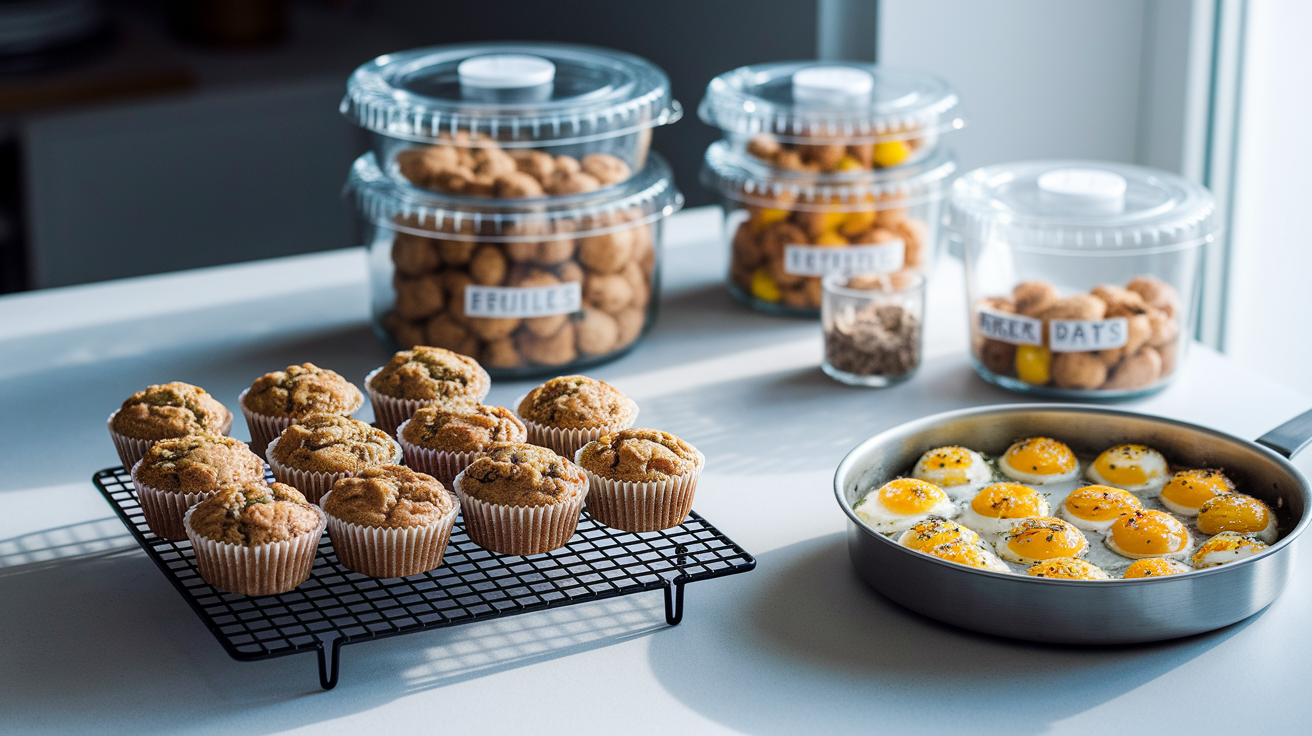
Spending an hour on a Sunday or Wednesday night prepping a batch means you won’t default to whatever’s easiest when hunger hits mid-week.
These store well, travel in containers, and hold their texture for several days. You make them once and portion them out so grabbing one feels as easy as opening a package.
Protein Muffins
Mix 1 cup oat flour, 1 scoop vanilla protein powder, 2 eggs, 1/4 cup Greek yogurt, 1/4 cup milk, and a handful of blueberries. Pour into a muffin tin and bake at 350°F for 18–20 minutes. One muffin delivers about 10–12g protein depending on the protein powder you use. Store them in an airtight container in the fridge for up to five days or freeze individually for up to two months. They work cold, at room temperature, or warmed for 15 seconds.
Baked Egg Bites
Whisk 6 eggs with 1/4 cup milk, 1/2 cup shredded cheese, and 1 cup chopped vegetables like spinach, bell peppers, or mushrooms. Pour into a greased muffin tin and bake at 375°F for 20–22 minutes. Each bite contains about 6–8g protein. Easy to grab cold from the fridge, and they reheat in 30 seconds if you prefer them warm. Store in the fridge for three to four days or freeze for up to two months.
Both let you control exactly what goes in, which means you skip the preservatives, excess sodium, and mystery ingredients that come with most packaged snacks. Batch size depends on your week, but one round of either recipe usually covers five to seven snacks.
Smart Shopping Tips for High‑Protein Snacks
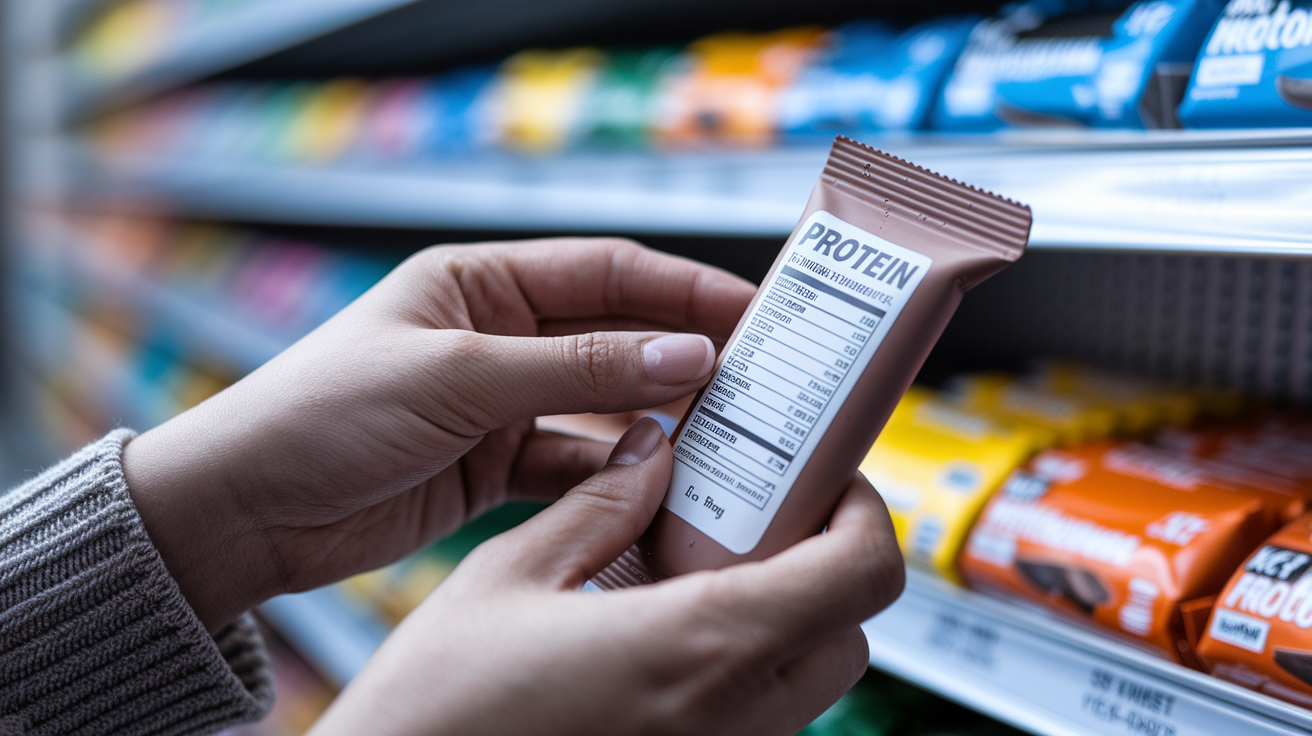
Walking into a store without a plan usually means you end up with snacks that sound healthy but don’t actually keep you full.
A few simple rules make it easier to spot the options worth buying.
Start by checking the nutrition label for protein per serving, not just protein per package. A bar that claims 20g of protein might list two servings per package, which means you’re only getting 10g unless you eat the whole thing. Aim for snacks that deliver at least 5–7g of protein per single serving, closer to 10–15g if you’re using it as a mini-meal between longer gaps.
- Compare protein bars by grams of protein and grams of added sugar. Choose bars with at least 10g protein and fewer than 10–12g of added sugar if weight control matters.
- Pick single-serve pouches or sticks for portion control. Tuna pouches, cheese sticks, and nut butter packets take the guesswork out.
- Choose plain or lightly flavored dairy. Flavored yogurt and cottage cheese often add 10–15g of sugar per serving. Buy plain and add your own fruit.
- Check sodium on jerky and canned fish. Some brands pack 400–600mg of sodium per ounce. Look for “low sodium” or “no salt added” versions when possible.
- Go for whole-food sources first. Eggs, Greek yogurt, cottage cheese, canned fish, nuts, and seeds beat most packaged protein snacks for nutrient density and satiety.
If the ingredient list’s longer than your arm or starts with multiple types of syrup, it’s probably not the best pick for steady energy.
Storage and Portability Tips
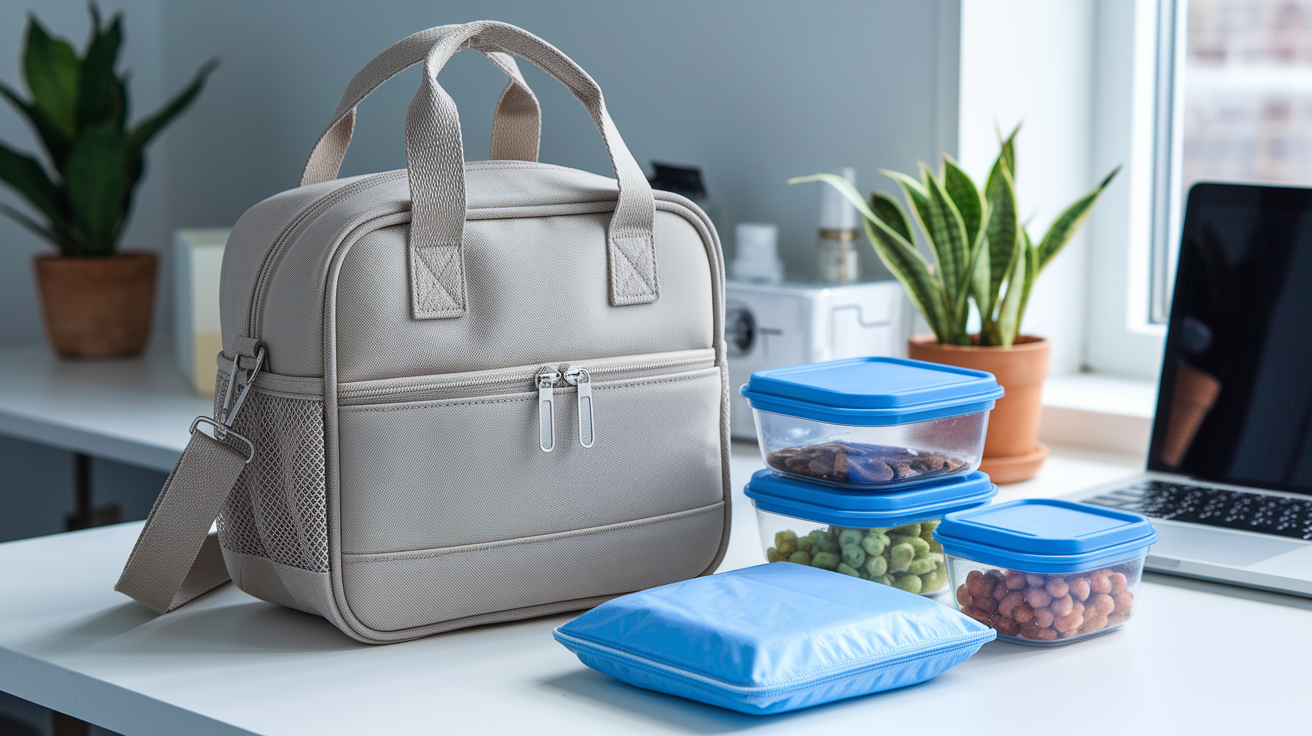
Keeping snacks fresh and safe means knowing how long each type lasts and what kind of container works best for travel.
Hard-boiled eggs stay good in the fridge for up to seven days. Store them unpeeled in a covered container to keep them from picking up fridge odors. Cottage cheese lasts about five days once opened, Greek yogurt holds for seven to ten days. Cooked chicken or turkey lasts three to four days refrigerated, so if you’re prepping deli roll-ups, make only what you’ll eat by midweek or freeze half the batch.
- Protein muffins and egg bites – Refrigerate for up to one week or freeze individually for one to three months. Wrap each one before freezing so you can grab one at a time.
- Tuna pouches and jerky – Shelf-stable until the package date. Keep a few in your desk, car, or gym bag.
- Cheese sticks – Technically need refrigeration, but they’re safe at room temperature for a few hours if you’re packing them for work or a short trip.
- Nuts and seeds – Store in airtight containers at room temperature for up to two weeks, or refrigerate to keep oils fresh longer.
- Chia pudding and overnight oats – Use mason jars or small containers with tight lids. Both last three to four days in the fridge.
For portability, invest in a small insulated lunch bag and one reusable ice pack. That setup keeps dairy, eggs, and prepped snacks cool for four to six hours, which covers most workdays or errands without needing to find a fridge.
Final Words
You now have a short, usable toolkit: five fast high-protein snacks, no-prep grabs, four 5-minute recipes, make-ahead options, shopping rules, and storage tips.
Use the quick list when you’re rushed and pick a 5-minute recipe when you’ve got a moment. Prep muffins or egg bites to clear decision fatigue for the week.
These protein diet snack ideas are all about small wins you can repeat. Little choices, done often, add up, keep it simple and you’ll stay on track.
FAQ
Q: What are the best protein snacks to lose weight and what snacks can I eat on a protein diet?
A: The best protein snacks to lose weight and on a protein diet are high-protein, low-added-sugar options like Greek yogurt (15–17g), cottage cheese, boiled eggs, canned tuna, edamame, or a low-sugar protein bar paired with fruit.
Q: What are good snacks for high cholesterol?
A: Good snacks for high cholesterol are protein-rich choices with fiber and healthy fats, such as almonds or walnuts, roasted chickpeas, edamame, oat-and-Greek-yogurt parfaits, and fatty fish like sardines or salmon.
Q: What is the best source of protein for diabetics?
A: The best source of protein for diabetics is lean, low-carb proteins like fish, poultry, eggs, tofu, Greek yogurt, or low-fat cottage cheese, and pair them with fiber and healthy fats to keep blood sugar steady.