Think you can’t lose fat and build muscle as a vegetarian? Think again.
You can do both by hitting protein targets, keeping calories sensible, and lifting weights regularly.
This post gives high-protein, moderate-calorie vegetarian meals that make that simple.
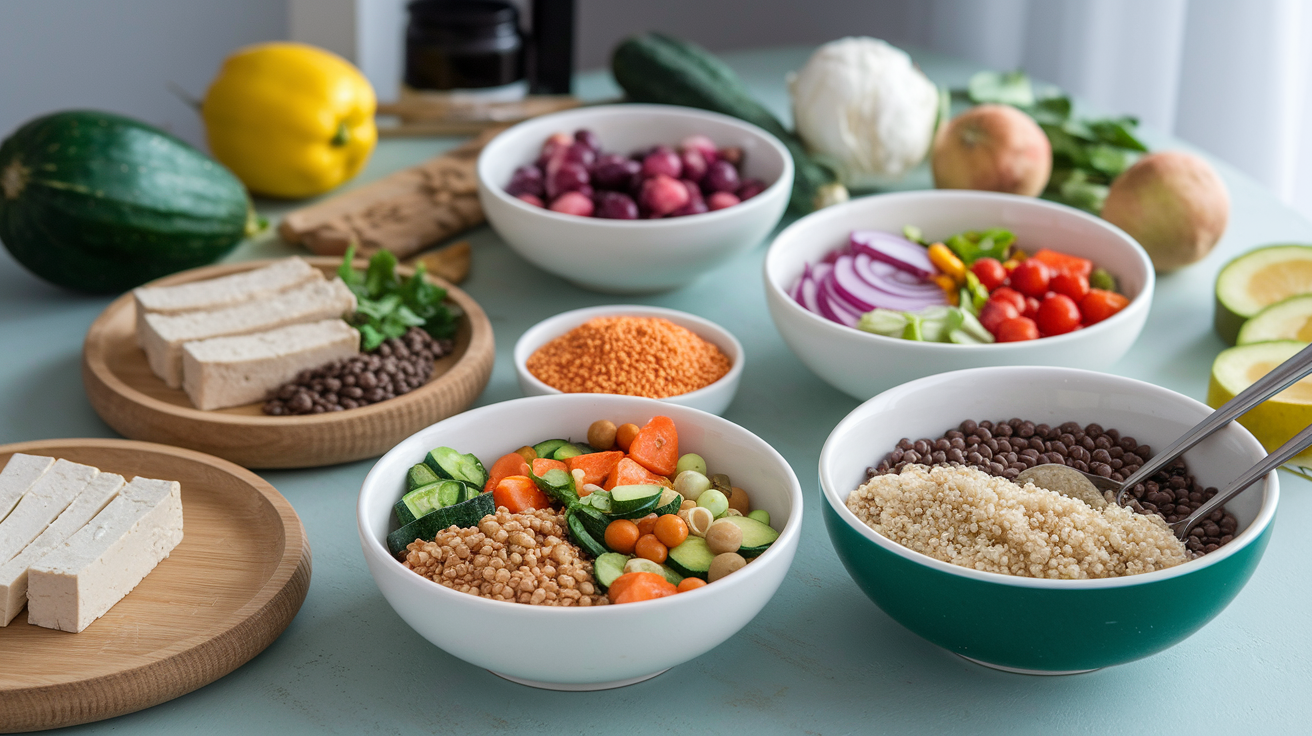
Each meal aims for 20 to 40 grams of protein, real whole foods, and easy swaps you can use all week.
Read on for practical recipes, portion tips, and quick prep ideas that help you keep muscle while trimming fat, no extreme rules, just steady steps.
High-Protein Vegetarian Meals for Fat Loss and Muscle Building
Losing fat while building muscle as a vegetarian comes down to hitting your protein numbers, staying in a smart calorie range, and lifting consistently. Body recomposition isn’t magic. It’s what happens when you eat enough protein to keep and grow muscle while running a slight deficit that forces your body to burn stored fat. Plant eaters can absolutely hit the 1.2 to 2.0 grams per kilogram target. You just need to focus on the right whole foods and plan your meals with some intention.
Spreading protein throughout the day works better than cramming it all into dinner. Shoot for 20 to 40 grams per meal. This keeps muscle protein synthesis fired up and stops you from feeling starving between meals. If you’re cutting calories, that steady stream of amino acids matters even more.
The meals below are built for body recomposition. Moderate calories, high protein, real nutrients, and nothing complicated.
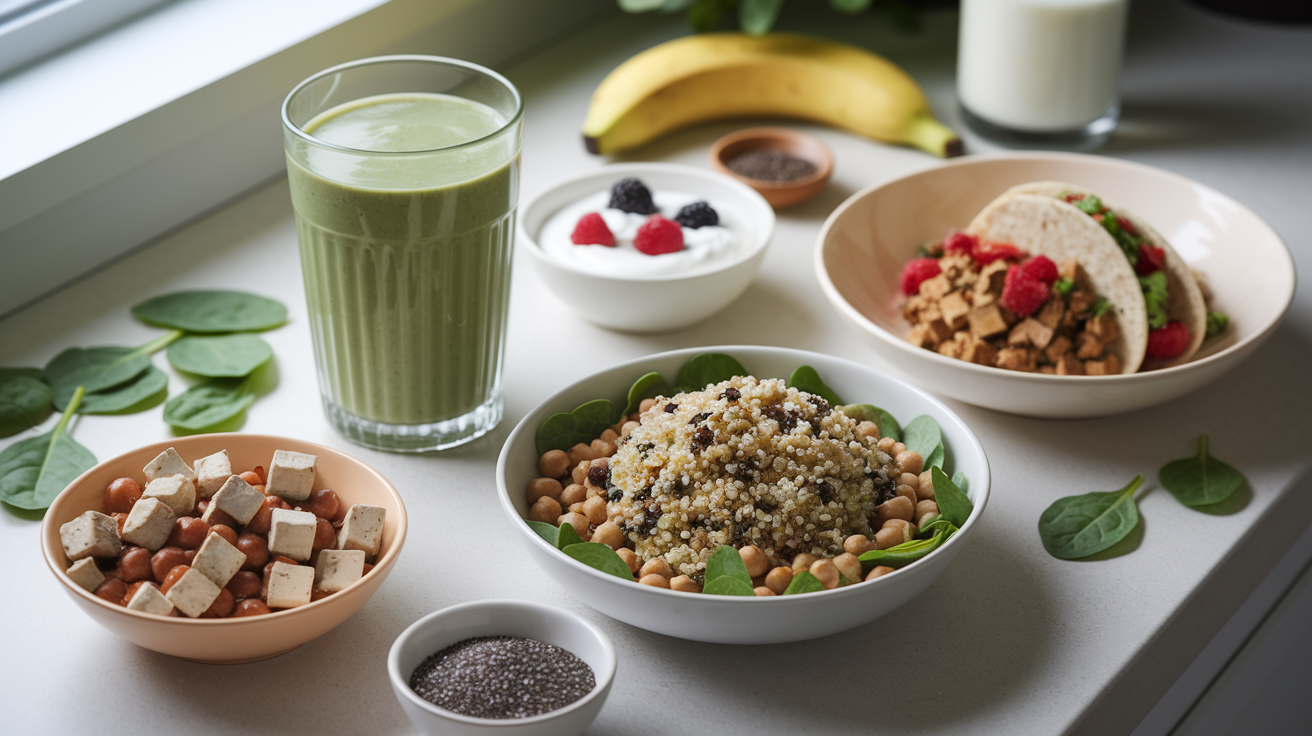
- Protein Smoothie – 300 calories, 25 g protein (pea protein powder, almond milk, spinach, banana, chia seeds)
- Quinoa and Chickpea Salad – 400 calories, 20 g protein (quinoa, chickpeas, mixed vegetables, tahini dressing)
- Tofu Stir-Fry with Brown Rice – 450 calories, 25 g protein (firm tofu, broccoli, bell peppers, peanut sauce, brown rice)
- Greek Yogurt and Cottage Cheese Bowl – 330 calories, 38 g protein (nonfat Greek yogurt, low-fat cottage cheese, berries, almonds)
- Tempeh Taco Bowl – 520 calories, 33 g protein (crumbled tempeh, brown rice, mixed greens, avocado)
- Lentil-Chickpea Curry with Cauliflower Rice – 460 calories, 28 g protein (red lentils, chickpeas, tomatoes, curry spices, riced cauliflower)
- Egg-White and Black Bean Scramble – 360 calories, 27 g protein (6 egg whites, 1 whole egg, black beans, spinach, tomato)
High-Protein Vegetarian Foods That Support Lean Muscle Meals
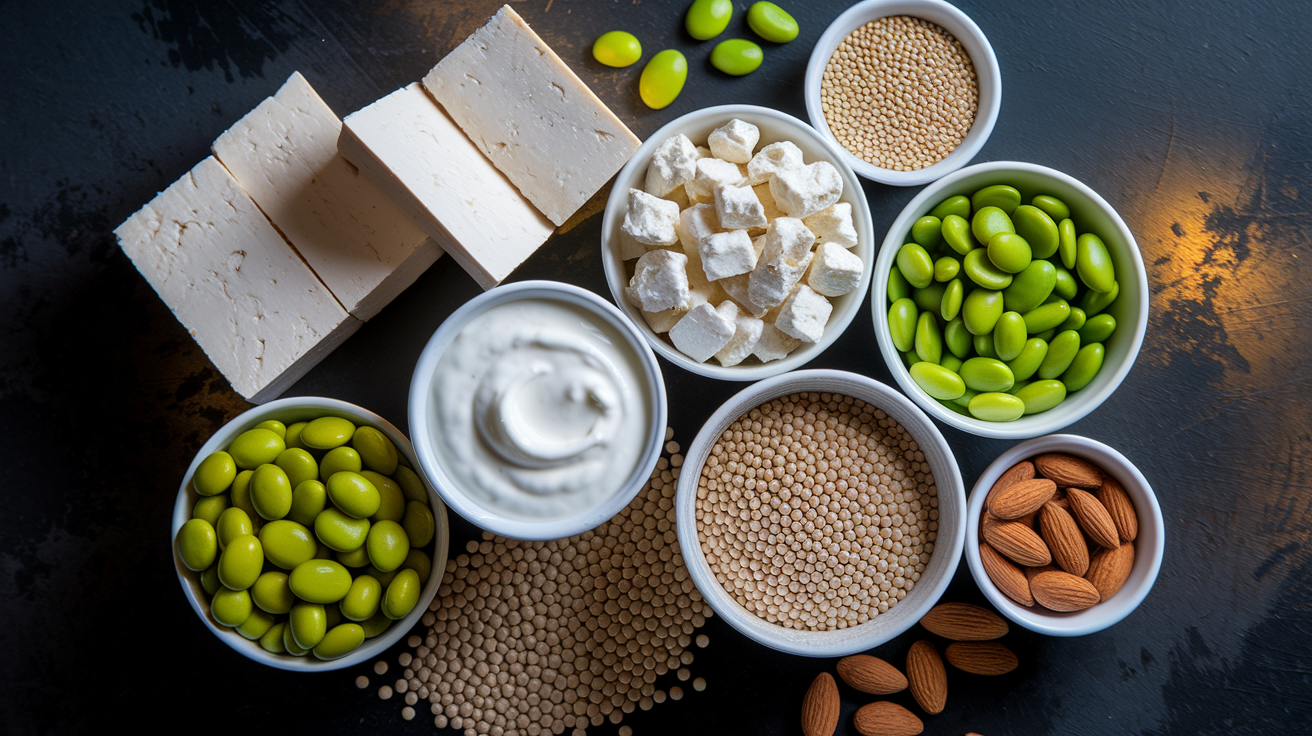
Picking the right protein sources gives your meals the calorie efficiency and amino acid profile you need for fat loss and muscle retention. Foods like tofu, tempeh, and Greek yogurt pack serious protein into a reasonable calorie count. That leaves you room for vegetables, carbs, and fats without blowing your daily budget.
Calorie density matters when you’re trying to cut. You want foods that fill you up without taking you over your limit. Pairing these staples with whole grains or legumes covers your amino acid bases across the day.
| Food | Protein per Standard Serving | Best Usage in Meals |
|---|---|---|
| Tempeh (100 g) | 19 g | Stir-fries, taco fillings, grain bowls |
| Firm Tofu (150 g) | 15–18 g | Scrambles, curries, baked or pan-seared slabs |
| Seitan (100 g) | 25 g | Stir-fries, sandwiches, mock-meat bowls |
| Cooked Lentils (1 cup / 198 g) | 18 g | Soups, salads, curries, bulk meal prep |
| Cooked Chickpeas (1 cup / 164 g) | 15 g | Salads, roasted snacks, hummus, falafel |
| Edamame (shelled, 1 cup) | 17 g | Snacks, stir-fries, grain bowls |
| Nonfat Greek Yogurt (1 cup / 245 g) | 22–24 g | Bowls, smoothies, sauces, dressings |
| Low-Fat Cottage Cheese (1 cup / 226 g) | 25–28 g | Bowls, pancakes, post-workout snacks |
Vegetarian Meal Structures for Fat Loss and Muscle Gain
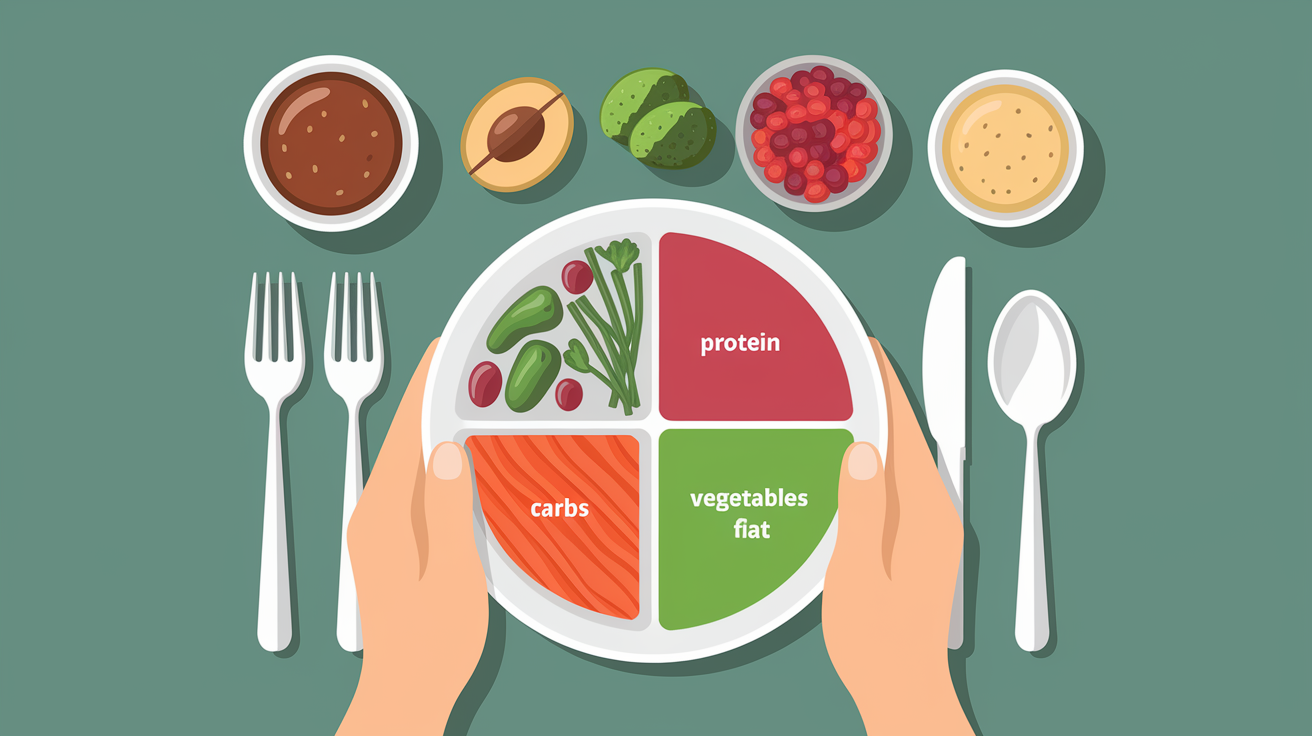
Building meals that keep you full while staying within your calorie limit comes down to volume, fiber, and where you put your protein. Plant foods have lower caloric density, so you can eat bigger portions of vegetables, legumes, and whole grains without overdoing it. High-fiber meals slow digestion, stabilize blood sugar, and stop you from snacking every two hours.
Getting 25 to 40 grams of protein spread across three to five meals supports muscle synthesis and prevents the muscle loss that happens when you’re in a deficit. Pair that protein with complex carbs for fuel and some healthy fat for hormones and nutrient absorption. Eat a bit more on training days, a bit less on rest days.
The hand-portion method works if you don’t want to weigh everything. Protein covers your palm. Vegetables fill one to two fists. Carbs fit in a cupped hand. Fats equal about a thumb.
- Swap white rice for riced cauliflower to cut 150 to 200 calories per cup
- Use zucchini noodles instead of pasta to save 180 calories per serving
- Replace full-fat dressings with Greek yogurt-based versions to cut fat in half
- Choose air-popped popcorn over chips for a high-volume, low-calorie snack
- Trade sour cream for nonfat Greek yogurt in tacos and bowls
- Use unsweetened almond milk instead of whole milk to reduce calories by 100 per cup
Muscle-Building Vegetarian Breakfast Options for a Lean Body
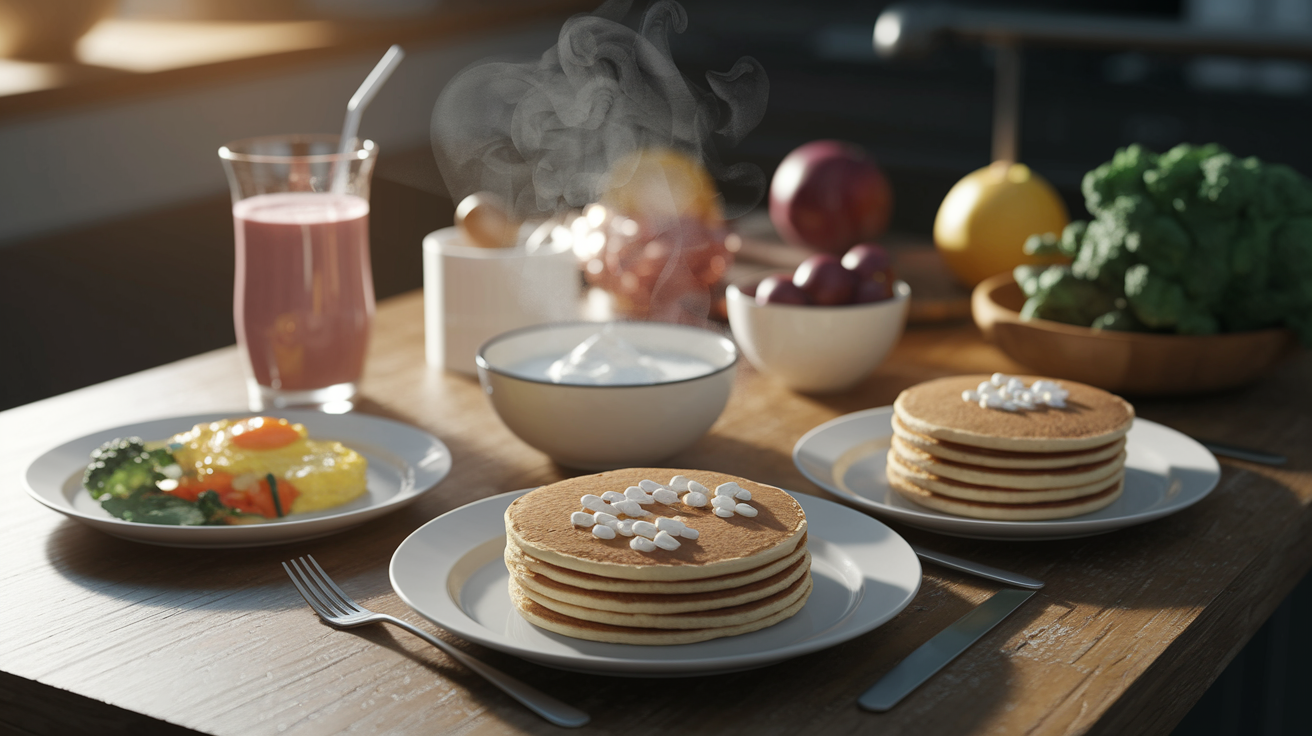
Starting the day with 25 to 35 grams of protein sets you up for better appetite control and muscle recovery through the morning. High-protein vegetarian breakfasts built around eggs, Greek yogurt, cottage cheese, or protein powder keep you full longer and stop those mid-morning crashes that lead to poor snack choices.
Quick breakfast templates make it easier to stay consistent. Blend a protein smoothie in two minutes, scramble eggs with beans and veggies, or prep overnight oats with added protein powder the night before. These meals give your muscles the amino acids they need after an overnight fast and fuel you for training later.
- Protein Smoothie – 300 calories, 25 g protein (1 scoop pea protein powder, 1 cup unsweetened soy milk, 1/2 cup oats, 1 cup spinach, 1 small banana)
- Egg-White Scramble with Veggies – 280 calories, 24 g protein (6 egg whites, 1 whole egg, spinach, tomatoes, mushrooms, 1 tsp olive oil)
- Greek Yogurt Bowl – 320 calories, 26 g protein (1 cup nonfat Greek yogurt, 1/4 cup granola, 1/2 cup berries, 1 tbsp chia seeds)
- Cottage Cheese Pancakes – 380 calories, 32 g protein (1 cup low-fat cottage cheese, 2 eggs, 1/2 cup oat flour, topped with berries)
- Overnight Oats with Protein – 340 calories, 28 g protein (1/2 cup oats, 1 scoop vanilla protein powder, 1 cup almond milk, 1 tbsp almond butter, 1/2 cup berries)
Low-Calorie Vegetarian Lunch Ideas for Lean Muscle Gains
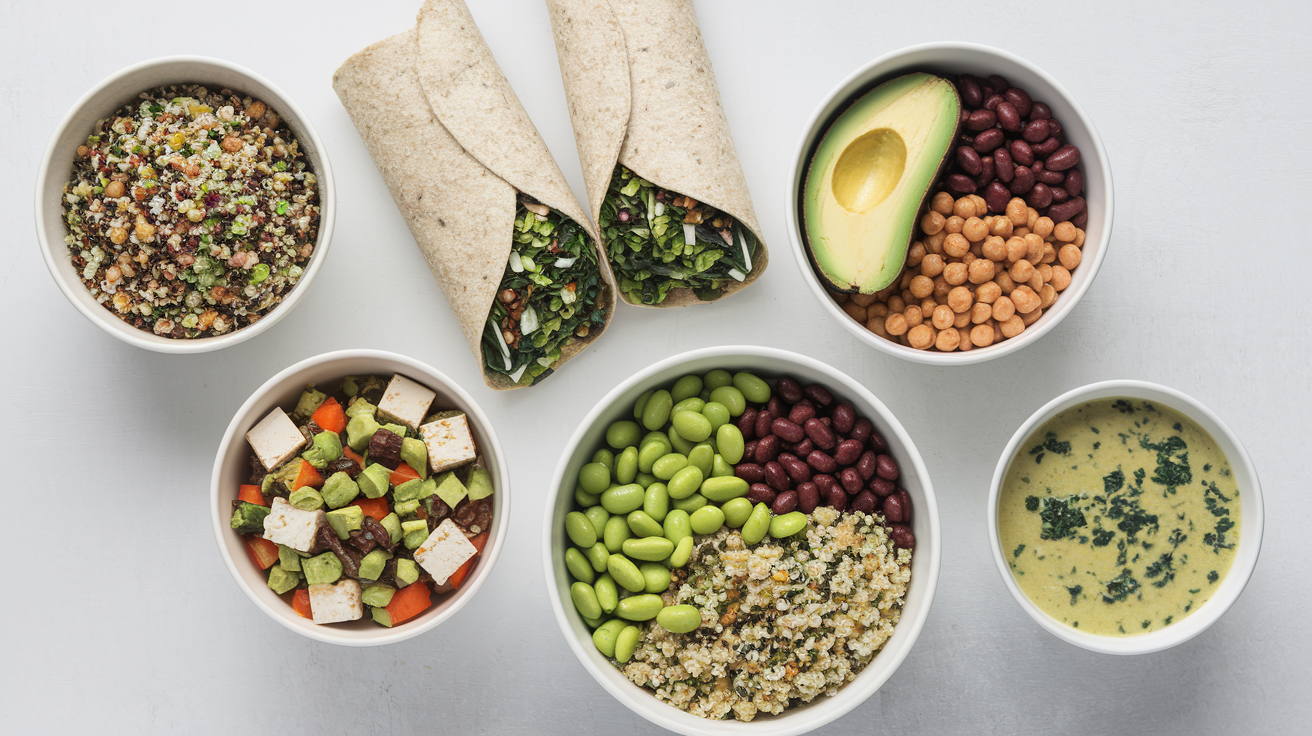
Midday meals need to bridge the gap between breakfast and dinner without wrecking your calorie budget. High-fiber vegetarian lunches built on legumes, whole grains, and vegetables give you sustained energy and keep hunger under control for hours. The combo of protein, fiber, and complex carbs stabilizes blood sugar and prevents that afternoon crash that makes you reach for junk.
Balancing macros at lunch matters. Go for 20 to 30 grams of protein, a serving of complex carbs for fuel, and plenty of non-starchy vegetables to add volume and micronutrients. Preparing lunches in bulk on Sunday cuts weekday prep time and makes portion control automatic.
Fiber-rich lunches also help with fat loss by slowing digestion and improving insulin sensitivity. Beans, lentils, quinoa, and leafy greens all do this while delivering amino acids for muscle retention during a deficit.
| Meal Name | Calories | Protein | Key Ingredients |
|---|---|---|---|
| Quinoa and Chickpea Salad | 400 | 20 g | Quinoa, chickpeas, mixed vegetables, tahini dressing |
| Lentil and Spinach Wrap | 360 | 18 g | Whole-wheat tortilla, cooked lentils, spinach, hummus |
| Black Bean and Avocado Bowl | 420 | 22 g | Black beans, brown rice, avocado, salsa, greens |
| Tofu and Veggie Stir-Fry | 380 | 24 g | Firm tofu, bell peppers, broccoli, soy sauce, sesame oil |
| Edamame and Quinoa Power Bowl | 440 | 26 g | Edamame, quinoa, cucumber, cherry tomatoes, lemon-tahini |
| White Bean and Kale Soup | 320 | 16 g | White beans, kale, tomatoes, vegetable broth, garlic |
Plant-Based Dinners That Build Muscle While Supporting Fat Loss
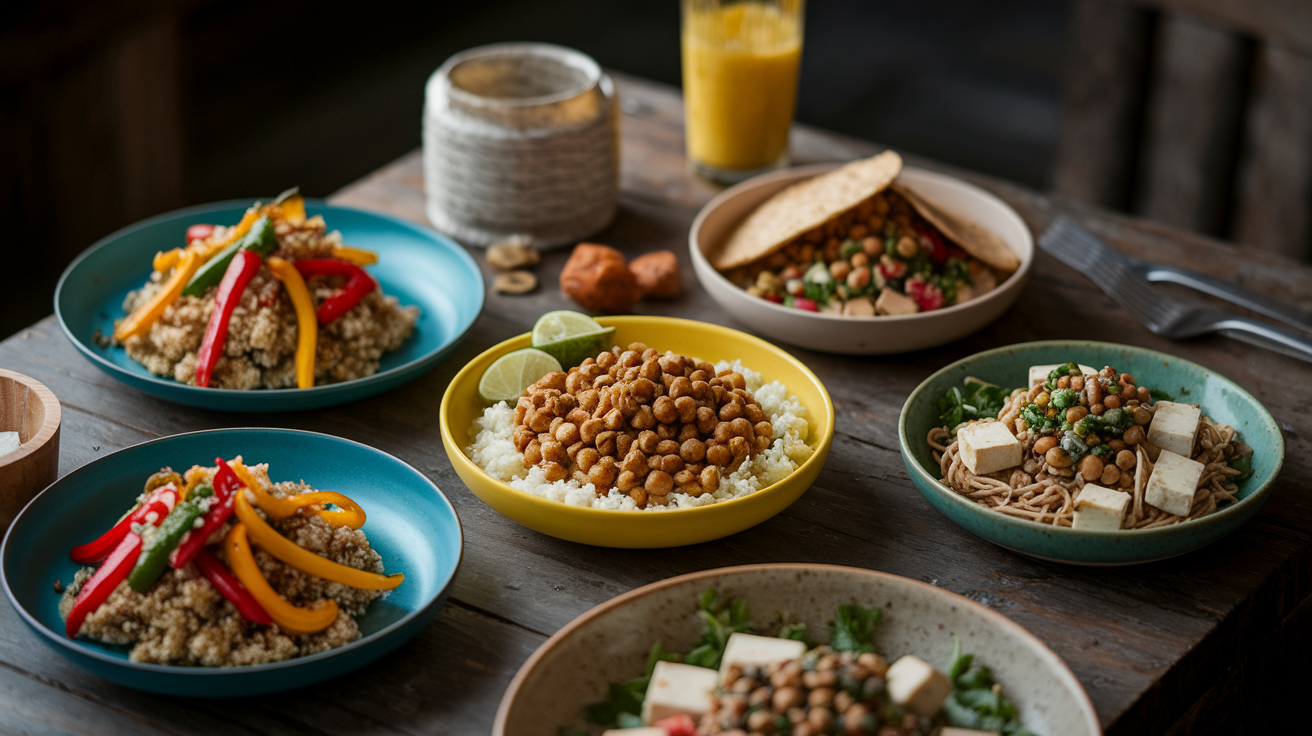
Tofu-Quinoa Stir-Fry – 540 calories, 34 g protein. Cube 200 grams of pressed firm tofu and pan-sear in 1 teaspoon sesame oil until golden on all sides. Toss in minced garlic, ginger, 1 cup of mixed bell peppers and broccoli, and 1 tablespoon soy sauce. Fold in 3/4 cup cooked quinoa and heat through. This meal delivers complete protein from both tofu and quinoa, plus fiber and antioxidants from the veggies.
Lentil-Chickpea Curry with Cauliflower Rice – 460 calories, 28 g protein. Sauté 1 tablespoon curry powder in 1 teaspoon olive oil, add 1 cup diced tomatoes, 1 cup cooked red lentils, and 1/2 cup cooked chickpeas. Simmer for 8 to 10 minutes. Serve over 1 cup riced cauliflower. Lentils and chickpeas give you a broad amino acid profile while the cauliflower base keeps carbs and calories lower than traditional rice.
Tempeh Taco Bowl – 520 calories, 33 g protein. Crumble 150 grams tempeh and pan-fry with taco spices and 1 teaspoon olive oil for 6 to 8 minutes. Assemble a bowl with 1/2 cup cooked brown rice, 1 cup mixed greens, 1/4 avocado, and the seasoned tempeh. Tempeh’s fermentation improves digestibility and adds probiotic benefits alongside dense plant protein.
Miso-Sesame Tofu and Soba Bowl – 520 calories, 32 g protein. Stir-fry 150 grams firm tofu until crispy. Dissolve 1 tablespoon miso paste in hot water for a quick sauce. Combine 1 cup cooked soba noodles, 1/2 cup shelled edamame, the tofu, and the miso sauce. Soba noodles supply more protein than standard wheat pasta, and edamame adds another complete protein source.
Halloumi and Lentil Salad – 500 calories, 30 g protein. Sear 100 grams halloumi slices in a dry pan until golden. Toss with 1/2 cup cooked green lentils, 1 cup arugula, cherry tomatoes, and 1 teaspoon olive oil. Halloumi’s firm texture and salty flavor satisfy cravings for richer foods without derailing calorie goals, and lentils add fiber and plant-based protein.
Vegetarian Post-Workout Meal and Shake Ideas
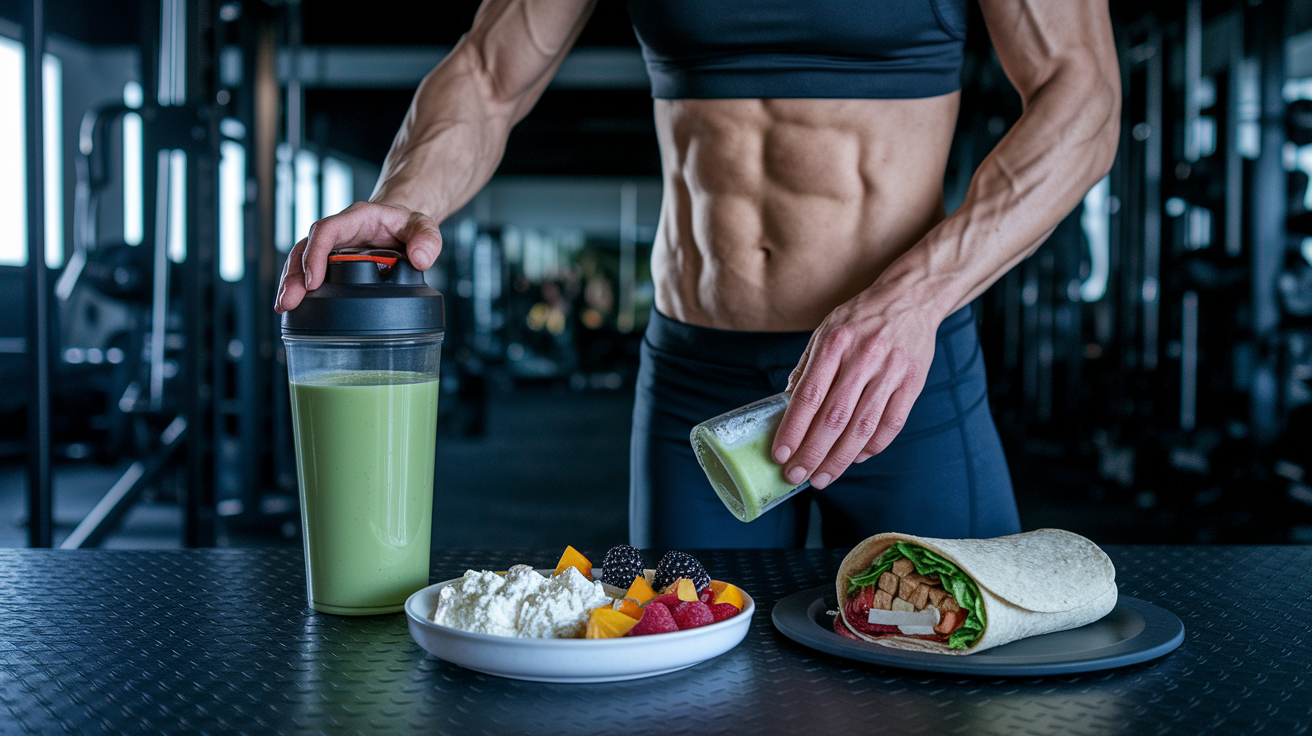
Post-workout nutrition should deliver 20 to 40 grams of protein within about two hours of training to support muscle repair and recovery. Fast-digesting protein sources like pea protein powder, Greek yogurt, or cottage cheese hit your bloodstream quickly and start the rebuilding process while glycogen stores are still low.
Pairing protein with a moderate serving of carbs refills muscle glycogen and improves protein uptake. Simple post-workout combinations keep prep time short so you can refuel before hunger or fatigue mess with your discipline.
- Pea-Protein Smoothie – 38 g protein (1 scoop pea protein, 1 cup unsweetened soy milk, 1/2 cup oats, 1 cup spinach, 1 small banana)
- Cottage Cheese and Berries – 28 g protein (1 cup low-fat cottage cheese, 1/2 cup mixed berries, 1 tbsp almond slivers)
- Greek Yogurt Power Bowl – 30 g protein (1 cup nonfat Greek yogurt, 1/4 cup granola, 1 tbsp chia seeds, 1/2 banana)
- Tofu and Veggie Wrap – 26 g protein (150 g scrambled tofu, whole-wheat tortilla, spinach, salsa)
- Egg-White Omelet with Beans – 24 g protein (6 egg whites, 1/2 cup black beans, vegetables, 1 slice whole-grain toast)
Weekly Vegetarian Meal Prep for Cutting and Muscle Growth
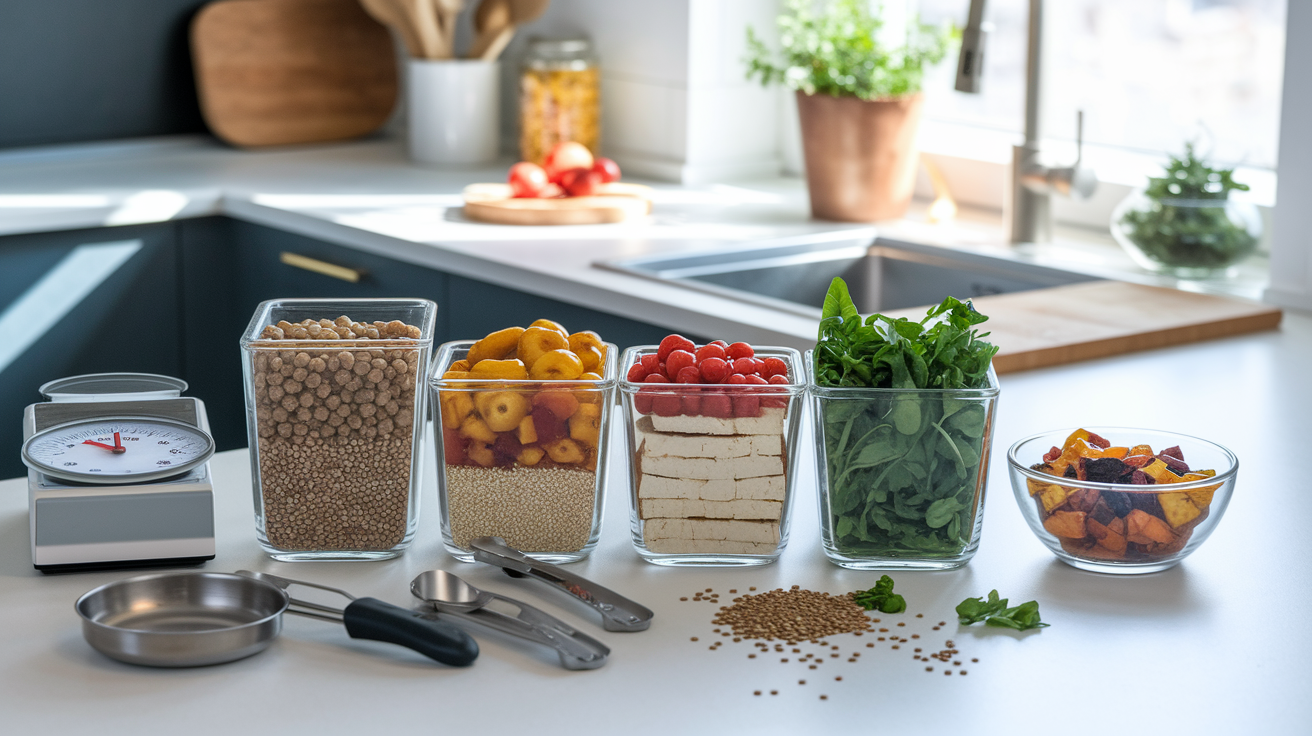
Planning and batch-cooking meals for the week removes daily decision fatigue and makes it easier to stick to calorie and protein targets. Spend two to three hours on Sunday prepping proteins, grains, and vegetables in bulk, then portion them into containers for grab-and-go convenience.
Consistency drives results more than perfection. A solid weekly plan means you always have a high-protein option ready, even on busy days when ordering takeout feels easier. Adjust portion sizes and total calories based on your training schedule. Eat slightly more on workout days to fuel performance and recovery, slightly less on rest days.
Pre-workout nutrition also fits into weekly prep. Simple combos like a banana with a tablespoon of almond butter and 10 to 20 grams of protein powder deliver the carbs and protein you need 60 to 90 minutes before training without sitting heavy in your stomach.
- Batch-cook 4 cups of lentils and 4 cups of quinoa on Sunday and divide into individual containers for quick lunch and dinner bases throughout the week.
- Marinate and bake 1 kilogram of firm tofu in soy sauce, garlic, and ginger, then slice and store in the fridge for stir-fries, bowls, and wraps.
- Portion 1 cup servings of cooked chickpeas or black beans into small containers and label with protein totals to simplify macro tracking.
- Prep 5 servings of riced cauliflower or spiralized zucchini to use as low-calorie carb bases that cut 150 to 200 calories per meal.
- Blend and freeze single-serving smoothie packs with spinach, berries, and measured scoops of protein powder. Just add liquid and blend on busy mornings.
High-Fiber Vegetarian Sides Supporting Fat Loss
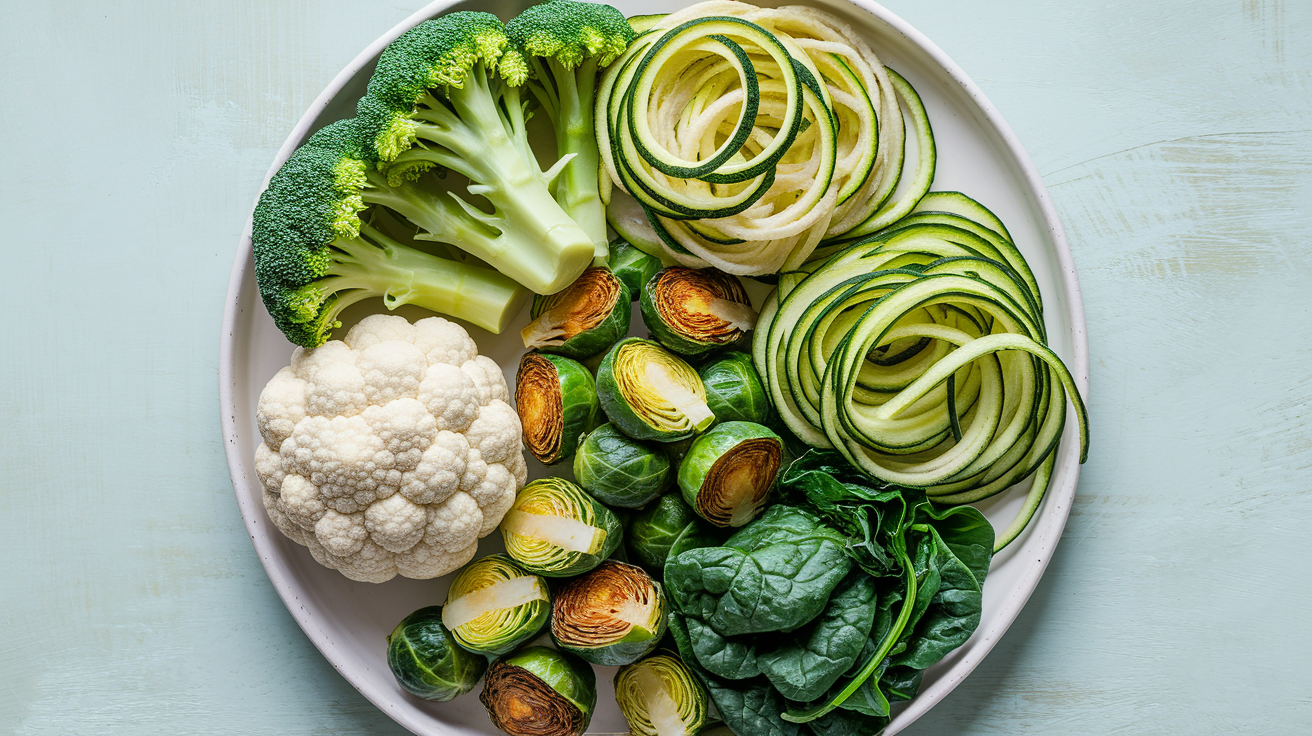
Adding high-fiber sides to meals increases volume without adding many calories, which keeps you full longer and makes it easier to stay in a calorie deficit. Vegetables, legumes, and whole grains slow digestion and stabilize blood sugar, preventing the energy swings and cravings that lead to overeating.
Lower caloric density means you can eat more food for the same number of calories. A cup of riced cauliflower has about 25 calories. A cup of white rice has 200. That difference adds up over a week and makes fat loss feel less restrictive.
- Steamed Broccoli – 55 calories per cup, high in fiber, vitamin C, and sulforaphane
- Riced Cauliflower – 25 calories per cup, a direct swap for rice or couscous
- Zucchini Noodles – 20 calories per cup, works as a pasta replacement in stir-fries and marinara dishes
- Roasted Brussels Sprouts – 56 calories per cup, adds crunch and pairs well with tahini or balsamic
- Sautéed Spinach – 41 calories per cup cooked, rich in iron, magnesium, and folate
Macro Tracking and Portion Control for Vegetarian Athletes

Tracking macros with a food scale for the first two to four weeks calibrates your portion-size instincts and removes guesswork. Weigh proteins, grains, and fats at every meal until you can eyeball a palm-sized serving of tofu or a cupped-hand portion of quinoa without measuring.
A 300 to 500 calorie daily deficit usually produces 0.5 to 1.0 percent bodyweight loss per week. That’s a sustainable pace that preserves muscle while shedding fat. If weight loss stalls for two weeks or more, reduce daily intake by another 100 to 200 calories or add one extra resistance session per week.
Use simple hand-based rules once portion sizes feel automatic. Protein covers your palm and equals 20 to 40 grams per meal. Carbs fit in a cupped hand. Vegetables fill one to two fists. Fats equal about a thumb, roughly one tablespoon of oil, nut butter, or a small handful of nuts.
- Log every meal in a tracking app for two weeks to learn actual calorie and protein content of your regular foods.
- Weigh dry grains and raw proteins before cooking to keep portion sizes consistent across meals.
- Pre-portion snacks into single servings to avoid eating handfuls of nuts or trail mix straight from the bag.
- Check progress weekly by weighing yourself at the same time of day, preferably in the morning before eating, and adjust calories if weight loss stops for more than two weeks.
Combining Legumes and Grains for Complete Proteins
Vegetarian proteins become “complete” when you combine complementary amino acid profiles across the day. Grains tend to be low in lysine. Legumes are low in methionine. Eating both within 24 hours gives your body all nine essential amino acids needed to build and repair muscle tissue.
You don’t need to combine them in the same meal. Oatmeal at breakfast and lentils at dinner will cover your bases. But pairing them in one dish simplifies meal prep and often improves flavor and texture.
Soy-free options work just as well if you avoid soy products. Nuts, seeds, dairy, eggs, mycoprotein, and the combinations below all supply high-quality protein without relying on tofu or tempeh.
- Quinoa (8 g protein per cup) + black beans (15 g per cup) in a burrito bowl
- Brown rice (5 g per cup) + lentils (18 g per cup) in a curry or stew
- Oats (10 g per 100 g) + almond butter (7 g per 2 tbsp) in overnight oats
- Whole-wheat pita (6 g per pita) + hummus (chickpeas, 8 g per 1/2 cup) as a snack
- Farro (8 g per cup) + white beans (15 g per cup) in a salad
- Buckwheat (6 g per cup) + hemp seeds (10 g per 3 tbsp) in a breakfast bowl
Nutrient Timing for Vegetarian Fat Loss and Hypertrophy
Eating protein at regular intervals throughout the day maximizes muscle protein synthesis and keeps hunger stable. Three to five meals with 20 to 40 grams of protein each work better than loading all protein into one or two large meals.
Pre-workout nutrition should include 10 to 20 grams of protein and 20 to 40 grams of carbs about 60 to 90 minutes before training. This combo provides amino acids for muscle protection and glucose for energy without sitting heavy in your stomach.
Post-workout, go for 20 to 40 grams of protein within two hours. Fast-digesting sources like pea protein powder, Greek yogurt, or cottage cheese speed recovery and take advantage of the heightened muscle sensitivity to nutrients immediately after resistance training.
- Pre-Workout Snack – 1 banana with 1 tbsp almond butter and 1 scoop pea protein mixed in water (25 g protein, 35 g carbs)
- Post-Workout Smoothie – 1 scoop pea protein, 1 cup soy milk, 1/2 cup oats, 1 cup spinach, 1/2 banana (32 g protein)
- Quick Post-Workout Bowl – 1 cup nonfat Greek yogurt, 1/4 cup granola, 1/2 cup berries (26 g protein)
- Pre-Workout Toast – 2 slices whole-grain bread with 2 tbsp peanut butter and 1 sliced apple (16 g protein, 45 g carbs)
Final Words
You’ve got a clear map: high-protein meal examples, top plant proteins, meal structures, timing, and weekly prep tips to help you lose fat while keeping muscle.
Start with simple swaps and spread protein across the day, aim 20-40 g per meal. Batch-cook, use grains and legumes together for complete protein, and pick a few meals from the lists to repeat.
Use this guide to build vegetarian fat loss meals that build muscle into your week. Small, steady choices add up. You’ll feel stronger and more energetic as you keep going.
FAQ
Q: Can vegetarians lose fat and build muscle at the same time?
A: Vegetarians can lose fat and build muscle by eating enough protein while keeping calories slightly below maintenance, and pairing that with resistance training and regular activity for preserved muscle and steady fat loss.
Q: How much protein do active vegetarians need per day?
A: Active vegetarians generally need about 1.2–2.0 g of protein per kilogram of bodyweight per day, aiming toward the higher end during intense training or calorie deficit to protect muscle.
Q: Which vegetarian foods give the most protein for muscle building?
A: High-protein vegetarian foods include seitan, tempeh, cottage cheese, Greek yogurt, lentils, edamame, quinoa, and eggs, each offering 8–25 g protein per typical serving to support muscle repair.
Q: How should I spread protein across meals each day?
A: Spread protein across 3–5 meals, aiming for roughly 20–40 g per meal so each serving supports muscle protein synthesis and keeps you full throughout the day.
Q: What are quick high-protein vegetarian breakfasts that support muscle?
A: Quick high-protein vegetarian breakfasts include Greek yogurt with fruit and oats, protein smoothies with pea powder, egg and veggie scramble, cottage cheese pancakes, or overnight oats plus protein powder.
Q: What are practical post-workout vegetarian meals or shakes?
A: Practical post-workout vegetarian options deliver 20–40 g protein, like a pea-protein smoothie with banana, Greek yogurt and berries, cottage cheese bowl with fruit, or a tofu stir-in shake.
Q: How should I structure lunches for fat loss and muscle gain?
A: Structure lunches with a palm-sized protein, a fist of vegetables, a cupped-hand carb if needed, and a thumb of healthy fat—focus on fiber, protein, and steady energy.
Q: What are smart meal-prep strategies for cutting while keeping muscle?
A: Smart meal-prep strategies include batch-cooking lentils and beans, marinating and baking tofu or tempeh, pre-portioning meals, using protein powders, and adjusting portions on rest versus workout days.
Q: What low-calorie swaps can lower meal calories without losing satisfaction?
A: Low-calorie swaps: riced cauliflower for rice, zucchini noodles for pasta, spiralized veggies for noodles, legumes for some grains, lower-fat dressings, and more leafy greens to bulk meals.
Q: How do I combine grains and legumes to get complete proteins?
A: Combine grains and legumes like rice + lentils, quinoa + black beans, oats + peanut butter, whole wheat pita + hummus, barley + chickpeas, or wild rice + lentils to cover essential amino acids.
Q: How should vegetarian athletes track macros and control portions?
A: Vegetarian athletes should track calories with a food scale for 2–4 weeks, use palm/fist/hand portion rules, aim for a 300–500 kcal deficit to lose weight, and adjust if progress stalls two weeks.
Q: When should I eat around workouts for fat loss and muscle gain?
A: Eat 60–90 minutes before training with 10–20 g protein and 20–40 g carbs, and aim for 20–40 g protein within two hours after training to support recovery and growth.