

Could one simple glass of water be the single habit that changes your mornings and your health?
Your body loses fluids overnight through breathing and repair, so you often wake a little behind on water.
Even a 1–2% drop in body water can slow thinking and sour your mood.
Drinking 250–500 ml within 15–30 minutes of waking boosts alertness, nudges digestion, raises metabolism briefly, and helps kidneys work better.
Read on to learn the straightforward science and easy steps that make morning hydration a fast, real win you can keep doing.
Key Morning Hydration Benefits Explained Clearly
Your body keeps working overnight. Breathing, fixing cells, managing temperature. All without new water coming in. You wake up slightly behind on fluids. Urine’s darker, more concentrated after hours of nothing to drink. Morning plasma osmolality sits higher than it will later. Rehydrating with 250–500 ml of plain water in the first 15–30 minutes reverses that overnight concentration. Your body reacts fast: metabolic rate climbs, you feel more alert, digestion kicks in. Not magic. Just what happens when you replace what you quietly lost.
Scientific evidence backs up measurable short-term shifts after morning hydration. Around 500 ml of water can bump resting metabolic rate by roughly 10–30% for about 30–40 minutes in healthy adults. Losing just 1–2% of your body weight as water (a level many hit by morning) cuts into concentration, memory recall, and mood. Rehydrating 250–500 ml improves alertness within 20–60 minutes. Warm or room-temp water can get your stomach and intestines moving, helping produce a bowel movement within 30–90 minutes if you’re prone to morning constipation.
The benefits come from hydration itself. Not because morning water has special powers. Timing doesn’t radically change outcomes. Drink that same 500 ml later in the day, you still benefit. Morning hydration works because it addresses your immediate overnight deficit and chips away at daily fluid targets. You feel the effects sooner because you’re starting from a slightly depleted state.
Here’s what morning hydration delivers:
- Rehydration after overnight concentration – replaces fluid lost through breathing, sweating, and metabolic processes.
- Improved alertness and mood within 20–60 minutes – mild dehydration messes with focus and mood; water corrects that quickly.
- Temporary metabolic rise (10–30% for 30–40 minutes) – a short-term increase in calorie burning, not a weight loss strategy on its own.
- Support for digestion and early bowel movements – water stimulates gut motility and softens stool.
- Contribution to daily hydration totals – helps meet general targets of around 2–3 L of fluid per day.
How Morning Hydration Supports Metabolism and Weight Management
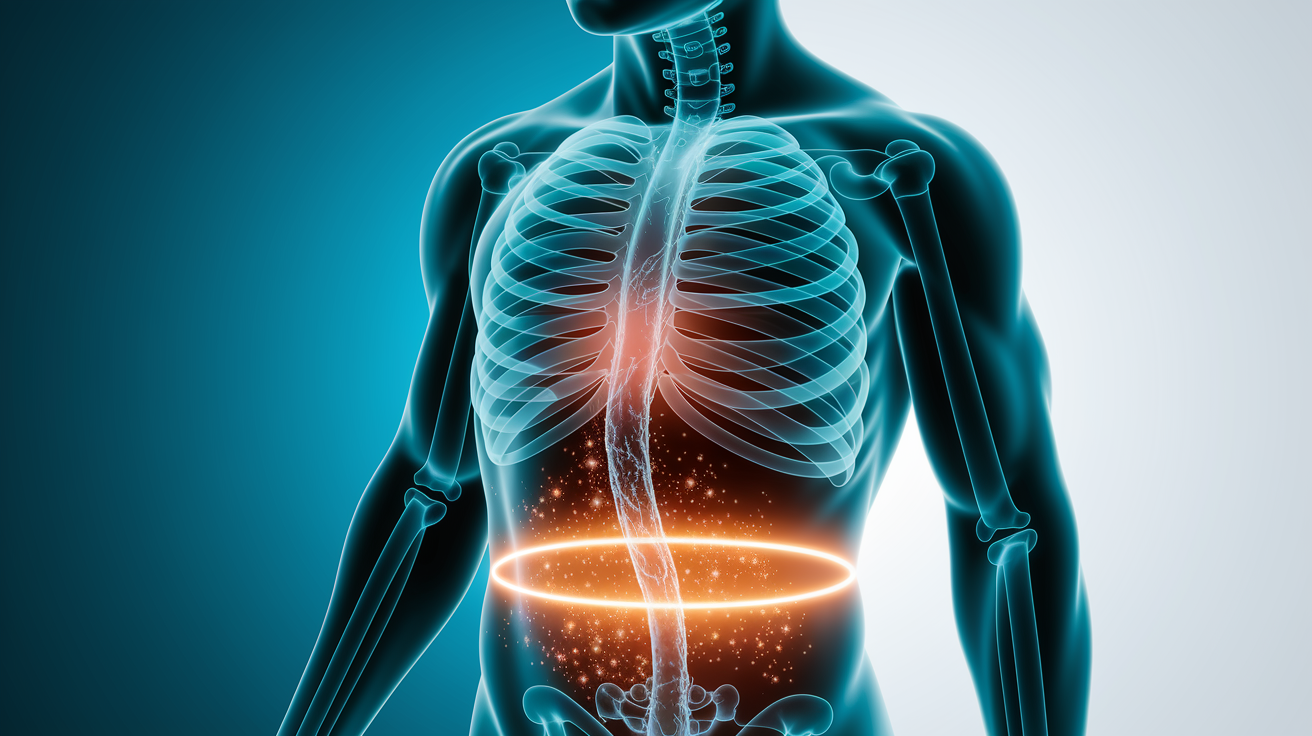
Drinking about 500 ml of water in the morning bumps your resting metabolic rate by roughly 10–30% for 30–40 minutes. This is a real, measurable thing called water-induced thermogenesis. Your body uses energy to process, absorb, and warm the water you just drank. One study showed that upping daily water intake by 1.5 liters (about 50 ounces) burned approximately 48 extra calories per day. Over a full year, that totals around 17,000 calories. Equivalent to about 5 pounds (2.5 kg) of fat. But that effect comes from total daily water intake, not specifically from drinking water first thing in the morning.
The actual calorie burn from warming cold water is tiny. One study found that drinking cold water at 37°F (3°C) increased calorie burn by only about 9 extra calories. That’s roughly one cashew nut. Even the combined metabolic boost and thermal effect together make a small contribution to weight management. Water helps with appetite control (thirst often feels like hunger) and supports physical activity, digestion, and overall energy levels. Those indirect pathways matter more than direct calorie burning. Hydration’s a supporting player, not the star of weight loss.
Understanding Thermogenesis
Thermogenesis refers to the energy your body uses to process and warm ingested water. When you drink cold water, your body has to raise that water’s temperature to match your core temperature. That process requires a small amount of energy, measured in calories. Most of the water-induced metabolic rise, though, comes from the body processing and distributing the fluid, not just warming it. Studies show that about 40% of the thermogenic effect happens even with room-temp water between 71.6–98.6°F (22–37°C). The net extra calorie burn stays small in everyday practice.
| Water Type | Estimated Extra Calorie Burn |
|---|---|
| Cold water (37°F / 3°C) | ~9 calories per 500 ml |
| Room-temperature water (71.6–98.6°F / 22–37°C) | ~4–6 calories per 500 ml |
| Warm water (close to body temperature) | Minimal; metabolic rise from processing only |
| Total daily increase (adding 1.5 L across the day) | ~48 calories per day |
Morning Hydration and Digestive System Support

Drinking 200–500 ml of room-temp or warm water soon after waking gets your digestive system going. Water triggers the gastrocolic reflex, a signal that travels from stomach to colon, prompting muscle contractions that move things along. This response is stronger in the morning when your digestive tract’s been resting overnight. Warm water is often easier on the stomach than ice-cold water because it doesn’t shock the system and may boost smooth muscle activity. For people who struggle with morning constipation, a glass of water can help produce a bowel movement within 30–90 minutes.
Water also softens stool by increasing moisture content in the colon. When your body’s mildly dehydrated, it pulls more water from waste material to maintain fluid balance elsewhere. That results in harder, more difficult-to-pass stool. Starting the day with hydration reverses that process. Combined with fiber intake throughout the day, morning water supports regular bowel movements without needing laxatives or other interventions. If constipation’s still a problem, bump up total daily fluid intake and add movement. Walking after breakfast often works well.
Cognitive Function, Mood, and Energy Benefits From Morning Hydration

Mild dehydration of just 1–2% of body weight measurably cuts into alertness, short-term memory, and concentration. Many people wake at or near that threshold after a full night without fluids. Studies show that rehydrating with 250–500 ml of water improves cognitive performance within 20–60 minutes. The brain depends on adequate hydration to maintain blood volume, nutrient delivery, and waste clearance. Even slight fluid deficits slow reaction times and make routine mental tasks feel harder than they should.
Morning alertness shifts quickly with water intake. If you’ve ever felt foggy-headed in the first hour after waking, dehydration may be part of the problem. Drinking water raises blood volume and improves circulation, delivering more oxygen and glucose to the brain. That translates to sharper focus, faster processing, and better decision making. Coffee helps many people feel awake, but pairing it with water (or drinking water first) often produces clearer, steadier energy without the jittery edge.
Mood and stress levels also respond to hydration status. Dehydration increases cortisol, a stress hormone, and can trigger irritability and low-level anxiety. Rehydrating helps stabilize mood. It’s not a cure for chronic stress, but it removes one unnecessary stressor. If your mornings feel unnecessarily difficult, check whether you’re drinking water before reaching for food or caffeine.
The cognitive and mood benefits include:
- Improved attention – faster reaction times and sustained focus on tasks.
- Better memory recall – sharper short-term memory and information retrieval.
- Reduced irritability – stabilized cortisol levels and less emotional volatility.
- Reduced fatigue – clearer energy without relying only on stimulants.
Skin Health and Appearance Improvements From Proper Morning Hydration

Hydration supports skin quality by maintaining cellular water balance. Well-hydrated skin cells work more efficiently, repair damage faster, and hold elasticity better. When your body’s dehydrated, skin becomes one of the first places to show it. Dryness, reduced plumpness, and slower healing all result from low fluid intake. Morning hydration contributes to overall daily fluid targets, which in turn supports healthy skin appearance. The effect is cumulative and subtle, not overnight transformation.
Drinking water in the morning doesn’t “flush toxins from your skin” or erase wrinkles, but it does improve skin’s ability to stay hydrated from the inside. Topical moisturizers work on the outer layer; water works from within. Improved elasticity, reduced fine lines from dryness, and a more even complexion are realistic outcomes over weeks of consistent hydration. If you’re also using sunscreen, eating enough protein, and sleeping well, the combined effect becomes more noticeable. Hydration’s one part of a complete skin care routine, not a standalone fix.
Kidney Function, Toxin Processing, and Waste Elimination Benefits
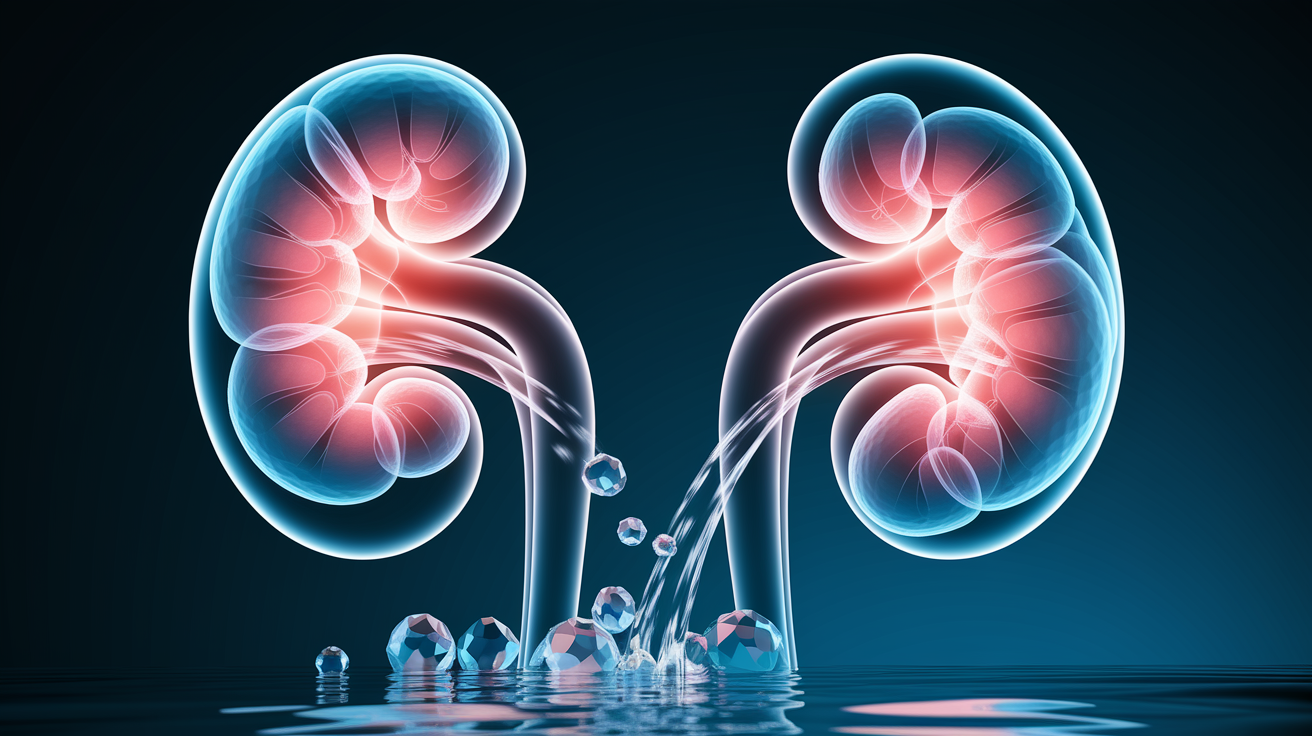
Your kidneys filter roughly 120–150 quarts of blood every day, removing waste and balancing electrolytes. They work best when you maintain adequate urine volume. Clinical studies show that keeping 24-hour urine output above 2.0 liters (about 2,000 ml) reduces kidney stone recurrence by roughly 50%. Morning hydration helps you reach that daily target without needing to drink large volumes at once later in the day. Starting with 250–500 ml gives your kidneys early support and sets a pattern for regular fluid intake.
The phrase “flush toxins” is vague but refers to real kidney function: improved renal perfusion (blood flow through the kidneys) and urine dilution. When urine’s dilute, waste products like urea, creatinine, and metabolic byproducts get carried out more efficiently. Concentrated urine increases the risk of crystal formation, which can lead to kidney stones. Morning hydration doesn’t perform a magical detox cleanse, but it does support the kidneys’ natural waste removal process.
Bladder function also benefits from regular morning hydration. Stagnant, concentrated urine in the bladder creates a better environment for bacterial growth, which can lead to urinary tract infections. Drinking water soon after waking dilutes that overnight urine and encourages more frequent urination, which helps clear the bladder. For people prone to UTIs, this simple habit can reduce recurrence.
| Function | Effect of Hydration |
|---|---|
| Waste filtration | Improved renal blood flow and more efficient removal of urea, creatinine, and metabolic waste |
| Kidney stone prevention | Maintaining >2.0 L daily urine volume reduces stone recurrence by ~50% |
| Bladder health | Dilutes overnight urine, encourages frequent voiding, reduces bacterial growth and UTI risk |
How Much Water to Drink for Optimal Morning Hydration
The recommended morning intake is 250–500 ml (about 8–17 ounces) of plain water within 15–30 minutes of waking. A common practical target is 500 ml, roughly 16 ounces or two standard glasses. That amount is enough to trigger the measurable short-term benefits (metabolic rise, improved alertness, digestive stimulation) without overwhelming your stomach or causing discomfort. If 500 ml feels like too much at once, start with 250 ml and sip another 250 ml over the next hour.
Total daily fluid intake guidance for adults is about 3.7 liters (roughly 125 ounces) for men and 2.7 liters (roughly 91 ounces) for women. That includes all beverages and moisture from food. A practical beverage-only target is about 2–3 liters per day, or roughly 8–12 cups. Morning hydration contributes to that total and sets a rhythm for regular drinking throughout the day. If you rarely feel thirsty, that’s unusual and worth discussing with a healthcare provider.
Individual needs vary based on several factors:
- Activity level – sweating during exercise or physical work increases fluid needs significantly.
- Climate – hot, dry, or high altitude environments raise fluid loss through skin and breathing.
- Age – older adults often have a reduced thirst response and need reminders to drink.
- Medications – diuretics, blood pressure drugs, and some other medications affect fluid balance.
- Sodium balance – low sodium intake or high sodium loss (heavy sweating) may require electrolyte adjustment along with water.
Best Options for Effective Morning Hydration

Plain water works perfectly well for most people. Simple, free or low-cost, and delivers all the core hydration benefits. Room-temp or warm water is often easier to handle in the morning than ice-cold water. Cold water can feel shocking on an empty stomach and may slow digestion slightly. Warm water, on the other hand, can feel soothing and may get your stomach moving more effectively. The metabolic difference between cold and warm water is minimal (about 5–9 extra calories), so choose based on comfort and preference.
Lemon water’s a popular morning option. Adding juice from half a lemon (about 5–15 ml) to 250–500 ml of water provides roughly 10–30 mg of vitamin C and a mild, pleasant acidity that some people find more palatable than plain water. Lemon doesn’t “detoxify” the body or radically change metabolism, but it can make water more enjoyable to drink consistently. If lemon irritates your stomach or tooth enamel, skip it or use less. Rinse your mouth with plain water afterward if you’re concerned about acidity on teeth.
Electrolyte-enhanced water can be useful in specific situations. Adding 1/8 to 1/4 teaspoon of table salt (about 290–575 mg sodium) or a commercial electrolyte packet to 500 ml of water helps replace sodium lost during prolonged sweating, illness, or very low sodium intake. Use electrolytes cautiously if you’re on a sodium-restricted diet or blood pressure medication. For most people on a typical diet, plain water in the morning is sufficient. Electrolytes become more important during or after intense exercise, heat exposure, or when recovering from illness.
When to Use Enhanced Hydration Options
- Lemon water – if you find plain water boring and need flavor to drink consistently; provides a small vitamin C boost without added sugar.
- Electrolyte water – after heavy sweating, prolonged fasting, illness with vomiting or diarrhea, or if you follow a very low sodium diet and feel fatigued.
- Herbal teas (caffeine-free) – warm, hydrating, and soothing; chamomile or peppermint work well in the morning for people who prefer warmth over plain water.
Building Sustainable Morning Hydration Habits
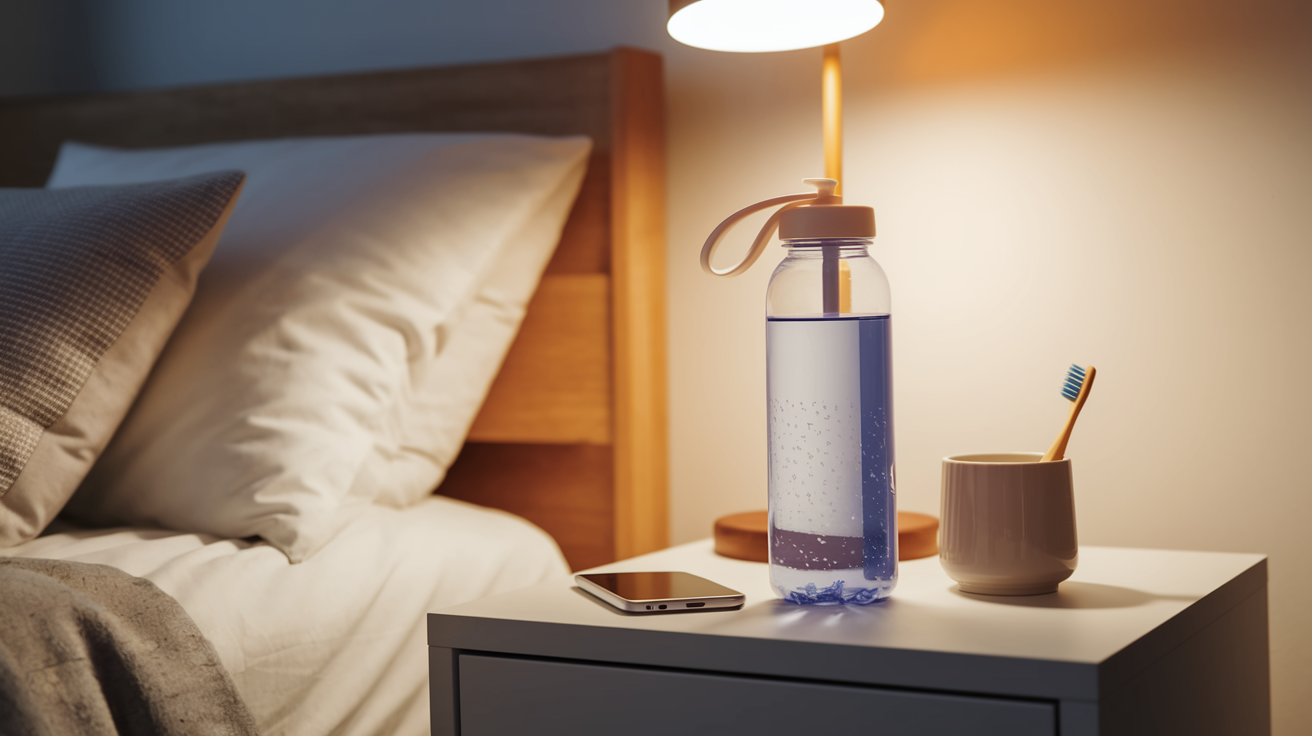
Building a morning hydration habit needs a simple system, not willpower. Habit stacking works well: attach water drinking to something you already do every morning without thinking. Drink water right after brushing your teeth, or before making coffee. The existing habit becomes the cue for the new one. Keep a filled 500 ml bottle or glass on your nightstand so it’s ready when you wake. That removes the friction of walking to the kitchen and deciding whether to bother.
If drinking 500 ml feels overwhelming at first, start smaller. Drink 250 ml, then sip another 250 ml over the next hour. Your stomach will adapt over a week or two. Set a single morning reminder on your phone if you tend to forget. Label it something simple like “Drink water now.” Track urine color as feedback. Aim for pale straw yellow during the day. If your morning urine stays dark yellow or amber even after drinking water for several days, you may need to increase total daily intake.
Here’s a simple five-step process to build the habit:
- Fill a 500 ml bottle or glass the night before and place it on your nightstand or bathroom counter.
- Drink it within 15–30 minutes of waking, ideally before coffee or breakfast.
- Track urine color for the first week to confirm you’re rehydrating effectively.
- Stack the habit onto an existing routine like brushing teeth or making your bed.
- Adjust the amount if 500 ml feels uncomfortable; start with 250 ml and increase gradually.
Common Myths About Morning Hydration, Clarified
Several myths about morning hydration circulate widely, often based on exaggerated claims or misunderstood research. The idea that cold water “burns tons of calories” is one example. As discussed earlier, drinking cold water at 37°F (3°C) increases calorie burn by only about 9 calories per 500 ml. Roughly the energy in a single almond. That’s a real effect, but trivial for weight loss. If you prefer cold water for taste or refreshment, drink it. If you think it’s a weight loss strategy on its own, it’s not.
Another common myth is that morning water “detoxifies” the body in a special way. Water supports kidney and liver function, which process and eliminate waste products. Drinking water in the morning helps dilute urine and improve renal perfusion, but it doesn’t perform a mystical cleanse. Your kidneys and liver already detoxify continuously. Hydration makes their job easier, but timing (morning versus later in the day) doesn’t drastically change the outcome. The benefit is from consistent, adequate hydration throughout the day.
Here are four myths, corrected:
- Myth: Drinking water first thing burns significant calories. Reality: The metabolic rise is real but short-lived (around 30–40 minutes) and contributes only about 48 extra calories per day when total intake increases by 1.5 liters.
- Myth: Cold water is far superior for metabolism. Reality: Cold water produces an extra ~9 calories per 500 ml; room-temp water still triggers most of the metabolic effect.
- Myth: Morning water “flushes toxins” that build up overnight. Reality: Water supports kidney function and dilutes urine, but your kidneys filter waste continuously; no special detox happens in the morning.
- Myth: You must drink water before anything else, or the benefits disappear. Reality: Drinking water soon after waking is helpful because you’re mildly dehydrated, but drinking it 30 minutes later or after coffee still provides hydration benefits.
Sample Morning Hydration Routines for Different Goals
Different goals and lifestyles call for slightly different morning hydration approaches. The routines below are practical starting points. Adjust amounts and timing based on your schedule, activity level, and how your body responds. All assume you’re drinking plain water or simple enhancements like lemon or a pinch of salt when needed.
Routine for General Wellness
This routine fits most people who want to feel more alert, support digestion, and contribute to daily hydration totals without added complexity.
- Drink 500 ml (16 oz) of room-temp water within 15 minutes of waking. Keep the bottle on your nightstand.
- Wait 10–15 minutes, then have your usual breakfast or coffee. The water’s already started rehydrating you.
- Drink another 250–500 ml over the next 2 hours to maintain steady hydration through the morning.
Routine for Weight Management
This routine emphasizes appetite control, steady energy, and maximizing the small metabolic boost from water.
- Drink 500 ml of water immediately upon waking, before checking your phone or making coffee.
- Wait 20–30 minutes before eating breakfast to allow the water to settle and slightly reduce initial hunger signals.
- Drink another 250 ml before or with breakfast to support digestion and help you feel fuller with a moderate meal.
Routine for Athletes or Active Individuals
This routine addresses higher fluid needs and includes optional electrolyte support if training early or in hot conditions.
- Drink 500 ml of water with a pinch of salt (1/8 tsp) or an electrolyte packet within 10 minutes of waking if you train in the morning.
- Drink another 250–500 ml 30–60 minutes before exercise to ensure you start your workout well hydrated.
- Continue drinking 150–250 ml every 15–20 minutes during exercise, then rehydrate fully afterward based on sweat loss.
Routine for Older Adults or Those With Medical Needs
This routine is gentler and accounts for reduced thirst response, medications, or medical conditions that affect fluid balance.
- Drink 250 ml of warm or room-temp water within 30 minutes of waking. Warm water may be easier to tolerate.
- Sip another 250 ml slowly over the next hour while preparing breakfast or taking morning medications.
- Track urine color and frequency to confirm adequate hydration, especially if on diuretics or other medications that affect fluid balance. Consult your doctor before making large changes.
Final Words
Drink 250–500 ml of water within 15–30 minutes of waking to rehydrate, sharpen alertness, and nudge digestion. The article explained the short metabolic bump, clearer thinking, better morning bowel movements, and how hydration supports skin and kidney health.
It also covered sensible amounts, simple drink options, habit tricks, and sample routines so you can pick what fits your day.
Try a small, consistent step tomorrow morning, consistency beats perfection. You’ll start to feel the morning hydration routine benefits in energy and focus.
FAQ
Q: Why is hydrating in the morning so important?
A: Hydrating in the morning is important because it replaces overnight fluid loss, improves alertness within 20–60 minutes, kick-starts digestion, and helps you meet daily fluid goals for better focus and mood.
Q: What is the 20/20/20 rule morning routine and what is the best morning routine for hydration?
A: The 20/20/20 rule splits the first hour into 20 minutes movement, 20 minutes reflection, and 20 minutes learning. For hydration, drink 250–500 ml (8–16 oz) within 15–30 minutes of waking.
Q: Can drinking water reduce blood infections?
A: Drinking water does not directly reduce blood infections. Staying hydrated supports circulation and kidney function, but suspected bloodstream infections need urgent medical evaluation and antibiotics from a clinician.