
Think Kegels are just awkward internet advice?
They actually fix leaks, speed postpartum recovery, and boost pelvic support when done right.
In this post you’ll find clear steps to feel the pelvic floor, squeeze and lift correctly, and a short daily routine you can do lying down, sitting, or standing.
I’ll also cover quick tweaks to avoid common mistakes and when to ask a pelvic physical therapist for help.
No fluff, just simple, practical moves that work with your life.
Mastering Proper Pelvic Contractions for Effective Kegel Training
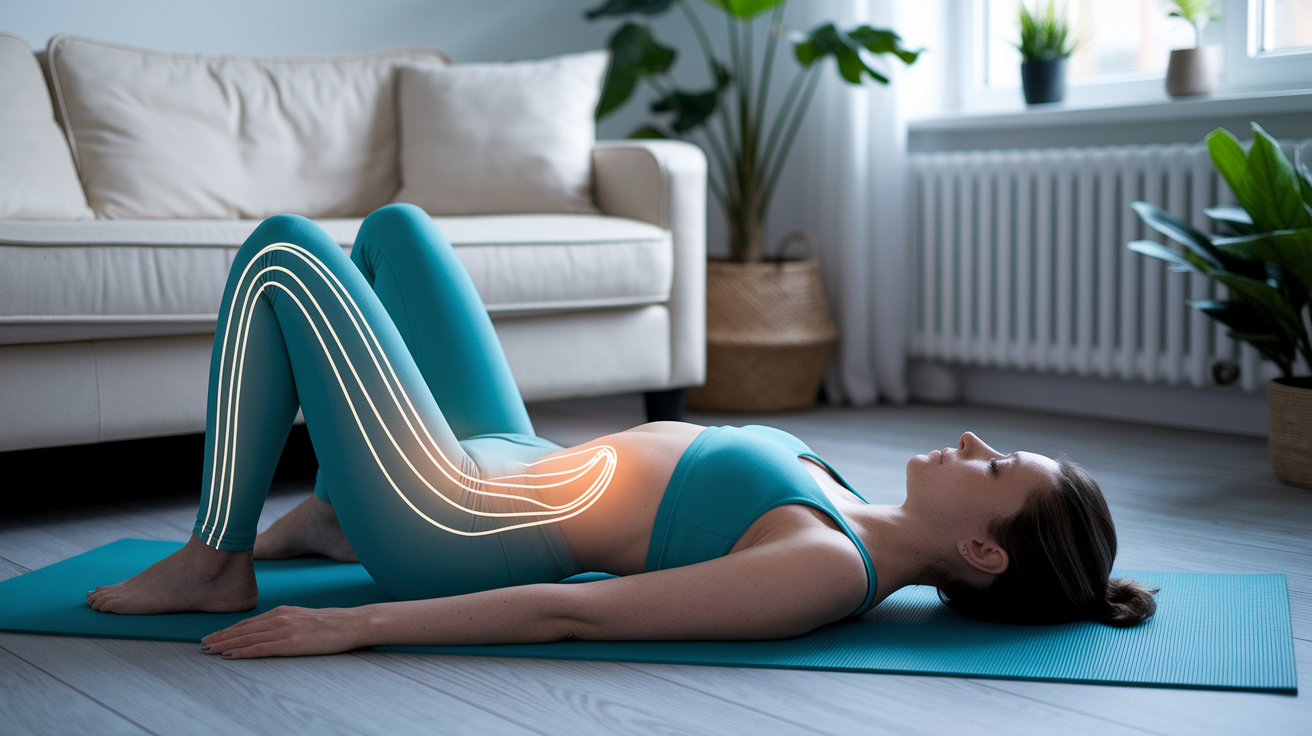
Start by finding your pelvic floor muscles. The easiest way is to try stopping your urine midstream next time you’re on the toilet, just once to figure out which muscles you’re working with. Don’t do this regularly. You’ll feel a squeeze and lift around your vagina and anus. Another option: wash your hands, insert a clean finger about an inch into your vagina, and squeeze like you’re stopping urine. You should feel a gentle tightening around your finger. You can also imagine stopping yourself from passing gas. Same muscles.
Once you’ve located them, practice the actual contraction. Squeeze as if you’re stopping urine, drawing the muscles up and in from the anus toward the vaginal opening, back to front. Hold for 5 to 10 seconds without tensing your belly, butt, or thighs. Keep breathing normally and your abdomen should stay relaxed or only gently drawn in. After each hold, relax completely for 5 to 10 seconds before the next rep. That full release matters just as much as the squeeze. It keeps your pelvic floor from getting fatigued and helps it stay responsive.
Repeat the contraction 10 to 15 times per session. You can do Kegels lying down, sitting, or standing, whatever makes it easiest to isolate the right muscles. Most beginners find lying on their back with knees bent works best.
Key technique cues:
- Don’t hold your breath. Keep breathing normally throughout each contraction.
- Avoid bearing down or pushing out. It should feel like a lift, not a push.
- Don’t squeeze your glutes, inner thighs, or abs hard.
- Relax fully between reps so the muscle recovers.
- Never practice stopping urine regularly. Only use it once to identify the muscles.
Understanding Pelvic Anatomy and Muscle Function in Kegel Exercises
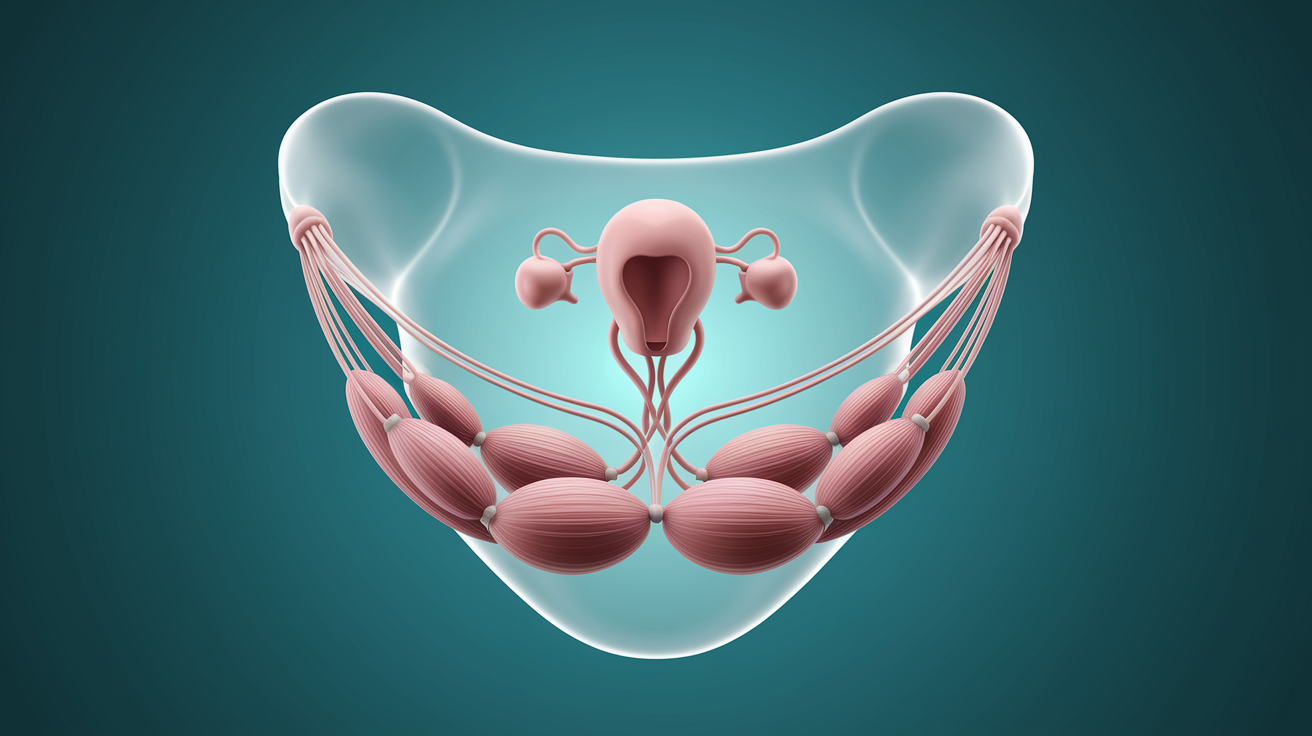
Your pelvic floor is a hammock of muscles stretching from your pubic bone at the front to your tailbone at the back. These muscles support your bladder, uterus, and rectum. They help you control when you urinate and have a bowel movement, and they play a role in sexual sensation and orgasm. When your pelvic floor is strong and coordinated, it works with your deep core muscles to stabilize your pelvis and lower back. For some women, this means better posture and less low back pain.
Strengthening these muscles can reduce or eliminate stress urinary incontinence. That’s leaking when you cough, sneeze, laugh, or jump. It also helps with urgency incontinence, those sudden, strong urges to urinate. A strong pelvic floor can prevent or slow pelvic organ prolapse, speed postpartum recovery, and increase vaginal muscle tone and orgasm intensity. Better function here supports lymphatic drainage and blood flow in the pelvic region, which contributes to overall pelvic health.
Here’s the catch. Between 16 and 31 percent of women with pelvic floor dysfunction don’t perform Kegels correctly when given only verbal instructions. That often means no improvement in leaking, or even making symptoms worse by bearing down or overworking the wrong muscles. Learning proper technique, and checking in with a pelvic health physical therapist if you’re unsure, makes the difference between a program that works and one that doesn’t.
A Beginner-Friendly Kegel Routine With Reps, Holds, and Scheduling
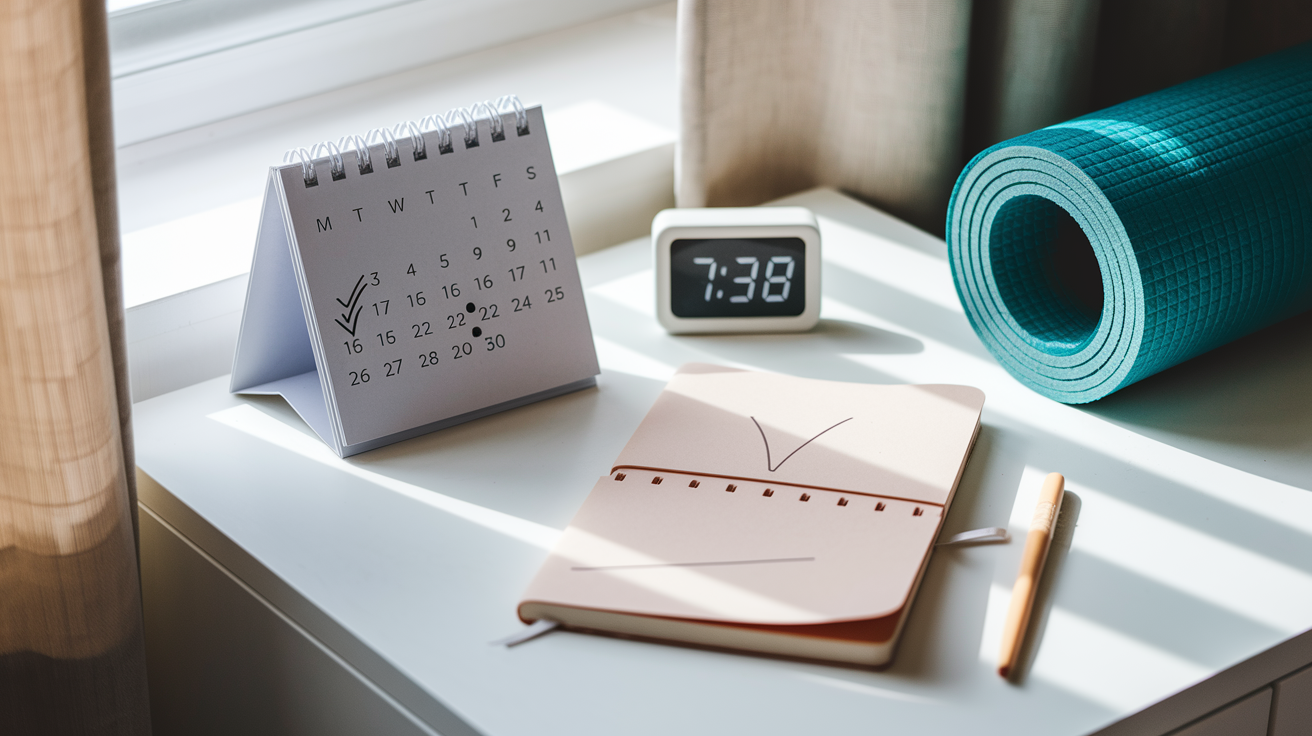
A solid starting routine is three sets of 10 contractions each day. You’re doing about 30 total contractions daily. For each contraction, squeeze and lift your pelvic floor muscles, hold for 5 to 10 seconds, then relax completely for 5 to 10 seconds before the next rep. If 5 seconds feels challenging at first, start there. Add a second or two each week as you build endurance.
You can spread your three sets throughout the day to make the habit easier to remember. One set in the morning when you wake up, one midday while sitting at your desk or during a break, and one before bed. Keep your sessions short and focused. Quality contractions matter more than rushing through high numbers.
Most women notice some improvement in bladder control or pelvic support within 4 to 6 weeks of consistent daily practice. Full strength and functional gains often continue up to 3 months, so plan to stick with the routine even after you start seeing results. Once your pelvic floor is strong, you can maintain it with a few sessions per week instead of daily training.
| Exercise Type | Hold Time | Reps | Frequency |
|---|---|---|---|
| Basic Holds | 5–10 seconds | 10 per set, 3 sets/day | Daily |
| Endurance Holds | 3–5 seconds progressing to 10 seconds | 7–10 reps progressing to 15–20 | 3 times per week |
| Quick Contractions (flicks) | 1 second | 10–30 | Daily |
Kegel Variations: Quick Flicks, Endurance Holds, and Advanced Elevators

Quick Flicks
Quick flicks train your pelvic floor to respond fast when you cough, sneeze, or laugh. The moments when stress leaks usually happen. Squeeze your pelvic floor as hard as you can for 1 second, then relax for 1 second. Start with 10 quick contractions in a row and work up to 30 as your reflex control improves. Do one set of quick flicks daily, in addition to your standard holds. These short, sharp contractions build the fast twitch muscle fibers that help you react in real time.
Endurance Holds
Endurance holds build the stamina your pelvic floor needs to support your organs and maintain continence throughout the day. Start by holding a moderate contraction for 3 to 5 seconds, then gradually increase your hold time toward 10 seconds over a few weeks. Aim for 7 to 10 repetitions per session initially, working up to 15 to 20 reps without taking a break between contractions. Just the 5 to 10 second relaxation between each rep. Perform endurance sessions 3 times per week once you’ve built a solid foundation with daily basic holds.
Elevators (Advanced)
The elevator drill teaches precise control at different contraction intensities. Imagine your pelvic floor as an elevator in a building. At the “ground floor,” your muscles are fully relaxed. Squeeze gently to 25 percent effort, first floor, then a bit more to 50 percent, second floor, then 75 percent, and finally 100 percent at the top. Hold each level for 2 to 3 seconds as you “ride” up, then descend back down through the same stops. Repeat the sequence 5 times. Perform this drill daily for 2 to 4 weeks, then progress to holding each level longer or adding more intermediate floors. Elevators work best with biofeedback or a pelvic floor physical therapist’s guidance so you learn what true 100 percent effort feels like.
Postpartum and Pregnancy Specific Pelvic Floor Training Guidance

If you’re pregnant and don’t have pelvic pain or excessive tightness, continuing or starting gentle Kegels can help reduce leaks and support your growing uterus. Keep contractions comfortable and avoid straining or bearing down. Focus on the squeeze and lift motion. Stop if you feel pressure, pain, or heaviness. If your pelvic floor feels very tight or you have pain with intercourse or pelvic exams, skip Kegels. Ask your provider for a referral to a pelvic floor physical therapist who can assess for overactivity.
After vaginal or cesarean birth, you can begin gentle pelvic floor squeezes as soon as it feels comfortable. Even in the first days postpartum if there’s no significant pain. These early, light contractions help reduce swelling and start the recovery process. A formal Kegel program typically begins after your 6 week postpartum check when your provider clears you for exercise. If you had significant tearing, an episiotomy, or pelvic floor trauma, wait for clearance. Consider working with a pelvic PT to ensure you’re healing well before adding resistance or higher repetitions.
Postpartum is also the time when many women notice leaking for the first time or experience a heavier, dragging sensation in the pelvis. A consistent Kegel routine over 8 to 12 weeks can improve or resolve these symptoms, but it takes patience and correct technique. If symptoms don’t improve or get worse, get evaluated. Sometimes postpartum pelvic floors need hands on therapy, not just more reps.
Safe postpartum and pregnancy modifications:
- Start with short 3 to 5 second holds and low reps, 5 to 8 per session in the early weeks.
- Perform exercises lying down or side lying to reduce pressure on healing tissues.
- Avoid quick flicks or high intensity contractions until cleared by your provider.
- Pair Kegels with diaphragmatic breathing to support pelvic floor coordination and core recovery.
Using Tools and Technology: Weights, Cones, Biofeedback, and Apps
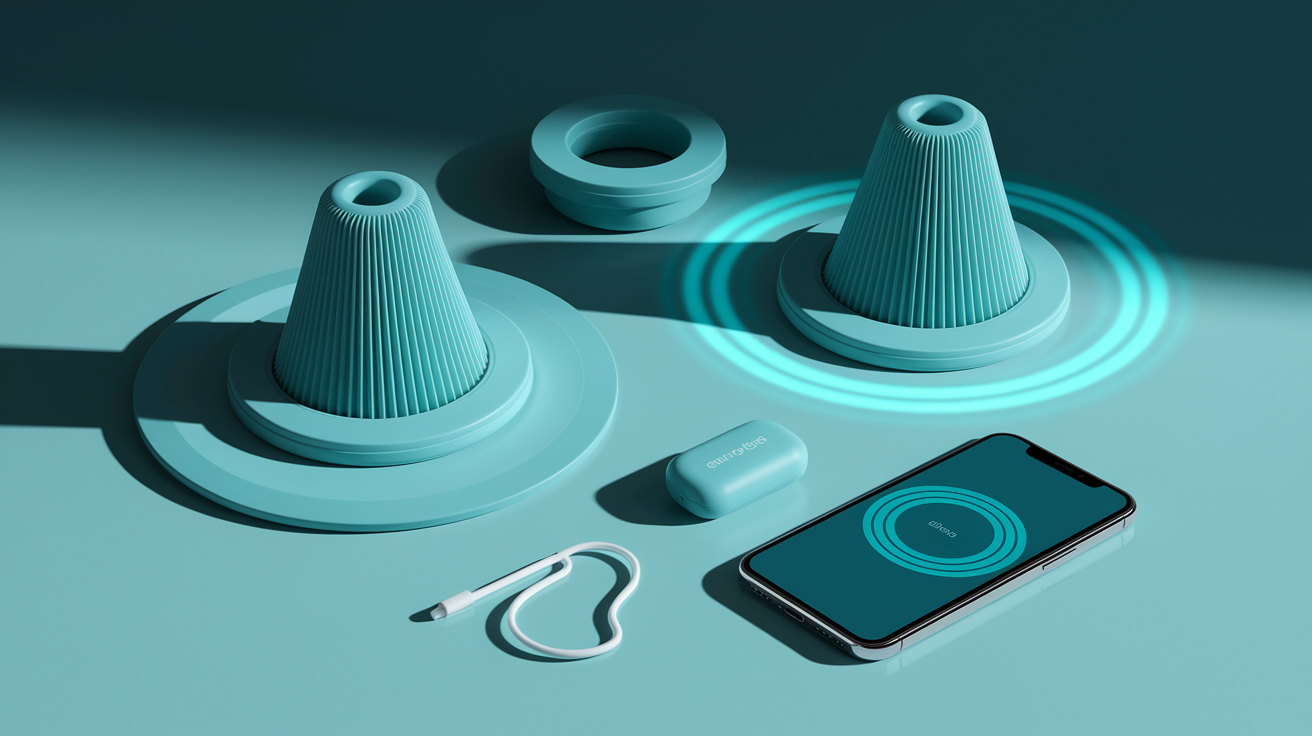
Vaginal weights and cones add resistance to your Kegel training, similar to adding dumbbells to a biceps curl. Beginner weights typically start around 10 to 20 grams. You insert the cone into your vagina and squeeze your pelvic floor to hold it in place for a few minutes while standing or walking. As your strength improves, you progress to heavier cones in the 30 to 60 gram range. Weights provide real time feedback. If the cone slips out, you know you need to squeeze harder or adjust your technique. Use weights only after you’ve mastered basic contractions. Always follow the manufacturer’s instructions or work with a pelvic PT to avoid overtraining.
Biofeedback devices measure the strength and quality of your pelvic floor contraction using a sensor you insert into your vagina. The device connects to a screen or app that shows you when you’re contracting correctly, how strong the squeeze is, and whether you’re accidentally bearing down or using your abs. Biofeedback is helpful if you’re not sure you’re doing Kegels right or if you’ve been practicing for weeks without improvement. Electrical stimulation units send gentle pulses to your pelvic floor muscles to trigger contractions when you can’t isolate them on your own. E stim is often prescribed by a pelvic PT and used alongside active training to “teach” your nervous system the correct contraction pattern.
Comparing common pelvic floor training tools:
- Vaginal weights/cones: add resistance, require ability to isolate pelvic floor first, best for intermediate users.
- Biofeedback devices: confirm correct technique, help you see real time muscle activity, ideal for beginners or anyone unsure of form.
- Electrical stimulation: triggers passive contractions, used when isolation is very difficult, typically prescribed by a clinician.
- Smartphone apps: provide reminders, guided routines, and progress tracking. Useful for staying consistent but can’t verify technique.
Solving Common Kegel Problems and Avoiding Technique Mistakes
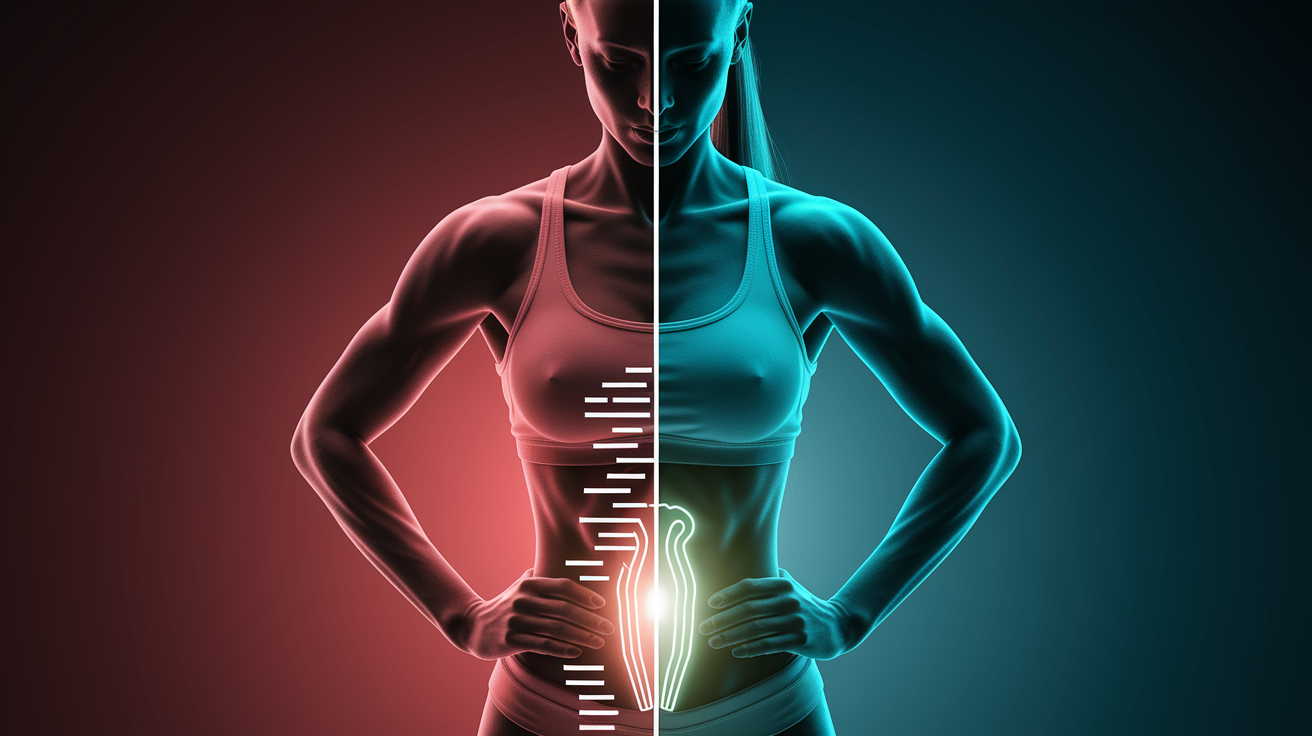
The most common mistake is recruiting the wrong muscles. If your belly tenses hard, your glutes squeeze, or your inner thighs tighten during a Kegel, you’re using accessory muscles instead of isolating your pelvic floor. Another frequent error is bearing down instead of lifting up. It feels like you’re pushing out or straining, which can actually worsen prolapse or incontinence over time. Holding your breath during contractions is also common, especially when you’re concentrating hard. But it increases intra abdominal pressure and defeats the purpose of the exercise.
Some women do too many Kegels, thinking more is better. Doing hundreds of contractions a day can fatigue your pelvic floor and lead to muscle tightness, pelvic pain, or difficulty relaxing the muscles when you need to urinate or have a bowel movement. Stick to the recommended 30 contractions per day for maintenance. Only increase volume or intensity under guidance from a pelvic health professional. If Kegels start to feel uncomfortable or you notice new urgency, pain, or trouble emptying your bladder, take a break and get evaluated.
Relaxation is just as important as contraction. If you rush through reps without fully releasing between squeezes, your pelvic floor stays partially contracted and can become overactive. Overactive pelvic floors cause symptoms like urgency, pain with intercourse, difficulty starting urination, and constipation. Every contraction should be followed by a complete, conscious release where the muscles return to a resting length. If you’re not sure what “fully relaxed” feels like, a pelvic PT can teach you down training techniques like diaphragmatic breathing and muscle release cues.
Clinical Guidance: When to Seek a Pelvic Floor Specialist

If you’ve been doing Kegels correctly for 8 to 12 weeks and haven’t noticed any improvement in leaking, urgency, pelvic pressure, or other symptoms, it’s time to see a pelvic floor physical therapist. A PT can perform an internal exam to assess your muscle strength, coordination, and tone, and design a personalized program based on what your pelvic floor actually needs. Some women need to strengthen, others need to relax overactive muscles, and many need a combination of both. You can’t tell from the outside which category you’re in, so professional evaluation makes a big difference.
Pelvic floor PTs use biofeedback, real time ultrasound, and hands on techniques to teach you exactly how to contract and relax. They also identify other contributing issues like hip weakness, core coordination problems, breathing patterns, or posture habits that affect pelvic floor function. A typical evaluation includes a detailed history, observation of your movement and posture, and an internal pelvic exam (if you consent) to assess muscle function. From there, your PT builds a home program tailored to your goals, whether that’s returning to running postpartum, reducing daily leaks, or preparing for pelvic surgery.
When to ask for a referral:
- No measurable improvement after 8 to 12 weeks of consistent, correct practice.
- Pain during Kegels, intercourse, or pelvic exams.
- Worsening incontinence, new urgency, or increased pelvic pressure or heaviness that might signal prolapse progression.
Final Words
Start with the basics: find your pelvic floor, squeeze as if stopping urine, hold 5–10 seconds, relax, repeat 10–15 times. Practice this daily and add quick flicks, endurance holds, or elevators as you get stronger.
Use gentle progressions in pregnancy or postpartum, try tools or biofeedback if you need help, and see a pelvic specialist for pain or no improvement. With steady, doable steps, kegel exercises for women can build real strength and confidence.
FAQ
Q: Do Kegels actually make you tighter?
A: Kegels can make your pelvic floor muscles stronger and feel tighter when done correctly, improving support for the bladder and uterus and reducing stress leaks within weeks of regular practice.
Q: How can I tell if I am doing a Kegel correctly?
A: You can tell you’re doing a Kegel correctly if you feel a lift and gentle squeeze around the vagina or rectum without tightening your belly, glutes, or thighs; stopping urine briefly or a finger test can confirm.
Q: Do Kegel weights help rectocele?
A: Kegel weights can help strengthen pelvic floor muscles but usually won’t fix a rectocele; they’re useful for mild support when combined with pelvic rehab, while moderate or severe prolapse needs specialist assessment.
Q: What does Kegel exercise do to women?
A: Kegel exercise strengthens pelvic floor muscles in women, improving bladder control, pelvic organ support, and sexual sensation; regular practice can reduce leaking, aid postpartum recovery, and improve pelvic stability.