

Skipping a proper warm-up before you lift is the quickest way to turn a small ache into a week on the sidelines.
This 5–10 minute pre-workout joint mobility sequence gently wakes up the ankles, hips, spine, and shoulders so you can load movement without surprises.
By increasing joint lubrication, firing small stabilizer muscles, and improving motor control, it lowers the chance of strains, impingement, and compensations that derail progress.
Do it once through at a steady tempo and you’re set for strength work, sprints, or a long run, no extra time, big payoff.
The 5–10 Minute Joint Warm‑Up Routine (Start Here)

This warm‑up is for lifters, runners, athletes, and pretty much anyone who doesn’t want injuries messing up their training. You’re taking your major joints through controlled, rhythmic movement to get synovial fluid moving, raise tissue temperature, and wake up your nervous system before you load weight or pick up speed. Works for beginners and experienced lifters because the exercises scale with however hard you push them.
Here’s the full sequence, in order:
-
Ankle circles — 10 circles each direction per ankle. Knee stays slightly bent, move only at the ankle, keep it smooth.
-
Calf raises — 10 reps. Feet hip‑width, rise onto your toes, hold one second, lower slowly. Balance matters here.
-
Leg swings (forward and back) — 10 reps per leg. Stand tall, grab a wall or rack for balance, swing one leg front to back from the hip. Torso stays upright, control the return.
-
Leg swings (side to side) — 10 reps per leg. Face the wall, swing one leg across your body then out to the side. Hips stay square, standing leg stays stable.
-
Bodyweight squats with overhead reach — 10 reps. Squat with control, chest up, knees tracking over toes. Reach both arms overhead as you stand. This wakes up hips, knees, and thoracic spine together.
-
Glute bridges — 10 reps. Lie on your back, knees bent, feet flat. Drive through your heels, squeeze glutes at the top. Don’t hyperextend your lower back.
-
World’s Greatest Stretch — 3 reps per side. From a lunge, put both hands on the floor inside your front foot, rotate your top arm toward the ceiling, then reach it forward and straighten your front leg to stretch the hamstring. Move smoothly, hold each position one to two seconds.
-
Thoracic rotations (quadruped or standing) — 6 reps per side. If you’re on hands and knees, thread one arm under your torso then rotate it up toward the ceiling. Standing version keeps hips square and rotates only through your upper back.
-
Scapular push‑ups — 10 reps. Start in a plank or elevated push‑up position, arms straight. Only move your shoulder blades. Spread them apart (protract), then squeeze them together (retract). Elbows stay locked the whole time.
-
Arm circles — 10 forward, 10 backward. Arms extended at shoulder height, make progressively larger circles. Ribs down, shoulders relaxed.
This takes five to seven minutes at a steady tempo. Closer to ten if you take time between movements or add extra reps. Run through it once before lifting, running, or playing sports to prep your body for loaded movement patterns without tiring yourself out.
Detailed Technique Guide for Each Joint Movement
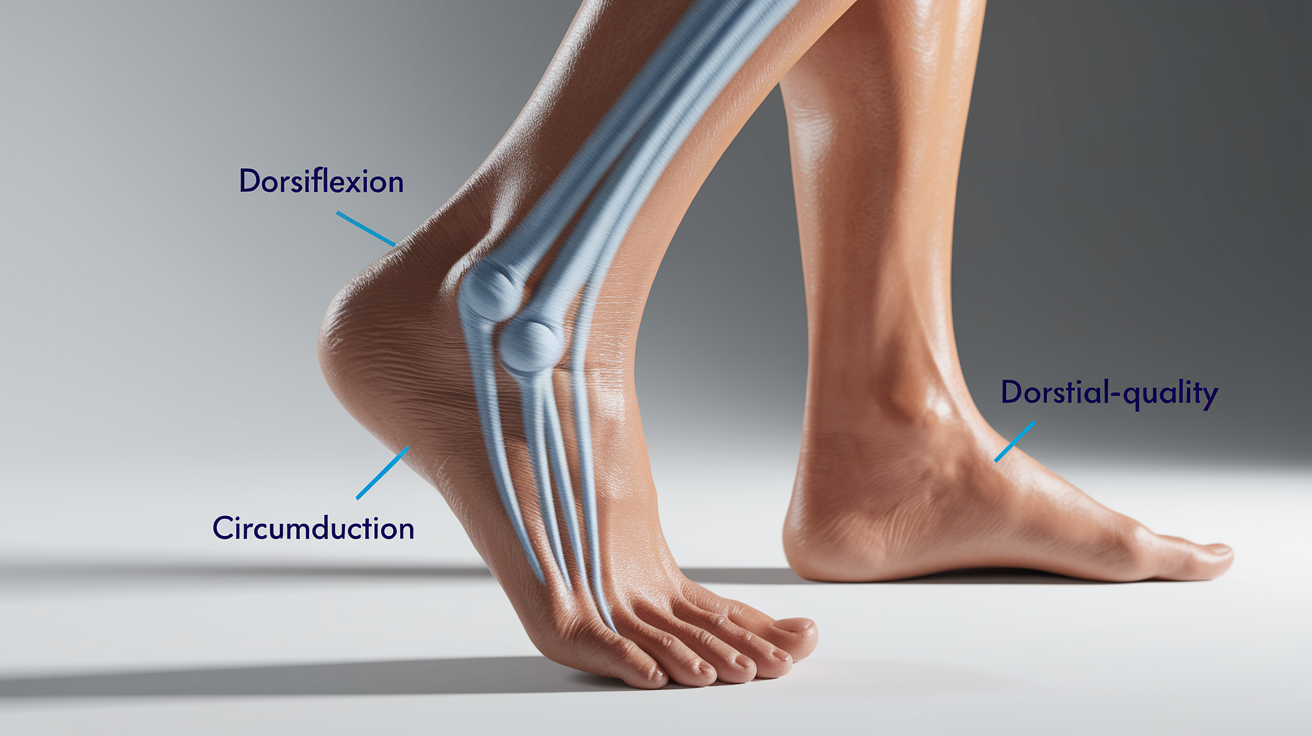
Ankle circles are about restoring mobility in all planes. Dorsiflexion, plantarflexion, inversion, eversion. Sit or stand on one leg, lift the other foot slightly off the ground. Use your ankle to “draw” smooth circles in the air. Not your whole leg. Keep your knee soft and stable. Common mistake? Moving the entire lower leg instead of isolating the joint. You’re missing the small stabilizers around the ankle when you do that.
Calf raises target the ankle joint and the gastrocnemius and soleus muscles. Stand tall, feet straight and parallel. Press through the ball of your foot to lift your heels as high as possible. Pause. Lower with control until your heels touch or nearly touch the floor. Ankles stay neutral. Don’t roll inward or outward. If balance is tough, hold a wall lightly with your fingertips. Rushing skips the time under tension that warms the Achilles tendon.
Leg swings front and back open the hip flexors and hamstrings dynamically. Stand perpendicular to a wall, one hand on it for light support. The leg furthest from the wall swings. Hinge at the hip, not the lower back. Let momentum build gradually over the first few reps. Torso stays upright, standing leg stays stable. Don’t force range. Let the swing increase naturally. Common error is leaning back when the leg swings forward, which shifts the work into the lumbar spine.
Leg swings side to side prepare the hip abductors and adductors. Face the wall, hold it with both hands. Swing one leg across your midline, then out to the side as far as control allows. Keep your hips level and square to the wall. Motion comes from the ball and socket of the hip joint. Don’t hike your hip or tilt your pelvis. This is especially useful if you squat, lunge, or do lateral agility work.
Bodyweight squats with overhead reach integrate the ankles, knees, hips, and thoracic spine in one coordinated pattern. Feet shoulder‑width apart, toes slightly out. Squat by pushing your hips back and bending your knees. Chest up, weight centered through your midfoot. As you stand, reach both arms overhead and lift your ribcage without arching your lower back. This teaches your body to move through full hip and shoulder range together. Common mistake is collapsing the knees inward or letting the heels lift early in the squat.
Glute bridges activate the posterior chain before you load it with squats, deadlifts, or running. Lie on your back, feet flat, knees bent at roughly 90 degrees. Press through your heels, lift your hips until your body forms a straight line from shoulders to knees. Squeeze your glutes hard at the top. Not your lower back. Hold for one count, then lower under control. Ribs down, core braced. Overarching the lumbar spine reduces glute activation and misses the point.
World’s Greatest Stretch is exactly what it sounds like. Hip flexor length, thoracic rotation, and hamstring range in one flowing sequence. Start in a long lunge with your back knee down or hovering. Place both hands inside your front foot, then rotate your torso and reach one arm toward the ceiling. Follow it with your eyes. Return your hand to the floor, shift your weight back, straighten your front leg to stretch the hamstring. Move between these three positions smoothly. Don’t rush. Hold each position for one to two seconds and breathe through the stretch.
Thoracic rotations restore upper back mobility that gets locked up from sitting, pressing, and overhead work. On hands and knees, place one hand behind your head. Rotate your elbow down toward the opposite wrist (threading the needle), then rotate it up toward the ceiling as far as your spine allows. Hips stay square. Movement comes from your mid‑back, not your lower back or shoulder. If standing, keep your feet planted and your pelvis stable. Rotate only your torso. People often compensate by shifting their hips or using momentum instead of controlled segmental motion.
Why This Mobility Sequence Prevents Injury

Joints rely on synovial fluid for lubrication, shock absorption, and nutrient delivery. When you move a joint through its full range slowly and repeatedly, you increase fluid circulation inside the capsule and wake up the mechanoreceptors that tell your brain where your body is in space. This prepares connective tissue to handle load safely. Cold, stiff joints are more prone to strains, impingement, and compensation patterns that shift stress to areas not designed to carry it. Like your lower back taking over for tight hips during a squat.
Dynamic movement also activates the small stabilizer muscles around each joint before the bigger prime movers take over. Scapular push‑ups turn on your serratus anterior before you bench press. Glute bridges fire your glutes before you deadlift. When stabilizers are awake and coordinated, your joints stay centered in their sockets under load. Reduces shear forces on ligaments and tendons. Training without that preparation increases the chance of compensation, where one structure works too hard because another isn’t contributing.
The sequence also raises tissue temperature, which makes muscles and tendons more elastic and less likely to tear. Warmer tissues tolerate stretch and contraction more safely than cold ones. Controlled tempo and full range motion teach your nervous system to coordinate movement patterns before you add speed or resistance. That combination (lubrication, activation, temperature, and motor control) creates the conditions where your body can train hard and recover without breaking down.
Common Warm‑Up Mistakes and How to Fix Them
Most people either skip the warm‑up entirely, rush through it without focus, or use movements that don’t prepare them for what comes next. Treating the warm‑up as a box to check instead of a tool that improves performance costs you range of motion, coordination, and long‑term joint health. Small fixes make the difference between a routine that works and one that wastes time.
Rushing through reps. Moving too fast reduces time under tension and skips the sensory feedback that wakes up stabilizers. Slow down and feel each rep.
Holding static stretches before training. Static stretching before lifting or sprinting can reduce force production and power output. Save long holds for after your workout.
Skipping smaller joints. Ankles and wrists are easy to ignore, but they’re the first places that lose range and cause compensation upstream. Include them every session.
Using momentum instead of control. Swinging through movements without tension teaches your body to be loose, not stable. Control the return phase of every rep.
Overstretching into pain. Mobility should feel like gentle tension, not sharp discomfort. Pushing too hard before training can irritate tissues and reduce performance.
Doing the same five exercises every time. Joints adapt to repeated patterns. Rotate variations every few weeks to address different ranges and movement planes.
The goal isn’t to check every box on a list. The goal is to leave the warm‑up feeling more mobile, more coordinated, and more confident in your range of motion than when you started.
Modifications and Variations for Different Fitness Levels

Beginners should focus on slower tempos, smaller ranges, and holding support when balance is unstable. For ankle circles, sit in a chair instead of standing on one leg. For leg swings, reduce the range and add a second hand to the wall for stability. Bodyweight squats can be performed to a box or bench so you have a depth target and a safety net. Glute bridges can start with feet elevated on a low step to reduce range if full floor bridges feel awkward. The key is building control and confidence in each pattern before adding range or speed.
Intermediate lifters should perform the routine as written but pay attention to asymmetries. If one ankle or hip feels tighter, add two to three extra reps on that side. You can also increase the tempo slightly on dynamic movements like leg swings to build more momentum and challenge stability. Adding a brief pause at end range (holding the top of a glute bridge for two seconds or pausing in the bottom of a squat) teaches your nervous system to own that position under control.
Advanced athletes can increase difficulty by adding light resistance bands during leg swings, scapular push‑ups, or arm circles. Tempo can be slowed on the eccentric (lowering) phase to increase time under tension and motor control. Micro‑mobility drills can be added between exercises. Three to five controlled hip circles in each direction after leg swings. Wrist circles before scapular work. Another option is to perform the sequence twice if you’re preparing for a heavy or high‑volume session, with the second round focusing on sport‑specific ranges or positions.
Optional add‑ons that fit after the main sequence:
Light resistance band around thighs during squats or glute bridges to increase hip abductor activation.
Slow tempo calf raises (three seconds up, three seconds down) to increase ankle strength endurance.
Banded or towel shoulder pass‑throughs (10 reps) for additional rotator cuff and lat preparation.
Single‑leg balance holds (20 to 30 seconds per side) to prime proprioception before unilateral work.
Final Words
You ran through a ready 5–10 minute joint warm‑up to prime your hips, shoulders, spine, and ankles. Then you got clear cues for each move so you can keep form and avoid common compensations.
We also explained why dynamic mobility lowers injury risk, listed mistakes to fix, and gave simple regressions and progressions for every level.
Use this pre-workout joint mobility sequence for injury prevention before your next session. Small, consistent warm-ups make workouts safer and more effective.
FAQ
Q: What is the 3-3-3 rule at the gym? What is the 2 2 2 rule in the gym?
A: The 3-3-3 rule at the gym usually means three sets of three reps for strength, or a 3×3 mobility warm-up (three movements, three rounds). The 2-2-2 rule means two sets of two reps, often for technique or heavy work.
Q: How should you perform movement skills in order to avoid injury?
A: To avoid injury, perform movement skills with a controlled tempo, full range, and proper alignment. Start light, focus on clear form cues, and increase load or speed slowly to protect joints and muscles.
Q: What is the 5 4 3 2 1 workout?
A: The 5-4-3-2-1 workout is a descending-rep circuit where you do 5, then 4, 3, 2, and 1 reps of chosen exercises. It’s time-efficient, builds strength, and you can scale load for your level.