

Think snacks can’t be both filling and low in carbs?
High protein low carb snack ideas do exactly that, curbing hunger, steadying energy, and protecting muscle without the sugar crash.
This post gives quick grab-and-go picks, simple make-ahead recipes, smart label tips, and portion-friendly macro guidance so you can snack without overthinking.
You’ll find 12 ready-to-eat options, 8 sweet and savory homemade ideas, and easy rules to stay under 8 grams of carbs per serving, perfect for busy days or weight management.
Quick High-Protein, Low-Carb Snack Ideas for Immediate Use
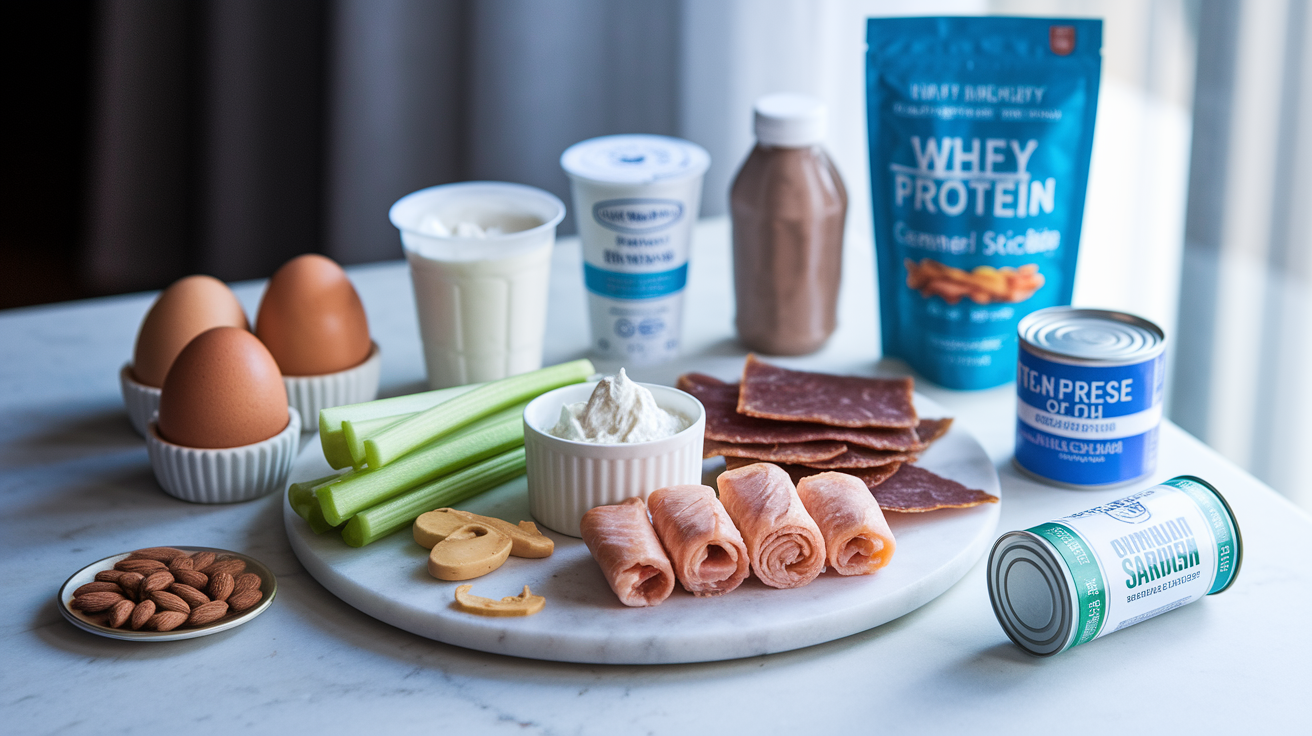
When hunger shows up between meals, a snack with 6 to 25 grams of protein and under 8 grams of carbs keeps you full without the blood sugar rollercoaster. Protein slows things down in your gut, so you stay satisfied longer and skip the crash that comes after scarfing down chips or crackers. Low-carb options work especially well if you’re managing weight, protecting muscle, or running keto.
These snacks take minutes or come straight from the fridge. Most need zero recipe beyond opening a package or boiling water. They fit into a busy day without thinking twice.
Here are 12 practical options with approximate macros per serving:
Hard-boiled egg (1 large): 6 g protein, 0.6 g carbs, around 78 calories. Boil a dozen at once and store them in the shell for up to a week.
Greek yogurt, plain nonfat (3/4 cup or 170 g): 15 g protein, about 6 g carbs, around 100 calories. Go plain to dodge added sugar.
Cottage cheese, low-fat (1/2 cup or 113 g): about 14 g protein, around 4 g carbs, roughly 90 calories. Add cucumber or bell pepper for crunch.
String cheese or mozzarella stick (1 stick, 28 g): around 7 g protein, about 1 g carbs, roughly 80 calories. Stays good for 1 to 2 weeks unopened in the fridge.
Beef jerky, low-sugar (1 oz or 28 g): about 9 g protein, around 3 g carbs, roughly 110 calories. Look for brands labeled “low sugar” to keep carbs down.
Tuna pouch in water (2.6 oz pouch): 16 to 20 g protein, 0 g carbs, around 70 to 100 calories. Shelf-stable and ready to eat.
Whey isolate protein shake (30 g powder scoop with water): about 25 g protein, around 2 to 5 g carbs, roughly 110 to 140 calories. Use water or unsweetened almond milk.
Almonds (1 oz, about 23 nuts): 6 g protein, 6 g total carbs, 3.5 g fiber, so net carbs around 2.5 g, roughly 164 calories. Pre-portion into 1-oz bags.
Celery with natural peanut butter (1 medium stalk plus 1 tbsp PB): about 4 g protein, around 3 g carbs, roughly 95 calories. One tablespoon keeps calories reasonable.
Smoked salmon (3 oz or 85 g): about 16 g protein, 0 g carbs, around 100 to 120 calories. Pair with cucumber slices or cream cheese on cucumber rounds.
Canned sardines (3.75 oz can): about 22 g protein, 0 g carbs, around 180 to 220 calories. Shelf-stable until opened, then refrigerate within 2 days.
Turkey and cheese roll-ups (2 oz sliced turkey plus 1 oz cheese): about 19 g protein, around 1 to 2 g carbs, roughly 160 to 200 calories. Roll and skewer for easy grab-and-go.
Homemade High-Protein Low-Carb Snack Ideas with Simple Prep

Making a few snacks at home puts you in control of ingredients and portions. A single batch usually covers several days, and most recipes take less than 30 minutes from start to finish. Store what you make in airtight containers, label with dates, and you’ll have grab-and-go options ready when hunger shows up.
Protein balls, cheese crisps, and deviled eggs are the easiest places to start. Mix whey isolate powder with almond flour, natural nut butter, and sugar-free sweetener, then roll into 8 balls for a no-bake snack that stores in the fridge for 1 to 2 weeks or freezes for up to 3 months. Parmesan crisps take 6 to 8 minutes in the oven. Shred 4 oz of parmesan, form small piles on parchment, bake until golden, and store in an airtight container for 4 to 5 days. Deviled eggs are just hard-boiled eggs with the yolks mixed with mayo and mustard, piped back into the whites, then refrigerated for 2 to 3 days.
| Recipe | Yield | Protein per Serving | Total Carbs per Serving | Prep Time | Storage |
|---|---|---|---|---|---|
| No-bake protein balls | 8 balls | 8–12 g | 3–5 g | 15–20 min | Refrigerate 1–2 weeks or freeze 3 months |
| Parmesan crisps | 12 crisps (from 4 oz cheese) | ~10 g per oz | 0–1 g | 6–8 min bake | Airtight 4–5 days |
| Deviled eggs | 12 halves (6 eggs) | ~6 g per whole egg | ~0.6 g | 20 min (boil + fill) | Refrigerate 2–3 days |
How to Choose Store-Bought High-Protein, Low-Carb Snacks (Labels, Pricing & What to Avoid)

The nutrition label gives you everything you need before the package hits your cart. Start with the serving size, then check total protein and total carbs. For strict low-carb goals, shoot for products with 6 grams or fewer total carbs per serving, or calculate net carbs by subtracting fiber from total carbs. If you see sugar alcohols like erythritol or allulose, some people subtract those too, but not everyone digests them the same way.
Pricing bounces around depending on the brand and where you shop. Single-serve Greek yogurt costs about $1 to $1.50, tuna pouches run $1 to $2, and beef jerky typically costs $1 to $2 per ounce. Protein bars range from $1.50 to $3 each, and cheese sticks are usually $0.40 to $1 per stick. Buying in bulk or choosing store brands usually cuts the per-serving price by 20 to 40 percent.
Look for these six traits when you’re scanning the aisle:
Protein listed as 6 grams or more per serving.
Total carbs under 8 grams, or net carbs under 5 grams for strict keto.
Ingredient lists that start with whole foods like chicken, eggs, almonds, dairy, not fillers or starches.
Sugar content at 2 grams or less per serving, especially in yogurt and bars.
No added corn syrup, maltodextrin, or dextrose near the top of the ingredient list.
Realistic portion sizes that match what you’d actually eat in one sitting.
Understanding Protein Sources for Low-Carb Snacking

Different protein sources bring different strengths to your snack rotation. Some are ready to eat, some need minimal prep, and others fit better into certain dietary preferences or budgets. Knowing what each category offers helps you build variety without repeating the same thing all week.
Dairy Options
Dairy snacks deliver complete protein with minimal carbs when you choose plain, unsweetened versions. Greek yogurt, cottage cheese, string cheese, and hard cheeses like cheddar or parmesan all sit below 5 grams of carbs per serving. Dairy also brings calcium, vitamin D, and B vitamins, which support bone health and energy. The main drawback is lactose intolerance. If dairy bothers your digestion, skip it or try lactose-free cottage cheese. Shelf life varies: hard cheese lasts 1 to 2 weeks, soft cheeses and yogurt last 5 to 7 days after opening.
Meat & Seafood Options
Meat and seafood snacks are naturally zero-carb and protein-dense. Beef jerky, turkey slices, canned tuna, smoked salmon, and sardines all deliver 9 to 22 grams of protein per serving. Jerky and tuna pouches are shelf-stable and travel well. Smoked fish and deli meats need refrigeration but require no cooking. Watch sodium levels in processed meats. Some jerkies and deli slices pack 400 to 600 mg of sodium per serving. If you’re managing blood pressure, rinse canned fish or choose low-sodium versions.
Plant-Based Options
Nuts, seeds, and soy-based snacks work for plant-forward eaters but carry more carbs and calories per serving than animal proteins. One ounce of almonds has 6 grams of protein and 164 calories, with about 3 grams of net carbs. Edamame offers 8 grams of protein per half cup but comes in at 7.5 grams of total carbs. Tofu and tempeh are lower in carbs. Three ounces of baked tofu has roughly 9 grams of protein and 2 grams of carbs. These options work well when you’re batch-prepping snacks or need variety beyond animal products, but portion control matters since fats and carbs add up quickly.
Sweet vs Savory High-Protein Low-Carb Snack Ideas (Unique Options Only)
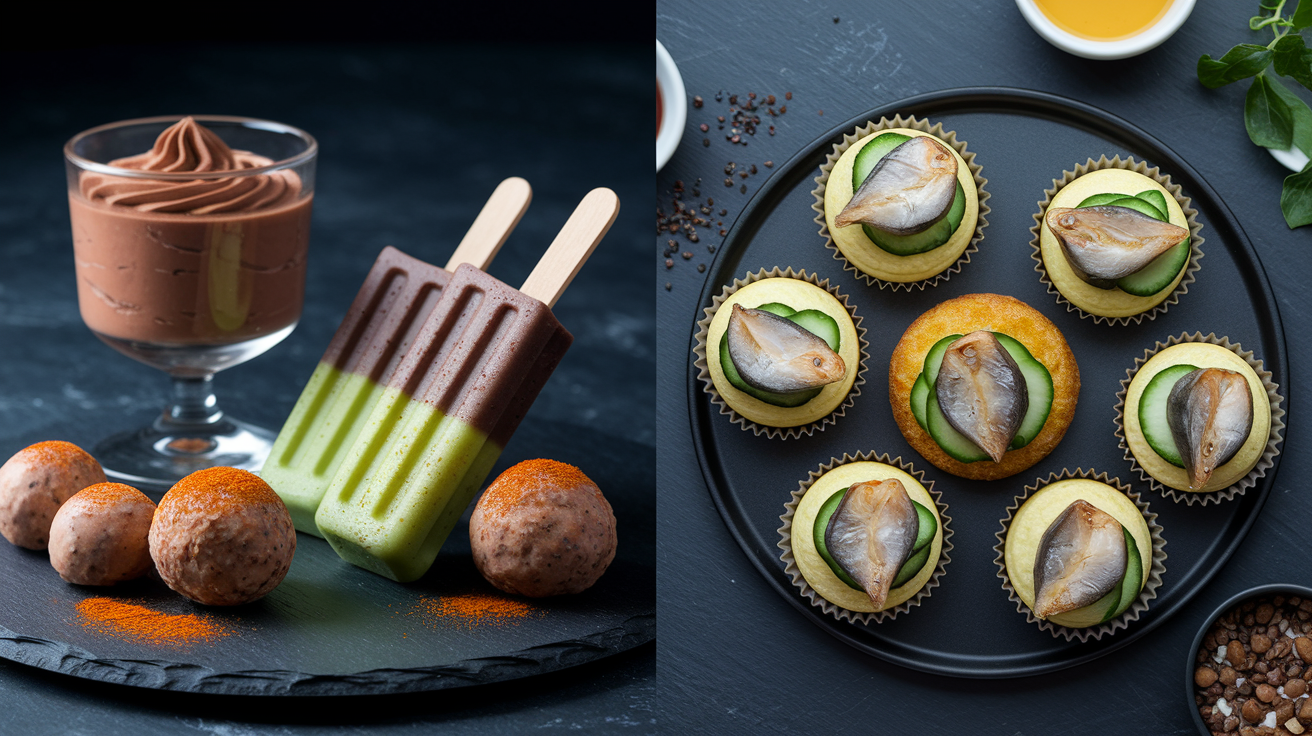
Some days you want something sweet without the sugar crash. Other days, salty and savory hits the spot. Keeping a mix of both on hand means you’re covered no matter what craving shows up.
Sweet options rely on sugar-free sweeteners like erythritol, stevia, or monk fruit, and most use protein powder, nut flours, or Greek yogurt as the base. Savory snacks lean into cheese, eggs, and seasoned meats for flavor without needing much prep. None of these repeat the snacks listed earlier.
Here are eight unique options, split evenly:
Sweet:
Protein popsicles. Blend whey isolate, unsweetened almond milk, and lime juice, freeze in molds: around 12 g protein, under 5 g carbs per pop.
Chocolate protein mousse. Whip Greek yogurt with cocoa powder and sweetener: about 14 g protein per serving, sugar-free.
Cinnamon roll protein balls. Mix vanilla protein powder, almond butter, cinnamon, and a pinch of sea salt: around 11 g protein, under 5 g carbs each.
Protein mug cake. Combine protein powder, almond flour, egg, and baking powder in a mug, microwave 90 seconds: about 15 g protein, cooks in 2 minutes.
Savory:
Mini taco egg muffins. Whisk eggs with ground turkey, salsa, and shredded cheese, bake in muffin tins: batch-prep breakfast or snack.
Lemon dill tuna patties. Mix canned tuna with egg, almond flour, lemon zest, and fresh dill, pan-fry until golden: ready in under 30 minutes.
Cheesy chicken fritters. Shred cooked chicken, mix with egg and parmesan, form small patties, bake or pan-fry: savory, portable, and high-protein.
Cucumber rounds with anchovy or sardine. Top thick cucumber slices with mashed sardine and a squeeze of lemon: 12 to 20 g protein, 0 to 1 g carbs, quick assembly.
Macro & Portion Guidance for High-Protein Low-Carb Snacks

A snack should add to your daily protein target without blowing your carb or calorie budget. Most people aiming for weight management or muscle maintenance benefit from snacks that deliver 6 to 25 grams of protein, keep total carbs under 8 grams, and stay between 80 and 250 calories. If you’re following strict keto, aim for net carbs under 5 grams per snack to stay in ketosis.
Portion control matters most with calorie-dense foods like nuts, nut butters, and cheese. One ounce of almonds is about 23 nuts and 164 calories. Easy to overeat if you’re snacking straight from the bag. Pre-portioning into 1-ounce servings or using a small dish keeps intake predictable. Same rule applies to peanut butter: one tablespoon is roughly 95 calories and keeps carbs around 3 grams, but two or three tablespoons can push a “snack” into meal territory.
Protein-forward snacks like hard-boiled eggs, tuna pouches, or Greek yogurt naturally self-limit because they’re filling and not hyper-palatable. If you find yourself reaching for a second or third serving, check whether you’re actually hungry or just bored. A glass of water and a five-minute walk can clear that up before you eat more than your body needs.
Budget Strategy for High-Protein Low-Carb Snacking

Protein snacks don’t have to cost more than the carb-heavy options lining most grocery aisles. With a little planning and smart swaps, you can build a week’s worth of snacks for less than $15 to $20. The key is buying in bulk when it makes sense, choosing versatile staples, and avoiding single-serve packaging whenever possible.
Eggs are the cheapest high-protein snack you can buy, usually $0.20 to $0.50 per egg depending on your region. A dozen hard-boiled eggs covers six snacks at under $3 total. Plain Greek yogurt in a large tub costs about half as much per serving as single-serve cups. Canned tuna, bought by the case or in multipacks, drops to around $1 per can. Store-brand string cheese runs about $0.40 per stick when you buy a pack of 12 or more.
Here are six ways to cut costs without sacrificing protein or quality:
Buy large containers of Greek yogurt or cottage cheese and portion into reusable containers instead of buying single-serve cups.
Choose whole blocks of cheese over pre-shredded or individually wrapped sticks, then cut and portion yourself.
Stock up on canned tuna, sardines, or chicken during sales. Shelf-stable protein stores for months.
Make your own protein balls or muffins in batches using bulk protein powder and almond flour instead of buying pre-made bars.
Swap expensive smoked salmon for canned salmon or mackerel, which deliver similar omega-3s at a fraction of the price.
Use frozen edamame instead of fresh. It’s cheaper, lasts longer, and cooks in minutes.
Meal Prep & Storage for High-Protein Low-Carb Snacks
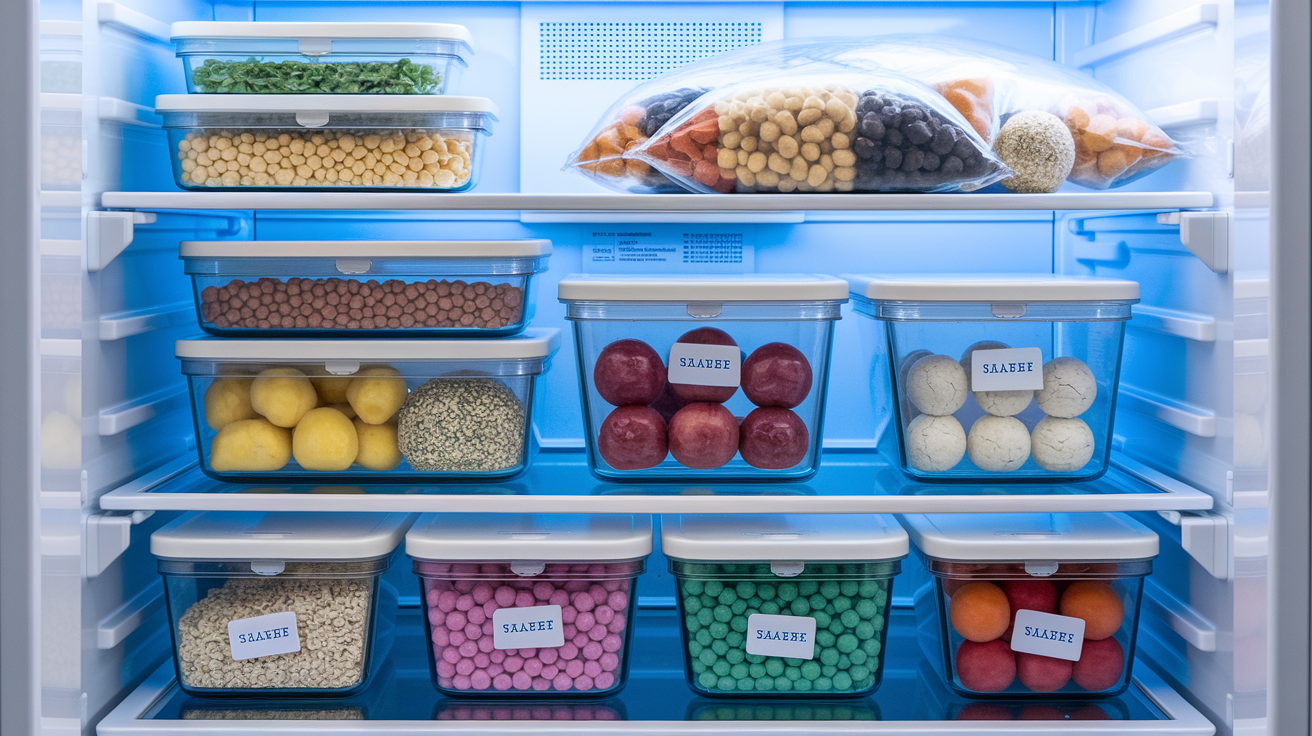
Spending 30 to 60 minutes once or twice a week to batch-prep snacks saves time, reduces decision fatigue, and keeps you from reaching for whatever’s convenient when hunger hits. The goal is simple: make enough portions to cover the next few days, store them properly, and label everything with dates so you know what to eat first.
Start with snacks that hold up well in the fridge or freezer. Hard-boil a dozen eggs and leave them in the shell. They’ll stay fresh for up to a week. Mix a batch of protein balls and freeze half for later. Pre-portion nuts, cheese, or deli meat into individual servings using small containers or zip-top bags. If you’re making muffins, fritters, or egg bites, bake a full tray and refrigerate what you’ll eat in the next three days, then freeze the rest.
Storage timelines matter for safety and quality. Cooked eggs and deviled eggs last 2 to 3 days in the fridge. Opened Greek yogurt or cottage cheese stays good for 5 to 7 days. Cheese sticks and blocks last 1 to 2 weeks if kept sealed. Tuna pouches and jerky are shelf-stable until opened, then need refrigeration and should be eaten within a day or two. Homemade protein balls and muffins freeze well for up to three months. Just thaw overnight in the fridge or heat briefly in the microwave.
| Snack Type | Refrigerator Storage | Freezer Storage | Notes |
|---|---|---|---|
| Hard-boiled eggs (in shell) | Up to 1 week | Not recommended | Label with boil date |
| Deviled eggs | 2–3 days | Not recommended | Store in airtight container |
| Greek yogurt / cottage cheese (opened) | 5–7 days | Not recommended | Keep sealed tightly |
| Homemade protein balls or muffins | 1–2 weeks | Up to 3 months | Freeze in single portions |
| Cheese (blocks or sticks) | 1–2 weeks | Up to 6 months (blocks only) | Wrap tightly to prevent drying |
Frequently Asked Questions About High-Protein, Low-Carb Snacks

Are high-protein, low-carb snacks safe for people managing diabetes?
Yes, when chosen carefully. Protein slows carbohydrate absorption, which helps prevent blood sugar spikes. Snacks with 6 to 15 grams of protein and under 8 grams of total carbs typically have a low glycemic impact. Hard-boiled eggs, plain Greek yogurt, cheese sticks, and tuna pouches are solid options. Always check your blood sugar response to new foods and talk with your doctor or dietitian before making significant changes.
What are the best shelf-stable high-protein, low-carb snacks for the office or travel?
Beef jerky, tuna or salmon pouches, individually wrapped cheese sticks, almonds or other nuts (pre-portioned), and protein bars with 15+ grams of protein and under 5 grams of net carbs all travel well without refrigeration. Once opened, cheese and jerky should be eaten within a day or two, or kept in a small cooler with an ice pack if you’re on the road.
How long can I store homemade protein snacks before they go bad?
Most homemade protein snacks last 1 to 2 weeks in the refrigerator when stored in airtight containers. Protein balls, muffins, and egg-based snacks freeze well for up to 3 months. Label everything with the prep date and use the oldest items first to avoid waste.
Can I eat high-protein snacks if I’m trying to lose weight?
Absolutely. Protein increases fullness and helps preserve lean muscle during a calorie deficit. Shoot for snacks between 80 and 200 calories with at least 6 grams of protein. Avoid going overboard with calorie-dense options like nuts and nut butters. Portion control is key.
What’s the difference between total carbs and net carbs, and which should I track?
Total carbs include all carbohydrates in a food: starches, sugars, and fiber. Net carbs are total carbs minus fiber (and sometimes sugar alcohols, depending on the product). If you’re following a strict keto plan, track net carbs and aim for under 5 grams per snack. For moderate low-carb goals, total carbs under 8 to 10 grams per snack usually work well.
Final Words
Reach for a hard-boiled egg, Greek yogurt, or a tuna pouch when hunger hits — those quick high-protein, low-carb snack ideas get you through busy days with solid macros and little fuss.
Make a few simple homemade options, learn label tricks for store picks, and mix sweet and savory choices so snacking stays interesting.
Pick a couple of go-tos from the high protein low carb snack ideas here, prep them once or twice a week, and keep them within reach. Small choices add up. You’ll feel steadier, more energized, and ready to keep this habit going.
FAQ
Q: What snacks are high in protein and low in carbs, and which are low in calories?
A: Snacks high in protein, low in carbs, and often low in calories include hard‑boiled eggs, nonfat Greek yogurt, cottage cheese, tuna pouches, lean turkey or chicken slices, low‑sugar jerky, and string cheese.
Q: How can I get 20g of protein in a snack?
A: You can get 20g of protein with a 3.5 oz tuna pouch, 1 cup cottage cheese, 3/4–1 cup Greek yogurt, 3 oz deli turkey, or two large eggs plus a small piece of cheese.
Q: What are good snacks for kidney disease?
A: Good snacks for kidney disease are lower‑sodium, controlled‑potassium choices—fresh berries or apple slices, cucumber or bell pepper sticks, unsalted rice cakes, or small portions of egg whites or plain cottage cheese; check with your renal dietitian.