

Think meal prep means hours in the kitchen and bland, boring food?
It doesn’t have to.
With a few repeat ingredients—chicken, canned tuna, lentils, oats, and lots of vegetables—you can build fast, high‑protein meals that keep you full and help create the calorie gap needed for fat loss.
This post shares seven easy recipes, simple shopping hacks, and a beginner plan so you can prep in 1–2 sessions and actually stick with it.
Start with one meal and scale up from there.
Fast & Simple Meal Prep Recipes for Immediate Fat‑Loss Results

Beginner meal prep works best when you reuse the same core ingredients across multiple meals. Overlapping items like chicken breast, canned tuna, lentils, quinoa, brown rice, oats, and non‑starchy vegetables keep shopping simple and cut down on decision fatigue throughout the week.
High‑protein, low‑calorie recipes paired with fiber‑rich vegetables and controlled portions create the calorie deficit you need for fat loss without leaving you hungry. When each meal delivers 20–35 grams of protein and fills half your container with vegetables, your energy stays steady. Cravings drop naturally.
7 Easy Meal Prep Recipes
1. Mocha Overnight Oats
Prep time: 5 minutes
Calories: ~320 per serving
Protein: 12 g
Combine rolled oats, milk of choice, 1 tablespoon chia seeds, a spoonful of cocoa powder, a dash of maple syrup, and a splash of brewed coffee in a mason jar. Refrigerate overnight. Top with walnuts before eating.
2. Chili‑Lime Chicken Bowls
Prep time: 30 minutes
Calories: ~380 per serving
Protein: 35 g
Marinate chicken thighs in lime juice, chili powder, garlic, and olive oil for 20 minutes, then roast at 400°F for 25–30 minutes. Serve over brown rice with roasted bell peppers and broccoli.
3. Black Bean & Quinoa Bowls
Prep time: 20 minutes
Calories: ~340 per serving
Protein: 15 g
Cook quinoa per package instructions. Rinse canned black beans. Combine with chopped bell peppers, red onion, pico de gallo, sliced avocado, and a squeeze of lime.
4. Chopped Rainbow Salad With Peanut Sauce
Prep time: 15 minutes
Calories: ~310 per serving
Protein: 10 g
Chop cabbage, carrots, bell peppers, cucumbers, and red onions. Pack into containers with optional cooked quinoa. Mix peanut butter, soy sauce, rice vinegar, sesame oil, and a bit of honey for the dressing. Store it separately.
5. Apple Cinnamon Chia Pudding
Prep time: 5 minutes (plus soak time)
Calories: ~280 per serving
Protein: 8 g
Mix chia seeds with milk and ground cinnamon. Let sit in the fridge for a few hours or overnight. Top with diced apples and a handful of pecans or walnuts.
6. Sheet Pan Chicken & Veggies
Prep time: 25 minutes
Calories: ~360 per serving
Protein: 32 g
Arrange chicken breast pieces, broccoli florets, and sliced zucchini on a sheet pan. Drizzle with olive oil, season with garlic powder and sea salt, then bake at 425°F for 20 minutes.
7. Salmon Cakes
Prep time: 20 minutes
Calories: ~290 per serving
Protein: 28 g
Mix canned salmon with one beaten egg, whole‑grain breadcrumbs, minced onion, and dill. Form into patties. Pan‑fry in a small amount of olive oil for 4 minutes per side.
When you’re assembling containers, place your protein source in one section, fill half the container with non‑starchy vegetables like broccoli or leafy greens, and add a small portion of whole grains or starchy vegetables like sweet potato in the remaining space. This visual guide keeps portions consistent without requiring a scale every time.
How High‑Protein Meal Structure Supports Fat Loss
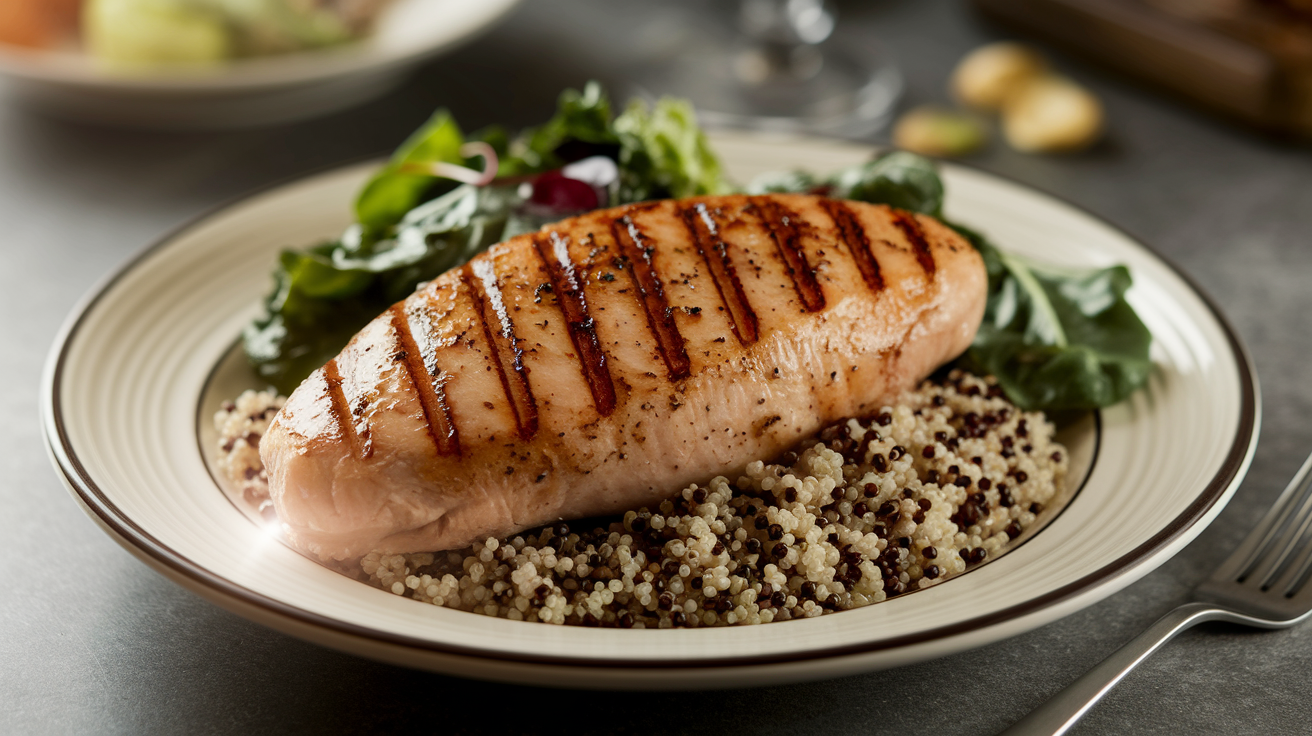
Protein increases the number of calories your body uses to digest food. It’s called the thermic effect. It also sends stronger satiety signals to your brain, which means you feel full longer and you’re less likely to snack between meals. When you’re eating fewer calories to lose fat, adequate protein protects lean muscle tissue so your metabolism stays higher throughout the weight‑loss process.
A high‑protein meal structure stabilizes blood sugar. Prevents the energy crashes that lead to poor food choices. When lunch includes 30 grams of protein from grilled chicken or lentils instead of 10 grams from a grain‑heavy bowl, you’re far less likely to reach for vending‑machine snacks by mid‑afternoon.
5 Principles for Building High‑Protein Meals
Anchor each meal with 20–35 grams of protein from chicken, fish, eggs, Greek yogurt, tofu, or legumes.
Fill at least half your plate or container with non‑starchy vegetables like broccoli, spinach, bell peppers, or cauliflower.
Choose whole‑grain carb sources like brown rice, quinoa, or oats in smaller portions to leave room for more protein.
Add a small amount of healthy fat from avocado, nuts, seeds, or olive oil to support nutrient absorption and satiety.
Rotate protein sources throughout the week to maintain variety without complicating your grocery list.
Simple ingredient swaps help you maintain high protein content without repetition. Trade turkey breast for chicken breast. Greek yogurt for mayonnaise in tuna salad. Lentils for half the rice in a grain bowl. Each swap keeps meals interesting while supporting the same fat‑loss goal.
Grocery Lists and Shopping Strategies for Easy Fat‑Loss Meal Prep
Organize your grocery list by store sections. Produce, dairy, protein, frozen, and pantry, so you move through the store efficiently and avoid backtracking. Group items you’ll use across multiple meals at the top of each section to make sure you buy enough chicken breast, broccoli, and brown rice for the full week.
Repeat ingredients save both time and money. When you buy one large bag of spinach to use in breakfast egg scrambles, lunch salads, and dinner stir‑fries, you reduce waste and simplify your shopping trip to under 30 minutes.
6 Lean‑Protein Swaps for Variety
Ground turkey (93% lean) instead of ground beef
Canned tuna in water instead of oil‑packed tuna
Boneless skinless chicken thighs instead of breasts for more flavor
Egg whites instead of whole eggs to lower calories and fat
Plain Greek yogurt instead of sour cream or mayo
Lentils or black beans instead of ground meat in chili or tacos
Plan your 7‑day shopping list by writing out each breakfast, lunch, dinner, and snack, then listing the ingredient weights and package sizes you’ll need. If you’re prepping Chili‑Lime Chicken Bowls for four lunches, note that you need at least 1.5 pounds of chicken thighs, two bell peppers, one head of broccoli, and one cup of uncooked brown rice. This method prevents duplicate purchases. Ensures you have exactly what you need without overbuying perishable items.
Building a Beginner Meal Prep Plan for Fat Loss
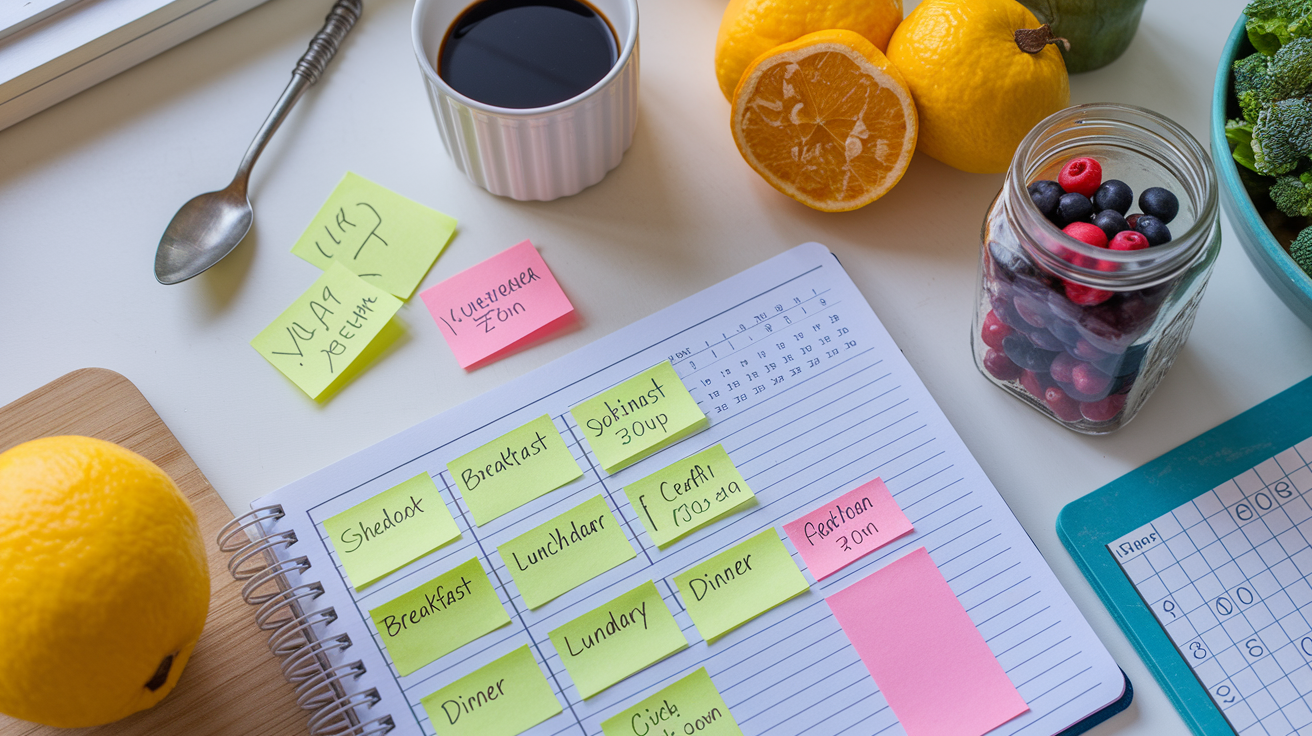
Start by prepping just one meal. Breakfast, lunch, or dinner, whichever causes the most trouble during your busy week. Trying to prep every meal from day one usually leads to burnout and wasted food. Once you’re comfortable with breakfast prep for a week, add lunches the following week.
Most beginners need 1–2 focused hours for a weekly prep session that covers 3–4 days of meals. Prepping for a full seven days at once often results in food that loses freshness by the end of the week, so many people prefer two shorter sessions. One on Sunday and one on Wednesday.
Typical fat‑loss plans for women range from 1400–1700 calories per day, depending on activity level and starting weight. Divide those calories across three meals and one or two snacks. You’re looking at 350–450 calories per main meal and 150–200 calories per snack. Store prepped meals in the fridge for up to four days. Freeze anything beyond that timeline to maintain texture and food safety.
Sample 3‑Day Plan
Breakfast Ideas
Mocha Overnight Oats in a mason jar with walnuts, Greek yogurt parfait with berries and a sprinkle of granola, or a veggie‑packed egg white frittata baked in muffin tins.
Lunch Ideas
Black Bean & Quinoa Bowls with pico de gallo and avocado, Chopped Rainbow Salad with peanut sauce stored separately, or grilled chicken over mixed greens with cherry tomatoes and balsamic vinegar.
Dinner Ideas
Sheet Pan Chicken & Veggies with roasted broccoli and zucchini, baked salmon with steamed asparagus and a small portion of quinoa, or turkey‑stuffed bell peppers with a side of sautéed spinach.
Portion Control and Macronutrient Basics for Fat‑Loss Meal Prep
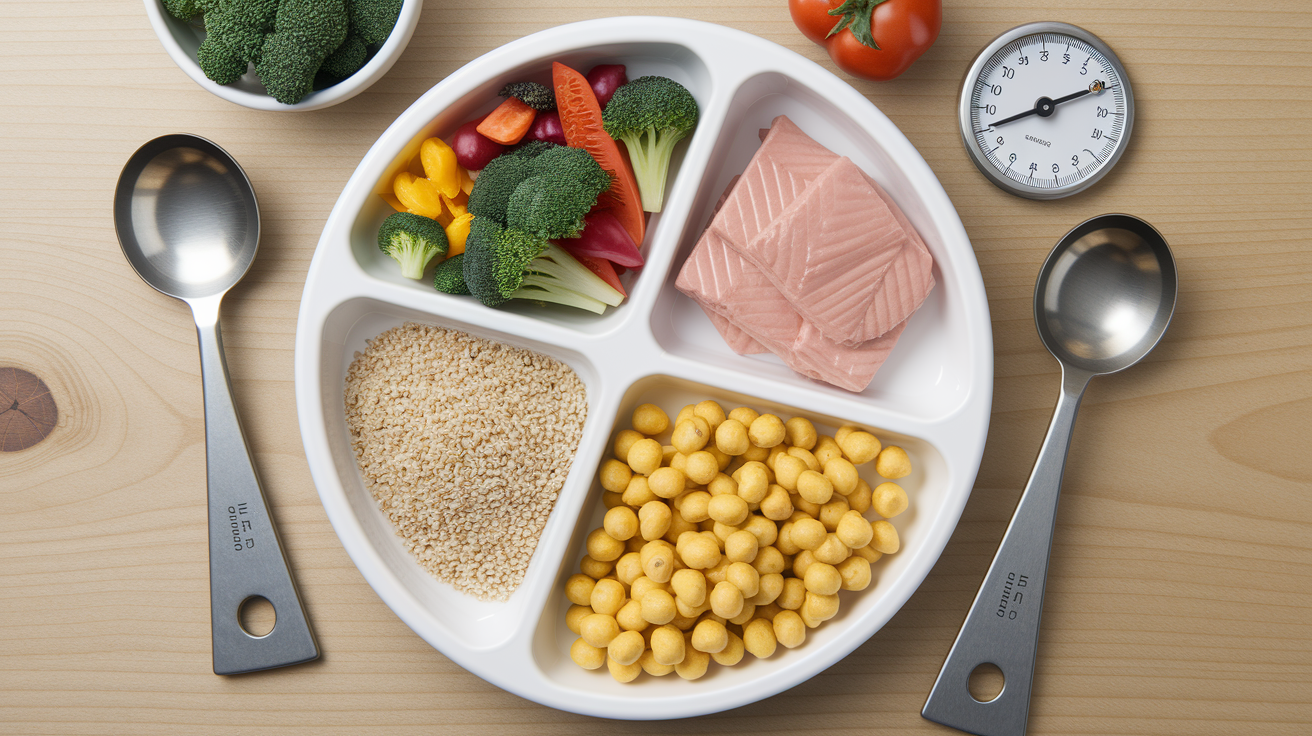
Vegetables should fill one‑third to one‑half of your plate or container. That gives you volume and fiber without many calories. Starchy carbohydrates like brown rice, sweet potato, or whole‑grain pasta belong in one‑third or less of the meal. Lean protein anchors the remainder.
Measuring portions matters because small differences add up quickly. One and a half ounces of cheese instead of one ounce adds about 43 calories, 3 grams of protein, and 3 grams of fat. Small on paper, but those extras across multiple meals each week can stall fat loss.
| Food Type | Portion Guide | Example Foods |
|---|---|---|
| Lean Protein | Palm‑sized portion or 4–6 oz cooked | Chicken breast, turkey, salmon, tofu, lentils |
| Non‑Starchy Vegetables | 1–2 cups or half the container | Broccoli, spinach, bell peppers, cauliflower, zucchini |
| Whole Grains / Starches | Cupped handful or 1/2 cup cooked | Brown rice, quinoa, sweet potato, oats |
| Healthy Fats | Thumb‑sized portion or 1–2 tablespoons | Avocado, nuts, seeds, olive oil, nut butter |
If you don’t own a food scale, use your hand as a reference. A palm‑sized portion of protein, a fist‑sized portion of vegetables, a cupped handful of grains, and a thumb‑sized portion of fats give you a close estimate without needing to measure every ingredient. Over time, you’ll recognize what 4 ounces of chicken or half a cup of quinoa looks like in your meal‑prep containers.
Storage, Freezing, and Reheating Tips for Easy Fat‑Loss Meal Prep
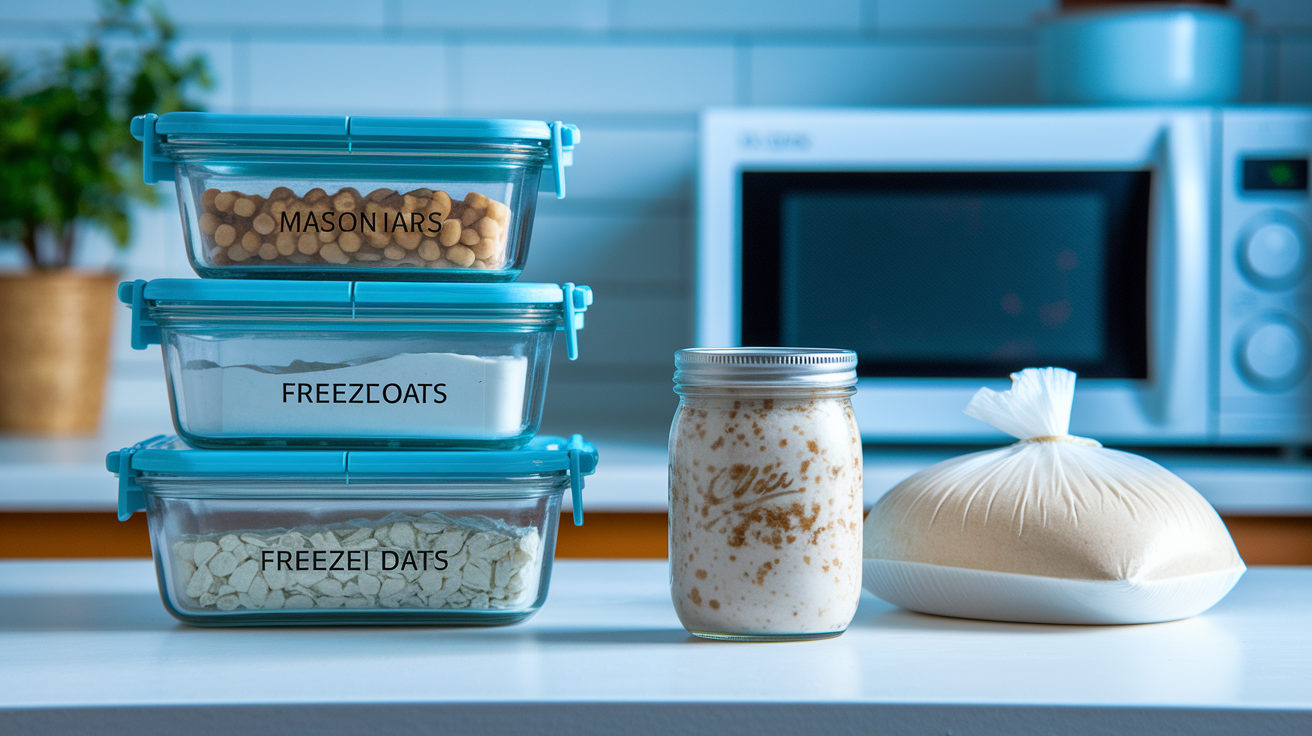
Properly stored meal prep lasts up to four days in the fridge when you cool food completely before sealing containers. Label each container with the day you plan to eat it so nothing sits too long. Always store dressings, sauces, and high‑moisture toppings separately to prevent sogginess.
For longer storage, freeze meals in airtight freezer‑safe containers or heavy‑duty freezer bags with as much air removed as possible. Thaw overnight in the fridge, then reheat in the microwave for about two minutes. If you’re reheating from frozen, microwave for four to five minutes, stirring halfway through.
4 Ideal Freezer‑Friendly Foods
Soups, stews, and chili (store in single‑serving portions)
Cooked proteins like grilled chicken, baked salmon, or turkey meatballs
Breakfast burritos wrapped individually in plastic wrap then placed in a freezer bag
Cooked grains like brown rice or quinoa stored flat in freezer bags for quick thawing
Glass meal‑prep containers work best for reheating because they’re microwave‑safe and won’t warp or stain. Mason jars are perfect for overnight oats, chia pudding, and layered salads, but always leave space at the top if you’re freezing liquids. They expand.
Quick Breakfast Meal Prep Ideas for Fat Loss
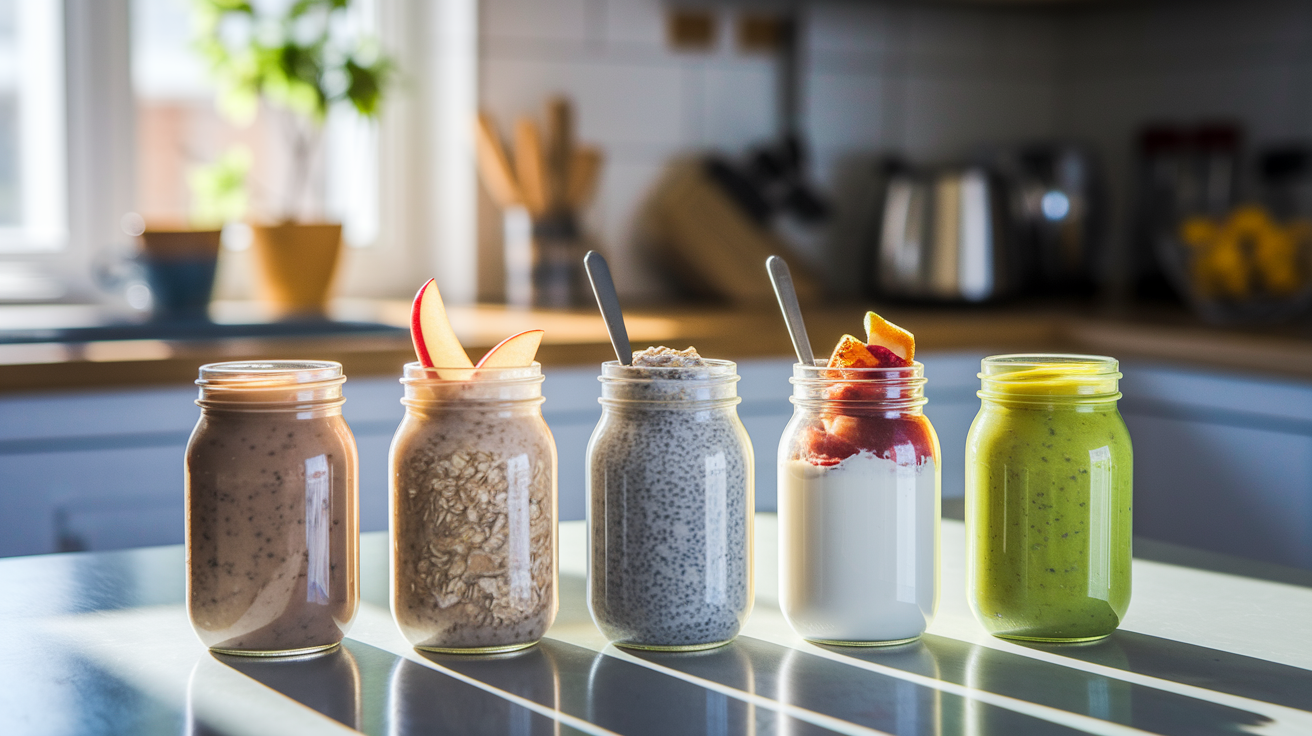
Prepping breakfast removes the morning scramble. Prevents grabbing high‑calorie pastries or skipping the meal entirely. Mason jars keep overnight oats, chia pudding, and parfaits fresh for up to four days, and most recipes take under five minutes of active prep time.
4 Beginner Breakfast Ideas
-
Mocha Overnight Oats – Combine oats, milk, cocoa powder, chia seeds, a splash of coffee, and a drizzle of maple syrup in a jar. Refrigerate overnight. Top with walnuts. Prep time: 5 minutes.
-
Apple Cinnamon Chia Pudding – Mix chia seeds with milk and cinnamon, let sit overnight, then top with diced apples and pecans. Prep time: 5 minutes.
-
Greek Yogurt Parfaits – Layer plain Greek yogurt with fresh berries and a small sprinkle of granola in mason jars. Prep time: 10 minutes for four servings.
-
Mango Green Smoothie Packs – Portion mango chunks, banana slices, spinach, and flaxseed meal into freezer bags. Blend with almond milk each morning. Prep time: 15 minutes for three packs.
Sweet options like overnight oats and chia pudding satisfy morning cravings without added sugar. Savory choices like egg white frittatas baked in muffin tins deliver higher protein and pair well with vegetables. Rotate between sweet and savory throughout the week to prevent breakfast boredom.
Make‑Ahead Lunches for Fat Loss Beginners
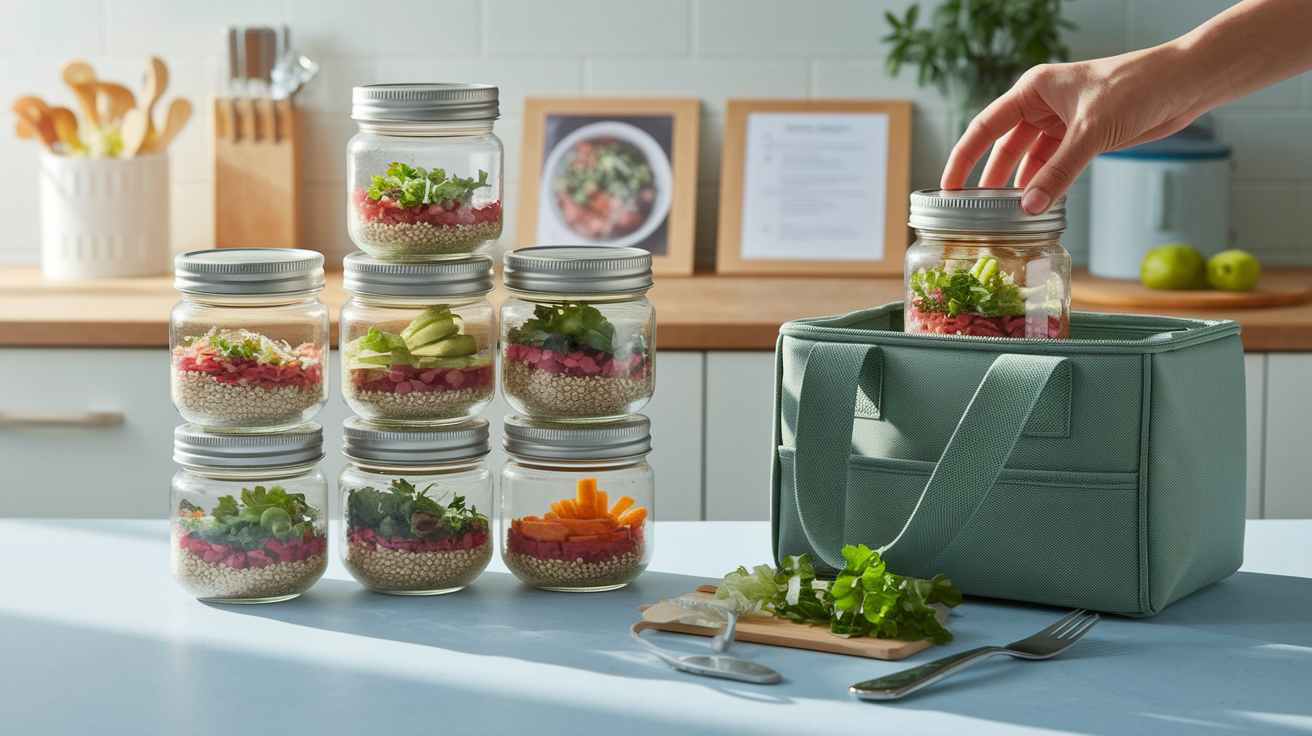
Sturdy vegetables like cabbage, carrots, bell peppers, and cucumbers stay crisp for days. They’re ideal for meal‑prep salads and grain bowls. Always pack dressings and sauces in small separate containers so your lunch doesn’t turn soggy by day three.
Mason jar salads work when you layer ingredients carefully. Dressing on the bottom, followed by hearty vegetables, grains or beans, leafy greens on top. When you’re ready to eat, shake the jar to distribute the dressing, then pour everything into a bowl.
4 Make‑Ahead Lunch Recipes
Black Bean & Quinoa Bowls – Cooked quinoa, rinsed black beans, chopped bell peppers, red onion, pico de gallo, sliced avocado, and lime.
Chopped Rainbow Salad – Shredded cabbage, shredded carrots, diced bell peppers, cucumbers, and red onions with peanut sauce on the side.
Chili‑Lime Chicken Bowls – Roasted chicken thighs over brown rice with steamed broccoli and a lime wedge.
Avocado Tuna Salad – Canned tuna mixed with mashed avocado, diced celery, and a squeeze of lemon, served over mixed greens or whole‑grain crackers.
Beginner-Friendly Dinner Prep Ideas for Fat Loss
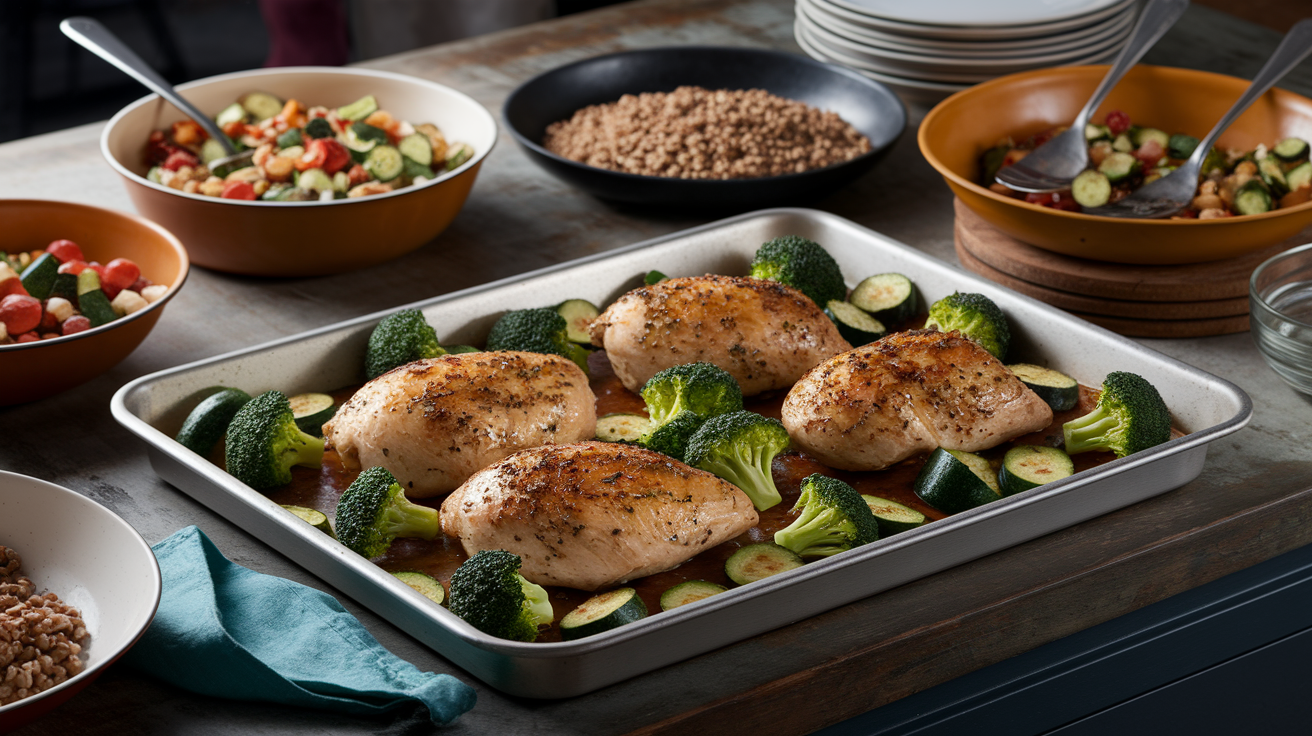
Batch cooking proteins and vegetables at the start of the week gives you mix‑and‑match dinner options without cooking every night. Roast a full sheet pan of chicken breasts, broccoli, and bell peppers on Sunday, then pair portions with different grains or sauces throughout the week.
5 Easy Dinner Prep Recipes
-
Sheet Pan Chicken & Veggies – Arrange chicken pieces, broccoli, and zucchini on a pan, drizzle with olive oil, season, and bake at 425°F for 20 minutes.
-
Low‑Calorie Stir Fry – Sauté chicken or shrimp with snap peas, bell peppers, and onions in a light soy‑ginger sauce. Serve over cauliflower rice or a small portion of brown rice.
-
Slow Cooker Pulled Pork – Season a pork shoulder with chili powder, garlic, and cumin. Cook on low for 8 hours. Shred, and portion into containers with roasted sweet potatoes and green beans.
-
Butternut Squash & Chicken Pad Thai – Use spiralized butternut squash noodles with grilled chicken strips, a light peanut sauce, and crushed peanuts.
-
Salmon Chowder – Simmer salmon, diced potatoes, celery, onions, and low‑fat milk into a creamy soup. Store in single‑serving containers. Reheat gently.
Snack Prep and Low‑Calorie Add-Ons to Support Fat Loss

Prepped snacks prevent the mid‑afternoon vending‑machine trip. Or the post‑dinner pantry raid. Snacks around 200 calories with a balance of protein and fiber keep hunger under control without derailing your calorie deficit.
6 Snacks Under 200 Calories
1 medium apple with 1 tablespoon natural peanut butter
1 low‑fat string cheese with 10 whole‑grain crackers
1/4 cup raw almonds with a small handful of dried cranberries
1 cup plain Greek yogurt with 1/2 cup fresh berries
2 hard‑boiled eggs with a sprinkle of sea salt
Carrot sticks and cucumber slices with 2 tablespoons hummus
Portion snacks into small containers or snack‑sized bags at the beginning of the week so you grab the right amount instead of eating straight from a large package. Pre‑portioned snacks also travel well in a cooler or insulated lunch bag for long work days.
Common Beginner Meal Prep Mistakes That Slow Fat Loss
Overcomplicating recipes with too many steps or exotic ingredients leads to burnout after one or two weeks. When meal prep feels like a culinary test instead of a simple routine, most beginners quit and go back to takeout.
Skipping a pantry check before shopping results in duplicate spices, condiments, or grains you already own. Wastes money and clutters your kitchen. Relying on calorie‑dense sauces like creamy dressings, teriyaki glaze, or cheese‑heavy toppings can add 200–300 hidden calories per meal, erasing most of your calorie deficit.
| Common Mistake | Consequence | Simple Fix |
|---|---|---|
| Using calorie‑dense sauces and dressings | Adds 200–300 calories per meal without increasing fullness | Use salsa, hot sauce, mustard, balsamic vinegar, or lemon juice instead |
| Ignoring vegetables and relying on grains | Low‑volume meals that leave you hungry within two hours | Fill half your container with non‑starchy vegetables for volume and fiber |
| Prepping the same meal seven days in a row | Flavor boredom leads to ordering takeout by Wednesday | Rotate marinades, swap proteins, or change toppings to keep variety without new recipes |
Flavor hacks like marinating proteins in Ziploc bags with different spice blends. Chili‑lime one week, garlic‑herb the next. Keeps meals interesting without adding calories. Fresh herbs, spices, citrus zest, and low‑sodium hot sauce transform the same base ingredients into completely different dishes.
Final Words
Pick a few overlapping ingredients, prep once or twice a week, and use the simple recipes above to save time and stay consistent.
Lean protein, non‑starchy veggies, and basic portion rules make fat loss workable, not punishing.
Plan your shopping, store meals safely, and rotate flavors so you don’t get bored.
Use these easy meal prep recipes for fat loss beginners to build momentum and make healthy eating automatic.
Small, steady steps win. You can do this.
FAQ
Q: How long can I store meal-prepped food in the fridge or freezer?
A: You can store meal-prepped food in the fridge for up to 4 days and freeze beyond that; keep dressings separate, use glass containers, and label dates for safety and freshness.
Q: How do I build high-protein meals to support fat loss?
A: Building high-protein meals means anchoring each plate with 20–35 g protein, filling half with non-starchy vegetables, and adding a small whole-grain or fiber source for satiety and steady energy.
Q: How can I estimate portion sizes without a food scale?
A: You can estimate portions without a scale by using the plate method: half the plate vegetables, one-third protein, one-third starch; palm-sized protein portions and cupped-hand carb servings work well.
Q: Which meals freeze best and how should I reheat them?
A: Best freezer-friendly meals include soups, stews, cooked lean proteins, and grain bowls without dressings; thaw overnight in the fridge and reheat until steaming for safety.
Q: What are quick breakfast ideas I can prep for fat loss?
A: Quick breakfast ideas include mocha overnight oats, apple cinnamon chia pudding, mango green smoothies, and Greek yogurt parfaits — all prepped in under 10 minutes and store well in jars.
Q: What calorie targets should I aim for when prepping meals for fat loss?
A: A good target is a total daily 1400–1700 kcal; split across meals so most meals hit 300–500 kcal depending on activity, keeping protein 20–35 g per meal for satiety.
Q: How should I organize my grocery list for efficient meal prep shopping?
A: You should organize your grocery list by store sections—produce, protein, dairy, frozen, pantry—and repeat core ingredients like chicken, lentils, oats, and veggies to save time and money.
Q: What’s a simple meal-prep schedule for beginners?
A: A simple meal-prep schedule for beginners is to start small: prep one meal type in a 1–2 hour session, then expand; cook enough for four fridge days and freeze extras.
Q: What common beginner mistakes slow fat-loss progress and how do I fix them?
A: Common mistakes slowing progress are overcomplicating recipes, ignoring vegetables, using calorie-dense sauces, and skipping pantry checks; fix these with simple spices, light dressings, and rotating marinades.
Q: How should I assemble balanced portions for each meal?
A: Assembling balanced portions means pairing a lean protein, non-starchy vegetables, and a fiber-rich grain or legume; use glass containers, keep dressings separate, and aim for consistent plate balance.