
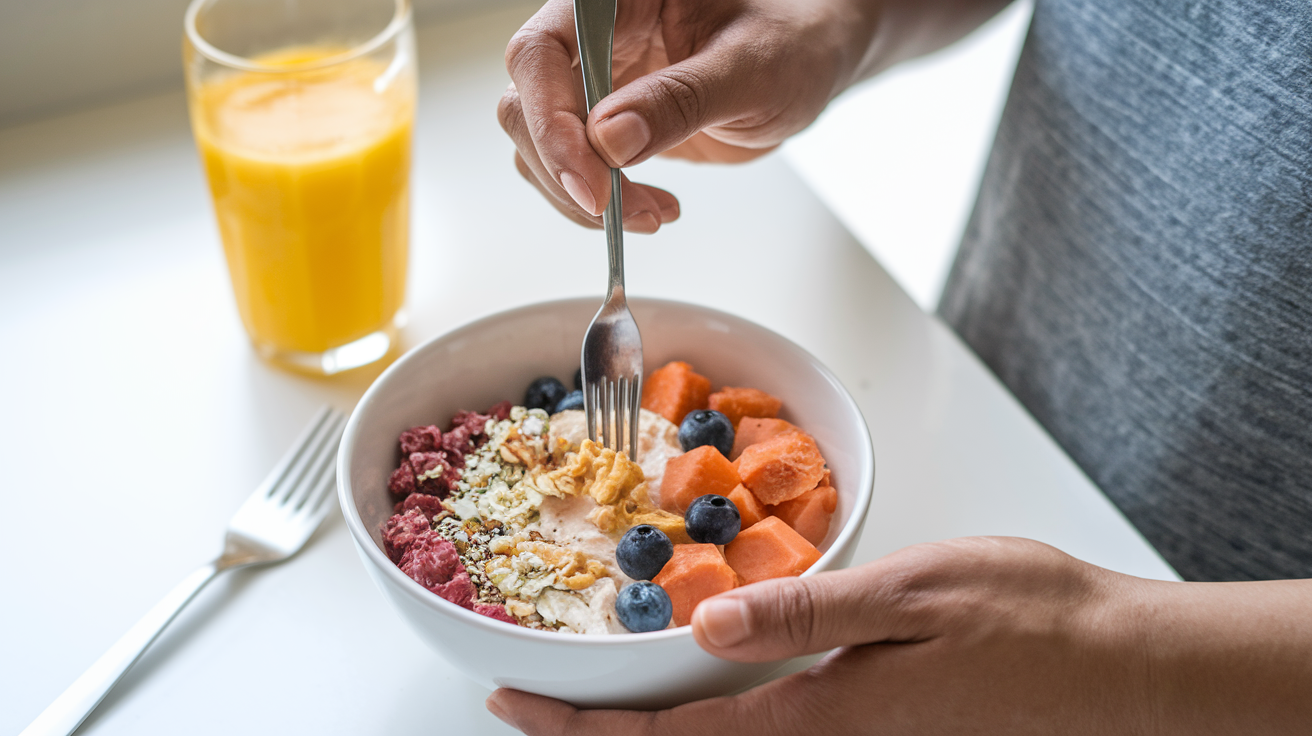
Think breakfast doesn’t matter for fat loss? Think again.
A high-protein morning meal keeps you full longer, helps protect muscle when you cut calories, and even raises the calories your body uses to digest food.
If you want steady progress without feeling hungry, aim for 25 to 40 grams of protein at breakfast.
This post gives fast, practical high-protein breakfast ideas and simple build-it-yourself frameworks you can use today to curb cravings and support fat loss.
High-Protein Breakfast Solutions That Directly Support Fat Loss Results
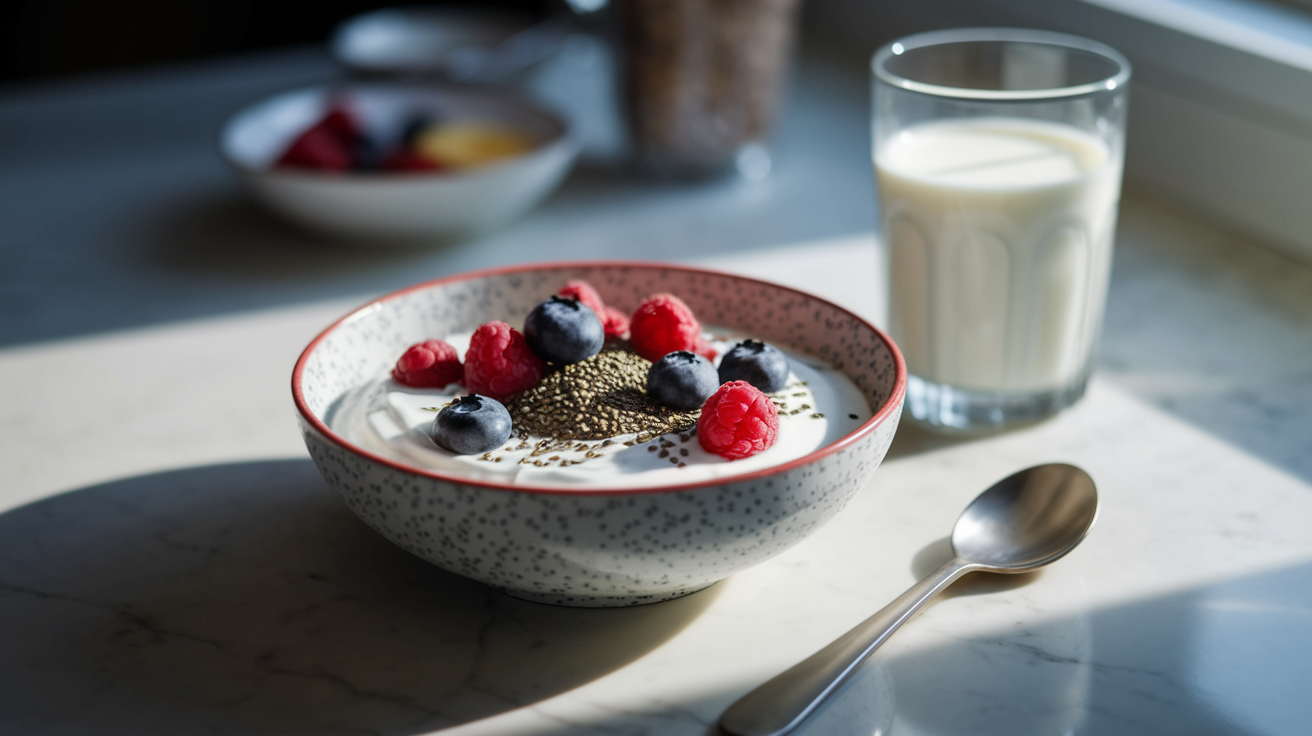
High-protein breakfasts help with fat loss because they keep you full longer, protect your muscle when you’re cutting calories, and burn more energy just being digested. Your body actually uses 20–30% of protein calories just breaking it down, compared to 5–10% for carbs and basically nothing for fats. Protein also triggers peptide YY, a hormone that tells your brain you’re satisfied and keeps hunger at bay for hours. If you’re serious about fat loss, shoot for 25–40 grams of protein at breakfast, keeping the whole meal somewhere between 300–500 calories.
Your daily protein needs shift based on how active you are. Sedentary or moderate activity? You’re looking at 1.2–1.6 grams per kilogram of bodyweight. Lifting weights or trying to hold onto muscle while in a deficit? Push that to 1.6–2.4 grams per kilogram. So if you weigh 80 kilograms, that’s 96–192 grams spread throughout the day. Breakfast should handle about 20–25% of that.
Six super-fast, high-protein breakfasts that take under five minutes:
- Greek Yogurt Protein Bowl – 1 cup plain Greek yogurt, 1 scoop whey protein, 1/2 cup mixed berries, 1 tablespoon chia seeds. Around 420 calories, 40–45 grams protein, 2–3 minutes.
- Cottage Cheese Fruit Bowl – 1 cup low-fat cottage cheese, 1/2 cup pineapple or berries, 1 tablespoon walnuts. About 300 calories, 28–30 grams protein, 2 minutes.
- Smoked Salmon Avocado Toast – 2 slices whole-grain bread, 3 ounces smoked salmon, 1/4 avocado, lemon, pepper. Roughly 360 calories, 25–28 grams protein, 5 minutes.
- Two-Minute Microwave Egg Mug – 3 egg whites, 1 whole egg, chopped spinach, shredded cheese, microwaved in a mug. About 200 calories, 24–26 grams protein, 2 minutes.
- Protein Shake Base – 1 scoop protein powder, 1 cup unsweetened almond milk, 1/2 frozen banana, handful of spinach, 1 tablespoon peanut butter. Around 350 calories, 28–32 grams protein, 3 minutes.
- Hard-Boiled Eggs & Toast – 3 hard-boiled eggs (prep them ahead), 2 slices whole-grain toast, 1/4 avocado. Roughly 380 calories, 25–28 grams protein, 4 minutes.
Understanding Protein’s Role in Fat-Loss Breakfasts

Protein burns hotter than carbs or fats when your body processes it, which means you’re spending more energy just to digest it. That little metabolic bump adds up over the course of a day. Protein also releases peptide YY, a gut hormone that signals fullness and cuts down on mid-morning snack attacks or oversized lunches.
When you’re in a calorie deficit, your body looks for energy anywhere it can find it. Including your muscle tissue. Higher protein intake protects lean mass by feeding your muscles the amino acids they need for repair and telling your body to burn fat stores instead. This matters even more if you’re lifting, because keeping muscle supports your metabolism long-term.
The best fat-loss breakfasts combine 25–40 grams of protein with 20–40 grams of carbs and 8–20 grams of fat, depending on your daily calorie target. Here’s how common protein-dense foods stack up on satiety:
| Food | Grams Protein per Serving | Satiety Rating |
|---|---|---|
| Greek yogurt (1 cup) | 20 g | High |
| 3 large eggs | 18 g | Very high |
| Firm tofu (200 g) | 20–22 g | Moderate-high |
Ultra-Fast High-Protein Breakfast Building Frameworks (Under 10 Minutes)
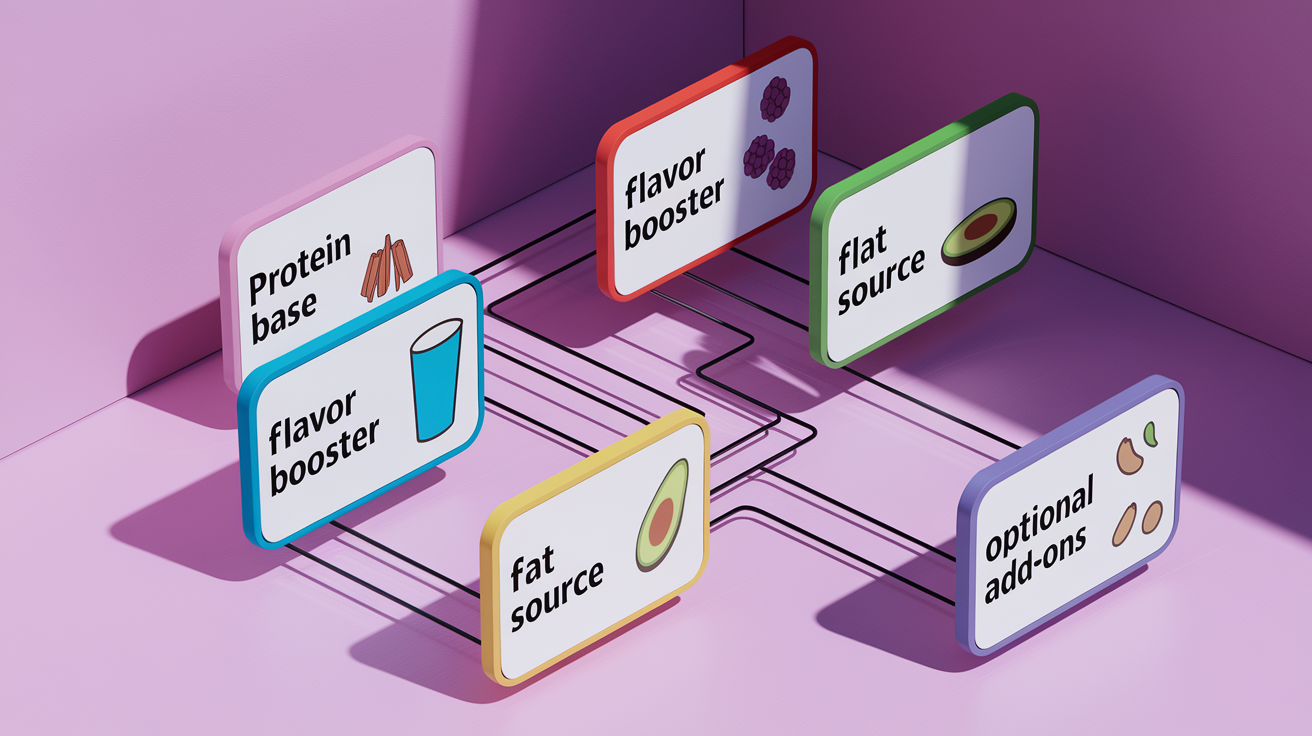
Instead of sticking to the same recipe every single morning, build your breakfast around flexible frameworks. These let you swap ingredients based on what’s already in your fridge and still hit 25–40 grams of protein in under ten minutes. Each framework has a protein base, a flavor booster, fiber for steady energy, and an optional fat source to round things out.
Start with your protein base. This is your anchor, the non-negotiable piece that delivers most of your morning protein. Think Greek yogurt, cottage cheese, egg whites, cooked chicken or turkey sausage, smoked salmon, tofu, or a scoop of protein powder. Add a flavor booster like cinnamon, vanilla extract, hot sauce, salsa, fresh herbs, or a drizzle of honey to keep meals interesting without piling on calories. Layer in fiber through berries, spinach, oats, whole-grain bread, or a handful of greens. Finish with an optional fat source like nut butter, avocado, chia seeds, or a few walnut halves to improve satiety and help your body absorb nutrients.
Five speed-optimized frameworks you can rotate all week:
- Protein + Crunch Bowl – Greek yogurt or cottage cheese base, topped with high-protein cereal or granola, fresh fruit, and a sprinkle of chia or hemp seeds. Macro range: 28–35 grams protein, 35–45 grams carbs, 8–12 grams fat, 350–420 calories.
- Grab-and-Blend Smoothie – Protein powder, frozen fruit, leafy greens, unsweetened milk or water, optional tablespoon of nut butter. Macro range: 28–36 grams protein, 25–40 grams carbs, 5–14 grams fat, 280–400 calories.
- High-Protein Toast Template – Two slices whole-grain bread topped with smoked salmon, turkey, or mashed white beans, plus avocado or a schmear of cottage cheese. Macro range: 25–30 grams protein, 28–35 grams carbs, 10–16 grams fat, 320–380 calories.
- Microwave Egg Base – Scrambled or “mug” eggs cooked in 90 seconds, stirred with cheese, salsa, and spinach, served with toast or wrapped in a low-carb tortilla. Macro range: 22–28 grams protein, 15–30 grams carbs, 8–14 grams fat, 250–350 calories.
- Protein-Packed Breakfast Jar – Layered overnight oats made with protein powder, chia seeds, Greek yogurt, and berries, assembled the night before. Macro range: 20–30 grams protein, 30–40 grams carbs, 8–15 grams fat, 300–400 calories.
Meal-Prep High-Protein Breakfast Plan for Fat Loss
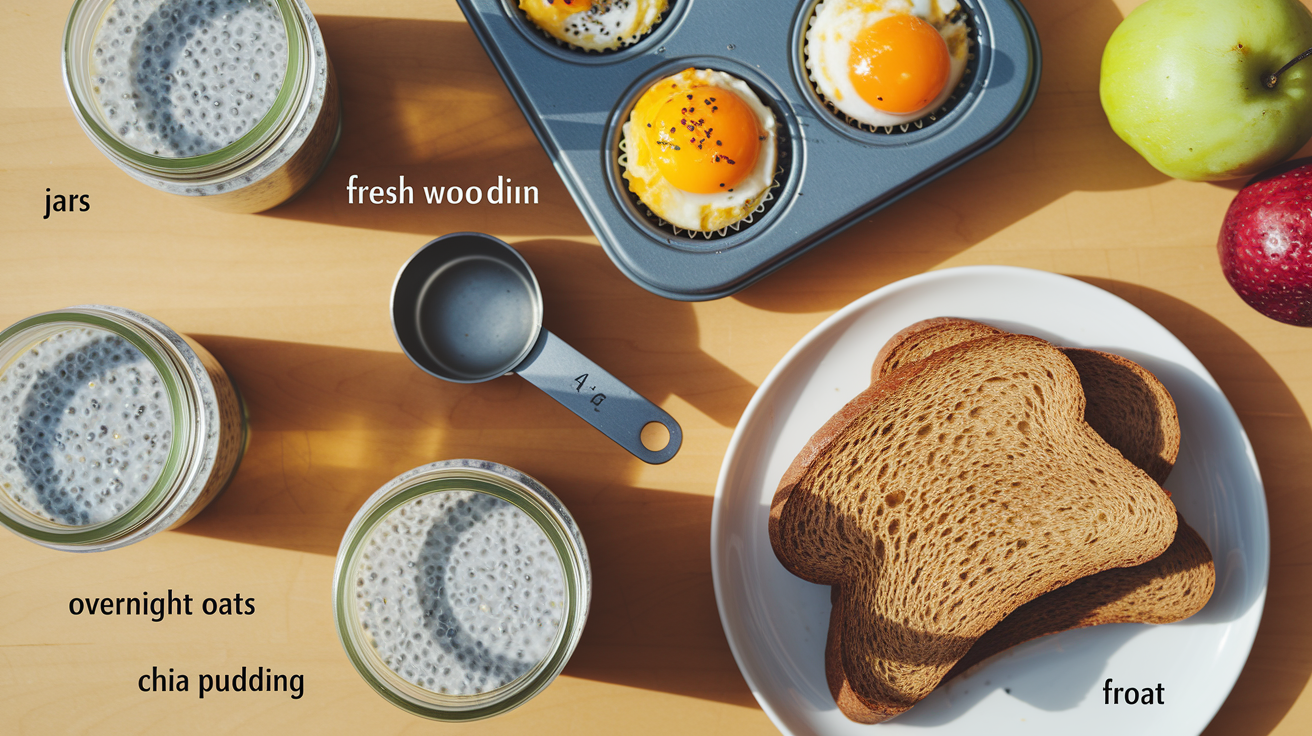
Batch-cooking breakfasts once or twice a week removes decision fatigue, saves time on busy mornings, and makes sure you hit your protein targets consistently. When you prep ahead, you’re way less likely to skip breakfast or grab low-protein convenience foods that leave you starving an hour later.
Make-Ahead Items
Egg muffins are one of the most versatile meal-prep staples. A single batch of 12 muffins gives you six breakfasts when you eat two per serving. Mix 10 large eggs with 6 egg whites, 2 cups chopped spinach, 1 cup diced bell pepper, and 1/2 cup shredded low-fat cheddar. Bake in a muffin tin at 350°F for 20–25 minutes. Each muffin comes in around 80–100 calories and 6–9 grams of protein. Pair two muffins with a slice of whole-grain toast for a complete meal totaling about 300 calories and 25–30 grams of protein. Refrigerate cooked egg muffins for up to five days or freeze individual portions for up to three months.
Overnight oats simplify mornings when you prep five jars in one session. Combine 1/3 cup rolled oats, 1/2 cup protein-fortified milk, 1/2 scoop vanilla protein powder, 1/2 tablespoon honey, and 1/2 tablespoon chia seeds in each jar. Seal and refrigerate overnight. Active prep time is about 15 minutes for five jars, and each jar stores safely for up to five days. One jar provides roughly 287 calories and 20 grams of protein before you add fresh berries or a dollop of Greek yogurt.
Chia protein pudding is another hands-off option. Mix 3 tablespoons chia seeds, 1 cup unsweetened almond milk, and 1 scoop protein powder in a jar, then refrigerate overnight. One batch makes three to four servings, each delivering around 300 calories and 25–30 grams of protein. Store sealed jars in the fridge for up to five days.
Portioning & Storage
Cooked egg-based dishes last four to five days when refrigerated in airtight containers. Label each container with the prep date and toss anything older than five days. For longer storage, freeze individual portions in freezer-safe bags or containers for up to three months. Reheat frozen egg muffins in the microwave for 60–90 seconds or in a 350°F oven for 10–12 minutes.
Overnight oats and chia pudding should always be stored in sealed glass or plastic jars to prevent absorption of refrigerator odors. Don’t freeze oats or chia pudding, the texture gets weird when you thaw them. If you want grab-and-go portability, transfer a jar into an insulated lunch bag with an ice pack for commutes up to two hours.
Essential meal-prep tools to keep on hand:
- 12-cup muffin tin with silicone or paper liners for egg muffins
- Eight-ounce mason jars with lids for overnight oats and chia pudding
- Airtight glass or BPA-free plastic containers for cooked egg casseroles
- Freezer-safe resealable bags labeled with prep date and contents
Vegetarian & Vegan High-Protein Breakfast Strategy Guide
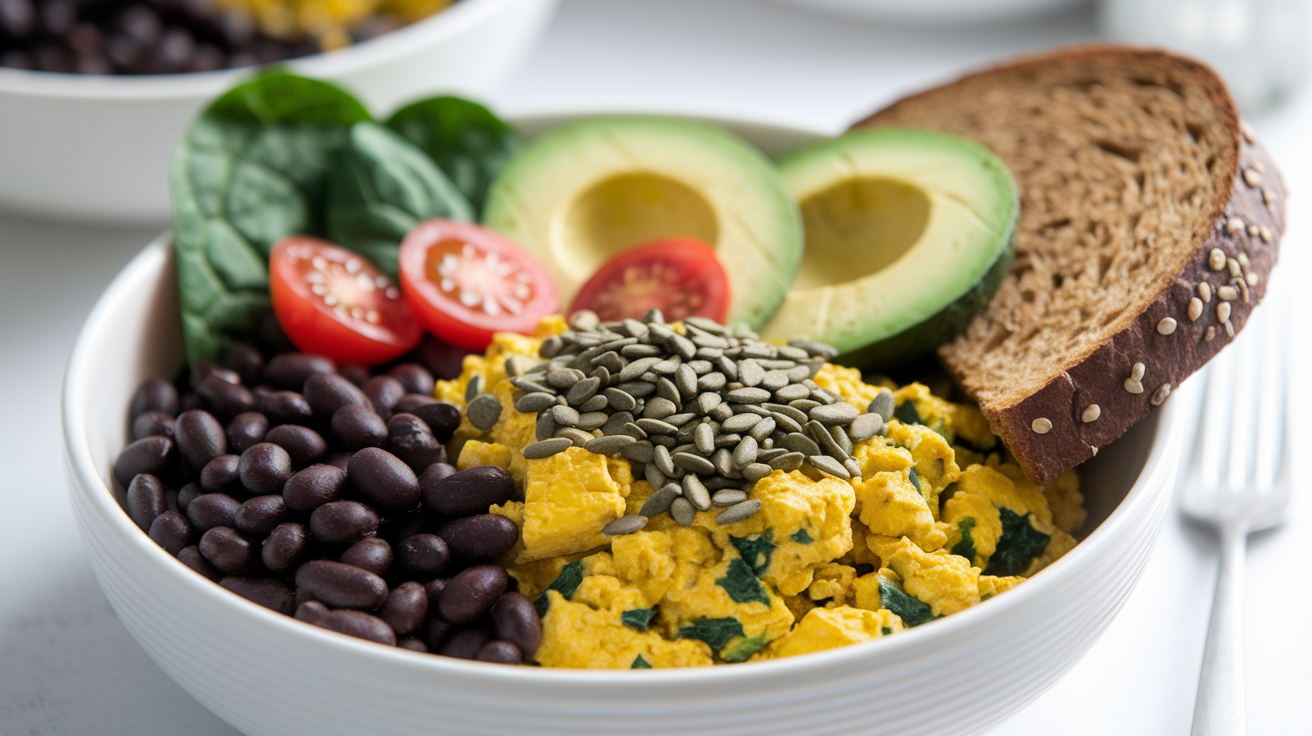
Plant-based eaters often need to combine multiple protein sources to hit 25–35 grams of protein at breakfast, since most plant foods deliver lower protein density than animal products. The key is layering complementary proteins. Pair legumes with grains, seeds with nuts, or fortified plant milks with protein powder. A tofu scramble with black beans, for example, combines two high-quality plant proteins that together provide all essential amino acids.
Tofu is one of the most versatile plant-based breakfast proteins. Crumble 200 grams of firm tofu into a hot pan with 1/4 cup canned black beans, 1 cup spinach, and 1 tablespoon nutritional yeast for a savory scramble that delivers 25–28 grams of protein in about 320 calories. Prep time is 10–12 minutes. If you prefer a cottage-cheese-style bowl, swap dairy cottage cheese for a plant-based version made from almonds or peas, then top with fruit and a tablespoon of hemp seeds to boost protein and add omega-3 fatty acids.
When selecting plant-based protein powders, go for blends that combine pea, rice, and hemp proteins to get a complete amino acid profile. A single scoop usually delivers 20–25 grams of protein. Mix one scoop into a smoothie with 1 cup unsweetened soy milk (8 grams protein), 1/2 frozen banana, 1 tablespoon almond butter, and a handful of spinach for a meal totaling roughly 350 calories and 32–36 grams of protein. Soy milk provides more protein per cup than almond, oat, or coconut milk, making it the best liquid base for plant-based high-protein breakfasts.
Strategic protein-boost options for vegetarian and vegan breakfasts:
- Fortified tofu (calcium-set) plus cooked lentils or chickpeas for complementary amino acids
- Dairy or plant-based cottage cheese topped with nuts, seeds, and high-protein granola
- Protein-fortified plant milks (soy, pea, or flax-based) used in oats, smoothies, or chia pudding
Low-Carb and High-Protein Breakfast Recipes for Losing Belly Fat
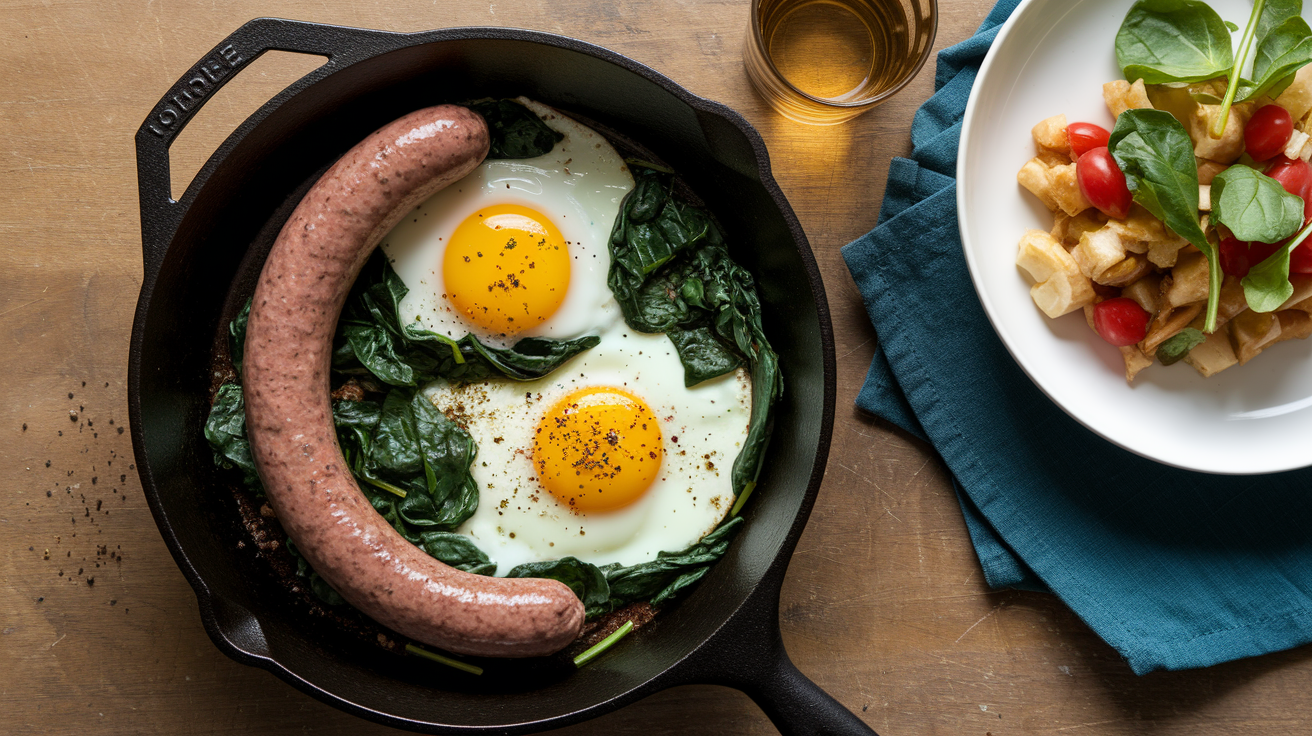
Low-carb, high-protein breakfasts work well for people who prefer fewer grains and starches or who are following ketogenic or targeted carb-cycling protocols. These meals focus on eggs, meats, fish, and non-starchy vegetables while keeping carbs under 20–30 grams per serving. The higher fat content supports satiety without spiking blood sugar, which makes them particularly good at controlling mid-morning hunger.
A sausage and spinach egg skillet is a classic low-carb option. Cook 3 ounces of turkey sausage in 1 tablespoon olive oil, then add 2 large eggs and 1 cup fresh spinach. This meal delivers 28–32 grams of protein, 3–8 grams of carbs, and 24–26 grams of fat in about 370 calories. Prep time is 8–10 minutes. For a leaner version, use chicken sausage and reduce the olive oil to 1 teaspoon, which drops the fat to roughly 16–18 grams while maintaining the same protein level.
High-protein pancakes can be adapted for low-carb eating by swapping traditional flour for almond flour or coconut flour. Combine 1/2 cup almond flour, 2 eggs, 1/2 cup cottage cheese, 1/2 teaspoon baking powder, and a pinch of cinnamon. Cook on a non-stick griddle for 2–3 minutes per side. Two pancakes provide around 30–32 grams of protein, 8–12 grams of carbs, and 18–20 grams of fat in roughly 350 calories. Top with a dollop of Greek yogurt instead of syrup to keep carbs minimal.
| Recipe | Carbs per Serving | Protein per Serving | Prep Time |
|---|---|---|---|
| Standard Protein Oatmeal | 45–50 g | 30–35 g | 5 min |
| Low-Carb Sausage Skillet | 3–8 g | 28–32 g | 8–10 min |
| Keto Almond-Flour Pancakes | 8–12 g | 30–32 g | 10 min |
| Salmon Hash (with egg) | 14–18 g | 27–33 g | 12 min |
Sample High-Protein Breakfast Meal Plan (7 Days)
A structured seven-day plan removes guesswork and helps you stay consistent with protein targets while keeping calories within your fat-loss range. Each breakfast below delivers 25–40 grams of protein and 300–500 calories, with variety to prevent taste fatigue.
Day 1 – Greek Yogurt Protein Bowl: 1 cup plain Greek yogurt, 1 scoop whey protein, 1/2 cup mixed berries, 1 tablespoon chia seeds. 420 calories, 40–45 grams protein.
Day 2 – Protein Oatmeal: 1/2 cup rolled oats, 1 scoop whey protein, 1 tablespoon peanut butter, 1/2 banana. 420 calories, 30–35 grams protein.
Day 3 – Egg Muffins with Toast: 2 egg muffins (homemade or store-bought), 1 slice whole-grain toast, 1/4 avocado. 300 calories, 25–30 grams protein.
Day 4 – Cottage Cheese Fruit Bowl: 1 cup low-fat cottage cheese, 1/2 cup pineapple, 1 tablespoon walnuts. 300 calories, 28–30 grams protein.
Day 5 – Smoked Salmon Avocado Toast: 2 slices whole-grain bread, 3 ounces smoked salmon, 1/4 avocado, lemon, pepper. 360 calories, 25–28 grams protein.
Day 6 – Tofu Scramble with Black Beans: 200 grams firm tofu, 1/4 cup black beans, 1 cup spinach, 1 tablespoon nutritional yeast. 320 calories, 25–28 grams protein.
Day 7 – High-Protein Pancakes: 2 pancakes made with 1/2 cup oats, 2 eggs, 1/2 cup cottage cheese, topped with berries. 360 calories, 30–32 grams protein.
Grocery Shopping List for a High-Protein Breakfast Week
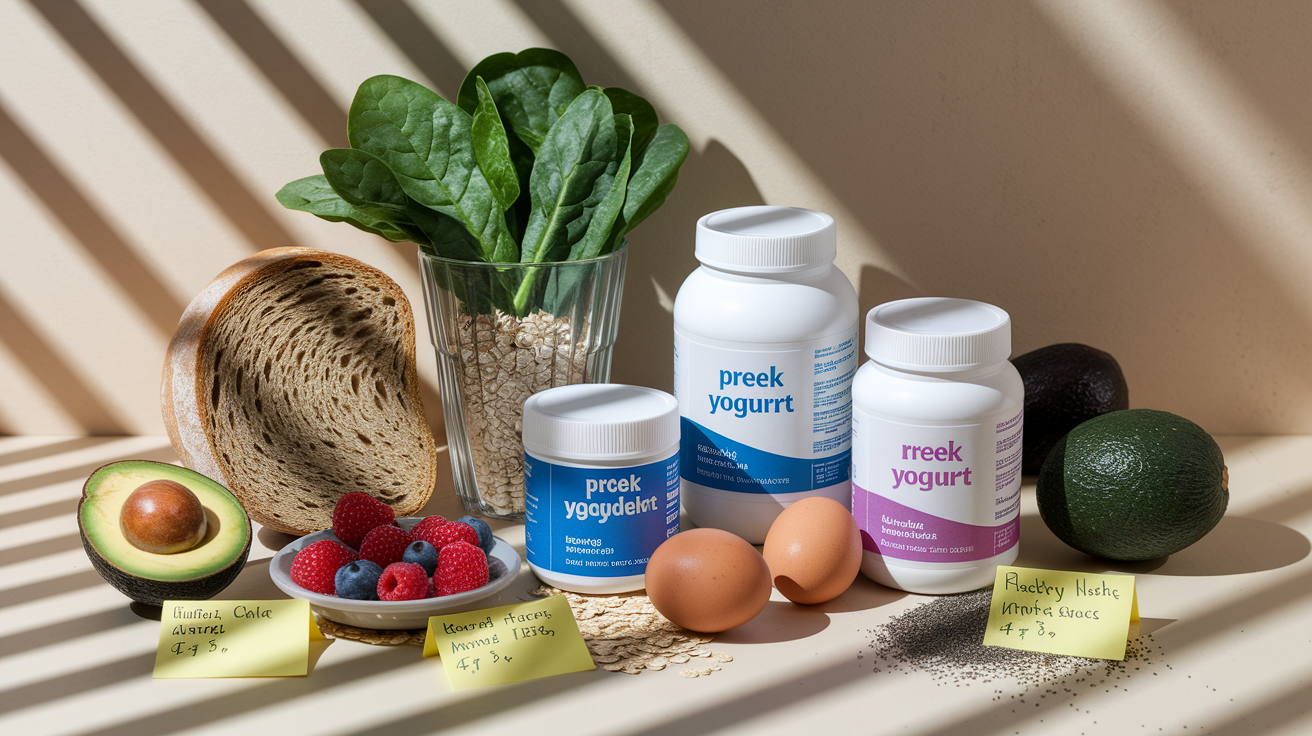
Planning your grocery list around high-protein staples reduces impulse buys and makes sure you always have what you need to hit your targets. The list below covers one week of breakfasts for one person, with approximate US price ranges as of 2025.
Start with your protein foundations. Purchase two dozen eggs (around $2.50–4.00), one 32-ounce container of plain Greek yogurt ($3.50–5.00), and a two-pound tub of whey or plant-based protein powder ($20–35). Add two 16-ounce containers of low-fat cottage cheese ($3–6 total) and one 12-ounce package of turkey or chicken sausage ($4–6). If you eat fish, include 4–8 ounces of smoked salmon ($6–12). For plant-based eaters, buy two 14-ounce blocks of firm tofu ($3–6 total).
Next, gather your carbs and fiber sources. Pick up a 42–50-ounce container of rolled oats ($3–5), one loaf of whole-grain bread ($2.50–4.00), and a 12–16-ounce bag of frozen mixed berries ($3–5). Fresh spinach or a 10-ounce bag of frozen spinach costs $3–5 and adds volume to egg scrambles and muffins. Include three to four avocados ($1–2 each) for healthy fats and creamy texture.
Round out your list with flavor boosters and supplements. Purchase an 8–12-ounce bag of chia seeds ($4–8), an 8-ounce container of mixed nuts like almonds or walnuts ($4–7), and a half-gallon of unsweetened almond or soy milk ($2–3). Stock your pantry with cinnamon, vanilla extract, nutritional yeast, hot sauce, and salsa for zero-calorie or low-calorie flavor additions.
Budget-friendly tips to stretch your grocery dollars:
- Buy eggs, oats, and frozen vegetables in bulk quantities to reduce per-unit cost
- Choose store-brand Greek yogurt and cottage cheese instead of premium brands
- Prep your own hard-boiled eggs instead of buying pre-cooked packs
- Use frozen berries year-round instead of fresh, which are often three times the price
- Buy protein powder in larger tubs when on sale and store in a cool, dry place
- Substitute canned black beans or chickpeas for fresh vegetables when budget is tight
- Purchase whole cuts of smoked salmon or turkey and portion them yourself
- Stock one or two high-protein convenience items like protein bars or meal-replacement shakes for true emergency mornings
- Plan meals around sale items and rotate protein sources week to week
- Use a simple meal-prep Sunday routine to avoid wasting ingredients that spoil mid-week
Adjusting High-Protein Breakfasts for Personal Fat-Loss Goals
Fine-tuning your breakfast to match your individual progress and hunger patterns makes sure you stay consistent without feeling deprived. If you’re hungry mid-morning despite eating 25–30 grams of protein, bump your breakfast protein by 10–15 grams. Add one extra egg, a second scoop of protein powder, or 3 ounces of cooked chicken or turkey sausage. That small boost often extends satiety by two to three hours and reduces total daily calorie intake by preventing unplanned snacks.
When fat loss stalls for two consecutive weeks, reduce your daily calorie intake by 300–500 calories while keeping protein at the higher end of the recommended range. For breakfast specifically, this might mean swapping full-fat Greek yogurt for low-fat, using one tablespoon of nut butter instead of two, or choosing egg whites over whole eggs in part of your scramble. Keep carbs and fat portions flexible based on your total daily targets, but never drop protein below 1.2 grams per kilogram of bodyweight.
Tracking your intake for at least one week provides clarity on whether you’re actually hitting your targets. Most people overestimate portion sizes or undercount calories from oils, nut butters, and condiments. Use a food scale for the first few days to calibrate your eye, then you can estimate more accurately moving forward.
Common mistakes that undermine high-protein breakfast efforts:
- Skipping breakfast entirely, which leads to overeating later in the day and muscle breakdown during prolonged fasting
- Relying on protein bars that contain 15 grams of protein but 300+ calories from added sugars and fats without adequate satiety
- Adding high-calorie toppings like maple syrup, honey, or flavored nut butters without tracking the extra 100–200 calories
- Using flavored Greek yogurts that pack 15–20 grams of added sugar per serving, spiking blood sugar and reducing satiety compared to plain varieties
Final Words
Start your morning with one of the ready-to-go options we covered. Aim for 25–40 g protein and 300–500 kcal to feel full and protect muscle. Use instant-assembly recipes, quick frameworks, or batch-prep so breakfast doesn’t slow your day.
Track what works, tweak by +10–15 g if you’re still hungry, and use plant swaps or low-carb versions when needed.
Try one of the high protein breakfast ideas for fat loss this week, repeat it a few mornings, and build steady progress.
FAQ
Q: What is a protein breakfast for fat loss?
A: A protein breakfast for fat loss is a morning meal that delivers about 25–40 g protein and roughly 300–500 kcal to boost fullness, preserve muscle, and help reduce overall calorie intake.
Q: What is the 30 30 30 rule for breakfast?
A: The 30 30 30 rule for breakfast means aiming for roughly 30 g protein, 30 g carbs, and eating within 30 minutes of waking to steady blood sugar and curb midmorning hunger.
Q: What is the best breakfast for losing fat?
A: The best breakfast for losing fat is high in protein (25–40 g), about 300–500 kcal, with fiber and a bit of healthy fat to increase satiety and limit cravings.
Q: Are high protein breakfasts good for diabetics?
A: High-protein breakfasts can be good for diabetics by helping steady blood sugar and reduce spikes, but balance carbs, monitor glucose, and check with your healthcare team if you have kidney concerns.