

Think skipping your post-workout snack helps burn more fat? Think again.
Eating within 30 to 60 minutes after training gives your muscles the building blocks to repair, tops up energy stores, and makes it easier to stay in a calorie deficit without losing lean muscle.
Aim for about 20–40 grams of protein and 20–60 grams of carbs, scaled to how hard you trained.
This post breaks down simple meal ideas, timing rules, and portion swaps so you can protect muscle while trimming fat—even on busy days.
Key Post-Workout Nutrition Strategies to Support Fat Loss and Preserve Muscle
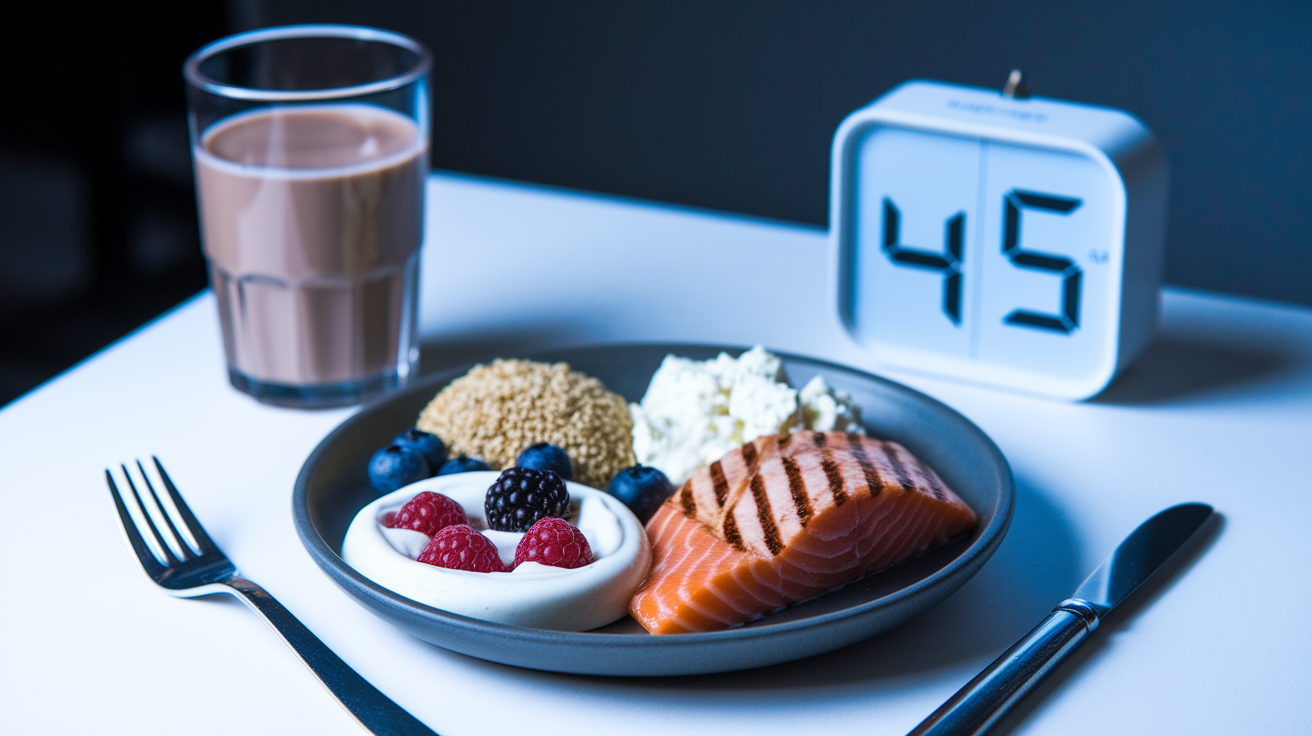
Eating within 30 to 60 minutes after training helps your body recover in a way that supports fat loss while protecting lean muscle. Your muscles get better blood flow right after you finish, and they’re primed to pull in nutrients. That’s why this window works so well for refueling. For lighter sessions under 60 minutes, like a 30-minute walk or gentle yoga, you can stretch this to 1 or 2 hours without losing much benefit.
Shoot for 20 to 40 grams of protein paired with 20 to 60 grams of carbs in your post-workout meal or snack. Greek yogurt gives you 12 to 18 grams of protein per cup. A 3-ounce serving of grilled chicken breast lands around 23 to 28 grams. Salmon delivers 22 to 25 grams per 3.5-ounce serving, and cottage cheese packs about 25 grams per cup. Chocolate milk has a 4:1 carb to protein ratio that helps with glycogen replenishment and muscle repair, all in one convenient drink.
Your portion size should match your workout intensity. A short yoga session or brisk 20-minute walk calls for a small snack like Greek yogurt with fruit. A heavy lifting session or 60-minute run needs a complete meal with complex carbs, lean protein, and vegetables. Train harder and longer, and your body needs more fuel to recover without slowing fat loss or sacrificing muscle.
- Protein target: 20 to 40 grams per post-workout meal or snack to kickstart muscle repair and keep lean mass during fat loss.
- Carbohydrate range: 20 to 60 grams depending on workout intensity. Higher intensity and longer sessions need more carbs to restore glycogen.
- Portion guideline: Light sessions (under 30 minutes) need a 150 to 250 calorie snack. Moderate sessions (30 to 60 minutes) need 250 to 400 calories. Intense sessions (over 60 minutes) need 400 to 600 calories.
- Timing flexibility: Try to eat within 30 to 60 minutes after hard training. You can extend to 1 or 2 hours after light sessions without hurting your results.
- Food examples with protein: 1 cup Greek yogurt (12 to 18 g), 3 oz chicken breast (23 to 28 g), 3.5 oz salmon (22 to 25 g), 1 cup cottage cheese (25 g), 2 large eggs (12 g).
- Balanced meal structure: Combine a palm-sized serving of lean protein, a fist-sized portion of complex carbs, and a thumb-sized amount of healthy fats for complete recovery.
Understanding How Post-Workout Meals Influence Fat Loss and Muscle Maintenance

Post-workout nutrition directly affects your body’s ability to repair muscle tissue and manage energy stores. After training, muscle protein synthesis increases, especially when you eat 25 to 30 grams of protein. This protein intake triggers the repair process that rebuilds muscle fibers broken down during exercise. Without enough protein at this stage, your body may break down existing muscle to meet recovery demands. That slows your metabolism and makes fat loss harder over time.
Glycogen depletion happens during training. How much depends on intensity and duration. When glycogen stores run low, you feel fatigue and see reduced performance in your next session. Refueling with carbs restores these energy reserves and stops the cycle of skipping meals, which often leads to overeating later in the day. Skipping post-workout meals can hurt fat loss by increasing hunger signals and making it tough to maintain a controlled calorie deficit that preserves muscle while reducing fat.
How Training Intensity Affects Your Refuel Needs
High-intensity interval training and long cardio sessions deplete glycogen stores quickly. That makes carb intake a priority alongside protein. A 60-minute run or tough HIIT class demands more carbs, closer to 40 to 60 grams, to replace what was used and support the next training session. Strength training places a higher demand on muscle protein synthesis, so protein becomes the main focus with moderate carb intake to support recovery without excess calories.
Light sessions like Pilates, stretching, or a 30-minute walk use minimal glycogen and create less muscle damage. These workouts need only a light snack, if anything. Your next regular meal will usually cover your recovery needs. Matching your refuel strategy to workout intensity stops unnecessary calorie intake while making sure you provide enough nutrients to preserve muscle and support fat loss.
Optimal Timing for Post-Workout Meals That Support Fat Loss and Protect Muscle

The 30 to 60 minute window after intense training is when your muscles are most receptive to nutrients. Blood flow to muscle tissue stays elevated, and cells actively pull in amino acids and glucose to begin repair and refueling. Eating during this window gets the most out of recovery without needing extra calories. That makes it easier to stay in a calorie deficit while protecting lean mass.
Lighter sessions offer more flexibility. A 30-minute yoga class or moderate walk lets you eat within 1 to 2 hours without losing recovery benefits. Your muscles stay somewhat primed for nutrient uptake for up to 3 hours after exercise. So if your schedule doesn’t allow an immediate meal, eating within this extended window still supports your goals. The key is consistency. Eat close to your workout most days, and your body adapts to use nutrients efficiently.
Morning and evening workouts need the same proximity to training, but meal composition can shift slightly. If you train in the morning and eat breakfast immediately after, you set up stable energy for the rest of the day. Evening workouts followed by dinner make sure recovery happens overnight when muscle repair peaks during sleep. The time of day matters less than the gap between your last bite and your training session.
- After high-intensity or strength training (60+ minutes or heavy lifting): Eat within 30 to 60 minutes with 25 to 40 grams of protein and 30 to 60 grams of carbs to get the most out of muscle repair and glycogen replacement.
- After moderate cardio or circuit training (30 to 60 minutes): Eat within 60 minutes with 20 to 30 grams of protein and 20 to 40 grams of carbs to support recovery without excess calories.
- After light sessions (under 30 minutes, low intensity): Eat your next regular meal within 1 to 2 hours. A small snack of 10 to 15 grams of protein is optional but not required.
- For back-to-back training days or twice-daily sessions: Focus on the 30-minute window to make sure you fully recover before your next workout. Delayed refueling increases injury risk and reduces performance.
- When schedule conflicts arise: Eat as soon as possible within 2 hours. Prep portable options like protein shakes, Greek yogurt, or hard-boiled eggs to avoid missing your window entirely.
Best Protein Sources for Post-Workout Meals to Preserve Lean Muscle
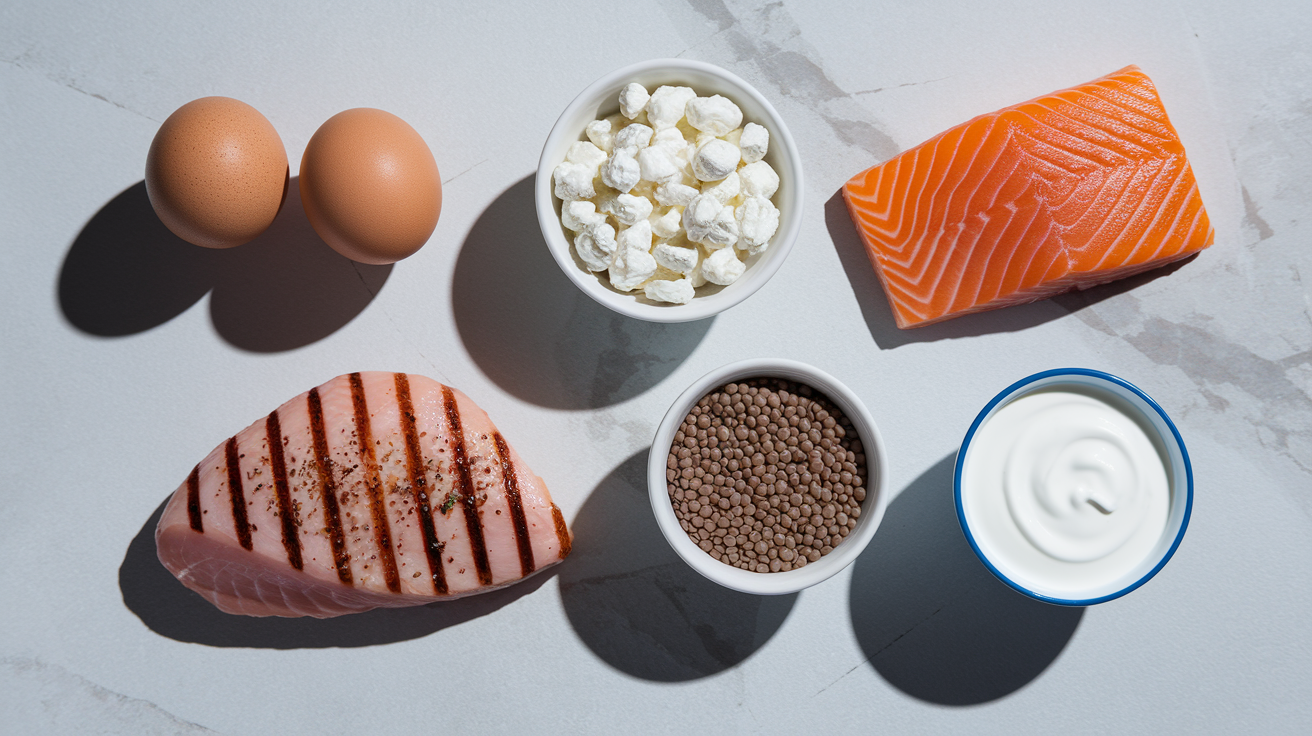
Protein quality and quantity determine how effectively your body rebuilds muscle after training. Foods rich in leucine, a key amino acid that signals muscle protein synthesis, are especially valuable. Eggs contain leucine in a highly bioavailable form. Two large eggs provide around 12 grams of protein. Chicken breast delivers 23 to 28 grams per 3-ounce serving, making it one of the most efficient single-source proteins for hitting your post-workout target.
Fatty fish like salmon provide 22 to 25 grams of protein per 3.5-ounce serving. They also supply omega-3 fatty acids that reduce inflammation and support muscle recovery. Cottage cheese packs about 25 grams of protein per cup, primarily in the form of casein, which digests slowly and provides a steady stream of amino acids. Lentils offer a plant-based option with 18 grams of protein per cooked cup, and they pair well with grains to create a complete amino acid profile.
- Greek yogurt: 12 to 18 grams per cup. Versatile for snacks or light meals. Pairs well with fruit and granola.
- Chicken breast (skinless, grilled): 23 to 28 grams per 3-ounce serving. Lean, easy to prepare in bulk, and works in wraps, salads, or grain bowls.
- Salmon (cooked): 22 to 25 grams per 3.5-ounce serving. Anti-inflammatory omega-3s aid recovery. Bake or grill for quick meals.
- Cottage cheese: 25 grams per cup. Rich in casein for sustained protein release. Great before bed or as a base for fruit bowls.
- Eggs (large): 6 grams each, 12 grams for 2 eggs. High leucine content. Scramble, boil, or fry in under 10 minutes.
- Lentils (cooked): 18 grams per cup. High fiber. Combine with rice or quinoa for complete protein.
- Whey protein powder: 20 to 30 grams per scoop. Fast-digesting. Mix with water, milk, or a smoothie for convenience.
- Tuna (canned in water): 20 to 25 grams per 3-ounce serving. Portable and shelf-stable. Mix with Greek yogurt instead of mayo for extra protein.
Fast vs. Slow Digesting Proteins
Fast-digesting proteins like whey and egg whites enter your bloodstream quickly. That makes them great immediately after intense training when your muscles need amino acids fast. Whey protein reaches peak blood amino acid levels within 60 to 90 minutes, which matches the narrow post-workout window for maximum muscle protein synthesis. Use fast-digesting sources when you need rapid recovery or when you train early in the day and want energy available for the rest of your activities.
Slow-digesting proteins like casein (found in cottage cheese) and plant proteins paired with fiber provide a steady release of amino acids over several hours. These work better for meals eaten 2 to 3 hours post-workout or before bed, when sustained amino acid delivery supports overnight muscle repair. If your post-workout meal is also your last meal of the day, choosing a slow-digesting protein extends recovery benefits through the night without needing another snack.
Carbohydrate Timing and Choices That Support Fat Loss Without Sacrificing Muscle
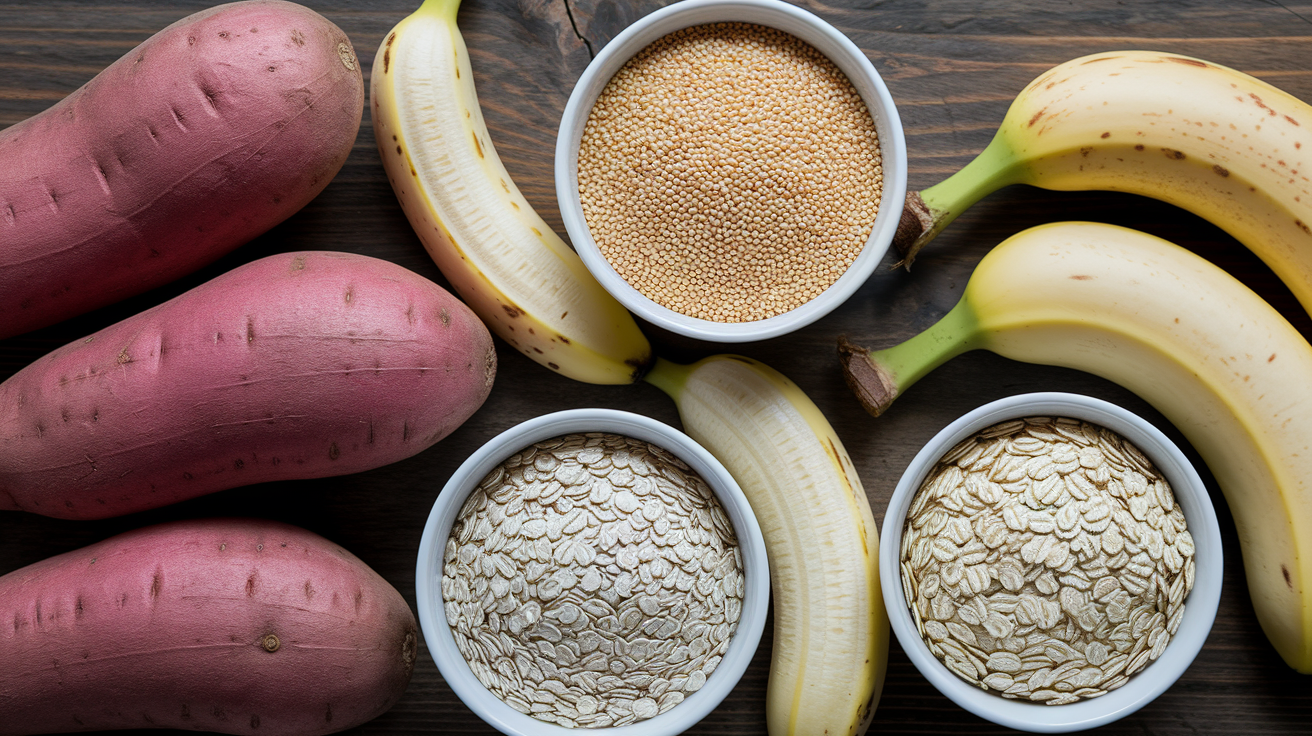
Carbs restore glycogen, the primary fuel your muscles use during training. After moderate to high-intensity workouts, aim for 20 to 60 grams of carbs to replace what you used without creating a calorie surplus. Low-glycemic carbs like sweet potatoes, brown rice, quinoa, and oats release glucose gradually. That stabilizes blood sugar and reduces post-workout cravings. These steady-release carbs support muscle recovery while keeping hunger manageable during a calorie deficit.
Fruits like bananas, apples, and berries provide quick carbs with added fiber, vitamins, and antioxidants that aid recovery. A single banana offers around 25 grams of carbs along with potassium, which helps prevent cramps. Pairing fruit with protein, like apple slices with nut butter or berries with Greek yogurt, creates a balanced snack that refuels muscles without spiking insulin or leaving you hungry an hour later.
- Sweet potatoes (medium, baked): 25 to 30 grams of carbs. Rich in fiber and beta-carotene. Supports steady energy.
- Quinoa (1 cup cooked): 39 grams of carbs, 8 grams of protein. Complete amino acid profile. Works as a base for grain bowls.
- Brown rice (1 cup cooked): 45 grams of carbs. Pairs well with lean proteins and vegetables. Easy to meal prep.
- Oats (½ cup dry): 27 grams of carbs. High in soluble fiber. Mix with protein powder or Greek yogurt for a complete meal.
- Bananas (medium): 27 grams of carbs. Fast-digesting natural sugars. Portable and pairs with nut butter or protein shakes.
Should You Include Fat in Post-Workout Meals for Fat Loss and Muscle Preservation?
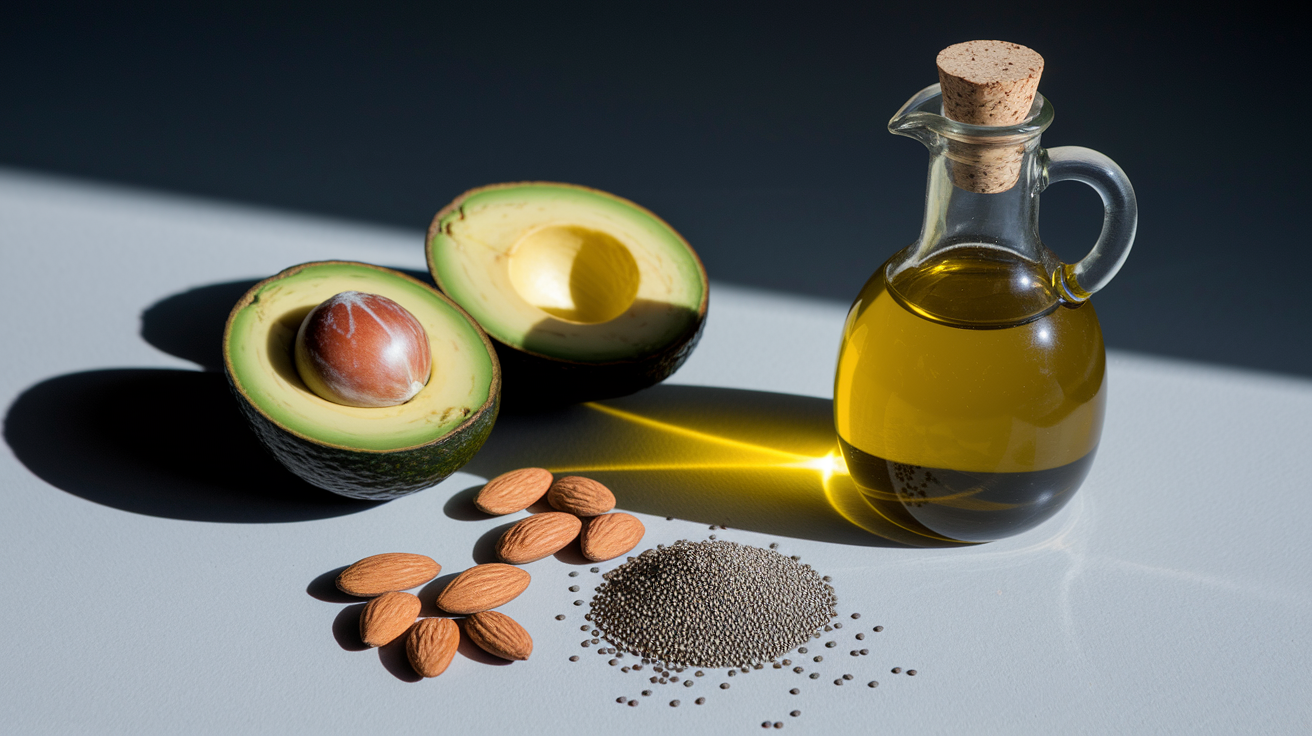
Fat slows digestion, which can delay the absorption of protein and carbs when eaten in large amounts immediately after training. Heavy sauces, fried foods, and meals high in saturated fat reduce the speed at which nutrients reach your muscles. That makes them less ideal in the first 30 to 60 minutes post-workout. But small amounts of healthy fats, around 7 to 15 grams, don’t significantly impair recovery and contribute to satiety. They help you stay satisfied in a calorie deficit.
Omega-3 fats from sources like salmon, walnuts, and flaxseeds reduce inflammation and support muscle repair over the hours and days following intense training. Including a thumb-sized portion of avocado, a tablespoon of olive oil in a salad, or a small handful of nuts in your post-workout meal adds healthy fats without slowing immediate recovery. The key is moderation. Prioritize protein and carbs first, then add fats to round out the meal and keep hunger in check for the next few hours.
- Avocado (¼ medium): 5 to 8 grams of fat. Creamy texture. Pairs well with eggs, toast, or grain bowls.
- Extra virgin olive oil (1 tablespoon): 14 grams of fat. Use as a salad dressing or drizzle over roasted vegetables.
- Almonds or walnuts (small handful, around 1 oz): 14 to 18 grams of fat. Portable. Add to yogurt, oatmeal, or trail mix.
- Chia or flax seeds (1 tablespoon): 3 to 5 grams of fat. High in omega-3s. Blend into smoothies or sprinkle on yogurt.
High-Protein Post-Workout Meal Ideas to Maximize Fat Loss and Protect Muscle
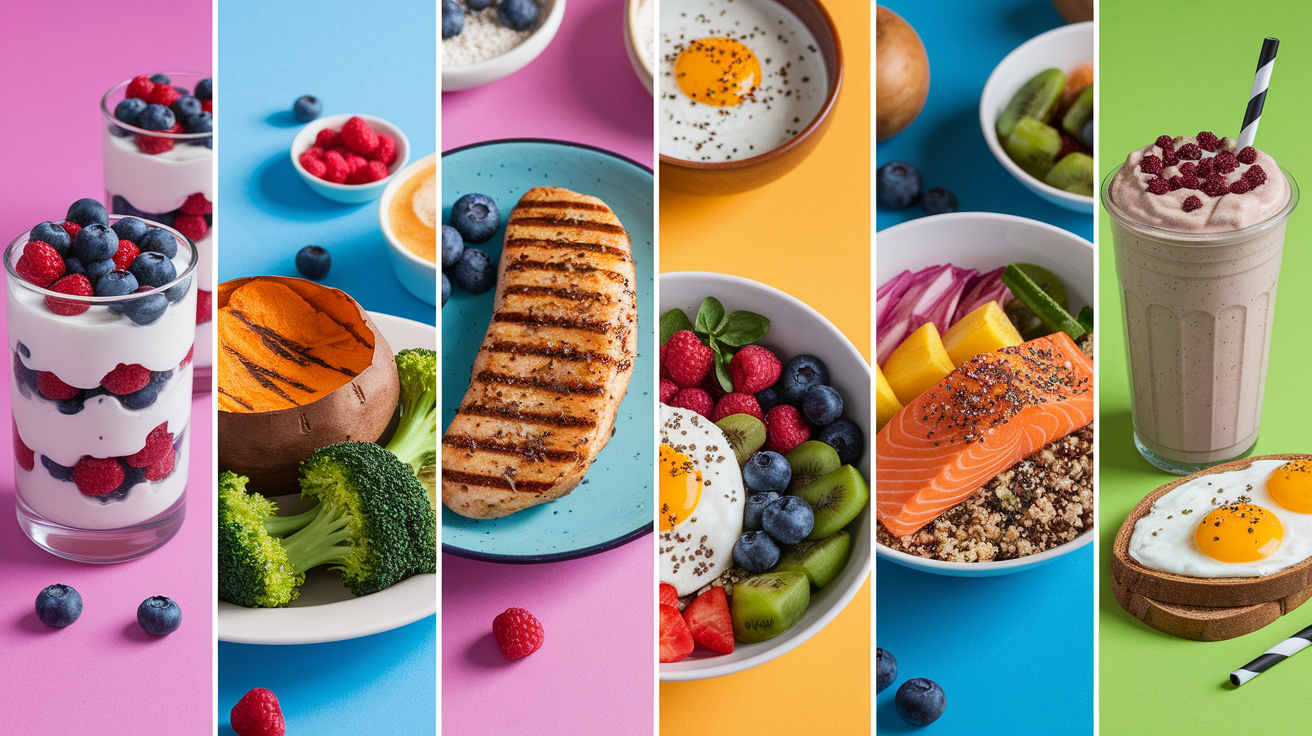
Practical meal ideas make it easier to hit your protein and carb targets without spending an hour in the kitchen. A Greek yogurt parfait with ½ cup of berries and ¼ cup of granola delivers around 13 grams of protein, 30 grams of carbs, and 300 calories. Perfect after a moderate strength session or 45-minute cardio workout. Grilled chicken breast (3 ounces) paired with a medium baked sweet potato and steamed broccoli provides 23 to 28 grams of protein, 30 to 35 grams of carbs, and roughly 350 to 400 calories. That makes it a complete meal for intense training days.
Cottage cheese bowls are a fast, high-protein option. One cup of cottage cheese mixed with 1 cup of pineapple or pear chunks gives you 25 grams of protein, 25 to 30 grams of carbs, and under 300 calories. Salmon and quinoa bowls combine 22 to 25 grams of protein from 3.5 ounces of cooked salmon with 39 grams of carbs and 8 grams of protein from 1 cup of quinoa. That totals over 30 grams of protein and 400 to 500 calories when you add vegetables. These meals are simple to prepare in under 20 minutes or can be prepped in advance and reheated.
Scrambled eggs on whole-wheat toast is a budget-friendly, 10-minute meal. Two eggs provide 12 grams of protein, and one slice of whole-wheat toast adds 15 grams of carbs. That’s a total of 16 to 18 grams of protein and 250 to 300 calories depending on whether you add a small amount of butter or avocado. A protein shake made with 30 grams of whey protein powder, one medium banana, and water or milk gives you 30 to 32 grams of protein and 25 to 30 grams of carbs in under 3 minutes. Perfect when you’re short on time or need a portable option after an early morning or late evening session.
| Meal | Protein (g) | Carbs (g) | Approx Calories |
|---|---|---|---|
| Greek yogurt (1 cup) + ½ cup berries + ¼ cup granola | 13–18 | 30–40 | 300–350 |
| Grilled chicken (3 oz) + medium sweet potato + veggies | 23–28 | 30–35 | 350–400 |
| Cottage cheese (1 cup) + 1 cup pineapple | 25 | 25–30 | 250–300 |
| Salmon (3.5 oz) + 1 cup cooked quinoa + veggies | 30–33 | 39–45 | 450–550 |
| 2 scrambled eggs + 1 slice whole-wheat toast | 16–18 | 15–20 | 250–300 |
| Protein shake (30 g powder) + 1 banana | 30–32 | 25–30 | 250–300 |
Low-Calorie, High-Satiety Post-Workout Snacks for Fat Loss and Muscle Support
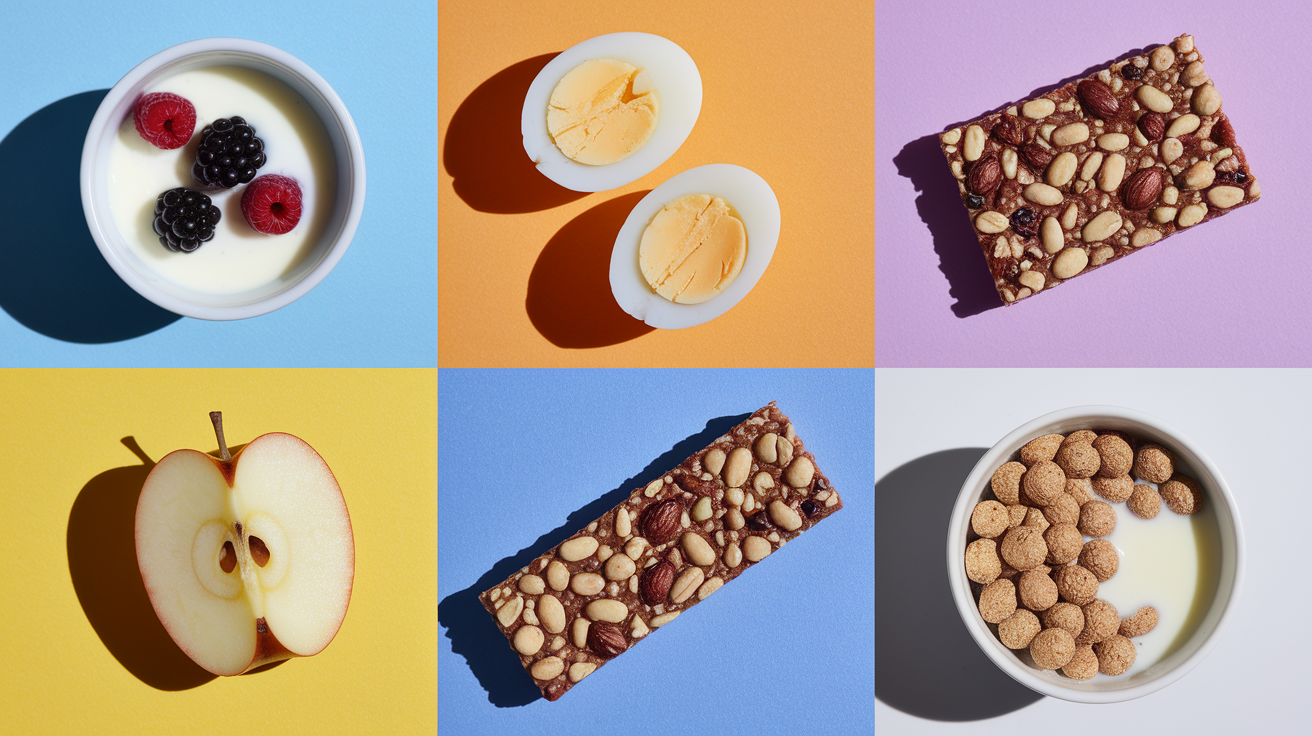
When you need something quick and light after a shorter session, choose snacks that deliver protein and fiber to keep you full without adding unnecessary calories. Greek yogurt with fruit is a go-to option. One cup of plain Greek yogurt paired with ½ cup of berries gives you 12 to 18 grams of protein, around 20 grams of carbs, and under 200 calories. Two hard-boiled eggs with a piece of fruit like an apple or a small banana provide 12 grams of protein, 20 to 25 grams of carbs, and roughly 200 to 250 calories.
A small handful of dried fruit mixed with 1 ounce of almonds or walnuts offers fiber, healthy fats, and around 10 to 15 grams of protein when you include a few dried edamame. Protein bars made with nuts and minimal added sugar (shoot for 10 to 15 grams of protein and under 200 calories per bar) are portable and need no preparation. One cup of high-fiber, low-sugar cereal with 1 cup of milk or soy milk delivers 10 to 15 grams of protein, 25 to 30 grams of carbs, and 200 to 250 calories. Simple option when you’re short on time.
- Greek yogurt (1 cup) + ½ cup berries: 12 to 18 g protein, 20 g carbs, under 200 calories. Prep in under 2 minutes.
- 2 hard-boiled eggs + 1 apple: 12 g protein, 25 g carbs, 200 to 250 calories. Boil eggs in advance for grab-and-go convenience.
- 1 oz cheese (cheddar or mozzarella) + sliced apple: 7 g protein, 20 g carbs, 180 to 200 calories. Portable and satisfying.
- Protein bar (nut-based, low sugar): 10 to 15 g protein, 15 to 25 g carbs, 150 to 200 calories. Choose brands with short ingredient lists.
- 1 cup cereal (high fiber, low sugar) + 1 cup milk: 10 to 15 g protein, 25 to 30 g carbs, 200 to 250 calories. Use soy milk for higher protein if avoiding dairy.
Post-Workout Meal Ideas for Different Types of Training

The type of training you do determines the balance of protein and carbs you need afterward. Strength training creates more muscle damage and places a higher demand on protein intake. Cardio and HIIT sessions deplete glycogen stores and need more carbs to restore energy. Light sessions like yoga, Pilates, or walking cause minimal glycogen depletion and muscle breakdown, so a small snack or your next regular meal is usually enough.
Matching your post-workout meal to your training type makes sure you provide the right nutrients without overshooting your calorie target. A heavy leg day needs a different refuel strategy than a 20-minute stretching session. The following breakdowns give specific meal ideas and portion guidance based on workout intensity and duration, making it easier to stay consistent and see results over time.
Meals After Strength Training
Strength training breaks down muscle fibers and needs a higher protein intake to support repair and growth. Aim for 25 to 40 grams of protein with moderate carbs, around 20 to 40 grams, to restore glycogen without excess calories. A meal of grilled chicken breast (3 to 4 ounces) with 1 cup of cooked brown rice and steamed vegetables provides 28 to 35 grams of protein and 45 grams of carbs. That delivers everything you need to recover from a full-body or lower-body session. Cottage cheese mixed with a handful of granola and berries is a lighter option that still delivers 25 grams of protein and around 30 grams of carbs.
Meals After HIIT or Cardio
High-intensity cardio and interval training burn through glycogen quickly. That makes carb replenishment a priority. Aim for 30 to 60 grams of carbs paired with 20 to 30 grams of protein to restore energy and support muscle recovery. Chocolate milk (12 to 16 ounces) offers a 4:1 carb to protein ratio and provides 16 to 20 grams of protein and 50 to 65 grams of carbs. Effective post-cardio drink. A salmon and quinoa bowl with roasted vegetables delivers 30 grams of protein and 40 to 50 grams of carbs, along with anti-inflammatory omega-3s that aid recovery after high-intensity efforts.
Meals After Light/Low-Intensity Sessions
Light sessions like yoga, Pilates, or a 30-minute walk use minimal glycogen and create little muscle damage, so a large post-workout meal isn’t necessary. A small snack of Greek yogurt with fruit or a piece of toast with almond butter provides 10 to 15 grams of protein and 15 to 20 grams of carbs. Enough to support recovery without adding calories you don’t need. If you prefer, skip the snack entirely and eat your next regular meal within 1 to 2 hours. Your body will use those nutrients effectively without needing immediate refueling.
Hydration and Electrolyte Replenishment to Support Recovery and Fat Loss
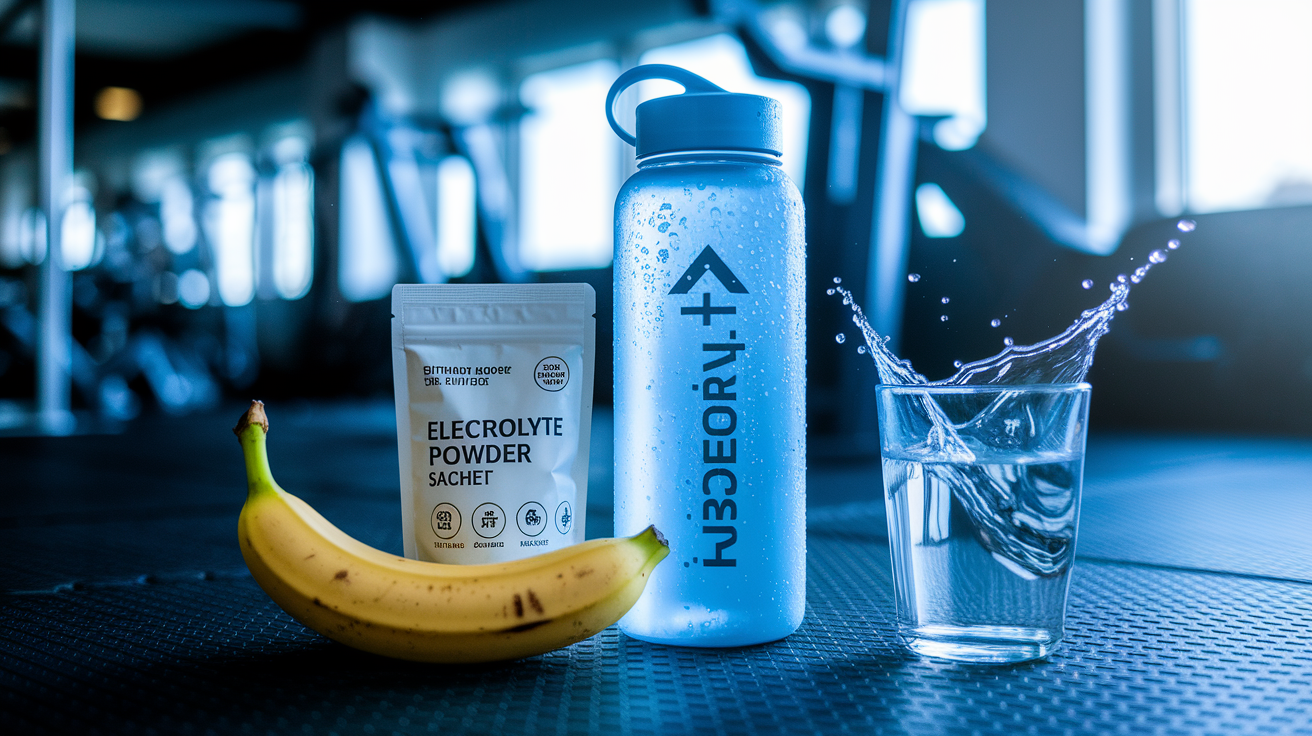
Hydration affects recovery as much as food does. During exercise, most immediate weight loss is water, not fat. Failing to rehydrate slows nutrient delivery to muscles and increases fatigue. Try to drink 20 to 24 ounces of water for every pound of body weight lost during training. Weigh yourself before and after exercise to estimate sweat loss, or use a simpler approach. Drink water steadily after your workout until your urine is pale yellow, which signals adequate hydration without overdrinking.
Electrolytes (sodium, potassium, and magnesium) leave your body through sweat. Replacing them prevents cramps, headaches, and sluggish recovery. If you sweat heavily during long or intense sessions, add a pinch of salt to your post-workout meal or drink an electrolyte beverage with minimal added sugar. Proper hydration also supports hunger control by stopping thirst from being misread as hunger. That reduces the risk of overeating later in the day and helps you stay in a calorie deficit without feeling deprived.
- Weigh yourself before and after workouts lasting longer than 60 minutes: For every pound lost, drink 20 to 24 ounces of water over the next 2 to 3 hours.
- Check urine color throughout the day: Pale yellow means good hydration. Dark yellow or amber means you need more fluids.
- Add electrolytes after heavy sweating: Use a low-sugar electrolyte drink, or add a pinch of salt and a banana (for potassium) to your post-workout meal.
- Sip water consistently rather than chugging large amounts at once: Steady intake improves absorption and reduces bloating. Try for 8 to 16 ounces every 30 minutes post-workout.
Supplements vs. Whole Foods in Post-Workout Meals for Fat Loss and Muscle Retention
Whole foods provide protein, carbs, fats, vitamins, minerals, and fiber in a single package. That makes them the foundation of effective post-workout nutrition. A meal of chicken, sweet potato, and vegetables delivers everything your body needs to recover without needing additional products. But supplements like protein powder offer convenience when you’re short on time, training early in the morning, or need a portable option that doesn’t require refrigeration or preparation.
Chocolate milk is one of the most evidence-backed recovery beverages. It offers a 4:1 carb to protein ratio that matches the needs of moderate to high-intensity training. An 8-ounce serving provides around 8 grams of protein and 26 grams of carbs for roughly 150 to 200 calories. That makes it comparable to many commercial sports drinks but with better overall nutrition. Protein shakes should target 30 grams of protein per serving if you’re using them as your primary post-workout source. Choose NSF-certified products to make sure of quality and avoid added sugars, dextrins, and artificial sweeteners that add calories without improving recovery.
When Supplements Are Useful
Supplements work best when whole foods are impractical. If you train at 5 a.m. and don’t have time to cook, a protein shake with a banana delivers 30 grams of protein and 25 grams of carbs in under 3 minutes. If you train during your lunch break and can’t store perishable food at work, a shelf-stable protein bar or single-serve packet of nut butter with whole-grain crackers provides quick nutrition without needing a cooler. Use supplements to fill gaps in convenience, not as a replacement for meals when whole foods are available and easy to prepare.
Foods to Avoid in Post-Workout Meals for Fat Loss and Muscle Preservation
Certain foods slow recovery, increase hunger, or add empty calories that make it harder to stay in a deficit. Sugary drinks like soda and energy drinks cause rapid blood sugar spikes followed by crashes. They leave you tired and craving more sugar an hour later. These drinks provide no protein, minimal nutrients, and often 30 to 50 grams of sugar per serving. That can interfere with insulin sensitivity and fat metabolism when consumed regularly.
Fried foods and meals high in saturated fat (like fried chicken, cheese-heavy casseroles, or cream-based sauces) slow digestion and delay the delivery of protein and carbs to your muscles. Refined carbs like white bread, pastries, and muffins without protein or fiber digest quickly but leave you hungry shortly after. That increases the risk of overeating. Alcohol disrupts hydration, suppresses muscle protein synthesis, and interferes with sleep quality. All of that hinders recovery and makes fat loss more difficult over time.
- Soda and energy drinks: High in sugar, zero protein, cause energy crashes and cravings. Replace with water, electrolyte drinks, or chocolate milk.
- Fried foods (fried chicken, french fries, onion rings): High in saturated fat and calories, slow digestion, delay nutrient delivery to muscles.
- Refined carbs without protein (white bread, pastries, muffins): Digest quickly, spike blood sugar, leave you hungry soon after. Pair with protein or choose whole-grain alternatives.
- Heavy sauces and cream-based dishes (alfredo, cheese sauces): Slow nutrient absorption, add unnecessary calories. Use olive oil, marinara, or yogurt-based dressings instead.
- Excessive alcohol: Disrupts hydration, lowers muscle protein synthesis, impairs sleep quality. Avoid for at least 2 to 3 hours post-workout.
- Pre-packaged protein shakes with long ingredient lists: Often loaded with added sugars, artificial sweeteners, and fillers. Choose whole foods or simple protein powders with short ingredient lists.
Gender and Age-Specific Considerations for Post-Workout Meals
Muscle protein synthesis declines with age. That means older adults need slightly more protein per meal to achieve the same recovery response as younger individuals. Research suggests that adults over 40 may benefit from 30 to 40 grams of protein per post-workout meal instead of the standard 20 to 30 grams. Older adults also experience slower digestion, so choosing easy-to-digest proteins like eggs, Greek yogurt, and fish can improve nutrient absorption without causing discomfort.
Women generally need similar protein amounts as men relative to body weight and training intensity. But they may benefit from slightly lower carb loads when fat loss is the primary goal. A woman weighing 130 pounds who completes a 45-minute strength session can effectively recover with 20 to 25 grams of protein and 20 to 30 grams of carbs. A man weighing 180 pounds after the same session may need 30 to 35 grams of protein and 35 to 45 grams of carbs. Individual goals, training frequency, and total daily calorie targets matter more than gender-specific rules, so adjust portions based on how your body responds and whether you’re maintaining energy and performance week to week.
Long-Term Post-Workout Nutrition Strategies for Sustainable Fat Loss and Lean Muscle Retention
Daily protein intake matters as much as any single post-workout meal. Eating 0.7 to 1 gram of protein per pound of body weight spread across three to four meals throughout the day makes sure you have a steady supply of amino acids to support muscle repair and retention during a calorie deficit. If you hit your daily protein target but miss the post-workout window occasionally, your long-term results will still progress. Consistency over weeks and months beats perfection in any single day.
Whole foods and hydration form the foundation of sustainable recovery. Prioritizing minimally processed proteins, complex carbs, and healthy fats at every meal stabilizes energy, reduces cravings, and makes it easier to stick to your calorie target without feeling deprived. Tracking your post-workout meals for two to three weeks helps you identify patterns and adjust portion sizes or meal timing based on how you feel and perform. If you’re recovering well, sleeping soundly, and progressing in the gym, your current strategy is working.
Calorie distribution across meals influences how satisfied you feel throughout the day. Some people prefer larger post-workout meals and lighter breakfasts, while others do better with balanced portions at every meal. Experiment with different approaches for two to three weeks at a time, then stick with the one that keeps you consistent without constant hunger or fatigue.
- Calculate your daily protein target: Multiply your body weight in pounds by 0.7 to 1.0 to find your daily protein goal in grams (example: 150 pounds × 0.8 = 120 grams per day).
- Distribute protein across three to four meals: Try for 25 to 40 grams per meal. This keeps muscle protein synthesis elevated throughout the day and reduces hunger between meals.
- Track post-workout meals for two to three weeks: Log what you eat, when you eat, and how you feel during your next workout. Adjust portions or timing based on energy, recovery, and performance.
- Prioritize whole foods and consistent hydration: Choose minimally processed proteins, complex carbs, and healthy fats most days. Drink water steadily throughout the day and increase intake on training days.
Final Words
Pick a post-workout meal with about 20–40 g protein and 20–60 g carbs within 30–60 minutes of training. Choose simple combos you can repeat: Greek yogurt and fruit, chicken and sweet potato, or a whey shake with banana.
Match portions to the session. Take more carbs after long cardio and focus on protein after strength, plus a bit of healthy fat and water so you feel steady.
Use these practical post-workout meals to maximize fat loss and preserve muscle, and you’ll build consistent, sustainable wins week after week.
FAQ
Q: What should I eat after a workout to lose fat and build muscle? / What to eat to lose fat and retain muscle?
A: After a workout to lose fat and build or retain muscle, eat ~20–40 g protein plus ~20–60 g carbs within 30–60 minutes; choose lean protein (chicken, Greek yogurt) and whole carbs (sweet potato, fruit).
Q: What is the 3-3-3 rule at the gym?
A: The 3-3-3 rule at the gym usually means three sets of three reps—heavy, strength-focused lifting with full rest between sets; some coaches use different 3-3-3 templates, so check the program.
Q: Can I build muscle while on zepbound?
A: Building muscle while on zepbound is possible, but progress depends on calories, protein, and resistance training; consult your prescriber and aim for ~25–30 g protein after workouts to support muscle.