
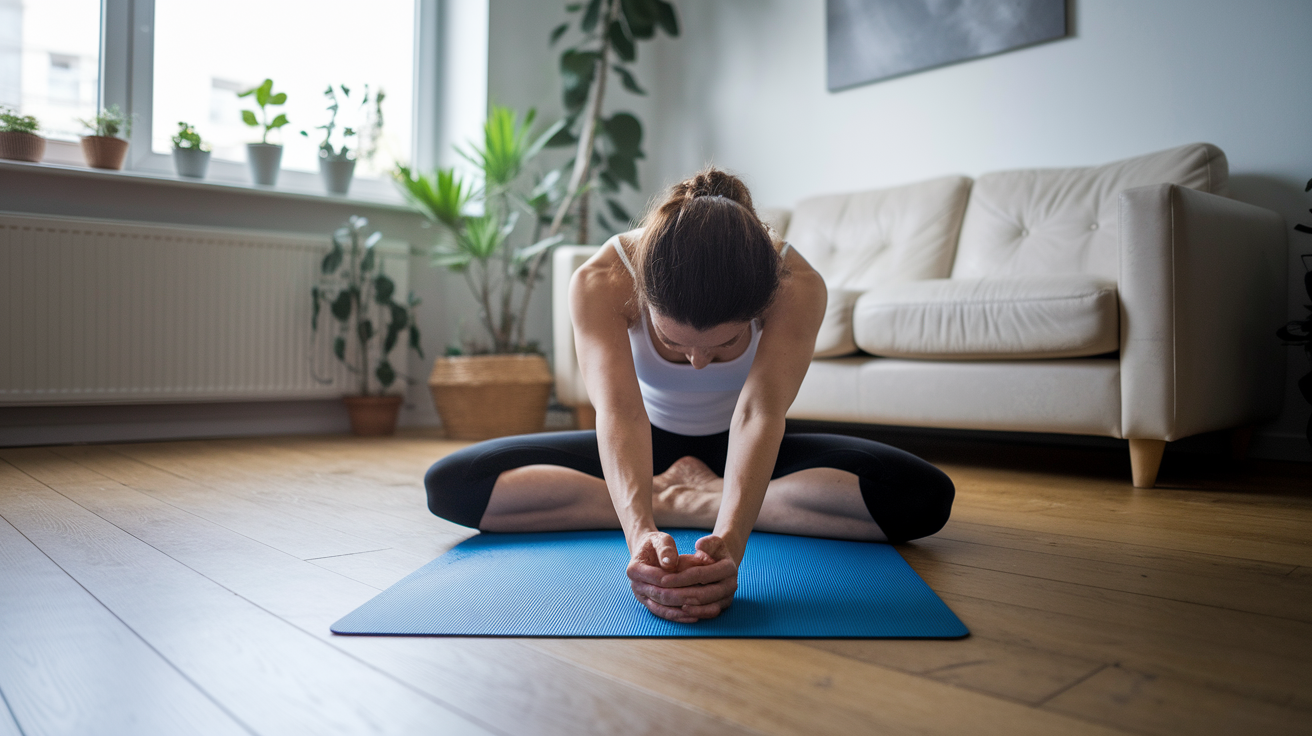
What if moving slower could teach your brain to let go of tightness that pushing harder never will?
Somatic exercises are slow, attentive movements that help you notice where you hold tension and give your nervous system a chance to change how it controls muscles.
They’re gentle, beginner-friendly, and used in physical therapy, recovery, and everyday routines because they help improve mobility, reduce chronic stiffness, and calm stress.
In this post you’ll find clear, short somatic practices you can try today.
Step-by-step options for busy days and deeper sessions when you have time.
Understanding Body-Based Movement Practices
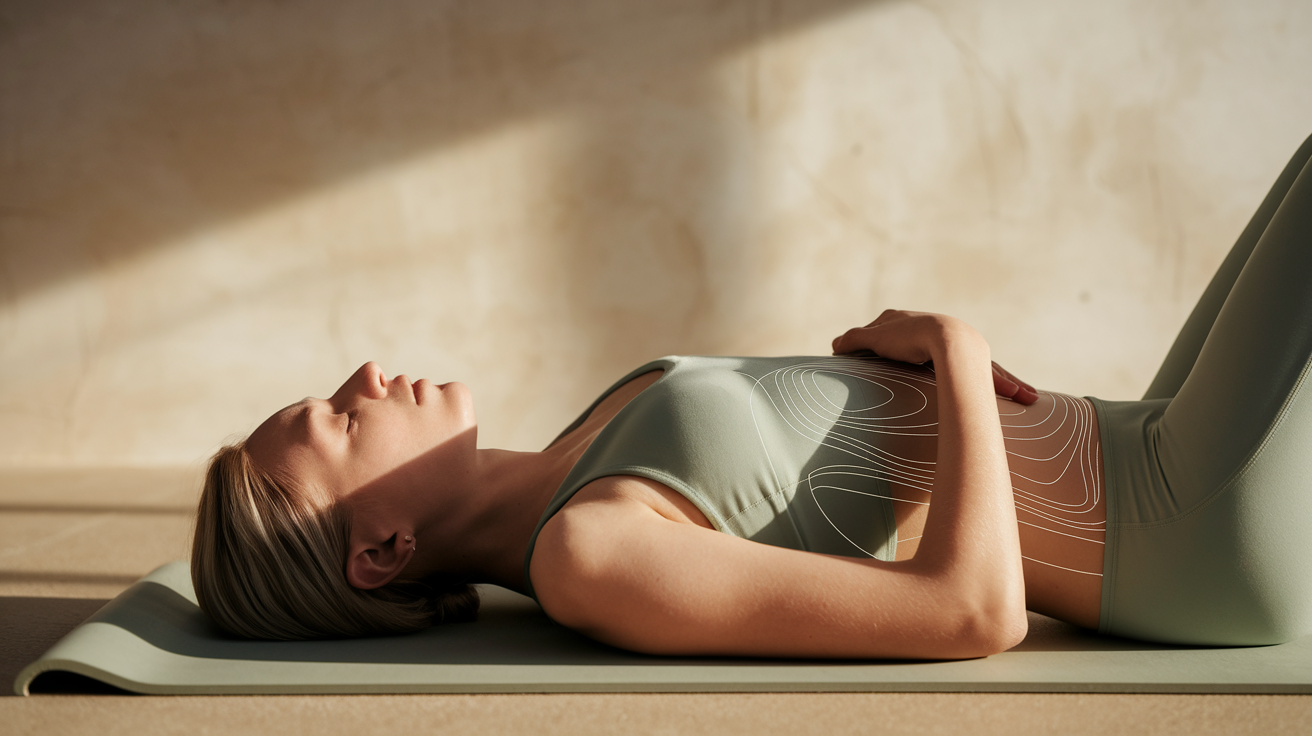
Somatic exercises are slow, intentional movements that help you tune into what’s actually happening inside your body. You’re not counting reps or chasing speed. You’re paying attention. Noticing tension. Sensing where you’re tight or stuck, and giving your nervous system a chance to update how it controls your muscles.
The idea is simple. When you move slowly and stay present, your brain gets clearer feedback about what’s going on in your body. That loop between brain and muscle starts working better. Over time, you can release chronic tightness, the kind that stays locked up even when you’re trying to relax. It’s a bottom-up process. Your body teaches your brain, instead of you forcing yourself into a stretch or position that doesn’t feel right.
People use somatic movement to ease long-term tension, improve mobility after an injury, or manage chronic pain and stress patterns. Because it’s gentle and based on what you feel rather than how you perform, it works for most fitness levels. You’ll see it in physical therapy, trauma recovery, and general wellness routines.
What makes somatic movement different:
- You move slowly enough to notice sensation at every stage.
- You focus on what you feel inside, not what you look like.
- Breath matters. It supports awareness and helps your nervous system settle.
- Small ranges of motion. You’re prioritizing quality over how far you can stretch.
- No metrics. No weight, no speed, no reps. Progress shows up as better body awareness and less tension.
Benefits and Applications of Somatic Practice

Somatic exercises improve flexibility by releasing habitual muscle tension instead of forcing a stretch. They help your nervous system learn more efficient movement patterns and correct imbalances that lead to pain. People who practice regularly report better posture, smoother coordination, and less stiffness in their hips, shoulders, and lower back. Because you’re retraining how your brain controls muscles, the changes tend to stick.
On the emotional side, somatic work helps regulate your nervous system and brings you into the present moment. The slow, sensation-focused approach activates calming pathways in your body. It can reduce stress and anxiety. Grounding practices, like noticing the weight of your feet on the floor or the rhythm of your breath, help anchor you when your mind won’t stop racing. For people recovering from trauma, somatic methods offer a way to process stored tension and reconnect with their body safely. Better body awareness also makes it easier to catch early signs of stress or fatigue before they become chronic problems.
Somatic practices show up in different settings. Physical therapists use them to help clients recover mobility after injury, surgery, or chronic pain flare-ups. Athletes and dancers use somatic work to refine movement quality, prevent injury, and recover from intense training. Trauma-informed therapy often integrates somatic exercises to support nervous system regulation and emotional processing. And plenty of everyday people use somatic routines to manage workplace stress, improve sleep, and maintain long-term mobility and comfort.
The Science Behind Somatic Movement
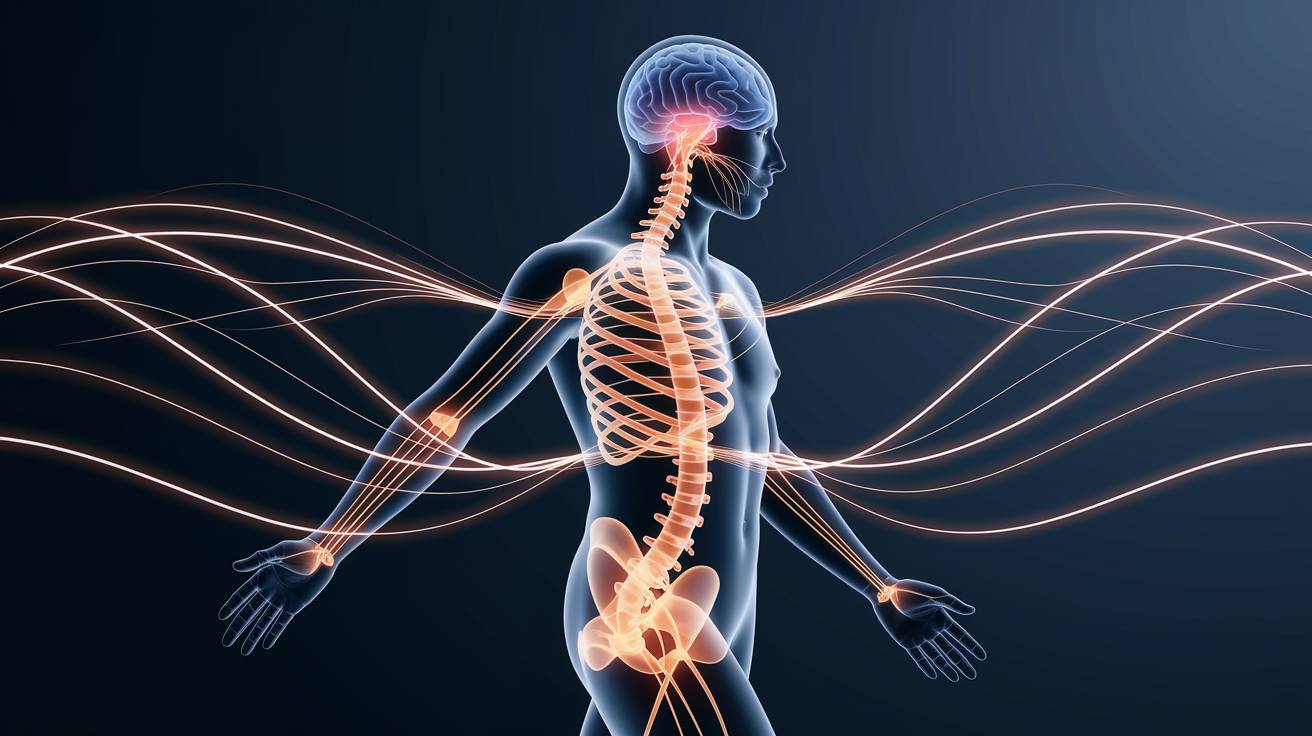
Somatic exercises tap into neuroplasticity, your brain’s ability to reorganize and update how it controls movement. When you perform slow, mindful movements with full attention, you create new sensory feedback that helps your brain recognize and change inefficient or painful patterns. Most habitual tension develops because your nervous system learned to hold muscles in a guarded state, often after an injury, from stress, or because of repetitive postures. Somatic work interrupts that loop by giving your brain a clearer, calmer signal.
The effectiveness comes down to how your sensory and motor systems work together. Proprioception, your sense of where your body is in space, improves when you move slowly and pay attention. This upgraded sensory input allows your motor cortex to issue more precise commands. Smoother, less effortful movement. Over time, repeated practice builds new motor control pathways that replace old, tense habits.
| Concept | Description |
|---|---|
| Neuroplasticity | Your brain’s ability to form new neural connections in response to focused sensory input. Outdated movement patterns can be updated or replaced with more efficient ones. |
| Sensory-motor loop | The continuous feedback cycle between what you feel and how you move. Slow, attentive movement improves the quality of this feedback and makes corrections more accurate. |
| Proprioception | Your sense of body position and movement in space. Somatic exercises sharpen proprioceptive awareness so you can detect tension, imbalance, or misalignment before pain develops. |
| Movement retraining | The process of consciously practicing new movement patterns until they become automatic. Somatic methods use gentle repetition and internal cueing to teach your nervous system safer, more comfortable ways to move. |
Step-by-Step Somatic Exercises to Try
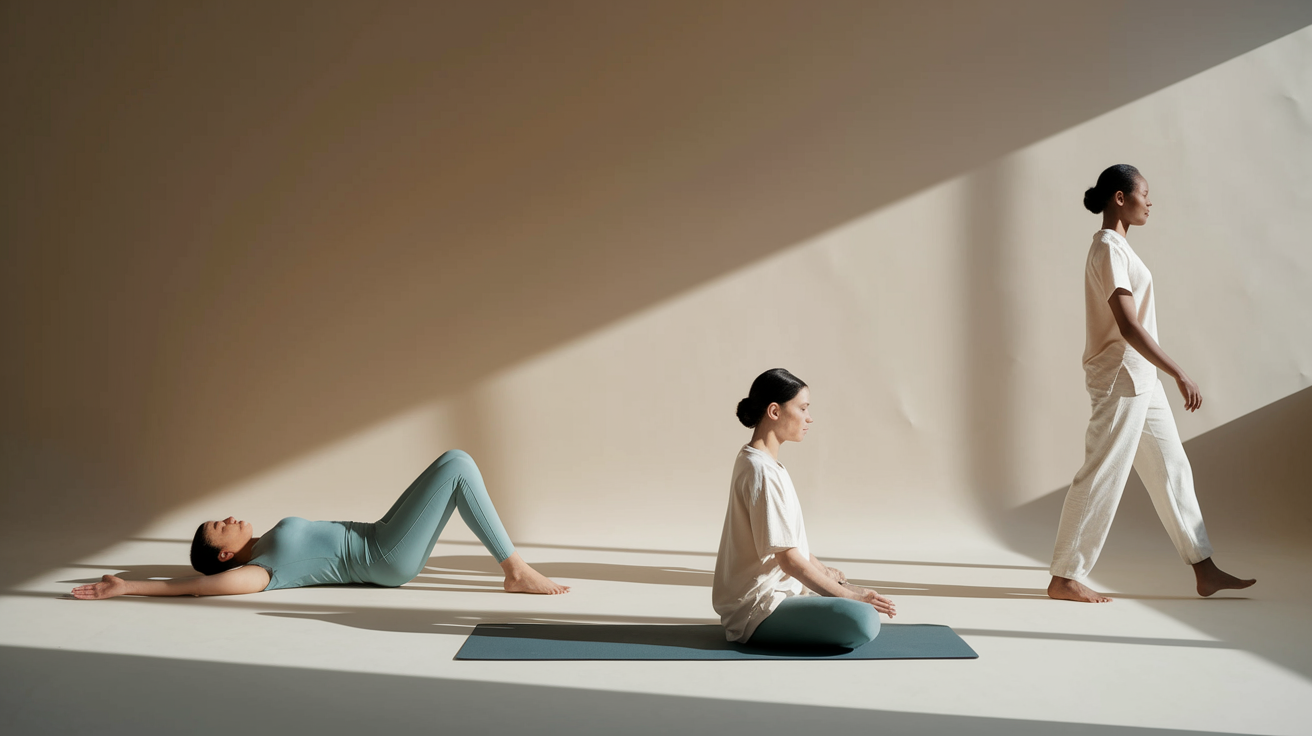
These exercises are beginner-friendly and can be done at home with no equipment. Each one uses slow movement and internal awareness to help you notice and release tension. Start with one or two exercises and practice them daily for a few minutes. As you get more comfortable sensing what’s happening in your body, you can add more or extend the time.
1. Pandiculation Sequence
Pandiculation is a natural movement pattern. Think of how you stretch and yawn when you wake up. In somatic practice, you use this same contract-release cycle intentionally to reset muscle tension. This exercise helps release chronic tightness in your back, shoulders, and hips by gently contracting a muscle group, then slowly releasing it while paying full attention to the sensation.
- Lie on your back with your knees bent and feet flat on the floor.
- Slowly lift your right shoulder toward your right ear, contracting the muscles along the side of your neck and shoulder. Hold the contraction for 3 to 5 seconds while noticing the sensation.
- Very slowly release the contraction, taking 5 to 8 seconds to lower your shoulder back down. Pay attention to the feeling of the muscles letting go.
- Pause for a few breaths and notice any difference between your right and left sides.
- Repeat on the left side, then alternate for 3 to 5 cycles per side.
- Finish by lying still for 30 seconds and scanning your body for any changes in tension or comfort.
2. Pelvic Tilt Awareness
This exercise improves awareness of your lower back and pelvis, two areas that often hold tension from sitting or stress. Moving your pelvis slowly in both directions helps you sense where you might be stuck or guarded, and gives your nervous system a chance to release unnecessary muscle holding.
- Lie on your back with knees bent and feet flat, hip-width apart. Rest your arms by your sides.
- Gently tilt your pelvis so your lower back presses toward the floor. You’ll feel your tailbone lift slightly and your abdominal muscles engage. Move very slowly and stop before it feels like a crunch.
- Hold the position for 2 to 3 seconds, noticing the sensation in your lower back and belly.
- Slowly reverse the tilt, arching your lower back slightly so there’s a small gap between your spine and the floor. Your tailbone will move toward the floor.
- Pause again for 2 to 3 seconds and notice the shift in sensation.
- Repeat the slow tilt forward and backward 8 to 12 times, keeping your breath steady and your attention on the movement of your pelvis and spine.
3. Shoulder Release Clock
This exercise uses small, slow circles to release tension in your shoulders and upper back. Imagining a clock face helps you move through the full range without rushing or forcing. It’s especially helpful if you spend a lot of time at a desk or carry stress in your shoulders.
- Sit comfortably in a chair with your feet flat on the floor and your spine upright but not rigid.
- Imagine a clock face on your right shoulder, with 12 o’clock at the top (toward your ear) and 6 o’clock at the bottom (toward your hip).
- Slowly roll your shoulder forward to 3 o’clock, then down to 6 o’clock, back to 9 o’clock, and up to 12 o’clock. Move as slowly as you can and notice any sticky or tight spots along the way.
- Complete 3 to 5 slow circles in one direction, pausing at any point that feels especially tight or tender.
- Reverse direction and make 3 to 5 circles the opposite way.
- Repeat the sequence on your left shoulder, then sit quietly for a few breaths and compare how both shoulders feel.
4. Somatic Walking Awareness
Walking is a daily movement, but most of us do it on autopilot. This exercise turns walking into a somatic practice by asking you to notice the sensations in your feet, legs, and core as you move. It’s a simple way to practice body awareness without lying down or setting aside extra time.
- Stand still for a moment and notice how your weight is distributed across both feet. Sense whether you’re leaning forward, backward, or to one side.
- Begin walking very slowly, paying attention to the feeling of your right foot lifting, moving forward, and making contact with the ground.
- Notice the shift in weight from your right foot to your left as you continue walking. Feel the pressure change across the sole of each foot. Heel, arch, ball, toes.
- Keep your breath natural and steady. If your mind wanders, bring your attention back to the sensation of your feet touching the floor.
- Walk for 2 to 5 minutes, maintaining the slow, deliberate pace. Notice if your hips, knees, or ankles feel different as you pay closer attention.
- When you’re ready to stop, stand still again and check in with your body. Notice if anything feels more relaxed, balanced, or grounded than when you started.
Final Words
You learned what somatic exercises are and how they focus on internal sensation to ease tension and improve movement.
We covered the benefits, like less pain, better mobility, and stress relief, plus the science of neuroplasticity and motor control that helps them work.
Then you got simple, step-by-step moves to try: pandiculation, pelvic tilts, shoulder clocks, and mindful walking.
Try adding a short somatic exercises practice this week. Start small, stay curious, and you’ll likely feel more ease in your body and daily movement.
FAQ
Q: What is a somatic exercise?
A: A somatic exercise is a slow, intentional movement practice that increases internal body awareness, reduces chronic tension, and retrains neuromuscular patterns to improve mobility and ease.
Q: What is the best somatic exercise for beginners?
A: The best somatic exercise for beginners is pandiculation, a gentle yawn-and-stretch series that wakes muscles and the nervous system. Lie down, move slowly, notice sensations, and repeat two to four times.
Q: Do somatic workouts really work?
A: Somatic workouts do work by improving body awareness, reducing pain, and retraining movement habits through slow, mindful practice. Benefits show with consistent practice and are often used in rehab and stress relief.
Q: Can I do somatic therapy on myself?
A: You can do somatic therapy techniques on yourself for basic awareness and simple releases, using slow movement and breath. See a trained therapist if you have trauma, persistent pain, or complex symptoms.