
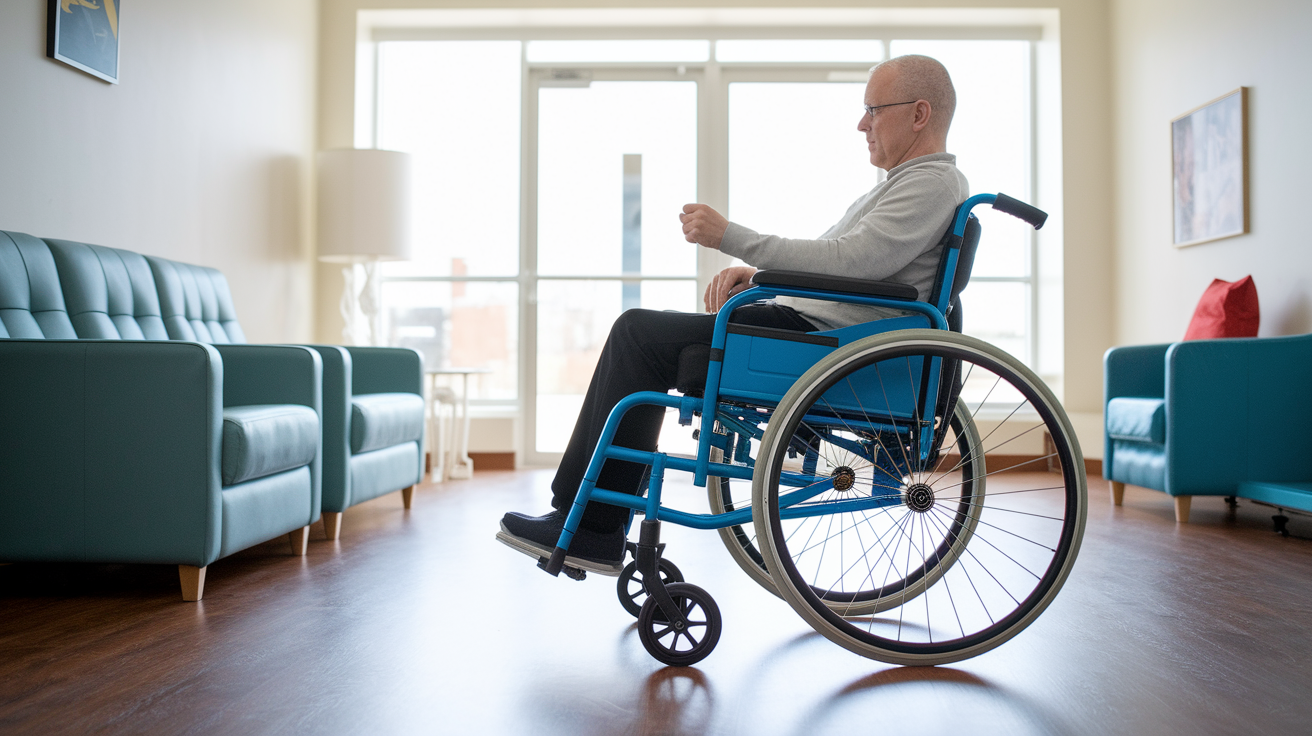
What if the humble rocking chair is actually a medical tool, not just a nursery relic?
Rocking mobility devices—wheelchairs, recliners, and seat attachments that add gentle, rhythmic motion—are doing that exact work for people who need help with balance, sensory processing, or staying comfortable while seated.
That slow sway can calm agitation, boost circulation, ease muscle tension, and cut pressure on the skin.
Whether you care for someone with dementia, a child with sensory needs, or you’re recovering from surgery, rocking can make daily life easier.
Read on for the benefits, safety tips, and how to choose the right device.
Core Functions and Purpose of Rocking Mobility Devices
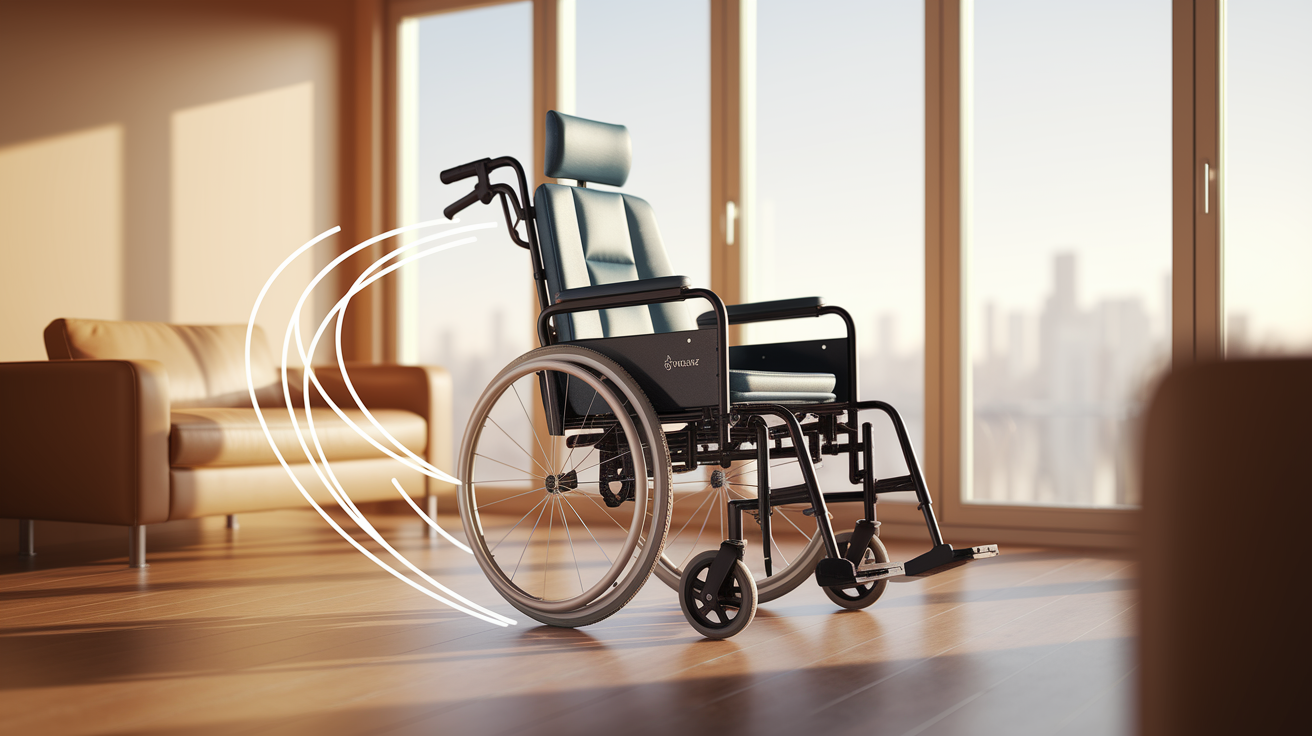
Rocking mobility describes assistive devices that mix standard mobility support with a rocking or oscillating motion. You’re looking at rocking wheelchairs, therapeutic recliners, powered tilt systems, and adaptive seating platforms built to help users who need movement assistance but also benefit from rhythmic motion. Unlike static mobility aids, rocking mobility devices introduce gentle, controlled sway that can calm the nervous system, improve circulation, and support sensory processing. This category serves older adults with dementia or agitation, children with sensory integration challenges, people recovering from surgery or injury, and individuals with neurological conditions like cerebral palsy, spinal cord injury, or multiple sclerosis.
The primary goal here is to blend function with therapeutic motion. Standard mobility aids focus only on getting from point A to point B or providing seated support. Rocking mobility adds a layer of sensory input that can reduce muscle tension, ease anxiety, and promote better rest. A rocking wheelchair lets you stay mobile throughout the day while benefiting from the calming effect of gentle oscillation during seated rest. A powered rocking recliner enables someone with limited strength to adjust position and experience therapeutic motion without manual effort.
Key benefits include:
Sensory regulation. Rhythmic motion helps calm overstimulated nervous systems and can reduce behavioral agitation in dementia and autism spectrum disorders.
Improved circulation. Gentle rocking encourages micro-movements that stimulate blood flow and may reduce the risk of pressure sores.
Balance and vestibular training. Controlled oscillation can retrain postural reflexes and support rehabilitation after neurological injury.
Muscle tone modulation. Repetitive motion may temporarily reduce spasticity and improve range of motion during stretching exercises.
Pressure relief. Shifting weight through rocking helps redistribute pressure points, especially important for users who sit for extended periods.
Emotional comfort. Many users report better sleep onset, reduced stress, and an overall sense of calm when using rocking devices regularly.
If you’re seeking these devices, you can explore both purchase and rental pathways. For short-term needs like post-surgical recovery or temporary mobility challenges, rental options provide flexibility without the upfront investment. Organizations like Rocking Mobility in Cleveland offer mobility equipment rentals with delivery services, making it easier to test devices before committing to a purchase.
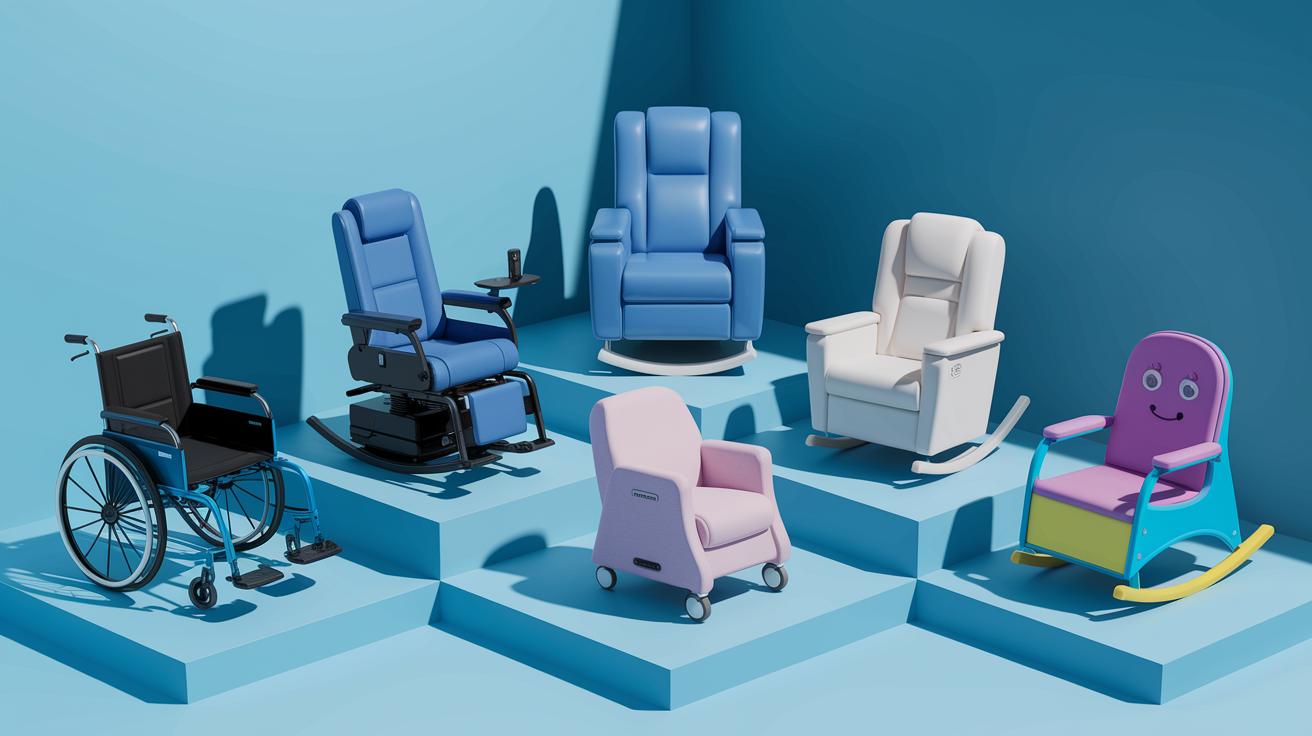
Types of Rocking Mobility Equipment and How They Differ
Manual Rocking Wheelchairs
Manual rocking wheelchairs use a specialized frame or retrofit kit that allows the seat to rock within a stable base. These devices maintain full wheelchair functionality (rolling, braking, transferring) while adding a rocking motion when the chair is parked. The user or caregiver initiates the rocking by shifting body weight, similar to a traditional rocking chair. Manual rocking wheelchairs are most common in therapeutic settings for children with sensory needs or adults in memory care who benefit from calming motion without the complexity of powered systems.
Powered Rocking Wheelchairs and Tilt-in-Space Systems
Powered rocking wheelchairs combine motorized drive systems with actuators that tilt or recline the seat. These devices offer independent mobility plus on-demand rocking or tilt adjustments controlled by a joystick or switch. Tilt-in-space systems maintain your hip and knee angles while tilting the entire seating surface backward, creating a rocking-like pressure shift. This category works well for users who lack the upper-body strength to rock manually and need frequent position changes to manage circulation, skin integrity, or spasticity.
Therapeutic Rocking Chairs and Recliners
Therapeutic rocking chairs and recliners are stationary seating solutions designed for home or clinical use. They feature adjustable recline angles, cushioned armrests, and wide seats to accommodate medical cushions or positioning aids. Unlike traditional rocking chairs, therapeutic models often include safety features like anti-tip bases, locking mechanisms, and fire-retardant upholstery. These chairs serve users who spend most of their day seated and need the calming and circulatory benefits of rocking without the complexity of a wheelchair.
Rocking-Seat Attachments and Platforms
Rocking-seat attachments are modular devices that convert standard wheelchairs, office chairs, or therapy chairs into rocking platforms. These products typically consist of a curved base or spring-loaded platform that mounts beneath the existing seat. Attachments are cost-effective, portable, and easy to install, making them popular for school and clinic settings where multiple users share equipment. The motion range is usually ±1 to 3 inches of vertical oscillation, enough to provide sensory input without creating instability.
Pediatric Sensory Rockers
Pediatric sensory rockers are smaller, more colorful devices built specifically for children with autism, ADHD, or developmental delays. These products often include safety harnesses, adjustable headrests, and sensory-friendly fabrics. Pediatric rockers may feature egg-shaped enclosures, suspended seats, or inflatable bases to create a secure, cocoon-like environment that reduces external stimuli while delivering therapeutic motion. Many are lightweight and portable, allowing use at home, school, or therapy appointments.
| Product Type | Typical Use Case | Key Motion Feature |
|---|---|---|
| Manual Rocking Wheelchair | Pediatric sensory support, memory care | Weight-shift rocking in stationary mode |
| Powered Tilt-in-Space Wheelchair | Independent mobility with frequent position changes | Motorized tilt and recline via joystick |
| Therapeutic Rocking Chair | Home use for relaxation and circulation | Traditional rocking arc motion, 2–6 inches |
Therapeutic Advantages of Rocking Motion in Mobility Support

Rocking motion delivers measurable benefits that go beyond simple comfort. The rhythmic, predictable oscillation activates the vestibular system, the sensory network in your inner ear responsible for balance and spatial orientation. For users with sensory processing challenges or neurological conditions, this input can organize the nervous system, reduce fight-or-flight responses, and promote a calm, alert state. In dementia care, gentle rocking has been shown to decrease episodes of agitation, sundowning behaviors, and verbal outbursts, often reducing the need for pharmacological interventions.
The biomechanics of seated sway also support circulation and tissue health. When you rock, micro-movements in the hips, pelvis, and lower back encourage venous return and redistribute pressure across the sitting surface. This dynamic loading pattern can reduce the risk of pressure injuries in users who remain seated for long periods, especially when combined with pressure-relief cushions. Rocking motion may temporarily reduce muscle tone in individuals with spasticity, making it easier to perform stretching exercises or adjust positioning without discomfort.
Therapeutic outcomes supported by rocking mobility:
Vestibular and balance training. Controlled oscillation retrains postural reflexes and improves body awareness in stroke, brain injury, and spinal cord injury recovery.
Anxiety and stress reduction. Rhythmic motion activates parasympathetic nervous system responses, lowering heart rate and promoting relaxation.
Sleep quality improvement. Regular use of rocking devices can shorten sleep onset time and increase total sleep duration, especially in older adults and children with sleep disturbances.
Spasticity modulation. Gentle rocking may reduce hypertonicity in muscles temporarily, allowing for more comfortable positioning and easier care routines.
Sensory regulation in autism and ADHD. Predictable motion provides organizing sensory input, helping children remain calm and focused during therapy or learning tasks.
Pain management. Some users report reduced discomfort from chronic back pain, arthritis, or post-surgical soreness when using rocking devices regularly.
Enhanced social engagement. Calmer, more comfortable users are often more able to participate in conversation, activities, and family routines.
Key Specifications and Safety Features in Rocking Mobility Devices
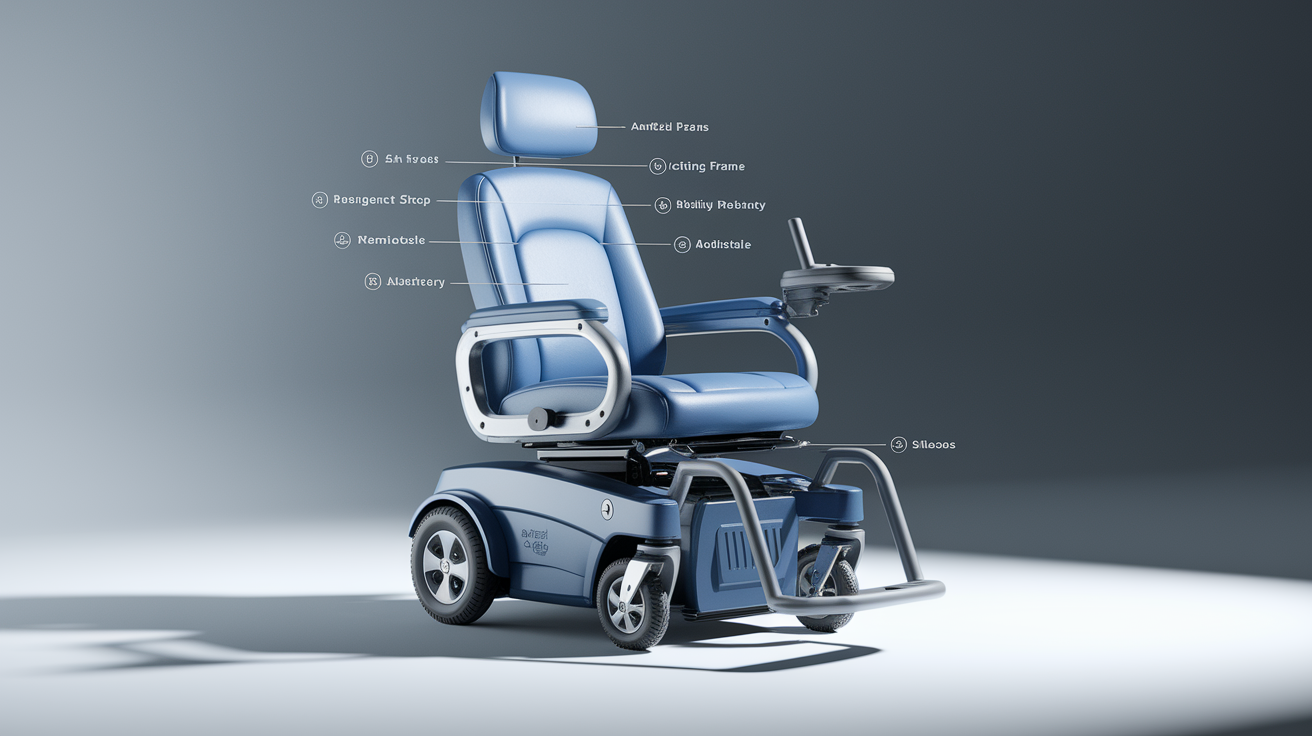
Understanding the technical specifications of rocking mobility devices ensures the product matches your body, home environment, and clinical needs. Seat width is one of the most critical measurements. Standard widths range from 14 inches for pediatric users to 22 inches for larger adults, with bariatric models available up to 28 inches. Seat depth (measured from the back of the seat to the front edge) typically falls between 14 and 20 inches. Proper seat depth prevents you from sliding forward or experiencing pressure behind the knees, both of which can lead to discomfort and skin breakdown.
Weight capacity is another essential specification. Most manual rocking wheelchairs and therapeutic chairs support 250 to 350 pounds. Heavy-duty frames extend this range to 450 pounds, and bariatric models can accommodate up to 600 pounds. Exceeding the rated capacity compromises safety, stability, and warranty coverage. For powered rocking devices, battery runtime is measured in miles or hours of continuous use. Typical ranges are 6 to 20 miles per charge, depending on battery capacity, user weight, terrain, and frequency of tilt or recline adjustments. Charging times vary from 6 to 12 hours for a full cycle.
Rocking amplitude describes how far the device moves during oscillation. Therapeutic attachments and pediatric rockers typically produce ±1 to 3 inches of vertical or forward-backward motion. Larger rocking chairs and recliners may generate a 2- to 6-inch arc. Devices with adjustable amplitude or damping controls allow caregivers to limit motion for users at higher fall risk. Tilt-in-space systems measure tilt range in degrees, commonly from 0 to 40 degrees. Recline angles on powered chairs can extend from 90 degrees (upright) to 180 degrees (fully flat), enabling users to rest or sleep in the device.
Safety features to require in any rocking mobility product:
Anti-tip bars or stabilizing casters. Prevent the device from tipping backward during rocking or recline.
Parking brakes rated to user weight. Ensure the device remains stationary when rocking isn’t desired.
Certified restraint systems. Lap belts, chest harnesses, or 4-point harnesses when clinically indicated, especially for users with poor trunk control.
Fire-retardant upholstery. Medical-grade fabrics that meet flammability standards for institutional and home use.
Removable, washable covers. Essential for hygiene and infection control in shared or clinical settings.
Locking tilt or recline mechanisms. Prevent unintended position changes and allow caregivers to secure the device during transfers.
CE or FDA compliance markings. Indicate the device meets safety and performance standards for medical equipment.
Emergency stop controls. On powered units, allow immediate halt of motion if you or a caregiver activates the switch.
| Feature | Manual Rocking Device – Typical Range/Notes | Powered Rocking Device – Typical Range/Notes |
|---|---|---|
| Seat Width | 14–22 inches; bariatric to 28 inches | 16–24 inches; bariatric to 30 inches |
| Weight Capacity | 250–450 lb (bariatric to 600 lb) | 300–450 lb (bariatric models to 600 lb) |
| Rocking/Tilt Range | ±1–3 inches oscillation | 0–40° tilt; 90–180° recline |
| Power Source | None (manual) | Battery: 6–20 mile range; 6–12 hour charge |
Price Ranges, Rental Options, and Funding Paths for Rocking Mobility Solutions

Rocking mobility devices span a wide price spectrum depending on complexity, power systems, and customization. Simple rocking-seat attachments and platforms start around $150 and can reach $800 for heavy-duty or adjustable models. Manual rocking wheelchairs or retrofit kits typically range from $700 to $3,000, with higher-end pediatric or custom frames at the upper end. Therapeutic rocking recliners and medical-grade rocking chairs fall between $300 and $4,000, influenced by upholstery quality, frame materials, and built-in safety features.
Powered rocking wheelchairs represent the most significant investment. Entry-level powered chairs with basic tilt or recline functions begin around $2,500, while fully customized tilt-in-space systems with advanced seating, power drive, and electronics can exceed $25,000. These prices often include initial fitting and setup but may not cover long-term service contracts, replacement cushions, or battery upgrades. Short-term rentals offer an alternative for users with temporary needs, like post-surgical recovery or trial periods before purchase. Weekly rental rates generally run $50 to $200, with monthly contracts ranging from $150 to $600 depending on device type and local market.
Things to think about when comparing rental versus purchase:
Duration of need. Rentals make sense for recovery periods under six months. Purchases become cost-effective for long-term or permanent use.
Insurance coverage. Many insurance plans and Medicare cover purchased durable medical equipment with prior authorization but rarely reimburse rental fees for non-acute conditions.
Maintenance responsibility. Rental agreements often include maintenance and repairs. Purchased devices require you to arrange service or buy extended warranties.
Customization. Rented devices are typically stock models. Purchased equipment can be tailored to exact measurements and clinical needs.
Trial opportunity. Renting first allows you to test different devices before committing to a large purchase.
Funding pathways for rocking mobility devices include Medicare, private insurance, Veterans Affairs benefits, and state vocational rehabilitation programs. Medicare Part B may cover medically necessary wheelchairs and seating systems when a physician documents the need and an approved supplier provides the equipment. Prior authorization is required, and the device must meet Medicare’s definition of durable medical equipment. Private insurers follow similar processes, often requiring letters of medical necessity, mobility assessments from physical or occupational therapists, and proof that the device is the least costly option that meets the clinical need.
| Product Category | Retail Price Range | Rental Rate (Weekly / Monthly) |
|---|---|---|
| Rocking Attachments/Platforms | $150 – $800 | $15 – $50 / $50 – $150 |
| Manual Rocking Chairs & Wheelchairs | $700 – $3,000 | $50 – $100 / $150 – $300 |
| Powered Rocking Wheelchairs | $2,500 – $25,000 | $100 – $200 / $300 – $600 |
How to Choose the Right Rocking Mobility Device for Your Needs
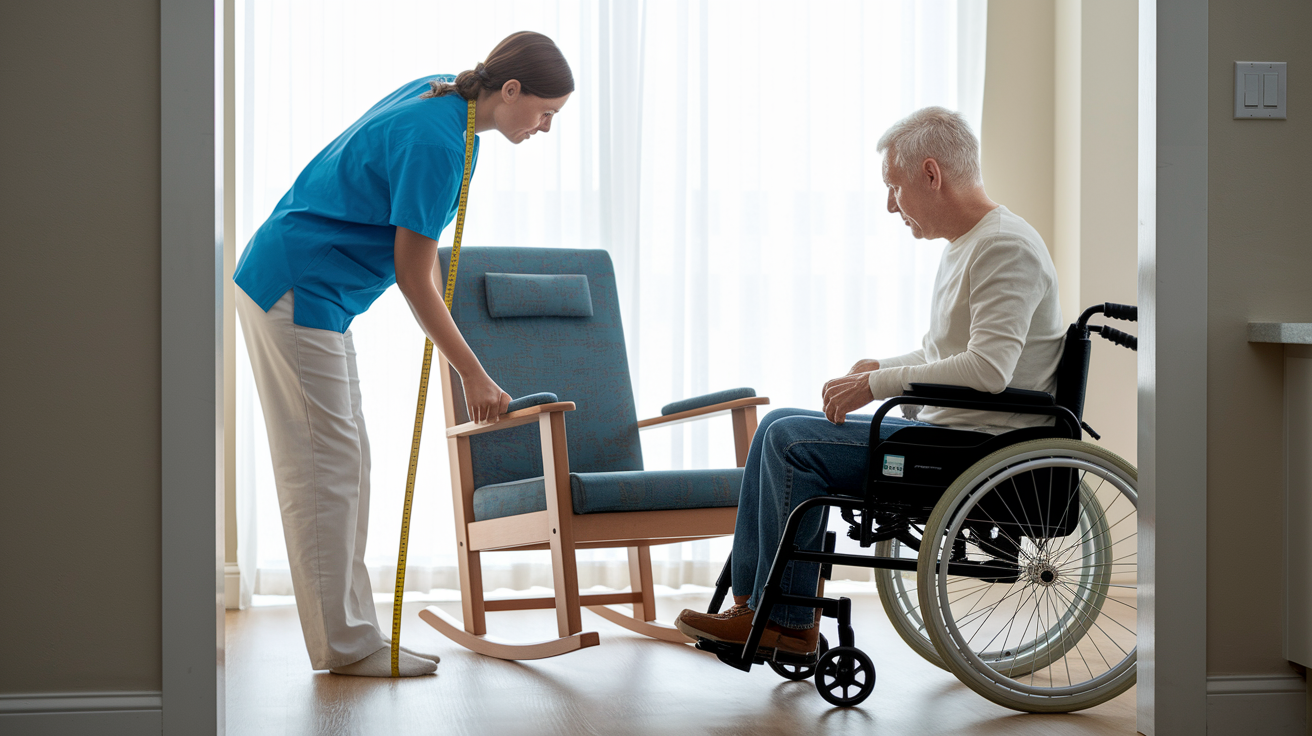
Selecting the correct rocking mobility device begins with understanding your transfer method. If you can stand and pivot independently or with minimal assistance, a manual rocking chair or attachment may work. Users who require hoyer lifts, lateral transfers, or full caregiver support often need powered chairs with removable armrests, swing-away footrests, and wider seat openings. The home layout also plays a critical role. Measure doorway widths, hallway turns, and bathroom clearances to ensure the device fits without modifications. Most manual wheelchairs and chairs require 32 to 36 inches of clearance. Powered chairs may need 36 to 42 inches.
Seat dimensions must match your body measurements to prevent discomfort and skin breakdown. Width should allow one inch of space on each side when you’re seated. Depth should support your thighs without pressing behind the knees or leaving excessive gap at the back. Cushion type is equally important. Foam cushions offer basic comfort and are easy to clean but compress over time. Gel and air cushions provide superior pressure relief for users at high risk of pressure injuries. Pressure-mapping assessments, often available through certified seating clinics, measure load distribution and guide cushion selection.
User cognition and safety awareness influence device complexity. Individuals with advanced dementia, limited safety judgment, or impulsive behaviors may require devices with locking mechanisms, minimal controls, and enclosed or semi-enclosed seating to prevent falls. Conversely, users with intact cognition and good motor control benefit from adjustable features, independent tilt or recline activation, and modular accessories that support varied daily activities. Caregiver needs also matter. Heavier manual devices may exceed a caregiver’s lifting capacity, making powered options or lightweight frames necessary.
Checklist for selecting a rocking mobility device:
Confirm your weight and choose a device with a capacity at least 50 pounds above your current weight for safety margin.
Measure seat width and depth using your hip width and thigh length. Add cushion thickness to final measurements.
Identify the primary transfer method (stand-pivot, lateral, lift) and verify the device supports it with appropriate armrest and footrest options.
Assess home accessibility. Measure door widths, turning radii in bathrooms and bedrooms, and threshold heights.
Determine primary therapeutic goals: sensory calming, pressure relief, circulation, balance training, or spasticity management.
Evaluate battery type for powered units. Lithium batteries are lighter and charge faster but cost more. AGM batteries are heavier and slower to charge but less expensive.
Check service availability. Confirm local technicians can perform maintenance, repairs, and cushion replacements within a reasonable timeframe.
Request a trial or home assessment. Many suppliers offer in-home fittings to test devices in your actual environment.
Review warranty terms. Frame warranties should cover 3 to 5 years. Electronics and batteries typically 1 to 2 years.
Calculate total cost of ownership. Include purchase or rental price, replacement parts, service contracts, and potential insurance or Medicare coverage.
Real-World Reviews, Longevity, and Maintenance Expectations
Users and caregivers frequently report that rocking mobility devices improve daily comfort and reduce behavioral challenges. Parents of children with autism note calmer behavior, longer attention spans during activities, and easier bedtime routines. Caregivers in memory care settings describe fewer agitation episodes and less reliance on medication when residents have access to therapeutic rocking chairs. Users recovering from surgery or managing chronic pain often highlight the ability to adjust position and experience gentle motion without standing or transferring as a key quality-of-life improvement.
Common concerns in user feedback include higher upfront costs for powered models, increased weight and bulk compared to standard wheelchairs, and the need for regular maintenance. Some users find the rocking motion disorienting or uncomfortable, especially those with vestibular disorders or motion sensitivity. In these cases, devices with adjustable amplitude or lockable bases allow users to control or disable the rocking function. Battery life is a frequent topic in reviews of powered devices. Users who spend many hours per day in the chair and use tilt or recline frequently may need to recharge daily, while lighter users may achieve multiple days per charge.
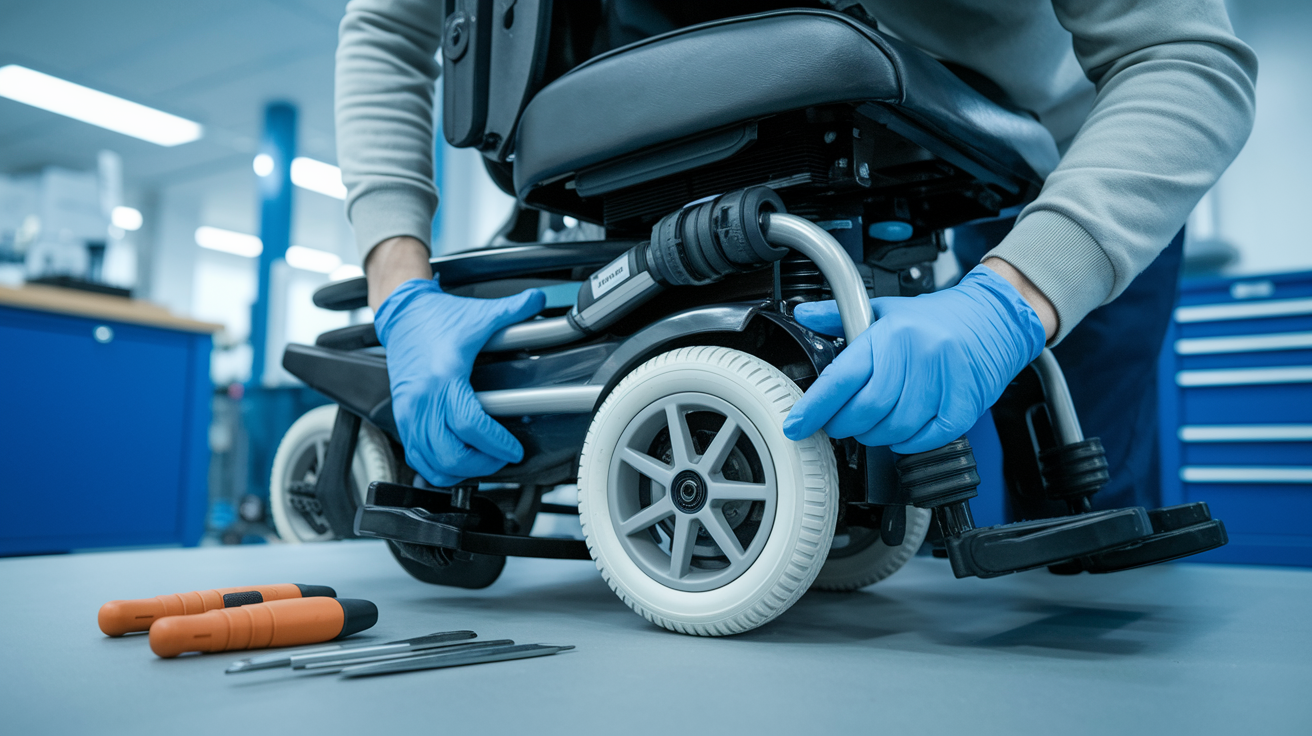
Routine maintenance tasks for rocking mobility devices:
Visual inspections every 3 to 6 months. Check frame welds, fasteners, casters, and braking mechanisms for wear or damage.
Battery health checks every 3 months. Verify charge capacity, clean terminals, and test runtime for powered units.
Upholstery cleaning monthly or as needed. Follow manufacturer protocols. Most medical-grade fabrics tolerate mild detergent and water.
Cushion inspection and rotation every 6 months. Look for compression, tears, or loss of support. Replace when firmness degrades.
Actuator and motor lubrication annually. Powered tilt and recline systems require periodic servicing to maintain smooth operation.
Replacement parts procurement. Common items include casters, brakes, batteries, cushions, and armrest pads. Confirm lead times and availability with the supplier before purchase.
Longevity varies by device type and usage intensity. Manual rocking chairs with minimal mechanical components often last 5 to 10 years with proper care. Powered wheelchairs have shorter lifespans due to electronics, batteries, and motors, typically 3 to 7 years before major component replacement becomes necessary. Heavy daily use, outdoor operation, and exposure to moisture can shorten device life. Extended warranties and service contracts help manage repair costs and keep devices operational between replacements.
Where to Buy or Rent Rocking Mobility Equipment
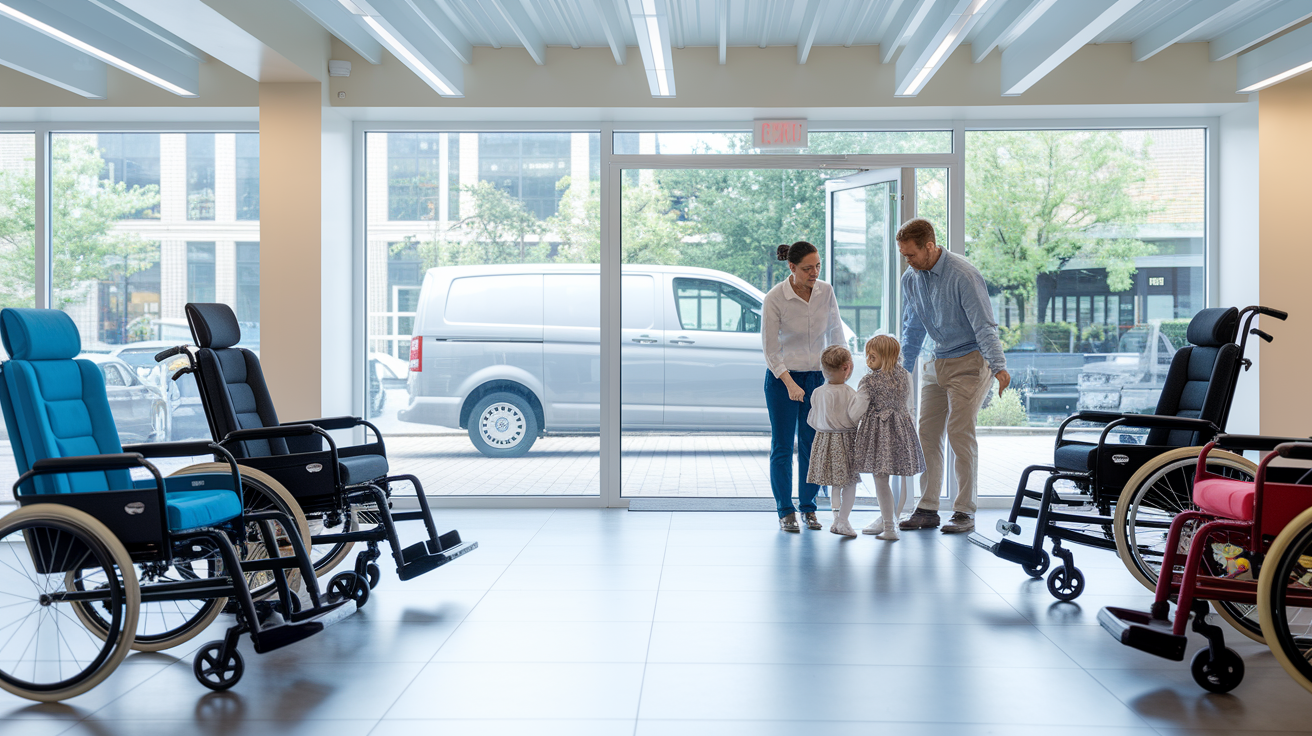
Rocking mobility devices are available through several supplier types, each offering different advantages. National durable medical equipment (DME) manufacturers and distributors carry a broad inventory of powered and manual wheelchairs, therapeutic chairs, and seating systems. These suppliers often accept Medicare and private insurance, provide certified seating assessments, and offer long-term service contracts. National vendors can ship devices anywhere but may lack local technicians for in-home repairs or adjustments.
Local and regional rehabilitation equipment dealers provide in-home trials, custom sizing, and short-term rentals. These businesses typically maintain showrooms where you can test multiple devices before deciding. Local dealers often employ certified assistive technology professionals (ATPs) or occupational therapists who perform assessments and recommend equipment based on clinical need. Delivery, setup, and training are usually included in the purchase price. For individuals seeking short-term rentals (like post-surgical recovery or temporary mobility loss), local dealers often stock a range of manual and powered devices available for daily, weekly, or monthly rental. Rocking Mobility in Cleveland, for example, offers rentals of mobility scooters and wheelchairs with delivery services, making it easier for users to access equipment without long-term commitment.
Specialty adaptive manufacturers focus on pediatric equipment, custom seating solutions, and retrofit kits that add rocking functionality to existing wheelchairs or chairs. These companies serve users with complex positioning needs, rare conditions, or very specific therapeutic goals. Custom fabrication timelines are longer (often 6 to 12 weeks), but the result is a device tailored to exact measurements and clinical requirements. Online retailers and medical supply websites offer rocking-seat attachments, cushions, and accessories at competitive prices. These channels work well for standard products but don’t provide the personalized assessments, fittings, or ongoing support that clinical suppliers deliver.
Provider types and what to expect from each:
National DME suppliers. Broad product selection, insurance billing, warranty coverage, but limited local service.
Local rehab equipment dealers. In-home trials, custom fittings, same-day delivery, and responsive local technicians.
Specialty adaptive manufacturers. Custom-built solutions, pediatric expertise, and unique therapeutic designs with longer lead times.
Medical equipment rental companies. Short-term rentals, flexible terms, delivery and pickup included, ideal for trial periods or temporary needs.
Online retailers. Competitive pricing, wide accessory selection, fast shipping, but no clinical assessment or installation support.
Key Points to Keep in Mind When Selecting Rocking Mobility Devices
When evaluating rocking mobility options, prioritize user safety and comfort above all else. Devices must meet applicable safety standards, like ADA accessibility guidelines for public spaces and ISO or FDA classifications for medical equipment. Verify that the product includes clear assembly and setup instructions, especially for powered units with electrical components. Frame durability matters for long-term use. Look for welded steel or aircraft-grade aluminum construction, reinforced joints, and corrosion-resistant finishes.
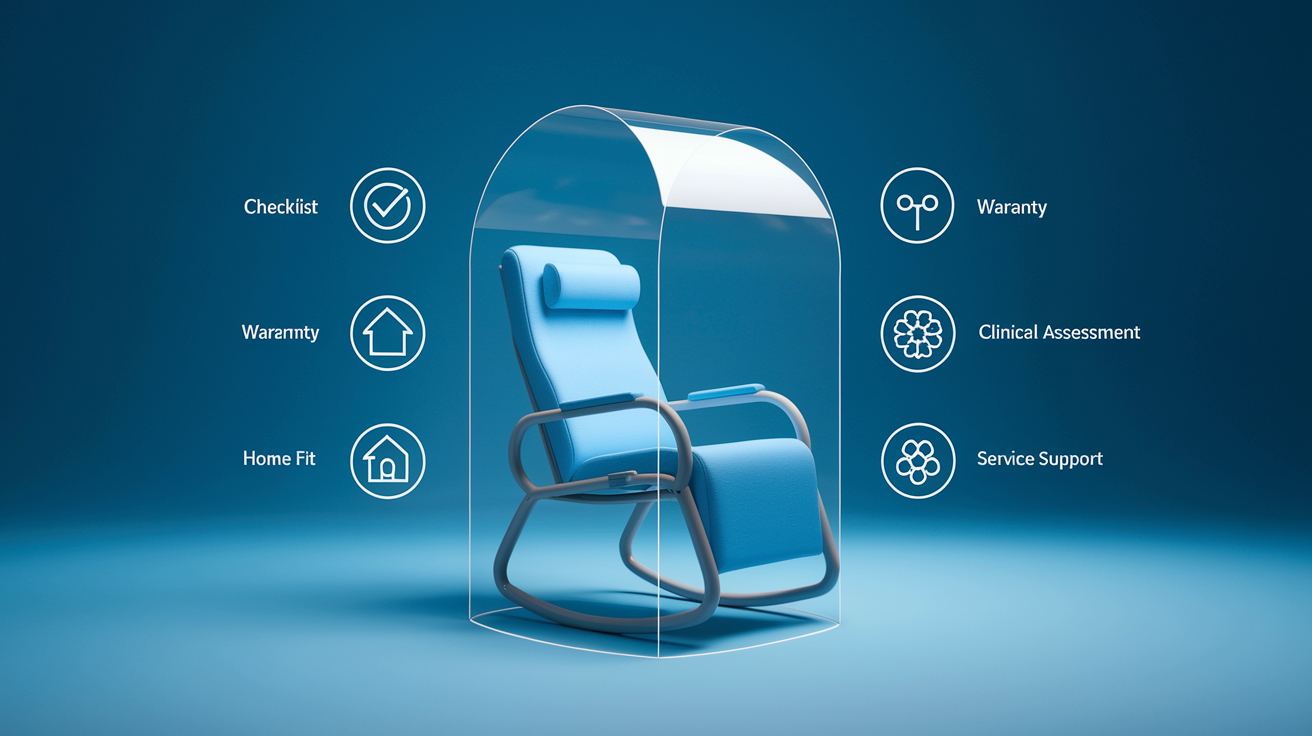
Essential reminders before finalizing a purchase or rental:
Request a clinical assessment from an occupational therapist or physical therapist to confirm the device matches your therapeutic and functional needs.
Verify weight capacity with a safety margin of at least 50 pounds above your weight.
Test the device in your actual environment to confirm it fits through doorways, turns in hallways, and operates on home flooring.
Review warranty terms and service contract options to understand what repairs and replacements are covered and for how long.
Confirm availability of replacement parts and local service technicians before purchasing, especially for specialized or custom devices.
Check insurance or Medicare eligibility early in the process to avoid delays or unexpected out-of-pocket costs. Gather required documentation like physician prescriptions and mobility assessments.
Final Words
in the action, we defined rocking mobility and why rocking motion helps with balance, circulation, and sensory calm.
You also saw the main device types, key specs and safety features, therapeutic advantages, price and rental options, a buying checklist, and maintenance expectations.
Use this guide to compare options, ask the right questions, and get the device that fits your daily life. Rocking mobility can make sitting more comfortable and functional, a small change that adds steady benefits.
FAQ
Q: How much will Medicare pay for a mobility scooter?
A: The amount Medicare will pay for a mobility scooter depends on Part B coverage and medical necessity. Usually Medicare pays 80% of the approved cost after the Part B deductible; you or supplemental insurance cover the rest.
Q: Who is entitled to a free mobility scooter and how do you get one for free?
A: People entitled to a free mobility scooter are those with clinician-documented medical need and insurer approval for durable medical equipment. To get one, get a doctor’s evaluation, request prior authorization, and check VA, state rehab, or nonprofit loaner programs.
Q: What is the most common problem with mobility scooters?
A: The most common problem with mobility scooters is battery and electrical failure — slow charging, dead cells, or faulty chargers. Routine charging, keeping batteries dry, and regular checks cut breakdown risk and keep the scooter reliable.