
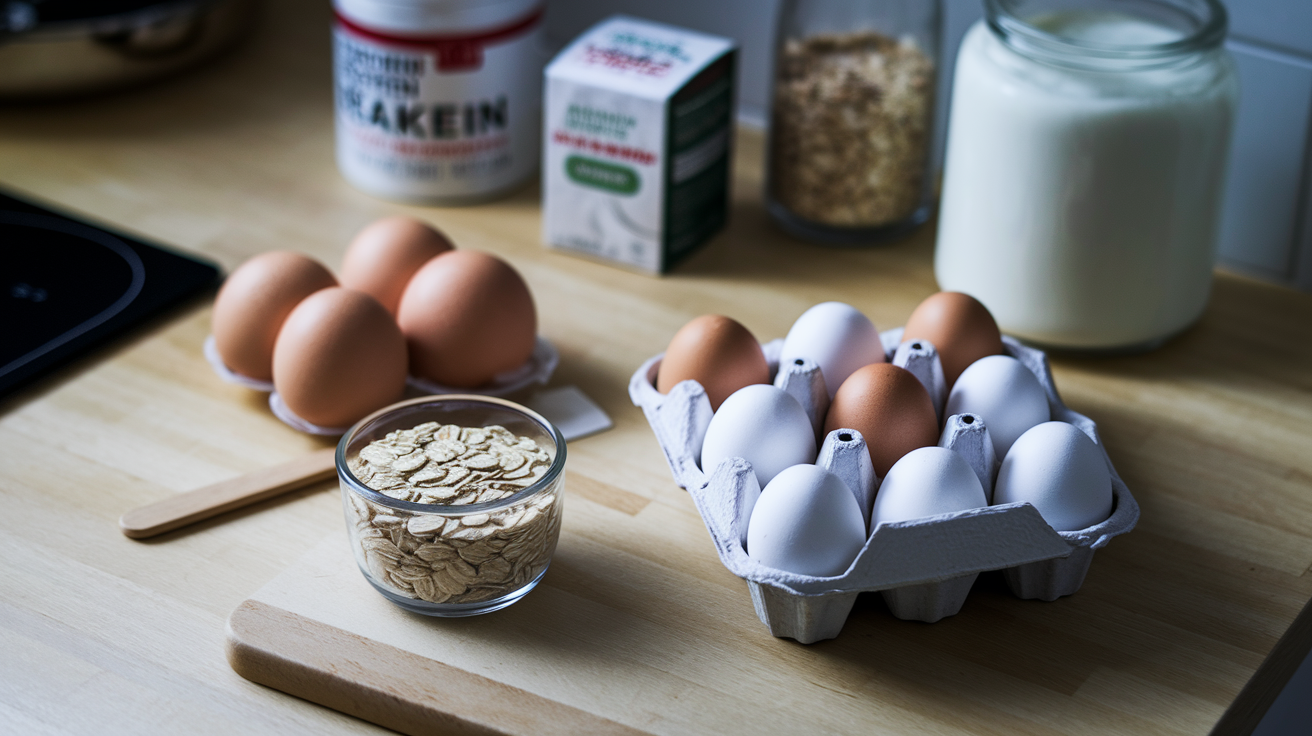
Want to stop mid-morning snacking?
A protein-rich breakfast can help you eat less, stay energized, and hold onto muscle while you lose weight.
No weird ingredients, most recipes take under 10 minutes, and many pack 20 to 30 grams of protein.
Here are simple, repeatable recipes and prep tips so breakfast becomes the thing that helps, not the thing that trips you up.
Pick a few favorites, batch-cook when you can, and you’ll be set for busy mornings.
Best High-Protein Breakfasts for Weight Loss (Quick List)
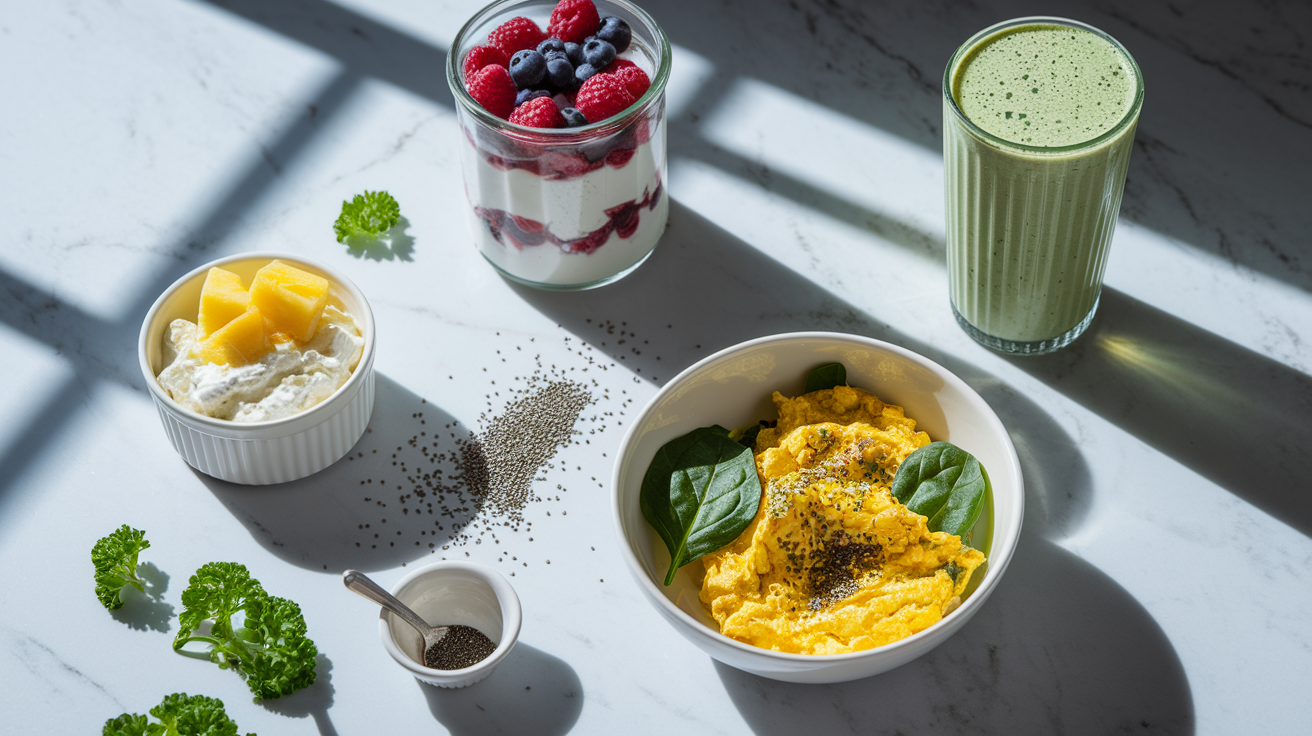
Starting your day with a protein-rich breakfast sets you up for better appetite control and more consistent energy. No mid-morning crash. Most of these meals take less than 10 minutes, deliver 20 to 30 grams of protein per serving, and fit easily into a calorie deficit. Pick one that works with your schedule and repeat it until it becomes routine.
- Greek Yogurt & Whey Parfait – 300 calories, 40g protein. Layer 1 cup 0% Greek yogurt with 1 scoop whey protein, 50g mixed berries, and 1 tbsp chia seeds.
- High-Protein Smoothie – 320 calories, 32g protein. Blend 1 scoop whey, 200ml unsweetened almond milk, 1 small banana, 1 tbsp peanut butter, and a handful of spinach.
- Cottage Cheese Fruit Bowl – 260 calories, 30g protein. Mix 1 cup low-fat cottage cheese with 75g pineapple or berries and 1 tbsp flaxseed.
- Microwave Egg Scramble in Mug – 240 calories, 25g protein. Whisk 3 eggs or 2 eggs plus 2 egg whites with 30g spinach and 20g low-fat cheese. Microwave 90 to 120 seconds.
- Buffalo Chicken Egg Muffins – 220 calories, 22g protein. Bake 12 muffins with 10 whole eggs, 6 egg whites, shredded chicken, and hot sauce. Eat 3 muffins per serving.
- Sausage Hash Brown Egg Muffins – 245 calories, 21g protein. Combine shredded sweet potato, turkey sausage, and eggs in a muffin tin. Bake at 375°F for 20 minutes.
- Protein Pancakes (oat + cottage cheese) – 380 calories, 36g protein. Blend 100g rolled oats, 200g low-fat cottage cheese, 2 eggs, and 30g vanilla whey. Cook 8 small pancakes.
- Tofu Scramble with Veggies – 300 calories, 22g protein. Crumble ½ block firm tofu into a pan with 1 tsp olive oil, sauté with peppers, spinach, and turmeric for 5 minutes.
Detailed High-Protein Breakfast Recipes

Protein Powder Pancakes (Blender Method)
These pancakes freeze well and reheat in 60 to 90 seconds. Smart batch-cook option for busy weeks. The batter comes together in under 3 minutes, and you can double the recipe to stock your freezer with ready-made breakfasts.
Ingredients:
- 1 cup rolled oats
- 1 medium banana
- 2 large eggs
- ½ cup liquid egg whites
- 4 tsp baking powder
- Pinch of salt
- Pinch of cinnamon
- 1 to 2 scoops vanilla or unflavored protein powder (30 to 60g)
- 2 tbsp flaxseed meal
Steps:
- Add all ingredients to a blender and pulse on medium-low until smooth, about 30 to 45 seconds. Don’t over-blend if you want the batter fluffy.
- Heat a nonstick griddle or large pan over medium-high heat. Lightly spray with cooking oil.
- Pour roughly ¼ cup batter per pancake onto the griddle. Cook until edges look dry and bubbles form on top, about 2 to 3 minutes.
- Flip each pancake with a spatula and cook the second side for 1 to 2 minutes until golden.
- Remove to a plate. Top with Greek yogurt, nut butter, or fresh berries as desired.
- Store leftovers in the refrigerator for up to 5 days or freeze in stacks of two with parchment paper between each layer for up to 3 months.
Shakshuka with Egg Whites & Spinach
This one-pan meal feels more elaborate than it is. The tomato base provides fiber and vitamins while keeping calories low. You can adjust the ratio of whole eggs to egg whites based on your fat targets for the day.
Ingredients:
- 1 can (400g) crushed tomatoes
- ½ medium onion, diced
- 1 tsp olive oil
- 100g fresh spinach
- 4 large eggs or 2 whole eggs plus 4 egg whites
- 1 tsp cumin
- ½ tsp paprika
- Pinch of red pepper flakes (optional)
Steps:
- Heat olive oil in a large skillet over medium heat. Add diced onion and cook until softened, about 3 minutes.
- Stir in crushed tomatoes, cumin, paprika, and red pepper flakes. Simmer for 5 to 7 minutes until the sauce thickens slightly.
- Add spinach and stir until wilted, about 1 minute.
- Make 4 small wells in the tomato mixture and crack one egg into each well.
- Cover the skillet and cook until egg whites are set but yolks remain slightly runny, about 5 to 8 minutes.
- Divide between two plates and serve immediately, or store in the fridge for up to 3 days and reheat gently on the stovetop.
Savory Quinoa Breakfast Bowl with Smoked Salmon
If you cook a batch of quinoa once or twice a week, this bowl comes together in under 10 minutes. Works equally well as a cold meal-prep option or warmed in the microwave for 60 seconds.
Ingredients:
- 100g cooked quinoa
- 75g smoked salmon
- 1 hard-boiled egg
- 50g diced cucumber
- 1 tbsp low-fat Greek yogurt or plain Greek yogurt
- 1 tsp lemon juice
- Fresh dill or parsley for garnish
Steps:
- Place cooked quinoa in a bowl and top with smoked salmon, sliced hard-boiled egg, and diced cucumber.
- Mix Greek yogurt with lemon juice in a small dish and drizzle over the bowl.
- Garnish with fresh dill or parsley and season with black pepper to taste.
- Serve immediately or store in an airtight container for up to 3 days in the refrigerator.
Baked Egg Muffins with Spinach & Feta
Twelve muffins from one batch means you have breakfast sorted for most of a week. These travel well, taste good cold, and reheat cleanly in a microwave or toaster oven.
Ingredients:
- 10 large eggs
- 6 egg whites (about 180ml)
- 100g fresh spinach, chopped
- 50g crumbled feta cheese
- ½ red bell pepper, diced
- ½ tsp garlic powder
- Salt and black pepper to taste
- Cooking spray
Steps:
- Preheat oven to 375°F (190°C) and spray a 12-cup muffin tin with cooking spray.
- In a large bowl, whisk together whole eggs, egg whites, garlic powder, salt, and pepper.
- Stir in chopped spinach, diced bell pepper, and crumbled feta until evenly distributed.
- Pour the mixture into muffin cups, filling each about three-quarters full.
- Bake for 18 to 22 minutes until the tops are set and lightly golden.
- Let cool for 5 minutes before removing from the tin. Store in the refrigerator for 5 to 7 days or freeze for up to 3 months.
Meal Prep Strategies for High-Protein Breakfasts
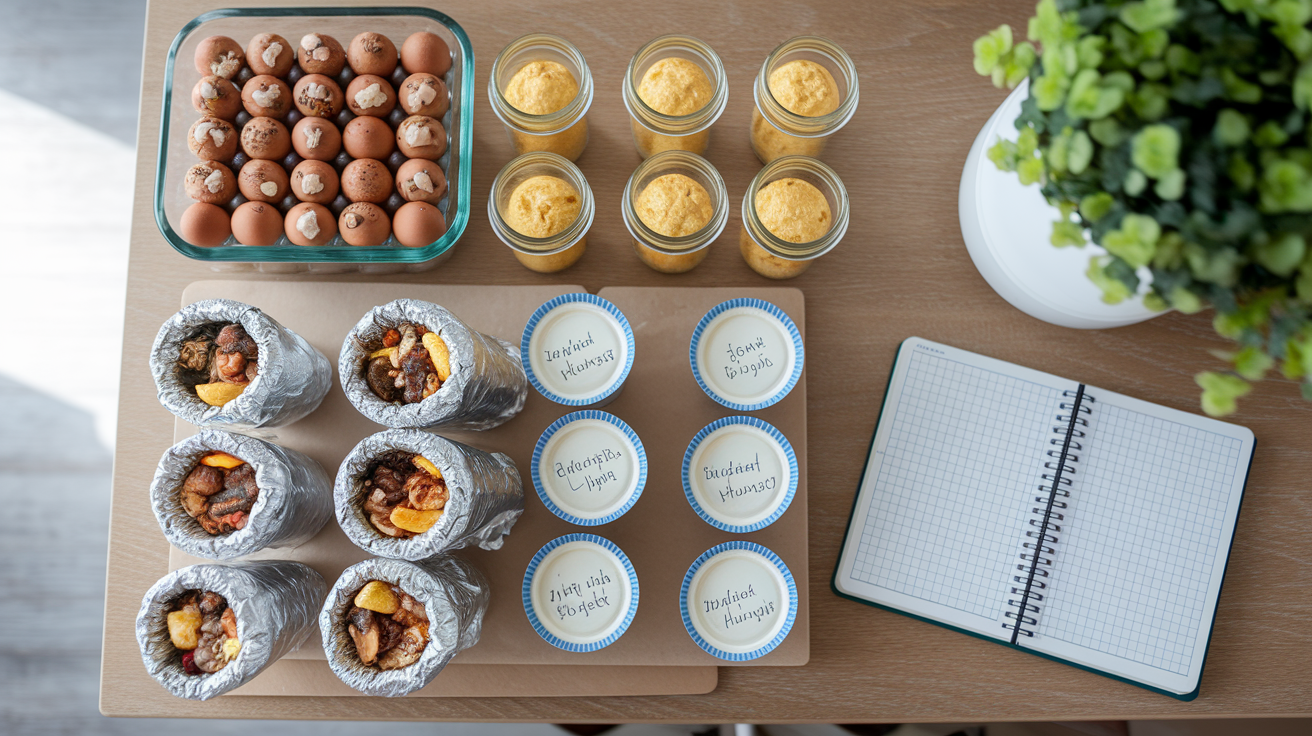
Spending an hour on Sunday to batch-cook breakfasts removes the morning guesswork. Makes it easier to stick to your protein targets when you’re tired or rushed. Most high-protein breakfasts store well in the fridge for 5 to 7 days and freeze cleanly for up to 3 months, so you can rotate options without getting bored.
Focus on recipes that scale easily and reheat without losing texture. Egg muffins, overnight oats with added protein powder, and pre-cooked proteins like grilled chicken or hard-boiled eggs all hold up well under refrigeration. If you freeze pancakes or breakfast burritos, separate each serving with parchment paper so you can grab one at a time without thawing the entire batch. Label containers with the date and protein count per serving to keep your tracking accurate.
- Cook 12 egg muffins in one batch. Use 10 whole eggs plus 6 egg whites, add 200g chopped vegetables, and bake at 375°F for 20 minutes. Each muffin delivers 6 to 8 grams of protein.
- Pre-portion Greek yogurt or cottage cheese into 150g containers. Add toppings like berries, flaxseed, or a measured scoop of protein powder right before eating.
- Freeze cooked pancakes in stacks of two. Reheat directly from frozen in the microwave for 60 to 90 seconds.
- Prep 4 to 6 jars of protein-fortified overnight oats. Combine 50g oats, 150g Greek yogurt, 20g whey protein, and 100ml milk in each jar. Refrigerate for up to 5 days.
- Batch-cook breakfast burritos. Fill low-carb tortillas with scrambled eggs, black beans, and salsa. Wrap individually in foil and freeze. Reheat in the microwave for 90 seconds.
- Store pre-cooked proteins in single-serving containers. Grilled chicken, smoked salmon, or cooked turkey sausage can be added to bowls, scrambles, or wraps throughout the week.
How Protein Supports Weight Loss

Eating more protein while reducing overall calories helps your body hold onto muscle tissue during a deficit. Keeps your metabolism higher than it would be if you lost muscle along with fat. Protein also requires more energy to digest than carbs or fat. Your body burns roughly 20 to 30 percent of the calories from protein just breaking it down, compared to 5 to 10 percent for carbs and 0 to 3 percent for fat. That difference adds up over weeks and months.
Higher-protein meals reduce levels of ghrelin, the hormone that makes you feel hungry, and increase peptide YY, which signals fullness. This makes it easier to stick to a calorie target without feeling deprived or obsessing over food between meals. For most people aiming to lose weight, targeting 25 to 35 percent of daily calories from protein or roughly 1.2 to 2.2 grams per kilogram of body weight keeps hunger manageable and supports lean tissue.
| Benefit | Description | Supporting Data |
|---|---|---|
| Preserves lean muscle mass | Higher protein intake during calorie restriction helps maintain muscle tissue, which burns more calories at rest than fat tissue. | 1.2 to 2.2 g/kg body weight recommended during weight loss. |
| Increases thermic effect of food | Digesting protein burns 20 to 30% of its calories, compared to 5 to 10% for carbs and 0 to 3% for fat. | Studies show higher daily energy expenditure with high-protein diets. |
| Reduces hunger and cravings | Protein lowers ghrelin (hunger hormone) and raises peptide YY (fullness hormone), making calorie control easier. | Breakfasts with 30g or more protein reduce mid-morning snacking. |
| Stabilizes blood sugar and energy | Protein slows carbohydrate absorption, preventing sharp blood sugar spikes and crashes that trigger cravings. | Better focus and sustained energy reported in controlled trials. |
Additional High-Protein Breakfast Alternatives
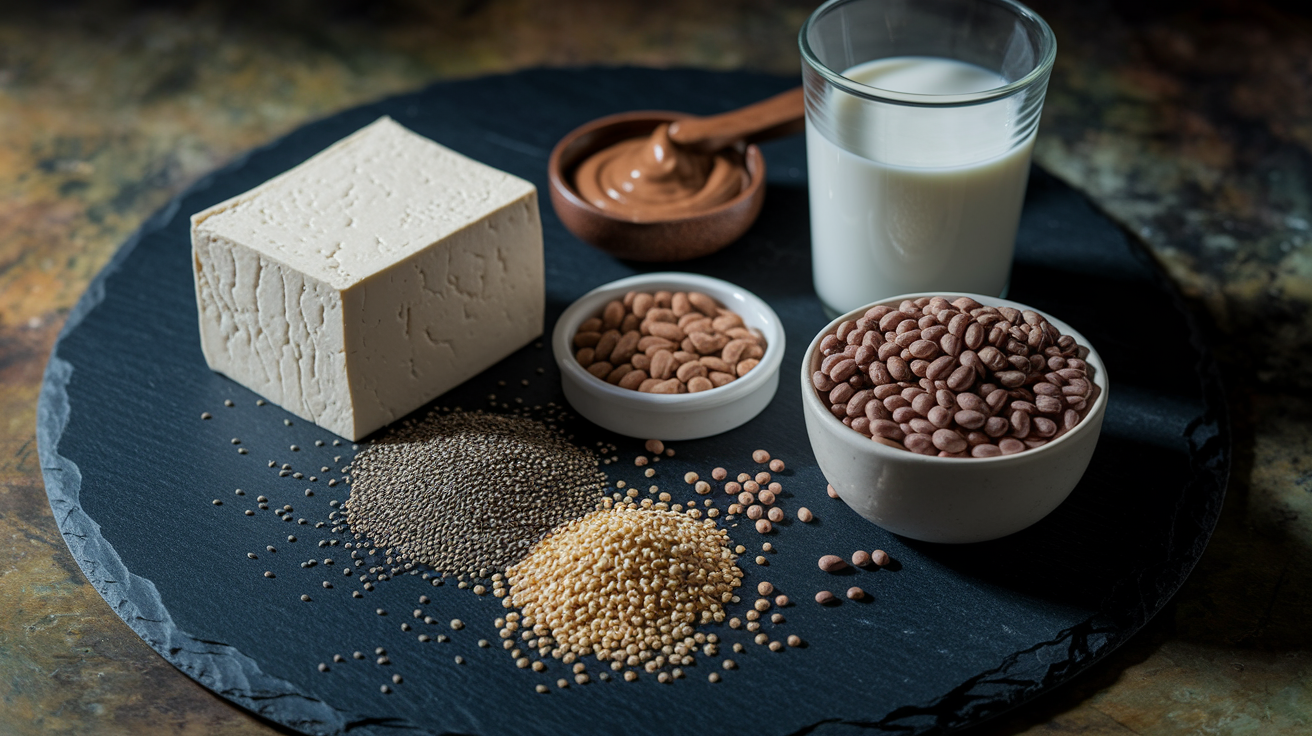
If eggs or dairy don’t work for you, or if you want more variety without sacrificing protein, there are plenty of plant-based and alternative options that hit similar targets. Mixing and matching these swaps keeps your breakfasts from feeling repetitive while still delivering the 25 to 35 grams of protein your body needs to stay full and support lean tissue.
- Swap regular oats for protein-fortified oatmeal. Add 1 scoop (30g) of whey, casein, or plant-based protein powder to cooked oats to boost protein by 20 to 25 grams without changing texture.
- Use tofu instead of scrambled eggs. Crumble ½ block of firm tofu (about 200g) into a pan with turmeric, garlic powder, and vegetables. Each serving delivers roughly 20 grams of protein.
- Replace full-fat Greek yogurt with 0% Greek yogurt or Skyr. This swap cuts 50 to 100 calories per serving while keeping protein at 15 to 20 grams per cup.
- Add hemp seeds or hemp hearts to smoothies or bowls. Three tablespoons provide 10 grams of protein plus healthy fats and fiber.
- Stir collagen peptides into coffee or tea. One scoop adds 10 grams of protein, but pair it with a complete protein source like eggs or Greek yogurt since collagen alone doesn’t contain all essential amino acids.
- Use liquid egg whites in baking or cooking. Replace one whole egg with ¼ cup egg whites to increase protein by 5 grams and reduce fat by 5 grams.
- Choose protein-enriched milk alternatives. Fairlife, soy milk, and pea-based milks often contain 8 to 13 grams of protein per cup, compared to 1 gram in almond milk.
- Add lupini beans to savory bowls or salads. Half a cup delivers 13 grams of protein and works well with Mediterranean or Mexican flavors.
- Use nut butters as a protein boost, not a primary source. Two tablespoons of peanut or almond butter add 8 grams of protein plus healthy fats, but combine with another protein source to reach your 25 to 30 gram target.
- Incorporate chia seeds into overnight oats or puddings. Two tablespoons provide 5 grams of protein plus omega-3s and 10 grams of fiber.
Final Words
You jumped straight into fast ideas — a quick list of high-protein breakfasts with calories and protein. Then you worked through four full recipes with clear ingredient lists and simple steps. Next were meal-prep tricks to save time, a plain explanation of how protein helps weight loss, and quick swap options for variety.
Pick two recipes to try this week, prep once, and adjust portions to hit about 20–30 g at breakfast. These protein-rich breakfast recipes for weight loss fit busy mornings and help steady your energy and appetite.
FAQ
Q: What is the best high-protein breakfast for weight loss, and how do I get 30g of protein at breakfast?
A: The best high-protein breakfast for weight loss is one that combines protein, fiber, and healthy fat to keep you full; hit 30g by pairing 2 eggs with ½ cup Greek yogurt or add a scoop of protein powder.
Q: Are high-protein breakfasts good for diabetics?
A: High-protein breakfasts are helpful for people with diabetes because they slow digestion and help steady blood sugar; pair protein with fiber-rich carbs and check portion sizes with your healthcare team.
Q: What is a good breakfast for people with high cholesterol?
A: A good breakfast for people with high cholesterol focuses on soluble fiber and unsaturated fats, like oatmeal with berries and walnuts, avocado on whole-grain toast, or Greek yogurt with fruit; limit processed meats and full-fat dairy.