
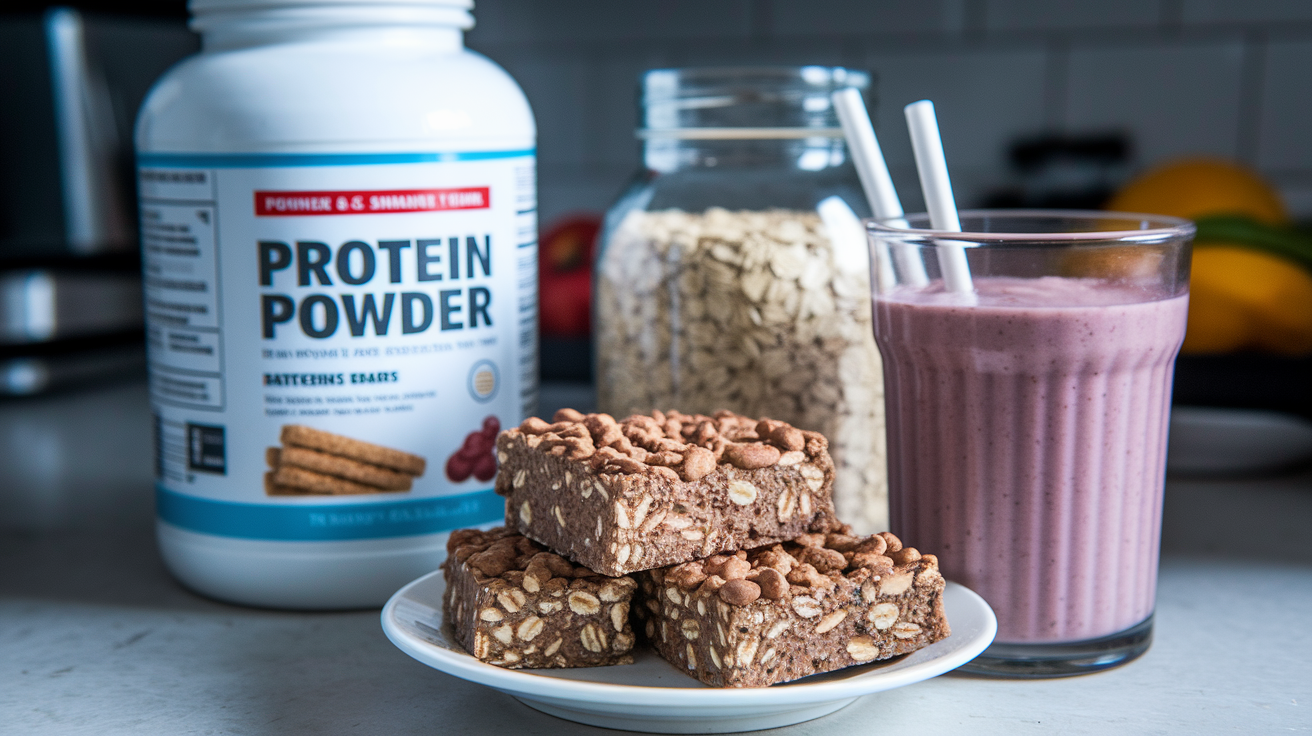
Stop treating protein powder like a boring shake mix—it’s a snack shortcut that saves time and keeps you full.
One scoop can add 10 to 25 grams of protein to bites, bars, oats, or smoothies with just a bowl and a spoon.
This post shows quick, no-bake recipes and simple swaps so you can make tasty snacks in under ten minutes or prep a week at once.
No fancy tools, no hard rules—just practical, protein-packed snacks you’ll actually want to make.
Quick & Creative Protein-Powder Snacks To Make Right Now
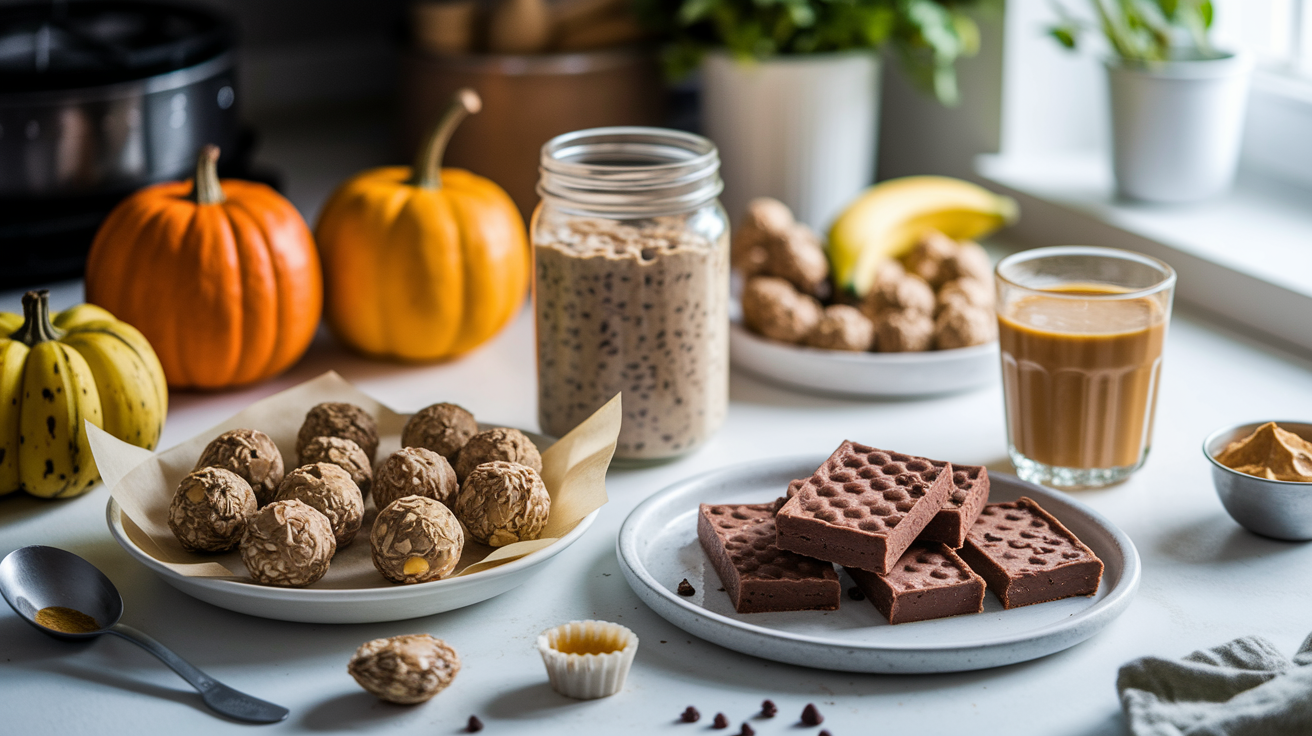
One scoop of protein powder turns a five-minute snack into 10 to 25 grams of protein. That’s enough to refuel after a workout or hit half your daily protein target, depending on how you use it. You don’t need fancy equipment or long prep sessions. Most of these snacks use a bowl, a spoon, and less than ten minutes of your time.
The fastest options give you results now. Protein balls take five minutes to roll and an hour to set in the fridge. Overnight oats come together in under three minutes and do their thing while you sleep. Smoothies blend in seconds. Quick-set bars use nut butter and protein powder to firm up in under two hours. These work for busy mornings, afternoon slumps, or when you need grab-and-go fuel between meetings.
Each option below requires almost no cleanup and zero baking. You can prep a full week of snacks in one session and store them in the fridge or freezer. They stay fresh, travel well, and pack enough protein to keep you full for hours.
- 5-Minute Protein Peanut Butter Energy Bites – 6.6 g protein per bite. Roll, chill, store in the fridge for up to a week. Best for quick energy or mid-afternoon snacks.
- High-Protein Coffee Overnight Oats – 30.5 g protein per serving. Stir together the night before and eat cold or warmed. Best for morning fuel when you’re short on time.
- Pumpkin Pie Smoothie – 17 g protein without powder, 38.2 g with one scoop added. Blend and drink in under two minutes. Best for post-workout or breakfast replacement.
- No-Bake Chocolate Peanut Butter Protein Bars – 8.6 g protein per bar. Press into a pan and refrigerate. Best for portioned dessert-style snacks or pre-workout fuel.
Choosing the Right Protein Powder for Snack Recipes
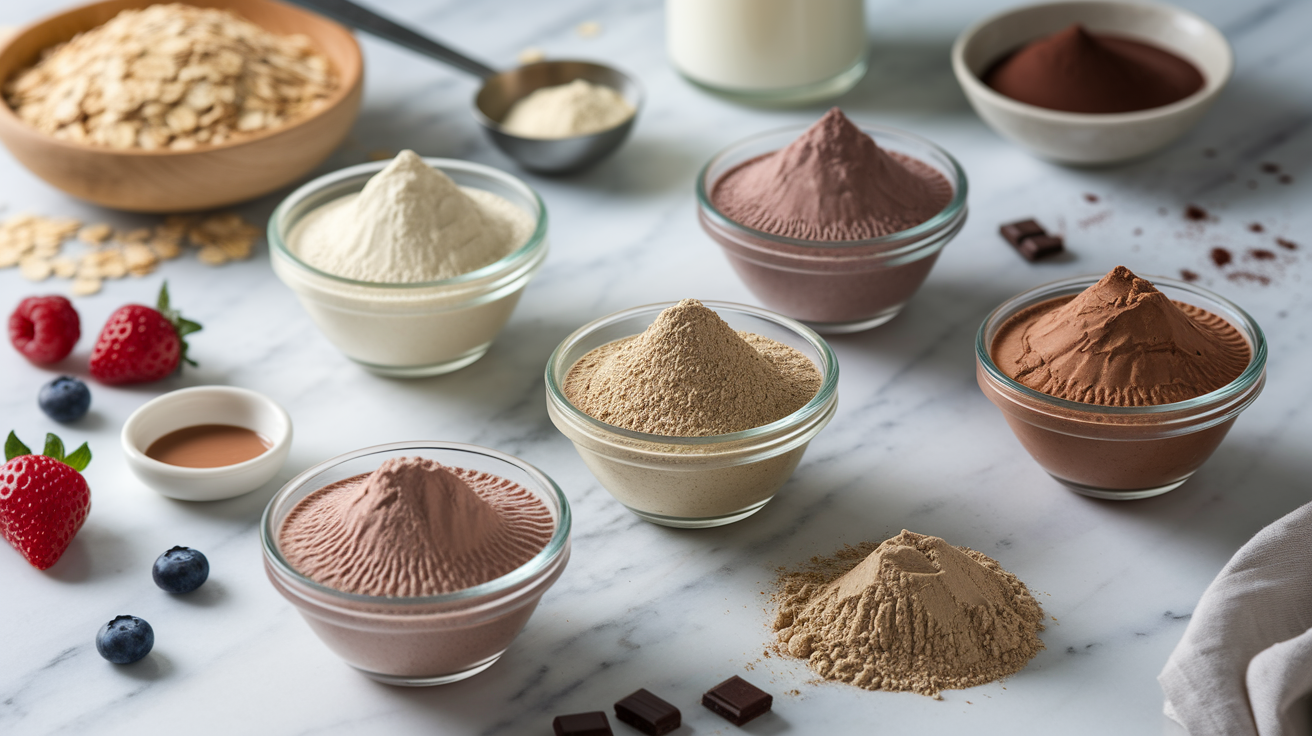
Protein powders vary in how they bind, absorb liquid, and affect final texture. Whey powders dissolve easily and work well in smoothies and overnight oats. Plant-based powders like pea or brown rice protein sometimes taste grainier and need extra liquid to stay smooth. Collagen peptides stay neutral in flavor and blend into almost anything, but they don’t add structure the way whey or plant proteins do in no-bake bars.
Flavor matters more in snacks than it does in post-workout shakes. Vanilla and chocolate powders mask themselves better in recipes. Unflavored works when you want full control over sweetness or when the snack already includes dates, honey, or maple syrup. Skip powders sweetened with stevia or monkfruit if you’re sensitive to aftertaste. Both can leave a lingering bitterness that doesn’t disappear in baked oatmeal or energy bites.
Here’s what works best by powder type:
- Vital Proteins Collagen Peptides – unflavored, dairy-free, dissolves fast. Use in smoothies, overnight oats, or coffee. Doesn’t add much structure to bars or bites. Not plant-based.
- Aloha Vanilla – plant-based, slightly sweet. Works well in no-bake bars and smoothies. Vegan-friendly and mixes smoothly with nut butter bases.
- Tera’s Whey Protein (Chocolate & Vanilla) – dairy-based, richer flavor. Best for brownie bites, mug cakes, and dessert-style snacks. Not plant-based.
- Promix Vanilla – plant-based with added vitamins. Smooth texture in oats and bars. Vegan-friendly and mild enough for fruit-forward recipes.
Choose whey if you want the easiest mixing and neutral taste in baked snacks. Choose plant-based if you’re vegan or dairy-sensitive, and expect to add a bit more liquid. Choose collagen if you want an unflavored boost that won’t change texture or taste.
No-Bake Protein Powder Snack Recipes for Any Dietary Style
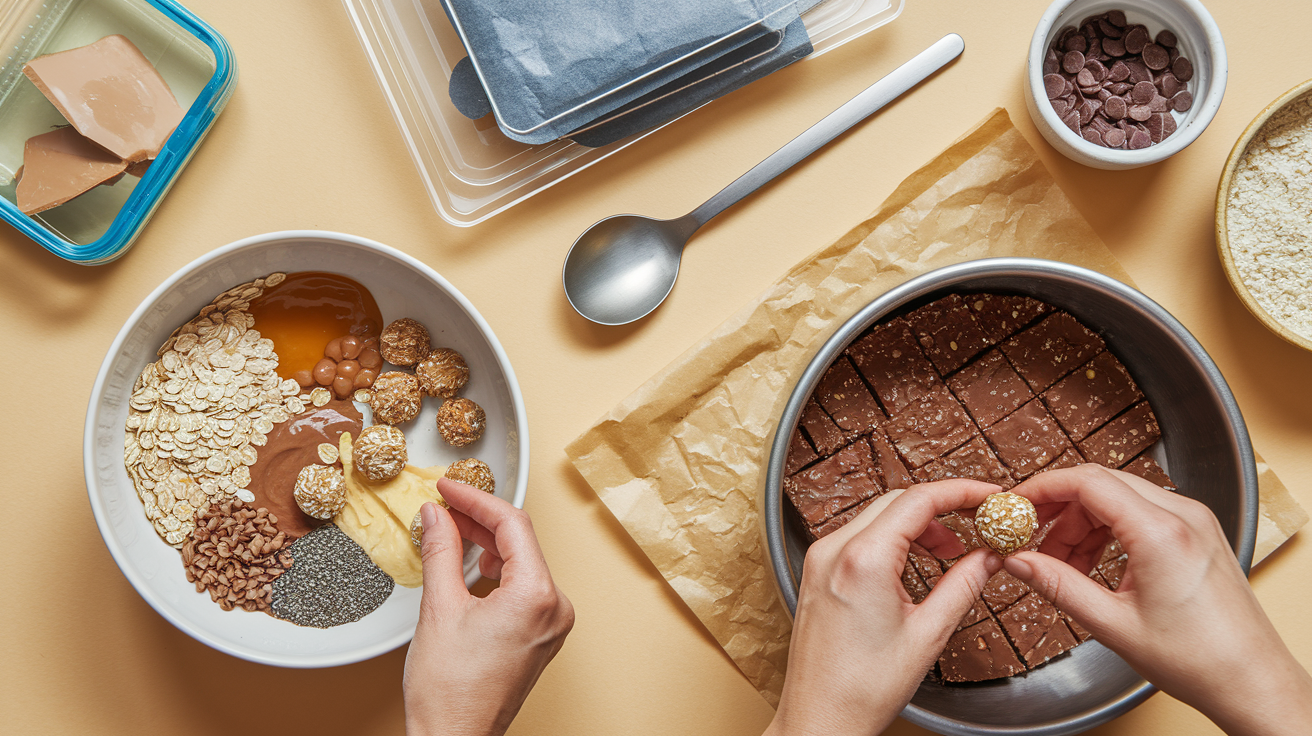
No-bake snacks skip the oven and still deliver the protein, fiber, and fat balance that keeps you full. Most recipes use oats, nut butter, a binder like honey or dates, and one or two scoops of protein powder. The result is soft bars, chewy bites, or fudgy squares that hold together in the fridge and freeze well for weeks. You don’t need a food processor for most of these. Just a bowl and a spoon.
Dietary swaps are simple. Swap peanut butter for sunflower seed butter to go nut-free. Replace honey with maple syrup to make it vegan. Use certified gluten-free oats if you need to avoid gluten. Most recipes tolerate swaps without falling apart as long as you keep the wet-to-dry ratio balanced. If the mixture looks too crumbly, add a teaspoon of warm water at a time until it holds when pressed. If it’s too sticky, add a tablespoon of oats or a sprinkle of ground flaxseed.
Storage is straightforward. Keep no-bake snacks in an airtight container in the fridge for up to one week. For longer storage, freeze individual portions in a freezer-safe bag for up to three months. Most bars and bites thaw in about 15 minutes at room temperature, or you can eat them straight from the freezer for a firmer, ice-cream-bar texture.
| Recipe | Protein per serving | Dietary notes | Prep time |
|---|---|---|---|
| Coconut & Chocolate Peanut Butter Protein Bars | 7.4 g | Gluten-free (use GF oats); vegan-friendly with maple syrup swap | 10 minutes + chill |
| Sea Salt Cashew Butter Chocolate Protein Bars | 7.6 g | Gluten-free, vegan-friendly | 10 minutes + chill |
| 5-Minute Protein Peanut Butter Energy Bites | 6.6 g | Nut-free option with sunflower butter; vegan with maple syrup | 5 minutes + chill |
| No-Bake Cashew Butter Chocolate Bars | 7+ g | Gluten-free, vegan-friendly | 10 minutes + chill |
| Peanut Butter Protein Cookie Dough Bites | 10.3 g | Freezer-friendly; vegan-friendly option noted | 10 minutes + chill |
Baked Protein Snacks: Cookies, Muffins, and Oatmeal That Actually Work
How Protein Powder Changes Batter Texture
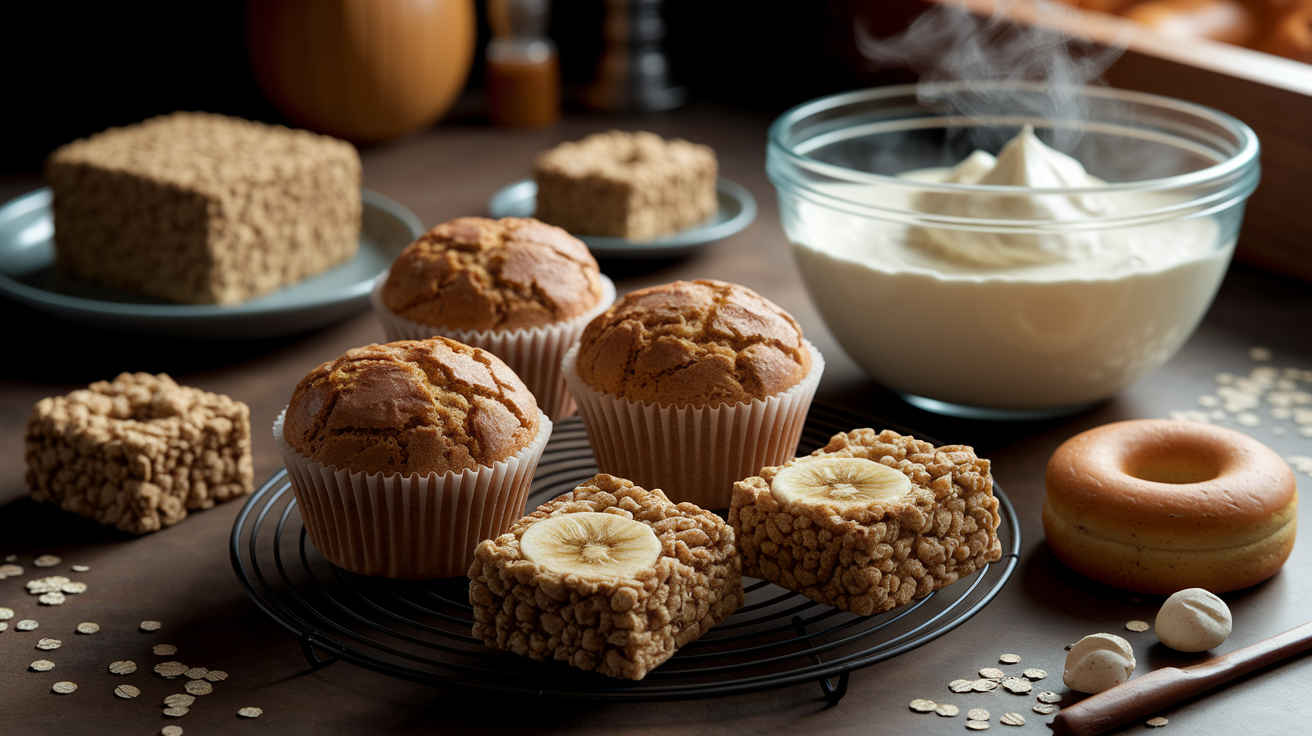
Protein powder absorbs liquid faster than flour, which dries out baked goods if you don’t adjust the wet ingredients. One scoop of protein powder typically needs an extra tablespoon or two of milk, yogurt, or mashed fruit to keep muffins, cookies, or baked oatmeal moist. If you skip this step, you’ll end up with dense, chalky, or crumbly results. Eggs, mashed banana, Greek yogurt, and nut butter all help bind protein-heavy batters and add moisture without thinning the structure.
Baked oatmeal tolerates protein powder better than most recipes because oats naturally hold moisture. You can mix one scoop of protein powder into a standard baked oatmeal recipe without needing to change much else. Overnight oats require the same scoop but expect to add extra milk, sometimes two to three tablespoons more, because the powder will absorb liquid as it sits. Cookies and muffins are trickier. Don’t add protein powder to an existing cookie or muffin recipe unless you’re replacing a portion of the flour and adding extra wet ingredients to compensate.
Flavor additions work best when they’re concentrated. Vanilla extract, cinnamon, cocoa powder, and a pinch of salt all punch through the mild flavor of protein powder. Chocolate chips, dried fruit, and nuts add texture and sweetness without needing extra sugar. If you’re using a flavored protein powder like vanilla or chocolate, reduce or skip any added sweetener in the recipe. Most powders already include some.
Here are six baked snacks that use protein powder reliably:
- Vanilla Brown Butter Pear Baked Oatmeal – 11.4 g protein per serving with one scoop added. Bake in a pan and portion for the week.
- Protein Muffins – use Greek yogurt, one scoop of protein powder, oats, and eggs. Typically 8 to 12 g protein per muffin.
- Protein Pancakes – three-ingredient base (banana, eggs, protein powder). 15 to 20 g protein per serving.
- Protein Cookies – use nut butter, oats, and protein powder. 6 to 10 g protein per cookie depending on size.
- Protein Banana Bread – eggless and dairy-free option available. Around 18 g protein per slice with added powder.
- Protein Donuts – baked, not fried. Use protein powder in place of some flour. 10 to 12 g protein per donut.
Safe substitution rules: replace up to one-third of the flour in a recipe with protein powder. For every quarter cup of protein powder you add, add two to three tablespoons of liquid. Test the batter. It should be slightly thicker than regular pancake batter but still pourable. If it’s too thick, add milk one tablespoon at a time.
Smoothies, Bowls & Single-Serve Protein Snacks
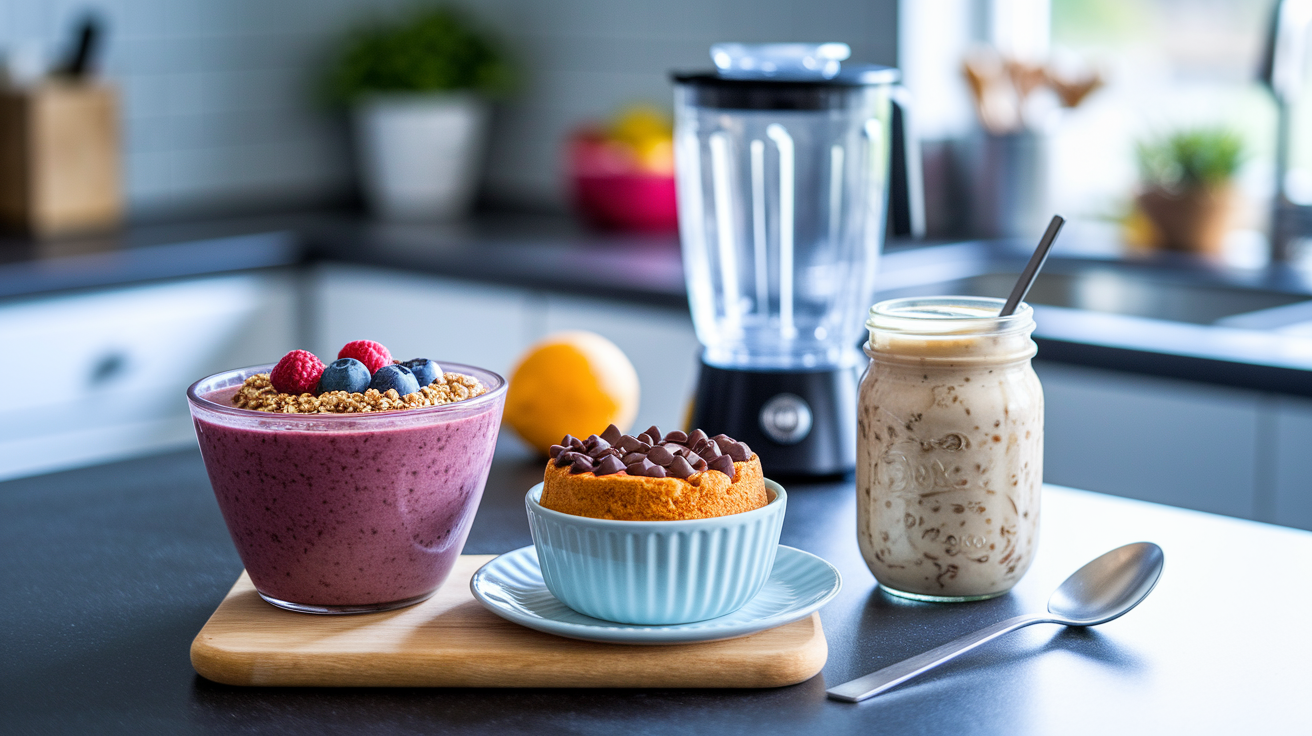
Single-serve snacks solve the problem of portioning and decision fatigue. You blend, microwave, or stir one serving in under five minutes. No leftover bars to wrap, no need to divide a full batch. These snacks work best when you’re home and want something fast, or when you’re testing a new flavor combination before committing to a full prep session.
Smoothies take one to two scoops of protein powder and any combination of frozen fruit, milk, yogurt, or nut butter. If the smoothie turns out too thick to drink, add water or milk a quarter cup at a time until it’s drinkable. Smoothie bowls use less liquid to keep the texture thick enough to eat with a spoon. Top with granola, seeds, or fresh fruit for added fiber and crunch. The Pumpkin Pie Smoothie starts at 17 grams of protein without powder and hits 38.2 grams with one scoop added. That’s a full meal replacement if paired with a handful of nuts or a piece of toast.
Overnight oats in a jar are another single-serve option. Stir oats, protein powder, milk, and any mix-ins into a jar the night before. By morning, the oats have absorbed the liquid and softened. The High-Protein Coffee Overnight Oats version uses brewed coffee and Greek yogurt to reach 30.5 grams of protein per jar. If you add protein powder to overnight oats, expect to pour in an extra two to three tablespoons of milk to keep the texture creamy instead of paste-like.
Microwave mug cakes are the fastest baked option. Mix protein powder, a small amount of flour or oat flour, an egg, and milk in a mug. Microwave for 60 to 90 seconds. You’ll get a single-serve cake with around 25 grams of protein per mug. Flavor it with cocoa powder, vanilla extract, or a handful of chocolate chips.
- Protein Smoothie Bowl – blend with less liquid than a smoothie. Top with granola and fruit. 20 to 30 g protein depending on powder and toppings.
- Mug Cake – microwave for 60 to 90 seconds. Around 25 g protein per mug. Use chocolate or vanilla protein powder.
- High-Protein Coffee Overnight Oats – 30.5 g protein. Prep the night before and eat cold or warmed.
- Mason Jar Protein Oats – portion oats, protein powder, chia seeds, and milk into jars. Customize with berries, nut butter, or cinnamon.
Protein Snack Meal Prep, Storage & On‑the‑Go Tips
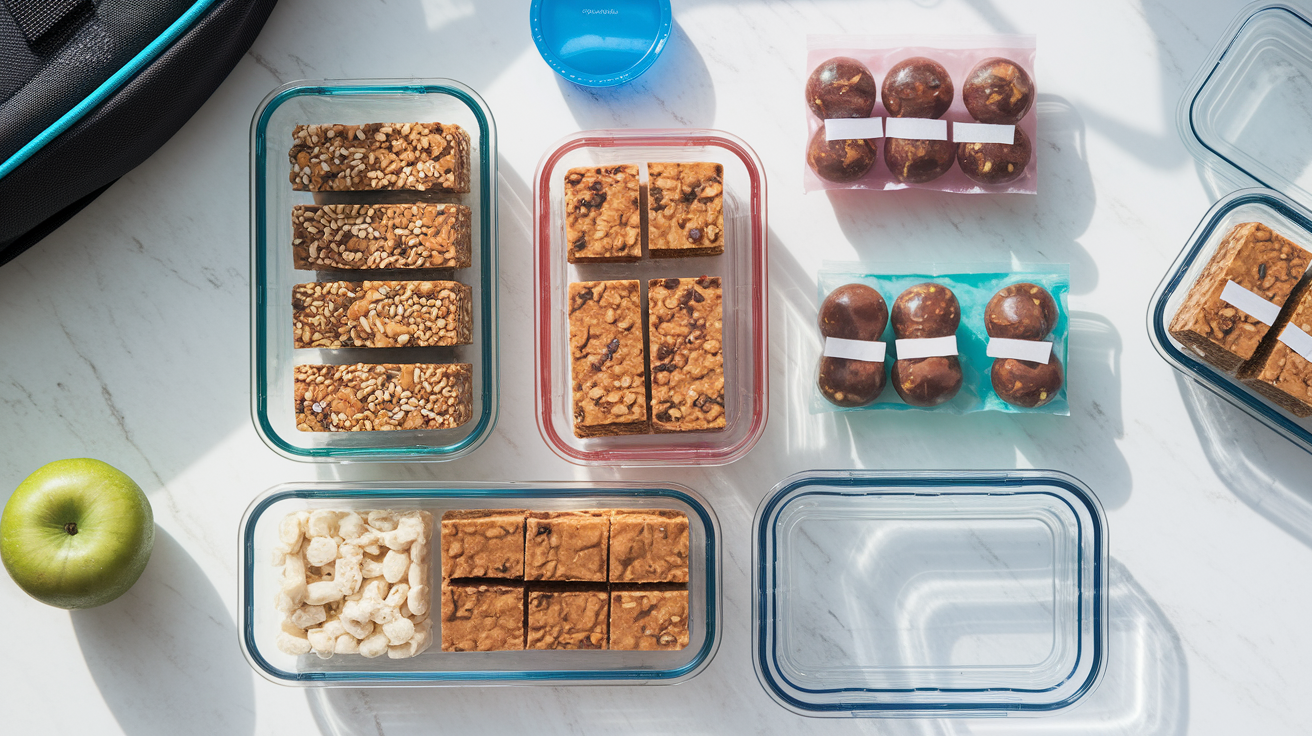
Batch-prepping protein snacks means you only clean up once and eat all week. Most recipes scale easily. Double or triple the ingredient list, press or roll the full batch, then store in portions. You’ll spend 20 to 30 minutes of active time and end up with 15 to 30 servings ready to grab.
Here’s the simple five-step process for prepping a week of protein snacks:
- Choose two or three recipes – pick one no-bake bar, one batch of energy bites, and one baked option like muffins or baked oatmeal. This gives you variety without overcomplicating prep day.
- Prep all dry ingredients first – measure oats, protein powder, flaxseed, and any other dry ingredients into bowls. This keeps the process moving and avoids mid-recipe scrambling.
- Mix and form each recipe – stir wet and dry ingredients together, press bars into pans, roll bites, or pour batter into muffin tins. Chill or bake as instructed.
- Portion and label – divide bars into squares, separate bites into individual servings, and label containers with the recipe name and date. Fridge storage lasts one week. Freezer storage lasts three months.
- Thaw as needed – pull frozen snacks the night before and let them thaw in the fridge, or eat them straight from the freezer for a firmer texture. Most bars and bites soften to room temperature in 10 to 15 minutes.
For travel or gym bags, pack snacks in small reusable containers or silicone bags. Most no-bake bars and energy bites stay safe at room temperature for a few hours, which is long enough for a commute, a workout, or a short road trip. If you’re packing snacks for a full day, add a small ice pack to keep everything fresh. Avoid packing snacks with Greek yogurt or cream cheese frosting unless you have reliable refrigeration. They’ll spoil faster than nut-butter-based options.
When thawing frozen bars, expect slight texture changes. Bars with chocolate chips may sweat a little condensation. Oat-based bars might feel slightly softer than they did when fresh. If texture matters, thaw in the fridge overnight instead of at room temperature.
Flavor Variations, Ingredient Swaps & Texture Fixes for Protein Snacks
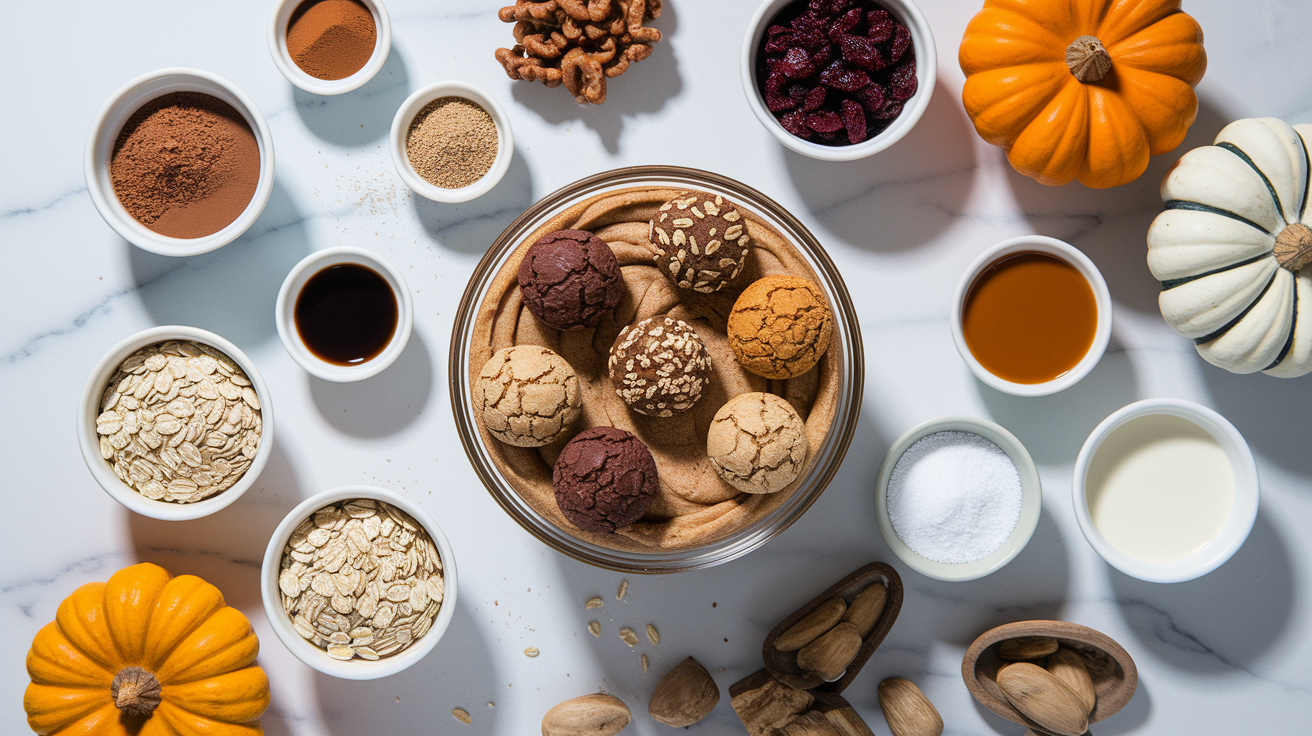
Most protein snack recipes tolerate swaps as long as you respect the wet-to-dry balance. Nut butter, dates, honey, and oats form the base of nearly every no-bake recipe. Swap one nut butter for another without changing measurements. Peanut butter, almond butter, cashew butter, and sunflower seed butter all work the same way. Replace honey with maple syrup or agave in equal amounts to keep the recipe vegan. If you’re gluten-sensitive, use certified gluten-free oats and double-check that your protein powder is processed in a gluten-free facility.
Sweetness adjustments are simple. If your protein powder is already sweetened, cut the honey or maple syrup in the recipe by one to two tablespoons. Taste the batter before chilling or baking. If it’s too sweet, add a pinch of salt or a tablespoon of unsweetened cocoa powder to balance it. If it’s not sweet enough, drizzle in a teaspoon of honey at a time until it tastes right. Skip adding more stevia or monkfruit-sweetened powder if you’re already sensitive to aftertaste. It compounds quickly.
Texture fixes depend on the problem. If your energy bites won’t hold together, add warm water one teaspoon at a time until the mixture is sticky enough to roll. If your overnight oats turn out too thick, stir in extra milk before eating. If your baked oatmeal is dry, add an extra tablespoon of Greek yogurt or mashed banana next time. If your no-bake bars are too soft to slice, freeze them for 30 minutes before cutting, then return them to the fridge for storage.
Sweet, Savory & Seasonal Variations
- Chocolate-forward snacks – add cocoa powder, chocolate protein powder, or mini chocolate chips to any base recipe. Pair with peanut butter or almond butter for classic flavor.
- Vanilla and cinnamon – use vanilla protein powder and add a teaspoon of cinnamon. Works well with oats, dates, and dried fruit like raisins or cranberries.
- Peanut butter cup style – layer no-bake bars with a chocolate base on the bottom and a peanut butter layer on top. Press and chill.
- Fruit and nut – fold dried cranberries, chopped dried apricots, or raisins into energy bites. Add slivered almonds or chopped walnuts for crunch.
- Fall spice – mix pumpkin puree, cinnamon, nutmeg, and vanilla protein powder into oats or muffin batter. Use maple syrup as the sweetener.
- Savory options – use unflavored protein powder in recipes that include cheese, herbs, or spices. Examples include protein pizza dough, protein chips, or savory oat bars with Parmesan and black pepper.
Final Words
Start making snacks now with the fastest, no-fuss ideas: 5-minute bites, quick-set bars, smoothies, and overnight oats that add 10–30 g of protein per serving.
You also get baked options that work, tips for choosing powders, and simple storage and travel strategies.
Pick one of the protein powder snack recipes here to try this week. Small wins add up, and you’ll feel the difference.
FAQ
Q: What snacks can I make with protein powder?
A: The snacks you can make with protein powder include smoothies, overnight oats, energy bites, quick-set bars, and mug cakes — each typically uses 1–2 scoops (about 10–25 g protein per scoop).
Q: What is the best thing to mix with your protein powder?
A: The best thing to mix with your protein powder is water for a quick low-calorie shake; milk or plant milk for creaminess and extra protein; or yogurt, oats, or nut butter for thicker, snack-style blends.
Q: What are healthy snacks for insulin resistance? Are high-protein snacks good for diabetics?
A: Healthy snacks for insulin resistance and high-protein snacks for diabetics should pair protein with fiber and minimal added sugar—examples: Greek yogurt with berries, nut-butter energy bites, or oats with one scoop and cinnamon. Monitor portions.