
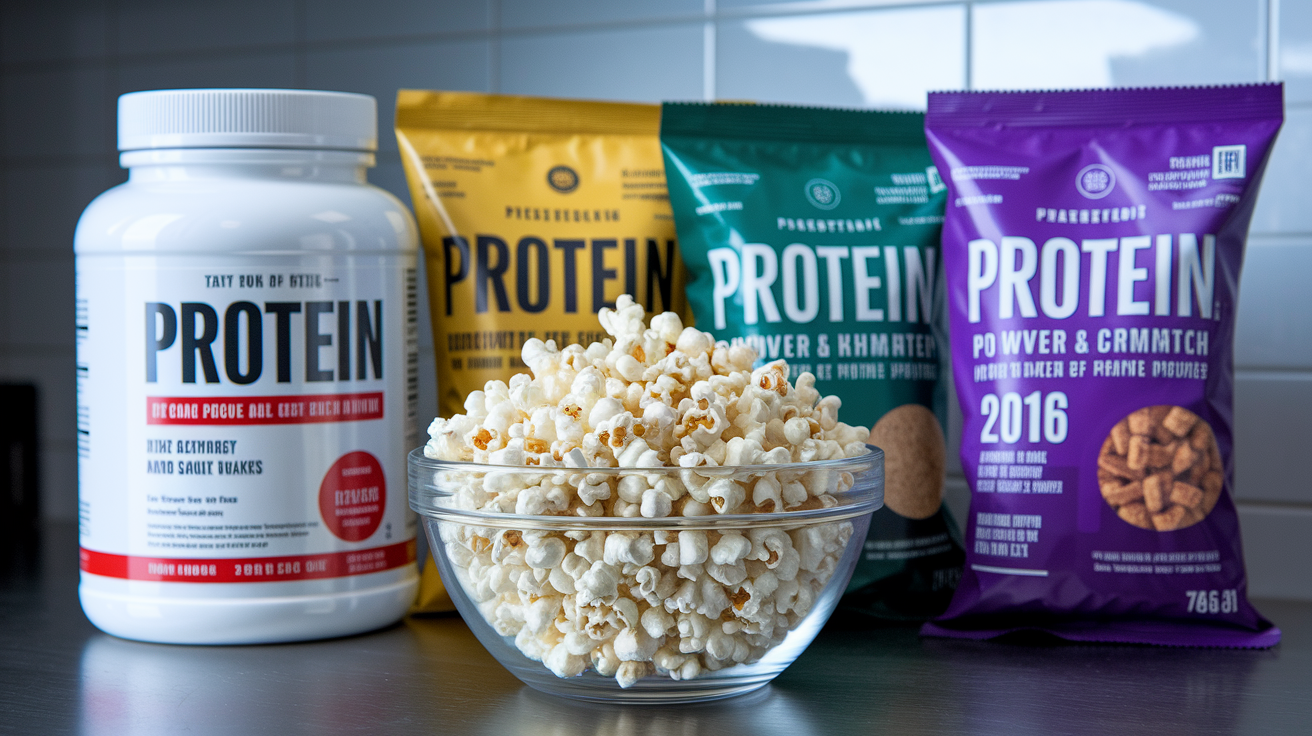
Think popcorn can’t be a useful protein snack? Think again.
Whether you’re grabbing a pouch or mixing a batch in your kitchen, protein popcorn can add real grams of protein without complicated cooking.
But many store brands hide nutrition details and charge a lot, so knowing what to look for matters.
This post walks through popular commercial options, simple homemade recipes for sweet and savory versions, and the best protein powders and coating tricks that actually stick.
By the end you’ll know which brands are worth it and how to make high-protein popcorn that fits your routine.
The Most Popular Protein Popcorn Options (Products + Homemade)
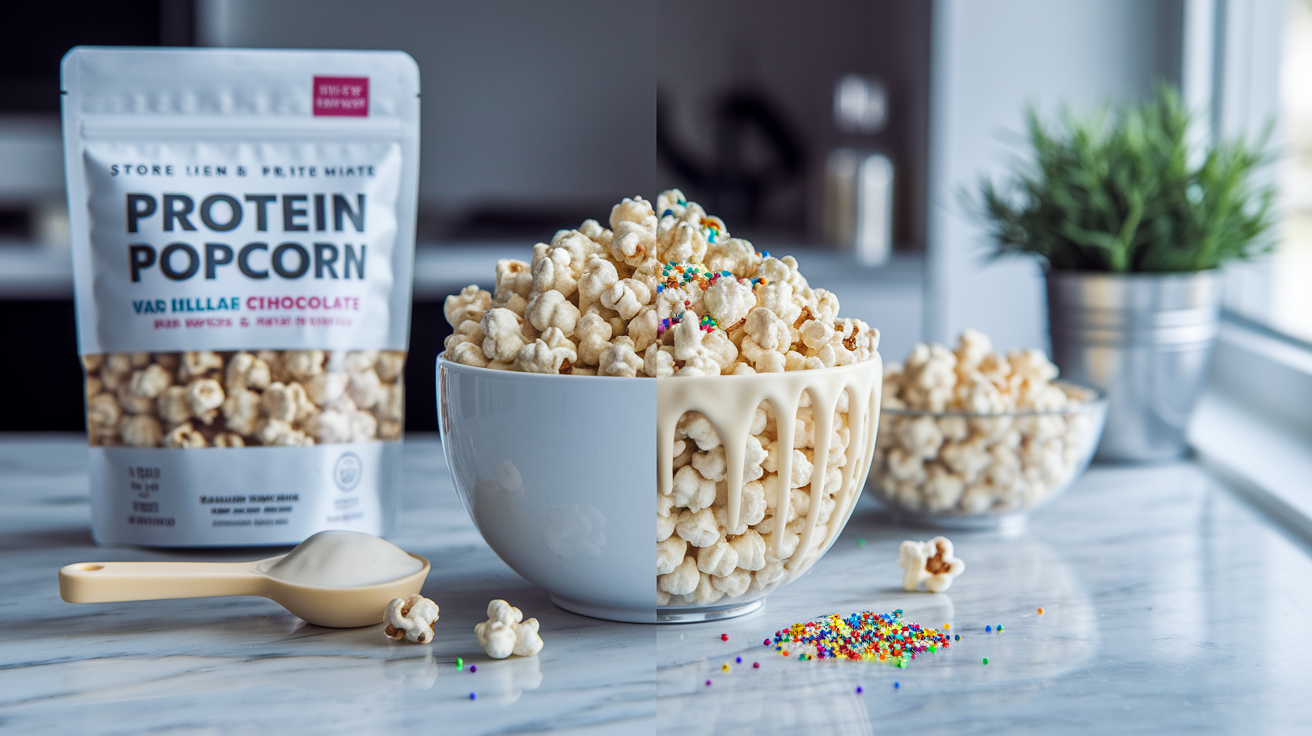
Commercial protein popcorn shows up online starting around $19.99. Bundle packs run from three 2.1-ounce bags up to twelve 1.0-ounce single-serve pouches. Sites advertise “three naturally flavored options” but skip the protein counts, calorie totals, and ingredient lists. You’re left requesting that info directly or moving on. If you’re buying online, check the product page carefully. A lot of brands don’t publish the nutrition panel, which makes it tough to know whether you’re getting 5 grams of protein per serving or 15.
Homemade protein popcorn sidesteps all that. A basic Funfetti batch starts with one bag of microwave popcorn, a quarter-cup of vanilla protein powder, and a quarter-cup of melted white chocolate. The whole recipe delivers roughly 30 grams of protein. You control every ingredient, adjust sweetness or salt, and know exactly what’s coating each kernel. Swap in plant-based protein and dairy-free chocolate chips if you want. The macros shift a bit but the method doesn’t.
Store-Bought vs Homemade Protein Popcorn:
- Price: Pre-packed starts near $20 for multi-packs. DIY batches cost under $5 per batch when you buy popcorn and powder in bulk.
- Protein per serving: Commercial brands often don’t say. Homemade recipes let you measure the exact quarter-cup of powder you’re adding.
- Flavor control: DIY means you choose vanilla whey, chocolate pea protein, or salted-caramel collagen. Store versions come in fixed flavors.
- Allergens: Making it yourself means you decide on dairy, soy, gluten-containing toppings, or nut-based binders.
- Convenience: Grab-and-go pouches win for portability. Kitchen batches take ten minutes and a large mixing bowl.
Protein Popcorn Nutrition Breakdown and Macros
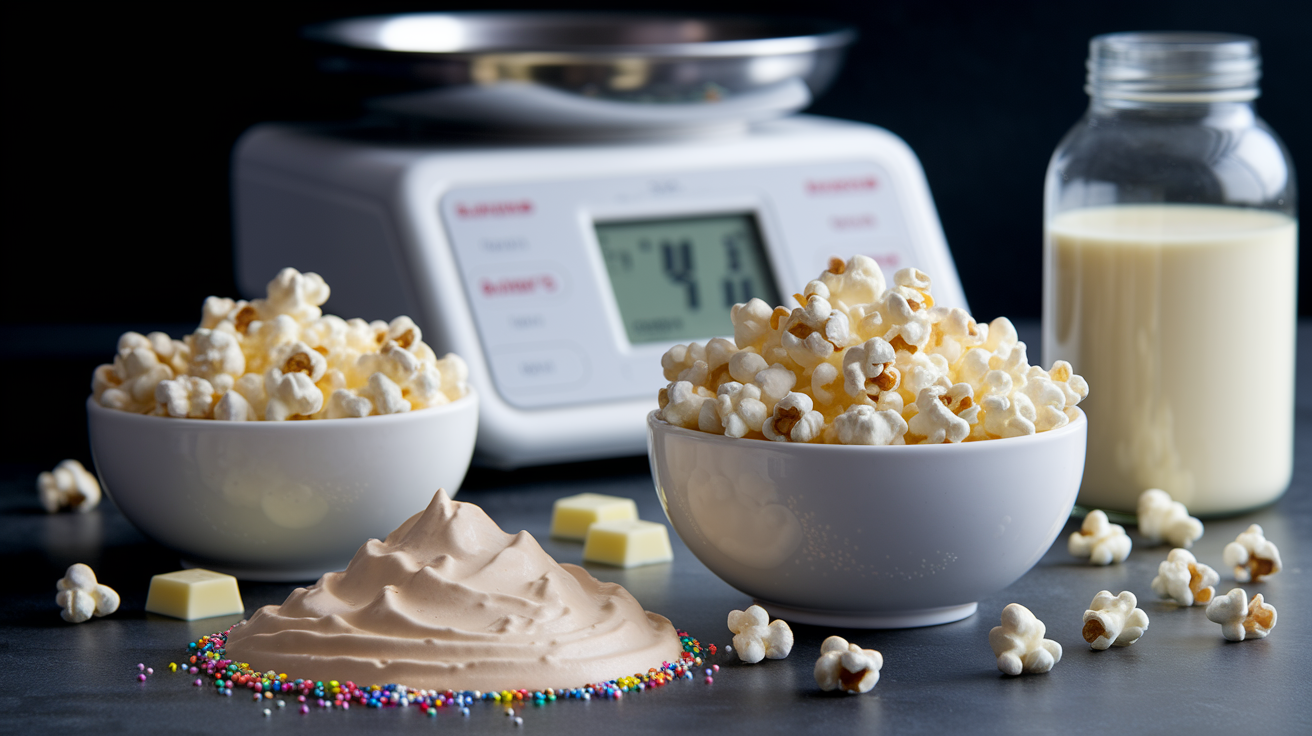
A full Funfetti popcorn batch lands near 30 grams of protein total. One bag of plain kernels, a quarter-cup of vanilla whey isolate, light oil spray, a quarter-cup of melted white chocolate, and rainbow sprinkles. Split that batch into four servings and each portion delivers about 7.5 grams of protein alongside the carbs in the popcorn and the fats in the chocolate. Plain air-popped kernels contribute minimal protein, maybe 3 grams per 3-cup serving. Nearly all the boost comes from the powder and the small protein contribution in the white chocolate. Calorie counts vary depending on oil spray volume and chocolate brand, but expect the whole batch to sit around 500 to 600 calories when using standard ingredients.
Commercial protein popcorn listings skip published nutrition panels. You can’t verify whether their “high protein” claim means 10 grams per bag or 3 grams. Without ingredient lists, it’s also unclear whether brands use whey concentrate, pea isolate, or flavored casein blends. If you’re tracking macros for a cut or a bulk phase, DIY recipes let you log every gram of powder and every teaspoon of oil. Your daily targets stay accurate.
Four Major Macro Contributors in Protein Popcorn:
- Popcorn kernels: Provide the bulk of carbohydrates, roughly 30 grams per bag, and a small amount of fiber. Almost no fat unless oil-popped.
- Protein powder: Single largest protein source. A quarter-cup of isolate typically adds 20 to 25 grams of protein and minimal carbs.
- Binders (oil spray, melted chocolate): Oil spray adds negligible calories if used lightly. Melted white chocolate contributes 10 to 15 grams of fat and 15 to 20 grams of sugar per quarter-cup.
- Toppings (sprinkles, cocoa nibs, nuts): Optional extras that increase calories and micronutrients. Rainbow sprinkles add pure sugar. Sliced almonds add healthy fats and a few extra grams of protein.
How to Make High-Protein Popcorn at Home (Sweet + Savory Methods)
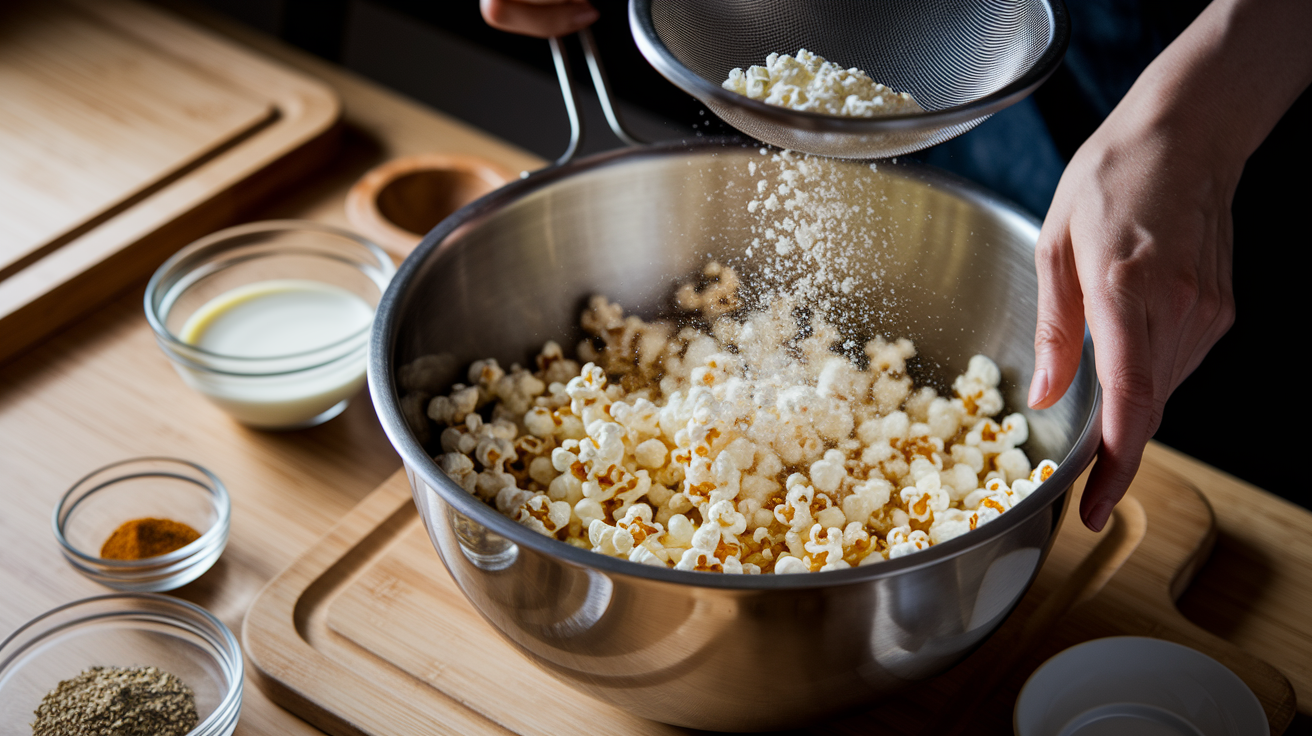
Start with freshly popped kernels. Either microwave a plain bag or air-pop loose kernels on the stovetop. Transfer the warm popcorn into a large mixing bowl, mist it lightly with avocado or coconut oil spray, then sprinkle a quarter-cup of sifted protein powder over the top. Cover the bowl with a plate or second bowl and shake vigorously for fifteen to twenty seconds so every kernel picks up a dusting of powder. For a sweet finish, drizzle a quarter-cup of melted white chocolate over the coated popcorn, scatter rainbow sprinkles or mini chocolate chips, cover again, and shake one more time to distribute the toppings. Serve immediately for the crispest texture. Store in an airtight container for up to two days if you need to prep ahead.
Savory versions follow the same shake-and-coat method but swap the white chocolate for additional oil mist and replace vanilla protein with unflavored or lightly flavored whey. A ranch-style batch uses unflavored whey isolate mixed with dried dill, garlic powder, onion powder, and a pinch of nutritional yeast. Shake the powder blend onto oiled kernels, taste, and add more seasoning if needed. For a spicy jalapeño cheddar version, blend unflavored protein with smoked paprika, cayenne, garlic powder, and nutritional yeast, then toss with a light spray of olive oil. The key to any flavor is even distribution. Lumps of dry powder taste chalky, so sift before sprinkling and shake thoroughly after each addition.
Six Coating Techniques for Smooth, Clump-Free Protein Popcorn:
- Sift your protein powder first: Breaks up clumps so the powder floats evenly over kernels instead of landing in dense spots.
- Coat while the popcorn is still warm: Residual heat helps the powder adhere without extra oil. Cold kernels need a heavier mist.
- Use a light oil spray, not a pour: One or two seconds of misting coats the surface without making kernels soggy or greasy.
- Shake in a covered bowl: A lid or second bowl traps the powder and prevents it from flying across your counter.
- Add binders for sticky toppings: Melted chocolate, almond butter, or honey acts as edible glue for sprinkles, cocoa nibs, or coconut flakes.
- Let chocolate-drizzled batches rest five minutes: Gives the chocolate time to set slightly before shaking. Prevents it from pooling at the bottom.
Technique Tips for Smooth Protein Coating
Sifting eliminates the gritty texture that happens when clumped protein powder settles into kernel crevices. Run the powder through a fine-mesh strainer or a flour sifter before you measure the quarter-cup, then sprinkle it in two or three passes instead of dumping the entire amount at once. Between each sprinkle, shake the bowl so new kernels rotate to the top and get their own dusting. Skip this step and you’ll end up with a few heavily coated pieces and a pile of plain popcorn underneath.
White chocolate, coconut oil, or nut butter work as binders when you want sprinkles, seeds, or chopped nuts to stick. Melt the binder in ten-second microwave bursts, stir until smooth, then drizzle it in a thin stream while you toss the popcorn with a large spoon. Thick drizzles create clumps. Thin drizzles coat more surface area. Once you add the final toppings, give the bowl one last vigorous shake to spread everything evenly, then let the batch sit uncovered for five minutes so the binder firms up slightly. Store leftovers in a sealed container at room temperature, and plan to finish them within two days before the coating softens.
Best Protein Powders to Use for Popcorn Coating
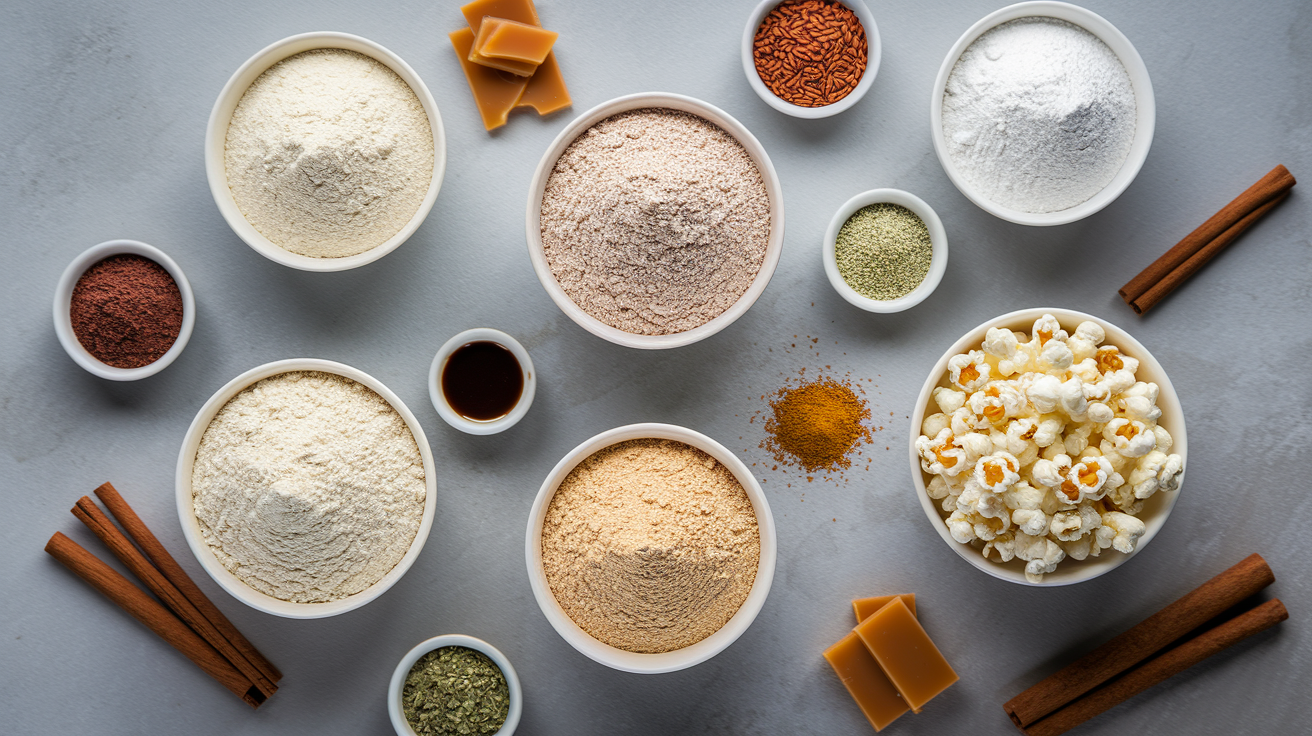
Vanilla whey isolate is the most common choice for sweet popcorn recipes. It dissolves smoothly, tastes mild, and pairs well with chocolate, caramel, or berry toppings. Isolates contain less lactose and fat than concentrates, so the powder stays light and doesn’t leave a greasy film on the kernels. If you’re making a birthday-cake or Funfetti batch, vanilla isolate blends into the white chocolate without clashing. Avoid heavily flavored powders like cookies-and-cream or salted caramel unless you want that specific taste to dominate every bite.
Plant-based options work just as well for coating but sometimes carry a slightly earthy or grainy flavor. Pea, brown rice, or hemp protein. Pea isolate has the cleanest taste among vegan powders and a fine texture that sifts easily. Brown rice protein can feel chalky if you use too much, so stick to the quarter-cup measurement and boost flavor with cocoa powder or cinnamon. Collagen peptides dissolve beautifully and add no flavor, making them good for savory popcorn where you want the seasoning to shine. But they provide a different amino-acid profile and lack the thick body of whey or pea protein.
Casein protein is slower to mix and tends to clump when shaken onto dry kernels. Save it for protein shakes instead of popcorn. Soy isolate works fine if you tolerate soy and want a neutral base. It has a slightly beany aftertaste that some people notice in lightly flavored batches, so pair it with bold seasonings like ranch, barbecue, or cocoa. Egg-white protein powder is another neutral option with excellent mixability, though it costs more per serving than whey or pea.
| Protein Type | Pros | Cons | Best Flavor Pairings |
|---|---|---|---|
| Whey Isolate | Smooth texture, mild taste, high protein per scoop, mixes easily | Contains dairy; not suitable for vegans or lactose-intolerant individuals | Vanilla, chocolate, birthday cake, salted caramel, cinnamon sugar |
| Pea Isolate | Vegan, allergen-friendly, fine texture when sifted, neutral flavor | Slight earthy note in unflavored versions; can taste grainy if over-applied | Cocoa, peanut butter, maple, chai spice, coconut |
| Collagen Peptides | Flavorless, dissolves completely, supports joint health | Lower in branched-chain amino acids; different protein profile than whey or pea | Ranch, garlic parmesan, barbecue, nutritional yeast blends |
| Soy Isolate | Complete amino-acid profile, affordable, widely available | Mild beany aftertaste; some people avoid soy for hormonal or allergen reasons | Chocolate, mocha, spicy jalapeño, teriyaki |
Sweet and Savory Protein Popcorn Flavor Ideas
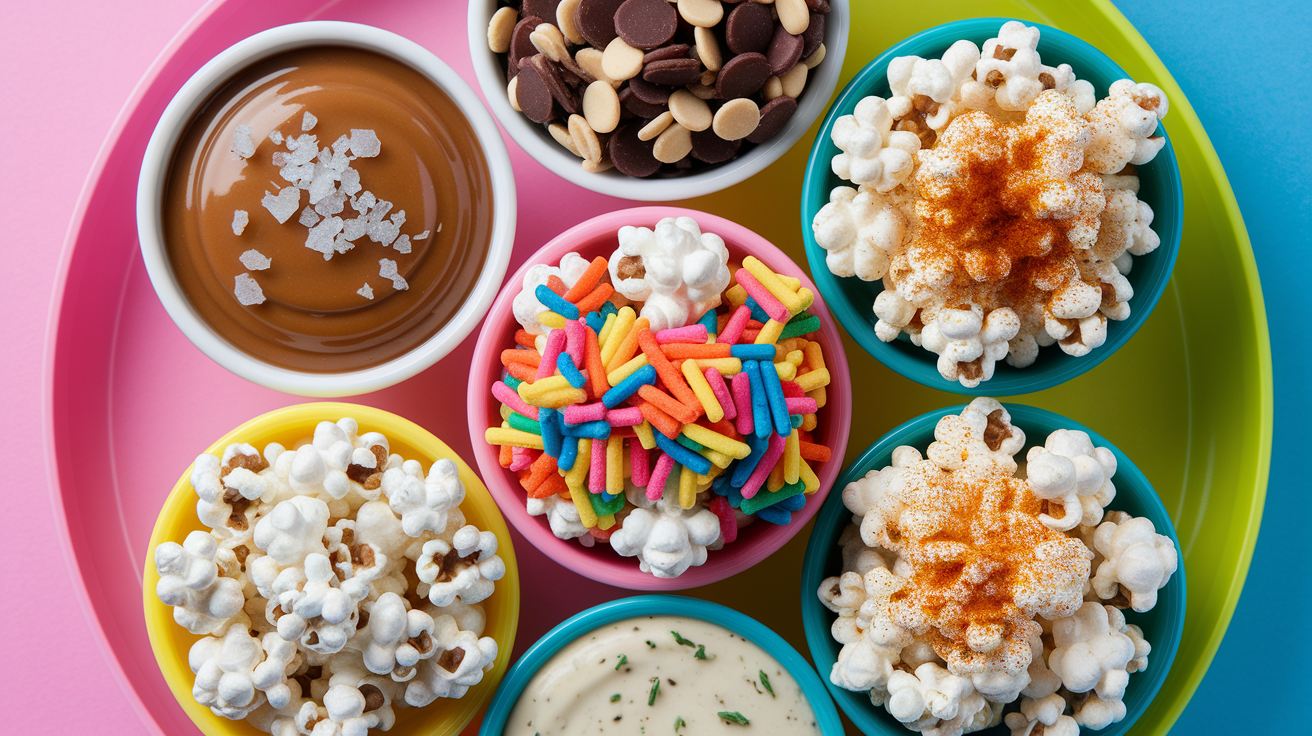
Sweet protein popcorn leans into dessert-style toppings that satisfy a sugar craving while adding extra grams of protein. A salted-caramel version swaps white chocolate for sugar-free caramel sauce, drizzles it over vanilla-whey-dusted kernels, and finishes with flaky sea salt. Chocolate-peanut-butter popcorn uses chocolate whey isolate as the base coating, then adds a thin drizzle of melted natural peanut butter and a handful of mini chocolate chips before the final shake. Birthday-cake Funfetti sticks with vanilla whey, melted white chocolate, and rainbow sprinkles. Delivers that bakery vibe without turning on the oven. For a simpler option, cinnamon-sugar protein popcorn mixes vanilla whey with ground cinnamon and a teaspoon of coconut sugar, shakes it onto lightly oiled kernels, and skips the chocolate drizzle entirely.
Savory batches replace sweet toppings with spice blends and umami boosters. Ranch protein popcorn combines unflavored whey or collagen peptides with dried dill, garlic powder, onion powder, and a tablespoon of nutritional yeast for a cheesy, tangy finish. Spicy jalapeño cheddar uses the same unflavored base but swaps dill for smoked paprika, cayenne, and more nutritional yeast to mimic sharp cheddar. Barbecue protein popcorn starts with unflavored or lightly vanilla whey, then adds smoked paprika, chili powder, a pinch of brown sugar, garlic powder, and a dash of liquid smoke if you want deeper flavor. All savory versions benefit from a light olive-oil or avocado-oil mist to help the powder stick and carry the seasoning into every crevice.
Six Protein Popcorn Flavor Ideas:
- Salted Caramel: Vanilla whey isolate, sugar-free caramel drizzle, flaky sea salt, optional chopped pecans.
- Chocolate Peanut Butter: Chocolate whey, natural peanut butter drizzle, mini chocolate chips, pinch of sea salt.
- Birthday Cake Funfetti: Vanilla whey, melted white chocolate, rainbow sprinkles, light coconut-oil spray.
- Cinnamon Sugar: Vanilla whey, ground cinnamon, coconut sugar, avocado-oil mist.
- Ranch: Unflavored whey or collagen, dried dill, garlic powder, onion powder, nutritional yeast.
- Spicy Jalapeño Cheddar: Unflavored whey, smoked paprika, cayenne, garlic powder, nutritional yeast, olive-oil mist.
Comparing Protein Popcorn to Regular Popcorn and Other Snacks
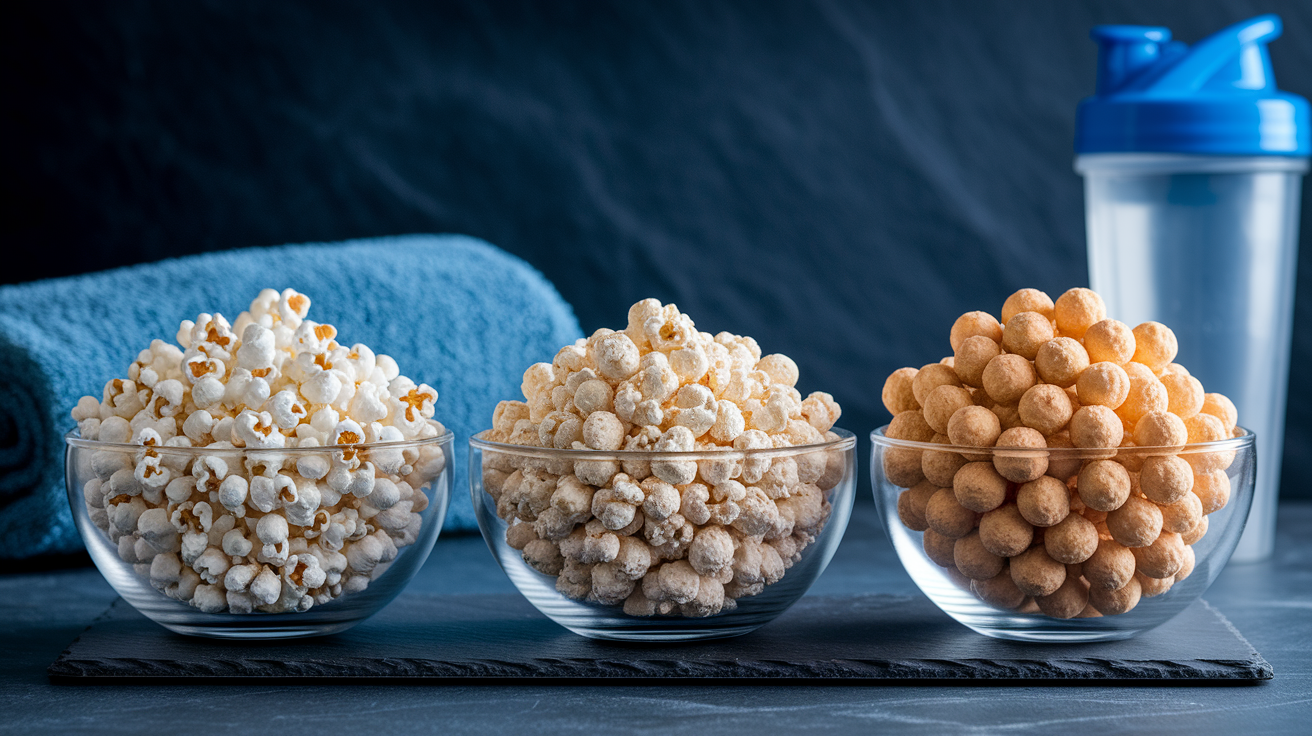
Plain air-popped popcorn delivers roughly 3 grams of protein per 3-cup serving and about 90 calories. A low-calorie, high-fiber snack with minimal muscle-building support. Add a quarter-cup of whey isolate to that same portion and the protein jumps to 25 to 28 grams while calories increase to around 200, depending on whether you use oil spray and toppings. That protein boost turns popcorn from a light filler into a post-workout snack that helps hit daily macro targets without requiring a shaker bottle or meal prep.
Extruded protein puffs (cheese-ball-style snacks made from whey or pea isolate) often pack 10 to 15 grams of protein per serving but use high heat and pressure to create a dense, crunchy texture that some people find less satisfying than real popcorn. Those puffs tend to be higher in sodium and sometimes include added starches or maltodextrin to bind the ingredients, which can raise the carb count. Regular popcorn coated with protein powder keeps the airy, whole-grain base intact and lets you control salt, sweetness, and any additional fats. You get the fiber benefit of real kernels alongside the protein.
| Snack Type | Protein (approx) | Calories (approx) | Texture Notes |
|---|---|---|---|
| Regular Air-Popped Popcorn (3 cups) | ~3 g | ~90 | Light, airy, crunchy; high fiber; minimal protein or fat |
| DIY Protein Popcorn (3 cups + 1/4 cup whey) | ~25–28 g | ~200–250 | Same airy base; slight powder coating; toppings add sweetness or salt |
| Extruded Protein Puff Snacks (1 oz serving) | ~10–15 g | ~120–140 | Dense, crunchy curls; higher sodium; less fiber than popcorn |
| Commercial Protein Popcorn (brand-dependent) | Unknown (not disclosed) | Unknown (not disclosed) | Likely coated with flavored protein blend; texture varies by oil content |
Buying Guide for Protein Popcorn (Price, Packs, Flavors)
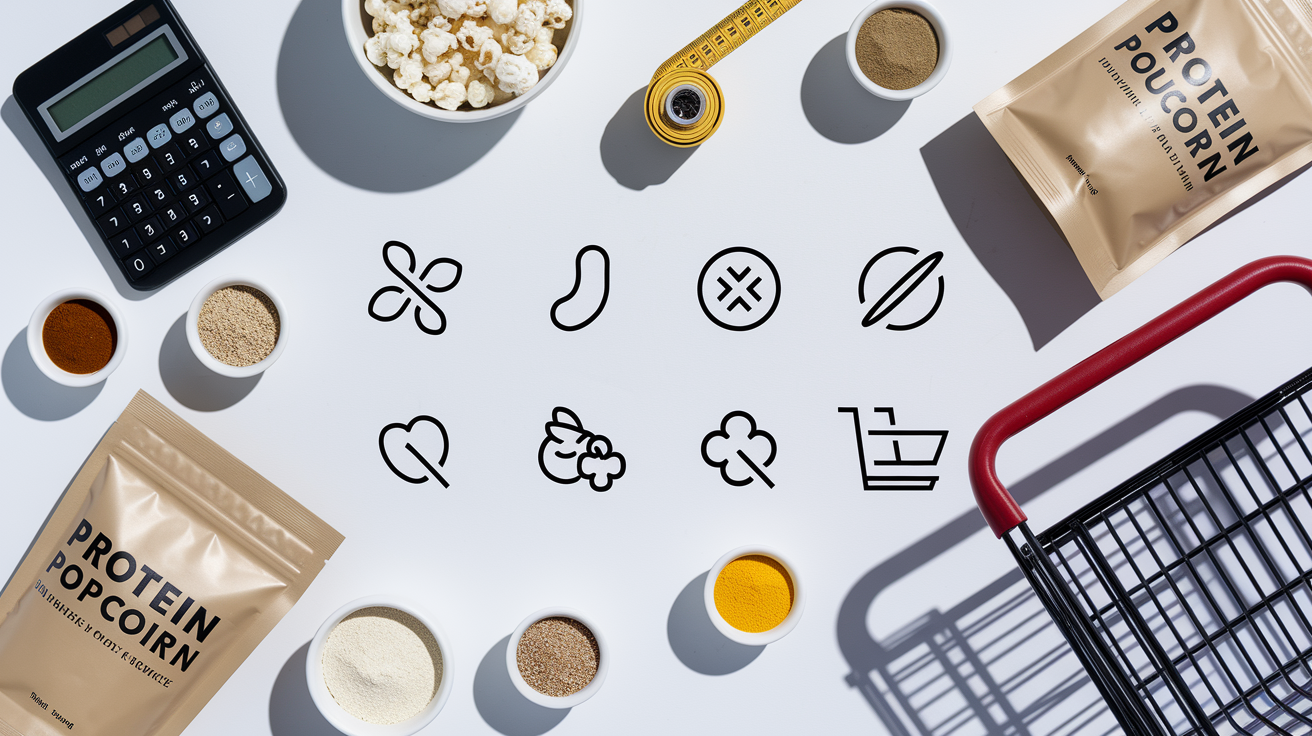
Commercial protein popcorn appears online in multi-pack bundles that start around $19.99. Configurations run from three 2.1-ounce bags (one of each flavor) up to twelve 1.0-ounce single-serve pouches (four of each flavor). Smaller pouches work well for gym bags or desk drawers. The 2.1-ounce size offers a more substantial snack portion. Before you add any pack to your cart, check whether the product page lists protein grams per serving, total calories, and a full ingredient breakdown. Many brands advertise “high protein” without publishing the actual number. You’re left guessing whether each bag delivers 5 grams or 15.
Price per ounce matters when you’re comparing pre-made options to DIY batches. A twelve-pack of 1.0-ounce pouches totals 12 ounces of popcorn for roughly $20, or about $1.67 per ounce. A homemade batch using one bag of microwave kernels (around $1), a quarter-cup of protein powder (roughly $1 to $2 depending on brand), and a few tablespoons of toppings costs under $5 and yields 6 to 8 cups of finished popcorn. Closer to $0.40 per ounce. If convenience and portability justify the premium, pre-packed pouches save prep time. If you’re eating protein popcorn three or four times a week, making it yourself cuts costs significantly.
Flavor variety is another decision point. Some brands offer single-flavor packs so you can stock up on your favorite without getting stuck with flavors you don’t want. Others sell variety packs that include sweet, savory, and spicy options in one bundle. Look for clear allergen labels if you avoid dairy, soy, tree nuts, or gluten. Commercial popcorn coated with whey-based protein will contain milk. Plant-based versions should specify pea, rice, or hemp protein. If the site doesn’t list ingredients or macros, reach out to customer service before ordering, or consider making your own batch where you control every component.
Five Buying Criteria for Protein Popcorn:
- Protein per serving: Aim for at least 10 grams per pouch or serving. Anything less doesn’t justify the “protein popcorn” label.
- Flavor options: Decide whether you want single-flavor bulk packs or variety bundles. Check if flavors lean sweet, savory, or both.
- Packaging size: Smaller 1.0-ounce pouches suit on-the-go snacking. Larger 2.1-ounce bags work better as a post-workout snack or shared portion.
- Allergen info: Verify whether the coating uses whey (dairy), soy, nuts, or gluten-containing seasonings. Plant-based versions should state the protein source clearly.
- Price per ounce: Calculate total ounces in the pack divided by total price. Compare that to the cost of making a DIY batch with your preferred protein powder.
Final Words
You learned quick options for buying protein popcorn and a simple DIY Funfetti method that can hit about 30 g per batch. I also called out that many commercial packs don’t list nutrition, so check protein per serving, calories, and allergens before you buy.
You got clear coating tips, powder choices, and sweet and savory flavor ideas to try. Coat while warm and use a binder so the powder sticks.
Make this snack work for your week. Protein popcorn can be an easy, protein-rich pick — try one version this week.
FAQ
Q: Is there such a thing as protein popcorn?
A: Protein popcorn is a real product and DIY idea, made by adding protein powder, protein-coated toppings, or buying puffed snacks marketed as higher-protein.
Q: Is protein popcorn good for you?
A: Protein popcorn can be a useful snack when it adds meaningful protein; watch added sugars and calories. Homemade versions let you control ingredients and portions to keep it balanced.
Q: How to add more protein to popcorn?
A: To add more protein to popcorn, toss warm popcorn with sifted protein powder plus a light oil spray or melted nut butter for adhesion. Or mix in roasted chickpeas, hemp seeds, or powdered milk.
Q: What is protein popcorn made of?
A: Protein popcorn is made from popped kernels plus added protein, like whey or plant protein powder, nut butter or protein chocolate as binders, and optional toppings such as seeds, spices, or sprinkles.