

Want to skip your morning cup and still feel awake?
Most people think caffeine is the only fix, but it isn’t.
Your body can wake itself if you use a few simple habits in the first 15 minutes after waking.
In this post you’ll learn practical moves—light, water, short movement, cool splash, and protein—that flip your biology from groggy to alert without a crash.
Try one today and notice how your focus and energy shift within an hour.
The Fastest Ways to Increase Morning Energy Naturally

Morning energy isn’t about willpower or caffeine. It’s about simple biological signals.
Your body wakes up through a chain reaction: hormones shift, temperature rises, blood flow adjusts. All of this responds to what you do in the first few minutes after opening your eyes. When you understand which habits flip these switches, you can build real alertness fast.
Most people feel groggy because they skip the basics. They don’t reset their circadian rhythm. They stay dehydrated. They don’t give their nervous system any reason to wake up. A few quick moves can trigger norepinephrine release, stabilize cortisol, and get more oxygen to your brain. Each strategy works in 5 to 15 minutes. You can stack them for even better results.
Here’s what actually works:
Direct sunlight exposure — Get outside or stand near a window for 5 to 10 minutes. This shuts down melatonin and tells your body it’s daytime.
Hydration — Drink 300 to 500 ml of water right after waking. Blood volume drops overnight, and your brain feels it first.
Light stretching or walking — Move for 3 to 5 minutes. Circulation picks up, core temperature rises slightly.
Cold exposure — Splash cool water on your face or take a quick cold rinse for 30 to 60 seconds. It triggers norepinephrine and sharpens focus instantly.
High protein breakfast — Eat 20 to 30 grams of protein to keep blood sugar steady and avoid mid-morning crashes.
Intentional breathing — Practice controlled breathing for 1 to 2 minutes. More oxygen reaches your brain, your nervous system calms into focus.
These don’t give you a buzz. They meet baseline needs and activate systems your body already knows how to use. No crash. No withdrawal. No dependence.
Using Natural Light to Reset and Boost Morning Alertness

Light in the first hour after waking is one of the most dependable ways to feel alert.
When your eyes pick up bright light, especially sunlight, your brain stops producing melatonin and raises cortisol in a healthy pattern. At the same time, serotonin pathways get activated, which sharpens mood and thinking. It’s called circadian entrainment. And it works even when it’s cloudy or winter.
The sweet spot is 5 to 15 minutes of outdoor light within the first 30 to 60 minutes of waking. You don’t need sun directly on your face. Indirect light through a window or standing in the shade still delivers enough brightness. If you can’t get outside, sit near a window with natural light or use a bright artificial source that mimics daylight (around 10,000 lux). Consistency beats perfection. Even a few minutes on a rushed morning will reinforce the pattern.
Three ways to use light without overthinking it:
Open your blinds or curtains as soon as you wake up, even before getting out of bed.
Step outside for a minute or two while drinking water or stretching. Even in cool weather.
On overcast days, face the sky instead of staring at walls or screens to catch the most indirect light.
Hydration Techniques to Improve Morning Mental Clarity

Your brain is about 75 percent water. Even mild dehydration slows attention, processing speed, and short-term memory.
After 6 to 8 hours without drinking anything, most people wake up slightly dehydrated. That’s part of why you feel foggy. Drinking water first thing restores blood volume and helps your cardiovascular system deliver oxygen more efficiently. Research shows rehydration can improve cognitive performance within 20 to 30 minutes.
Drink 300 to 500 ml of water in the first 30 minutes after waking. If you’re exercising in the morning or live somewhere dry, go a bit higher. Room temp water is easier to drink quickly, but cold water gives you a mild alertness boost. You can add a pinch of salt or squeeze of lemon if plain water feels boring. The goal is just to restore hydration without sugar or caffeine.
Simple hydration routine:
- Leave a filled glass or bottle on your bedside table the night before so it’s ready when you wake up.
- Drink 250 ml immediately after waking, before checking your phone or getting dressed.
- Drink another 250 ml while making breakfast or during your morning movement.
- Notice how you feel 20 minutes later. Mental clarity usually improves noticeably.
Light Movement to Increase Circulation and Wakefulness

Low intensity movement in the morning turns on your sympathetic nervous system, which handles alertness and focus.
Even 3 to 5 minutes of stretching, walking, or dynamic mobility raises your heart rate slightly, increases blood flow to the brain, and lifts core body temperature. These changes tell your body to shift out of the slow, restorative state of sleep and into something more active.
Movement also helps clear metabolic waste that builds up overnight, including adenosine, which promotes sleepiness. When you move, muscles contract and circulation improves, which helps your lymphatic system process waste more efficiently. You don’t need a full workout. A few minutes of intentional movement creates noticeable changes in how awake you feel.
Try these:
Standing stretches — Reach overhead, fold forward, open your chest with arm circles for 2 to 3 minutes.
Short walk — Walk around your home or outside for 5 minutes at a comfortable pace.
Arm and shoulder mobility — Rotate your shoulders, extend your arms, move through a pain-free range.
Core activation — Hold a plank or do 10 slow standing knee raises to wake up your trunk.
Cold Exposure for Quick Neurological Activation

Cold exposure triggers a fast increase in norepinephrine, which sharpens focus, elevates mood, and boosts perceived alertness.
When your skin senses cold, your body activates the sympathetic nervous system to keep your core temperature stable. Heart rate and breathing pick up slightly. This happens within seconds and produces a clear, awake feeling that can last for an hour or more. Unlike caffeine, cold exposure doesn’t mess with your sleep later.
You don’t need an ice bath. Even 30 to 60 seconds of cool water on your face, neck, or hands creates the same neurological effect. The key is contrast. If you normally shower in warm water, finish with 20 to 30 seconds of cooler water, focusing on your upper body and face. Start with a temperature that feels uncomfortable but not painful. Adjust as you build tolerance over a few weeks.
Three beginner methods:
Splash your face with cold water from the tap for 15 to 20 seconds right after waking.
End your morning shower with a 30 second cool rinse. Start lukewarm and gradually lower the temperature.
Run cold water over your wrists and the back of your neck for 20 seconds while brushing your teeth.
A Protein-Focused Morning Meal for Stable Energy

Eating protein early stabilizes blood sugar, reduces hunger spikes, and supports steady energy throughout the morning.
Protein slows the digestion of carbohydrates, which prevents rapid glucose spikes and the crashes that follow. It also stimulates hormones that promote satiety and reduce cravings for quick energy foods like sugary snacks or extra caffeine. Aim for 20 to 30 grams of protein in your first meal.
Protein also provides amino acids that support neurotransmitter production, including dopamine and norepinephrine, which influence focus and motivation. When you skip breakfast or eat only carbs, your blood sugar rises quickly and then drops. Often leaving you tired and distracted by mid-morning. A balanced meal with protein, healthy fats, and fiber-rich carbs keeps energy more consistent and reduces the temptation to lean on stimulants.
Four high protein breakfast options:
Greek yogurt with nuts and berries — 150 to 200 grams of plain Greek yogurt provides 15 to 20 grams of protein. Add a handful of almonds and fresh fruit.
Eggs with avocado and whole grain toast — Two eggs deliver 12 to 14 grams of protein. Pair with half an avocado and a slice of toast.
Protein smoothie — Blend one scoop of protein powder (20 to 25 grams) with frozen fruit, spinach, and a tablespoon of nut butter.
Cottage cheese with fruit and seeds — One cup of cottage cheese provides 25 to 28 grams of protein. Top with sliced apple and chia seeds.
Troubleshooting Common Morning Energy Issues
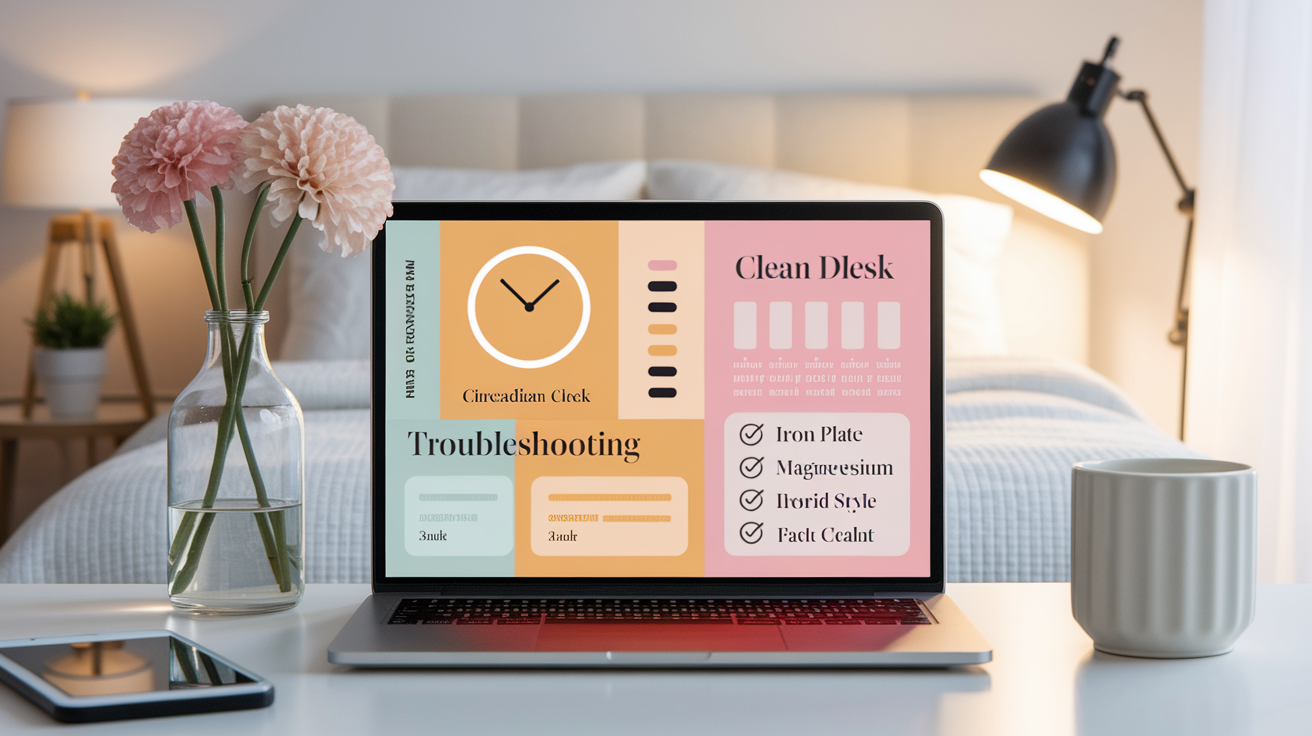
Low morning energy isn’t always about lack of sleep.
Several common habits and conditions interfere with how refreshed you feel when you wake up, even if you’re in bed for 7 to 9 hours. Poor sleep quality, inconsistent wake times, heavy late-night meals, and nutrient deficiencies all reduce the effectiveness of your body’s natural waking mechanisms. Identifying the root cause helps you adjust the right variable instead of adding more caffeine or relying on willpower.
If you’re consistently tired in the morning despite following basic energy-boosting habits, review your evening routine, meal timing, and overall health markers. Small changes to when and what you eat, how you manage stress, and whether you’re getting enough iron or magnesium can make a real difference within a few days.
| Cause | Why It Reduces Energy | Simple Fix |
|---|---|---|
| Poor sleep quality | Disrupted sleep cycles prevent deep restorative stages and reduce brain energy stores | Keep your bedroom dark, cool (60 to 67°F), and quiet. Avoid screens 30 to 60 minutes before bed |
| Inconsistent wake times | Variable wake times confuse circadian rhythm and delay cortisol release in the morning | Wake up at the same time every day, even on weekends, within a 30 minute window |
| Heavy late meals | Digestion during sleep reduces sleep quality and delays morning hunger signals | Finish eating 2 to 3 hours before bed. Keep evening meals moderate in size |
| Low iron or magnesium | Iron supports oxygen transport. Magnesium regulates energy production and muscle function | Eat iron-rich foods (red meat, lentils, spinach) and magnesium sources (pumpkin seeds, almonds). Consider testing levels if fatigue persists |
Final Words
Step outside for 5–10 minutes, drink 300–500 ml of water, move for 3–5 minutes, try 30–60 seconds of cold exposure, eat 20–30 grams of protein, and finish with 1–2 minutes of intentional breathing. These are the fastest, practical steps from the post.
They work because morning light resets your clock, hydration restores focus, movement and cold raise alertness, and protein steadies blood sugar.
Pick one or two morning habits to boost energy without caffeine this week and build from there. Small, consistent wins add up.
FAQ
Q: Should people with AFib avoid caffeine?
A: People with AFib should be cautious about caffeine because it can sometimes trigger palpitations or irregular beats; check with your cardiologist and consider limiting or switching to low‑caffeine options.
Q: What can I take or do to boost energy in the morning without caffeine?
A: To boost morning energy without caffeine, try direct sunlight for 5–10 minutes, drink 300–500 ml water, eat 20–30 g protein, do 3–5 minutes light movement, add a 30–60 second cool splash, and 1–2 minutes of breathing.
Q: What is the 2 hour coffee rule?
A: The 2 hour coffee rule is waiting about two hours after waking before drinking coffee so it doesn’t blunt natural cortisol peaks, helping coffee feel more effective and preserving your morning energy rhythm.