
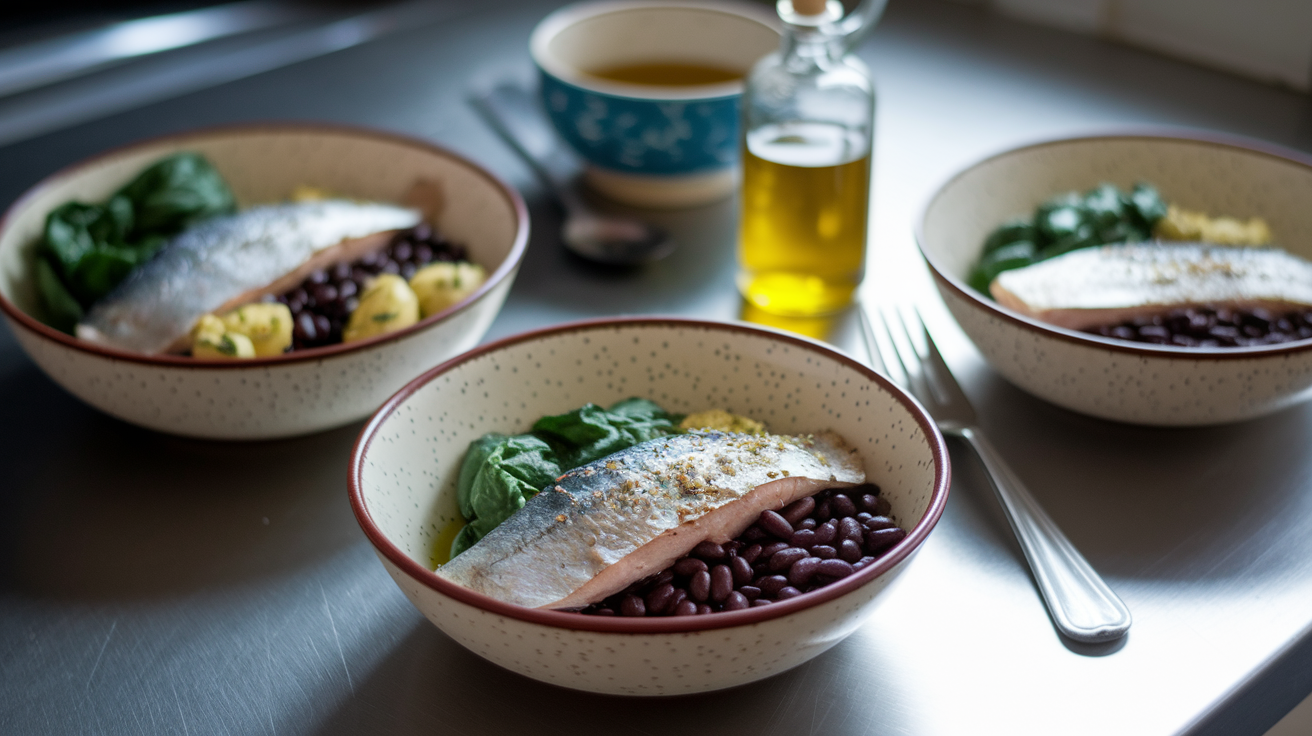
What if losing weight didn’t mean bland meals or constant hunger?
The Mediterranean way proves you can eat tasty, filling food and still hit a calorie goal.
This post gives quick, real recipes for breakfast, lunch, and dinner that mostly land between 250 and 450 calories per serving, so you feel satisfied and stay on track.
Use these bowls, salads, and one-pan dinners to build a simple plan that fits 1,200 to 1,800 kcal and keeps hunger away.
Best Mediterranean Weight‑Loss Recipes (Quick List + Calories)
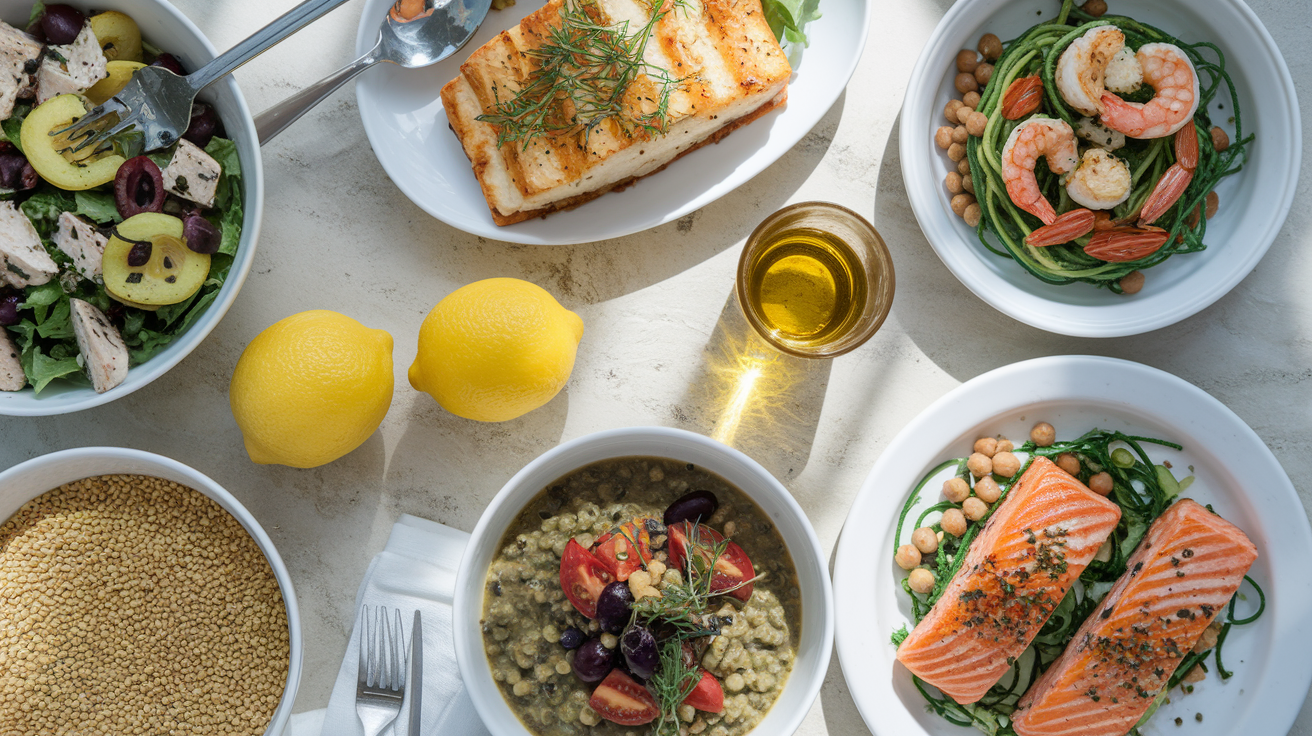
Mediterranean recipes pack lean proteins, fiber-loaded vegetables, whole grains, and healthy fats into meals that actually fill you up without blowing your calorie budget. You’re getting fish, legumes, leafy greens, olive oil, and herbs. Flavorful without needing tricks. Most of these come in between 250 and 450 calories per serving, so they fit cleanly into daily targets around 1,200 to 1,800 kcal, depending on how much you move and what you’re working toward.
- Greek salad with grilled chicken – 360 kcal
- Baked cod with tomatoes, olives, and capers – 280 kcal
- Lentil and spinach stew – 370 kcal
- Quinoa and turkey-stuffed bell peppers – 390 kcal
- Shrimp and zucchini noodles with garlic-lemon – 260 kcal
- Grilled salmon with roasted Mediterranean vegetables – 420 kcal
- Chickpea and spinach sauté with tahini – 350 kcal
- Whole-wheat pasta with sardines and cherry tomatoes – 420 kcal
- Sheet-pan chicken drumsticks with zucchini and corn – 340 kcal
- White bean and kale salad with lemon vinaigrette – 310 kcal
These work because they’re high-volume, low-calorie foods. The combo of lean protein and fiber keeps you full for hours. Olive oil adds taste and satisfaction without pushing calories too far.
Mediterranean Breakfast Recipes for Weight Loss
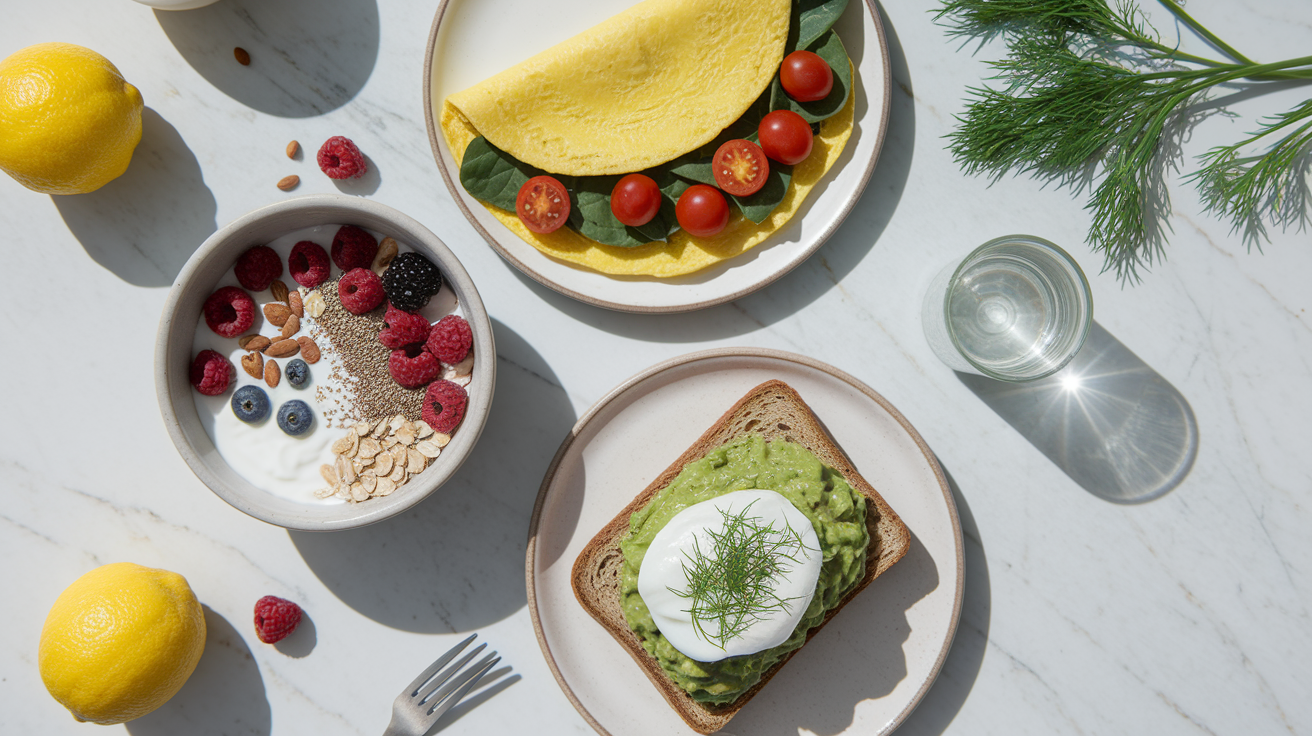
Mediterranean breakfasts start with protein, fiber, and healthy fats so you’re not starving by 10 a.m. Greek yogurt, eggs, whole grains, vegetables, and fruit create balanced plates that support a calorie deficit without feeling like punishment.
Greek Yogurt Bowl with Oats and Berries
High-protein yogurt meets fiber-rich oats and antioxidant-packed berries. Filling, low-calorie, easy.
- 1 cup (245 g) plain nonfat Greek yogurt
- 1/3 cup (30 g) raw rolled oats
- 1/2 cup (75 g) mixed berries (blueberries, strawberries)
- 1 tbsp (9 g) raw almonds, chopped
- 1 tsp (5 g) chia seeds
- 1/2 tsp vanilla extract
- Pinch of cinnamon
- Drop Greek yogurt in a bowl.
- Stir in raw oats, chia seeds, vanilla.
- Top with berries and almonds.
- Hit it with cinnamon and eat now, or let it sit overnight in the fridge for softer oats.
Nutrition per serving: 320 kcal | Protein 28 g | Fat 7 g | Carbs 38 g | Fiber 7 g
Vegetable and Feta Omelette
Protein-forward omelette loaded with vegetables and just enough feta for flavor.
- 2 large eggs (100 g)
- 1/2 cup (75 g) baby spinach, chopped
- 1/4 cup (40 g) cherry tomatoes, halved
- 2 tbsp (15 g) red bell pepper, diced
- 1 oz (28 g) feta cheese, crumbled
- 1 tsp (5 mL) extra-virgin olive oil
- Salt and black pepper to taste
- 1 tbsp (3 g) fresh parsley, chopped
- Heat olive oil in a nonstick pan over medium.
- Whisk eggs with salt and pepper, pour into pan.
- Add spinach, tomatoes, and bell pepper to one half of the omelette.
- Sprinkle feta over vegetables.
- Fold in half and cook 1 to 2 minutes until eggs are set.
- Slide onto a plate, top with parsley.
Nutrition per serving: 280 kcal | Protein 18 g | Fat 18 g | Carbs 7 g | Fiber 2 g
Whole-Grain Toast with Avocado and Poached Egg
The classic. Healthy fats, fiber, protein on one plate.
- 1 slice (40 g) whole-grain bread, toasted
- 1/4 medium avocado (40 g), mashed
- 1 large egg (50 g), poached
- 1 tsp (5 mL) lemon juice
- Pinch of red pepper flakes
- Salt and black pepper to taste
- 1 tsp (1 g) fresh dill or parsley, chopped
- Toast bread until golden.
- Mash avocado with lemon juice, salt, pepper. Spread on toast.
- Poach egg in simmering water for 3 to 4 minutes. White set, yolk runny.
- Place poached egg on top of avocado toast.
- Finish with red pepper flakes and fresh herbs.
Nutrition per serving: 290 kcal | Protein 12 g | Fat 14 g | Carbs 28 g | Fiber 7 g
Front-loading your day with protein and fiber keeps you steady through the morning. Greek yogurt and eggs slow digestion and cut mid-morning hunger. Fiber from oats, vegetables, and whole grains keeps blood sugar from spiking. Starting balanced makes it way easier to stick to your calorie targets without feeling wrecked by lunch.
Mediterranean Lunch Recipes for Weight Loss
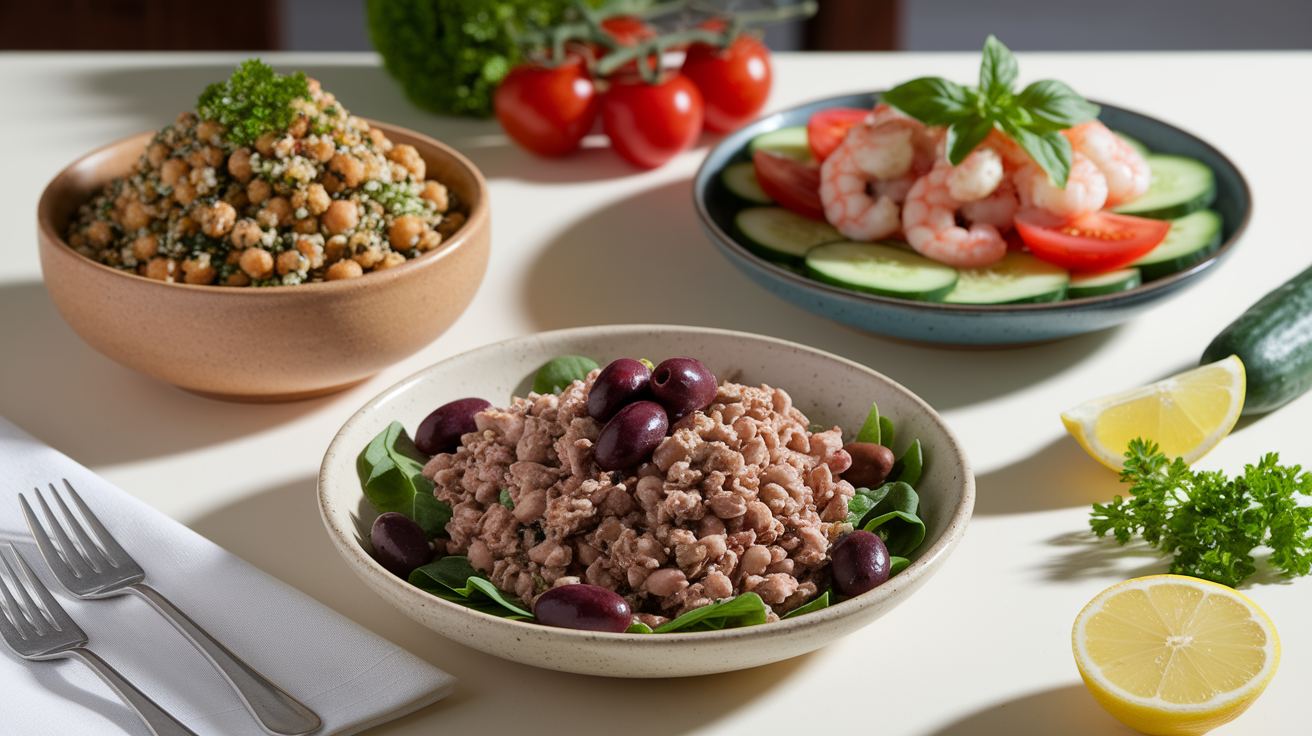
Mediterranean lunches lean on vegetables, legumes, lean proteins, and whole grains. Nutrient-dense, fiber-rich meals that keep you full without packing in calories.
Herbed Chickpea and Quinoa Salad
Plant-based bowl combining protein-rich chickpeas with quinoa and fresh vegetables.
- 1 cup (185 g) cooked quinoa (from 1/3 cup dry)
- 1 cup (240 g) canned chickpeas, rinsed and drained
- 1 cup (150 g) cherry tomatoes, halved
- 1/2 cup (75 g) cucumber, diced
- 1/4 cup (40 g) red onion, finely chopped
- 2 tbsp (8 g) fresh parsley, chopped
- 1 tbsp (15 mL) extra-virgin olive oil
- 1 tbsp (15 mL) lemon juice
- 1 tsp (5 g) Dijon mustard
- 1 garlic clove, minced
- Salt and black pepper to taste
- Cook quinoa per package directions, let it cool.
- Combine chickpeas, tomatoes, cucumber, red onion, and parsley in a large bowl.
- Whisk together olive oil, lemon juice, mustard, garlic, salt, pepper in a small bowl.
- Add quinoa to the vegetable mix.
- Pour dressing over everything and toss.
- Eat now or refrigerate up to 3 days.
Nutrition per serving (serves 2): 380 kcal | Protein 14 g | Fat 10 g | Carbs 58 g | Fiber 12 g
Tuna and White Bean Salad
Quick, high-protein salad using canned ingredients. Omega-3s and fiber in one bowl.
- 1 can (5 oz / 142 g) tuna in water, drained
- 1 cup (240 g) canned white beans (cannellini), rinsed and drained
- 2 cups (60 g) mixed greens (arugula, spinach)
- 1/2 cup (75 g) cherry tomatoes, halved
- 1/4 cup (40 g) red onion, thinly sliced
- 10 kalamata olives (25 g), pitted and halved
- 1 tbsp (15 mL) extra-virgin olive oil
- 1 tbsp (15 mL) red wine vinegar
- 1 tsp (5 g) Dijon mustard
- 1 garlic clove, minced
- Salt and black pepper to taste
- 1 tbsp (3 g) fresh basil, chopped
- Combine tuna, white beans, greens, tomatoes, red onion, and olives in a large bowl.
- Whisk together olive oil, red wine vinegar, mustard, garlic, salt, and pepper.
- Pour dressing over salad and toss gently.
- Top with basil and serve.
Nutrition per serving (serves 2): 310 kcal | Protein 26 g | Fat 10 g | Carbs 28 g | Fiber 8 g
Shrimp and Avocado Salad with Lemon Vinaigrette
Light, refreshing. Lean shrimp, healthy fats, lots of vegetables.
- 8 oz (225 g) cooked shrimp, peeled and deveined
- 2 cups (60 g) mixed greens
- 1/2 medium avocado (80 g), sliced
- 1/2 cup (75 g) cucumber, diced
- 1/2 cup (75 g) cherry tomatoes, halved
- 1/4 cup (40 g) red bell pepper, diced
- 2 tbsp (30 mL) extra-virgin olive oil
- 2 tbsp (30 mL) fresh lemon juice
- 1 tsp (5 g) Dijon mustard
- 1 garlic clove, minced
- Salt and black pepper to taste
- 1 tbsp (3 g) fresh dill, chopped
- Arrange greens on a plate or in a bowl.
- Top with shrimp, avocado, cucumber, tomatoes, and bell pepper.
- Whisk olive oil, lemon juice, mustard, garlic, salt, and pepper together.
- Drizzle vinaigrette over the salad.
- Finish with dill and serve.
Nutrition per serving (serves 2): 340 kcal | Protein 28 g | Fat 18 g | Carbs 12 g | Fiber 5 g
Fiber-rich lunches keep you full longer. Chickpeas and white beans deliver protein and fiber together, slowing digestion and stabilizing blood sugar. Pair them with tuna or shrimp and plenty of vegetables. High-volume meals that satisfy hunger without packing in calories. Makes it way easier to skip mid-afternoon snacking or overeating at dinner.
Mediterranean Dinner Recipes for Weight Loss
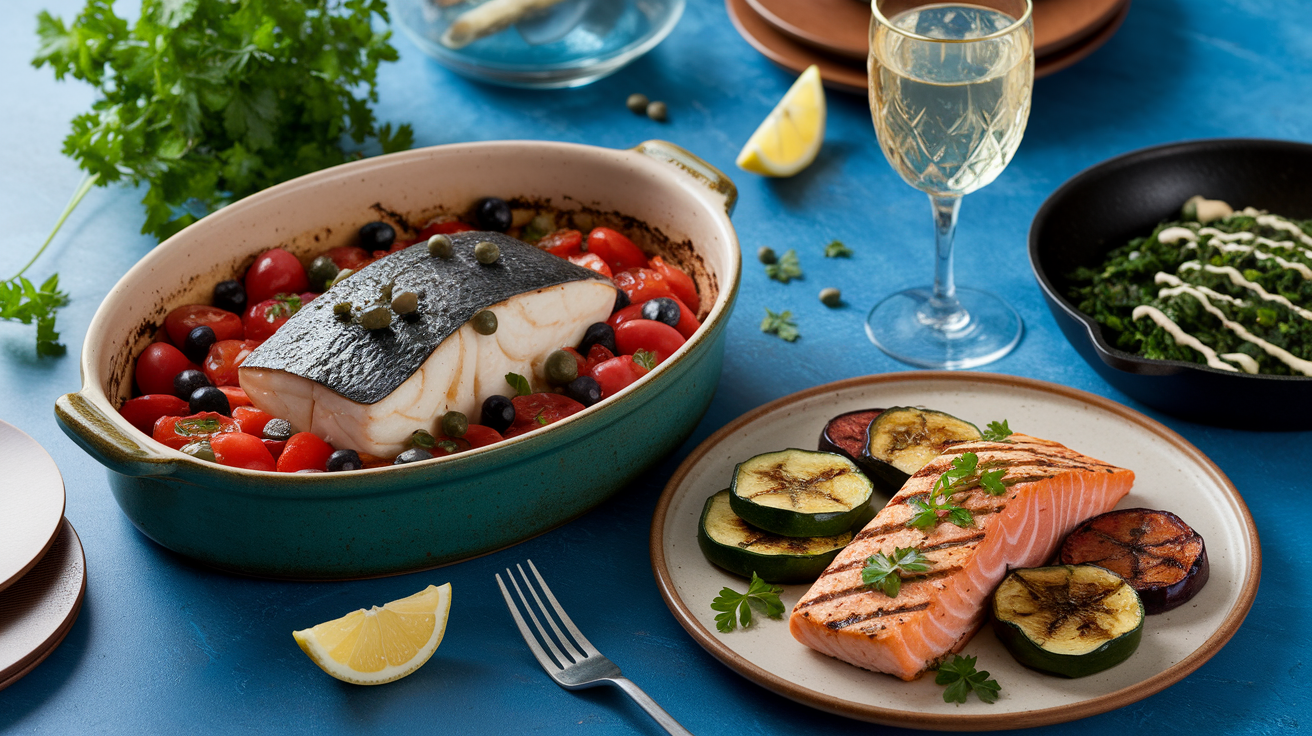
Mediterranean dinners center on lean seafood, vegetables, legumes, and herbs. Light but satisfying, built to prevent late-night overeating.
Baked Cod with Tomatoes, Olives, and Capers
Simple, flavorful fish dish. One pan, lean protein, Mediterranean aromatics.
- 1 lb (454 g) cod fillets (four 4-oz portions)
- 2 cups (400 g) canned diced tomatoes
- 1/4 cup (40 g) kalamata olives, pitted and halved
- 2 tbsp (20 g) capers, rinsed
- 4 garlic cloves, minced
- 2 tbsp (30 mL) extra-virgin olive oil
- 1 tsp (2 g) dried oregano
- 1/2 tsp (1 g) red pepper flakes
- Salt and black pepper to taste
- 2 tbsp (8 g) fresh parsley, chopped
- 1 lemon, cut into wedges
- Preheat oven to 400°F (200°C).
- Combine diced tomatoes, olives, capers, garlic, olive oil, oregano, red pepper flakes, salt, and pepper in a baking dish.
- Place cod on top of tomato mixture.
- Bake 12 to 15 minutes until fish is opaque and flakes easily.
- Top with parsley and serve with lemon wedges.
Nutrition per serving (serves 4): 280 kcal | Protein 25 g | Fat 10 g | Carbs 8 g | Fiber 2 g
Grilled Salmon with Roasted Mediterranean Vegetables
Nutrient-dense dinner pairing omega-3-rich salmon with colorful roasted vegetables.
- 2 salmon fillets (10 oz / 280 g total, two 5-oz portions)
- 1 medium zucchini (200 g), sliced
- 1 medium red bell pepper (150 g), cut into strips
- 1 small eggplant (250 g), cubed
- 2 tbsp (30 mL) extra-virgin olive oil, divided
- 2 garlic cloves, minced
- 1 tsp (2 g) dried thyme
- 1 tsp (2 g) dried rosemary
- Salt and black pepper to taste
- 1 lemon, halved
- 2 tbsp (8 g) fresh parsley, chopped
- Preheat oven to 425°F (220°C).
- Toss zucchini, bell pepper, and eggplant with 1 tbsp olive oil, garlic, thyme, rosemary, salt, and pepper.
- Spread vegetables on a baking sheet, roast 25 to 30 minutes, stir halfway.
- While vegetables roast, brush salmon with remaining olive oil, season with salt and pepper.
- Grill or pan-sear salmon 4 to 5 minutes per side until cooked through.
- Serve salmon over roasted vegetables, squeeze lemon over top, finish with parsley.
Nutrition per serving (serves 2): 420 kcal | Protein 30 g | Fat 24 g | Carbs 10 g | Fiber 3 g
Chickpea and Spinach Sauté with Lemon and Tahini
Vegan dinner ready in under 20 minutes. Plant protein, fiber, healthy fats in one pan.
- 2 cans (15 oz / 425 g each) chickpeas, rinsed and drained
- 6 cups (180 g) baby spinach
- 3 garlic cloves, minced
- 2 tbsp (30 g) tahini
- 2 tbsp (30 mL) lemon juice
- 1 tbsp (15 mL) extra-virgin olive oil
- 1 tsp (2 g) ground cumin
- 1/2 tsp (1 g) smoked paprika
- Salt and black pepper to taste
- 2 tbsp (8 g) fresh cilantro, chopped
- 1 lemon, cut into wedges
- Heat olive oil in a large skillet over medium.
- Add garlic, cook 1 minute until fragrant.
- Add chickpeas, cumin, smoked paprika, salt, and pepper. Cook 5 to 7 minutes, stirring occasionally, until chickpeas are lightly crispy.
- Add spinach, cook 2 to 3 minutes until wilted.
- Whisk tahini and lemon juice with 1 to 2 tbsp water to thin.
- Drizzle tahini sauce over chickpea and spinach mixture.
- Top with cilantro and serve with lemon wedges.
Nutrition per serving (serves 3): 350 kcal | Protein 13 g | Fat 14 g | Carbs 42 g | Fiber 10 g
These dinners emphasize lean proteins and fiber-rich vegetables that fill you up without excessive calories. Fish and legumes provide sustained energy and satisfy hunger. Moderate olive oil and tahini add flavor and healthy fats. Keeping dinners light but satisfying reduces late-night snacking temptation, making it easier to stay within daily calorie targets.
Mediterranean Snacks and Small Plates for Weight Loss
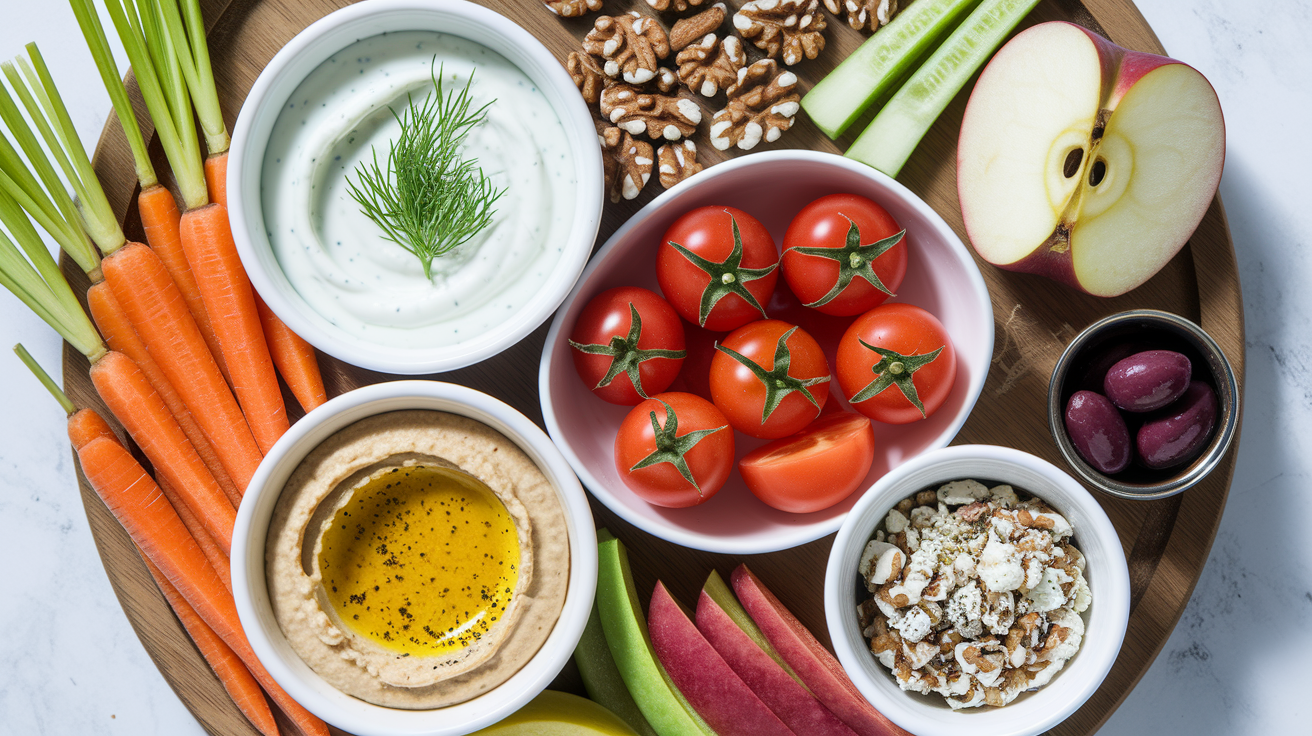
Mediterranean snacks focus on whole foods. Vegetables, legumes, nuts, yogurt, fruit. Mezze-style eating encourages small, balanced portions that satisfy cravings without wrecking calorie goals.
Carrot sticks with hummus – 1/2 cup carrot sticks (60 g) and 1/4 cup hummus (60 g) deliver fiber, protein, and healthy fats for 130 to 150 kcal.
Greek yogurt with cucumber and dill – 1/2 cup plain nonfat Greek yogurt (120 g) mixed with 1/4 cup diced cucumber (40 g) and fresh dill makes a protein-rich, savory snack for 60 to 80 kcal.
A handful of raw almonds – 1 oz (28 g, about 23 almonds) provides healthy fats and protein for 160 to 170 kcal.
Cherry tomatoes with feta and basil – 1 cup cherry tomatoes (150 g) with 1 oz feta (28 g) and fresh basil leaves offers a light, flavorful plate for 100 to 120 kcal.
Apple slices with a small handful of walnuts – 1 medium apple (180 g) paired with 1/2 oz walnuts (14 g) combines fiber and omega-3s for 140 to 160 kcal.
Olives and raw vegetables – 10 kalamata olives (25 g) with 1 cup raw bell pepper strips (150 g) delivers antioxidants and healthy fats for 90 to 110 kcal.
Structured snacking prevents overeating by keeping hunger steady. Pairing protein or healthy fats with fiber-rich vegetables or fruit slows digestion and keeps blood sugar stable. Reduces the urge to reach for high-calorie processed snacks. Small, planned portions make it easier to stay within daily calorie targets without feeling restricted.
7‑Day Mediterranean Weight‑Loss Meal Plan
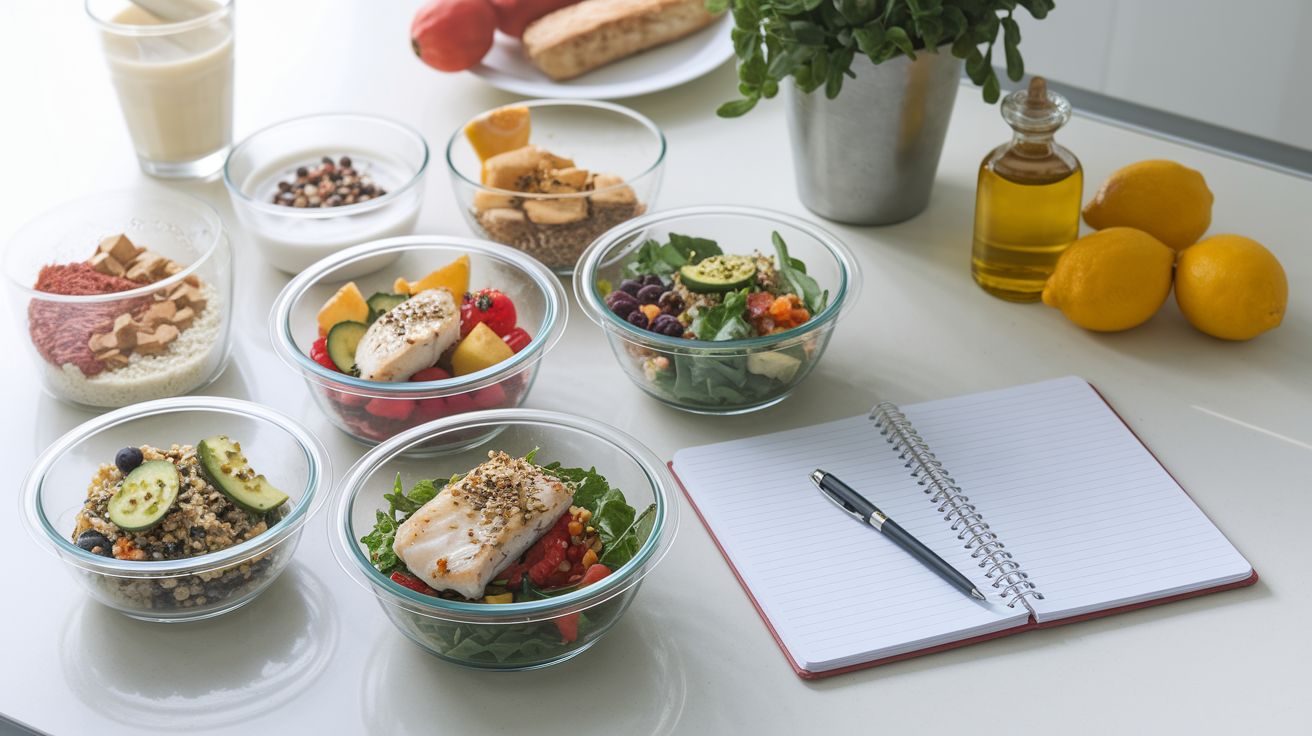
| Day | Breakfast | Lunch | Dinner |
|---|---|---|---|
| Monday | Greek Yogurt Bowl with Oats and Berries | Herbed Chickpea and Quinoa Salad | Baked Cod with Tomatoes, Olives, and Capers |
| Tuesday | Whole-Grain Toast with Avocado and Poached Egg | Tuna and White Bean Salad | Chickpea and Spinach Sauté with Lemon and Tahini |
| Wednesday | Vegetable and Feta Omelette | Shrimp and Avocado Salad with Lemon Vinaigrette | Grilled Salmon with Roasted Mediterranean Vegetables |
| Thursday | Greek Yogurt Bowl with Oats and Berries | Herbed Chickpea and Quinoa Salad | Baked Cod with Tomatoes, Olives, and Capers |
| Friday | Whole-Grain Toast with Avocado and Poached Egg | Tuna and White Bean Salad | Chickpea and Spinach Sauté with Lemon and Tahini |
| Saturday | Vegetable and Feta Omelette | Shrimp and Avocado Salad with Lemon Vinaigrette | Grilled Salmon with Roasted Mediterranean Vegetables |
| Sunday | Greek Yogurt Bowl with Oats and Berries | Herbed Chickpea and Quinoa Salad | Baked Cod with Tomatoes, Olives, and Capers |
Use this meal plan as a flexible framework, not a rigid schedule. You can swap recipes within each meal category based on what you’ve got or what fits your schedule that week. The goal is consistent, balanced, nutrient-dense meals that keep daily calorie intake in the 1,200 to 1,800 kcal range depending on how much you move and your weight-loss targets. If a recipe serves multiple portions, prepare the full batch and store extras in airtight containers for quick reheating on busier days. Pair each meal with a light snack if needed to maintain steady energy and prevent excessive hunger at your next meal.
Mediterranean Grocery List for Weight Loss
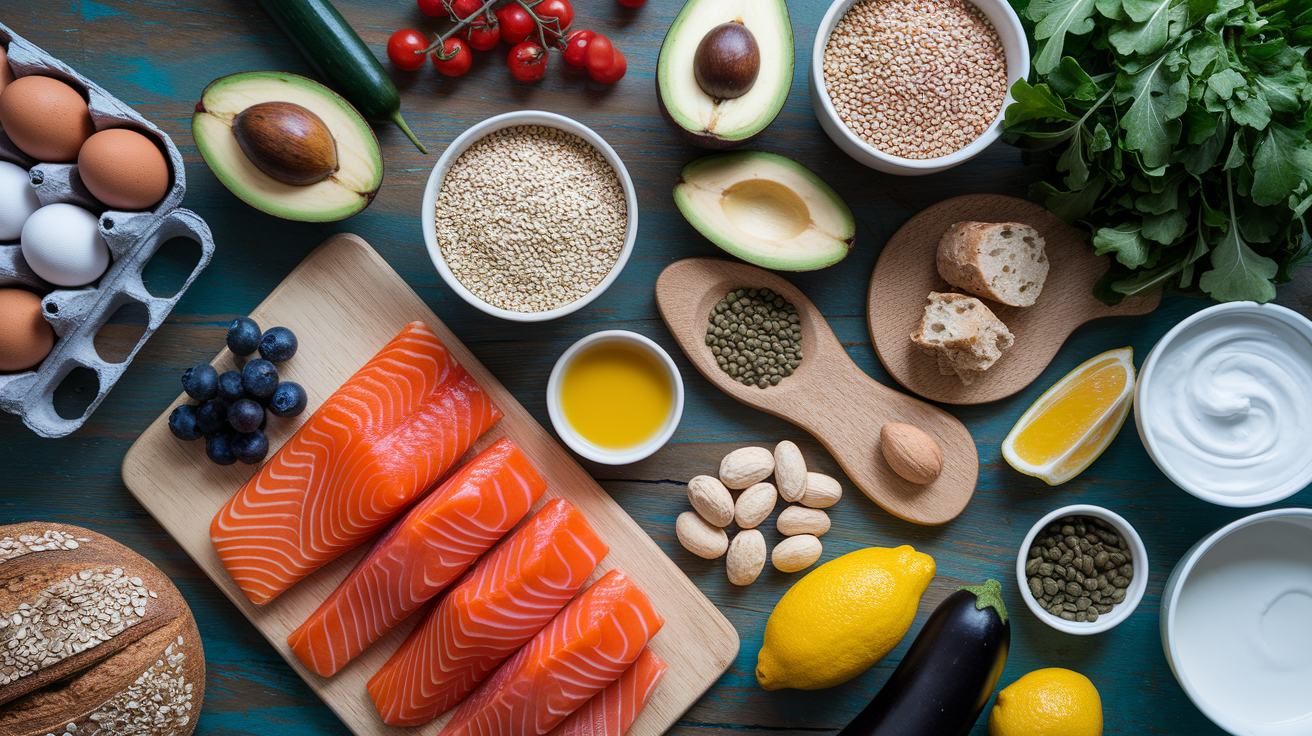
Proteins
- Boneless skinless chicken breast
- Salmon fillets
- Cod or other white fish
- Canned tuna in water
- Canned sardines
- Raw shrimp, peeled and deveined
- Eggs
- Plain nonfat Greek yogurt
- Feta cheese (small amounts)
Legumes and Grains
- Dry brown or green lentils
- Canned chickpeas
- Canned white beans (cannellini)
- Dry quinoa
- Dry farro
- Whole-wheat pasta
- Whole-grain bread
- Raw rolled oats
Vegetables
- Mixed greens (arugula, spinach, baby greens)
- Baby spinach
- Cherry tomatoes
- Cucumbers
- Red and yellow bell peppers
- Zucchini
- Eggplant
- Red onion
- Garlic
- Fresh parsley, basil, dill, cilantro
Fruits
- Lemons
- Mixed berries (blueberries, strawberries)
- Apples
- Avocados
Healthy Fats and Pantry Staples
- Extra-virgin olive oil
- Tahini
- Raw almonds
- Raw walnuts
- Kalamata olives
- Capers
- Canned diced tomatoes
- Low-sodium vegetable broth
- Dijon mustard
- Red wine vinegar
- Dried oregano, cumin, thyme, rosemary, smoked paprika
Keeping these staples on hand makes it easier to prepare balanced, low-calorie Mediterranean meals without last-minute store runs. Stock your pantry with shelf-stable items like canned legumes, olive oil, and dried herbs, then rotate fresh proteins, vegetables, and fruits weekly based on your meal plan. Consistent access to the right ingredients removes decision fatigue and keeps you on track with weight-loss goals.
Meal Prep and Portion Tips for Mediterranean Weight Loss
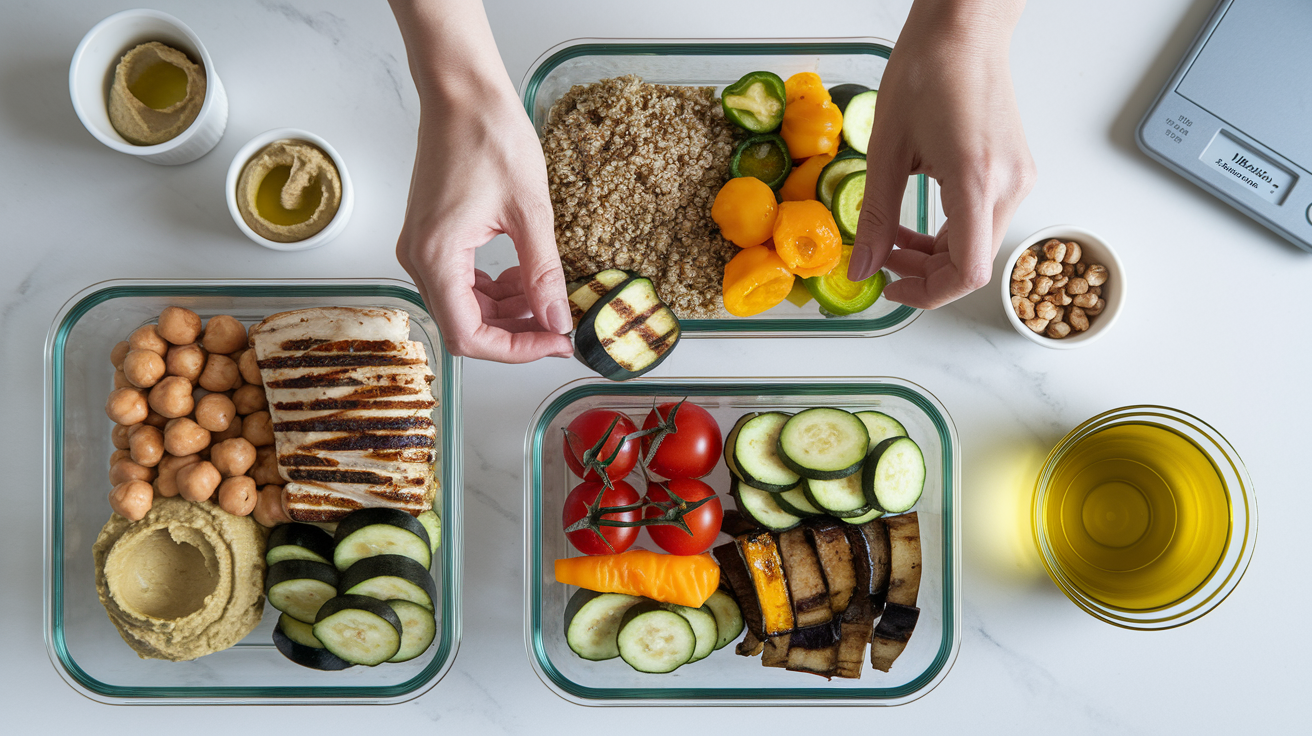
Meal prep removes daily decision-making and makes it easier to stick to calorie targets when life gets busy. Preparing proteins, grains, and vegetables in batches at the start of the week gives you ready-to-assemble meals. Consistent prep also reduces the temptation to reach for higher-calorie convenience foods when hunger strikes.
Batch-cook proteins once per week. Grill 1.5 lb chicken breast or bake 1 lb salmon, then portion into 4 to 5 oz servings and store in airtight containers for up to 4 days.
Cook grains in larger quantities. Prepare 3 cups cooked quinoa or farro from dry grains, let cool, and refrigerate. Use 1/2 cup portions as needed throughout the week.
Roast multiple trays of vegetables at once. Toss zucchini, bell peppers, eggplant, and cherry tomatoes with 1 to 2 tbsp olive oil, season with herbs, and roast at 425°F for 25 to 30 minutes. Store in the fridge and add to meals as needed.
Use canned fish and legumes for quick meals. Keep canned tuna, sardines, chickpeas, and white beans stocked for 10 to 15 minute dinners when you don’t have time to cook from scratch.
Prep grab-and-go snacks in portioned containers. Divide hummus into 1/4-cup portions, cut vegetables into sticks, and portion nuts into 1-oz servings to avoid overeating straight from the package.
Store prepped ingredients separately. Keep cooked proteins, grains, and vegetables in separate containers so you can mix and match meals throughout the week without flavor fatigue.
Label containers with the date. Most prepped items stay fresh for 3 to 4 days in the fridge. Freeze extras if you won’t use them within that window.
Assemble meals the night before or morning of. Combine your prepped ingredients into complete meals so you can grab and go without thinking.
Portion control matters most with calorie-dense foods like olive oil, nuts, cheese, and avocado. Measure 1 tbsp olive oil instead of pouring freely, stick to 1 oz nuts (about a small handful), and keep cheese portions around 1 oz per meal. For proteins, aim for 3 to 4 oz cooked weight per serving, roughly the size of a deck of cards. Fill half your plate with nonstarchy vegetables, add your portion of protein, and round it out with 1/2 cup cooked whole grains if needed. These simple visual cues help you stay consistent without needing to weigh every ingredient.
When to Adjust Recipes or Seek Further Guidance
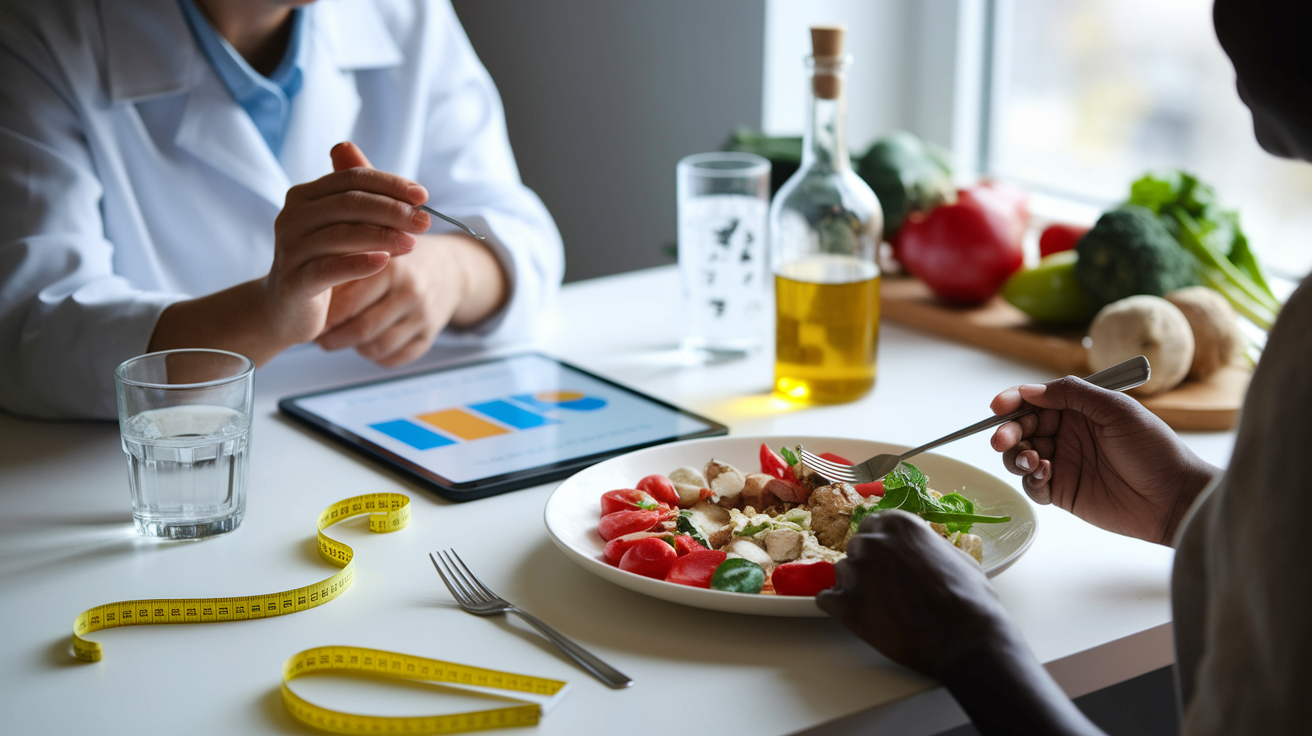
These recipes work well for most people aiming for steady, sustainable weight loss. But individual needs vary based on activity level, medical history, and personal preferences. You may need to adjust portion sizes, swap ingredients, or modify macronutrient ratios to match your specific goals. If you’re unsure whether these recipes fit your situation, professional guidance can help you tailor the approach.
You’re losing weight too quickly. Losing more than 1 to 2 lb per week consistently may mean your calorie intake is too low. Add an extra snack or increase portions slightly.
You’re not losing weight after 3 to 4 weeks. If you’ve been consistent with meals and portions but see no progress, your calorie target may need adjustment or your activity level may have changed.
You have a medical condition that affects diet. Diabetes, thyroid disorders, kidney disease, or digestive conditions may require ingredient swaps or different macronutrient balances.
You feel constantly hungry or fatigued. Persistent hunger or low energy may signal that your calorie intake is too low or your macronutrient balance needs adjustment.
You need help with portion control or meal timing. If you struggle to estimate portions or feel confused about when to eat, a registered dietitian can provide personalized structure.
You want to adjust recipes for specific dietary needs. Allergies, intolerances, or preferences (like vegan or gluten-free) may require ingredient substitutions that maintain the same calorie and nutrient balance.
If any of these signs apply, consider working with a registered dietitian or certified nutrition coach. Professional guidance helps you troubleshoot stalls, adjust recipes for your unique needs, and build habits that fit your life long-term. These recipes are a strong starting point, but personalized support makes them even more effective.
Final Words
Dive into the quick list and pick two recipes to try this week. You’ve got breakfasts, lunches, dinners, snacks, a 7-day plan, grocery list, and meal-prep tips to make cooking simple.
Start small: prep a breakfast, pack a lunch, and swap one snack. If something doesn’t fit, tweak portions or use the troubleshooting cues.
Use these mediterranean diet recipes for weight loss as a practical toolkit you can repeat. You’ll build steady progress and feel better without needing perfection.
FAQ
Q: What can you eat on the Mediterranean diet to lose weight?
A: The Mediterranean diet for weight loss focuses on vegetables, fruits, legumes, whole grains, lean fish and poultry, Greek yogurt, nuts (small amounts), and olive oil, with portion control and protein to boost fullness.
Q: Does a Mediterranean diet help lower A1C?
A: The Mediterranean diet can help lower A1C by emphasizing fiber, whole grains, healthy fats, and lean proteins, which improve blood sugar control and weight; follow medical advice for diabetes management.
Q: Is the Mediterranean diet good for Sjögren’s?
A: The Mediterranean diet may help people with Sjögren’s by reducing inflammation and supporting overall health, but it won’t cure the condition — stay hydrated and check with your clinician for personalized guidance.
Q: Is the Mediterranean diet good for bariatric patients?
A: The Mediterranean diet can work for bariatric patients when adapted for higher protein, smaller portions, softer textures after surgery, and required supplements; always coordinate changes with your bariatric team.