
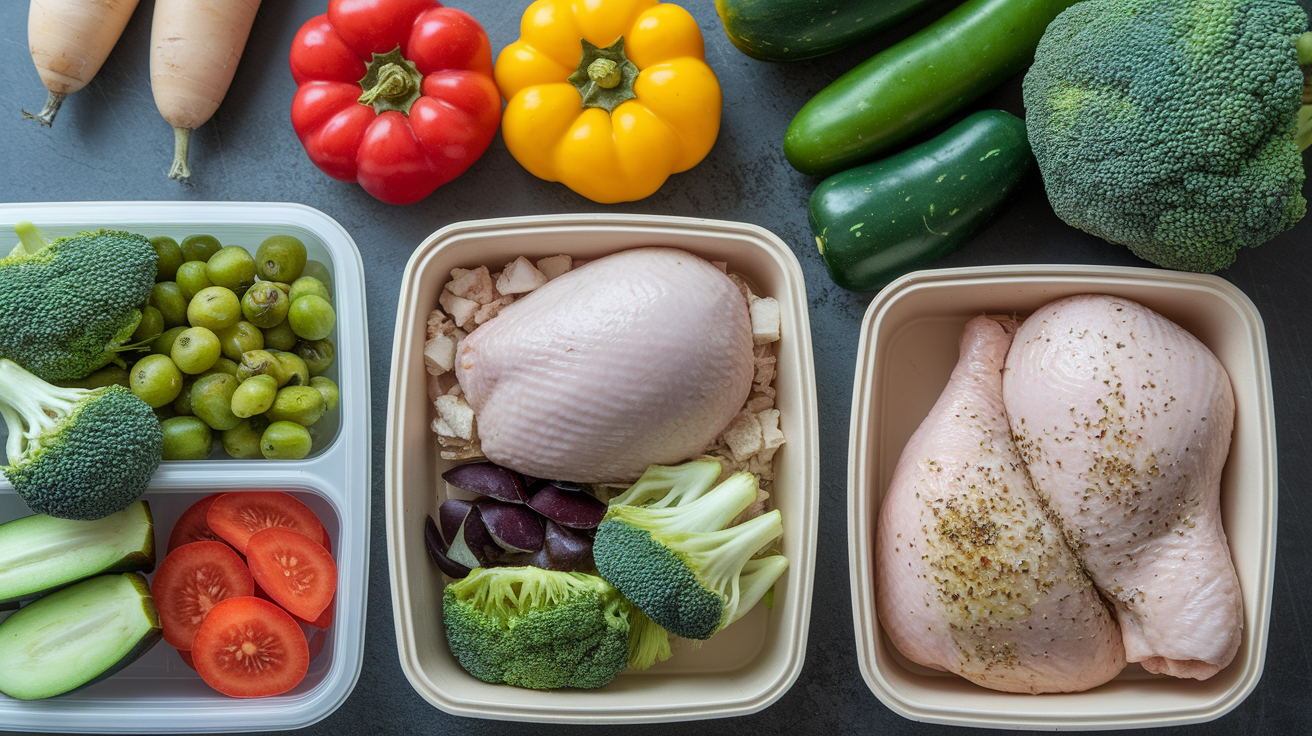
Who says dinner for weight loss has to taste like cardboard?
If you’re tired of tiny portions that leave you hungry, you’re not alone.
This post shares 20 low calorie dinner ideas that actually satisfy cravings, most landing between about 150 and 320 calories and built for real weeknights.
You’ll get quick recipes, smart swaps, and simple prep tips so you eat well without extra stress.
Pick a few, batch what you can, and have dinners that help you keep steady progress.
Best Low-Calorie Dinner Recipes for Weight Loss (Quick & Easy)
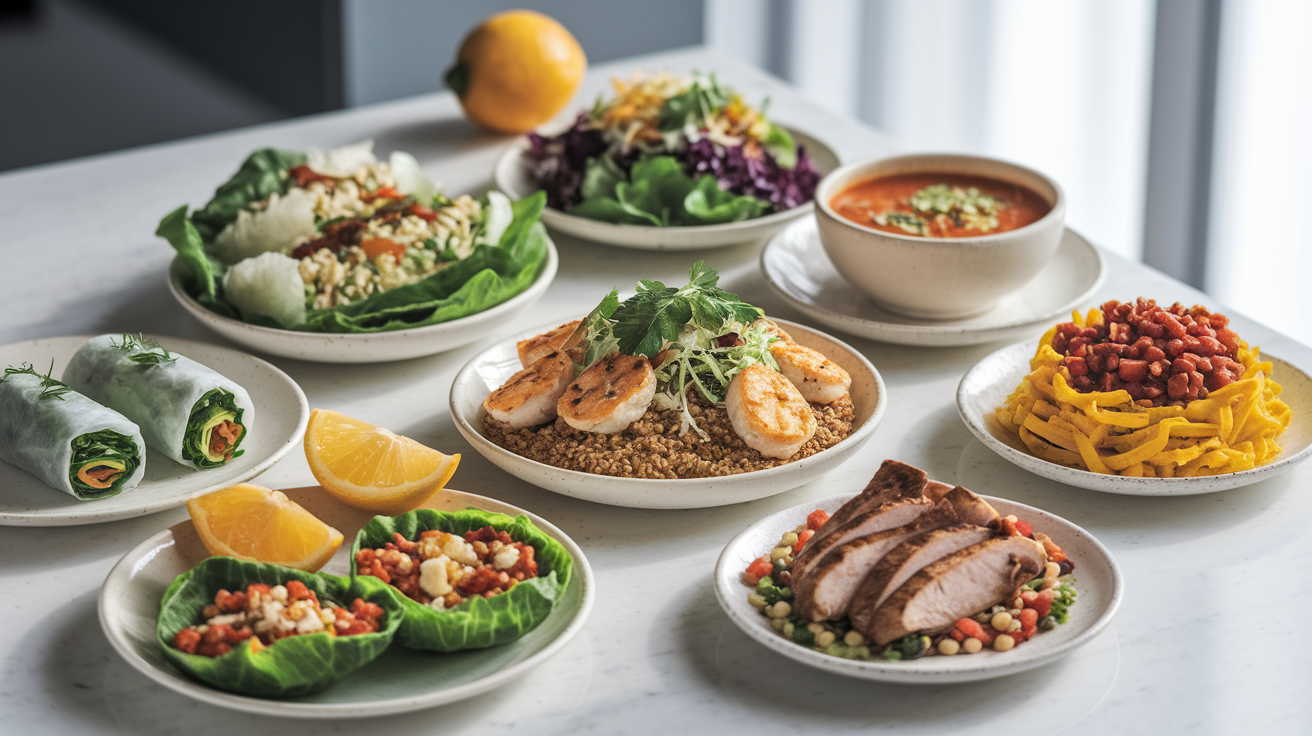
These recipes bring actual flavor and keep you satisfied while controlling calories. Each one fits into a weight loss plan without making you feel like something’s missing.
-
Lemongrass Chicken Rice Paper Rolls – Fresh herbs, lean chicken, crunchy vegetables wrapped in rice paper with light peanut dipping sauce. Around 220 calories per serving.
-
Oven Crisp Fish Tacos – Baked white fish with cabbage slaw and lime in a corn tortilla. About 198 calories per serving.
-
Quinoa Shrimp Paella – Saffron quinoa cooked with shrimp, bell peppers, and peas for a filling plate. Roughly 280 calories per serving.
-
Sizzling Ginger Steamed Fish – Delicate white fish steamed with fresh ginger, scallions, and a splash of low sodium soy sauce. Around 190 calories per serving.
-
Vietnamese Lettuce Wraps with Peanut Sauce – Ground turkey or tofu cooked with aromatics, served in crisp lettuce cups with peanut sauce. About 240 calories per serving.
-
Slow Cooker Red Lentil Curry – Tomato based curry packed with red lentils, spinach, and warming spices. Around 265 calories per bowl.
-
Sesame Crusted Tofu Steaks – Pan seared tofu with a light sesame crust, served over steamed bok choy. Roughly 230 calories per serving.
-
Tuna Casserole – Lighter version using whole grain pasta, canned tuna, and a creamy Greek yogurt base. About 300 calories per serving.
-
Grilled Chicken Cobb Salad – Mixed greens topped with grilled chicken breast, hard boiled egg, avocado, cherry tomatoes, and balsamic vinaigrette. Around 320 calories per large salad.
-
Country Harvest Root Vegetable Soup – Hearty blend of carrots, parsnips, and celery in savory broth. Around 150 calories per bowl.
-
Easy Moroccan Stuffed Eggplant – Roasted eggplant halves filled with spiced lean ground beef or lamb, tomatoes, and chickpeas. About 270 calories per stuffed half.
-
Low Carb Chicken Fajitas – Strips of chicken breast sautéed with bell peppers and onions, served in lettuce wraps or low calorie tortilla. Roughly 230 calories per wrap.
-
Parmesan Tilapia – Baked tilapia with light Parmesan crust and roasted zucchini. About 245 calories per serving.
-
Slow Cooker White Bean and Chicken Chili – Tender chicken, white beans, green chiles, and cumin simmered until thick. Around 290 calories per bowl.
-
Chicken Lettuce Wraps – Ground chicken cooked with water chestnuts, ginger, and garlic, spooned into butter lettuce leaves. Around 210 calories per serving.
-
Smoky Roasted Tomato Soup – Fire roasted tomatoes blended with garlic and smoked paprika. Roughly 120 calories per cup.
-
Low Calorie Chicken Lo Mein – Shirataki noodles tossed with lean chicken, snap peas, and light soy ginger sauce. About 180 calories per plate.
-
Butternut Squash & Black Bean Quesadillas – Roasted squash and black beans pressed in whole wheat tortilla with reduced fat cheese. About 280 calories per quesadilla.
-
Spaghetti Squash with Ground Turkey – Roasted spaghetti squash topped with seasoned lean ground turkey and marinara. Around 250 calories per serving.
-
Quinoa Lentil Burgers – Plant based patties made from cooked quinoa, lentils, and spices, served on whole grain bun or over greens. Roughly 260 calories per burger.
Meal Prep Strategies for Low-Calorie Dinners
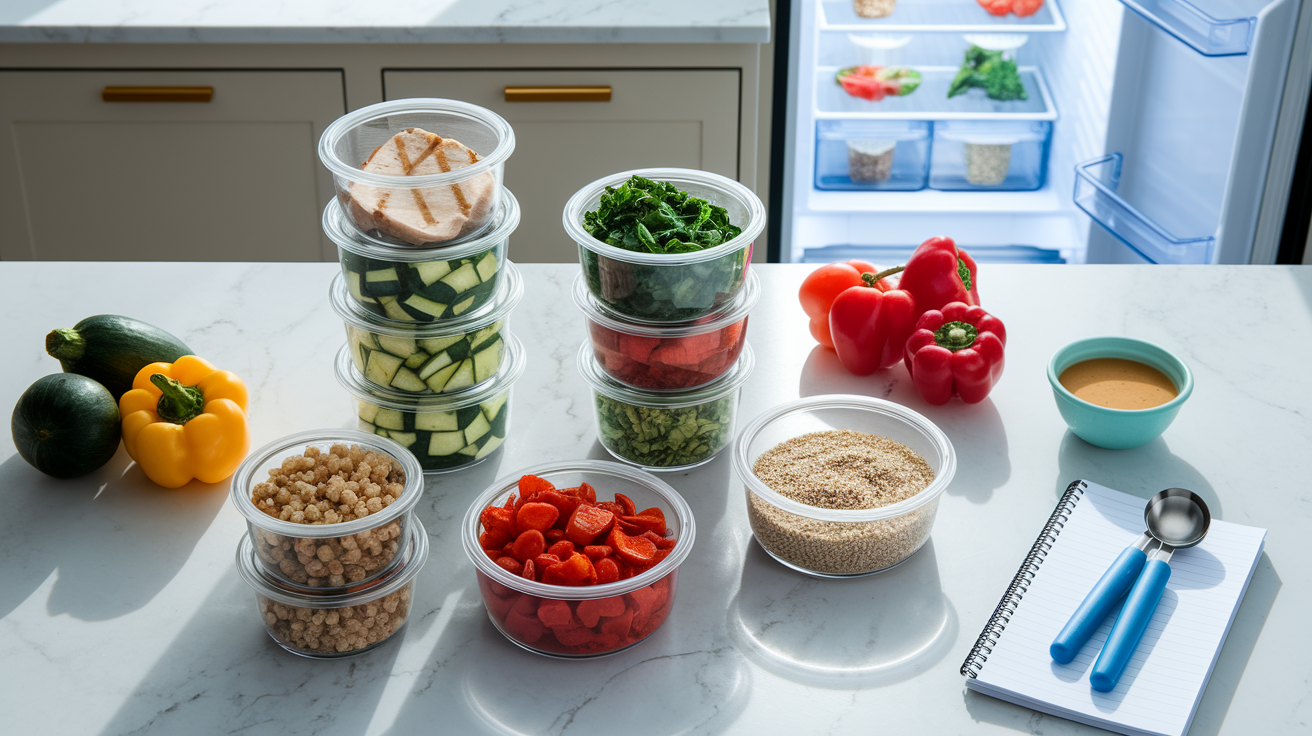
Planning ahead turns good intentions into actual follow through. When your fridge is stocked with prepped ingredients and you’ve already chosen your recipes, dinners come together in minutes instead of becoming a decision you’re too tired to make.
Start by choosing two or three recipes each week that share common ingredients. Making grilled chicken and a slow cooker soup? Buy extra chicken breasts and cook them all at once. Store the cooked protein in portioned containers so you can grab what you need without thinking. Same approach works for roasted vegetables, cooked grains, and chopped produce.
Batch cooking doesn’t mean eating identical meals seven nights straight. It means preparing components that mix and match throughout the week. Roast a sheet pan of bell peppers, zucchini, and onions on Sunday. Those vegetables go into fajitas Monday, top a grain bowl Wednesday, fill an omelet on Friday. The flavors change with the seasoning and whatever protein you pair them with.
Cook proteins in larger batches and portion into 4 to 6 oz servings for the week. Prep vegetables by washing, chopping, and storing in airtight containers with a damp paper towel to keep them crisp. Pre cook grains like quinoa, brown rice, or farro and refrigerate in portions.
Use slow cookers or instant pots to prepare soups, stews, and chilis that freeze well. Label containers with the date and calorie count per serving to make tracking simpler. Invest in stackable glass containers that go from fridge to microwave. Freeze individual portions of cooked meals in zip top bags laid flat for easy storage. Keep a running grocery list based on your planned recipes to avoid impulse buys.
| Meal Prep Method | Benefit |
|---|---|
| Batch cooking proteins | Saves time and keeps portions controlled throughout the week |
| Pre-chopping vegetables | Cuts weeknight prep time and removes a common barrier to cooking |
| Freezing individual portions | Gives you backup dinners for busy or low energy days |
| Using slow cookers overnight | Delivers ready to eat meals with minimal active cooking time |
Smart Ingredient Swaps to Keep Dinners Low in Calories
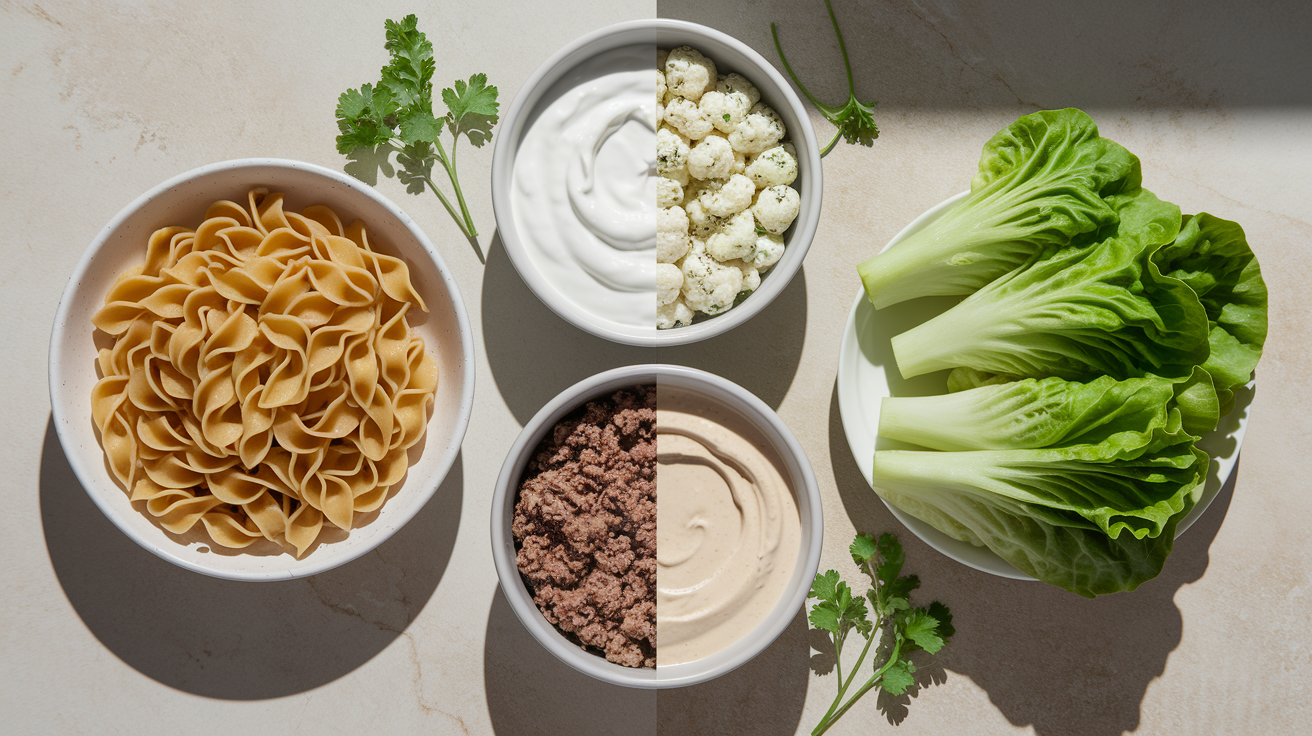
Small substitutions add up fast. Swapping just a few high calorie ingredients for lighter alternatives can cut 200 to 300 calories from a meal without losing the taste or texture that makes dinner satisfying.
Most swaps work because they add volume, moisture, or protein while cutting fat or refined carbs. Cauliflower rice feels just as filling as regular rice under a stir fry. Zucchini noodles hold sauce the same way pasta does. Greek yogurt brings creaminess to tacos and soups without the calories of sour cream. Using egg whites in scrambles or frittatas keeps protein high while fat stays low.
Replace regular pasta with spaghetti squash, zucchini noodles, or shirataki noodles. Use cauliflower rice or quinoa instead of white rice. Swap sour cream for plain Greek yogurt or light sour cream. Choose whole wheat or low calorie tortillas over regular flour tortillas.
Use ground turkey or chicken breast instead of higher fat ground beef. Replace cheese with reduced fat or fat free versions, or use smaller amounts of sharp, flavorful cheese. Trade coconut oil for canola oil or use cooking spray to cut added fat. Substitute mashed avocado or hummus for mayo in wraps and sandwiches. Use lettuce wraps or collard greens instead of bread or tortillas. Swap heavy cream for unsweetened almond milk or low fat milk in soups and sauces.
Understanding Calorie Thresholds for Weight Loss Dinners
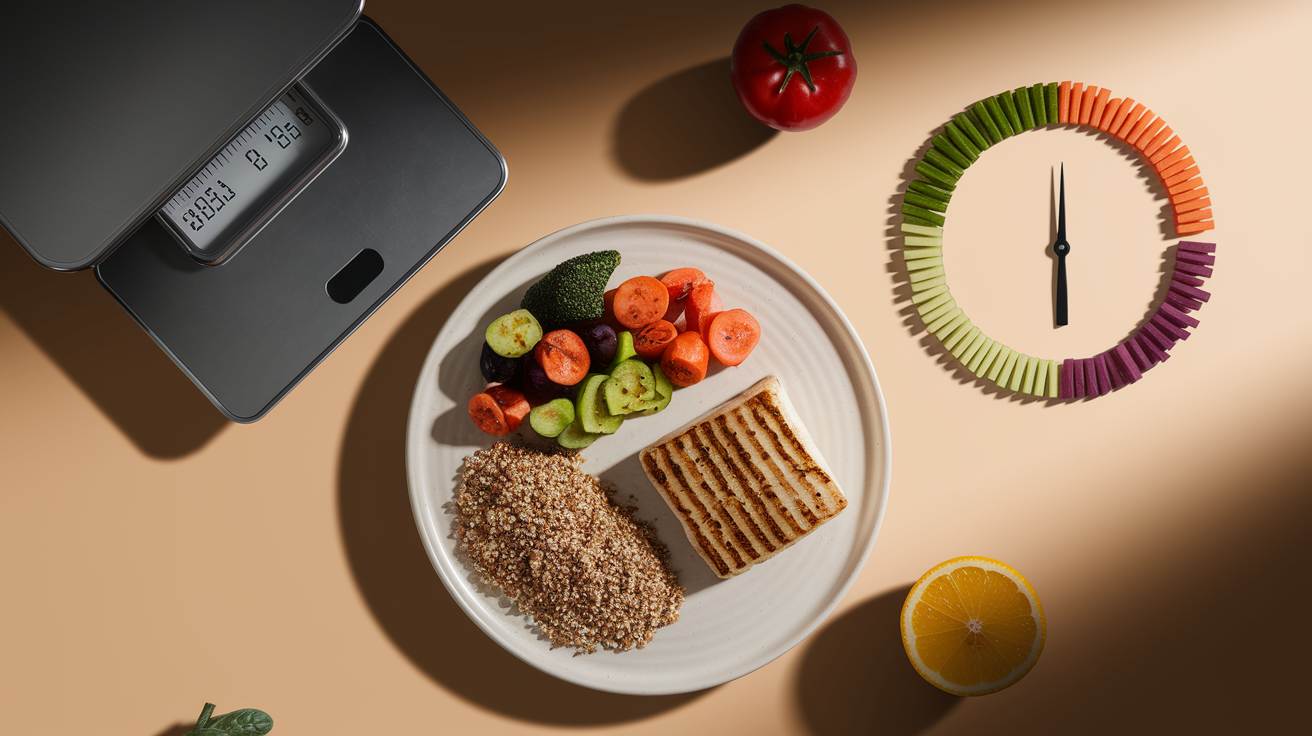
Weight loss happens when you consistently eat fewer calories than your body burns. For most people trying to lose weight, dinner should land somewhere between 300 and 500 calories, depending on how the rest of the day is structured and what your total daily target is.
If your goal is 1,200 to 1,500 calories per day, a 400 calorie dinner leaves room for breakfast, lunch, and a snack without going over. Working with 1,800 to 2,000 calories? You’ve got more flexibility, but keeping dinner in the 400 to 500 range still helps you stay on track while feeling full. The key is matching your dinner calories to your total daily budget, not eating as little as possible.
Around 300 to 400 calories works well if you’re aiming for 1,200 to 1,400 total daily calories. Between 400 and 500 calories fits most 1,500 to 1,800 calorie weight loss plans. Under 300 calories is realistic for very light dinners or when paired with a larger lunch. Between 500 and 600 calories leaves room for higher activity days or when you’ve got a bigger appetite.
Adjust your dinner range based on workout timing. Eating more if you train in the evening makes sense. Track a few days to see where your natural hunger falls and adjust portions from there. Focus on high volume, low calorie foods if you want a bigger plate without more calories.
Your activity level matters more than most people think. Walking 10,000 steps a day or doing resistance training? You’ll burn more and can afford a slightly larger dinner. On rest days or sedentary days, sticking closer to the lower end of your range keeps the deficit steady without feeling restrictive.
How to Build a Balanced Low-Calorie Dinner Plate
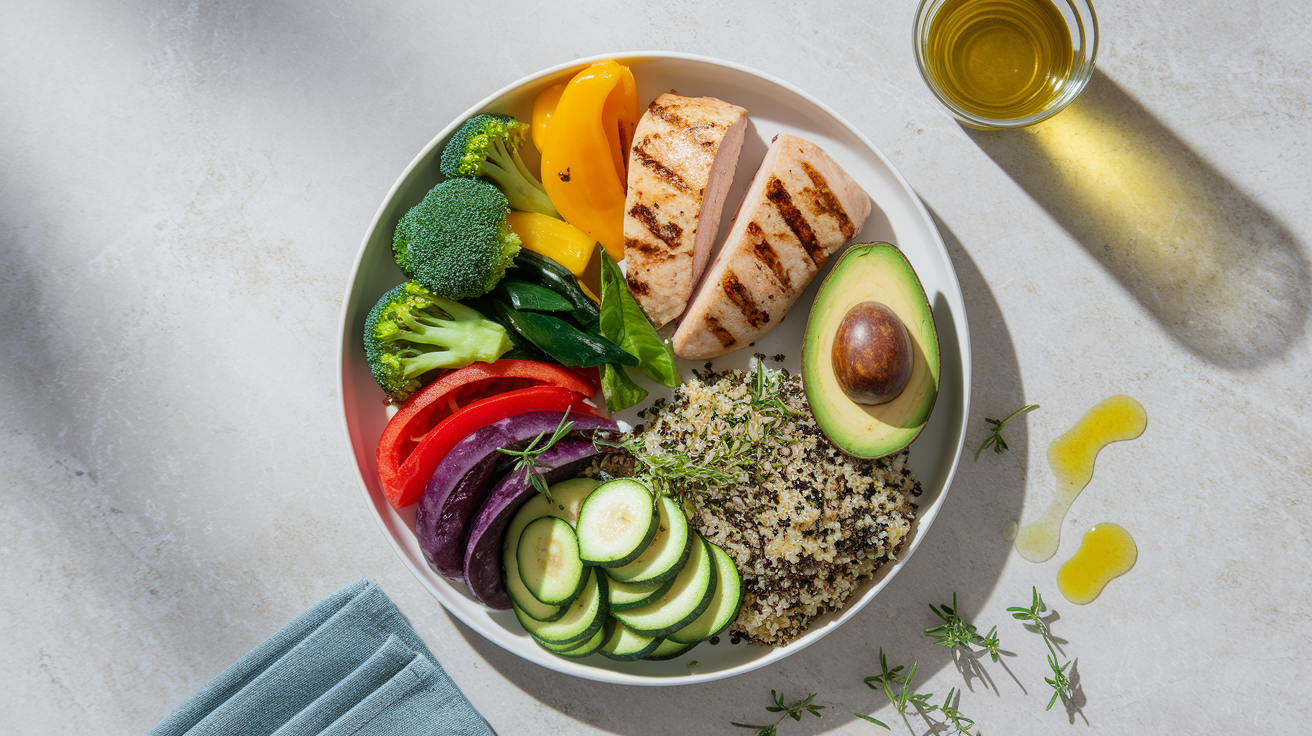
A low calorie dinner that keeps you full and energized comes down to balance. You need enough protein to support muscle and keep hunger steady, enough fiber rich vegetables to add volume, and a portion of carbs or healthy fat to round out the meal and keep it interesting.
Start with a palm sized portion of lean protein. About 4 to 6 ounces of cooked chicken, fish, tofu, or lean beef. Add at least half your plate in non starchy vegetables like broccoli, peppers, leafy greens, or zucchini. These bring fiber, volume, and nutrients without adding many calories. Then add a smaller portion of a starchy carb or healthy fat. A fist sized serving of quinoa, sweet potato, or brown rice works. Or a quarter of an avocado, a tablespoon of olive oil, or a sprinkle of nuts.
Lean protein like chicken breast, turkey, fish, tofu, shrimp, or lean beef should give you 25 to 35 grams per meal. Non starchy vegetables such as spinach, kale, bell peppers, zucchini, broccoli, cauliflower, mushrooms, and tomatoes should fill half the plate. Whole grains or starchy vegetables including quinoa, brown rice, sweet potato, whole wheat pasta, or farro work best at about half a cup cooked.
Healthy fats in small amounts matter. Think olive oil, avocado, nuts, or seeds at 1 tablespoon or less. Legumes give you plant based protein and fiber. Black beans, lentils, chickpeas all work. Fresh herbs and spices add flavor without calories. A small amount of cheese or Greek yogurt fits if it’s in your calorie budget. Water or unsweetened tea keeps you hydrated and avoids liquid calories. Optional? A piece of fruit for dessert if you have room in your calorie target.
Example dinner plate breakdown: 5 oz grilled chicken breast at 220 calories, 1 cup roasted broccoli and bell peppers at 50 calories, half a cup cooked quinoa at 110 calories, 1 tsp olive oil drizzled over vegetables at 40 calories. Total comes to about 420 calories with balanced macros and solid satiety.
How to Cook Low-Calorie Dinners Without Sacrificing Flavor
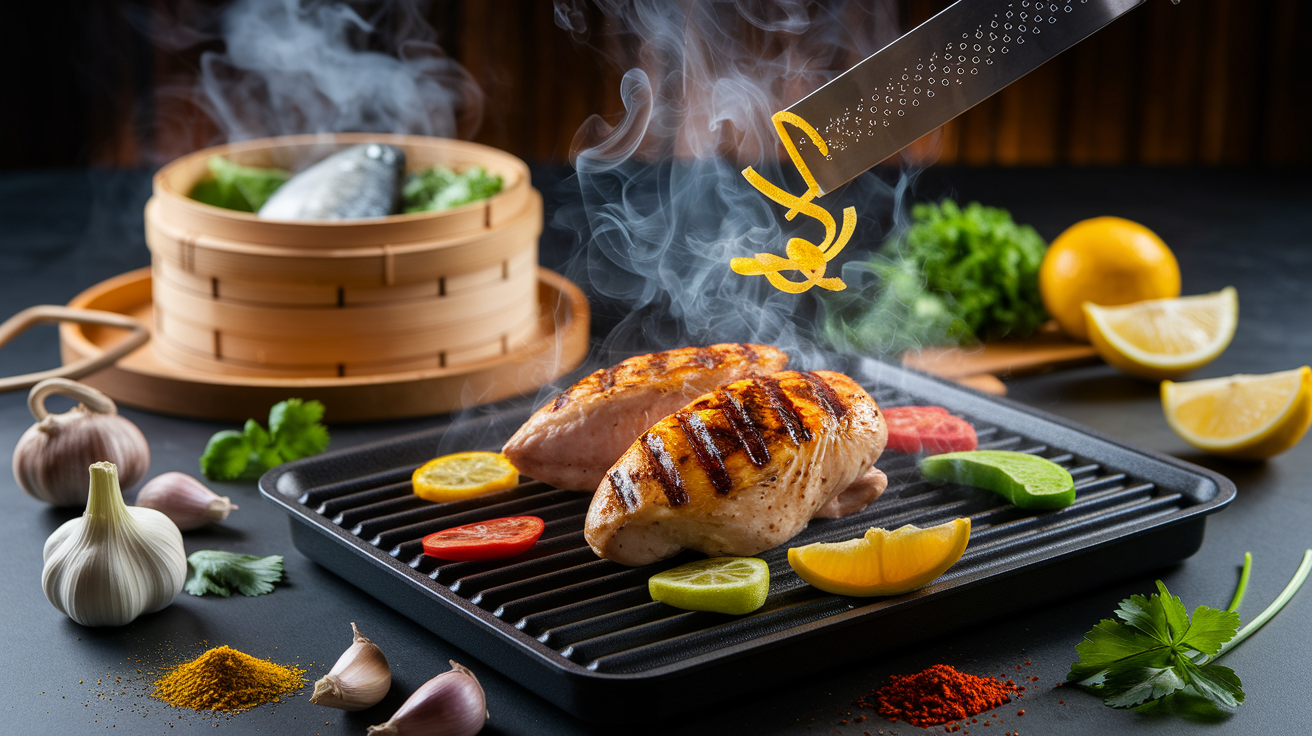
Cooking methods matter just as much as the ingredients you choose. The way you prepare food can either add hundreds of hidden calories or keep the meal light while delivering the crispy, savory, or rich flavors you’re craving.
How to Use Cooking Techniques That Reduce Calories
Grilling, steaming, baking, and air frying let you cook with little to no added fat while still getting great texture. Grilling chicken, fish, or vegetables over direct heat adds charred, smoky flavor that feels indulgent without oil. Steaming keeps fish tender and vegetables crisp without butter or cream. Baking on a sheet pan with light spray of oil crisps vegetables and proteins evenly. An air fryer mimics the crunch of frying with a fraction of the fat.
Sautéing works too, but use a non stick pan or quick spray of cooking oil instead of pouring in tablespoons of butter or olive oil. A teaspoon goes a long way when the pan is hot and food doesn’t stick. If a recipe calls for heavy cream or thick sauce, try building flavor with broth, tomato paste, or a small amount of Greek yogurt stirred in at the end.
How to Maximize Flavor with Seasonings and Herbs
Big flavor doesn’t come from fat. It comes from seasoning. Fresh garlic, ginger, citrus zest, chili flakes, smoked paprika, cumin, and fresh herbs like cilantro, basil, and parsley all add complexity without calories. A squeeze of lemon or lime right before serving brightens the whole plate.
Dry rubs work especially well on proteins. Coat chicken or fish with a blend of spices before grilling or baking. The crust delivers flavor in every bite. Marinating lean meats in citrus juice, vinegar, or low sodium soy sauce adds moisture and taste without the need for oil heavy dressings.
Fresh or dried herbs work. Basil, cilantro, parsley, thyme, rosemary, oregano all count. Citrus juice and zest from lemon, lime, or orange help. Garlic, ginger, and shallots give you aromatic depth. Spices and spice blends like cumin, smoked paprika, chili powder, turmeric, or coriander add layers.
Hot sauce, sriracha, or crushed red pepper bring heat. Vinegars such as balsamic, red wine, or apple cider add acidity and brightness. Low sodium soy sauce, tamari, or coconut aminos give you umami.
Comparison of Popular Low-Calorie Dinner Options
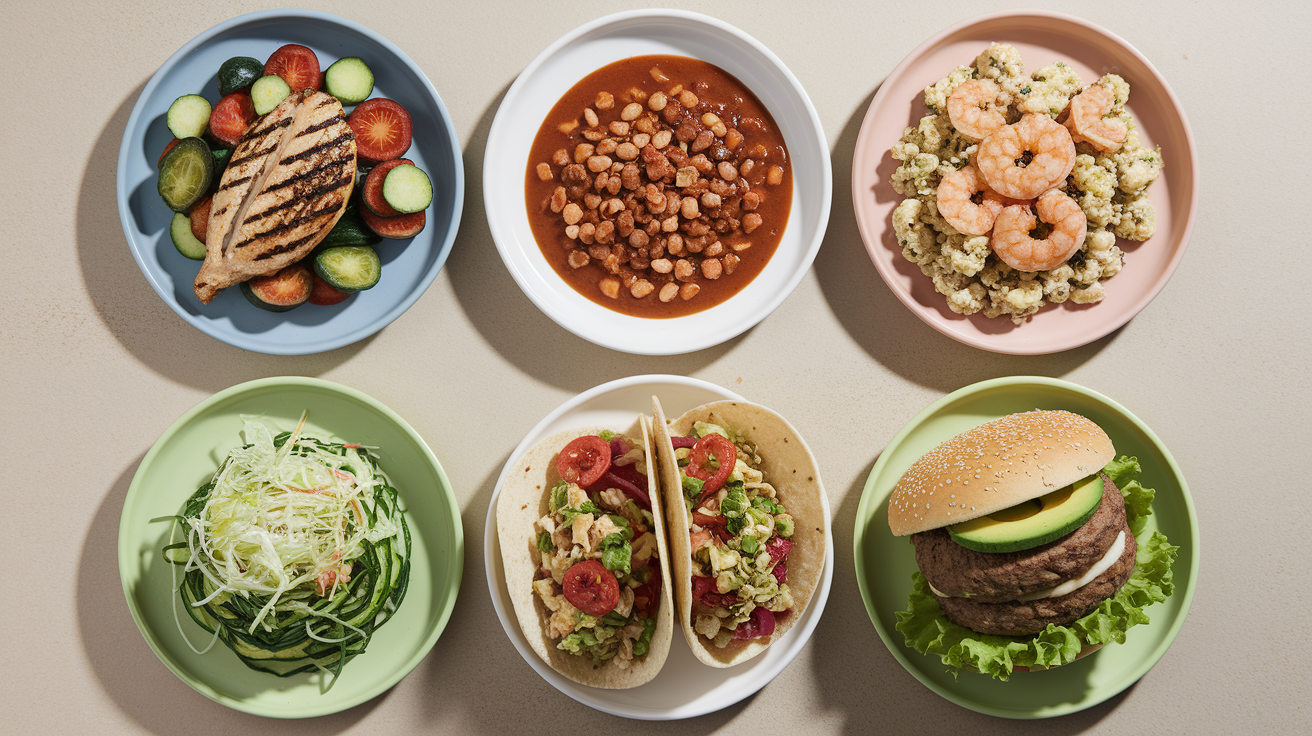
Not all low calorie dinners take the same amount of effort or deliver the same nutrition. Some are quick wins for busy nights. Others require a bit more time but pay off in taste and fullness.
| Meal | Calories | Protein (g) | Prep Time |
|---|---|---|---|
| Grilled chicken with roasted vegetables | ~350 | 35 | 30 minutes |
| Slow cooker white bean and chicken chili | ~290 | 28 | 10 min prep, 4–6 hours cook |
| Shrimp stir-fry with cauliflower rice | ~240 | 26 | 20 minutes |
| Zucchini noodles with turkey marinara | ~280 | 30 | 25 minutes |
| Baked fish tacos with cabbage slaw | ~320 | 28 | 25 minutes |
| Lettuce wrap turkey burgers with avocado | ~310 | 32 | 20 minutes |
The meals with the highest protein per calorie tend to keep you full longer. Chicken, shrimp, and lean turkey deliver solid macros without much fat. Slow cooker options take longer overall but require almost no active time, making them good for meal prep. Stir fries and sheet pan dinners land in the middle. Quick enough for a weeknight but still homemade and satisfying.
How to Maintain Long-Term Success with Low-Calorie Dinners
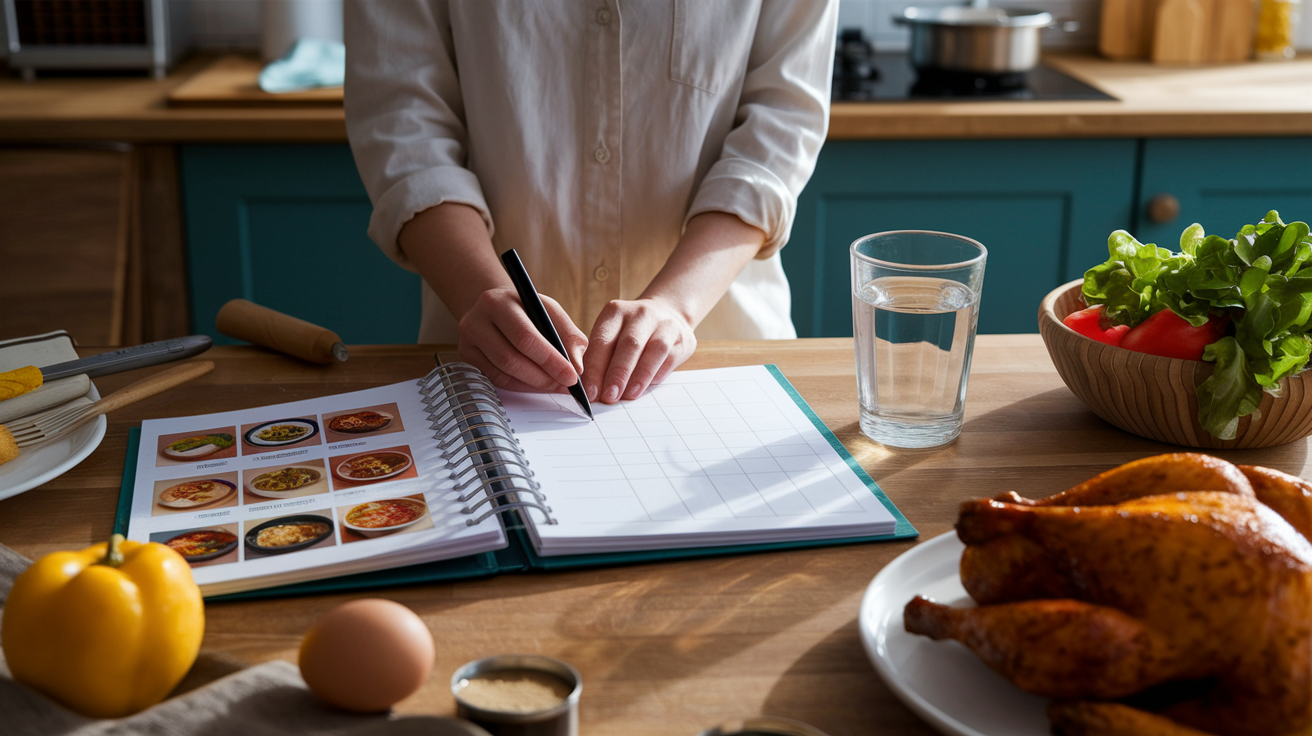
Staying consistent with low calorie dinners isn’t about perfection. It’s about building a system that works on good weeks and bad weeks. Knowing how to get back on track when life interrupts the plan.
The biggest mistake people make is thinking they need to eat the same five meals forever. Rotating recipes every week or two keeps things interesting and prevents burnout. If you’re bored, you’ll stop cooking and reach for takeout. Keep a running list of 15 to 20 dinners you like. Cycle through them based on what’s on sale, what’s in season, or what sounds good that week.
Tracking meals for a few weeks helps you learn what portions keep you full and what calories actually look like on your plate. You don’t have to log forever, but doing it early builds awareness. Once you know that your go to chicken and vegetable dinner is around 400 calories, you can eyeball it and stay on track without pulling out the scale every night.
Track your dinners for two to three weeks to learn portion sizes and calorie patterns. Rotate through 15 to 20 recipes instead of repeating the same three meals. Prep ingredients on the weekend so weeknight cooking takes 20 minutes or less.
Keep a list of quick backup meals like scrambled eggs, canned tuna, or rotisserie chicken for nights when nothing goes as planned. Drink water before and during meals to support fullness without added calories. Reassess your calorie target every few months as your weight and activity level change.
Final Words
Pick two recipes from the numbered list and try them this week, one protein-forward and one veggie-forward. Use the meal prep strategies to batch-cook, portion, and save time.
Swap a few ingredients, follow the plate-building guide, and use the cooking techniques and flavor boosters so dinners feel satisfying, not boring.
Treat the calorie ranges as a flexible guide and use these low calorie dinner ideas for weight loss to create meals that fit your life. Small, consistent moves win, and you’re set to make steady progress.
FAQ
Q: How can I lose 20 pounds in 2 months meal plan?
A: Losing 20 pounds in 2 months requires an aggressive calorie deficit; plan protein-forward meals, lots of vegetables, controlled carbs, healthy fats, regular meal prep, resistance training, tracking, and a medical check-in.
Q: What dinner has the least amount of calories and what is the best dinner for weight loss?
A: The lowest-calorie dinners are clear vegetable broths or large raw green salads with nonstarchy veggies; the best weight-loss dinner pairs lean protein, plenty of vegetables, and a small whole-grain portion for balance.
Q: Can I lose weight on 1200 calories a day?
A: Losing weight on 1200 calories a day is possible for some people, but it may be too low for others; check age, sex, activity, ensure enough protein, and consult a clinician for safety.