
What if skipping a glass of water is the real reason your mornings feel flat—and coffee isn’t fixing it?
You lose fluids overnight, and even mild dehydration can leave you foggy, low on energy, and slow to digest breakfast.
This post gives simple, no-nonsense morning hydration tips you can actually use: how much to drink, when to sip, warm versus cold, lemon or light electrolytes, and a five-minute routine that primes digestion and alertness.
Try one small step tomorrow and notice the difference.
Optimal Morning Hydration Guidelines
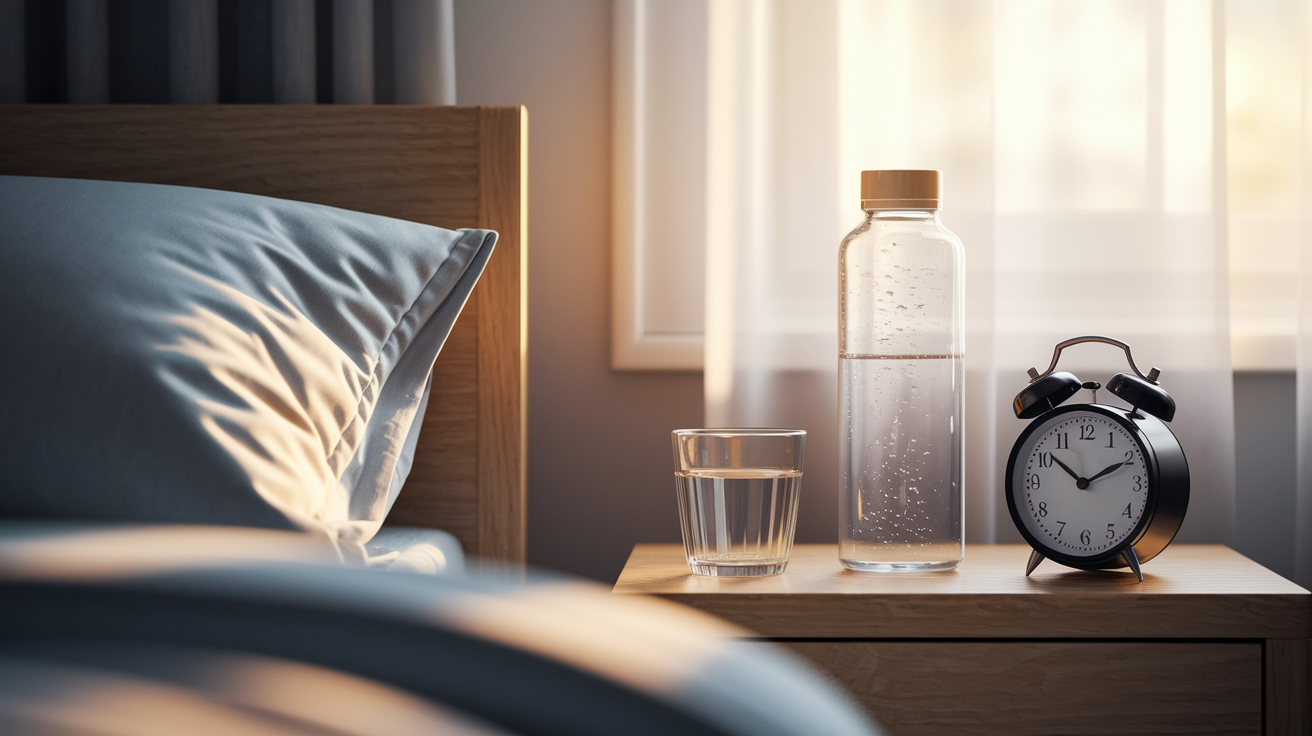
Drink 250 to 500 mL (8 to 16 oz) of plain water within the first 5 to 15 minutes of waking. That’s roughly what most adults lose overnight through breathing and mild sweat. You’re not clinically dehydrated when you wake up, but you’re behind on fluids. And that shortfall affects how your body starts the day.
Keep a filled bottle or glass on your nightstand the night before. When your alarm goes off, take several steady sips before you check your phone or leave the bedroom. You’re not trying to chug. Just rehydrate at a pace your stomach can handle.
Within the first hour, aim for 500 to 800 mL total, including that initial intake. If you drink 300 mL right away and another 200 to 300 mL while getting ready or making breakfast, you hit that target without effort. This volume supports digestion by hydrating the mucous lining of your stomach and preparing your intestines for food. It also helps restore blood volume, which affects energy and mental clarity.
If you usually wake up thirsty or your morning urine is dark yellow, aim closer to 500 mL right away. If your urine is pale straw and you feel fine, 250 to 300 mL is enough to start. Thirst and urine color remain the two simplest hydration checks.
Timing matters for digestion. Drinking 200 to 300 mL about 15 to 30 minutes before breakfast helps your stomach release gastric juices and prepares your intestines for peristalsis (the muscle contractions that move food through). If you eat immediately after waking without hydrating first, digestion is slower and less comfortable for many people.
| Time Window | Target Volume | Primary Effect |
|---|---|---|
| Within 5 to 15 minutes of waking | 250 to 500 mL | Restore overnight fluid loss, improve alertness |
| First hour total | 500 to 800 mL | Support digestion, hydrate blood volume, prepare gut |
| 15 to 30 minutes before breakfast | 200 to 300 mL | Stimulate gastric emptying, soften stool |
Don’t wait until you feel actively thirsty. By the time thirst kicks in, your hydration is already behind. A consistent wake-up routine removes guesswork and builds the habit into muscle memory.
Techniques to Enhance Morning Hydration

Plain water works, but there are simple ways to make morning hydration more effective for digestion and energy without adding complexity or cost.
Warm water (38 to 45°C / 100 to 113°F) relaxes the smooth muscles of your digestive tract and encourages bowel movement. Pour 250 to 300 mL of warm (not scalding) water and sip it slowly over a few minutes. Many people find this more comfortable than cold water first thing, especially if they tend toward constipation or sluggish digestion. Warm water doesn’t have to be hot. Room temperature or slightly warmer than body temperature is the sweet spot.
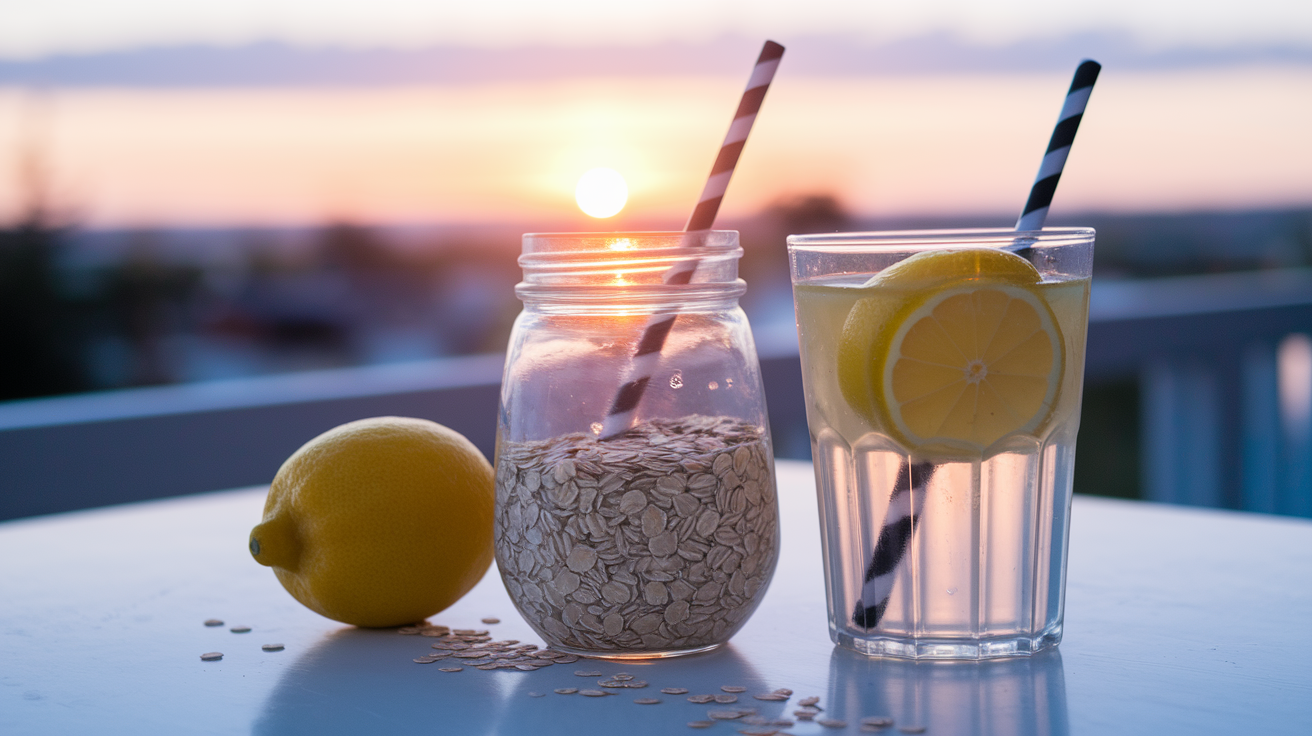
Lemon water adds mild acidity that can get saliva and bile production going. Squeeze juice from half a lemon (about 1 tablespoon or 7 to 15 mL) into 250 to 300 mL of warm or room temperature water. You get roughly 10 to 20 mg of vitamin C and a flavor that makes plain water easier to drink if you’re not a morning water person. Don’t use bottled lemon juice with added sugars or preservatives. Fresh lemon is simple and effective.
Here’s a basic lemon ginger option for mornings when digestion feels slow:
- 300 mL warm water
- Juice of 1/2 lemon
- 1 teaspoon grated fresh ginger (or 1/2 teaspoon ground ginger)
- Optional: 1 teaspoon honey if you need a touch of sweetness
This combination supports gut motility and reduces morning nausea for some people. Ginger has a mild pro-motility effect and lemon adds palatability.
Light electrolyte support helps if you wake up feeling foggy, had poor sleep, or sweat overnight. Mix 1/4 teaspoon sea salt, 1 tablespoon lemon juice, and 1 teaspoon maple syrup or honey into 500 mL of room temperature water. This provides a small boost of sodium and potassium without the sugar load of most sports drinks. Use this once or twice a week, not every day, unless you have a specific reason (intense morning workouts, very low carb diet, or medical guidance to increase sodium).
For grab and go convenience, single serving electrolyte tablets or powders formulated for 500 mL work fine. Look for options with 100 to 300 mg sodium, 50 to 200 mg potassium, and minimal added sugar (under 5 grams per serving).
Avoid high sugar drinks, heavily carbonated options, or anything with artificial sweeteners first thing. Sugar can slow gastric emptying and cause an energy dip later. Carbonation may cause bloating when your stomach is empty.
Cold water isn’t harmful, but it can feel uncomfortable for some people and may temporarily slow digestion. If you prefer cold water and it doesn’t bother you, drink it. If you notice cramping or sluggishness, switch to room temperature or warm.
How Morning Hydration Supports Digestion and Energy
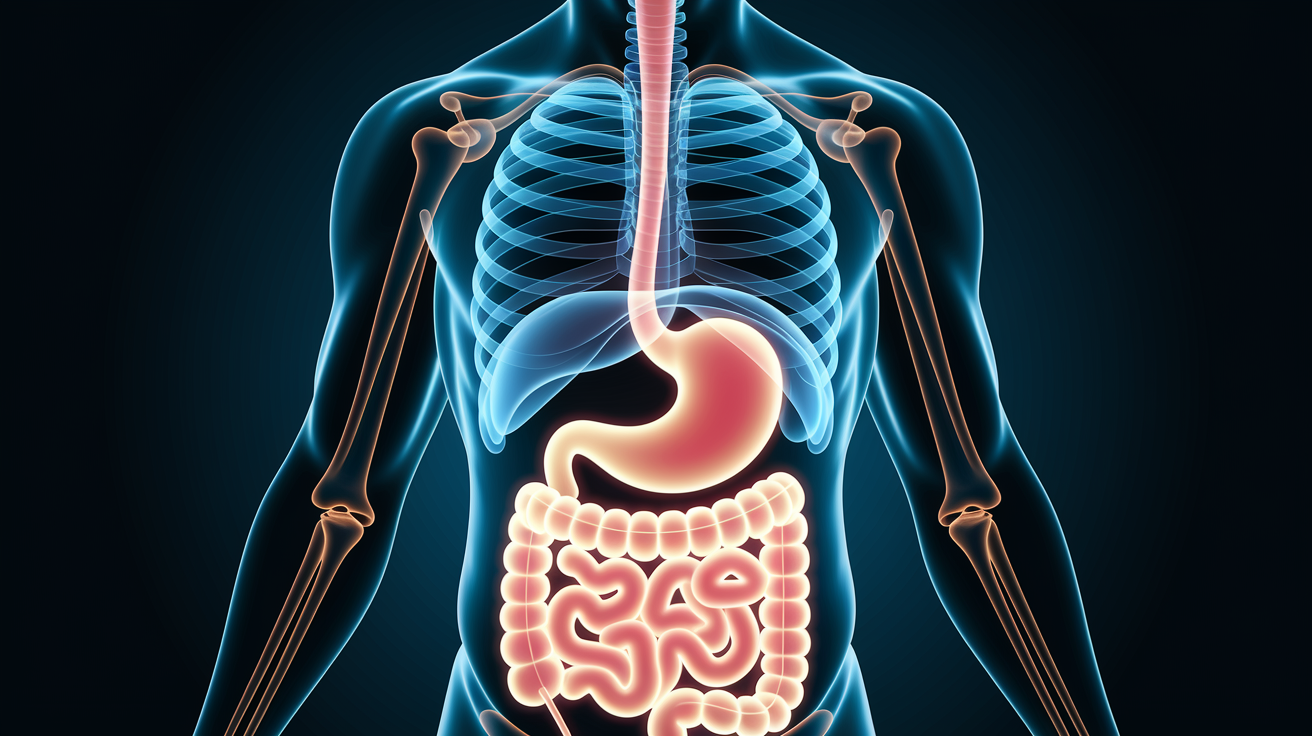
Water does specific things in your digestive system that start working the moment you drink it. When you swallow, water hydrates the mucous lining of your stomach and intestines. This lining needs moisture to produce mucus, which protects your gut wall and allows food to move smoothly.
Digestive enzymes need water to function. Your pancreas, stomach, and intestines release enzymes that break down carbohydrates, proteins, and fats. These enzymes work in a liquid environment. If you’re even mildly behind on fluids, enzyme activity slows. That translates to slower digestion and less efficient nutrient absorption.
Water also supports peristalsis (the wave-like muscle contractions that move food and waste through your digestive tract). When you’re hydrated, the smooth muscles in your intestines can contract more effectively. This is especially important for stool consistency. If your colon doesn’t have enough water, it pulls fluid from stool, making it harder and more difficult to pass. Drinking water in the morning helps prevent this by giving your colon the hydration it needs before your first meal arrives.
From an energy perspective, mild dehydration (as little as 1 to 2% of body weight lost through fluid) reduces blood volume slightly. Lower blood volume means your heart has to work harder to deliver oxygen and nutrients to your brain and muscles. This shows up as fatigue, difficulty concentrating, and sluggish reaction time. Rehydrating restores blood volume and brings those functions back to baseline.
Your kidneys also rely on adequate fluid to filter waste. When you’re behind on water, your kidneys conserve fluid by producing more concentrated urine. This is normal overnight, but if you don’t rehydrate, your kidneys stay in conservation mode longer, and waste products circulate in your blood for more time than necessary. That can contribute to headaches and general sluggishness.
One study showed that increasing daily water intake by about 1.5 liters (50 oz) raised metabolic rate by roughly 48 calories per day. Over a year, that adds up to about 17,000 calories, or roughly 5 pounds of fat. This effect isn’t specific to morning water, but starting the day hydrated makes it easier to maintain consistent intake throughout the day.
The cognitive benefits are more immediate. Research shows that mild dehydration impairs short term memory, concentration, and alertness. Rehydrating can reverse these effects within 15 to 60 minutes. So when you feel mentally sharper after a glass of water, that’s real physiology, not placebo.
Step By Step Morning Hydration Routine

This routine takes less than five minutes and fits into any schedule.
1. Fill a 500 to 750 mL bottle the night before and place it on your nightstand.
When your alarm goes off, drink 250 to 350 mL before you leave the bed. If plain water feels boring, add lemon slices or cucumber the night before so it’s ready to go.
2. Drink the remaining 150 to 250 mL while getting dressed or brushing your teeth.
Sip steadily. You’re aiming for 500 to 800 mL total in the first hour, and this gets you most of the way there.
3. Wait 5 to 10 minutes before drinking coffee or tea.
This gives your stomach time to absorb the water and reduces the chance of caffeine hitting an empty, dehydrated gut. If you usually feel jittery or nauseous after morning coffee, this step helps.
4. Drink another 200 to 300 mL about 15 to 30 minutes before breakfast.
This primes your digestive system. Your stomach will be ready to release enzymes and your intestines will be ready to move food.
5. Track your intake for the first week using a marked bottle or an app.
Knowing you hit 500 to 800 mL by the time you eat breakfast makes the routine stick. After a week, it becomes automatic.
If you have a tight morning schedule, simplify:
- Keep a 500 mL bottle by the bed.
- Drink half immediately on waking.
- Sip the rest on your commute or while making breakfast.
- Pair it with a high water food like yogurt or fruit within 30 to 60 minutes.
That’s the entire routine. No perfection required. The goal is consistency over volume.
Foods and Drinks That Support Hydration and Digestion
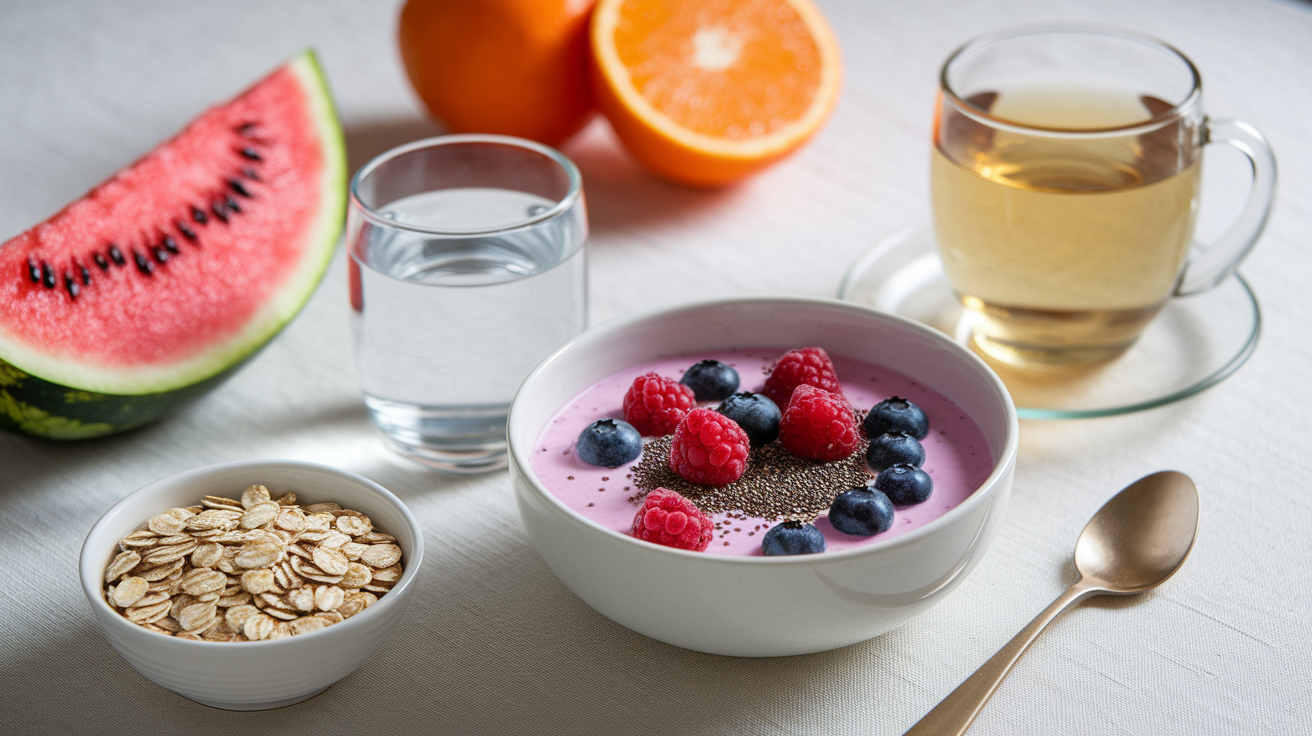
Some foods and beverages make morning hydration easier and more effective. These aren’t replacements for plain water, but they complement it and add nutrients that support digestion.
High water fruits include melon (about 90% water), berries (85 to 90% water), and oranges (86% water). A cup of diced watermelon or cantaloupe gives you roughly 150 to 200 grams of hydration along with fiber and potassium. Add a cup of berries to oatmeal or yogurt and you get similar benefits.
Plain yogurt or kefir (100 to 200 grams) provides probiotics that support gut health and regularity when consumed consistently. Pair it with your morning water routine, not as a substitute. The combination of hydration and probiotics improves digestion more than either alone.
Herbal teas like peppermint, ginger, or chamomile count toward hydration and offer mild digestive benefits. Brew a cup (250 mL) and drink it warm if you prefer tea over plain water. Avoid adding sugar. If you want sweetness, use 1 teaspoon of honey.
Oatmeal made with water or milk (1/2 to 1 cup dry oats prepared) gives you 20 to 30 grams of fiber when combined with fruit and seeds. Fiber works with water to keep stool soft and transit regular. Dry fiber without hydration can make constipation worse, so always pair fiber rich foods with adequate fluid.
Chia seeds (1 to 2 tablespoons) absorb several times their weight in water and form a gel that aids digestion. Mix them into yogurt, oatmeal, or a smoothie and drink an extra 200 to 300 mL of water alongside.
Avoid or limit:
- Sugary juices (spike blood sugar and don’t hydrate as well as water)
- Heavy dairy on an empty stomach if you’re lactose sensitive
- High sodium processed foods first thing (they increase fluid retention without supporting digestion)
If you want a quick hydrating breakfast, try:
- 200 grams plain yogurt
- 1/2 cup mixed berries
- 1 tablespoon chia seeds
- 300 mL water or herbal tea on the side
That combination delivers hydration, probiotics, fiber, and enough substance to keep you steady until mid morning.
Common Morning Hydration Mistakes to Avoid

Drinking coffee or tea before water. Caffeine has a mild diuretic effect, meaning it slightly increases urine output. If you drink coffee on a dehydrated stomach, you lose more fluid than you take in and increase the chance of jitteriness or stomach upset. Drink 250 to 500 mL of water first, wait 5 to 20 minutes, then have your coffee.
Chugging large volumes too quickly. Drinking more than 1 liter (34 oz) in one sitting can cause nausea, bloating, or discomfort. Your stomach and intestines absorb water at a steady rate. Spread your intake over 15 to 30 minutes for better tolerance.
Skipping water until later in the morning. Waiting until you feel thirsty or until after breakfast means you miss the window when hydration supports digestion and energy most. By the time thirst kicks in, you’re already behind.
Using high sugar sports drinks or flavored waters. Most contain 15 to 30 grams of sugar per bottle, which can slow gastric emptying and cause an energy crash. If you need flavor, use fresh lemon, cucumber, or a low sugar electrolyte tablet.
Drinking very cold water if you’re sensitive. Cold water isn’t harmful, but some people experience cramping or delayed gastric emptying. If you notice discomfort, switch to room temperature or warm water.
Ignoring urine color. Dark yellow or amber urine in the morning is normal, but if it stays dark after your first few glasses of water, you’re not drinking enough. Pale straw is the target by mid morning.
Adding too much sodium to electrolyte mixes. More than 1/4 teaspoon of salt in a single serving can cause bloating or elevated blood pressure in sensitive individuals. Follow formulated electrolyte guidelines unless a healthcare provider advises otherwise.
If you have congestive heart failure, kidney disease, or are on fluid restrictions, consult your clinician before increasing morning water intake. These conditions require individualized hydration guidance.
Expected Timeline for Hydration Benefits

Within 15 to 30 minutes: You may notice clearer thinking, reduced grogginess, and less of that “heavy head” feeling. Rehydration restores blood volume quickly, and your brain responds. If you had a mild headache from dehydration overnight, it often fades within this window.
Within 30 to 60 minutes: Digestion starts to respond. Your stomach feels more settled, and you may notice the first urge for a bowel movement if you drank warm water. This is peristalsis kicking in as your intestines rehydrate.
Within 2 to 4 hours: Energy levels stabilize. If you combined hydration with a balanced breakfast (protein, fiber, hydration rich foods), you avoid the mid morning slump that comes from starting the day behind on fluids.
Within 24 to 72 hours: Bowel movement regularity improves for many people. Consistent morning hydration softens stool and makes transit smoother. If constipation is chronic, pair hydration with 20 to 40 grams of daily fiber and consider adding probiotics.
Within 1 to 2 weeks: Sustained energy improvements become noticeable. You wake up feeling less sluggish, your focus holds longer, and digestion feels more predictable. These benefits compound when hydration is paired with consistent sleep and meal timing.
Within 3 to 4 weeks: Digestive patterns stabilize fully for most people. If you started with irregular bowel movements or bloating, you’ll likely see the most improvement by this point. Long term commitment to morning hydration (along with fiber and probiotics) produces the most reliable results.
If you don’t notice any improvement in energy or digestion after four weeks of consistent hydration, consider other factors (sleep quality, stress, underlying digestive conditions) and consult a healthcare provider if symptoms persist.
Final Words
Start your morning with 250-500 ml of water within the first hour. Try warm water, lemon, or a light electrolyte drink to wake your digestion and energy.
Use a simple routine. Pair that glass with brushing teeth, sip slowly, and add hydrating foods like melon or yogurt. Avoid too much caffeine early and don’t gulp. Take small, steady sips. Expect a boost in minutes to an hour and better digestion over a few days.
Use these hydration tips for morning energy and digestion to build an easy habit. Small, consistent steps add up. You’ve got this.
FAQ
Q: What is the 10 gulp rule?
A: The 10 gulp rule is drinking about ten steady gulps of water on waking—roughly 250–350 ml depending on gulp size—to quickly rehydrate, kickstart digestion, and boost morning alertness.
Q: What is the best thing to drink in the morning to hydrate your body?
A: The best thing to drink in the morning to hydrate your body is plain water—about 250–500 ml within the first hour after waking; warm or lemon water works, add light electrolytes if needed.
Q: What are the 6 warning signs if you’re not drinking enough water?
A: The 6 warning signs that you’re not drinking enough water are dry mouth, dark urine, infrequent urination, dizziness or lightheadedness, low energy or fatigue, and frequent headaches.
Q: How much water to drink on Zepbound?
A: The amount of water to drink on Zepbound is similar to usual needs—aim for about 2–3 liters daily (adjust by body size), sip regularly to reduce nausea, and follow your prescriber’s advice.