
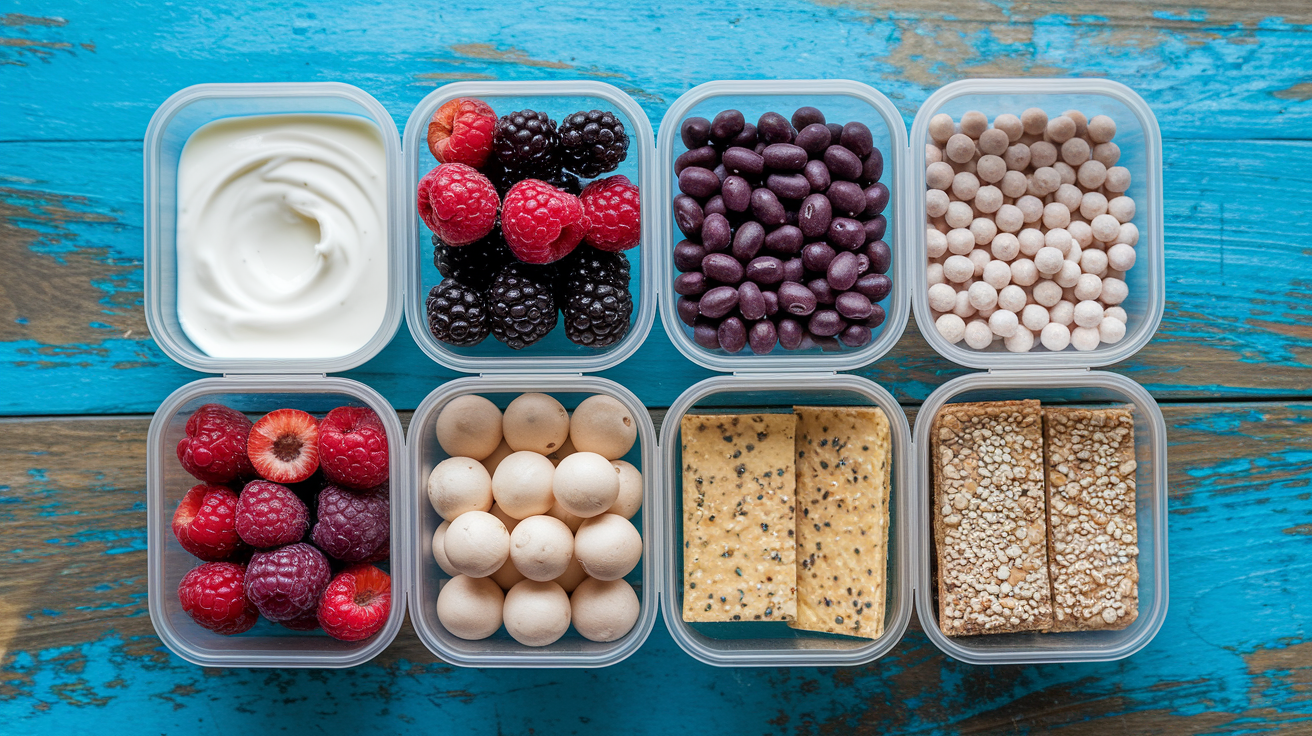
Most “healthy” snacks leave you hungry again an hour later.
That’s usually because they miss two things: enough protein and enough fiber, the combo that slows digestion and keeps energy steady.
Aim for about 10–15 grams of protein and 5–10 grams of fiber per snack and you’ll notice the difference.
This post lays out real snacks that hit those targets—easy store-bought picks, simple homemade recipes, plant-based swaps, and low-sugar options—so you can grab something that actually keeps you full on busy days.
Top High-Fiber & Protein Snack Options for Fast Satiety
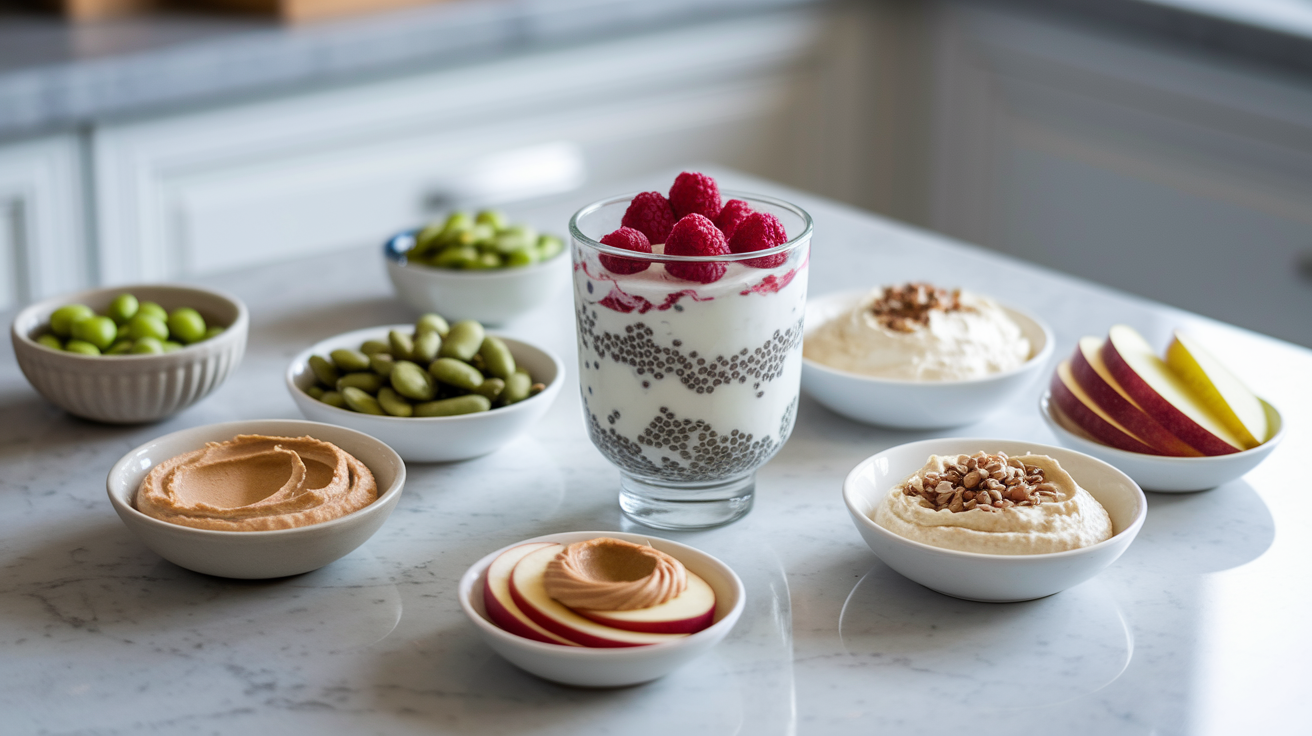
A good snack should get you through the afternoon without making you raid the fridge twenty minutes later. For most people, around 10–15 grams of protein and 5–10 grams of fiber per snack hits the sweet spot. That combo slows digestion, keeps blood sugar steady, and actually fills you up.
Pair a complete protein source with fiber-rich carbs and you get sustained energy without the crash. Greek yogurt, cottage cheese, edamame, canned fish, and protein-forward plant foods all deliver protein. Fiber comes from berries, chia seeds, whole grains, legumes, and vegetables. The goal is to hit both targets in a single sitting, not chase one or the other across three different snacks.
Below are seven options that work on busy days, with realistic nutrition numbers per serving:
- Greek yogurt parfait with chia and raspberries – 1 cup plain nonfat Greek yogurt + 2 tablespoons chia seeds + 1/2 cup raspberries = around 22 grams protein, 14 grams fiber, about 300–350 calories
- Roasted edamame – 1/2 cup dry-roasted edamame = around 16–18 grams protein, 6–8 grams fiber, roughly $1.00–$2.50 per serving
- Cottage cheese with pear – 1/2 cup low-fat cottage cheese + 1 medium pear = around 12–14 grams protein, 5–6 grams fiber
- Hummus and whole-grain pita – 1/3 cup hummus + 1 small whole-grain pita = around 11–12 grams protein, 8–10 grams fiber
- Tuna pouch with apple – 1 pouch (3 ounces) tuna + 1 small apple = around 18–22 grams protein, 5–6 grams fiber
- Peanut butter and flax seed apple slices – 1 medium apple + 2 tablespoons peanut butter + 1 tablespoon ground flaxseed = around 10–12 grams protein, 6–8 grams fiber
- Mixed nuts and high-fiber cereal – 1/4 cup almonds + 1/2 cup bran cereal = around 10–12 grams protein, 8–11 grams fiber, about $0.75–$1.50
Store-Bought High-Protein, High-Fiber Snacks for Convenience
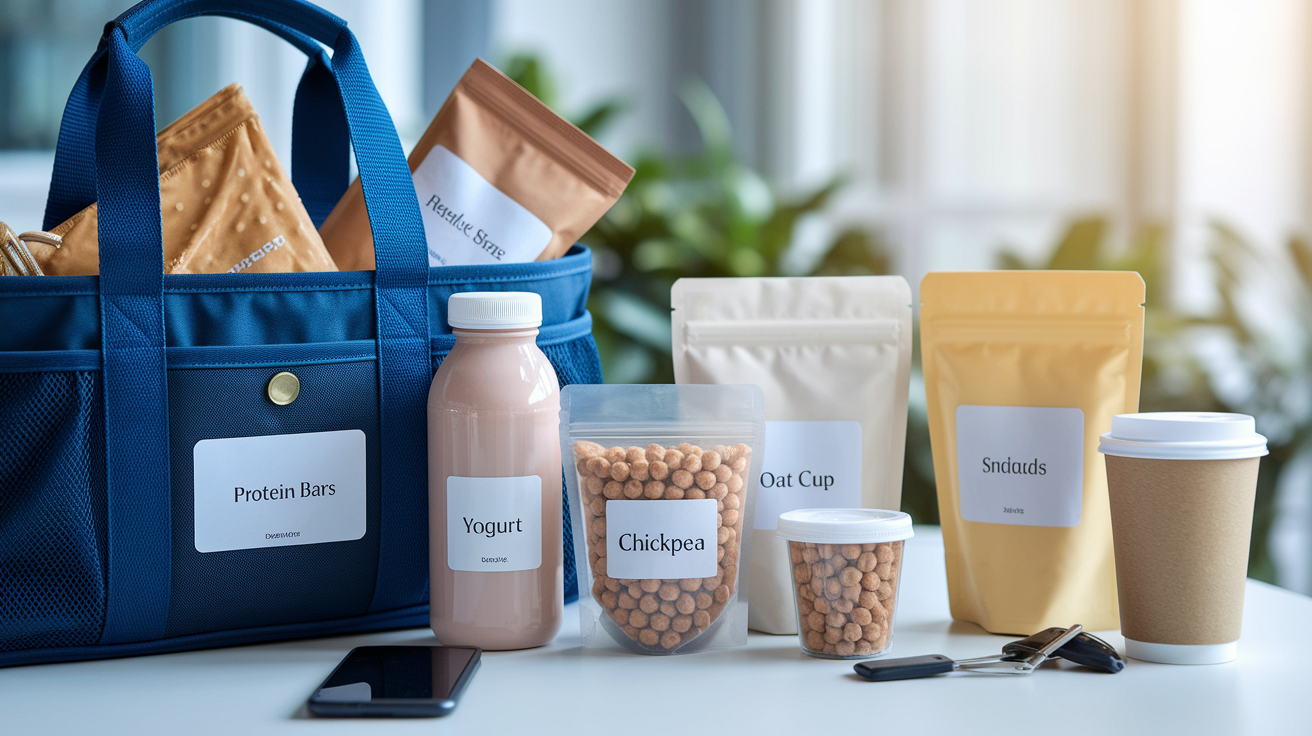
Store-bought options save time when you’re traveling, commuting, or working through lunch. The best products deliver at least 10 grams of protein and 5 grams of fiber per serving, with added sugar kept under 10 grams. Look for ingredient lists that start with whole foods, not refined flours or syrups.
Bars, protein shakes, and single-serve cups are the most portable. Siggi’s High-Protein Yogurt Cups offer 15–20 grams of protein per cup. You can add your own chia or flax to push fiber up to 6–8 grams. RXBAR Protein + Oats Cups provide around 12–15 grams protein and 5–7 grams fiber per serving. KIND Protein + Fiber Bars typically land at 10–12 grams protein and 5–7 grams fiber, depending on the flavor.
Muscle Milk Protein + Fiber RTD shakes deliver 15–20 grams protein and 6–10 grams fiber in a ready-to-drink bottle. Hippeas chickpea puffs offer a lighter option, around 5–6 grams protein and 4–6 grams fiber per 1-ounce bag, useful when you need a crunch without a full meal replacement.
| Product Type | Protein per Serving | Fiber per Serving | Estimated Cost |
|---|---|---|---|
| KIND Protein + Fiber Bar | 10–12 g | 5–7 g | $1.50–$2.50 |
| RXBAR Protein + Oats Cup | 12–15 g | 5–7 g | $2.00–$3.00 |
| Muscle Milk Protein + Fiber RTD Shake | 15–20 g | 6–10 g | $2.50–$4.00 |
| Siggi’s High-Protein Yogurt Cup | 15–20 g | 0–1 g (add chia or flax for 5–7 g) | $1.50–$2.50 |
Check the sugar line on the label. Many bars pack 12–15 grams of added sugar, which can spike and crash your energy. Aim for products under 8–10 grams added sugar per serving. If a bar is low in fiber but high in protein, pair it with a piece of fruit.
Price per serving varies, but buying multipacks online or at warehouse stores usually drops the cost by 20–40 percent compared to single purchases at convenience stores.
Homemade High-Fiber, Protein-Rich Snack Recipes for Budget & Flavor
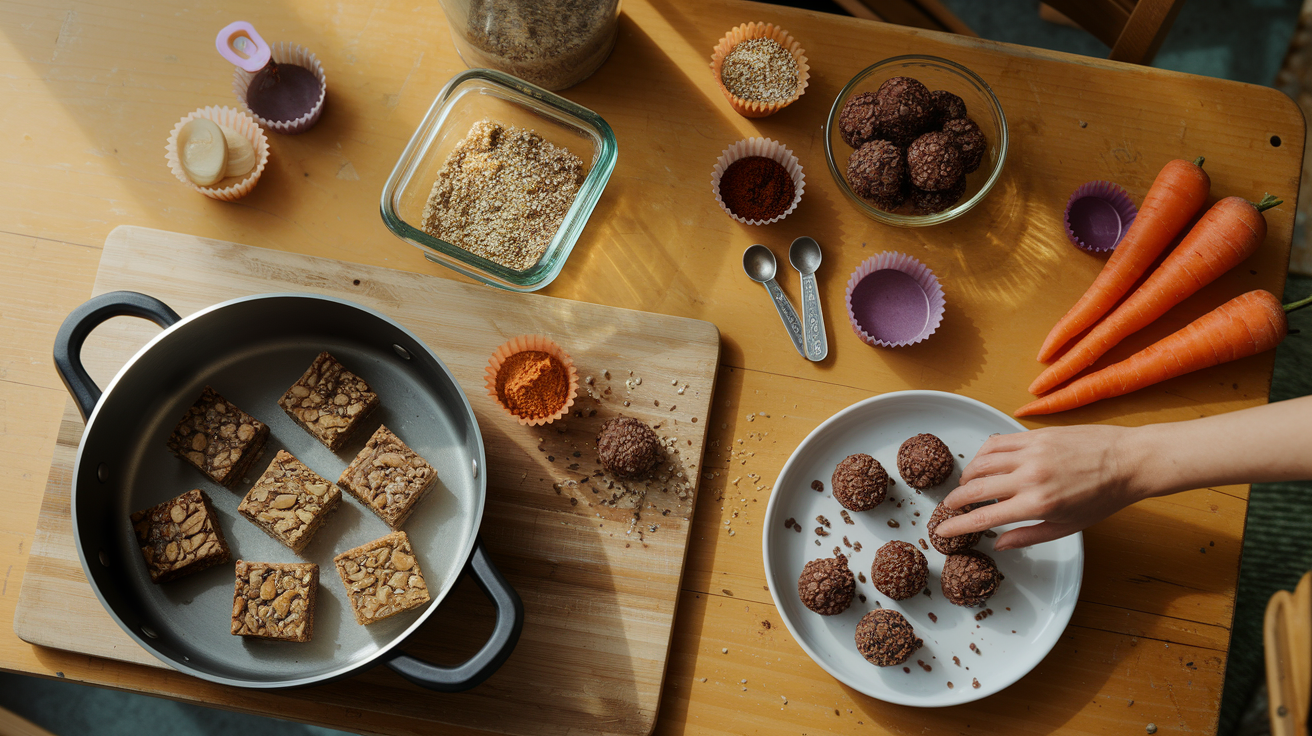
Making snacks at home lets you control exactly what goes in and costs less per serving than most packaged options. A batch of energy bites or savory cups takes 15–30 minutes and lasts all week in the fridge. You can freeze extras and pull them out as needed.
Homemade snacks also give you full control over sugar, salt, and texture. Store-bought bars often use syrups and fillers to hold shape. When you make your own, you can use dates, mashed banana, or a small amount of honey to bind ingredients, keeping added sugar low.
Most recipes below use pantry staples and yield 4–6 servings, bringing cost per serving under one dollar.
Batch prepping on Sunday means you have grab-and-go options Monday through Friday without scrambling. Use stackable glass containers or silicone muffin cups to portion everything out. Label each container with the date and macro totals if you’re tracking intake closely.
Here are five recipes that deliver strong protein and fiber numbers without requiring specialty equipment:
-
Black bean cocoa bites – Blend 1 can (15 ounces) black beans (drained), 1/3 cup oats, 2 tablespoons cocoa powder, 2 tablespoons peanut butter, 2 tablespoons honey. Roll into 12 balls. Per 2-ball serving: around 12–14 grams protein, 8–10 grams fiber.
-
Quinoa-almond clusters – Cook 1 cup quinoa, mix with 1/2 cup chopped almonds, 1/4 cup ground flaxseed, 2 tablespoons almond butter, 1 tablespoon maple syrup. Press into a pan, refrigerate, cut into squares. Per square: around 10–12 grams protein, 5–7 grams fiber.
-
Cottage cheese and high-fiber granola cups – Layer 1/2 cup cottage cheese with 1/4 cup high-fiber granola (look for brands with 4–6 grams fiber per serving). Per cup: around 18–20 grams protein, 6–8 grams fiber.
-
Savory tofu herb squares – Press and cube 14 ounces firm tofu, toss with 1 tablespoon olive oil, garlic powder, thyme, and nutritional yeast. Bake at 400°F for 25 minutes. Per 3-ounce serving: around 14–16 grams protein, 4–5 grams fiber.
-
Oat-walnut carrot bars – Combine 2 cups oats, 1 cup grated carrot, 1/2 cup chopped walnuts, 1/3 cup protein powder, 1/4 cup honey, 2 tablespoons ground flaxseed. Press into a pan, bake at 350°F for 20 minutes. Per bar: around 8–10 grams protein, 7–9 grams fiber.
Plant-Based Protein & Fiber Snack Ideas for Vegan or Dairy-Free Eating
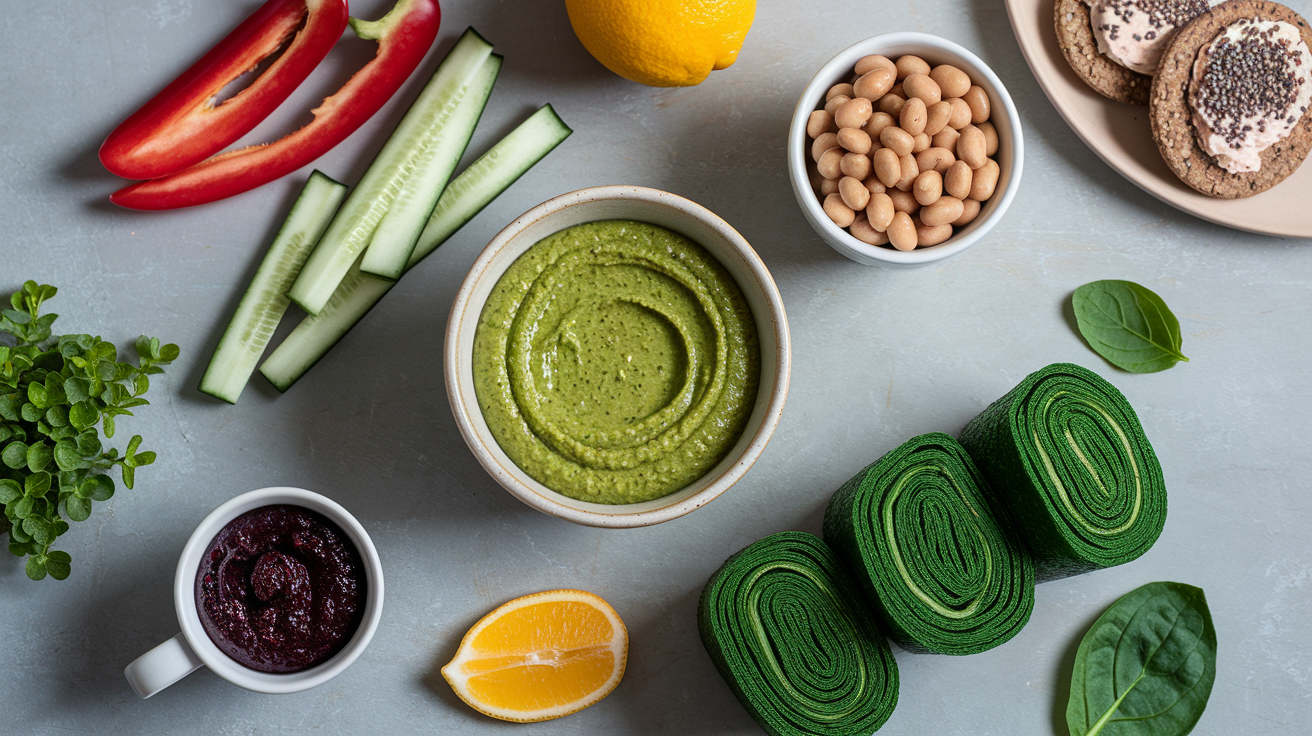
Plant-based eaters often hit their fiber target easily but need to be more intentional about protein. Legumes, seeds, and soy foods deliver both, but you’ll want to combine them thoughtfully to reach 10–15 grams of protein per snack without relying on dairy or eggs.
Hemp seeds, lupini beans, and pea protein powder are underused options that pack serious protein into small servings. Hemp seeds give you about 10 grams of protein per 3 tablespoons, plus healthy fats and 1–2 grams of fiber. Lupini beans (a Mediterranean legume you can find pickled in jars) offer around 12–14 grams of protein per 1/2 cup with 4–5 grams of fiber.
Sunflower seed butter works well for nut-free diets and pairs nicely with whole-grain crackers or fruit spreads.
Here are five vegan-friendly options that bring strong numbers without repeating the usual suspects:
- Hemp seed pesto dip with bell peppers and cucumbers – Blend 1/4 cup hemp seeds, fresh basil, lemon juice, olive oil. Serve with 1 cup sliced vegetables. Per serving: around 10–12 grams protein, 4–6 grams fiber.
- Lupini bean cups – Drain and rinse 1/2 cup pickled lupini beans, season with lemon and chili flakes. Per serving: around 12–14 grams protein, 4–5 grams fiber.
- Sunflower seed butter with blackberry spread on seed crackers – 2 tablespoons sunflower seed butter + 1 tablespoon blackberry spread + 4 seed crackers. Per serving: around 8–10 grams protein, 7–9 grams fiber.
- Pea-protein mousse – Whip 1 scoop pea protein powder with 1/2 cup coconut yogurt, vanilla, and a small drizzle of maple syrup. Top with 1 tablespoon chia seeds. Per serving: around 20–22 grams protein, 5–7 grams fiber.
- Green lentil spinach rolls – Spread cooked lentils and wilted spinach in a collard green leaf, roll tightly, slice. Per 2-roll serving: around 14–16 grams protein, 8–10 grams fiber.
Low-Sugar or Diabetes-Friendly High-Protein, High-Fiber Snacks
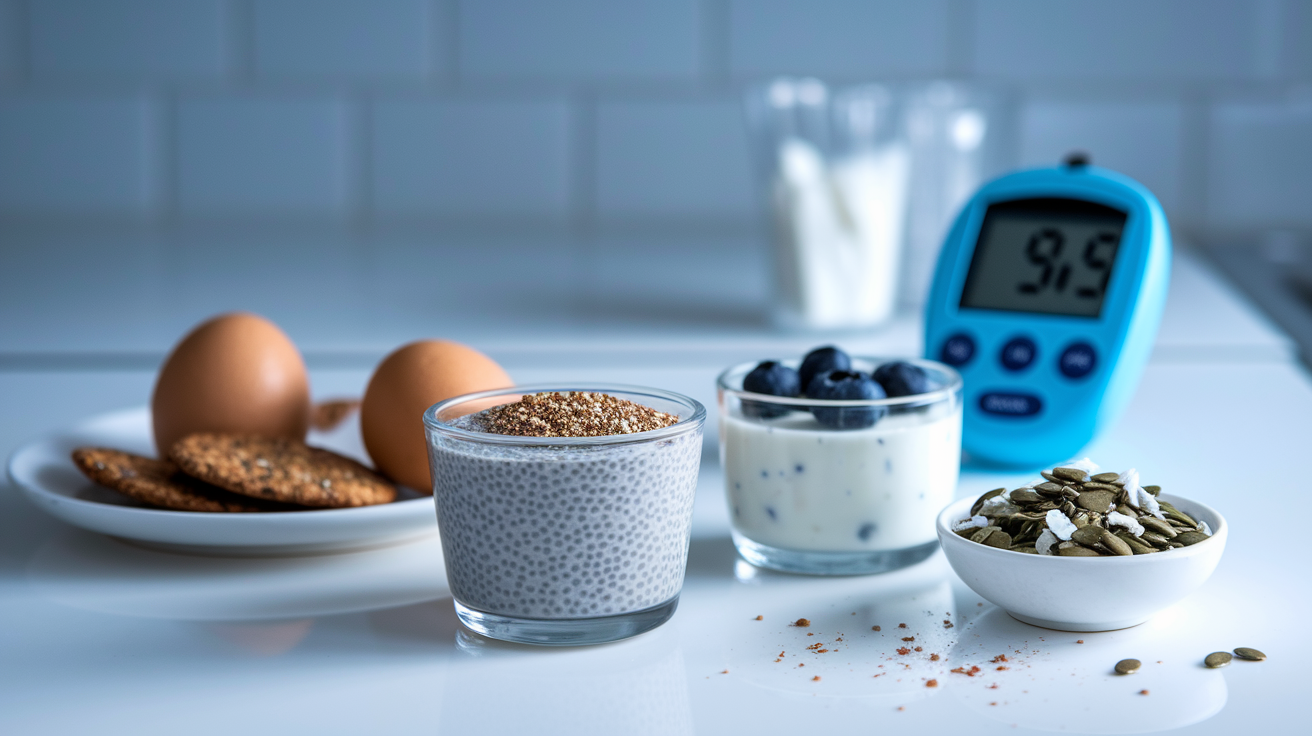
Keeping added sugar under 5 grams per snack helps prevent blood sugar spikes and the energy crash that follows. Pairing protein and fiber naturally slows glucose absorption, but choosing whole foods over sweetened bars or flavored yogurt makes a bigger difference for insulin sensitivity.
Look for snacks built around eggs, plain Greek yogurt, unsweetened nut butters, and low-glycemic vegetables. Berries and citrus fruits are better choices than dried fruit or banana if you’re managing blood sugar closely.
Chia seeds and flaxseeds add fiber without any sugar. Both thicken well when mixed into yogurt or protein shakes.
Here are four diabetes-friendly combinations that stay under 5 grams of added sugar per serving:
- Hard-boiled eggs with high-fiber crackers – 2 hard-boiled eggs + 4 whole-grain seed crackers (check label for ≥3 grams fiber). Per serving: around 12–14 grams protein, 4–6 grams fiber.
- Chia-almond mini cups – Mix 2 tablespoons chia seeds with 1/2 cup unsweetened almond milk, refrigerate until thick, top with 1 tablespoon slivered almonds. Per cup: around 10–12 grams protein, 6–7 grams fiber.
- Low-sugar Greek yogurt with flax topping – 1 cup plain Greek yogurt + 2 tablespoons ground flaxseed + 1/4 cup blueberries. Per serving: around 18–20 grams protein, 5–7 grams fiber.
- Pumpkin seed trail mix – Combine 1/4 cup pumpkin seeds, 2 tablespoons unsweetened coconut flakes, 1 tablespoon cacao nibs, 2 tablespoons hemp seeds. Per serving: around 12–14 grams protein, 7–9 grams fiber.
Gluten-Free High-Fiber & Protein Snack Combinations
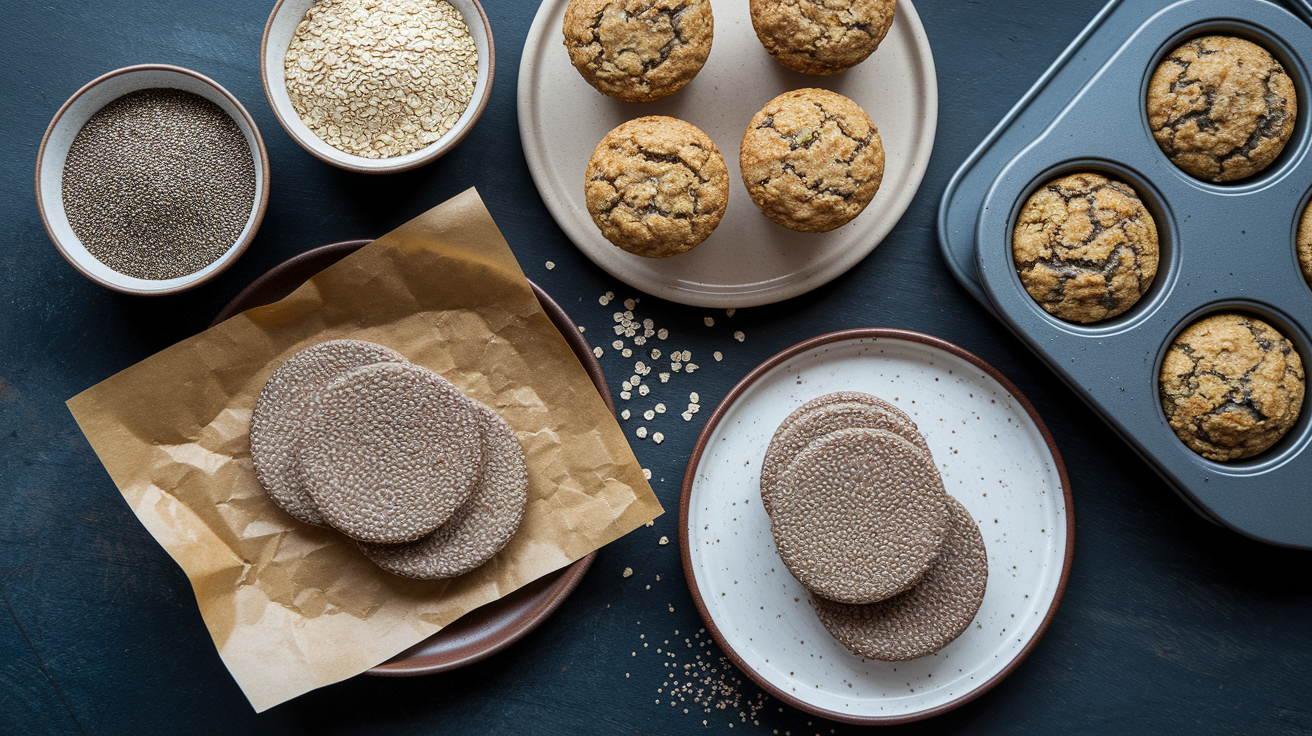
Gluten-free eating often means replacing wheat-based crackers, pita, and oats with alternatives that still deliver fiber. Brown rice cakes, quinoa, certified gluten-free oats, and seed-based crackers all work, but you’ll want to check labels carefully since some gluten-free products use refined rice flour with little fiber.
Flax and chia seeds are naturally gluten-free and add significant fiber and a small protein boost. Pairing them with goat cheese, eggs, or canned fish keeps the protein numbers strong.
Baking your own seed crackers takes about 20 minutes and costs less than store-bought gluten-free versions.
Here are three gluten-free combinations that bring solid macros:
- Flax–chia seed crackers with goat cheese – Mix 1/2 cup ground flaxseed, 1/4 cup chia seeds, 1/2 cup water, salt. Spread thin on parchment, bake at 350°F for 25 minutes until crisp. Serve with 2 ounces goat cheese. Per serving: around 14–16 grams protein, 7–9 grams fiber.
- Gluten-free oat protein muffins – Combine 1 cup certified GF oats, 1 scoop vanilla protein powder, 1 mashed banana, 1/4 cup almond butter, 2 tablespoons ground flaxseed. Bake in muffin tins at 350°F for 18 minutes. Per muffin: around 10–12 grams protein, 5–7 grams fiber.
- Quinoa protein cups – Cook 1 cup quinoa, mix with 1/2 cup white beans (mashed), 1/4 cup shredded cheese, 1 egg. Press into muffin tins, bake at 375°F for 20 minutes. Per cup: around 14–18 grams protein, 6–8 grams fiber.
Snack Prep Tips to Maintain High Protein & Fiber Intake Throughout the Week
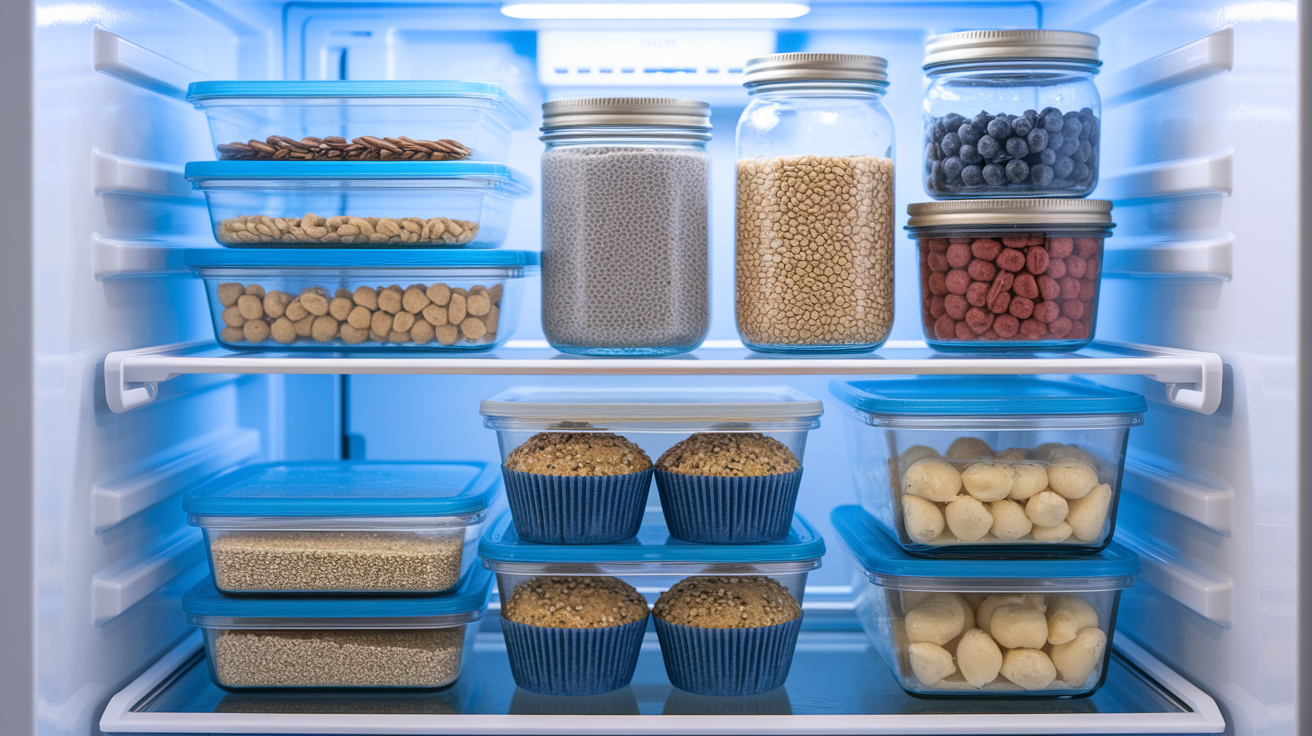
Batch prepping on one or two days a week removes the decision-making when you’re tired or rushed. Make 12–20 servings at once and portion everything into single-serve containers or bags. Most homemade snacks last 5–7 days in the fridge. Many freeze well for up to three months.
Use glass meal-prep containers with dividers if you want to pack a protein source in one section and a fiber source in another. Stackable silicone muffin cups work well for oat bites, protein balls, or savory egg cups. Label each container with the date and macro totals if you’re tracking closely.
Freezing works especially well for baked goods like muffins, bars, and energy bites. Pull one out the night before and let it thaw in the fridge, or microwave for 20–30 seconds in the morning.
Here are five practical prep strategies that save time and keep quality high:
- Freeze oat-protein muffins in individual bags, then grab one each morning to thaw during your commute.
- Roll hemp–oat bites on Sunday, refrigerate in a single layer on a tray for an hour, then transfer to a container once firm.
- Portion pumpkin seeds, almonds, and unsweetened coconut into small zip-top bags, one per serving, so you’re not guessing portions midweek.
- Store quinoa protein cups in the fridge stacked with parchment paper between layers to prevent sticking.
- Use 8-ounce mason jars for chia pudding, layering chia seeds, almond milk, and a small scoop of protein powder. Seal and refrigerate for up to five days.
Consistency matters more than perfection. If you prep four days’ worth and buy a single-serve option for the fifth day, you’re still ahead of winging it every afternoon.
Buying Guide: How to Choose High-Fiber and High-Protein Snacks at the Store
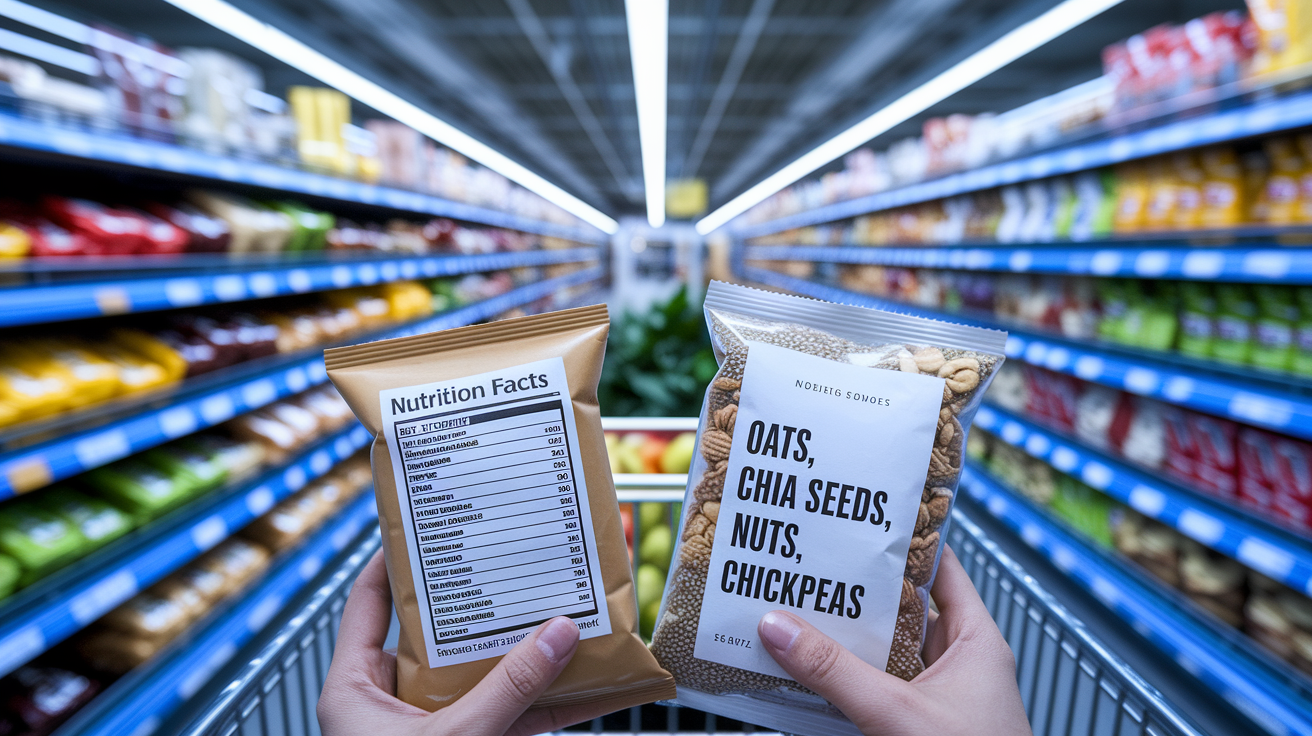
Reading the nutrition label takes fifteen seconds and tells you whether a snack will actually work. Start with the serving size at the top. Many bars or cups that look like single servings are actually labeled as 1.5 or 2 servings, which doubles the sugar and calorie count if you eat the whole package.
Next, check protein and fiber. Aim for at least 8–12 grams of protein and 3–5 grams of fiber per serving. If a product delivers 15 grams of protein but only 1 gram of fiber, pair it with a piece of fruit or a handful of berries.
Added sugar should stay under 8–10 grams per serving. Ingredients like cane sugar, brown rice syrup, and agave all count as added sugar, even when they sound healthier than white sugar.
| Label Element | Target Range | What to Avoid |
|---|---|---|
| Protein | 8–15 grams per serving | Less than 5 grams |
| Fiber | 3–8 grams per serving | Less than 2 grams |
| Added Sugar | Under 8–10 grams | More than 12 grams |
| Serving Size | Matches what you’ll actually eat | Misleading fractional servings |
Look for fiber sources in the ingredient list. Whole oats, chia seeds, flaxseed, legumes (chickpeas, lentils), and nuts all contribute meaningful fiber. Avoid products that list “fiber syrup” or “chicory root extract” as the primary fiber source, since those don’t deliver the same gut-health benefits as whole-food fiber.
Price per serving varies widely, but buying in bulk or multipacks usually saves 25–40 percent compared to single-unit purchases.
7-Day High-Protein, High-Fiber Snack Plan for Real-Life Routines
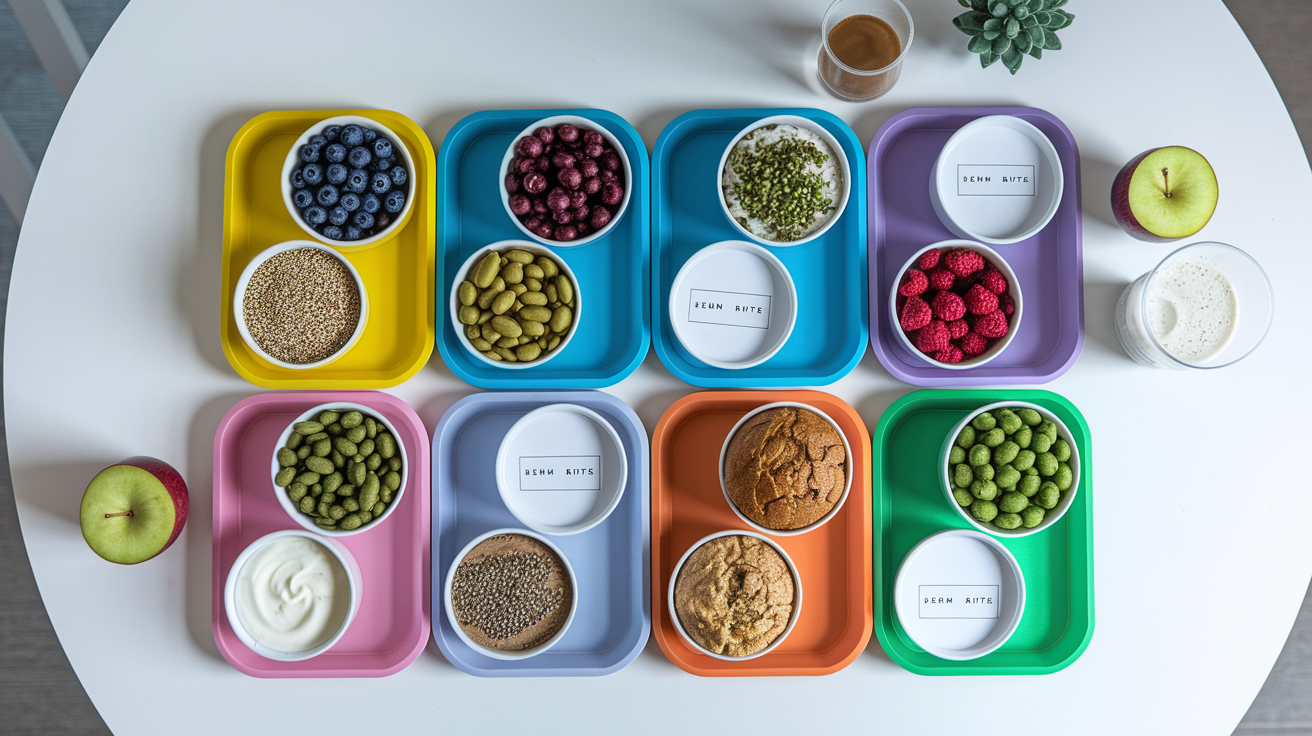
A weekly plan removes guesswork and helps you stay consistent when schedules get busy. The table below includes mostly new snack ideas, with one or two references to options featured earlier. Each snack delivers 10–20 grams of protein and 5–10 grams of fiber, keeping you full for 2–4 hours.
| Day | Snack | Protein (g) | Fiber (g) |
|---|---|---|---|
| Monday | Quinoa–blueberry protein bowl (1/2 cup cooked quinoa + 1 scoop protein powder + 1/4 cup blueberries) | 24–28 | 6–8 |
| Tuesday | Lupini bean cup (1/2 cup pickled lupini beans + 1 small apple) | 12–14 | 8–10 |
| Wednesday | Hemp–berry parfait (1/2 cup Greek yogurt + 2 tbsp hemp seeds + 1/3 cup raspberries) | 18–20 | 7–9 |
| Thursday | Roasted edamame (as featured above) | 16–18 | 6–8 |
| Friday | Pumpkin seed–oat bites (2 bites made from oats, pumpkin seeds, flax, almond butter) | 10–12 | 6–8 |
| Saturday | GF oat muffin + plain yogurt dip (1 muffin + 1/4 cup Greek yogurt) | 14–16 | 5–7 |
| Sunday | Pea-protein smoothie with chia (1 scoop pea protein + 1 cup almond milk + 1 tbsp chia + 1/2 banana) | 22–24 | 6–8 |
You can swap any day based on what you have in the fridge or what sounds better in the moment. If you’re prepping for the week, make the quinoa bowl base, muffins, and oat bites on Sunday, then assemble fresh elements like yogurt and berries each morning.
Keep a backup option in your bag or desk drawer for days when plans change. A single-serve protein shake or a small bag of roasted chickpeas works as a solid Plan B.
Final Words
You now have fast, practical options — top snack picks, store buys, homemade recipes, vegan swaps, low-sugar and gluten-free choices, prep tips, a buying guide, and a 7-day plan.
Aim for roughly 10–15 g protein and 5–10 g fiber per serving so snacks actually keep you full. Use the examples and cost notes to pick what fits your week.
Try one or two high fiber and protein snacks this week, batch what you can, and notice steadier energy and fewer hungry moments. You’ve got this.
FAQ
Q: What are good snacks for hypertension and high cholesterol?
A: Snacks for hypertension and high cholesterol should be low in salt and rich in soluble fiber and healthy fats—try unsalted nuts, oats or oat crackers, fruit with low‑fat yogurt, hummus with veggies, or roasted chickpeas.
Q: What are good snacks for Type 2 diabetics?
A: Snacks for Type 2 diabetics focus on protein, fiber, and minimal added sugar; examples include Greek yogurt with berries and chia, hard‑boiled eggs with high‑fiber crackers, cottage cheese with cucumber, or portioned pumpkin‑seed trail mix.
Q: What to eat high in protein and fiber?
A: High‑protein, high‑fiber snacks include Greek yogurt with chia and berries, roasted edamame, cottage cheese with pear, hummus plus whole‑grain pita, or a tuna pouch with apple—aim for about 10–15 g protein and 5–10 g fiber.