
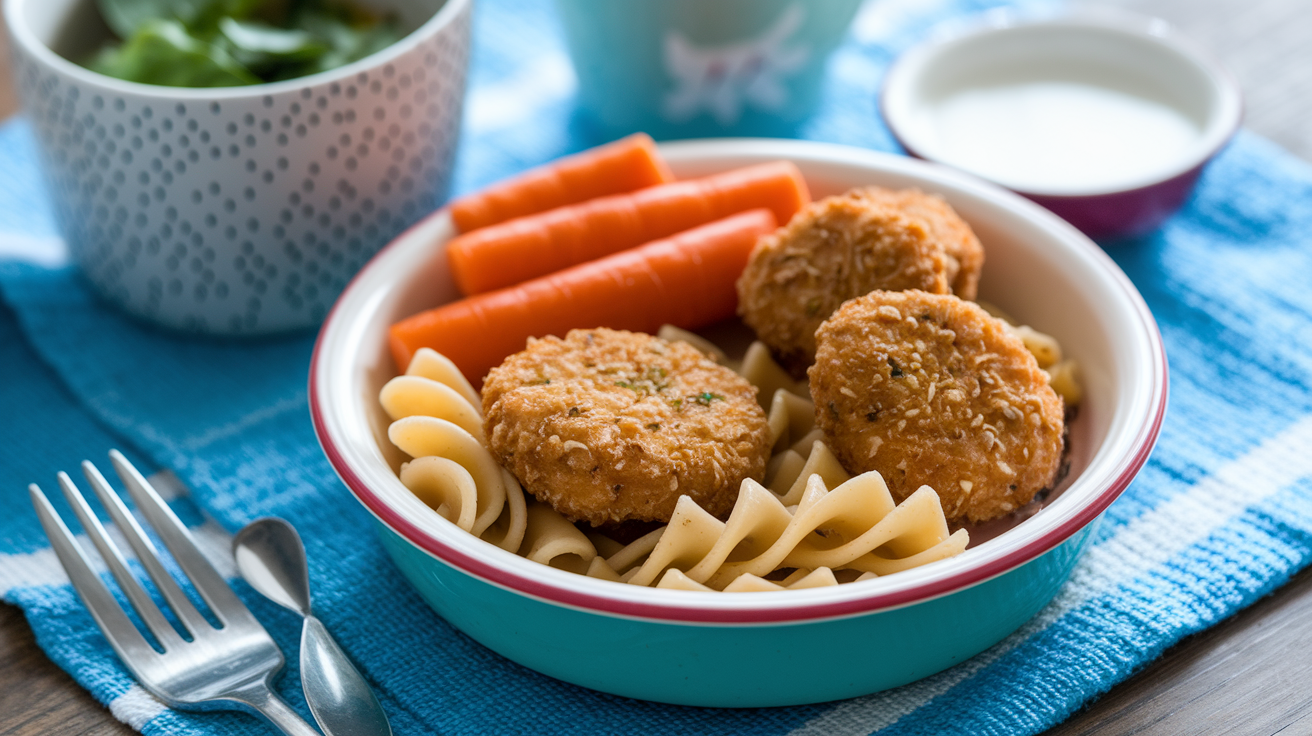
What if the way to feed picky kids isn’t arguing at the table but using foods they already like?
No perfection needed.
Think pancakes, nuggets, smoothies, simple formats that don’t spark a fight.
I’ve pulled together quick, kid-approved meals plus easy tricks for hiding veggies, matching textures, and shrinking portions so new foods feel doable.
You can pick one or two dishes your child tolerates and slowly build from there.
By the end you’ll have realistic meal ideas and small steps that bring better nutrition without turning dinner into a battlefield.
Quick, Kid-Approved Nutritious Meals (Start Here)
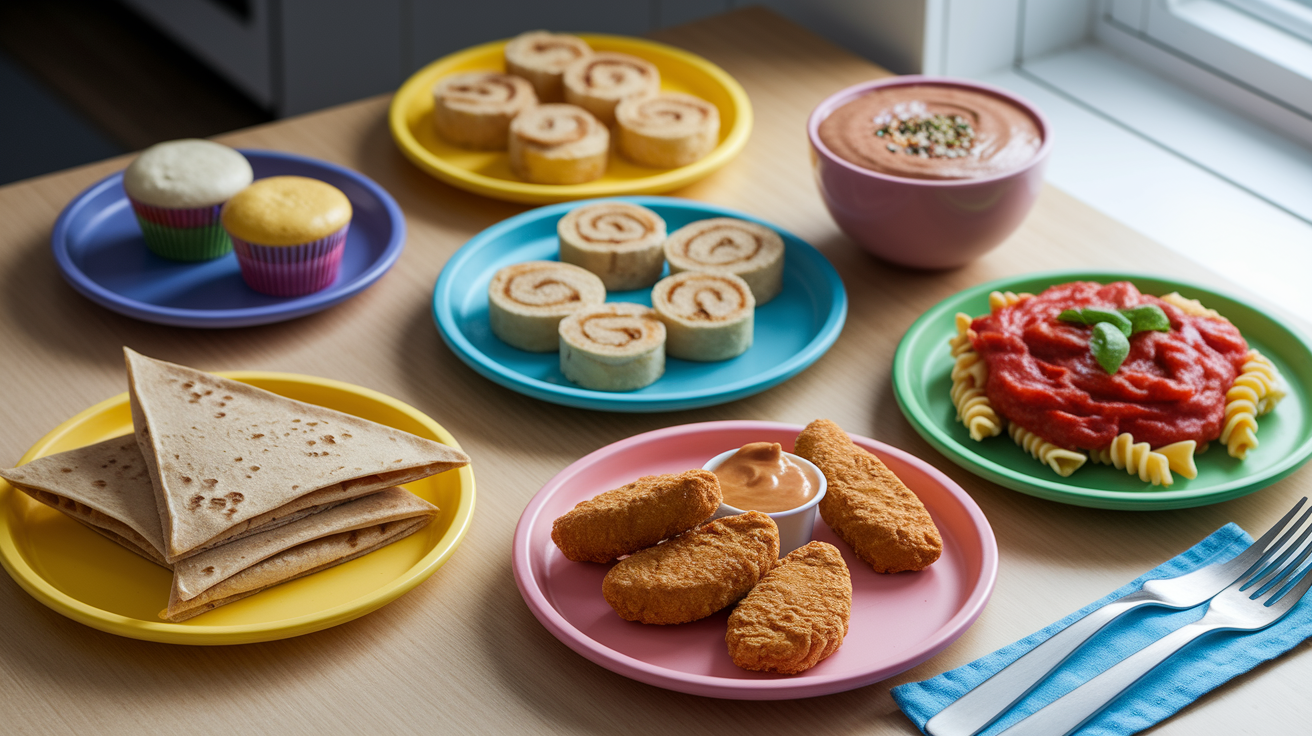
Most picky eaters do fine with foods that look familiar and don’t need a debate. You’re not chasing perfection here. You’re just trying to get decent nutrition into your kid without turning every meal into a negotiation.
The recipes below use simple ingredients and formats kids already recognize. Pasta, nuggets, pancakes, wraps. Some sneak in vegetables or use whole grains without messing with the taste too much. If your child eats three of these on repeat, you’re winning.
Pick one or two meals your kid already tolerates. Then slowly add new options. Small portions, realistic expectations.
7 Quick Meal Ideas Picky Eaters Usually Accept:
- Mini whole wheat pancakes with mashed banana in the batter (natural sweetness, extra potassium, less syrup needed)
- Cheese quesadilla triangles with finely grated zucchini or spinach tucked into the cheese
- Baked chicken nuggets coated in whole grain breadcrumbs or crushed cornflakes, with a little dip cup on the side
- Smoothie bowls with frozen berries, banana, and a handful of spinach, topped with granola for texture
- Pasta with hidden veggie marinara where you blend roasted carrots and red peppers into tomato sauce
- Peanut butter and banana roll ups using whole wheat tortillas, sliced into pinwheels
- Egg muffins baked in mini muffin tins with scrambled eggs, cheese, and tiny chopped bell peppers
Pros and Cons of Common Approaches to Feeding Picky Eaters
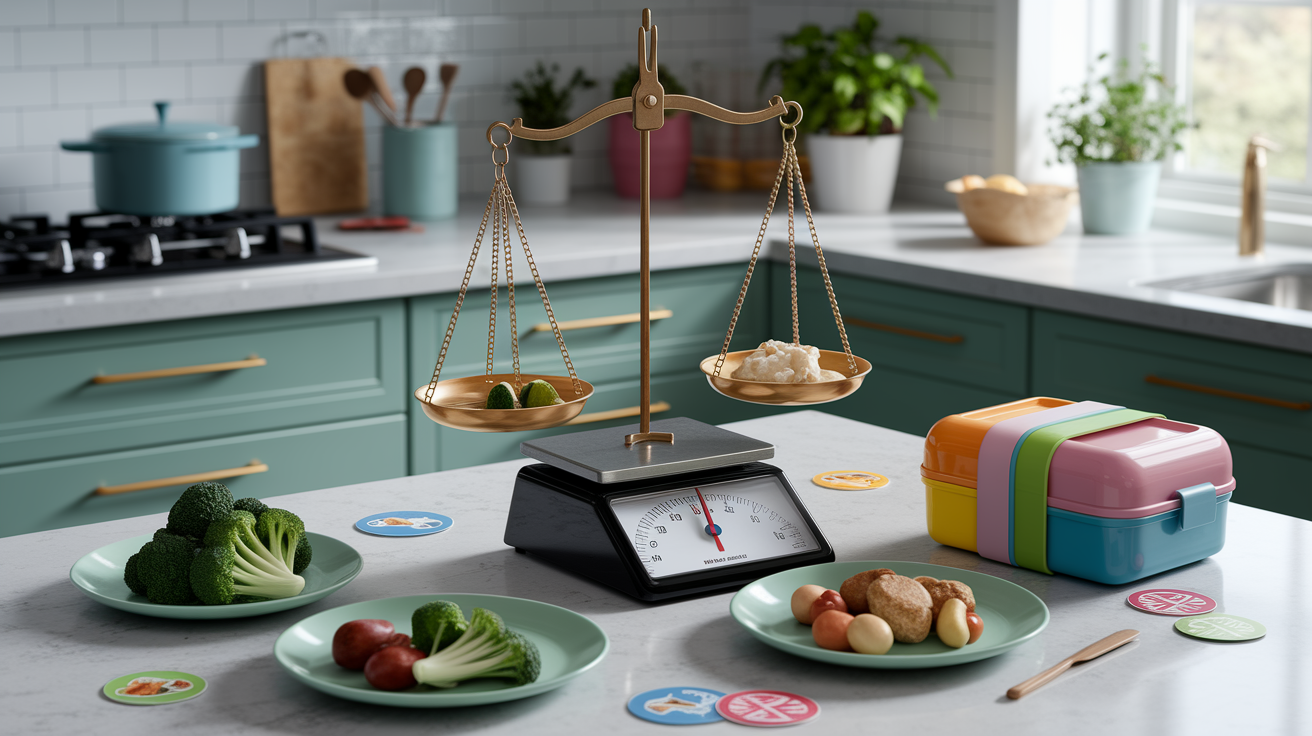
No feeding strategy works perfectly for every kid or every week. Some build real acceptance over time. Others fill nutrition gaps fast but don’t teach flexibility. Knowing the trade offs helps you pick what fits your situation right now.
Pressure tactics backfire. Bargaining, bribing, forcing bites… kids just dig in harder and mealtimes get awful for everyone. Gradual exposure with low pressure tends to work better across weeks and months, even when you can’t see progress day to day.
Pros and Cons of Common Feeding Methods:
| Method | Pros | Cons |
|---|---|---|
| Hiding vegetables in sauces/batters | Gets nutrients in fast; cuts down mealtime conflict | Doesn’t teach acceptance of whole vegetables; short term fix that relies on hiding things |
| Gradual exposure (15+ offers) | Builds real acceptance over time; no stress or power struggles | Progress feels painfully slow; needs patience and consistency |
| Bargaining or rewards | Might work once or twice for compliance | Creates power struggles; kills any natural willingness to try new foods |
| Bento style visual presentation | Fun and engaging; keeps foods separate for “no touching” kids | Takes extra time; doesn’t guarantee they’ll actually eat it |
Understanding Texture Preferences in Picky Eaters
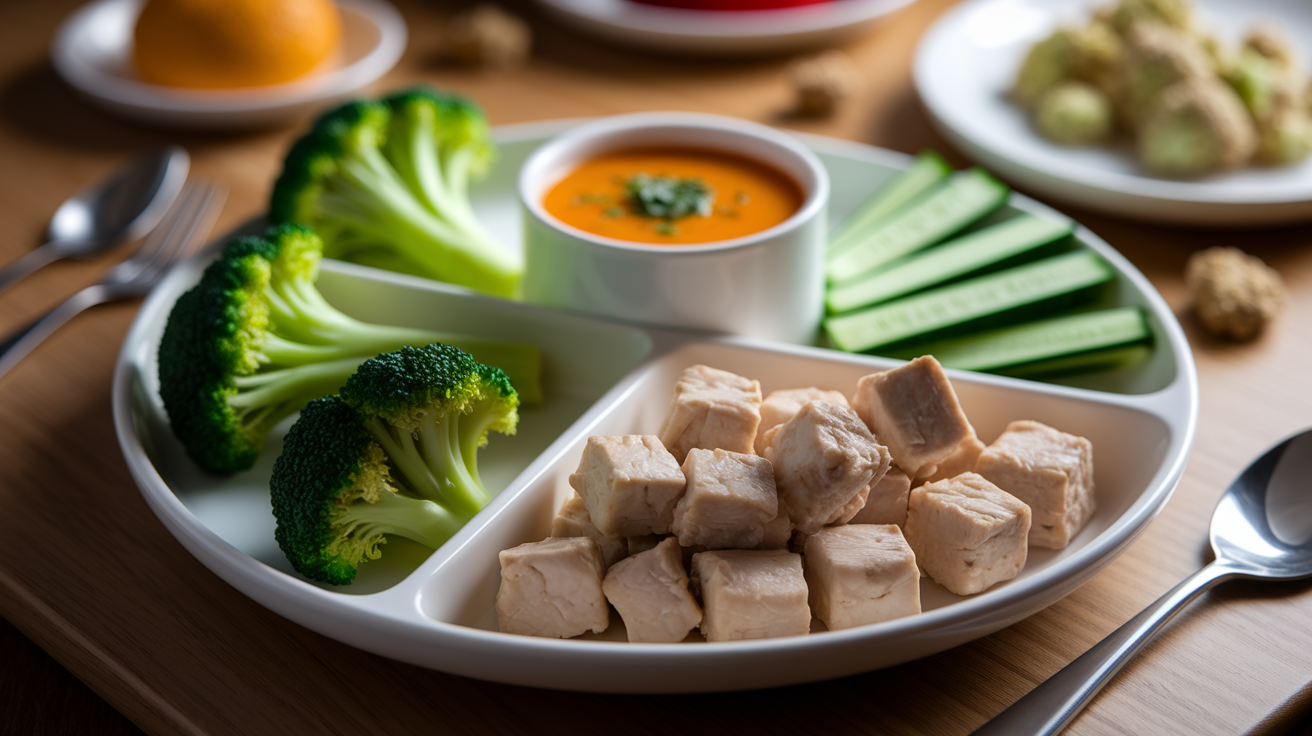
A lot of picky eaters aren’t rejecting flavors. They’re avoiding textures. Slimy, mushy, stringy, mixed up… these can trigger refusal even when the taste is totally mild. Kids who want crunchy or smooth foods will often accept the same vegetable if you just prepare it differently.
Texture predictability matters more than you’d think. A kid who loves apple slices might reject applesauce because the texture shifted. Another might eat roasted broccoli florets but refuse steamed broccoli because it’s softer. Tweaking how you cook or cut food can make a surprising difference.
Sensory preferences aren’t pickiness. They’re just wiring. Respecting texture boundaries while gently offering exposure helps kids expand what they’re comfortable with, without feeling ambushed.
5 Texture Adjustments That Boost Acceptance:
- Roast vegetables instead of steaming them so you get a firmer, slightly crispy edge that feels less mushy
- Serve foods separately on the plate so sauces or juices don’t touch other items
- Cut proteins into small, uniform pieces so every bite feels predictable
- Use smoothies or blended soups to introduce vegetables in a consistent, drinkable format
- Offer crunchy dippers (crackers, cucumber sticks, bell pepper strips) with creamy spreads like hummus or yogurt
Ingredient Essentials for Building Healthy Kid Meals
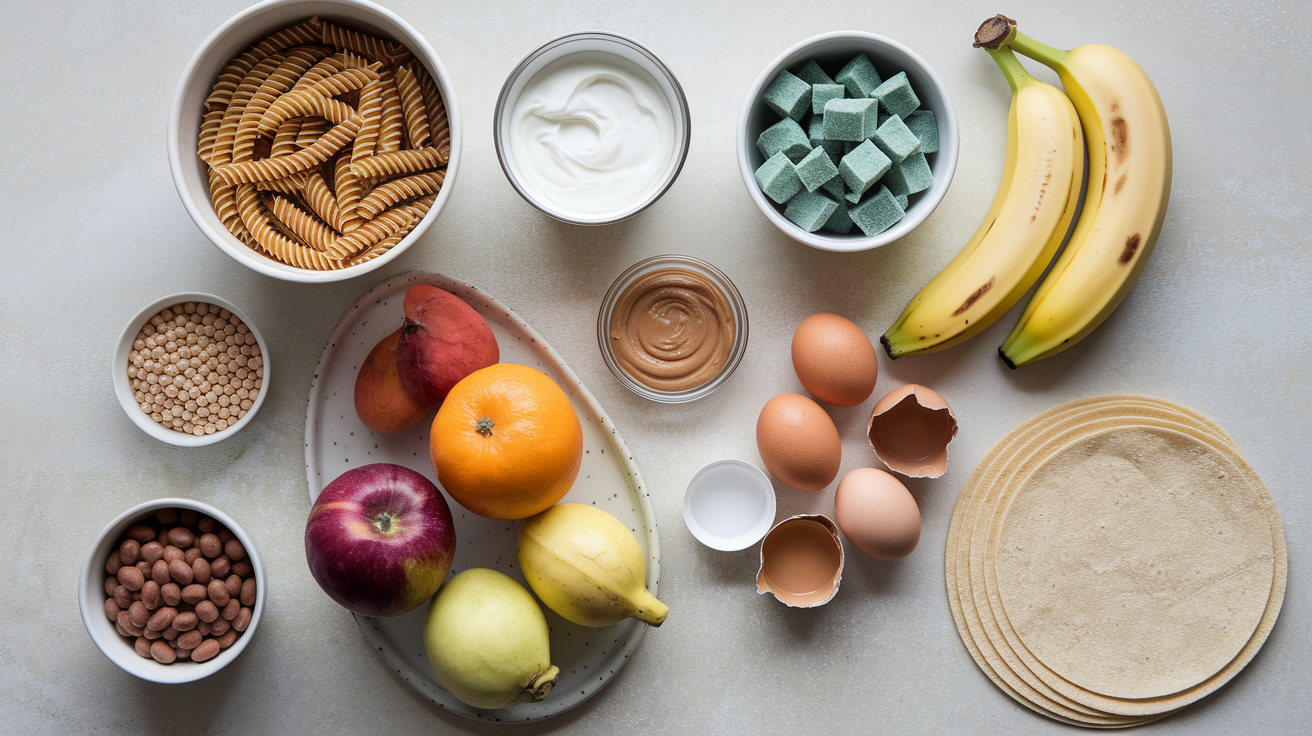
You don’t need a massive pantry to feed picky eaters well. A short list of nutrient dense staples covers most of what growing kids need. Whole grains, lean proteins, colorful produce, a few smart swaps.
Look for ingredients that pull double duty. They add nutrition without messing with flavor, or they mimic textures kids already like. Greek yogurt can replace sour cream in quesadillas and adds protein. Whole wheat pasta has more fiber than white pasta but tastes nearly identical when you pair it with familiar sauces.
6 Essential Ingredients and Their Benefits:
- Whole grain or legume based pasta (chickpea, lentil, whole wheat) — roughly double the protein and triple the fiber compared to refined pasta
- Plain Greek yogurt — packed with protein and calcium; swaps easily for sour cream, mayo, or milk in most recipes
- Frozen spinach or ripe banana — blends invisibly into pancakes, muffins, and smoothies while adding vitamins and fiber
- Nut or seed butter (peanut, almond, sunflower) — delivers healthy fats and protein; works as a dip, spread, or binder
- Eggs — cheap complete protein; scrambles, bakes into muffins, or holds veggie patties together
- Canned beans (black, white, chickpea) — plant based protein and fiber; mashes into dips, patties, or hidden quesadilla layers
Healthy Breakfast Ideas Picky Eaters Often Enjoy
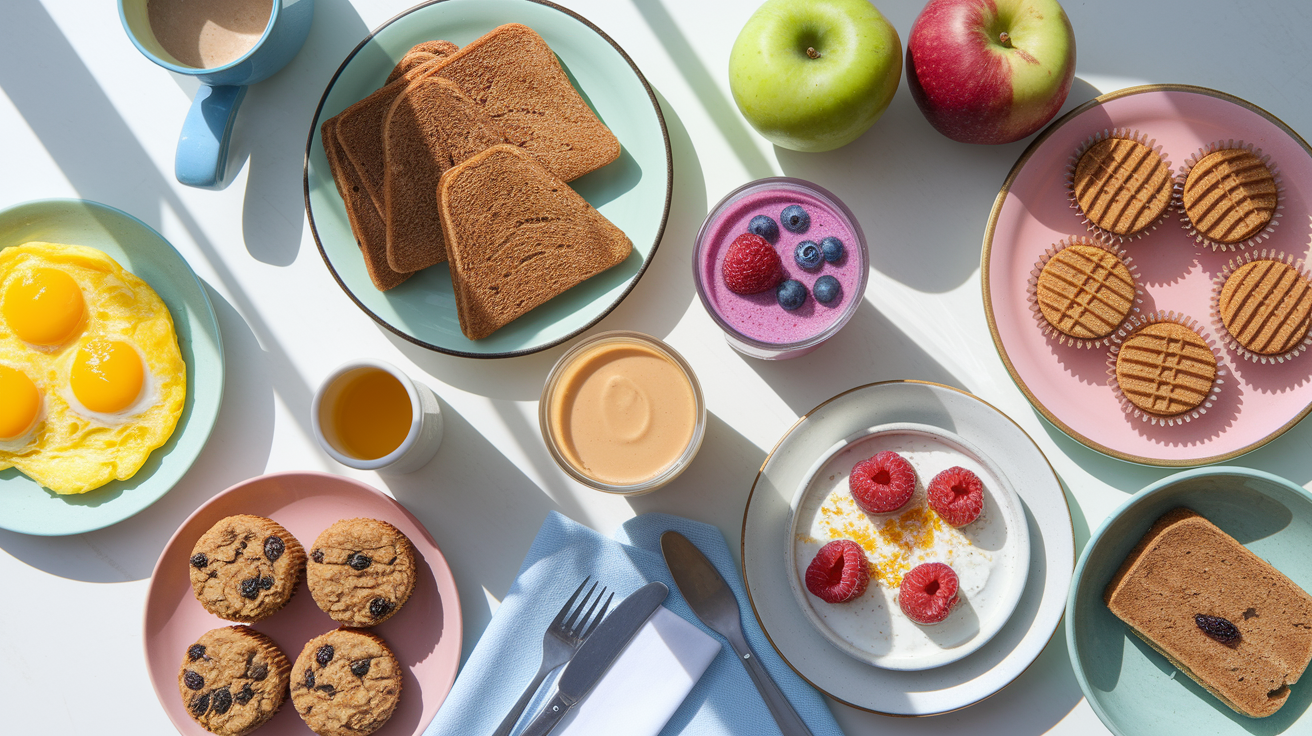
Breakfast tends to be the easiest meal to upgrade because lots of kids already accept eggs, toast, pancakes, or yogurt. Small swaps like whole grain bread, fruit toppings, or a handful of spinach in a smoothie improve nutrition without changing the basic format.
8 Breakfast Ideas That Work for Selective Eaters:
- “Sunshine” scrambled eggs cooked low and slow with a splash of milk, served with whole grain toast fingers for dipping
- Two ingredient banana pancakes made by whisking 1 mashed banana with 2 eggs, cooked as small silver dollar rounds
- Berry banana smoothie blending 1 cup milk, 1 frozen banana, a handful of spinach, and a few strawberries (spinach flavor vanishes)
- Greek yogurt parfait in a muffin tin with plain yogurt, berries, and a sprinkle of low sugar granola in separate compartments
- Mini whole wheat waffles topped with a thin layer of peanut butter and sliced banana
- Oatmeal “treasure hunt” with a few chocolate chips or raisins hidden at the bottom of the bowl
- Mini zucchini muffins using finely grated, squeezed dry zucchini mixed into standard muffin batter
- Apple slices with almond butter and a sprinkle of cinnamon, paired with a hard boiled egg
How to Create Healthy Meals for Picky Eaters
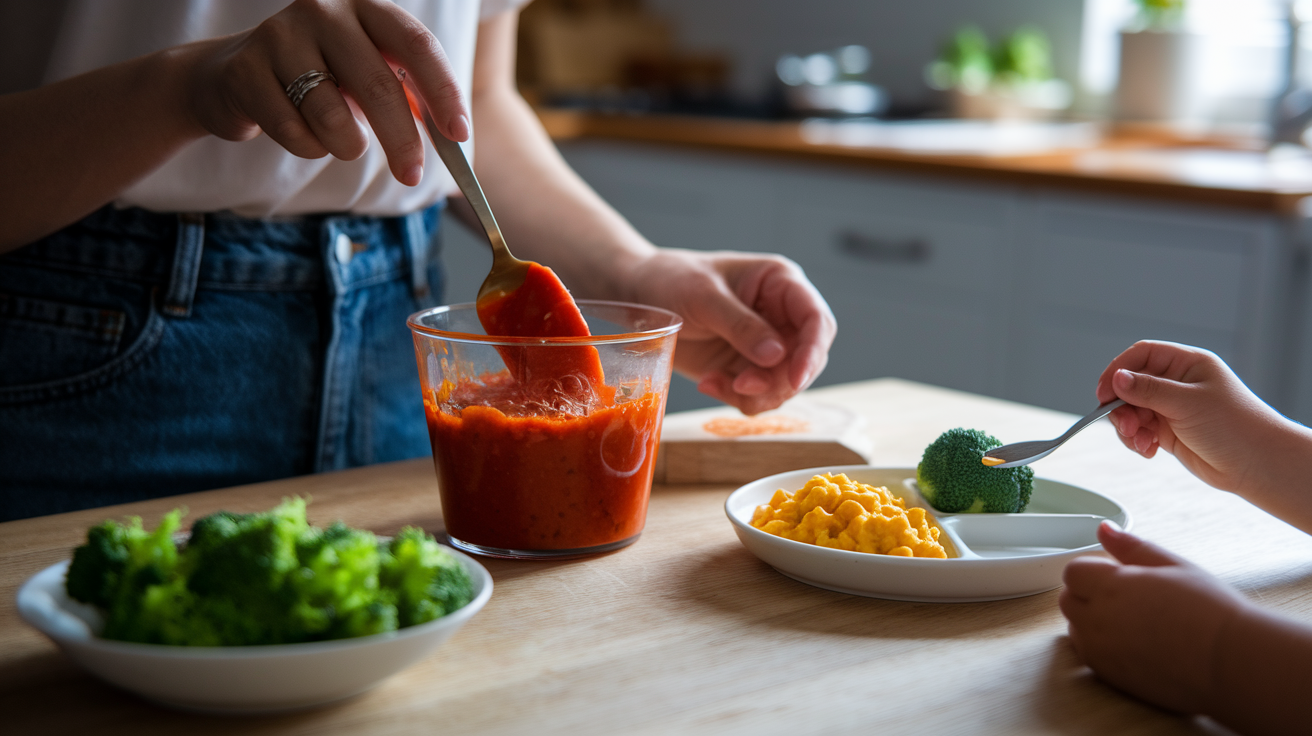
Building meals picky eaters actually eat starts with understanding what already works. Then you layer in small improvements over time. These three strategies focus on prep methods that increase acceptance without expecting your child to suddenly embrace kale.
How to blend vegetables into familiar meals
Blending vegetables into sauces, batters, or dips is a short term bridge. It gets nutrients in while you keep offering whole vegetables on the side for exposure. You want invisible texture and mild flavor so the meal still tastes like what they expect.
- Roast vegetables until soft (carrots, butternut squash, red peppers, or cauliflower work well) and blend them into marinara, mac and cheese sauce, or pancake batter.
- Finely grate or puree vegetables like zucchini or spinach, then squeeze out excess water before mixing into meatballs, muffins, or quesadilla filling.
- Start with a 1:3 ratio (one part vegetable to three parts base ingredient), then gradually bump up the vegetable portion as your child consistently accepts the meal.
How to pair new foods with familiar items
Pairing means serving one new or less preferred food alongside two or three foods your child already eats. It takes the pressure off and normalizes variety without making the new item the main event.
- Put a small portion of the new food (one roasted broccoli floret, two cucumber slices) on the plate next to mac and cheese or chicken nuggets.
- Don’t comment on it or ask them to try it. Just let it show up on the plate over and over across days and weeks.
- Celebrate any interaction (touching, sniffing, licking, taking a “mouse bite”) as progress, not failure if they don’t eat the whole thing.
How to adjust portion sizes for gradual exposure
Big portions of new or disliked foods overwhelm picky eaters and amp up refusal. Tiny servings reduce pressure and make “just one bite” feel actually doable.
- Serve new foods in portions smaller than seems reasonable. One spoonful of a new side dish, two pieces of a vegetable, or a single cracker sized piece of protein.
- Use small plates or compartment trays to make the overall meal look balanced without leaning on huge portions of any single item.
- Refill on request if your child asks for more of any food, including the new item. Self serving builds confidence and control.
Comparison of Meal Approaches for Picky Eaters
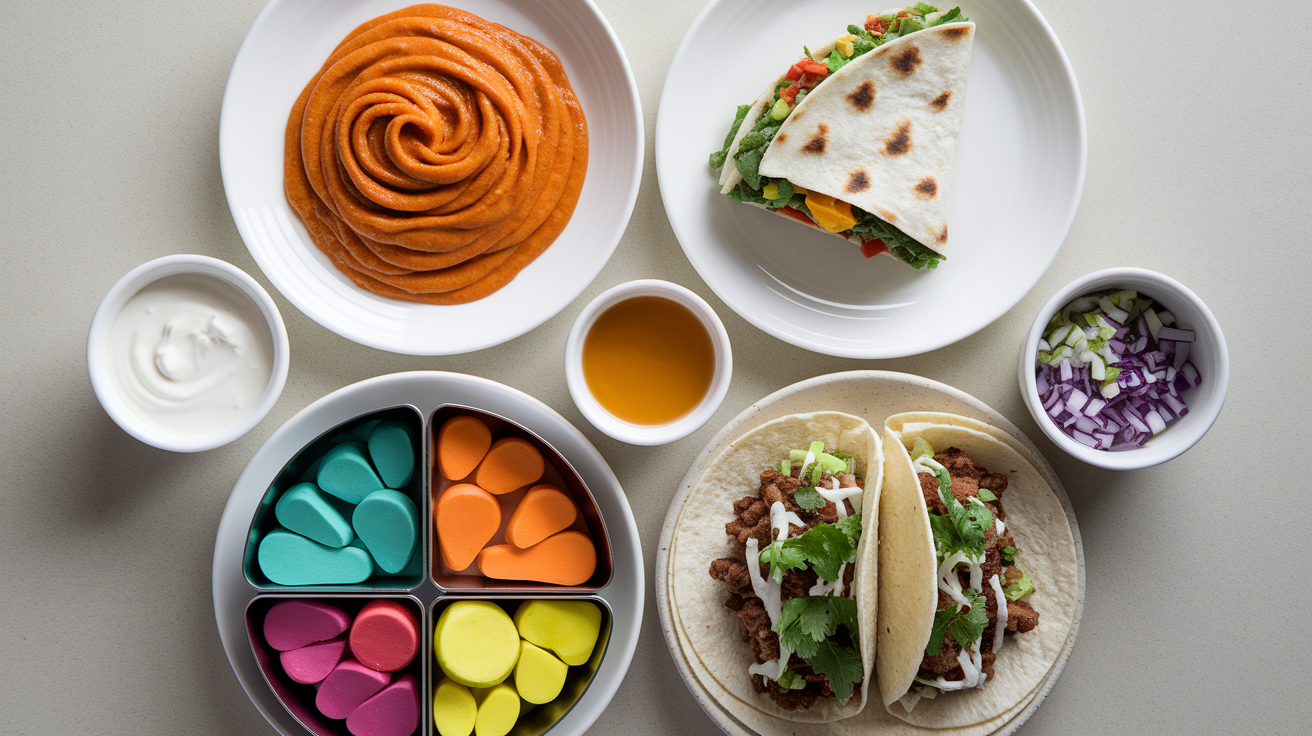
Different meal strategies solve different problems. Hidden veggie meals work when you need nutrition now. Visual presentation sparks curiosity. Ingredient swaps keep familiar flavors while improving quality. The table shows when to use each one.
| Approach | Benefits | Best For |
|---|---|---|
| Hidden veggie meals (blended into sauces, muffins, smoothies) | Boosts nutrient intake immediately; cuts down mealtime conflict | Kids refusing all vegetables; short term nutrition gaps |
| Ingredient swaps (whole grain pasta, Greek yogurt, lean proteins) | Improves nutrition without changing taste or format; builds sustainable habits | Kids who accept a few core meals; families focusing on long term changes |
| Bento style visual plating (colorful compartments, shapes, faces) | Sparks curiosity; respects “no touching” preferences; makes food feel playful | Kids who respond to novelty or presentation; parents with extra prep time |
| Deconstructed meals (taco bar, DIY parfait, separated components) | Gives kids control over assembly; reduces food touching anxiety | Strong willed kids; children with sensory sensitivities |
How to Use Substitutions, Presentation, and Gradual Exposure Methods
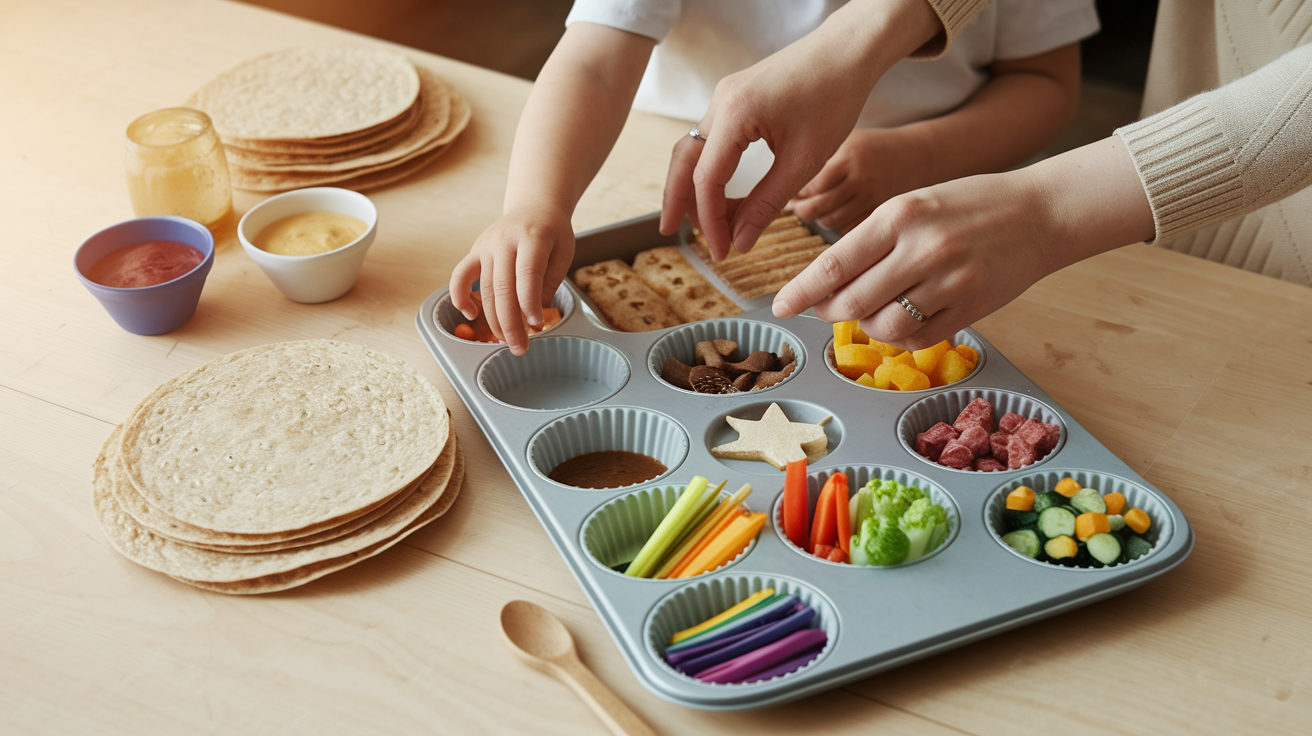
Mixing substitutions, creative plating, and repeated low pressure exposure creates a feeding environment where picky eaters slowly expand their range. None of this works overnight. But together they make progress way more likely.
Substitutions improve the nutrition of meals your child already eats. Whole grain tortillas instead of white, mashed beans in quesadillas, Greek yogurt swapped for sour cream. Presentation makes the same food feel new. Cut sandwiches into shapes, arrange veggies in rainbow order, serve dinner in muffin tins. Gradual exposure means putting one or two less preferred foods on the plate without pressure, knowing acceptance usually takes 10 to 15 tries.
6 Practical Tactics to Support Long Term Acceptance:
- Use cookie cutters to turn sandwiches, pancakes, or cheese slices into stars, hearts, or circles. Familiar food in a new shape feels less scary.
- Let your child help with simple prep tasks like sprinkling cheese, stirring batter, or arranging toppings. Hands on involvement boosts willingness to taste.
- Offer dipping sauces with proteins and vegetables (ranch, ketchup, yogurt based dips). Dipping gives kids control and makes textures more predictable.
- Serve one new food at every meal in a tiny portion without saying anything about it. Repeated visual exposure builds familiarity before tasting even happens.
- Batch cook and freeze toddler sized portions of accepted meals (mini muffins, pancakes, egg bites, meatballs) so you always have a backup ready.
- Use compartment plates or muffin tins to serve deconstructed meals where each part stays separate. Eliminates “food touching” refusal.
Final Words
Try one quick, kid-approved meal tonight—pick a favorite texture, hide a veggie in the sauce, or make a fun plate. Keep it simple so the first try feels safe.
You’ve got fast recipes, breakfast ideas, ingredient swaps, texture tips, and step-by-step methods for blending, pairing, and portioning. The pros and cons and the comparison table help you pick what fits your family.
These small moves add up. Use them to make healthy meals for picky eaters less stressful and more likely to stick.
FAQ
Q: What quick, kid-approved nutritious meals can I start with?
A: Quick, kid-approved nutritious meals are familiar-texture dishes boosted with hidden veggies and protein, like pasta with blended vegetable sauce, baked chicken nuggets, smoothies, grain bowls, quesadillas, and simple stir-fries.
Q: What are the pros and cons of common feeding approaches for picky eaters?
A: The pros and cons of common feeding approaches show gradual exposure builds acceptance and habits, modeling and choices help trust, while pressure or force often backfires and lowers willingness to try foods.
Q: How does gradual exposure compare to pressure-based feeding?
A: Gradual exposure increases acceptance over weeks with repeated, low-pressure tries, while pressure-based feeding reduces willingness and can create negative associations with mealtime and certain foods.
Q: How do texture preferences affect picky eating?
A: Texture preferences shape picky eating because kids choose predictable textures—smooth, crunchy, or uniform—so matching those textures makes new foods feel safer and boosts acceptance.
Q: What simple meal adjustments help with texture sensitivity?
A: Simple adjustments for texture sensitivity include blending, roasting for uniform softness, offering crunchy sides, removing skins, and serving items separately so textures stay predictable and familiar.
Q: What ingredients should I stock to build healthy kid meals?
A: Ingredients to stock are whole grains, lean proteins, Greek yogurt swaps, frozen vegetables, fruit, nut butter, and hidden-veggie sauces to add steady nutrients without changing flavor much.
Q: What healthy breakfast ideas do picky eaters often enjoy?
A: Healthy breakfast ideas picky eaters often enjoy include smoothies with spinach and fruit, whole-grain pancakes, yogurt parfaits, oatmeal with fruit, egg wraps, and toast with nut butter.
Q: How can I blend vegetables into familiar meals?
A: Blending vegetables into familiar meals means pureeing them into sauces, mixing them into meatballs or muffins, and starting with small amounts so flavor stays familiar and kids rarely notice.
Q: How do I pair new foods with familiar items?
A: Pairing new foods with familiar items means offering the new food next to a known favorite, serving tiny tastes, and repeating offers calmly so the child links safety with the new flavor.
Q: How should I adjust portion sizes for gradual exposure?
A: Adjusting portion sizes for gradual exposure means starting with tiny tastes, slowly increasing amounts over weeks, and letting the child stop when full to keep tries positive and pressure-free.
Q: Which meal approaches work best for picky eaters?
A: The best meal approaches combine hidden-veggie dishes for steady nutrition, ingredient swaps to keep flavor familiar, and bento-style presentation to add choice and visual appeal.
Q: What practical tactics support long-term success with picky eaters?
A: Practical tactics that support long-term success include repeated exposure (often 10–15 tries), bento-style plating, offering limited choices, small portions, parent modeling, and non-pressured invitations to try.