
What if staying still is the thing making your lower back worse?
It feels scary to move when something hurts, but gentle, controlled exercises often ease pain fast.
Done the right way, simple moves restore blood flow, loosen tight muscles, and stop that stiff, locked feeling within minutes.
This post gives easy, safe exercises you can try right now for immediate relief and simple progressions to build steady support over time.
Immediate Relief Exercises Targeting Lower Back Pain
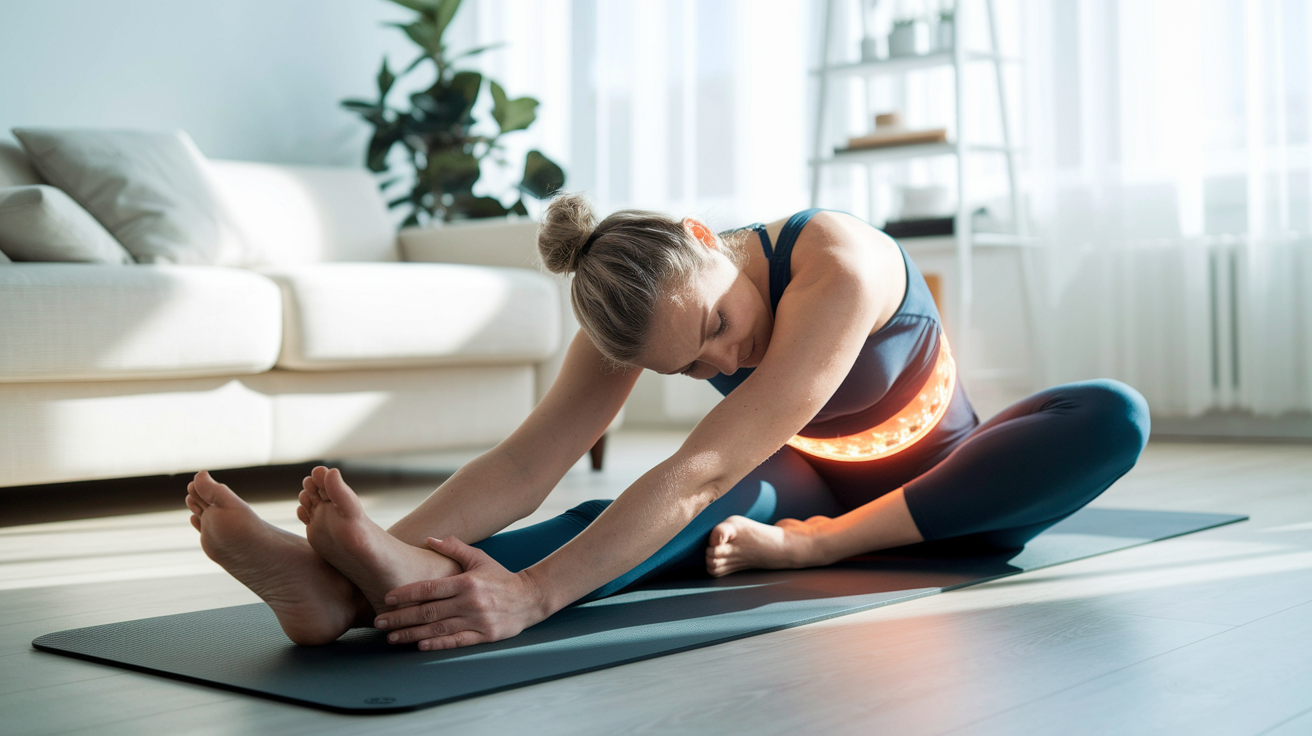
Gentle movement actually helps more than staying still. When you get your spine moving, you restore blood flow, release tight muscles, and remind your lower back it’s safe to move through its natural range. Yeah, the instinct is to freeze up and avoid anything that might hurt. But controlled, easy exercises usually make things feel better within minutes and stop muscles from locking down even more.
Start with what feels doable. Listen to your body the whole time. If getting on the floor sounds terrible, do these on your bed instead. The softer surface takes the edge off without losing the benefit. Use a countertop, a wall, or drop to half kneeling if your range of motion is limited or balance feels shaky.
Quick exercises to try right now:
- Standing lumbar extension: feet apart, hands on lower back with fingers pointing down, bend backward at the waist with straight knees
- Supine bridge: lie on your back with knees bent and feet flat, tighten your abs and glutes, lift your hips to form a straight line
- Bird dog: on all fours, lift opposite arm and leg parallel to the floor, keep your abs tight and back flat
- Cat-camel: on all fours, tuck your chin and round your back toward the ceiling, then arch your back and gaze forward
- Double knee-to-chest stretch: lie on your back, pull both knees to your chest and hug them close
- Supine twist: lie on your back with knees bent, keep your shoulders flat and let your knees drop to one side
- Child’s pose: from hands and knees, sit your butt back onto your heels with knees apart, stretch arms forward and rest your forehead near the floor
- Cobra stretch: lie on your stomach with legs together and palms below shoulders, lift your upper body while pressing lower abdomen and toes into the floor
Most of these work well with 10 reps or a 20 to 30 second hold. Supine twists use a 5 second pause on each side before you switch. Bridges, bird dog on each side, and cat-camel each get 10 steady reps.
Stop anything that causes sharp pain or makes things worse. Dial back the range of motion, switch to an easier version, or skip that one entirely. Mild muscle tension? Normal. Increasing pain? That’s your signal to back off and try something easier.
Understanding the Movements Behind Lower Back Pain Exercises
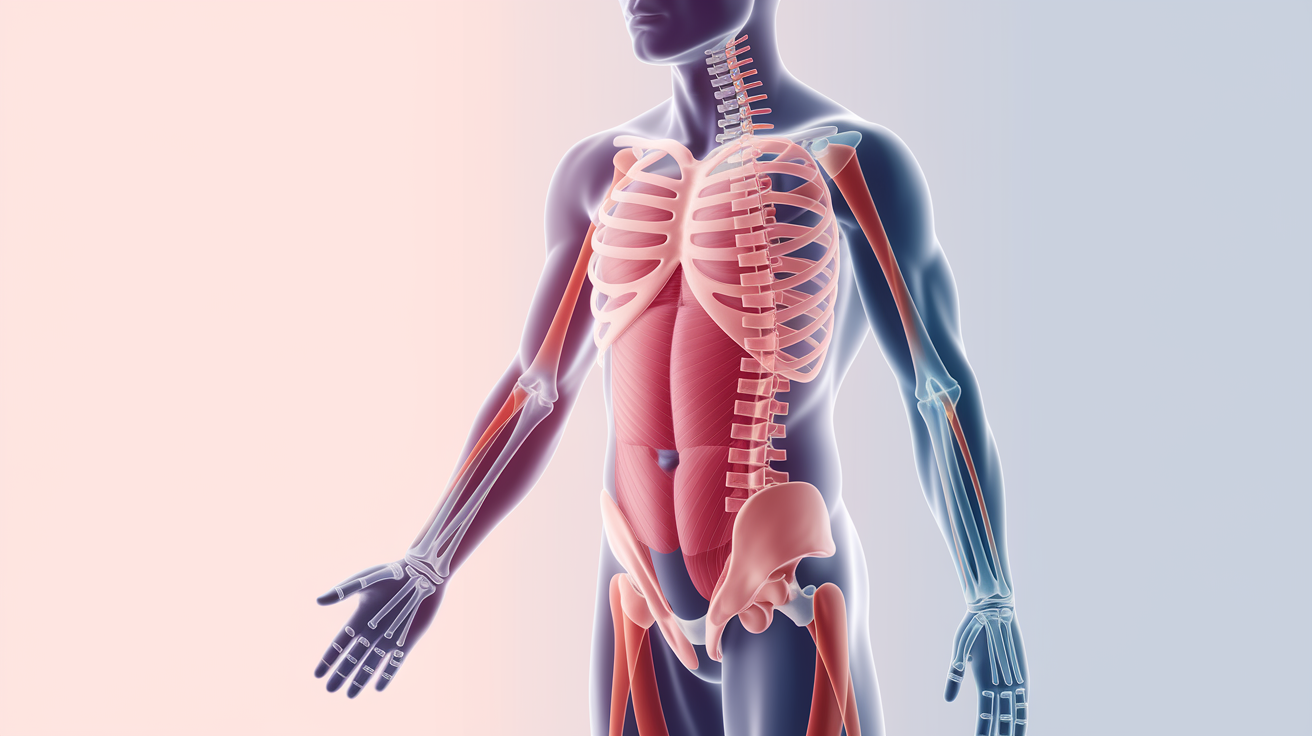
Stretching and strengthening aren’t separate strategies. They work together. Tight muscles pull on your spine. Weak muscles can’t support it. When you stretch tissues that have been shortened from sitting or poor posture, tension drops and your lumbar spine can settle into a more neutral position. When you strengthen the muscles that stabilize everything, daily tasks stop overloading smaller, more vulnerable structures.
Flexion and extension patterns keep your spine mobile and decompressed by moving it through its full range. Cat-camel alternates rounding and arching to keep spinal segments moving freely. Knee-to-chest reduces compression by gently flexing the lumbar joints. Cobra gives you controlled extension that counteracts all those forward-bent postures most people spend hours in every day. Standing lumbar extension offers a simple way to decompress while upright. And bird dog with bridge? They train the muscles that hold everything stable during actual movement.
| Exercise | Primary Benefit |
|---|---|
| Cat-camel | Improves spinal flexion and extension mobility |
| Double knee-to-chest | Reduces lumbar compression and tension |
| Bird dog and supine bridge | Strengthens core and glutes for spinal support |
| Cobra stretch | Provides controlled spinal extension |
| Standing lumbar extension | Offers modified upright decompression |
Strengthening Exercises That Support Lower Back Pain Relief

Strengthening matters because weak muscles force your spine to absorb loads it wasn’t designed to carry alone. When your core, glutes, and back extensors work properly, they share the job of keeping your torso upright and controlled. That distribution of effort reduces the strain on spinal ligaments, discs, and those small stabilizer muscles that fatigue quickly.
Bridges and bird dog teach your body to activate the right muscles at the right time. Bridges train your glutes and abs to fire together, which stops your lower back from overarching. Bird dog builds coordination and endurance in the deep stabilizers by challenging balance and alignment with minimal load. Both exercises reinforce the pattern of keeping your spine neutral while your limbs move. That’s exactly what protects your back during daily life.
Bracing and plank holds build the endurance you need for long-term support. The “crush a soda can” cue for abdominal bracing teaches you to activate your core on command. 10 second holds repeated throughout the day make that activation automatic. Planks and side planks increase the demand by adding gravity and time, forcing your stabilizers to work continuously without movement. Holding for 10 to 30 seconds and repeating 2 to 5 times builds the stamina needed to support your spine during longer activities.
Start with the easiest version you can hold with good form. Then increase hold time or reps before adding complexity. Beginners should use knee planks, bed-supported variations, or shorter holds. Once a movement feels steady and controlled, try raising one leg during a bridge, lifting opposite arm and leg during bird dog, or moving from a knee plank to a full plank on your toes.
Stretching Routines That Loosen Tight Lower Back Muscles

Flexibility and tissue relaxation reduce tension by letting muscles return to their resting length instead of staying contracted and pulling on your spine. Tight hamstrings, hip flexors, and glutes all connect to your pelvis. When they’re chronically shortened, they tilt the pelvis and force your lumbar spine into awkward positions. Stretching those muscles gives your lower back room to settle into alignment and reduces the constant tug that creates discomfort.
Stretches that loosen tight lower back muscles:
- Double knee-to-chest stretch
- Hamstring stretch with towel or strap
- Child’s pose
- Hip twist (supine spinal twist)
- Hip flexor stretches in a kneeling lunge position
Hold times and breathing patterns matter for safe stretching. A 20 to 30 second hold allows the muscle to relax through its protective reflex. Repeating the stretch a few times deepens the release. Breathe slowly and steadily throughout the hold. Inhale through your nose, exhale through your mouth. Don’t hold your breath. That just tightens muscles instead of relaxing them. For dynamic stretches like the hip twist, pause for 5 seconds on each side and finish with a 30 second hold to combine movement with sustained release.
Consistent mobility training helps anyone who sits for long periods, has a history of lower back stiffness, or notices tension after standing or walking. It’s especially useful if your pain improves with gentle movement but returns after inactivity. A short stretching routine in your morning or evening keeps muscles pliable and reduces the chance of a flare-up triggered by normal daily tasks.
Safe Form Tips for Lower Back Pain Exercises
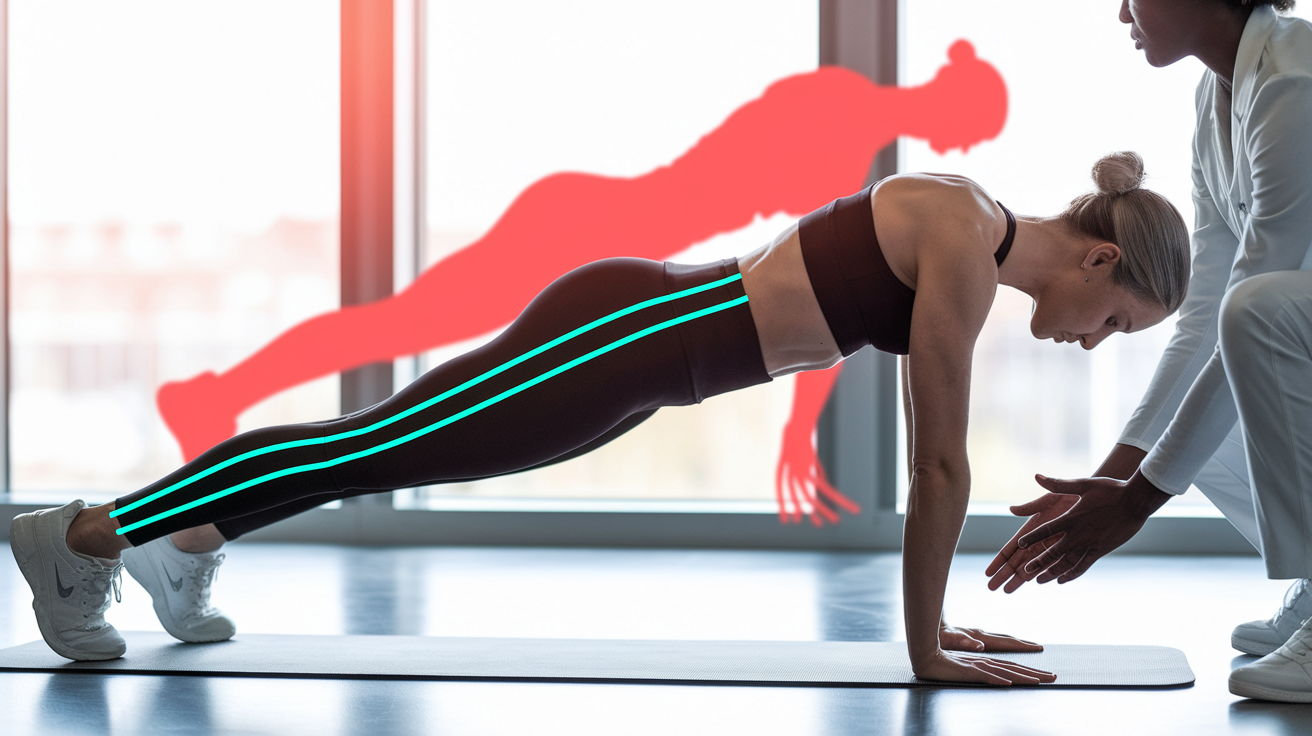
Core engagement and breathing basics keep your spine protected during every movement. Engage your core by drawing your belly button gently toward your spine without holding your breath. Think “tighten like you’re about to be poked in the stomach” rather than sucking in hard. Breathe normally through your nose and mouth, matching the rhythm of the exercise. Holding your breath increases internal pressure and can make discomfort worse. Exhale during the effort phase and inhale during the release.
Common movement errors to watch for include letting your hips sag during planks, arching your lower back too much during bridges, and twisting from your lower back instead of your hips. Keep your ribcage stacked over your pelvis, shoulders relaxed away from your ears, and neck in a neutral line with your spine. When one side of your body lifts during bird dog or side plank, check that your hips stay level instead of rotating. Small corrections to alignment make a big difference in how the exercise feels and whether it reduces or increases strain.
Modify or skip movements if you feel sharp pain, pinching, or discomfort that spreads into your leg or glutes. Dull muscle tension is normal and usually eases as you move. But pain that increases or changes location is a sign to back off. Choose an easier variation, reduce the range of motion, or skip that exercise and try again another day. If lying flat makes pain worse, place a pillow under your knees or do the movement on a bed. If standing extension feels too intense, use a countertop for support or reduce how far you bend backward.
Modified Lower Back Pain Exercises for Beginners and Limited Mobility

Accessibility and comfort matter because you’re way more likely to do an exercise consistently when it feels manageable. Starting with a version you can complete without struggling builds confidence and lets your body adapt gradually. Modifications aren’t shortcuts. They’re tools that meet you where you are and make it possible to keep moving even when strength, flexibility, or pain levels limit your options.
You can adapt movements by using stable surfaces and reducing the range required. Bed-based versions of exercises like bridges, bird dog, and stretches lower the difficulty by providing a softer surface and cutting down how far you have to move. Countertop-supported lumbar extension gives you something to lean against so you can control the depth of the backward bend. Added cushioning like a pillow behind your knees during bridges or under your forehead during child’s pose makes positions more comfortable. Strap-assisted stretches let you reach positions that would otherwise require more flexibility than you currently have.
Simple ways to adapt:
- Bed-based: do bridges, bird dog, or stretches on a mattress instead of the floor
- Countertop-supported: use a counter or wall for balance during standing or kneeling exercises
- Added cushioning: place pillows, bolsters, or folded towels under knees, hips, or forehead for comfort
- Strap-assisted: loop a towel or resistance band around your foot to help with hamstring or hip stretches
Seniors and pregnant individuals should pick variations that focus on stability and skip positions that feel risky or uncomfortable. Seniors may do better with countertop or wall-supported versions of standing exercises and should avoid getting down to the floor if standing back up is difficult. Pregnant individuals should skip prone exercises like cobra stretch, use pillows for extra support during supine positions, and stop any movement that causes pelvic or abdominal discomfort. Both groups should stick with controlled, smaller movements and increase range only as strength and confidence improve.
Recommended Sets, Reps, and Weekly Routine for Lower Back Pain Relief
A beginner-friendly structure starts with one set of each exercise. Aim for 10 reps for dynamic movements like bridges, bird dog, and cat-camel. Hold static stretches like knee-to-chest and child’s pose for 20 to 30 seconds. Pause for 5 seconds on each side during twists. Do the routine once per day, ideally in the morning or after sitting for a long period. If that feels like too much, split it up. Stretches in the morning, strengthening in the afternoon. Then build up from there.
Weekly frequency works best at 5 to 7 days per week for mobility and stretching. Do strengthening exercises 3 to 4 times per week. Progress gradually by adding a second set once the first set feels easy. Then increase hold times for planks and static stretches from 10 seconds to 20, then 30. You can also add reps, moving from 10 to 12 or 15 as your endurance improves. Progression should feel gradual. If a change makes the exercise significantly harder or causes discomfort, scale back and stay at the previous level for another week.
Warm up with 2 to 3 minutes of gentle movement like marching in place, arm circles, or slow cat-camel reps to get blood flowing before you start. Cool down with an extra round of your favorite stretch held for 30 seconds to let muscles relax. When you’re ready for more difficulty, try single-leg bridges instead of standard bridges, add opposite arm and leg lifts during bird dog, or transition from knee planks to full planks on your toes.
When Lower Back Pain Exercises Need Medical Evaluation

Normal discomfort during exercise feels like mild muscle tension, a dull ache, or light stretching that eases as you move or after a few reps. Concerning symptoms feel different. Sharp, stabbing pain that stops you mid-movement, discomfort that spreads into your leg or glutes, or pain that gets worse instead of better as you continue. Normal soreness after a new routine lasts a day or two and improves with gentle movement. Symptoms that stick around, worsen, or mess with daily tasks need attention.
Red-flag symptoms that need prompt medical evaluation:
- New or worsening numbness or tingling in your legs, feet, or groin area
- Muscle weakness that affects your ability to walk, stand, or control your legs
- Sharp, radiating pain that travels down one or both legs and doesn’t improve with rest or position changes
- Loss of bowel or bladder control, or difficulty starting urination
Chronic pain patterns that last more than a few weeks, return frequently despite consistent exercise, or limit your ability to work, sleep, or move normally need further assessment. A physical therapist or physician can identify structural issues, rule out serious conditions, and recommend targeted treatment. If home exercises help but don’t fully solve the problem, professional guidance can fine-tune your approach and address underlying causes that self-care alone can’t fix.
Long-Term Prevention Strategies Using Lower Back Pain Exercises

Daily habits that keep your spine neutral and reduce strain include practicing core bracing while lifting objects, standing with even weight distribution, and taking short movement breaks every 30 to 60 minutes when sitting. Use the “crush a soda can” cue when you’re picking up a bag, bending to tie your shoes, or reaching overhead. Stand with your ribcage over your pelvis instead of leaning back or forward. Shift positions frequently instead of holding one posture for hours. Small adjustments repeated throughout the day add up to way less cumulative stress on your lower back.
Functional patterns that keep you strong and resilient include progressive plank variations that challenge stability, standing hamstring stretches that keep your posterior chain flexible, and daily core activation during real tasks instead of only during dedicated exercise time. Train your body to brace before lifting, hinge at your hips instead of rounding your spine, and use your legs and glutes to generate power. These patterns protect your lower back by spreading the load across stronger, more capable muscles.
Consistency stops recurrence because your body adapts to what you do regularly, not what you do once. A short daily routine keeps the mobility and strength gains that reduce pain. Skip weeks at a time and old patterns come right back. Even 5 to 10 minutes most days keeps muscles balanced, joints mobile, and movement quality high enough to handle unexpected demands without triggering a flare-up.
| Habit | Benefit |
|---|---|
| Core bracing during daily tasks | Protects the spine during lifting, bending, and reaching |
| Frequent position changes | Prevents sustained strain from prolonged sitting or standing |
| Progressive strengthening | Builds resilience to handle heavier loads and longer activity |
| Consistent mobility work | Maintains flexibility and reduces tension buildup over time |
Final Words
Start with the quick relief moves — the eight foundational exercises reduce stiffness and give immediate comfort when your back is tight. Use the safety cues and easy modifications (bed, countertop, wall) so you can move without making things worse.
Next, add strengthening and targeted stretches like bridges, bird dogs, hamstring work, and bracing to build lasting support. Follow the simple sets, holds, and a weekly plan, and watch for red flags that need a clinician.
These exercises for lower back pain are practical and repeatable. Do a little each day, and you’ll usually feel steadier and more confident.
FAQ
Q: What is the one best exercise for lower back pain?
A: The one best exercise for lower back pain is a gentle standing lumbar extension; it moves the lower spine, eases stiffness, and often gives quick relief. Modify on a countertop or bed if needed.
Q: What are the big 3 exercises for lower back pain?
A: The big three exercises for lower back pain are the supine bridge, bird dog, and cat‑camel; they strengthen hips and core while improving spinal flexion and extension to support lasting pain relief.
Q: What not to do with lower back pain?
A: What not to do with lower back pain is push through sharp pain, lift heavy without support, twist suddenly, or stay in bed all day; stop and choose gentler, modified movements instead.
Q: What is the fastest way to cure lower back pain?
A: The fastest way to reduce lower back pain is to combine gentle movement, targeted stretches, and short strengthening sets, add heat/ice as needed, and avoid aggravating tasks—see a clinician if pain persists.