What if you could melt stress in 90 seconds without leaving your desk?
Three simple breathing methods and a few gentle recovery moves can flip your nervous system from on-edge to calm.
They slow your heart, lengthen your exhale, ease tight shoulders, and work anywhere, on the train, in a meeting, or before bed.
This post shows quick, usable methods, Box Breathing, 4-7-8, diaphragmatic breath, short stretches, and restorative holds, so you can reset in moments, not hours.
Immediate Breathing and Recovery Methods for Quick Stress Relief

When your chest tightens or your thoughts start spinning, three simple breathing techniques can shift your nervous system in about 60 to 90 seconds. Box Breathing, 4-7-8 Breathing, and Diaphragmatic Breathing flip on your parasympathetic nervous system (the part that handles rest and recovery). This counters the fight-or-flight response by dropping cortisol and adrenaline, slowing your heart, and basically telling your body it’s okay to chill out. You don’t need a quiet room or any special gear. These work anywhere: during a break, before a tough conversation, in the middle of a crowded train.
Most people feel something shift within the first minute. Your breathing slows. Your shoulders drop. That racing-heart thing starts to back off. The science is pretty straightforward. When you breathe intentionally and lengthen your exhale, your vagus nerve gets the signal to activate the calming side of your nervous system. Use these when stress is building, when a craving hits, or anytime you need space between an urge and what you do next. They’re especially helpful before bed, after a tense meeting, or when your body gives you early warnings like tight shoulders or shallow breaths.
Here are the three core techniques with count cues you can follow right now:
Box Breathing (4-4-4-4): Inhale through your nose for 4 counts, hold for 4, exhale through your mouth for 4, hold empty for 4. Repeat 3 to 5 times. This structured rhythm grounds your attention and works well during acute anxiety or craving moments.
4-7-8 Breathing: Inhale quietly through your nose for 4 counts, hold for 7, exhale completely through your mouth for 8. Repeat 4 times. The extended exhale acts like a natural tranquilizer, especially helpful before sleep or during emotional overwhelm.
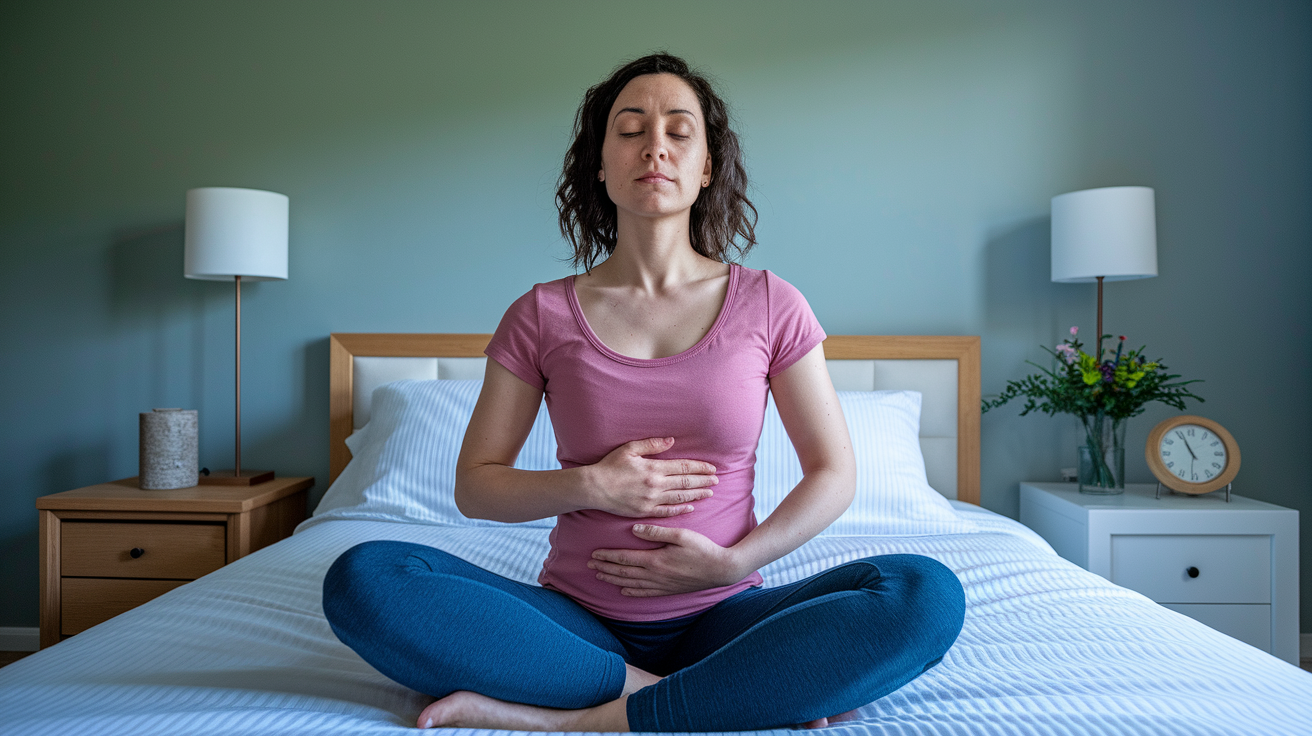
Diaphragmatic Breathing: Place one hand on your chest and one on your belly. Breathe so only your belly hand rises, engaging your diaphragm. This gets you fuller oxygen exchange and reduces physical anxiety symptoms like tight chest or racing heart.
Understanding How Breathing Shapes Stress Recovery
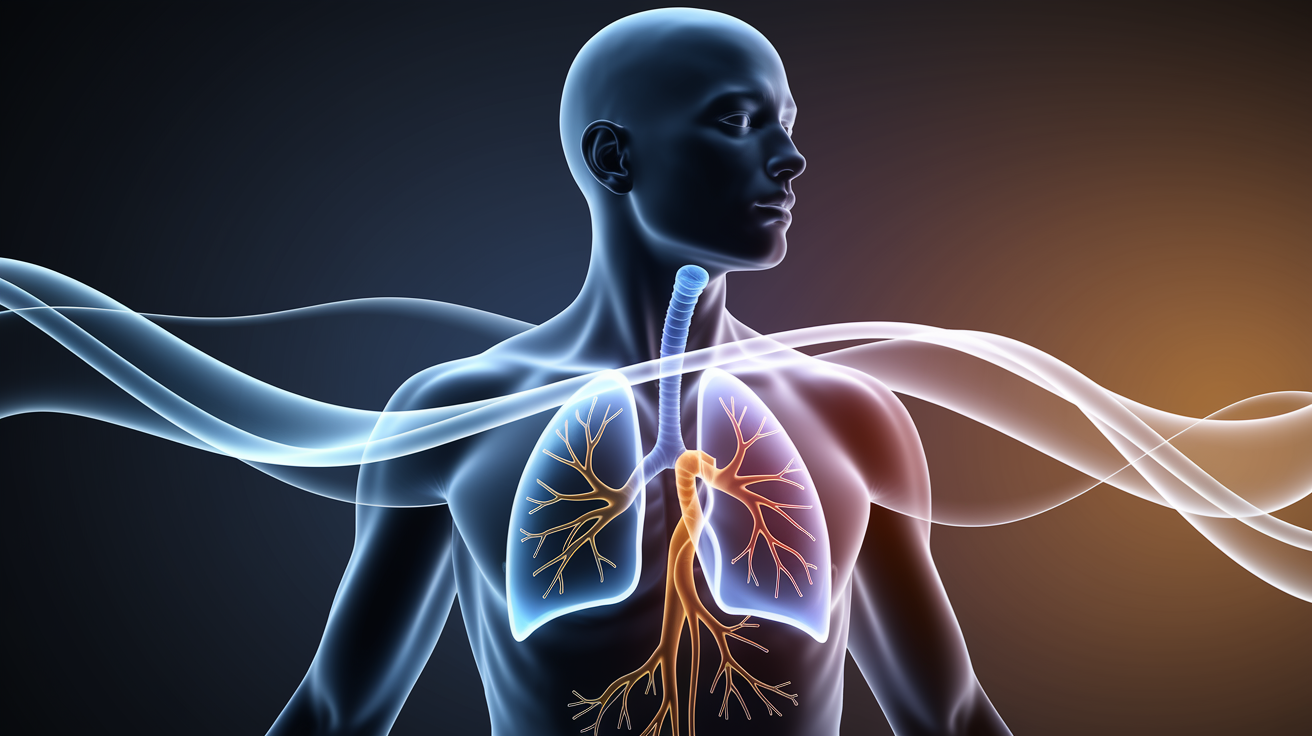
When you’re stressed, your breathing goes shallow and chest focused. That pattern keeps your body stuck in low-level alarm mode. Conscious deep breathing reverses the cycle. Research by Zaccaro and colleagues in 2018, plus work by Chaddha’s team in 2019, shows that controlled breath reduces blood pressure and lowers psychological stress markers. The shift happens because slow, intentional breathing activates the vagus nerve, which controls parasympathetic tone (the calming side of your autonomic nervous system). As you lengthen your exhale, your heart rate variability improves. That’s a sign your body’s moving from stress mode into rest-and-digest mode.
This isn’t some abstract thing. It shows up as a slower heartbeat, relaxed muscles, clearer thinking. When you breathe deeply and slowly, your diaphragm moves fully, pulling air into the lower parts of your lungs where gas exchange works best. This sends more oxygen into your bloodstream and signals your brain that the threat’s passed. Your body responds by reducing cortisol output and quieting the stress-hormone cascade that drives tension, racing thoughts, irritability.
Most people feel the shift within a few minutes. You don’t need to meditate for half an hour or achieve some blank mind state. A two-minute breathing practice can lower your blood pressure, slow your pulse, and interrupt that spiral of stress-driven shallow breathing that keeps anxiety looping.
Gentle Stretching and Mobility Exercises Paired With Breathing
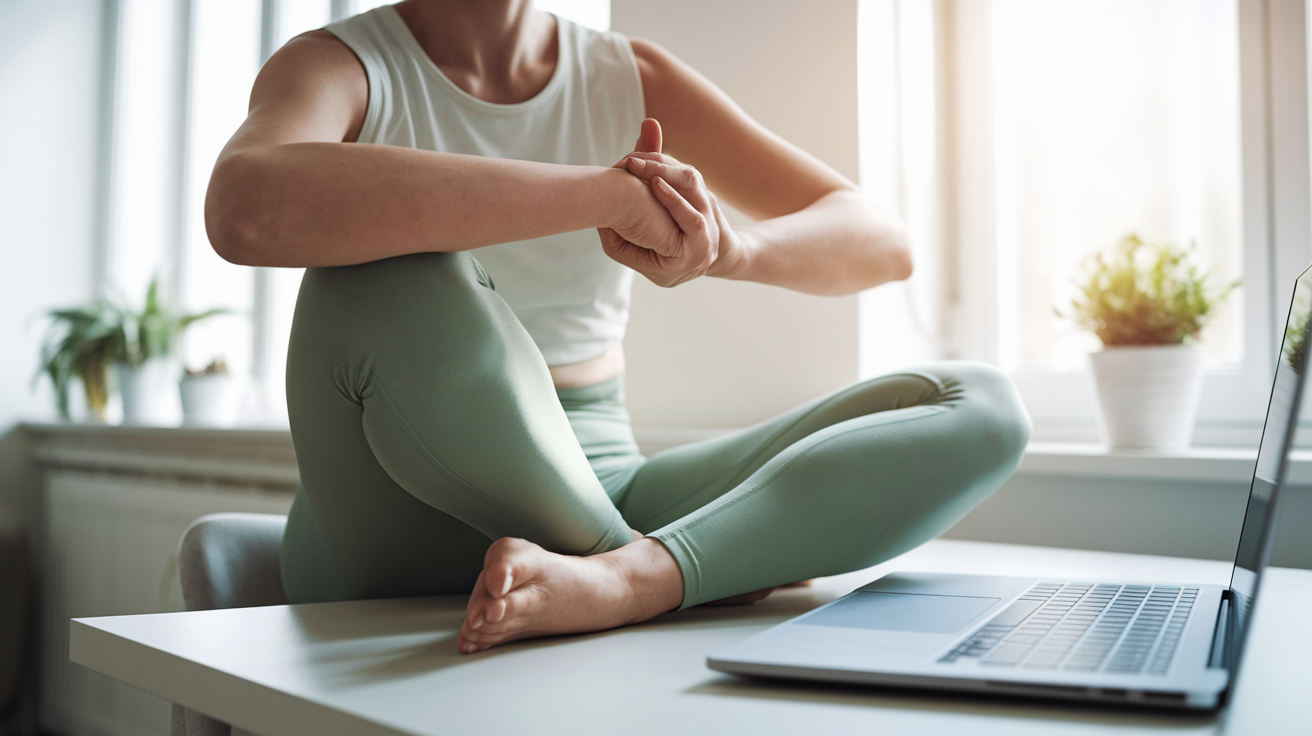
Gentle stretching paired with intentional breathing releases muscle tension in the places stress loves to hide: your neck, shoulders, hips, lower back. When you sync movement with breath, you create a calming rhythm that helps your nervous system downshift. Inhale as you lengthen into a stretch, exhale as you release or deepen. This pairing turns simple mobility work into active stress relief. You can practice for 1 to 5 minutes during a short break or extend to 10 to 15 minutes when you’ve got more time.
Muscle tension and stress feed each other. Tight shoulders pull your posture forward, shallow breathing follows, and your body reads the whole package as ongoing threat. Breaking that loop with breath-synced stretching interrupts the signal. As you breathe slowly and move gently, your muscles get more oxygen, metabolic waste clears faster, and that physical sensation of tightness starts to ease. You’re not forcing flexibility or chasing a deep stretch. You’re teaching your body it’s safe to let go.
These stretches require no equipment and work at your desk, on the floor, or standing. Focus on areas that hold the most tension and let your breath guide the pace. If your exhale lasts six counts, spend six counts settling into the stretch. Keep it slow, controlled, calm.
Here are four sample stretches with short cues:
Neck Release: Sit tall, drop your right ear toward your right shoulder, place your right hand gently on the left side of your head. Inhale to prepare, exhale to let your head relax. Hold for 3 to 5 breaths, switch sides.
Shoulder Rolls: Inhale as you lift your shoulders toward your ears, exhale as you roll them back and down. Repeat 5 to 8 times, syncing each roll to one full breath cycle.
Seated Hip Opener: Sit in a chair, cross your right ankle over your left knee. Inhale to lengthen your spine, exhale to hinge forward slightly from your hips. Hold for 5 breaths, switch legs.
Cat-Cow on Hands and Knees: Inhale as you arch your back and lift your chest (cow), exhale as you round your spine and tuck your chin (cat). Move slowly for 6 to 10 rounds, letting breath lead the movement.
Restorative and Yin-Inspired Recovery Sessions for Stress Relief
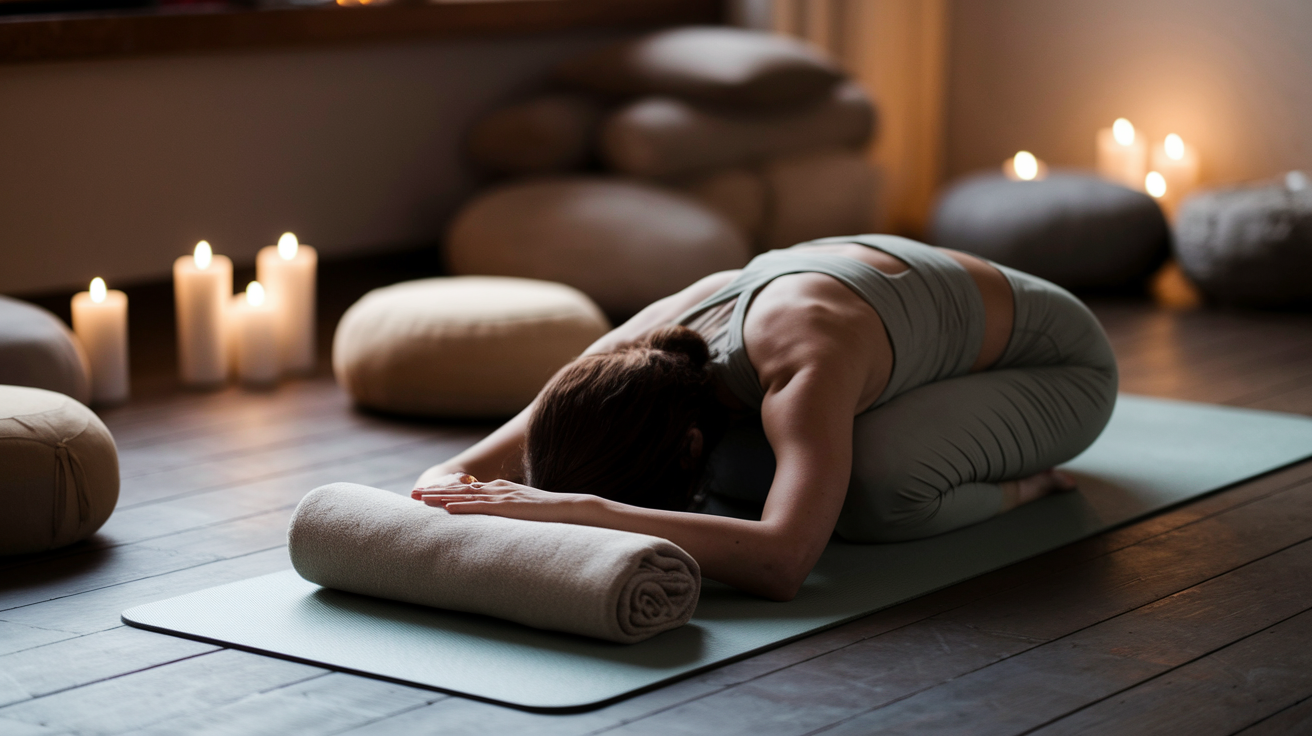
Restorative and Yin practices ask you to stay still, breathe slowly, and let gravity and time do the work. Unlike active stretching, these sessions use long holds (typically 1 to 5 minutes per pose) to release deep connective tissue and calm your nervous system. The longer you hold a gentle position, the more your body trusts that it’s safe to relax. Total session length can be anywhere from 5 to 20 minutes depending on how much time you’ve got and how stressed you feel.
These practices work seated, on the floor, even in a chair at work. You’re not chasing a workout or trying to increase flexibility fast. You’re giving your body permission to rest while still moving intentionally. Deep breathing supports every hold. As you settle into a pose, your exhales get longer, your heart rate drops, and the muscles around your spine, hips, and shoulders begin to release. If you feel lightheaded, slow your breathing and make each inhale and exhale a little shorter until you feel steady again.
Here are three accessible poses you can use:
Supported Child’s Pose: Kneel on the floor, bring your big toes together, spread your knees wide, fold forward. Rest your forehead on a pillow or folded blanket. Let your arms relax alongside your body or reach forward. Hold for 2 to 5 minutes, breathing into your lower back.
Legs-Up-the-Wall (or Legs on a Chair): Lie on your back, rest your legs up a wall or on the seat of a chair. Let your arms fall to your sides, palms up. Close your eyes and breathe slowly for 3 to 10 minutes. This position reduces swelling, calms your heart rate, signals deep rest.
Seated Forward Fold (Chair or Floor): Sit with your legs extended or in a chair with feet flat. Inhale to lengthen your spine, exhale to hinge forward from your hips. Rest your hands on your shins, thighs, or the floor. Hold for 2 to 4 minutes, letting each exhale take you a little deeper without forcing.
Breathing Techniques Integrated With Mindfulness for Stress Reduction
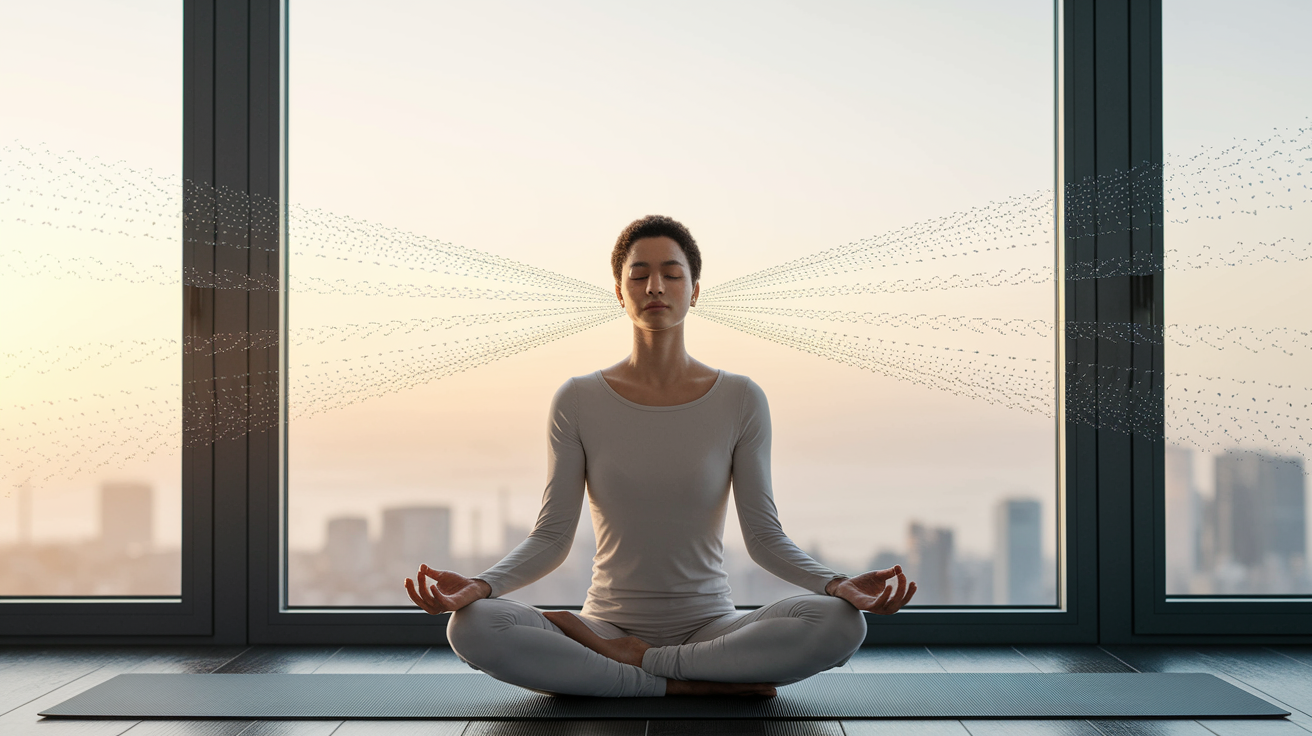
Mindful breathing adds focus to each inhale and exhale, turning your breath into an anchor when your thoughts are spinning. Instead of trying to empty your mind, you simply count your breaths, notice the sensation of air moving, or pair breathing with a short body scan. This combo improves focus, reduces psychological stress, and gives you something concrete to return to when your attention wanders. Many people feel calmer within two minutes. Longer sessions (10 to 15 minutes) deepen the relaxation response and help reset your nervous system after a difficult day.
Start by sitting comfortably with your spine upright but not rigid. Close your eyes or soften your gaze. Breathe naturally through your nose and begin counting each exhale: one, two, three, up to ten, then start over. If you lose count, start again at one without judgment. The goal isn’t perfection. It’s noticing when your mind drifts and gently bringing it back. This simple loop builds the skill of directing your attention, which is the foundation of stress resilience.
Body scan breathing adds another layer. As you inhale, bring your attention to a specific part of your body: your feet, your hands, your shoulders. As you exhale, imagine tension leaving that area. Move slowly from your toes to the top of your head, spending one or two breaths on each region. This practice helps you notice where stress is hiding and gives you a tool to release it without forcing anything. Grounding exercises pair well with breath counting. Feel your feet on the floor, notice the weight of your body in the chair, and use your breath to stay present in the moment instead of replaying the past or rehearsing the future.
Here are three simple breath-centered mindfulness techniques:
Breath Counting: Count each exhale from one to ten, then repeat. When your mind wanders, return to one.
Body Scan with Breath: Inhale into one body region (feet, legs, belly, chest, shoulders, head), exhale and release tension from that area. Move upward slowly.
Grounding 5-4-3-2-1: Notice 5 things you see, 4 you can touch, 3 you hear, 2 you smell, 1 you taste. Pair each observation with one slow breath.
Progressive Muscle Relaxation and Breath-Based Tension Release
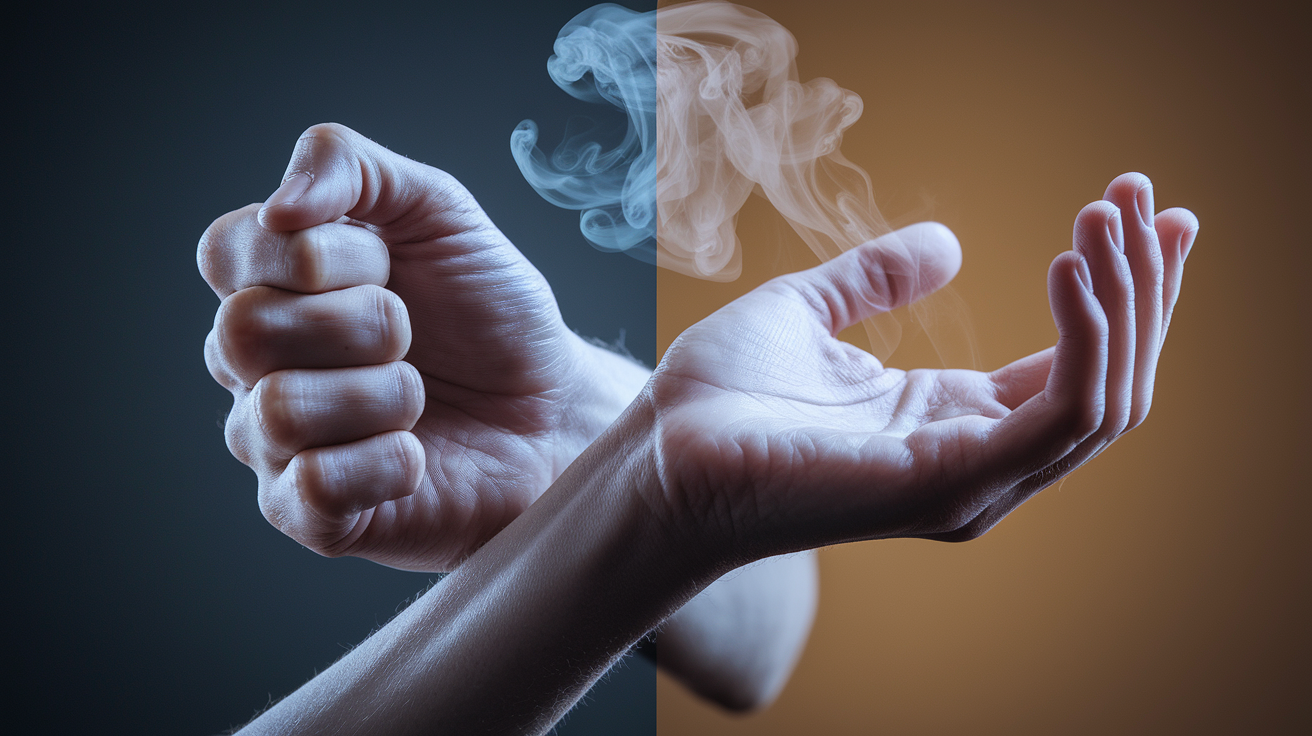
Progressive Muscle Relaxation (PMR) pairs breathing with deliberate muscle activation and release. You contract a muscle group on the inhale, hold briefly, then let go completely on the exhale. This sequence teaches your body the difference between tension and relaxation, making it easier to notice and release stress when it builds. The practice typically moves from your feet upward toward your head, or from your head downward, and can be done lying down or seated. Sessions range from 5 to 15 minutes depending on how many muscle groups you include.
PMR is especially effective when stress shows up as tight shoulders, a clenched jaw, or overall body tension you can’t seem to shake. By actively tightening and releasing each area, you create a clear contrast that helps your nervous system recalibrate. The exhale is the release cue. As you breathe out, imagine the muscle softening, the tension draining away, your body settling deeper into rest. This technique also helps quiet racing thoughts because it gives your mind a specific task (contract, hold, release, breathe) instead of looping on worries.
Here are the basic steps for a full-body PMR session:
Start at your feet: Curl your toes tightly as you inhale, hold for 3 to 5 seconds, then release completely as you exhale.
Move to your calves and thighs: Squeeze your leg muscles on the inhale, hold, then let go on the exhale. Notice the difference between tight and relaxed.
Engage your glutes and core: Tighten your buttocks and pull your belly in on the inhale, hold briefly, release fully on the exhale.
Squeeze your hands and arms: Make fists and tense your arms on the inhale, hold, then open your hands and relax on the exhale.
Finish with your shoulders, neck, and face: Lift your shoulders toward your ears, clench your jaw, scrunch your face on the inhale. Hold for a moment, then release everything on a long, slow exhale.
Gentle Movement Options for Stress Relief (Tai Chi, Qigong, Walking)
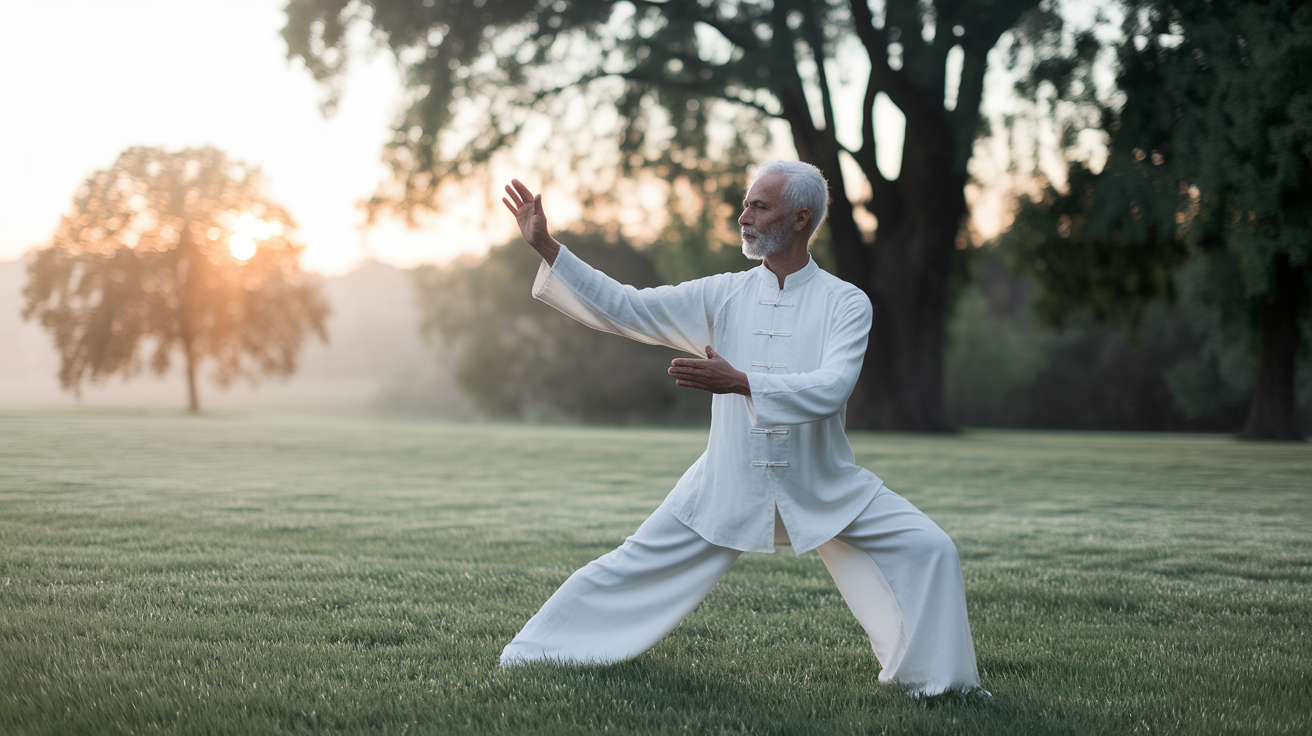
Tai Chi, Qigong, and mindful walking integrate slow, intentional movement with deep breathing, creating a moving meditation that calms your nervous system and improves grounding. These practices don’t require athleticism or previous experience. You move at your own pace, focusing on smooth transitions and coordinated breath. Sessions can last 5 to 20 minutes, and even short practices deliver measurable stress relief. Micro-break versions (just 1 to 3 minutes) fit into busy schedules and offer fast grounding when you’re between meetings or tasks.
Tai Chi uses flowing, circular movements paired with steady breathing. Each posture transitions into the next without stopping, creating a gentle rhythm that keeps your mind anchored in the present. Qigong emphasizes breath control and energy flow, combining simple arm movements, weight shifts, visualization. Both practices lower cortisol, improve balance, help you reconnect with your body when stress has pulled you into your head. You don’t need to memorize complex sequences. A few basic movements repeated slowly with focused breathing are enough to shift your state.
Mindful walking is the simplest option. Walk at a pace that feels natural, but slow enough to notice each step. Breathe in for three or four steps, breathe out for three or four steps. Feel your feet contact the ground, notice your arms swinging, let your breath guide your rhythm. This practice works outdoors, in a hallway, even pacing in your living room. It’s especially useful when sitting still feels impossible and you need to move to release tension.
Here are three gentle movement practices with breath integration:
Tai Chi “Cloud Hands”: Stand with feet shoulder-width apart. Shift your weight side to side while moving your arms in slow, sweeping circles in front of your torso. Inhale as you shift left, exhale as you shift right. Repeat for 2 to 5 minutes.
Qigong “Lifting the Sky”: Stand with arms at your sides. Inhale as you raise your arms overhead, palms up, as if lifting a heavy object. Exhale as you lower your arms slowly back to your sides. Repeat 8 to 12 times.
Mindful Walking (Breath-Paced): Walk slowly, counting 4 steps per inhale and 4 steps per exhale. If your breathing feels strained, shorten to 3 steps. Focus on the sensation of your feet touching the ground and the rhythm of your breath.
Timing, Duration, and Daily Planning for Breathing and Recovery Routines
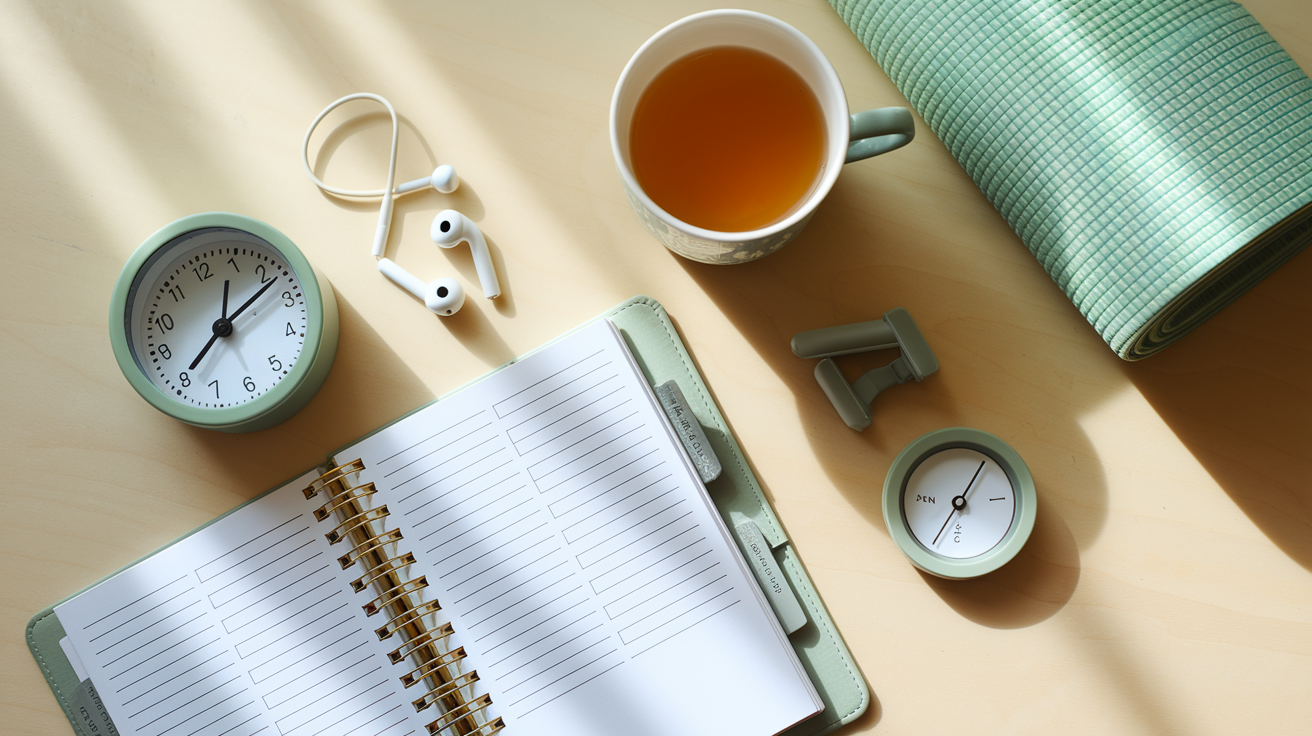
Building a daily breathing and recovery practice starts with deciding when and for how long. Short sessions (1 to 5 minutes) work for quick relief during stressful moments, between tasks, or when you notice physical tension building. Longer sessions (10 to 20 minutes) offer deeper recovery and are best scheduled at predictable times, like first thing in the morning or before bed. Morning breathwork helps build the neural pathway so the technique becomes easier to access during crises. Bedtime breathing calms your nervous system and improves sleep quality, especially when racing thoughts make it hard to settle.
Consistency matters more than duration. Five minutes every morning trains your body to recognize the cues for relaxation faster than occasional 20-minute sessions. If your schedule is unpredictable, anchor your practice to an existing routine. Breathe for two minutes after brushing your teeth, during your lunch break, or while your coffee brews. Micro-breaks (30 seconds to 2 minutes) can be inserted between meetings, after difficult conversations, or whenever you feel your stress level climbing. These tiny interventions add up and prevent stress from compounding throughout the day.
Plan your practice around your energy and stress patterns. If mornings feel rushed, keep it short and simple: three rounds of Box Breathing while still in bed. If afternoons bring brain fog or tension, schedule a 5-minute body scan or diaphragmatic breathing session. If evenings are when stress hits hardest, use 10 minutes of progressive muscle relaxation or a restorative pose before bed. Adjust as needed, and remember that imperfect practice beats no practice.
Here are five scheduling tips to build breathing and recovery into your day:
Morning grounding: Practice 5 minutes of diaphragmatic or mindful breathing right after waking to set a calm tone for the day.
Midday reset: Use a 2-minute Box Breathing or alternate nostril breathing session during lunch or between tasks.
Pre-meeting calm: Take 60 to 90 seconds for 4-7-8 breathing before any stressful conversation or decision.
Afternoon energy check: If you feel tension building, do 3 to 5 minutes of breath-synced stretching or a short walk.
Bedtime wind-down: Spend 10 to 15 minutes on progressive muscle relaxation, a body scan, or restorative breathing to prepare for sleep.
Safety Guidelines and Special Considerations for Breathing Practices

Breathing techniques are generally safe, but certain conditions require caution or medical clearance. If you have uncontrolled high blood pressure, recent heart complications, glaucoma, detached retina, or pregnancy complications, avoid forceful breath holds and consult your doctor before starting breathwork. Lightheadedness during practice usually means you’re breathing too deeply or too quickly. If that happens, slow down, breathe more shallowly, pause if needed. Breathing exercises should feel calming, not uncomfortable or disorienting.
People with a history of trauma may find that certain breath patterns trigger anxiety or dissociation. If you notice increased distress, stop the practice and return to natural breathing. Trauma-informed breathing often emphasizes short, gentle sessions with eyes open and grounding cues like feeling your feet on the floor. Start with 30 seconds to 1 minute and build slowly. Breathwork complements therapy and medical treatment but doesn’t replace either. If you’re managing a mental health condition, work with your provider to integrate breathing practices safely into your overall care plan.
Here are three key cautions to keep in mind:
Stop if you feel dizzy or faint: Slow your breathing, sit or lie down, resume only when you feel steady. Dizziness usually signals overbreathing or breath-holding too long.
Avoid forceful techniques with cardiovascular or respiratory conditions: Stick to gentle diaphragmatic breathing and avoid extended breath holds without medical clearance.
Breathwork supports treatment but doesn’t replace it: Use these techniques alongside therapy, medication, or other professional care, not instead of it.
Final Words
Try a quick box breath, a diaphragmatic inhale, or a 4-7-8 cycle right now—these moves can calm your system in 60–90 seconds.
This post gave step-by-step cues, explained how slow deep breaths activate the parasympathetic system (the body’s rest-and-digest mode) and lower cortisol, and covered breath-synced stretches, restorative holds, mindfulness pairings, progressive muscle relaxation, gentle movement, timing tips, and safety notes.
Use breathing and gentle recovery exercises for stress relief as short micro-practices between tasks or a focused 10–15 minute session. Start small, repeat regularly, and you’ll feel steadier and more capable.
FAQ
Q: What is the best breathing technique for stress relief?
A: The best breathing technique for stress relief is diaphragmatic (belly) breathing or simple paced patterns like box breathing; both slow your breath, activate the parasympathetic system, and often calm you in 60–90 seconds.
Q: How to recover from chronic stress?
A: Recover from chronic stress by adding daily short breath sessions, gentle movement, consistent sleep, and small sustainable habits; start with 5-minute breathing routines, regular walks, and talk with a clinician if symptoms persist.
Q: What is the 4 7 8 rule for breathing?
A: The 4-7-8 breathing rule is inhale for 4 seconds, hold for 7 seconds, then exhale for 8 seconds; repeat 3–4 cycles to slow your heart rate and bring on a quick relaxation response.
Q: What is 3-3-3 breathing for anxiety?
A: The 3-3-3 breathing for anxiety is inhale for 3 seconds, hold for 3 seconds, exhale for 3 seconds; repeat until steadier. It’s a fast grounding tool to steady breath and attention.