
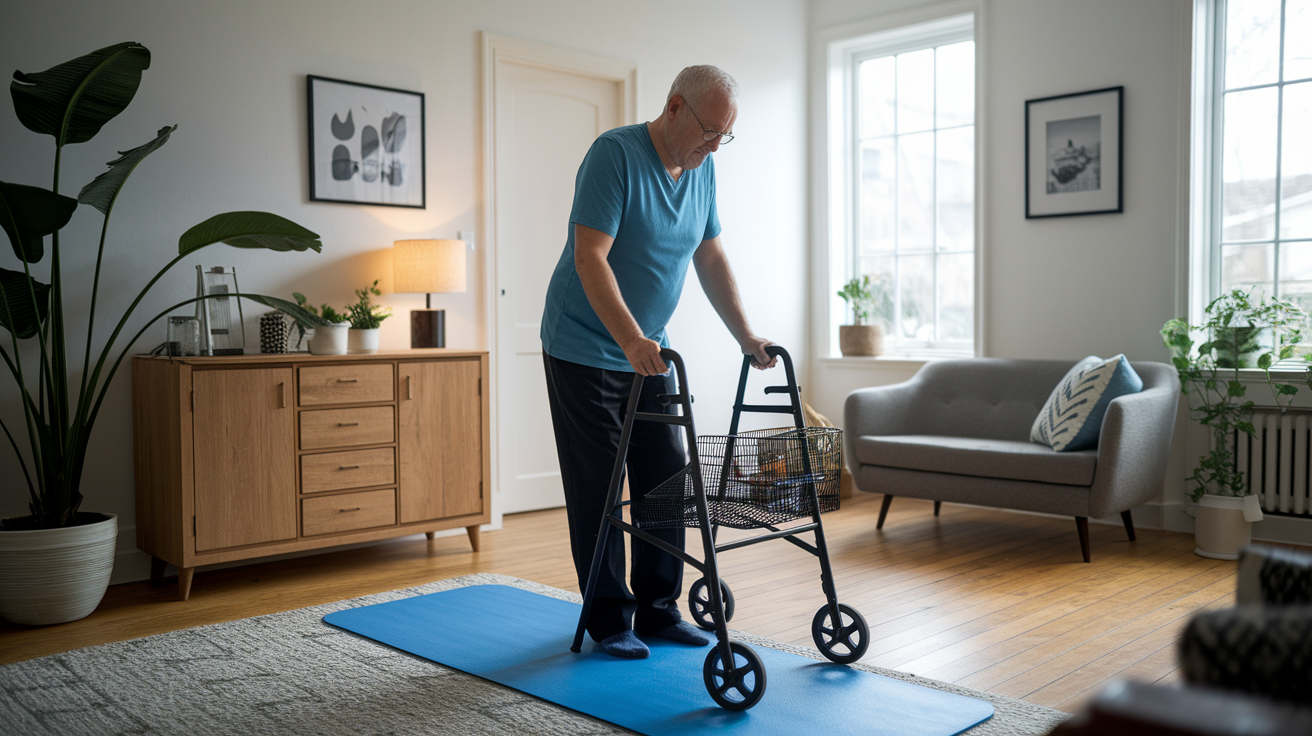
Think losing mobility is just part of getting older? Not always.
Everyday life—long hours at a desk, past injuries, surgery, or chronic pain—often shrinks how well you move.
This post lays out clear mobility challenge strategies for movement restrictions and physical limitations you can start today.
You’ll get short daily routines, beginner-friendly progressions, and safe modifications so you can rebuild range of motion without guessing.
If you’re managing stiffness, rehab, or just trying to move easier, these practical options will help you pick what fits your body and your week.
Understanding Mobility Challenges and What They Mean for You

A mobility challenge can mean a few different things. For some, it’s a physical limitation caused by injury, chronic pain, aging, disability, or too much time sitting still. For others, it’s a structured fitness program built to improve flexibility, joint function, and how far you can move. And then there’s a third group who know mobility challenges as those viral fitness tests, like the tissue box challenge, where you have to prove your balance and control without using your hands.
All three deal with the same core issue: restricted or inefficient movement. Research with 447 office workers showed that sitting for long stretches creates pain and stiffness in the shoulders, lower back, thighs, and knees. Another study found that university students sitting more than seven hours a day while getting under 150 minutes of weekly activity ended up with reduced thoracic mobility. Whether you’re managing a chronic limitation, coming back from surgery, or just dealing with desk stiffness, figuring out which type of mobility challenge fits your situation helps you pick the right fix.
Here’s what mobility challenges typically look like:
Physical impairment challenges are movement restrictions from disability, surgery recovery, chronic illness, or age-related decline.
Sedentary behavior challenges show up as stiffness and tight joints from too much sitting or barely any weekly movement.
Structured fitness mobility programs run for 6, 7, or 30 days and target your hips, spine, shoulders, and core stability with progressive routines.
Viral or social mobility challenges are those online tests (like the tissue box one) that put a spotlight on your balance, coordination, and joint health.
Therapeutic mobility interventions include physical therapy protocols, rehab plans, and clinical assessments for ongoing pain or loss of function.
Prevention-focused routines cover daily stretching, foam rolling, or mobility drills designed to keep your joints healthy and avoid future problems.
Why Mobility Challenges and Limitations Occur
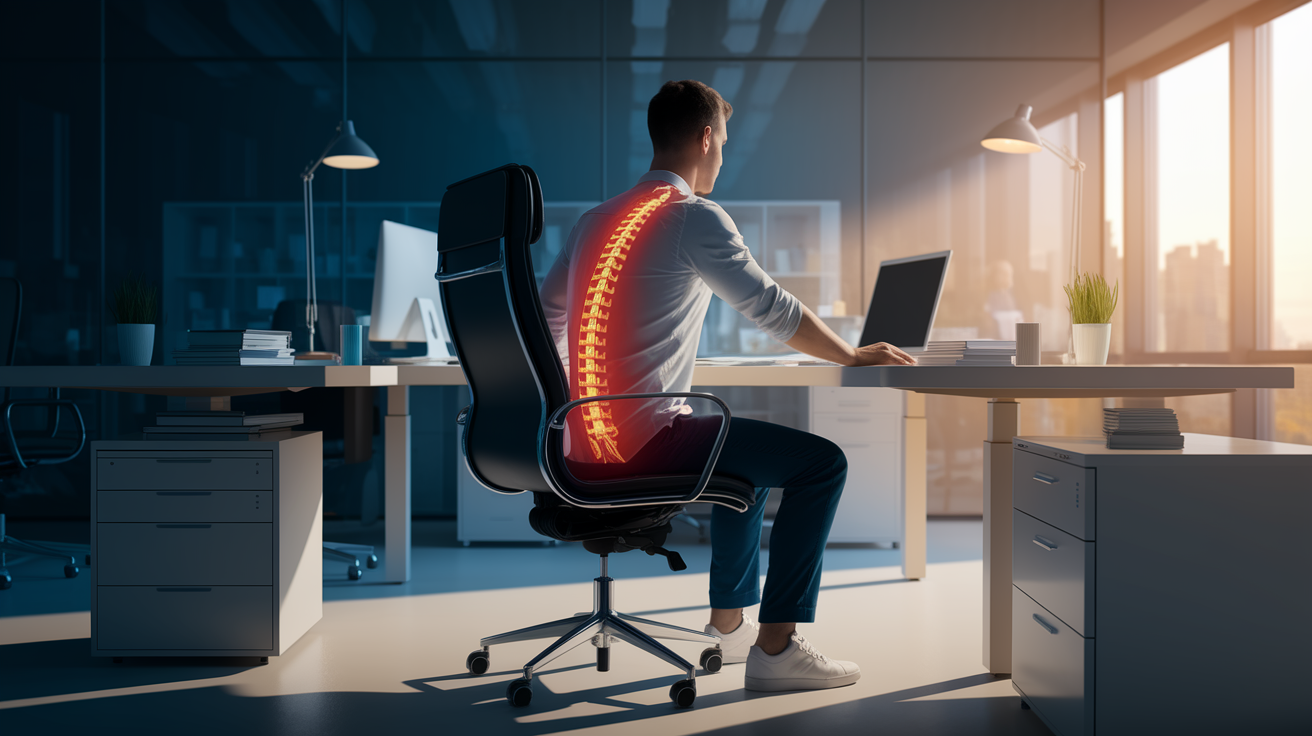
Sitting too long is one of the biggest reasons healthy adults lose mobility. When you sit more than seven hours a day without regular breaks, the soft tissues in your hips, lower back, and thoracic spine start to tighten up. Your shoulders roll forward, hip flexors shorten, and the muscles stabilizing your spine lose their normal length. That’s where the tight, achy feeling from desk work comes from. Over time, it limits how far and how smoothly your joints can move.
Aging adds another layer. Connective tissue gets less elastic, joint cartilage thins, and muscle mass drops unless you actively maintain it. Disabilities, whether from birth or acquired through injury, often create compensatory patterns that restrict some ranges while overloading others. Chronic pain conditions like arthritis or fibromyalgia make movement hurt, which then creates more stiffness and weakness in a frustrating loop.
Environmental and lifestyle barriers matter too. Poorly designed spaces (narrow doorways, no ramps, uneven floors) make movement harder for people with impairments. No safe places to walk, exercise programs that don’t accommodate adaptive needs, and social isolation all contribute to less activity and declining mobility.
The most common causes:
Sedentary behavior and sitting for extended periods (especially over seven hours daily with under 150 minutes of weekly activity).
Natural aging (muscle loss, decreased tissue elasticity, joint wear).
Injury, surgery, or chronic pain that makes movement difficult or uncomfortable.
Disability or congenital conditions requiring adaptive strategies.
Mobility Challenge Solutions: Daily Mobility Exercise Routines

Short, repeatable daily mobility sequences are one of the most practical ways to fight stiffness and rebuild range of motion. These routines usually combine hip openers with moves that target your thoracic spine, shoulders, and core. You’re not trying to exhaust yourself. Just move your joints through their full available range in a controlled way. Most sessions only take a few minutes, which makes them realistic even when you’re busy or low on energy.
A structured 7-day mobility challenge introduces one new movement each day while repeating one exercise from the day before. This builds a short two-move sequence you do three times throughout the day. Since the sequences are brief, you can fit them into natural breaks. Before breakfast, during lunch, right before bed. The cumulative effect over a week creates noticeable improvements in how your hips, lower back, and upper spine feel during normal activities.
Sample daily exercises with recommended reps:
Spiderman Lunge With Thoracic Rotation (8 reps). Start in a pushup position, step one foot near the same-side hand, reach the opposite hand toward the sky and rotate your torso, then return to plank and switch sides.
Cat–Cow to Bear Plank to Plank (4 reps). Begin on hands and knees, round and arch your spine slowly, lift your knees into a bear plank, then step back to full plank while keeping your hips level.
Inchworm to Scorpion Stretch (5 reps). Hinge at the hips, walk your hands forward to a pushup position, bend one knee and twist that leg across your body to touch the opposite side, return to plank, and stand.
Low Lunge With Overhead Reach (5 reps). Step forward into a lunge, lower your back knee to the floor, untuck your toes, reach both arms overhead and slightly back, then push through your front heel to return.
Child’s Pose With Reach (5 reps). Kneel with your knees wide, sit your hips back toward your heels, walk your hands forward, then thread one hand under the opposite arm and rotate toward your fingertips.
Deep Spiderman (5 reps). From a pushup position, step one foot near the same-side hand, lower your forearms to the ground, hold for a few breaths, then reverse and switch.
Deep Squat With Alternating Overhead Reach (5 reps). Stand with feet slightly wider than shoulder width, squat as deep as comfortable, wrap your fingers around your toes, then rotate one hand up toward the sky while keeping your gaze on your fingertips.
Do each two-move series three times daily. For unilateral exercises (movements done on one side at a time), one rep means completing the move on both left and right. Keep your core and glutes engaged, breathe through rotations instead of holding your breath, and stop if you feel sharp pain. Progress gradually into deeper ranges as your body adapts. If you can’t complete the suggested reps on day one, start with fewer and build up over the week.
Guided Beginner Programs to Improve Mobility
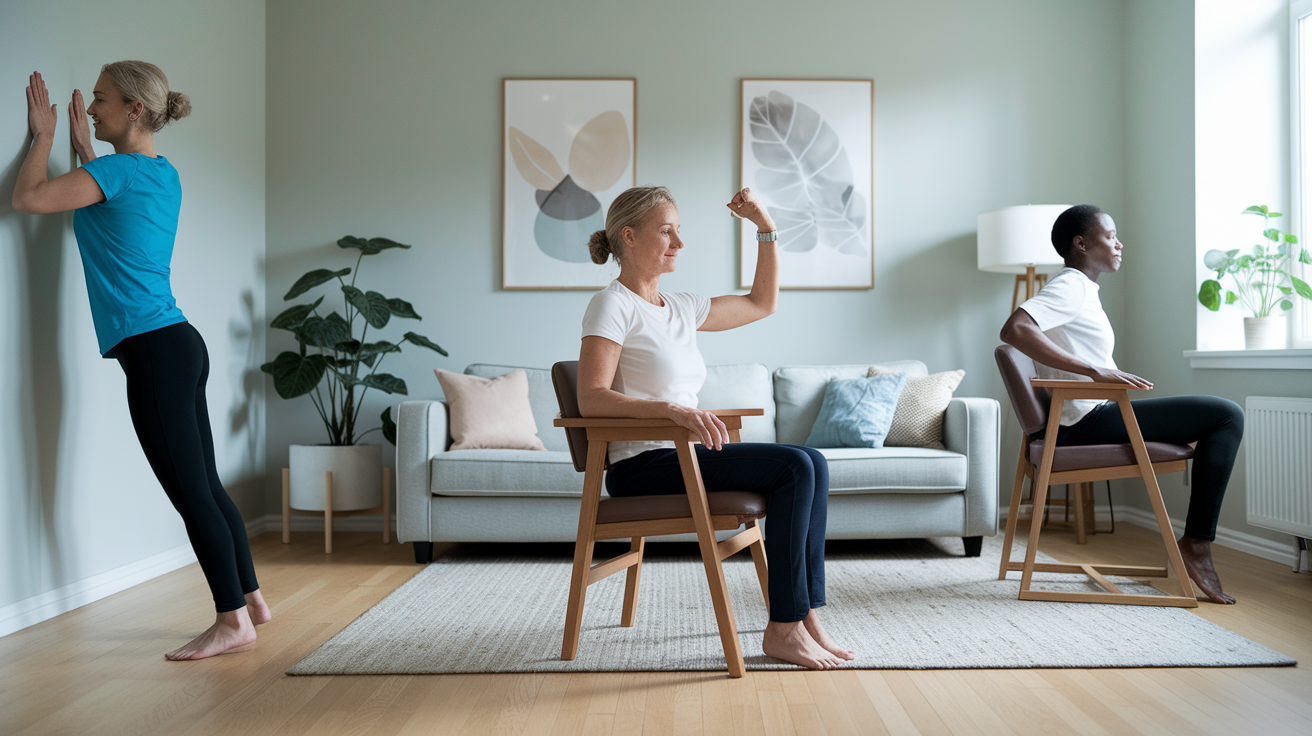
Beginner mobility programs take out the guesswork by giving you day-by-day instructions, exact durations, and simple progressions. A typical 6-day challenge includes a mix of full body strength and cardio, wall-supported upper body work, seated relaxation sequences, and standing mobility drills. These programs are built for people new to structured exercise, returning after surgery or injury, or managing age-related movement restrictions. Most only require household items: a wall, a sturdy chair, a pillow, or optional light weights.
Each workout lasts between 5 and 18 minutes. Exercises are performed for a set duration (usually 30 to 45 seconds) rather than counting reps. This time-based approach lets you move at your own pace and rest when needed without feeling like you’re falling behind. Many exercises offer seated modifications, so you can participate even if standing for long periods is uncomfortable. Wall support reduces the load on joints and lets you control how much bodyweight you’re managing by adjusting how far you stand from the wall.
Here’s what beginner mobility programs typically include:
Structured daily schedule (usually 6 active days plus one rest or light walk day).
Short session durations (5 to 18 minutes per workout, most around 10 to 15 minutes).
Time-based work intervals (30 to 45 seconds per exercise) with built-in rest periods (often 20 seconds between movements).
Modifications for seated participation, wall or chair support, and reduced range of motion.
Minimal equipment needs (floor space, wall, chair, optional mat or light weights).
| Session Type | Duration | Primary Focus | Example Exercises | Rounds/Progression | Support/Equipment |
|---|---|---|---|---|---|
| Full Body Strength & Cardio | 15 minutes | Strength, heart rate, mobility | Wall Push-Up, Skier Swings, Sit-to-Stand | 30 sec per exercise, repeat as desired | Wall, chair, optional weights |
| Wall Upper Body | 10 minutes | Upper body strength, shoulder stability | Wall Plank, Wall Push-Up, Arm Lifts | 45 sec per exercise, 3 total rounds | Wall or countertop |
| Relaxing Seated Mobility | 5 minutes | Breathing, neck and torso release | Deep Breathing, Big Arm Circles, Chin-to-Chest | 1–2 min per drill | Chair |
| Full Body Cardio | 18 minutes | Cardiovascular engagement, leg mobility | Knee Lifts, Climbers, Jogging on Spot | 40 sec work / 20 sec rest, 3 rounds | Chair for support, floor space |
| Seated Cardio & Strength | 15 minutes | Heart rate, blood flow, seated strength | Push Press, Seated Jacks, Alternating Punches | 40 sec per exercise, 2–3 rounds | Chair, optional light weights |
| Standing Mobility | 10 minutes | Energize, joint mobility, posture | Full Body Sunshines, Marching, Toe Reaches | 1–2 min per movement | Floor space, optional wall |
Progression happens by adding rounds, increasing the distance from the wall, extending per-exercise time, or introducing light weights. If you finish the 6-day cycle and feel ready for more, repeat the entire program or layer in one or two additional rounds per session. A lot of people use these beginner programs as a launching point for longer mobility plans or as a gentle reset after periods of inactivity.
Social and Viral Mobility Challenges for Motivation

Viral mobility challenges turn movement into a shared experience. The tissue box challenge is one well-known example. You stand on one leg, bend forward, pick up a tissue with your mouth, and return to standing without letting any other body part touch the ground. It looks simple, but it tests hip mobility, ankle stability, balance, and core control all at once. Successfully completing it signals strong mobility training and solid range of motion. Struggling with it highlights specific areas where you need focused work.
These challenges spread quickly on social platforms because they’re visual, easy to understand, and invite friendly competition. They also create accountability. When you see others posting their attempts, it becomes easier to start your own routine. Many fitness communities build on this by hosting step challenges, weekly mobility drills, or month-long yoga and Pilates streaks. Platforms track progress through leaderboards, badges, or simple check-in posts, which keeps participants engaged past the initial novelty.
Common formats and motivational elements:
Timed or rep-based benchmarks where you complete a specific movement or hold a position for a set duration.
Weekly progression trackers that add one mobility drill per week, increase hold times, or deepen stretches.
Community accountability features like group check-ins, shared videos, hashtag campaigns.
Reward systems such as digital badges, leaderboard rankings, or completion certificates.
Low-barrier entry points that require minimal equipment, can be done at home, and suit multiple fitness levels.
The best social challenges offer modifications so people at different ability levels can participate. A balance challenge might include a wall-supported version for beginners, a freestanding version for intermediates, and a closed-eyes or single-arm version for advanced participants. This keeps the challenge accessible while still providing a clear path for progression.
Improving Mobility Through Strength and Functional Training

Mobility and strength aren’t separate goals. They support each other. When muscles are strong through a full range of motion, joints move more confidently and with better control. Weakness in one area often shows up as stiffness or instability somewhere else. A tight hip might actually be a weak glute that can’t stabilize the joint properly. A stiff shoulder might be a weak upper back that can’t support overhead movement.
Functional strength training focuses on movements that mimic real life: stepping, reaching, pushing, pulling, balancing on one leg. These patterns improve coordination, reduce fall risk, and make daily tasks feel easier. Single-leg work is especially valuable because it challenges balance and forces each side of the body to carry its own load, highlighting and correcting imbalances that bilateral exercises can hide.
Controlled movement patterns also teach your nervous system to trust new ranges of motion. Moving slowly through a deep squat, holding a split stance, or lowering into a lunge with intention builds strength at the end ranges where most people feel unstable. Over time, this makes those positions feel less risky and more automatic.
Four effective strength exercises for mobility:
Single-Leg Deadlifts improve hip stability, balance, and posterior chain strength while challenging ankle and hip mobility.
Bulgarian Split Squats build unilateral leg strength and hip flexor flexibility in a functional, weight-bearing pattern.
Overhead Carries combine shoulder mobility with core stability and postural control under load.
Controlled Eccentric Squats involve slow lowering into a deep squat, strengthening muscles through the full range and improving joint confidence.
Adaptive Tools and Accessibility Solutions for Mobility Challenges
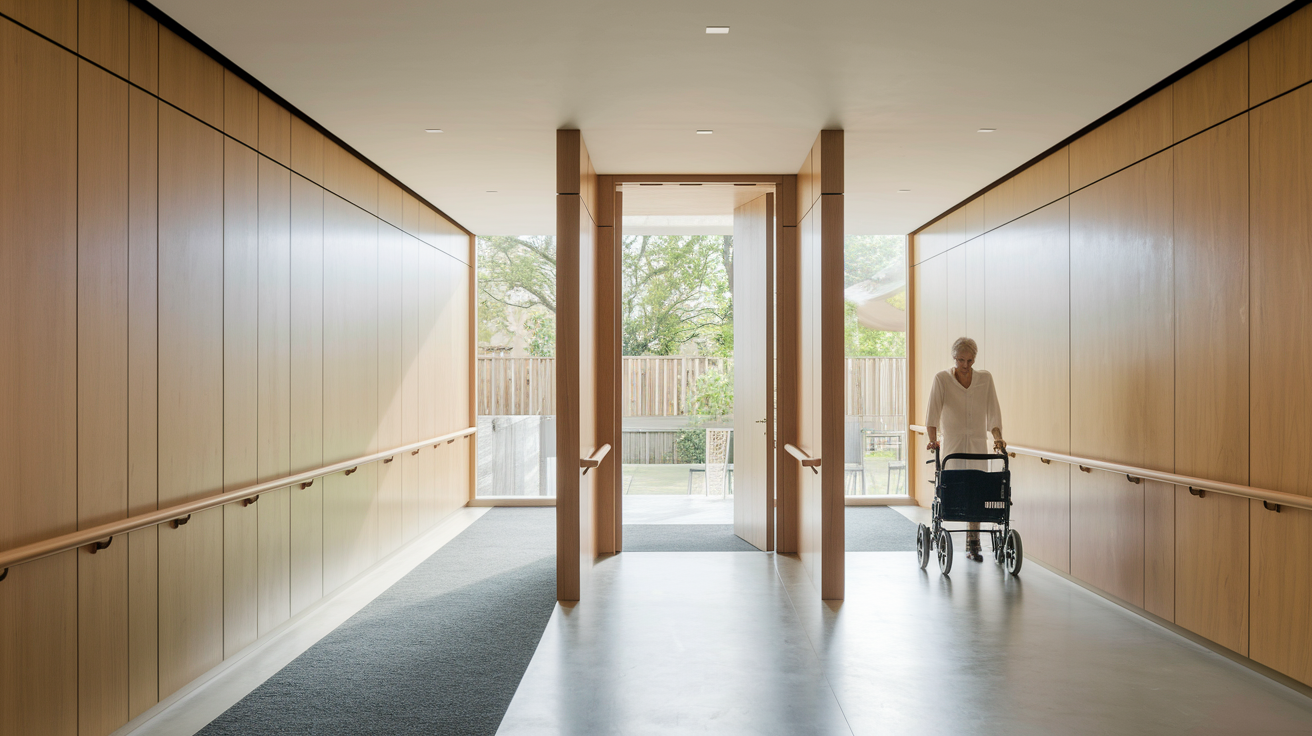
Mobility aids and environmental modifications help people move more safely and independently. A cane or walker provides stability for individuals with balance issues, chronic pain, or post-surgical restrictions. Wheelchairs offer full mobility solutions for those who can’t walk long distances or stand for extended periods. Adaptive seating, grab bars, ramps, and widened doorways remove physical barriers in homes and public spaces, making daily activities more accessible.
Choosing the right tool depends on your specific limitation and environment. A folding cane works well for occasional support during longer walks. A rolling walker with a seat allows rest breaks and carries personal items. Raised toilet seats and shower chairs reduce the risk of falls in bathrooms, which are high-risk areas for people with limited mobility. Occupational therapists can assess your home layout and recommend modifications that improve safety without requiring major renovations.
Universal design principles encourage builders and planners to create spaces that work for everyone, regardless of mobility level. This includes features like no-step entries, lever-style door handles, adjustable countertops, and wide hallways. When environments are designed with accessibility in mind from the start, fewer people need individual adaptations later.
Common adaptive tools that support mobility:
Canes and walking sticks provide single-point support for balance and reduce weight on one leg.
Walkers and rollators offer four-point stability, often with hand brakes and seats for rest.
Wheelchairs (manual and powered) enable independent movement for individuals unable to walk or stand safely.
Home modifications like grab bars, ramps, stair lifts, and widened doorways reduce environmental barriers and fall risk.
Preventing Future Mobility Challenges

Maintaining mobility over time requires consistent, low-dose movement rather than occasional intense effort. Doing mobility sessions several times per week, even short five to ten-minute routines, keeps joints moving through their available range and prevents the gradual stiffening that comes from inactivity. Stretching, balance work, and light strength training preserve muscle mass and connective tissue elasticity as you age.
Meeting the weekly activity guideline of at least 150 minutes of moderate movement protects against the mobility decline linked to sedentary behavior. This doesn’t have to mean formal exercise. Walking, gardening, cleaning, playing with kids, or standing while working all count toward your weekly total. The key is breaking up long periods of sitting and keeping your body in motion throughout the day.
Repeating structured mobility challenges every few months serves as a maintenance check. If a movement that felt easy three months ago now feels tight or unstable, it’s a signal to increase your daily movement or add targeted drills. Integrating mobility work into your existing routine, like doing a few stretches while watching TV or practicing balance while brushing your teeth, makes it sustainable without requiring extra time.
Weekly habits that sustain mobility:
Complete at least 150 minutes of moderate physical activity spread across the week (walking, household tasks, recreational movement).
Do dedicated mobility or stretching sessions two to three times per week (10 to 20 minutes each).
Include balance and single-leg exercises once or twice weekly to maintain stability and coordination.
Stand, walk, or stretch briefly every hour during long sitting periods to prevent tissue stiffness.
When to Seek Professional Help for Mobility Challenges

Persistent pain, worsening movement limitations, or difficulty performing basic daily activities are signs that self-guided programs may not be enough. If you notice sharp pain during specific movements, frequent falls, or a steady decline in how far you can walk or reach, a professional assessment can identify underlying issues before they become harder to treat. Physical therapists use mobility assessments, gait analysis, and range-of-motion testing to pinpoint exactly where function is breaking down.
Occupational therapists focus on how mobility limitations affect your ability to complete daily tasks: dressing, cooking, bathing, or getting in and out of a car. They create personalized rehabilitation plans that address both the physical restrictions and the environmental or tool-based adaptations that make life easier. These professionals also coordinate with physicians, ensuring that mobility challenges related to chronic illness, surgery recovery, or neurological conditions receive the right medical oversight.
Red flags indicating the need for expert evaluation:
Sharp, persistent, or worsening pain during movement or at rest.
Sudden loss of balance, coordination, or ability to bear weight on one leg.
Steady decline in walking distance, stair climbing, or ability to stand from a seated position without assistance.
Final Words
You’ve seen what mobility limits look like, why they happen, and simple steps to change them right away.
Daily mobility routines, beginner programs, strength work, and adaptive tools give you practical options. Keep sessions short, use safe progressions, and ask a pro if pain worsens.
Start with one 10–15 minute sequence or a short mobility challenge, track what helps, and repeat. Small, steady steps build real momentum, and you’ll feel more capable and steady soon.
FAQ
Q: What are mobility challenges?
A: Mobility challenges are limits in moving joints, muscles, or doing daily tasks caused by aging, injury, inactivity, or environment; they range from mild stiffness to needing aids or targeted exercise programs.
Q: What is the 5 5 5 30 rule?
A: The 5 5 5 30 rule is a quick mobility template: five movements, about five reps or five-second holds each, repeated five rounds, with roughly 30 seconds rest or hold between moves.
Q: What is the 3-3-3 rule for exercise?
A: The 3-3-3 rule for exercise is a simple consistency guide: pick three movements, do three sets of each, and train them about three times per week to build habit and steady progress.
Q: At what age do you start losing mobility?
A: You can start losing mobility as early as your 30s, especially with low activity; noticeable declines often appear in the mid-30s to 40s, though regular movement slows most loss.