
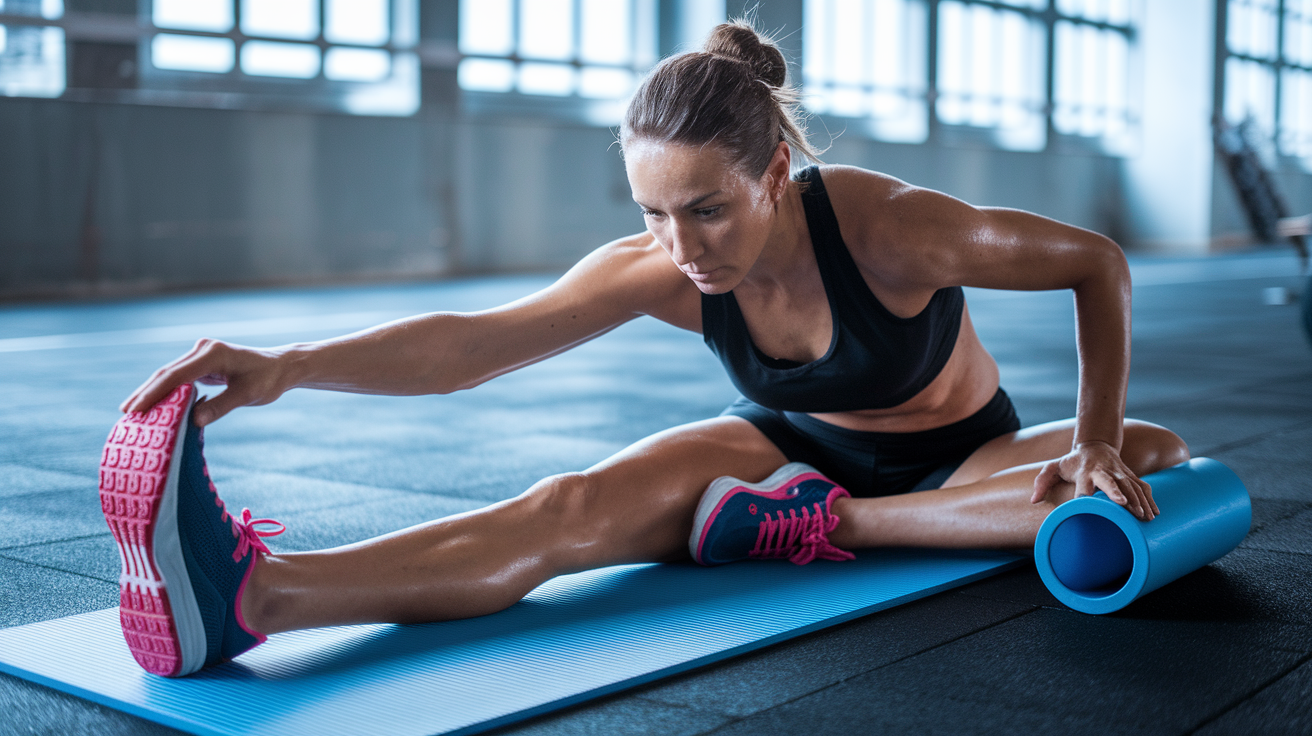
Controversial: what you do right after your workout often matters more for next day soreness than the workout itself.
If you want to feel less stiff and get back to your next session faster, a short mobility and recovery routine works better than guessing or scrolling for tips.
This post gives a simple, 10 to 15 minute plan to do right after training that cuts soreness, restores range of motion, and speeds up repair.
You’ll get a quick flow for immediate mobility, foam rolling guidance, breathing cues to calm your nervous system, and easy progressions for beginners to advanced.
Quick Routine for Immediate Post‑Workout Mobility
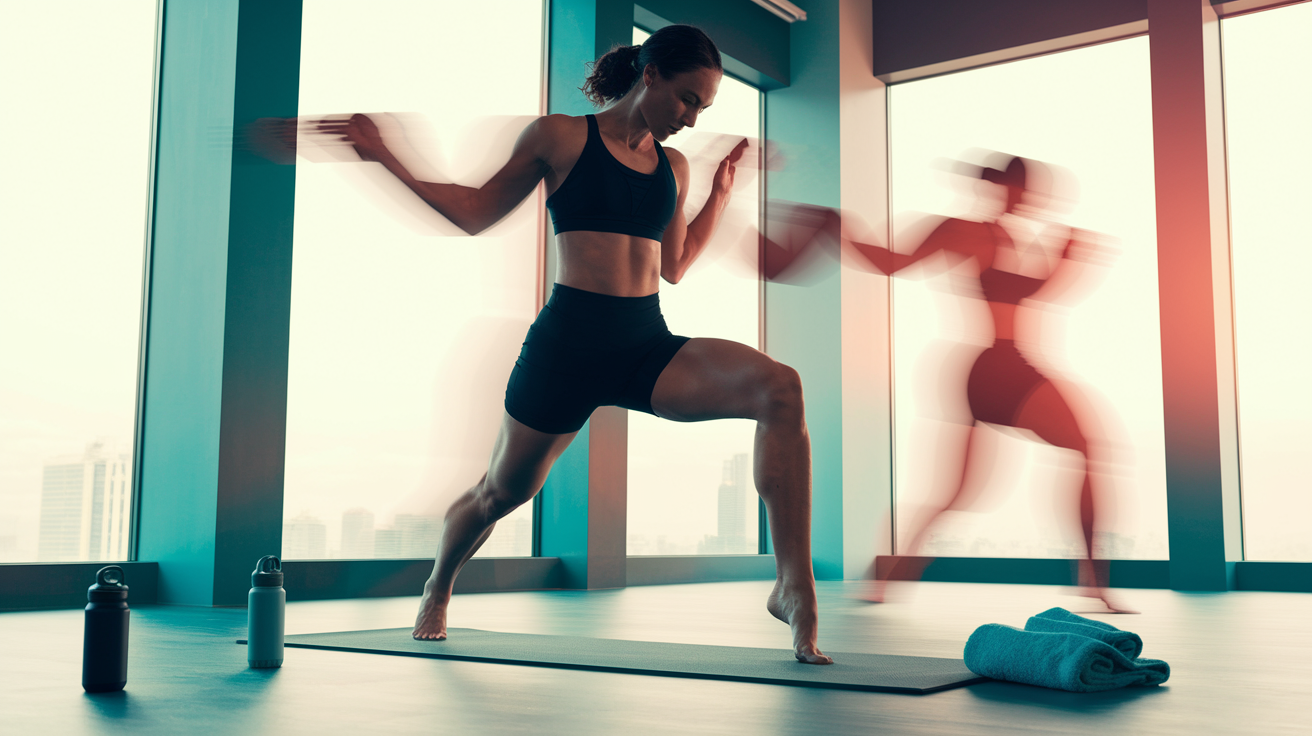
Use this routine right after your workout or within 15 minutes of finishing your last set. Move through each position slowly, breathe normally, and stop if anything feels sharp. You’re aiming for gentle movement here, not deep stretching or pushing into uncomfortable spots.
- Neck rolls: Slowly roll your head in a circle, 3 times each direction.
- Arm circles: Forward for 10 reps, then backward for 10 reps. Keep your shoulders relaxed.
- Hip circles: Stand on one leg and draw circles with the lifted knee, 5 each direction per side.
- Standing quad pull: Hold your ankle behind you and press your hips slightly forward, 20 seconds per side.
- Hamstring reach: Hinge at your hips with a flat back and reach toward your toes, hold for 20 seconds.
- Calf stretch: Step one foot back, press your heel down, and lean forward gently, 20 seconds per side.
- Shoulder shrugs: Lift your shoulders to your ears, hold for 2 seconds, then release. Repeat 8 times.
- Spinal twist: Stand tall, rotate your torso left and right with control, 6 times each side.
Just finished lower body? Spend more time on steps 3 through 6. After upper body training, repeat steps 2, 7, and the spinal twist twice. One round is plenty on lighter training days. On heavier days or if you’re already sore, move even slower and cut the hold times in half.
Why Muscles Get Sore After Training
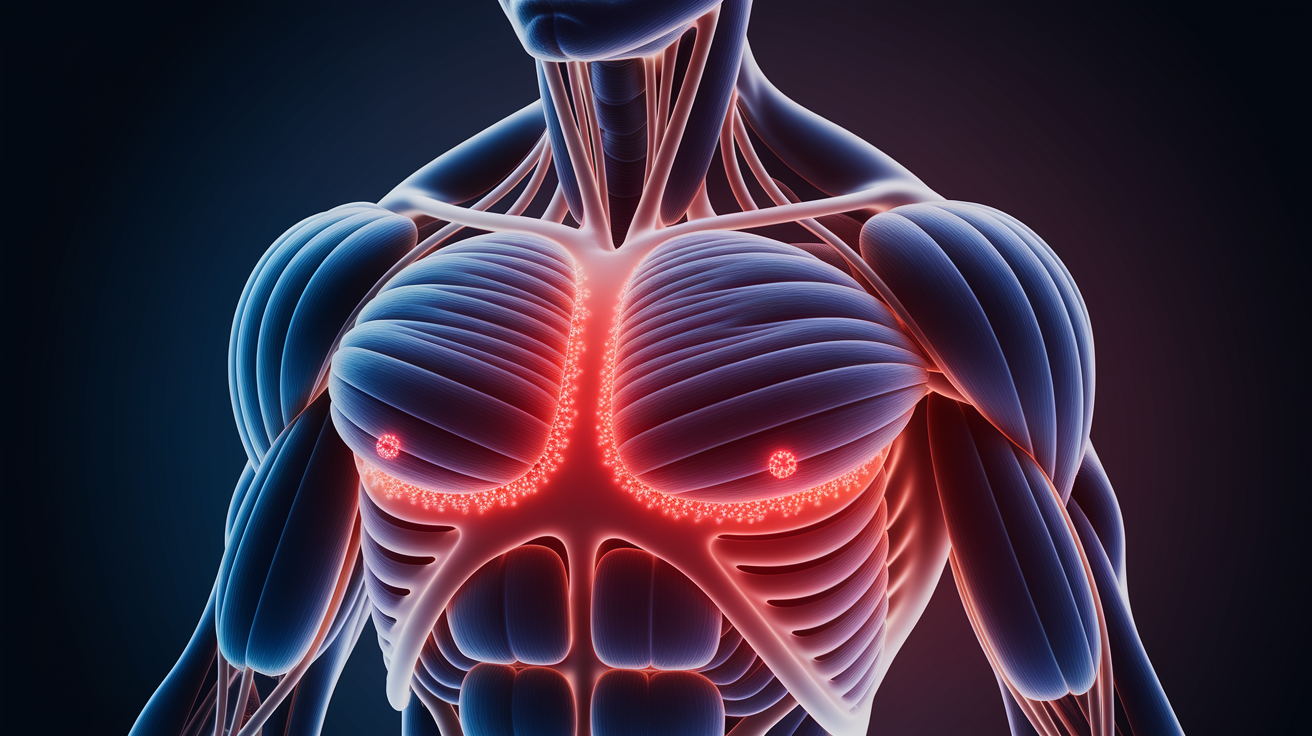
Muscle soreness usually shows up in two phases. Acute soreness happens right after your workout when metabolic byproducts like lactate build up in your muscles. That tight, burning feeling fades within an hour or two once your body clears those byproducts.
Delayed onset muscle soreness, or DOMS, is the deeper ache that peaks between 24 and 72 hours after training. It comes from tiny tears in your muscle fibers, especially after heavy lifting, eccentric movements, or trying something new. These microtears trigger inflammation, which sounds bad but is actually how your muscles adapt and get stronger.
Mobility work helps because movement increases blood flow to sore areas. More blood means more oxygen and nutrients get delivered, which speeds up repair. Gentle stretching and controlled joint movement also reduce the buildup of inflammatory markers. Less stiffness, faster return to normal function. Your body recovers on its own, but light mobility gives it better conditions to do the job.
Mobility Exercises by Muscle Group
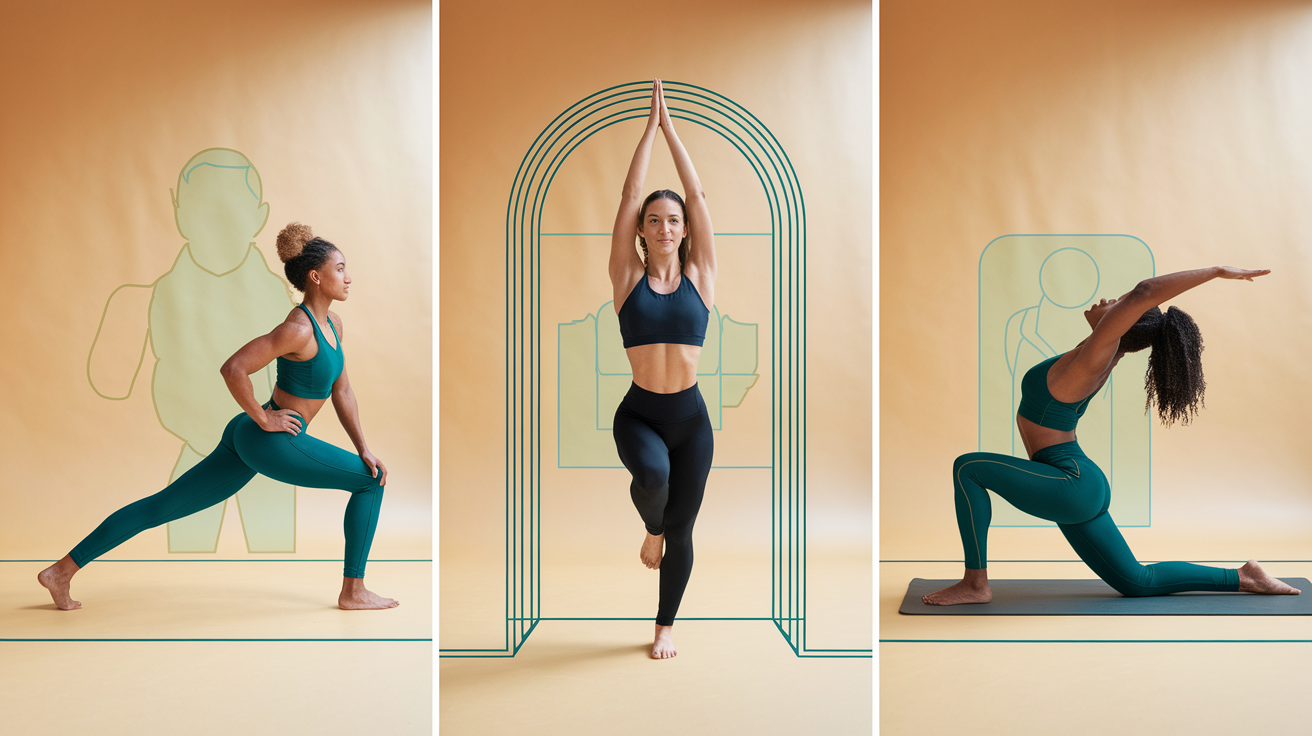
Targeted mobility works best when you match the movement to the muscle group that just worked hardest. These exercises focus on restoring range of motion and reducing tightness where you need it most.
Lower Body Mobility
Hip openers are essential after squats, lunges, or any lower body session. Try a standing figure 4 stretch: balance on one leg, cross your opposite ankle over your thigh just above the knee, and gently sit back like you’re reaching for a chair. Think of pushing your bent knee away from your body while keeping your chest up. Hold for 20 seconds per side.
For ankles, stand facing a wall with one foot forward and the other back. Keep your back heel down and bend your front knee toward the wall until you feel a stretch in your calf and Achilles. Hold 20 seconds, then switch.
Hamstring reach variations work well standing or seated. From standing, hinge at your hips with a flat back and reach toward one foot, letting the opposite hand rest on your hip. You don’t need to touch your toes. Stop when you feel a stretch along the back of your leg.
Upper Body Mobility
Shoulder circles help reset your shoulder joints after pressing or pulling movements. Stand tall and slowly roll your shoulders backward in full circles, 10 reps, then forward for 10 more. Keep the movement smooth and controlled.
Thoracic rotations open up your mid back. Stand or kneel with your hands behind your head. Rotate your torso to one side, pause, then return to center. Repeat 6 times per side, focusing on turning from your ribcage, not your hips.
For chest mobility, stand in a doorway and place your forearm against the frame with your elbow at shoulder height. Step forward until you feel a stretch across your chest and front shoulder. Hold 20 seconds per side.
Back and Core Mobility
Cat camel flow is one of the most effective movements for spinal mobility. Start on your hands and knees. Exhale and round your back toward the ceiling, tucking your chin. Inhale and arch your back, lifting your chest and tailbone. Imagine you’re making your spine as long as possible in both directions. Repeat for 8 slow cycles, matching your breath to the movement.
Controlled rotations reduce stiffness in your lower back. Lie on your back with your knees bent and feet flat. Let both knees fall to one side while keeping your shoulders on the ground. Hold for 15 seconds, then switch sides. Repeat 3 times per side.
Foam Rolling Techniques for Recovery
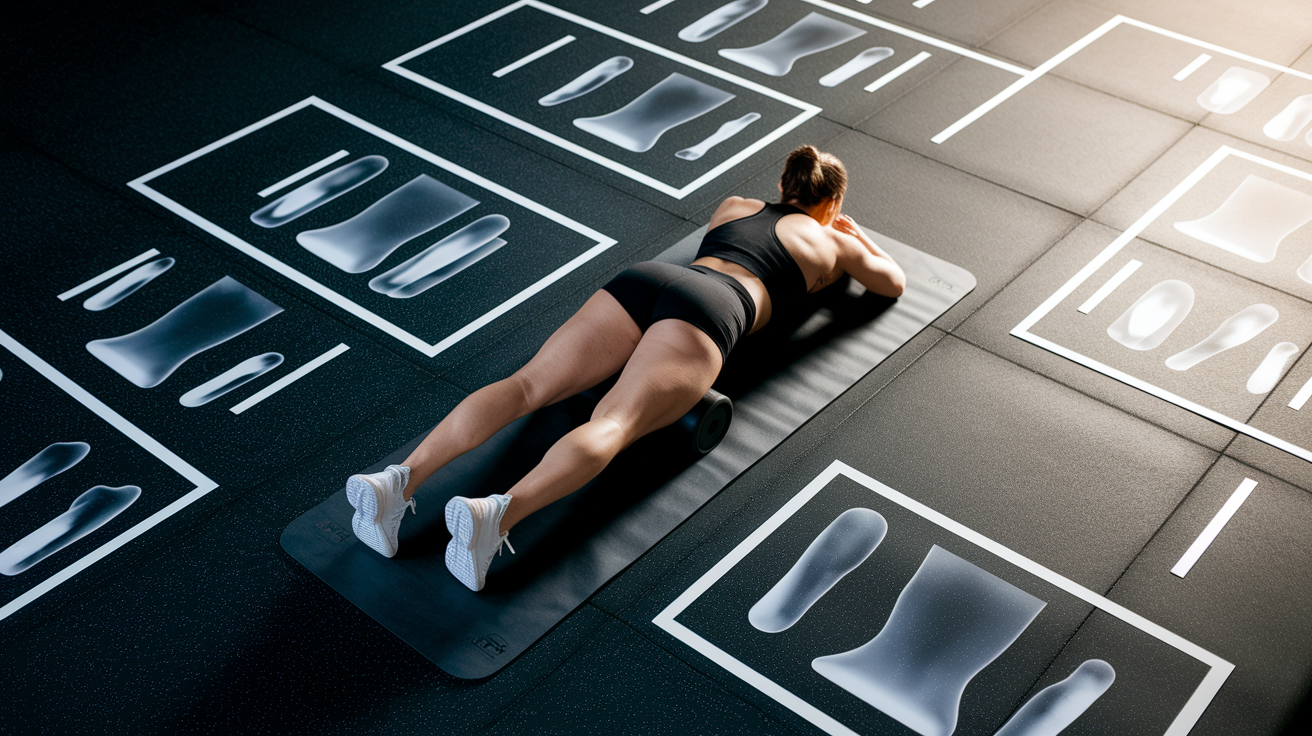
Foam rolling helps break up muscle tension and improve tissue quality after training. It works by applying pressure to tight areas, which increases blood flow and may reduce soreness when used consistently.
Target these five areas most sessions:
Quads: Lie face down with the roller under your thighs. Roll from just above your knees to your hips, pausing on tight spots.
Hamstrings: Sit with the roller under one thigh. Roll from your glutes to the back of your knee.
Calves: Sit with one calf on the roller. Roll from your ankle to just below your knee.
Upper back: Lie on your back with the roller under your shoulder blades. Cross your arms over your chest and roll from mid back to upper back.
Glutes: Sit on the roller and shift your weight to one side. Roll slowly over your glute, then switch.
Spend 30 to 60 seconds per muscle group, moving slowly and breathing normally. When you find a tight spot, pause for 10 seconds instead of rolling back and forth quickly. Use enough pressure to feel tension, but not so much that you tense up or hold your breath. If an area is extremely sore, reduce the pressure by shifting more of your weight onto your hands or opposite leg.
Stretching for Flexibility and Relief
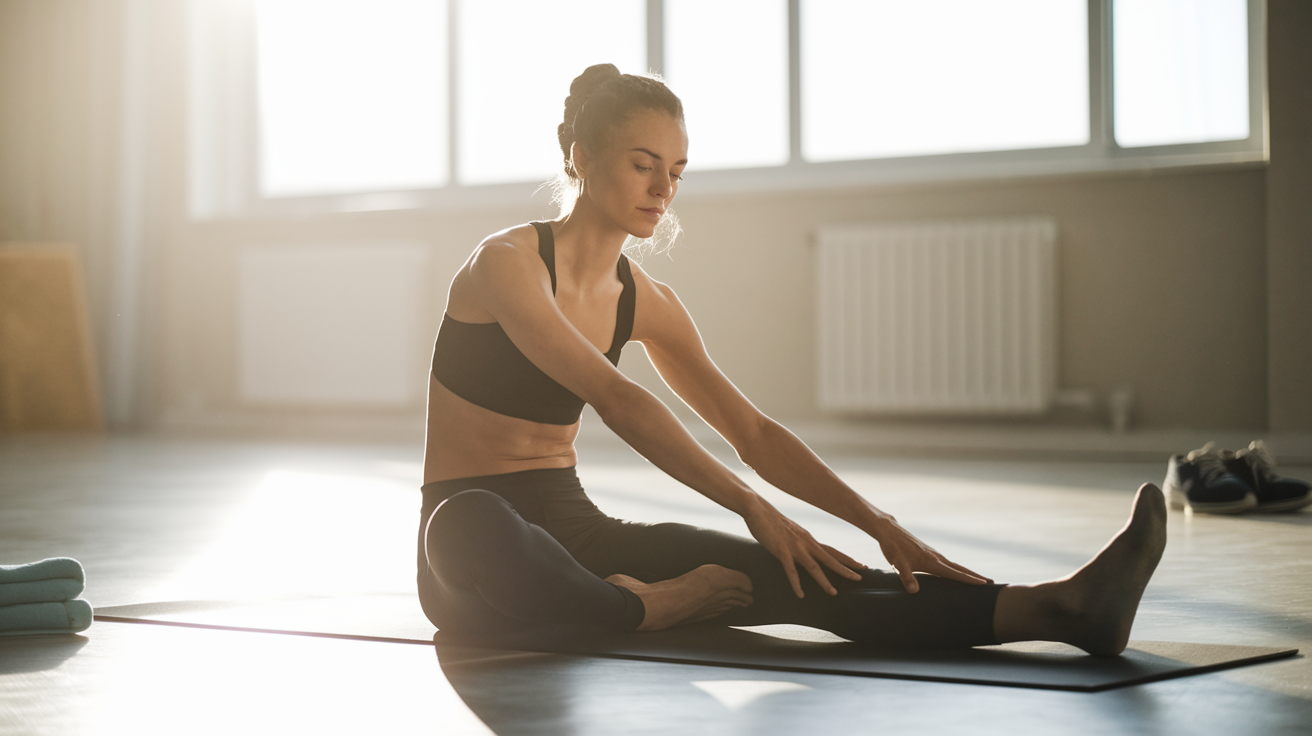
Static stretching after your workout helps reduce stiffness and improve long term flexibility when done correctly. Wait until after you’ve cooled down slightly. Your muscles should still feel warm, but your heart rate should be near normal. Focus on the muscle groups you just trained, and aim for 20 to 40 seconds per stretch.
Hold each position at the point where you feel a gentle pull, not pain. Breathe slowly and try to relax into the stretch rather than forcing it deeper. Stretching tight muscles right after training takes advantage of their warmth and pliability, making it easier to lengthen tissues that tend to tighten up during recovery.
Consistency matters more than intensity. Stretching for a few minutes after most workouts will give you better results than one long, aggressive stretching session per week. Pair your stretches with slow breathing, and treat this part of your routine as a signal to your body that the work is done and recovery has started.
Breathing and Nervous System Recovery

Slow, controlled breathing after training helps shift your nervous system from a stressed state to a recovery state. This happens because deep, exhale focused breathing activates your parasympathetic nervous system, which lowers your heart rate, reduces muscle tension, and supports repair processes.
Try this simple pattern while stretching or foam rolling: inhale through your nose for 4 counts, hold for 2 counts, then exhale through your mouth for 6 counts. Repeat for 2 to 3 minutes. The longer exhale is the key. It signals your body to relax and start recovering.
You can also use this breathing during any static stretch to help you ease deeper into the position without forcing it. When your breathing stays calm and steady, your muscles respond by releasing tension instead of guarding against it.
Recommended Tools for Better Mobility and Recovery
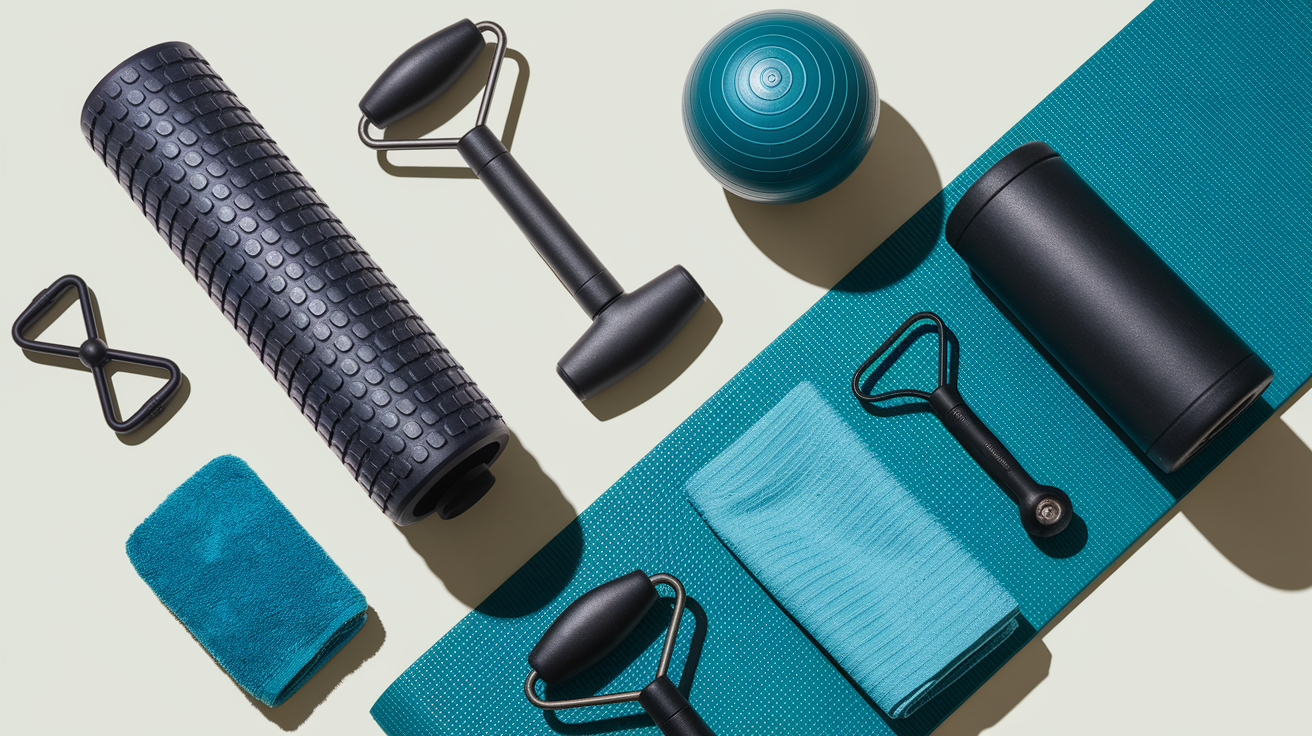
You don’t need a lot of equipment to improve post workout mobility, but a few simple tools make the process more effective and comfortable. A standard foam roller works for most muscle groups and costs less than $30. If you want more targeted pressure, a small massage ball (tennis ball size or slightly larger) can reach tight spots in your glutes, shoulders, and feet that a roller can’t.
Resistance bands are useful for assisted stretches, especially for shoulders and hips. A basic yoga mat gives you a clean, cushioned surface for floor based stretches and rolling. If you train hard and often, a stick roller or handheld massage tool can help you apply pressure to areas that are awkward to reach with a foam roller, like your calves or IT band.
Start with a roller and a mat. Add other tools only if you find yourself consistently needing more options.
Progressions for Beginners, Intermediate, and Advanced Athletes
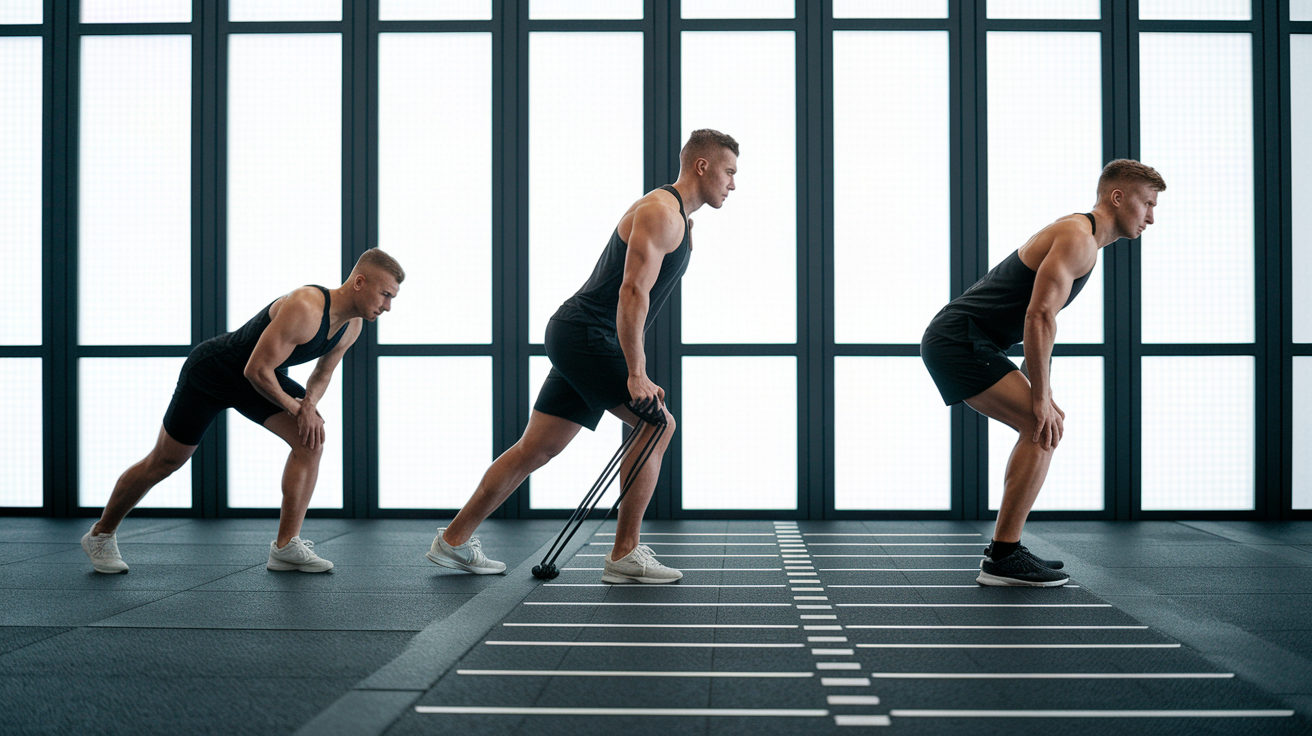
Mobility work should match your training experience and current soreness levels. Beginners benefit most from slower, simpler movements with shorter hold times, while advanced athletes can handle longer holds, deeper ranges, and more frequent sessions.
Beginner: Perform the quick routine (6 to 8 movements) for 5 to 7 minutes after each workout. Use 15 to 20 second holds on stretches, and move through foam rolling at a relaxed pace. Stick to basic positions and avoid pushing into painful ranges.
Intermediate: Extend the routine to 10 minutes. Increase stretch holds to 25 to 30 seconds. Add a second round of foam rolling on your primary muscle groups. Start including active mobility movements like controlled leg swings or arm circles with light resistance bands.
Advanced: Use the full 15 minute routine after heavy sessions. Hold stretches for 30 to 40 seconds, and repeat key stretches twice. Include deeper hip openers, loaded mobility exercises (like a deep squat hold with a light weight), and spend extra time on areas that tend to tighten up between sessions.
Progression tip: Add one new movement or tool every few weeks instead of changing everything at once. If a movement feels too easy, increase the hold time or range before adding complexity.
Downloadable Routine and Visual Guide Overview
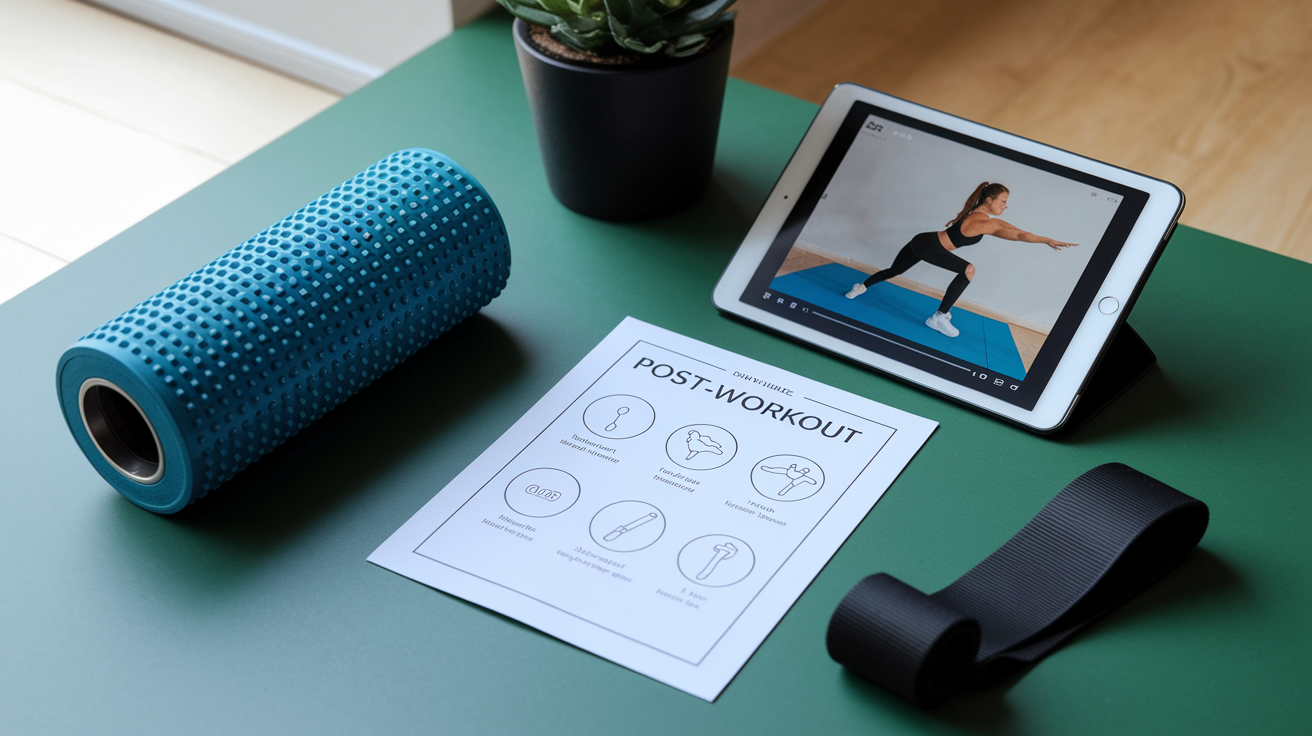
A visual guide or downloadable routine card makes it easier to follow your post workout mobility work without guessing what comes next. A good guide includes photos or simple drawings of each position, along with hold times, rep counts, and short form cues you can read at a glance.
Look for guides that organize exercises by body region or workout type. For example, one card for lower body days and another for upper body days. If you’re using a PDF or printable sheet, keep it near your training area so you can reference it while you cool down. Video guides work well if you prefer to follow along in real time, but a simple one page cheat sheet is often enough once you’ve learned the movements.
Final Words
Start by using the quick 5 to 15 minute mobility routine, focusing on neck, shoulders, hips, quads, hamstrings, and calves, plus short foam rolling and breathing work to get blood moving and ease tightness.
Add the targeted drills, 20- to 40-second stretches, and parasympathetic breathing. Adjust intensity for beginners or advanced athletes, and use bands or a foam roller when it helps.
Make the post-workout mobility and recovery routine to reduce soreness a tiny habit after most sessions. Do it often, and you’ll move better with less ache.
FAQ
Q: What is the 3-3-3 rule for working out?
A: The 3-3-3 rule for working out is a simple strength template: three exercises, three sets of three reps each, using heavier loads to build strength while keeping sessions short and focused.
Q: What to do after a workout to reduce soreness?
A: To reduce soreness after a workout, focus on a brief cool-down: gentle mobility, foam rolling, 20 to 40 seconds of static stretches, light walking, hydration, and a protein-rich snack within two hours.
Q: What is the 2 hour pain rule?
A: The 2 hour pain rule means if sharp or unusual pain continues beyond two hours after exercise, stop that movement, rest, use basic care, and consult a clinician before repeating it.
Q: What fruit relaxes muscles?
A: The fruit that relaxes muscles is often the banana—high in potassium and magnesium—while tart cherries and pineapple also help recovery via anti-inflammatory compounds and enzymes.