
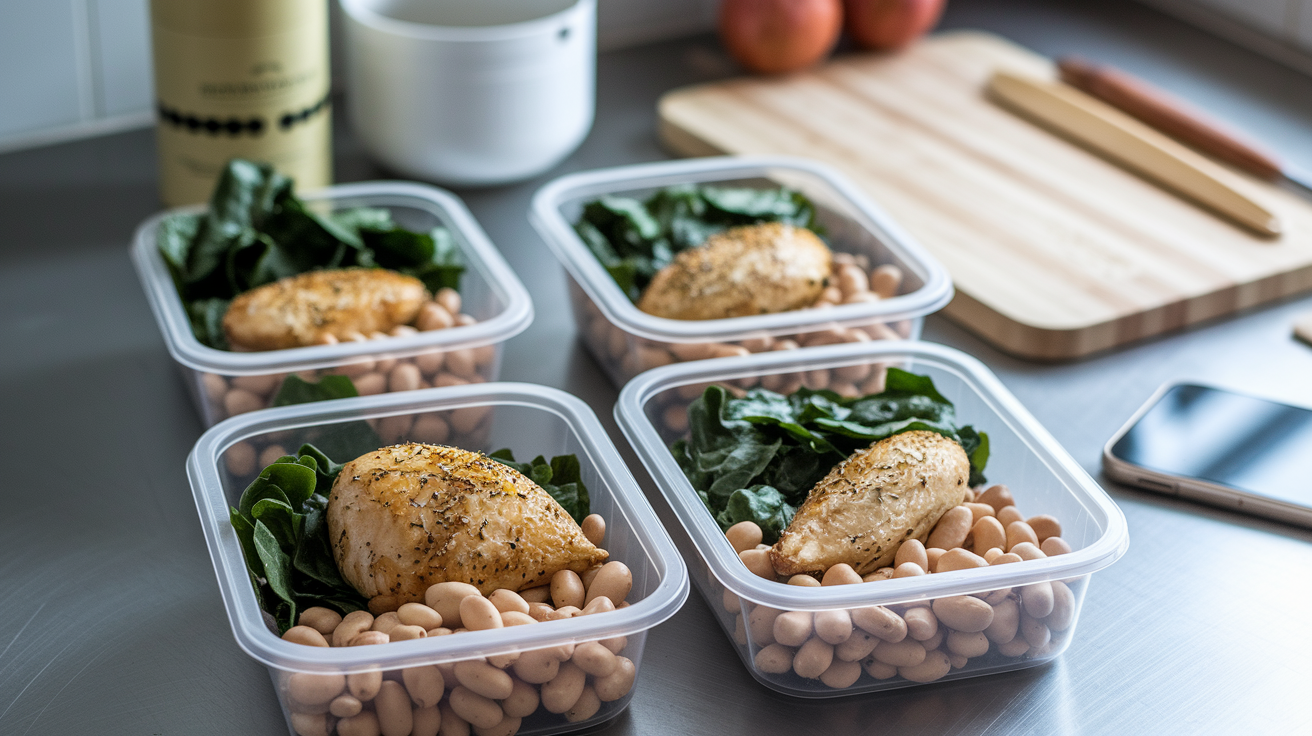
Want to eat big plates and still lose weight?
If that sounds too good to be true, it’s not.
Meals built around protein, fiber, and water-rich vegetables give you volume and steady energy without extra calories.
Below you’ll find simple, filling recipes, shopping tips, and prep strategies you can use all week.
Each option pairs a lean protein, fiber, and water-rich vegetables so you’re full longer and less tempted to reach for snacks.
High‑Satiety Meal Ideas for Weight Loss
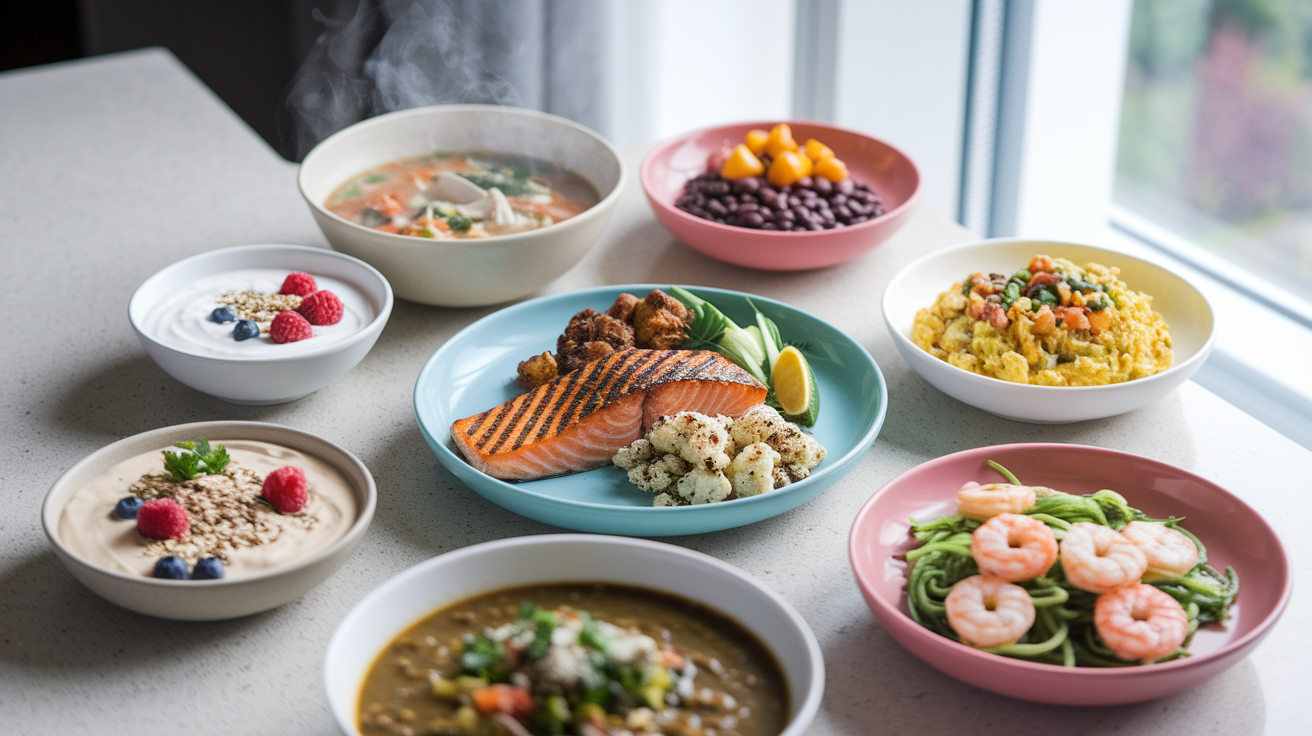
Building meals around protein, fiber, and water‑rich vegetables gives you the biggest plate for the fewest calories. Every option below keeps your stomach full and your energy steady without stacking up hundreds of extra calories you don’t need.
These meals pair volume with nutrients that slow digestion and signal fullness. Each includes a lean protein source, a serving of fiber, and ingredients that take up space on your plate and in your stomach. You can rotate through these all week without getting bored or hungry an hour later.
Vegetable heavy chicken soup comes in at 180 to 220 kcal per 2 cup serving. Includes shredded chicken breast, carrots, celery, onions, and greens in low sodium broth. High water volume and lean protein make this extremely filling for minimal calories.
Greek yogurt bowl with berries and oats lands around 280 to 320 kcal per bowl. 1 cup plain 2% Greek yogurt, 1/2 cup berries, 1/4 cup dry oats, and 1 tablespoon sliced almonds. Protein from yogurt and fiber from oats slow digestion and keep you satisfied.
Grilled salmon with roasted cauliflower and quinoa sits at 380 to 420 kcal per plate. 4 oz grilled salmon, 2 cups roasted cauliflower, 1/2 cup cooked quinoa. Omega 3s and protein from salmon combine with fiber and volume from vegetables.
Black bean and sweet potato bowl comes out to 350 to 390 kcal per serving. 1 medium baked sweet potato, 3/4 cup black beans, 1 cup sautéed spinach, and salsa. Resistant starch and fiber create lasting fullness.
Egg and vegetable scramble totals 240 to 280 kcal per serving. 3 whole eggs, 1 cup mixed bell peppers and mushrooms, 1 cup spinach, cooked in 1 teaspoon olive oil. High protein and vegetable volume for very few calories.
Shrimp and zucchini noodle stir fry rings in at 260 to 300 kcal per serving. 5 oz shrimp, 3 cups spiralized zucchini, garlic, ginger, and 1 tablespoon soy sauce. Lean protein and high volume vegetables keep calories low and fullness high.
Lentil and kale soup delivers 210 to 250 kcal per 2 cup serving. 3/4 cup cooked lentils, 2 cups chopped kale, tomatoes, and vegetable broth. Fiber from lentils and volume from broth create a deeply satisfying meal.
Turkey lettuce wraps with avocado come in at 290 to 330 kcal per serving. 4 oz lean ground turkey, 4 large lettuce leaves, 1/4 avocado, tomatoes, and salsa. Protein and healthy fats slow digestion without adding empty carbs.
Practical Meal Prep Strategies for Staying Full
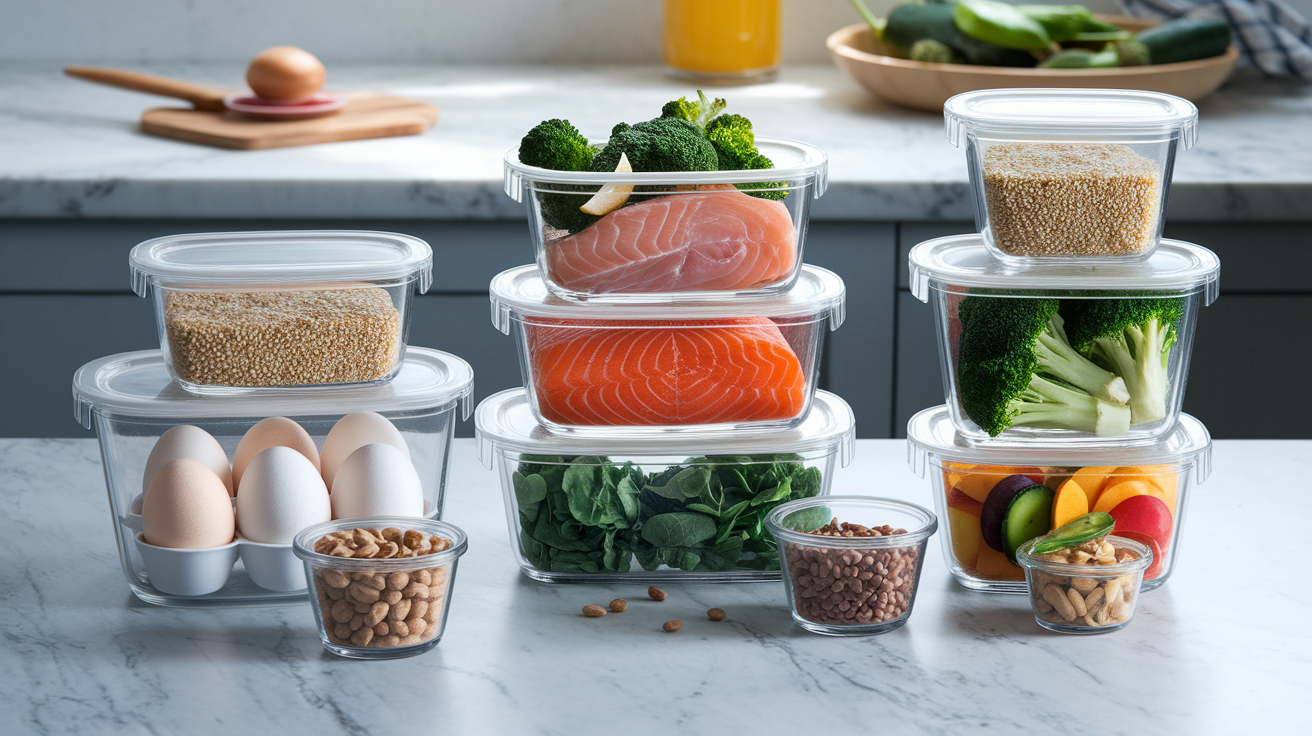
Prepping your meals once or twice a week removes the moment by moment decision of what to eat when you’re already hungry. When your fridge holds ready to eat protein and vegetables, you don’t default to calorie dense options that leave you hungry again in an hour. Batch cooking also locks in portion sizes, so you’re not eyeballing servings when your appetite is high.
Start by choosing two or three proteins and two or three vegetable bases for the week. Cook them in bulk, portion them into containers, and store them in the fridge for up to four days or the freezer for up to two months. This approach gives you mix and match components that prevent boredom without requiring you to cook every night.
Batch cook two lean proteins on Sunday. Roast 3 pounds of chicken breast and grill 2 pounds of salmon or turkey. Divide into 4 to 5 oz portions and refrigerate for the week.
Prep large batches of non starchy vegetables. Roast 4 cups of broccoli, cauliflower, or Brussels sprouts and steam or sauté 6 cups of leafy greens. Store separately in airtight containers.
Cook whole grains in advance. Prepare 3 to 4 cups of cooked quinoa, farro, or brown rice. Refrigerate in 1/2 cup portions to add to meals throughout the week.
Portion meals into single serve containers. Combine one protein portion, one vegetable portion, and one grain portion in each container. Label with the date and calorie count if you’re tracking.
Keep emergency high satiety snacks ready. Pre portion 1 oz servings of nuts, hard boil a dozen eggs, and wash and cut vegetables for quick additions when a meal feels too small.
Ingredient Selection for Maximum Fullness
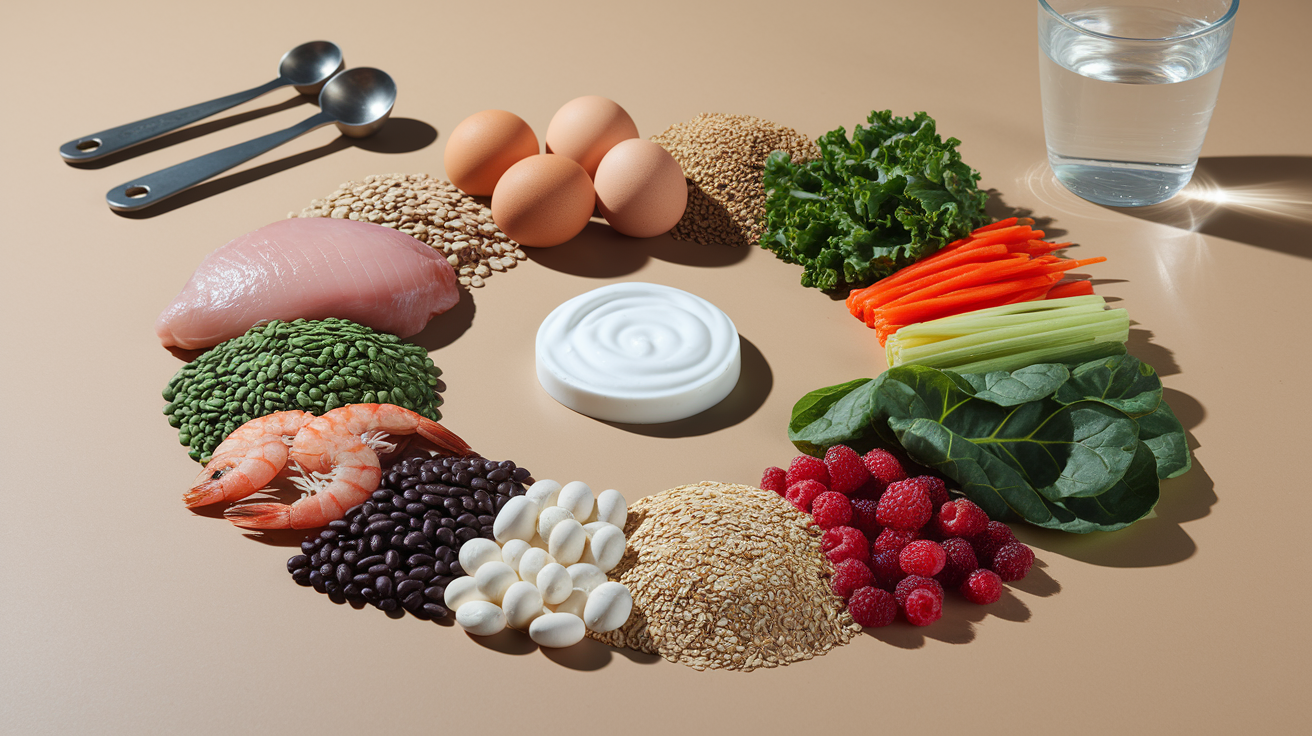
Choosing ingredients that slow digestion and take up space in your stomach is the simplest way to stop hunger without adding calories. Fiber, protein, and water rich foods do the heavy lifting.
Lean proteins like chicken breast, turkey, white fish, shrimp, eggs, and Greek yogurt trigger satiety hormones and take longer to digest than carbs or fats alone. A 4 oz portion of chicken breast delivers around 35 grams of protein for roughly 180 calories, and that protein keeps your stomach busy for hours. Eggs are similarly efficient. Three whole eggs give you 18 grams of protein and a range of vitamins for about 210 calories, and the fat in the yolk slows gastric emptying. Greek yogurt adds both protein and a creamy texture that makes meals feel more satisfying, especially when paired with fiber rich oats or fruit.
Fiber slows the speed at which food leaves your stomach and enters your bloodstream, which flattens energy spikes and extends fullness. Legumes like black beans, lentils, and chickpeas pack 12 to 15 grams of fiber per cooked cup, along with plant protein. Oats deliver soluble fiber that thickens in your stomach. Leafy greens like spinach, kale, and Swiss chard add bulk and micronutrients without many calories. Two cups of cooked spinach is only about 50 calories. Whole grains such as quinoa, farro, and bulgur combine fiber with slow digesting carbs and a small protein boost, making them more filling than refined grains. A half cup serving of cooked quinoa adds about 4 grams of protein and 3 grams of fiber for roughly 110 calories.
Detailed Filling Recipes for Weight Loss
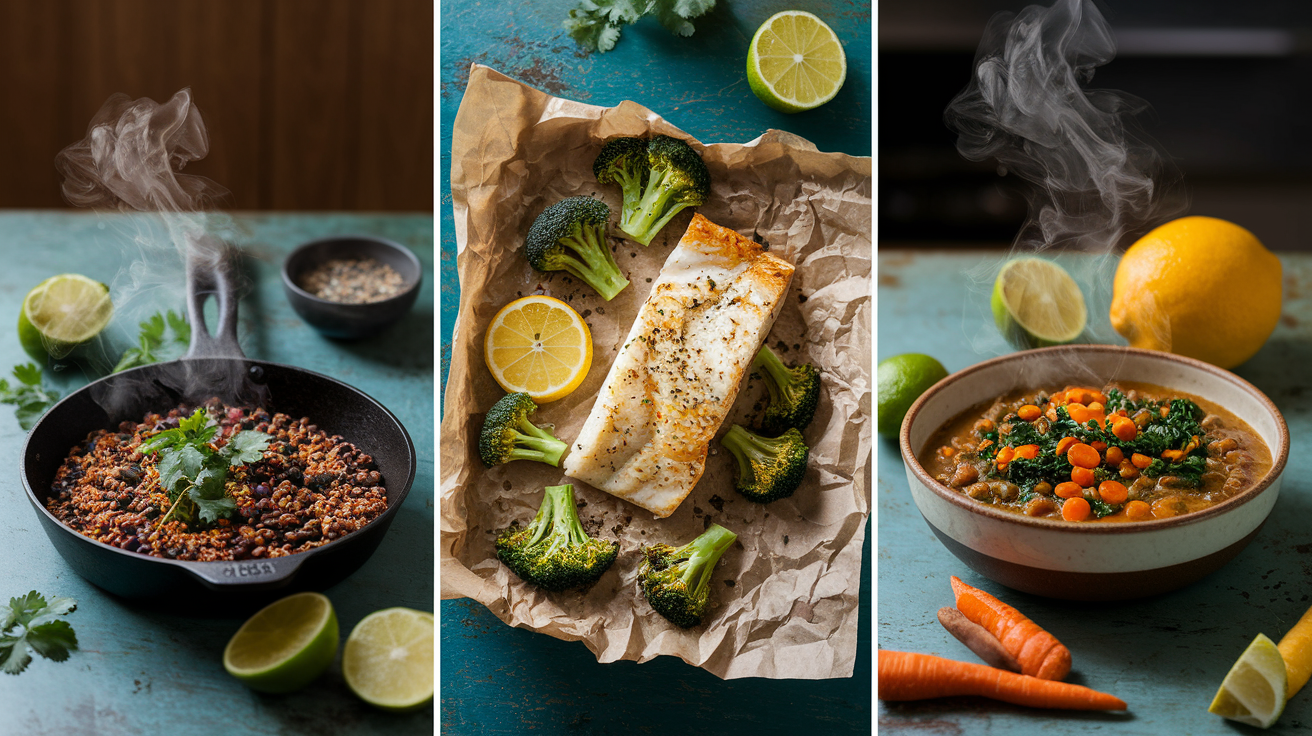
Spicy Black Bean and Quinoa Skillet
Ingredients:
- 1 cup cooked quinoa
- 1 can (15 oz) black beans, drained and rinsed
- 1 cup diced tomatoes (fresh or canned)
- 1 cup diced bell peppers
- 1/2 cup corn kernels
- 1 teaspoon cumin
- 1 teaspoon chili powder
- 1 tablespoon olive oil
- 1/4 cup chopped cilantro
- Lime wedges for serving
Instructions:
- Heat olive oil in a large skillet over medium heat. Add diced bell peppers and cook for 4 minutes until softened.
- Stir in black beans, tomatoes, corn, cumin, and chili powder. Cook for 5 minutes, stirring occasionally.
- Add cooked quinoa and mix until everything is combined and heated through, about 2 minutes.
- Remove from heat and stir in fresh cilantro. Squeeze lime juice over the top before serving.
Per serving: 320 calories (recipe makes 2 servings)
Baked Cod with Roasted Broccoli and Lemon
Ingredients:
- 6 oz cod fillet
- 3 cups broccoli florets
- 2 teaspoons olive oil
- 1 lemon (half sliced, half juiced)
- 2 garlic cloves, minced
- 1/2 teaspoon paprika
- Salt and pepper to taste
- Fresh parsley for garnish
Instructions:
- Preheat oven to 400°F. Line a baking sheet with parchment paper.
- Toss broccoli florets with 1 teaspoon olive oil, salt, and pepper. Spread on one side of the baking sheet.
- Place cod fillet on the other side. Brush with remaining olive oil, then top with garlic, paprika, lemon slices, salt, and pepper.
- Bake for 18 to 20 minutes until cod flakes easily with a fork and broccoli is tender with crispy edges.
- Squeeze fresh lemon juice over the fish and broccoli. Garnish with parsley.
Per serving: 285 calories
Hearty Lentil and Vegetable Stew
Ingredients:
- 1 cup dry green or brown lentils, rinsed
- 4 cups low sodium vegetable broth
- 1 cup diced carrots
- 1 cup diced celery
- 1 cup chopped kale
- 1 can (14 oz) diced tomatoes
- 1 small onion, diced
- 2 garlic cloves, minced
- 1 teaspoon cumin
- 1 bay leaf
Instructions:
- In a large pot, sauté onion and garlic over medium heat until softened, about 3 minutes.
- Add carrots, celery, cumin, and bay leaf. Cook for another 3 minutes.
- Stir in lentils, diced tomatoes, and vegetable broth. Bring to a boil, then reduce heat and simmer for 25 minutes.
- Add chopped kale and cook for another 5 minutes until kale is wilted and lentils are tender.
- Remove bay leaf. Ladle into bowls and serve hot.
Per serving: 240 calories (recipe makes 4 servings)
Smart Shopping for Filling Foods
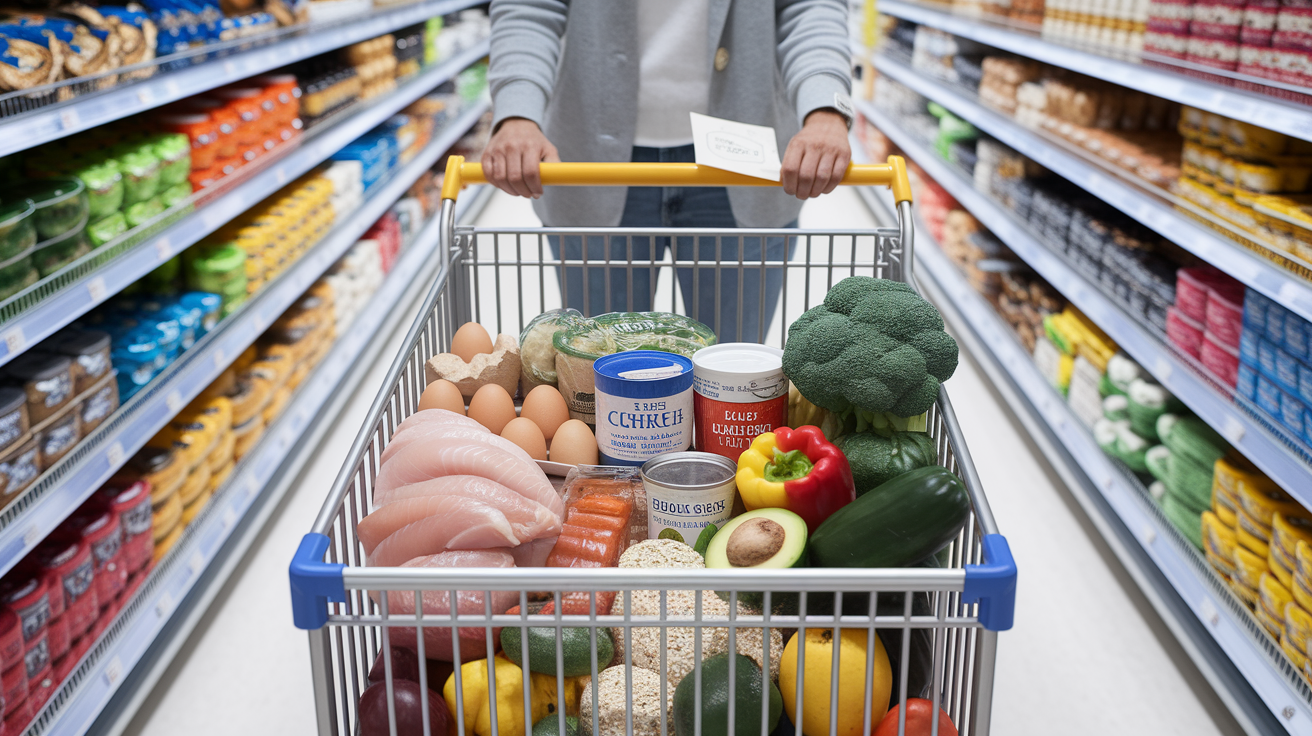
A structured shopping list keeps you focused on ingredients that deliver fullness without wasted calories. When your cart is full of lean proteins, high fiber staples, and water rich produce, your meals naturally support satiety and weight loss.
Buy proteins in bulk when possible. Chicken breasts, frozen fish fillets, canned tuna, and eggs store well and give you reliable options all week. Stock up on fiber sources like dried lentils, canned beans, oats, and whole grains, which are inexpensive and shelf stable. Fill the rest of your cart with non starchy vegetables and a few pieces of fruit. Avoid spending time in aisles with processed snacks, sugary drinks, and refined carbs. Those sections don’t support your goals.
| Food Category | Example Items | Why It Helps Satiety |
|---|---|---|
| Lean Proteins | Chicken breast, turkey, cod, shrimp, eggs, Greek yogurt | High protein content triggers fullness hormones and slows digestion for hours |
| Legumes & Beans | Black beans, lentils, chickpeas | Combine protein and fiber to slow gastric emptying and stabilize blood sugar |
| Non Starchy Vegetables | Broccoli, spinach, cauliflower, zucchini, bell peppers | High water and fiber content add volume and bulk with very few calories |
| Whole Grains | Quinoa, oats, farro, brown rice | Slow digesting carbs and fiber provide steady energy and prolonged fullness |
| Healthy Fats | Avocados, nuts, olive oil, seeds | Slow gastric emptying and increase meal satisfaction with small portions |
The Science Behind Feeling Full
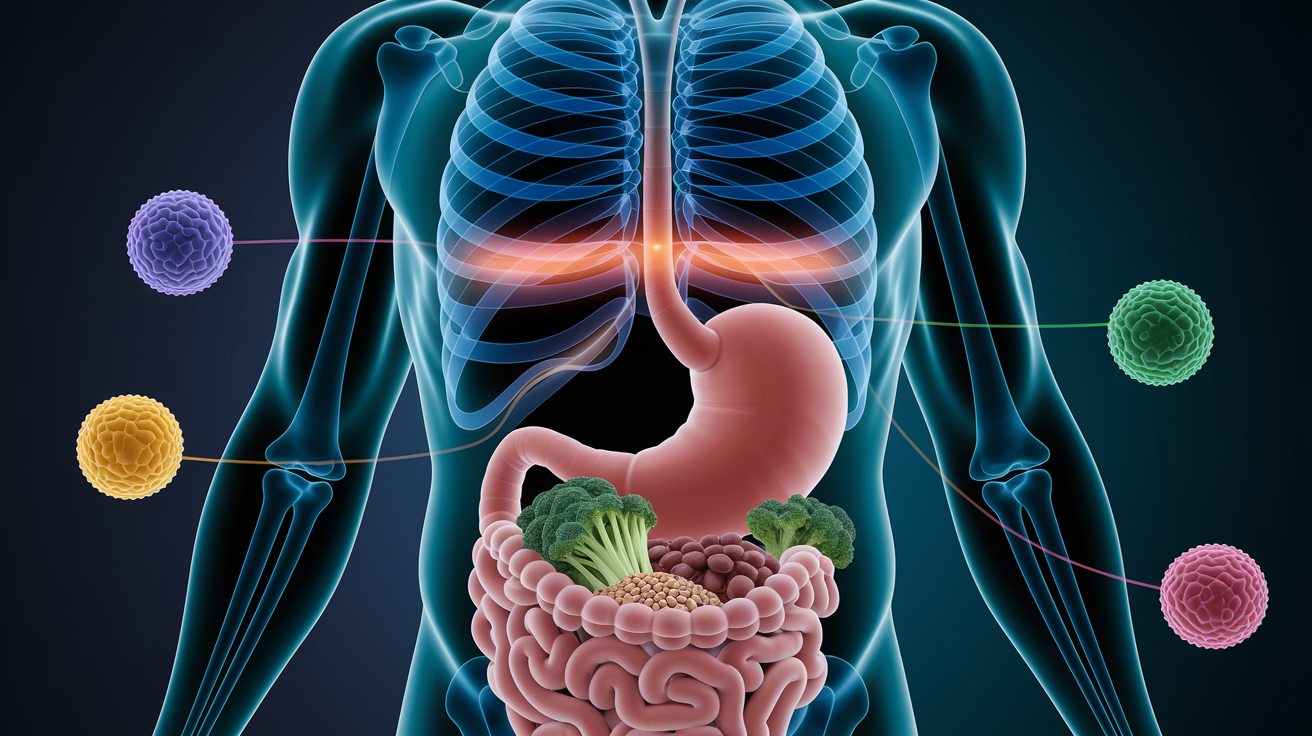
Satiety is controlled by a network of hormones and mechanical signals that tell your brain when to stop eating. Protein has the strongest effect on these systems. When you eat protein, your gut releases peptide YY and GLP 1, hormones that signal fullness, while simultaneously suppressing ghrelin, the hormone that triggers hunger. A meal with 25 to 35 grams of protein can keep those signals active for three to five hours, which is why a chicken breast or salmon fillet keeps you satisfied far longer than a plate of refined carbs.
Fiber works through a different mechanism. Soluble fiber absorbs water and swells in your stomach, physically stretching the stomach walls and activating stretch receptors that send fullness signals to your brain. Insoluble fiber adds bulk to your meal and slows the speed at which food moves through your digestive tract, which extends the time you feel full. Beans, oats, and vegetables are especially effective because they combine both types of fiber with a low calorie density. A cup of cooked lentils delivers 15 grams of fiber and takes up significant space in your stomach for only about 230 calories.
Water rich foods like soups, salads, and non starchy vegetables expand the volume of your meal without adding many calories. This increased volume activates the same stretch receptors that fiber triggers, creating a sensation of fullness even when total calorie intake is low. Two cups of vegetable soup might only contain 150 calories, but the broth and vegetables fill your stomach just as effectively as a much denser meal. Pairing water rich foods with protein and fiber creates a meal that hits all three satiety pathways at once.
Final Words
Start by picking two to three of the high‑satiety meals and batch‑cook the proteins and vegetables. Use the simple portion sizes and calorie ranges to guide servings, so hunger stays in check.
Next, follow the meal‑prep steps, choose the ingredients that slow digestion (like legumes, oats, Greek yogurt), and use the shopping tips to keep your kitchen stocked for success.
Small consistent moves add up. filling meals for weight loss are doable—keep it simple and repeatable, and you’ll build steady momentum.
FAQ
Q: What is the most filling food for weight loss? What can I eat to fill me up and lose weight?
A: The most filling foods for weight loss are high‑protein, high‑fiber, and water‑rich choices like lean meat, legumes, Greek yogurt, oats, vegetables, and soups; aim for 20–30g protein and lots of veggies per meal.
Q: How can I lose 20 pounds in 2 months meal plan?
A: To lose 20 pounds in 2 months, a meal plan should create a steady calorie deficit, prioritize protein and vegetables, include whole grains and healthy fats, control portions, track intake, and check with a healthcare pro.
Q: What is the 3-3-3 rule for food?
A: The 3-3-3 rule for food is a simple meal structure: three balanced meals, roughly three hours between them, and three components per meal — protein, fiber/vegetable, plus a whole grain or healthy fat to boost fullness.