

Think low-calorie meals have to be sad, bland plates you’ll quit after two nights?
What if they could be bright, filling, and something you actually want to eat again?
You can cut calories and still enjoy bold flavors by stacking lean protein, big vegetables, and small hits of fat and seasoning.
This post shows easy swaps and simple recipes that keep dinners under about 500 calories but still taste like real food. Weeknight dinners you’ll repeat, not abandon.
Why Low-Calorie Meals Don’t Have to Be Boring
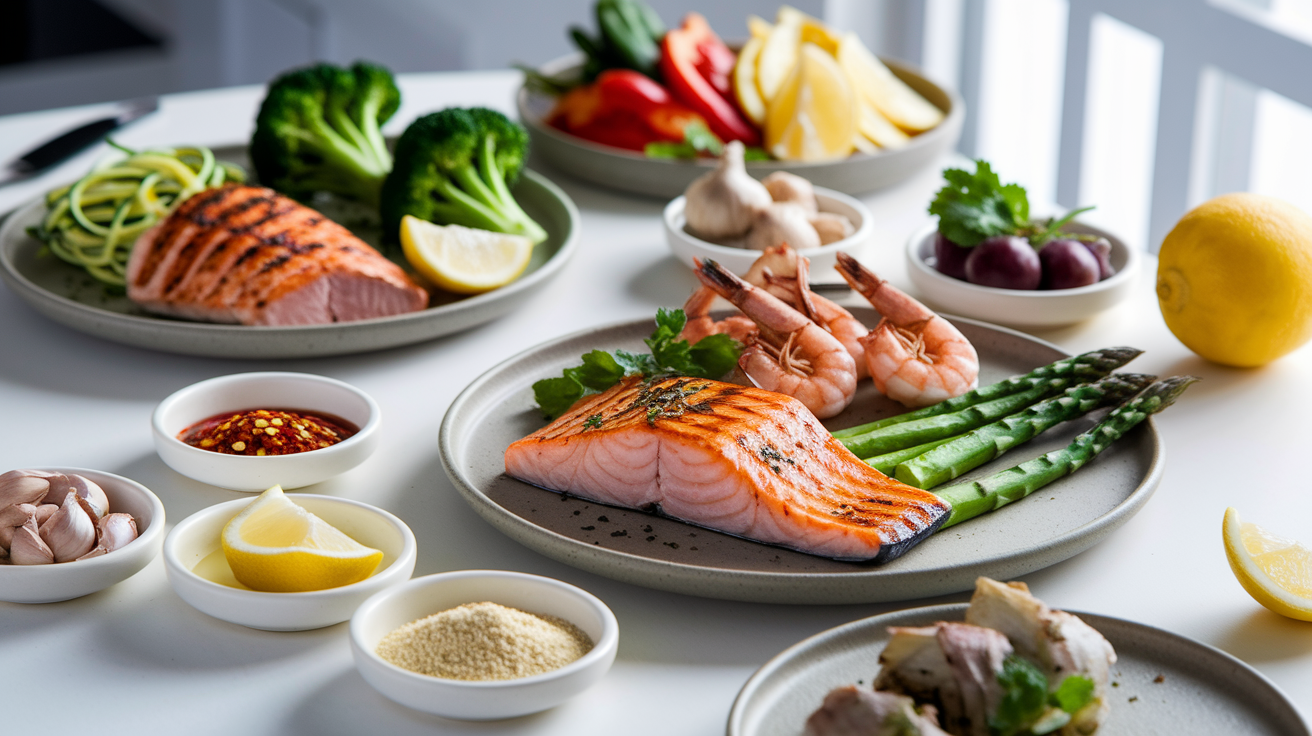
You can eat in a calorie deficit without staring at sad, steamed chicken and plain broccoli every night. Low-calorie meals work when they’re built around three things: lean protein, colorful vegetables that fill you up, and just enough fat and flavor to make you want to eat them again tomorrow.
A low-calorie dinner typically lands under 500 calories per serving. That’s enough room for grilled salmon with roasted asparagus, zucchini noodles tossed with shrimp and marinara, or even three fish tacos loaded with pickled cabbage and pink sauce. The difference between meals that work and meals you quit after two days is how you cook them and what you put on the plate.
Start by loading half your plate with non-starchy vegetables like broccoli, bell peppers, zucchini, cauliflower, asparagus, or leafy greens. Add a palm-sized portion of lean protein: chicken breast, white fish, shrimp, lean ground turkey, tofu, or legumes. Use a small amount of healthy fat for cooking or dressing, and choose whole grains or fiber-rich carbs in moderate portions if you need the energy.
Skip the heavy cream sauces, sugary bottled dressings, and deep-fried anything. Instead, use lemon juice, garlic, fresh herbs, low-sodium soy sauce, vinegar, lime, ginger, and olive oil spray to build flavor without stacking calories.
Quick Seafood and Fish Dinners
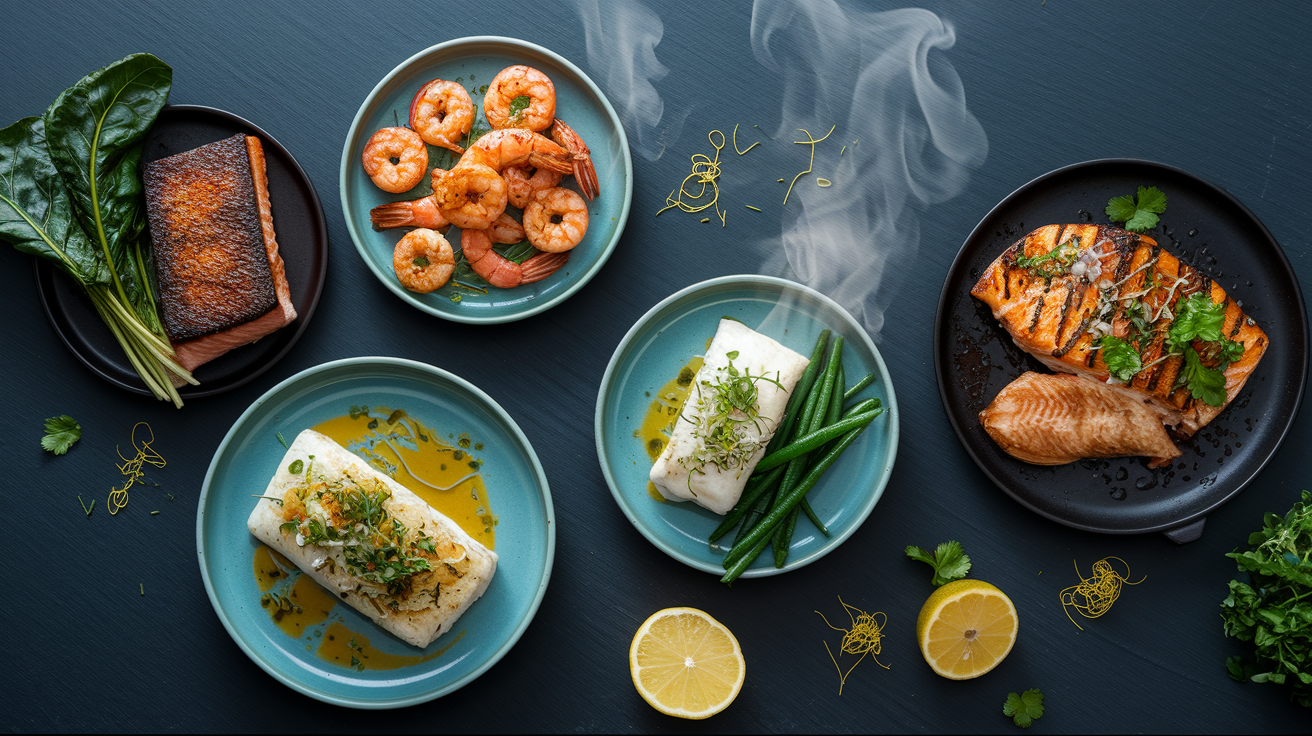
Air Fryer Salmon with Swiss Chard cooks in minutes and delivers crispy-skinned salmon without a skillet full of oil. Season the fillet with a little salt, pepper, and lemon zest, spray lightly with olive oil, and air fry until the skin crisps and the fish flakes easily. Serve it over sautéed Swiss chard with garlic. The whole meal stays comfortably under 400 calories per serving and gives you a solid dose of omega-3s and fiber.
Roasted Shrimp Scampi with Spiralized Zucchini is ready in less than 30 minutes. Toss raw shrimp with minced garlic, a drizzle of olive oil, lemon juice, and red pepper flakes, then roast on a sheet pan at 200°C (400°F) for about 8 minutes until the shrimp turn pink and firm. Spiralize fresh zucchini into noodles, toss them with the hot shrimp and pan juices, and top with crumbled feta. Three zucchini noodles replace pasta and cut the calorie count in half while keeping the texture familiar and satisfying.
Garlic Lime Tilapia with Green Beans clocks in at 280 to 320 calories per serving and uses one of the leanest fish options available. Rub tilapia fillets with lime juice, minced garlic, paprika, and a pinch of salt, then bake or pan-sear with olive oil spray. Roast green beans on the same sheet pan with a light spray and a squeeze of lemon. A 180-gram (6-ounce) fillet of white fish like tilapia or barramundi averages around 265 calories, so you have plenty of room left for vegetables and a small side if you want one.
Pan-Fried Seasoned Fish works with flathead, barramundi, or any firm white fish. Use a dry spice rub instead of butter-based sauces to keep the calories low and the flavor high. Pair it with roasted asparagus topped with a sprinkle of parmesan and lemon (84 calories) or a green bean salad with cherry tomatoes and feta (166 calories). The fish stays around 265 calories, so your complete plate lands well under 450 calories.
Sizzling Ginger Fish is a simplified fillet version of Cantonese steamed whole fish. Pan-sear or bake a white fish fillet, then top it with a quick sauce made from grated ginger, sliced scallions, low-sodium soy sauce, and a tiny drizzle of sesame oil heated until it sizzles. Serve over cauliflower rice (35 calories per serving) or with Chinese broccoli in oyster sauce (91 calories). The complete meal comes in around 343 calories and feels restaurant-quality.
Poultry and Lean Meat Mains
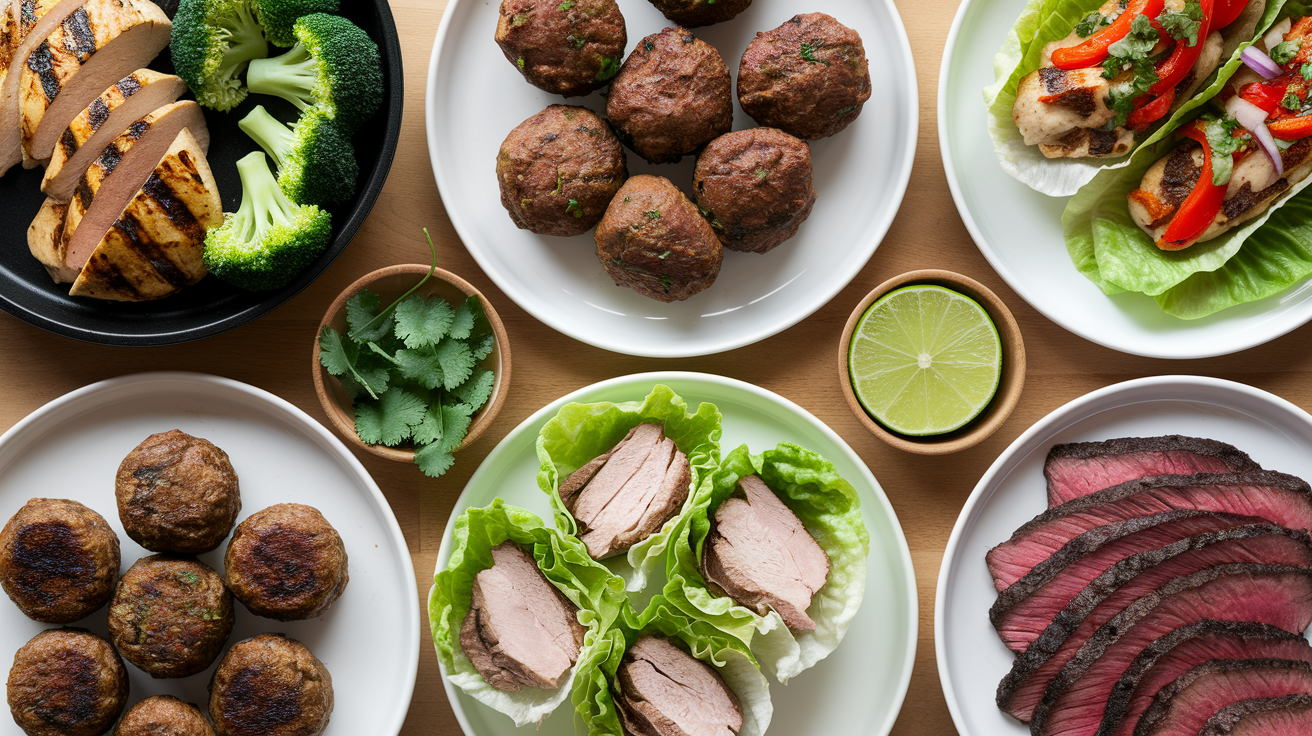
Grilled Lemon Herb Chicken with Steamed Broccoli is as simple as it gets and clocks in at 320 to 350 calories per serving. Marinate chicken breast in lemon juice, minced garlic, Italian herbs, and a light spray of olive oil, then grill until the internal temperature hits 74°C (165°F). Steam broccoli florets until bright green and tender-crisp, then season with a squeeze of lemon and a pinch of salt. This is the kind of meal you can batch-cook on Sunday and eat three nights in a row without getting tired of it.
Italian-Marinated Chicken uses a vinegary herb dressing that doubles as both marinade and finishing sauce. Mix red wine vinegar, olive oil, oregano, basil, garlic, and a pinch of red pepper flakes, then coat chicken breasts and let them sit for at least 30 minutes. Grill or bake the chicken, slice it, and drizzle with extra marinade before serving. Pair it with roasted zucchini or a simple side salad to stay under 400 calories.
Sheet Pan Chicken Fajitas makes weeknight cooking easier and keeps cleanup to one pan. Slice chicken breast into strips, toss with sliced bell peppers and onions, season with chili powder, cumin, garlic powder, and lime juice, then roast everything on a sheet pan at 220°C (425°F) for about 20 minutes. Serve in small corn tortillas or over a bed of shredded lettuce to keep the meal light. Skip the sour cream and cheese, or use a tablespoon of Greek yogurt and a sprinkle of feta to add creaminess without stacking calories.
Chicken Banh Mi Smash Tacos fuses Vietnamese and Mexican flavors into one crispy, tangy, crunchy bite. Cook ground chicken with garlic and ginger, smash it onto small corn tortillas in a hot skillet until the edges crisp, then top with quick-pickled carrots, cucumber, cilantro, and a squeeze of lime. The pickled vegetables add bright, crunchy contrast without any heavy sauces. Keep each taco under 150 calories and you can eat two or three and still stay in your target range.
Best-Ever Marinated Flank Steak uses fresh orange and lime juice to tenderize and season the meat without excess oil or sugar. Marinate flank steak in citrus juice, minced garlic, cumin, and a pinch of salt for at least two hours, then grill over high heat for about 4 minutes per side. Slice thin against the grain and serve with roasted peppers or a simple cabbage slaw. A palm-sized portion of steak plus vegetables keeps the meal around 400 calories.
Turkey Lettuce Wraps swap tortillas for butter lettuce leaves and cut the meal down to 280 to 330 calories per serving. Cook lean ground turkey with garlic, ginger, low-sodium soy sauce, shredded carrots, and green onions, then spoon the filling into crisp lettuce cups. Add a drizzle of sriracha or a squeeze of lime for extra flavor. The wraps feel light but fill you up thanks to the protein and fiber from the vegetables.
Chicken and Vegetable Stir Fry (No Sugar Sauce) comes in at 330 to 380 calories per serving and skips the sugary bottled sauces that can add 100+ calories in one spoonful. Slice chicken breast thin, stir-fry in a hot wok with minimal oil, then add bell peppers, broccoli, and snap peas. Season with low-sodium soy sauce, minced garlic, grated ginger, and a tiny amount of cornstarch mixed with water to thicken the sauce. Serve over cauliflower rice to keep the total calorie count low, or add a small portion of brown rice if you need the carbs.
Turkey Meatballs with Zoodles uses lean ground turkey, one egg, a small amount of breadcrumbs, and Italian seasoning to form tender, flavorful meatballs. Bake them on a sheet pan at 200°C (400°F) for about 18 minutes, then toss with spiralized zucchini noodles and no-added-sugar marinara sauce. The complete meal lands around 320 to 370 calories per serving and reheats well for lunch the next day.
Stuffed Bell Peppers with Turkey and Cauliflower Rice replaces regular rice with cauliflower rice and drops the calorie count to 320 to 360 per serving. Halve bell peppers lengthwise, remove the seeds, and fill with a mixture of cooked lean ground turkey, cauliflower rice, diced tomatoes, onion, garlic, and Italian seasoning. Bake at 190°C (375°F) for about 25 minutes until the peppers are tender and the filling is hot. Top with a sprinkle of parmesan if you have room in your calorie budget.
Vegetarian and Legume-Forward Dinners
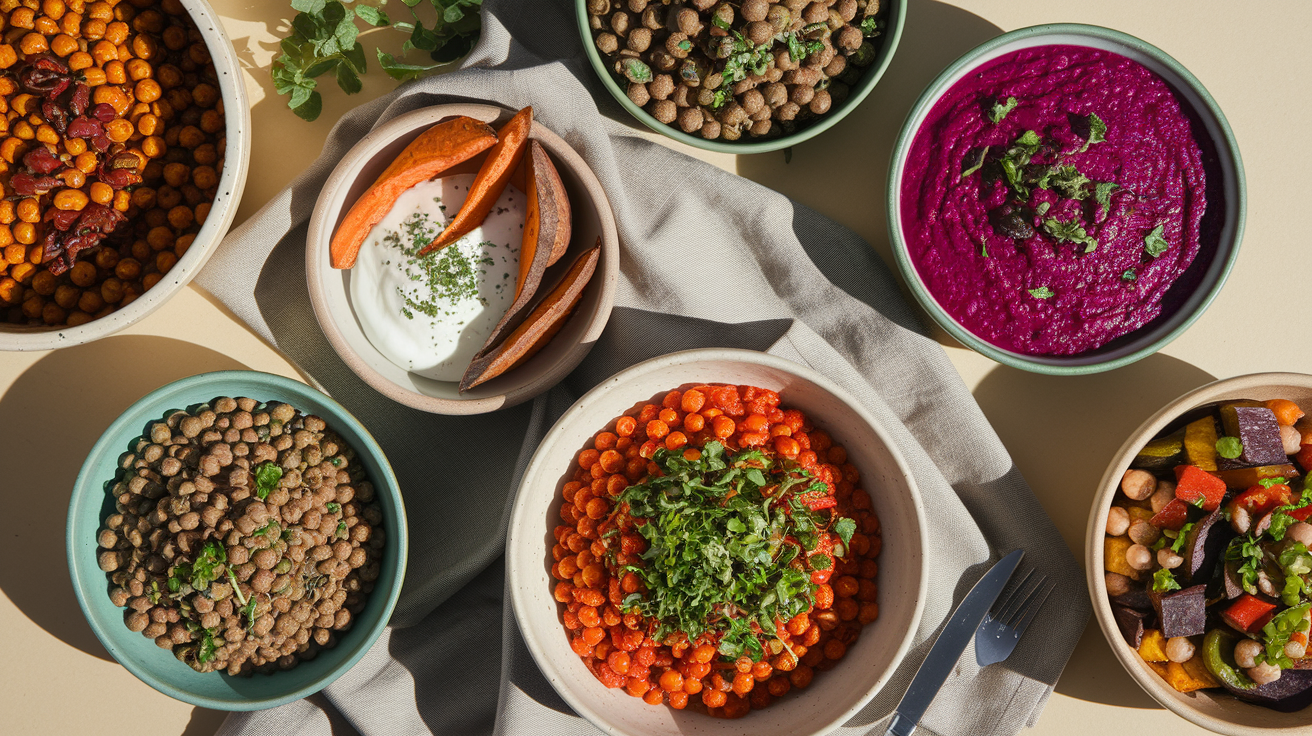
Chickpea Puttanesca swaps anchovies and pasta for chickpeas and turns a classic Italian sauce into a high-protein, fiber-rich dinner. Sauté garlic, capers, olives, and crushed tomatoes in a pan, add drained chickpeas, and simmer until the flavors meld. Serve over a small portion of whole-grain pasta or spiralized zucchini. The briny, garlicky sauce makes the chickpeas feel indulgent, and the fiber keeps you full for hours.
Dukkah Sweet Potato Bake uses two sheet pans to roast sweet potato wedges coated in dukkah, a Middle Eastern spice blend made from nuts, seeds, and spices. The spice blend adds big flavor with almost no added calories. Roast the wedges at 220°C (425°F) for about 25 minutes until caramelized and crispy on the edges. Serve with a simple yogurt dipping sauce made from Greek yogurt, lemon, and fresh herbs. The complete meal stays under 400 calories and works as a main or a hearty side.
Herby Lentil and Burrata Salad comes in just over 300 calories per serving and feels like a restaurant plate. Cook green or brown lentils until tender, toss with chopped fresh herbs (parsley, mint, basil), lemon juice, olive oil, diced cucumber, and cherry tomatoes, then top with a small piece of torn burrata. The creamy cheese balances the earthy lentils and the herbs keep every bite bright and fresh.
Beet Orzotto uses grated beets to turn orzo pasta into a vibrant, one-pot dish that’s naturally sweet and earthy. Sauté onion and garlic, add grated raw beets and orzo, then cook slowly with vegetable stock, stirring like risotto. Finish with a squeeze of lemon and a handful of fresh greens. The beets add fiber and color without many calories, and the one-pot method makes cleanup easy.
Zucchini Linguine mixes spiralized zucchini with a small portion of real pasta to keep the texture familiar while cutting the calorie count. Toss zucchini noodles and cooked linguine with garlic, olive oil, red pepper flakes, and fresh basil, then top with a sprinkle of parmesan. You get the satisfaction of pasta without the 400+ calorie bowl.
Chorizo-Stuffed Zucchini is a five-ingredient recipe that uses hollowed-out zucchini halves as low-calorie vessels for seasoned filling. Scoop out the zucchini centers, fill with cooked chorizo (or vegetarian chorizo crumbles), diced tomatoes, and a pinch of smoked paprika, then bake at 200°C (400°F) for about 20 minutes. Each stuffed half stays around 200 calories, so you can eat two and still have room for a side salad.
Vegetarian San Choy Bau (Chinese Lettuce Wraps) uses crumbled tofu as a mince substitute to soak up soy sauce, ginger, garlic, and sesame oil. The tofu mimics the texture of ground meat when crumbled and pan-fried until golden. Spoon the filling into butter lettuce leaves, top with shredded carrots and green onions, and serve with a drizzle of sriracha. The wraps are light, crunchy, and packed with flavor.
Indian Eggplant Curry (Brinjal) roasts eggplant pieces instead of frying them, which cuts the fat and keeps the meal at 250 calories per serving. Toss eggplant cubes with curry powder, turmeric, cumin, and a light spray of oil, roast at 200°C (400°F) until tender and caramelized, then simmer in a tomato-based curry sauce with onions and garlic. Serve over basmati rice (200 calories per cup) or cauliflower rice (35 calories per serving) depending on your calorie budget. This recipe has been prepared at scale for 400 servings, so it’s proven to work for meal prep and batch cooking.
Vegetable Tagine is a Moroccan-spiced stew made with chickpeas, zucchini, bell peppers, tomatoes, carrots, and warm spices like cumin, cinnamon, and coriander. The stew clocks in at 200 calories per meal-size portion without couscous, or about 253 calories if you add a small scoop. The vegetables and chickpeas make it filling, and the spices make it feel special without any cream or butter.
Ratatouille is a Mediterranean vegetable stew made from eggplant, zucchini, bell peppers, tomatoes, and garlic, all simmered together until soft and jammy. At 158 calories per serving, it’s one of the lowest-calorie dinners you can make and still feel satisfied. Serve it on its own, over a small portion of crusty bread, or with a side of white beans for extra protein.
Salads and Chilled Mains That Fill You Up
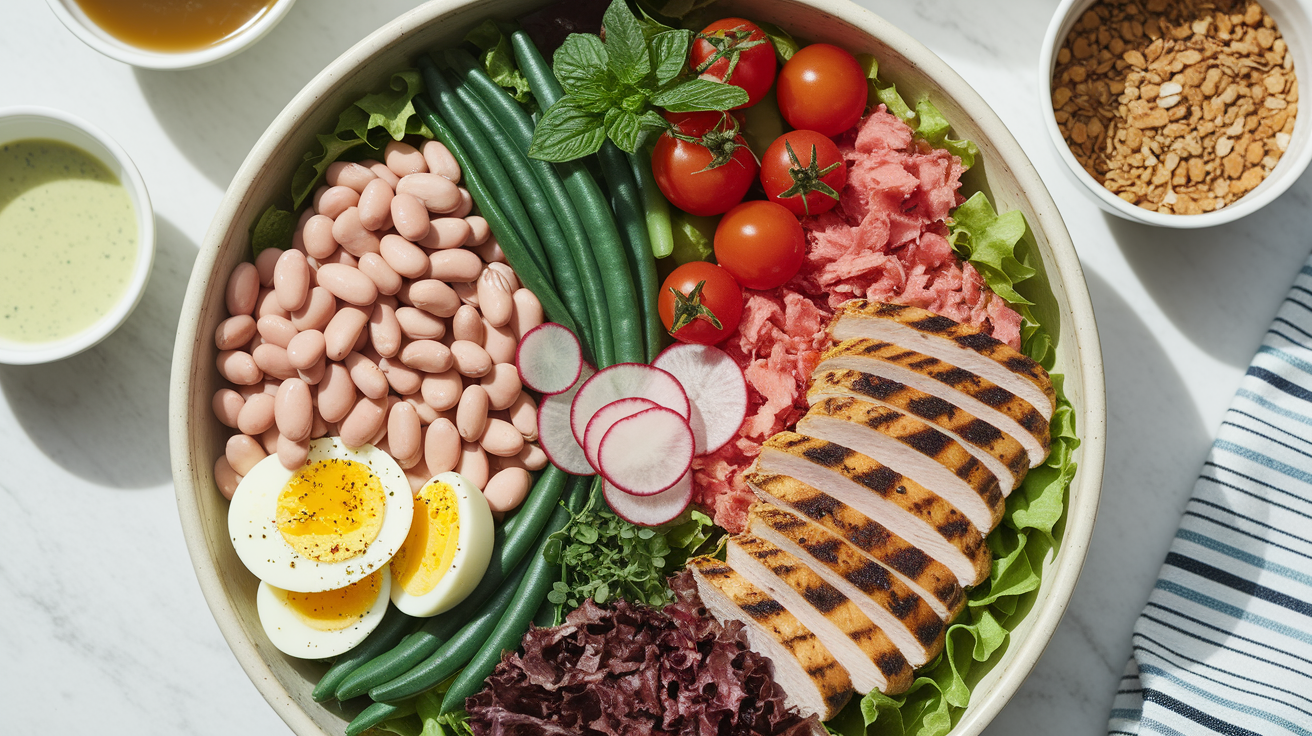
White Bean and Tuna Salad with Basil Vinaigrette combines canned white beans, canned tuna, jammy soft-boiled eggs, blanched green beans, cherry tomatoes, and a simple basil-shallot vinaigrette. The beans and eggs add protein and fiber, the tuna adds savory richness, and the vinaigrette ties it all together. The complete salad stays under 400 calories and works hot or cold, so you can meal-prep it for three days and eat it straight from the fridge.
Smoked Trout Salad uses smoked trout as a lean, protein-rich alternative to salmon and pairs it with boiled eggs, raw vegetables (cucumber, radish, bell pepper), and a lemon-dill dressing. Smoked trout has a lighter, less oily texture than salmon but still delivers omega-3s and a satisfying savory flavor. The complete salad comes in around 350 calories and feels elegant enough for company.
Steak and Rye Panzanella takes the Italian bread salad and makes it heartier by adding thin-sliced grilled flank steak. Toss cubes of toasted rye bread with cherry tomatoes, cucumber, red onion, fresh basil, and a red wine vinaigrette, then top with sliced steak. The bread soaks up the dressing and tomato juices, and the steak makes the salad feel like a complete meal. Keep the bread portion small and the steak portion to about four ounces to stay under 450 calories.
Greek Chicken Salad Bowl loads romaine lettuce, grilled chicken breast, cucumber, cherry tomatoes, red onion, olives, and a small amount of feta into one bowl, then dresses it with a light Greek vinaigrette made from lemon juice, oregano, and olive oil. The complete bowl comes in around 350 calories and delivers enough protein and fiber to keep you full for hours.
Crunchy Chinese Chicken Noodle Salad is a meal-prep favorite because the components keep separately in the fridge for days. Shred or dice cooked chicken breast, chop cabbage, carrots, bell peppers, and green onions, and store them in one container. Keep crunchy chow mein noodles and a sesame-ginger dressing in separate containers. When you’re ready to eat, toss everything together. The vegetables stay crisp, the chicken stays tender, and the noodles stay crunchy.
Ceviche with Baked Corn Tortillas is a light, refreshing, high-protein dinner that comes in around 333 calories per meal-size portion. Dice fresh white fish (like sea bass or halibut), toss with lime juice, diced red onion, cilantro, jalapeño, and diced tomato, then let it “cook” in the citrus for about 20 minutes. Serve with baked corn tortillas made by cutting corn tortillas into wedges, spraying lightly with oil, and baking at 200°C (375°F) for 10 to 15 minutes until crispy. Toss the tortillas halfway through and watch them closely after 10 minutes so they don’t burn. Each baked tortilla wedge adds about 60 calories, so you can have two or three and still stay under 450 calories total.
Soups and One-Pot Dinners for Easy Weeknights
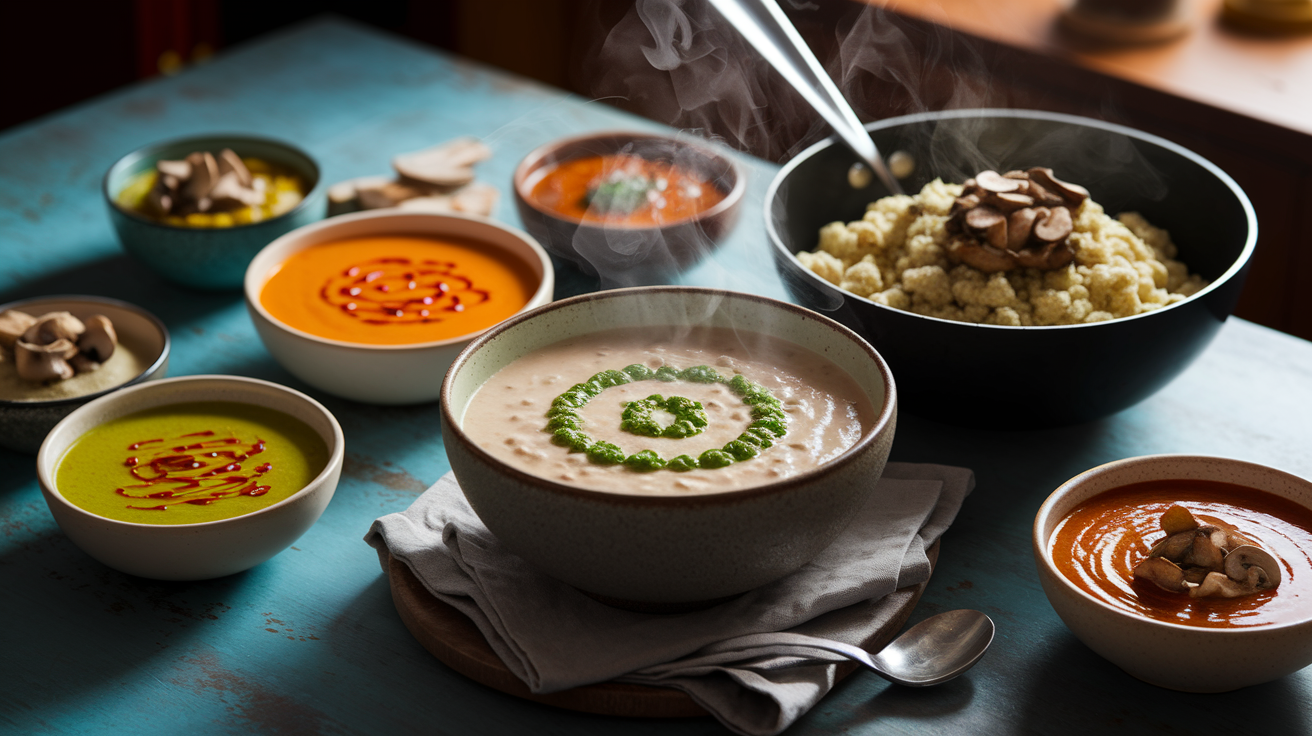
Slow-Cooker White Bean Soup with Pistou is a dump-and-go recipe that uses dried white beans, diced tomatoes, carrots, celery, garlic, and vegetable stock. Add everything to the slow cooker in the morning, set it on low for 8 hours, then finish with pistou, a French basil-garlic paste similar to pesto but without the nuts. The soup is high in fiber, filling, and comes in under 400 calories per big bowl. Make a double batch and freeze half for the week you don’t feel like cooking.
Hot and Sour Soup delivers 216 calories for a large bowl and uses tofu, shiitake mushrooms, and shredded chicken in a slightly thickened, spicy-sour broth. The soup is savory, tangy, and warming without any cream or heavy noodles. Add a few drops of sesame oil at the end for richness, and serve it as a complete meal or a starter before a lighter main.
Slow-Cooker Mexican Chicken Soup clocks in at 352 calories per big bowl and uses bone-in chicken thighs, black beans, corn, diced tomatoes, onion, garlic, cumin, and chili powder. Set it in the slow cooker in the morning, shred the chicken when you get home, and serve with a squeeze of lime and a handful of fresh cilantro. The soup is hearty, warming, and works for meal prep all week.
Sweet Potato Soup is creamy, slightly sweet, and savory all at once, and comes in at 337 calories per serving. Roast diced sweet potatoes with onion and garlic, then blend with vegetable stock and a small amount of coconut milk or Greek yogurt for creaminess. Season with cumin, smoked paprika, and a pinch of cayenne for warmth. The soup reheats well and freezes beautifully.
Mushroom Lover’s Soup incorporates mushrooms three ways: dried mushrooms soaked and blended into the broth, fresh mushrooms pureed for body, and roasted mushrooms as a topping. The layered mushroom flavor creates depth without any heavy cream. Add fresh thyme, garlic, and a splash of white wine, and you have a soup that tastes like it took hours but comes together in about 30 minutes. Serve with a slice of whole-grain bread to stay under 400 calories.
Egg Roll in a Bowl replicates the filling of a Chinese egg roll without the fried wrapper and comes in at 300 to 350 calories per serving. Cook lean ground chicken or turkey with shredded cabbage, garlic, ginger, low-sodium soy sauce, and a small drizzle of sesame oil. The cabbage wilts down and soaks up the seasonings, and the meat adds protein. Compare that to an 800+ calorie egg roll from takeout and you see the difference.
Cauliflower Fried Rice is a meal-size portion at 288 calories and uses riced cauliflower as the base. Stir-fry the cauliflower rice with scrambled egg, frozen peas and carrots, garlic, ginger, and low-sodium soy sauce. Add cooked shrimp, diced chicken, or tofu for extra protein. The texture mimics fried rice well enough that you won’t miss the real thing, and the calorie savings are significant.
Sheet-Pan and Oven-Baked Dinners
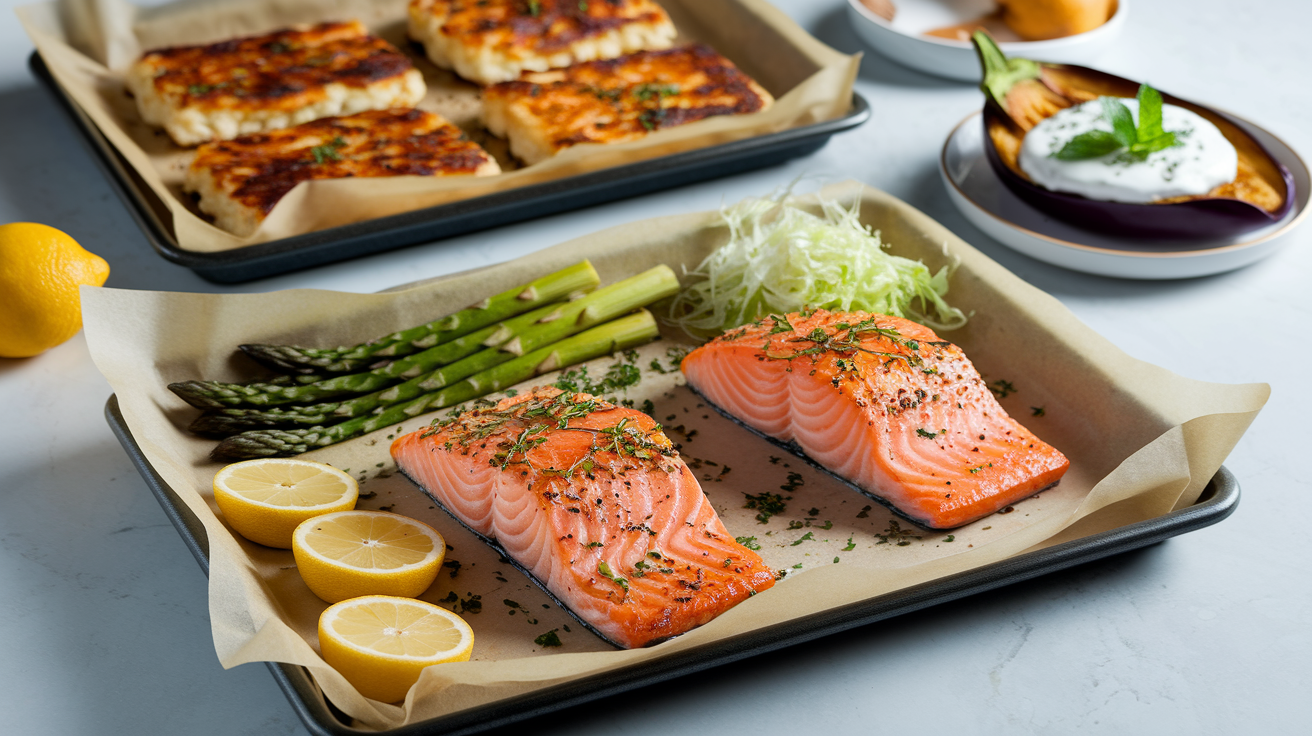
Sheet Pan Okonomiyaki is a Japanese savory pancake baked on a sheet pan and comes in under 400 calories per serving. Mix shredded cabbage, grated carrot, green onions, a small amount of flour, eggs, and dashi or vegetable stock, spread it on a parchment-lined sheet pan, and bake at 200°C (400°F) for about 20 minutes. Top with a drizzle of low-sodium soy sauce, a squeeze of kewpie mayo (use sparingly), and bonito flakes if you have them. The okonomiyaki is crispy on the edges, soft in the center, and kid-approved according to reader feedback.
Moroccan Stuffed Eggplant roasts two eggplant halves and fills them with Moroccan-spiced lamb or beef, then bakes until the eggplant is tender and the filling is browned. The complete meal comes in around 450 calories and feels rich and satisfying without any heavy sauces or cheese. Top with a dollop of Greek yogurt and a sprinkle of fresh mint before serving.
Baked Salmon with Asparagus is a one-pan dinner that comes in at 350 to 400 calories per serving. Place salmon fillets and asparagus spears on a sheet pan, drizzle with olive oil, season with lemon slices, garlic, salt, and pepper, then bake at 200°C (400°F) for about 12 to 15 minutes until the salmon is cooked through and the asparagus is tender. Squeeze extra lemon over the top before serving.
How to Build a Low-Calorie Plate That Keeps You Full
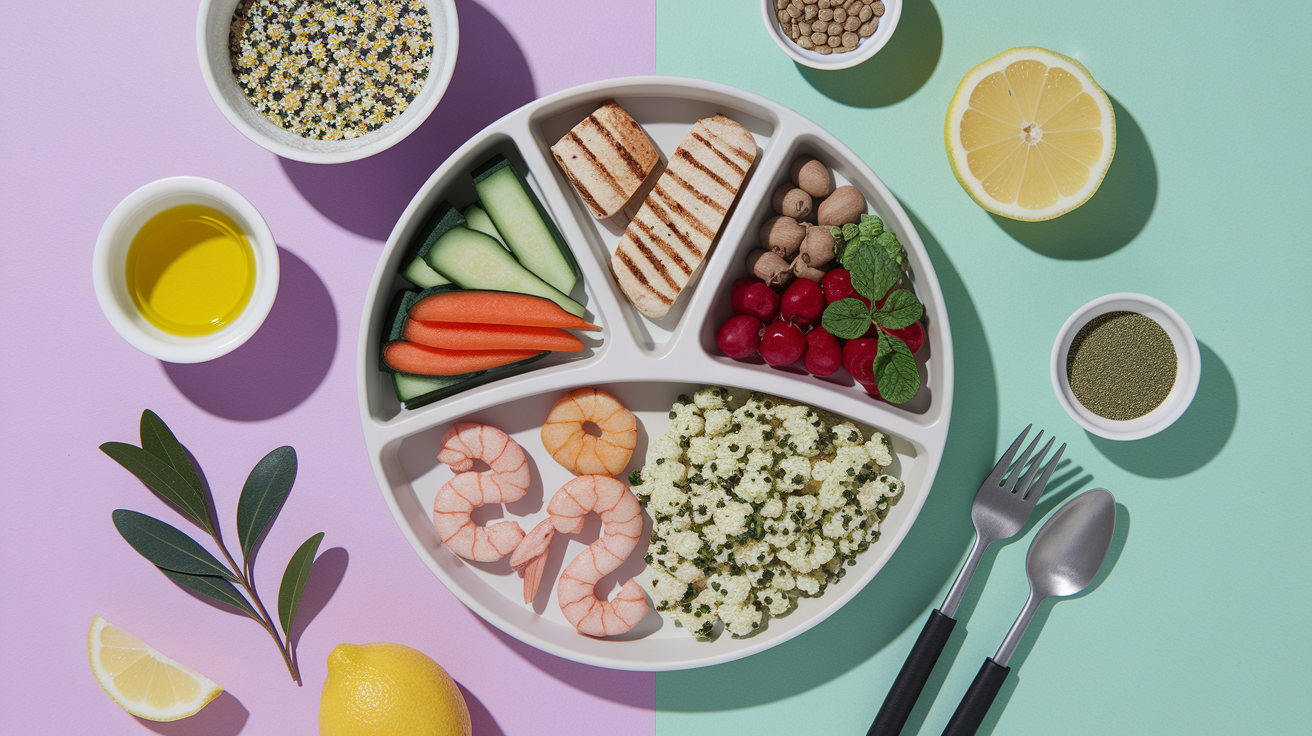
Start with half your plate covered in non-starchy vegetables. Think broccoli, cauliflower, zucchini, bell peppers, asparagus, green beans, leafy greens, mushrooms, cabbage, or bok choy. These vegetables are high in water and fiber, which means they fill your stomach without adding many calories.
Add a palm-sized portion of lean protein, about 120 to 180 grams (4 to 6 ounces) cooked weight. Chicken breast, turkey, white fish, shrimp, salmon, tofu, tempeh, or legumes like lentils and chickpeas all work. Protein keeps you full longer and helps preserve muscle when you’re in a calorie deficit.
Use a small amount of healthy fat for cooking or dressing. A teaspoon of olive oil, a spray of avocado oil, or a tablespoon of tahini or almond butter adds flavor and helps you absorb fat-soluble vitamins. Keep the fat moderate because it’s calorie-dense. One tablespoon of oil is about 120 calories.
Add a modest portion of whole grains or starchy vegetables if you need the energy. A half-cup of cooked brown rice, quinoa, or sweet potato adds fiber and keeps your blood sugar steady. If you’re trying to keep the meal as low-calorie as possible, swap the grains for cauliflower rice, zucchini noodles, or spaghetti squash.
Season aggressively with herbs, spices, citrus, vinegar, and aromatics like garlic and ginger. These ingredients add flavor without calories and make the difference between a meal you tolerate and a meal you look forward to.
Low-Calorie Swaps That Actually Work
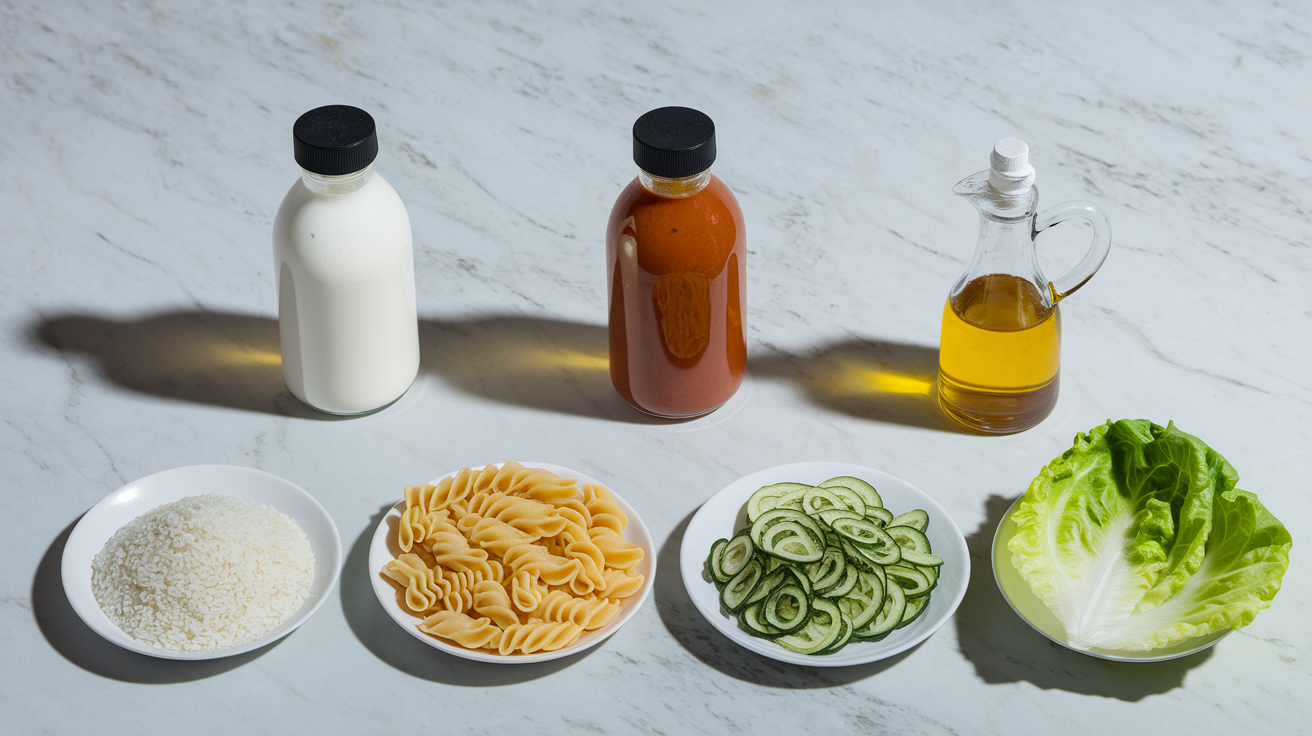
| Instead of This | Use This | Calorie Savings |
|---|---|---|
| 1 cup white rice (200 kcal) | 1 cup cauliflower rice (35 kcal) | ~165 kcal |
| 2 cups pasta (400 kcal) | 2 cups spiralized zucchini (66 kcal) | ~334 kcal |
| Flour tortilla (150 kcal) | Butter lettuce wrap (5 kcal) | ~145 kcal |
| Heavy cream in soup (100 kcal per 1/4 cup) | Greek yogurt (35 kcal per 1/4 cup) | ~65 kcal |
| Sugary bottled stir-fry sauce (100+ kcal per serving) | Low-sodium soy sauce + ginger + garlic (10 kcal) | ~90 kcal |
| Oil for pan-frying (120 kcal per tablespoon) | Olive oil spray (10 kcal per spray) | ~110 kcal |
These swaps don’t make the meal taste like diet food. They just cut the calories where you won’t miss them and leave room for the parts that matter: protein, vegetables, and flavor.
Meal-Prep and Shopping Tips to Make It Easier
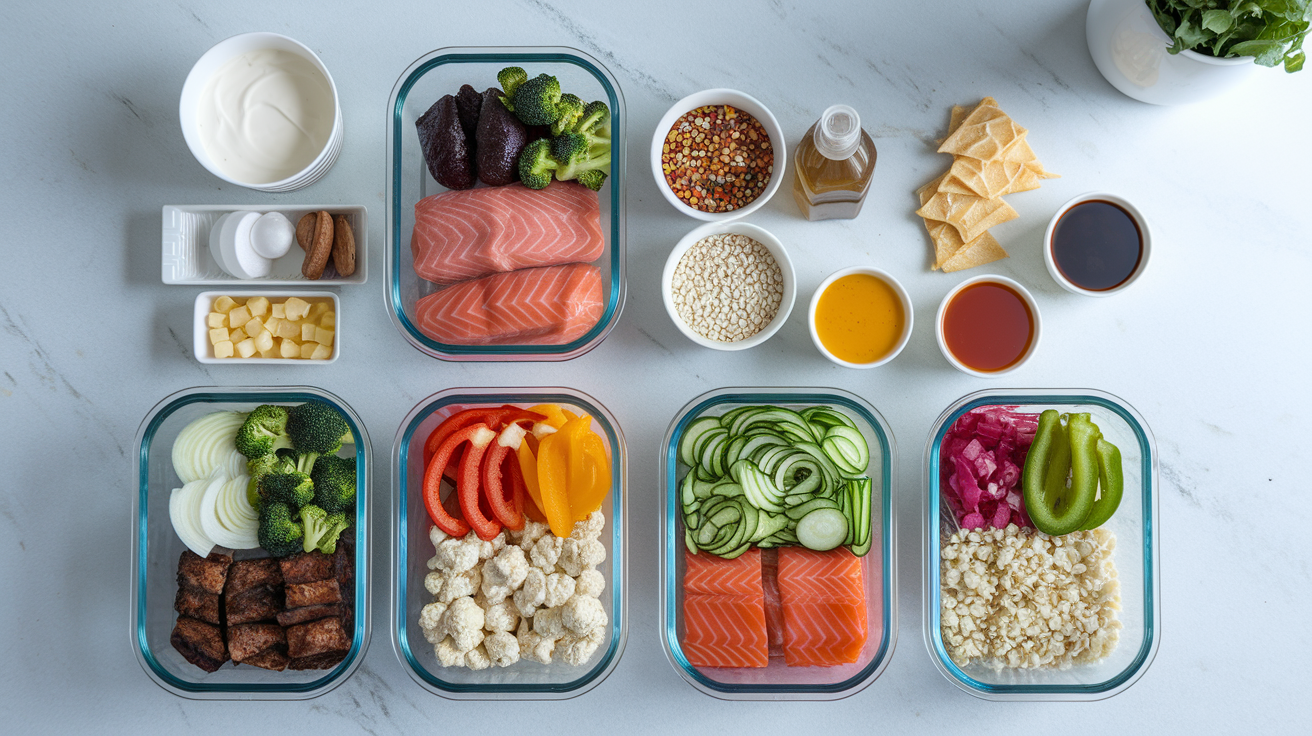
Batch-cook your protein on Sunday. Grill or bake a few chicken breasts, roast a sheet pan of salmon, or cook a pound of lean ground turkey. Store the cooked protein in the fridge and use it throughout the week in salads, wraps, stir-fries, and soups.
Prep your vegetables ahead of time. Spiralize zucchini and store it in the fridge for up to three days. Make cauliflower rice in bulk and freeze it in portion-sized bags. Chop bell peppers, onions, and broccoli and keep them ready to toss on a sheet pan or into a stir-fry.
Use oil sprays instead of pouring oil from a bottle. A one-second spray adds about 10 calories, while a tablespoon of oil adds 120 calories. The spray coats the pan or vegetables just as well and keeps the calorie count low.
Buy low-sodium soy sauce, no-added-sugar marinara, and plain Greek yogurt. These staples let you control the sodium and sugar in your meals without sacrificing flavor. A jar of marinara can range from 60 to 150 calories per half-cup depending on added sugar, so read the labels.
Keep frozen vegetables on hand. Frozen broccoli, green beans, peas, and spinach are just as nutritious as fresh and don’t go bad in three days. Toss them into soups, stir-fries, or sheet-pan dinners straight from the freezer.
Store salad components separately. Keep chopped vegetables, cooked protein, crunchy toppings like nuts or crispy noodles, and dressing in separate containers. Assemble the salad when you’re ready to eat so the greens stay crisp and the toppings stay crunchy.
What a Week of Low-Calorie Dinners Actually Looks Like
Monday: Grilled lemon herb chicken with steamed broccoli (320 kcal). Simple, fast, sets the tone for the week.
Tuesday: Turkey lettuce wraps with shredded carrots and green onions (300 kcal). Light, crunchy, easy to assemble after work.
Wednesday: Zucchini noodles with marinara and grilled shrimp (330 kcal). Feels like pasta night without the calorie load.
Thursday: Slow-cooker white bean soup with pistou (380 kcal). Made Sunday, reheated Thursday, still tastes great.
Friday: Sheet pan chicken fajitas with roasted peppers and onions (400 kcal). One pan, minimal cleanup, weekend mood.
Saturday: Baked salmon with asparagus (380 kcal). Quick enough for a Saturday night, fancy enough to feel special.
Sunday: Egg roll in a bowl with ground turkey and cabbage (320 kcal). Uses ingredients you already have, preps in under 20 minutes.
Every meal stays under 500 calories. Every meal includes lean protein and at least two servings of vegetables. Every meal uses simple cooking methods and ingredients you can find at any grocery store.
How to Add Flavor Without Adding Calories
Marinades made from citrus juice, vinegar, garlic, and herbs add flavor and tenderize meat without adding fat. Fresh orange and lime juice work especially well with flank steak and chicken. Let the meat sit in the marinade for at least 30 minutes, or overnight if you have time.
Roast your vegetables instead of steaming them. Roasting caramelizes the natural sugars and adds depth without any butter or cream. Toss vegetables with a light spray of oil, season with salt, pepper, and spices, then roast at 220°C (425°F) until the edges brown and crisp.
Use fresh herbs generously. Basil, cilantro, parsley, mint, dill, and chives add brightness and complexity without any calories. Toss them into salads, stir them into soups, or sprinkle them over finished dishes.
Add heat with fresh chili, red pepper flakes, or hot sauce. Spicy food feels more satisfying and exciting, and the capsaicin might even give your metabolism a tiny boost.
Finish dishes with a squeeze of lemon or lime. The acid brightens flavors and makes everything taste fresher and more complete.
Use small amounts of intensely flavored ingredients like capers, olives, sun-dried tomatoes, miso paste, or fish sauce. A teaspoon or two adds big flavor without many calories.
Toast your spices before adding them to a dish. Dry-toast cumin seeds, coriander seeds, or fennel seeds in a pan for 30 seconds until fragrant, then grind and add to your recipe. The toasting intensifies the flavor and makes even simple dishes taste layered.
When to Add a Small Portion of Carbs
If you’re training hard, walking a lot, or just feel low-energy on super low-carb dinners, add a small portion of whole grains or starchy vegetables. A half-cup of cooked brown rice, quinoa, farro, or sweet potato adds about 100 to 120 calories and helps you recover and sleep better.
Pair the carbs with protein and vegetables so your blood sugar stays steady. A piece of grilled chicken, roasted sweet potato, and steamed broccoli is a balanced plate that keeps you full and energized.
If your goal is fat loss and you’re sedentary most days, you can skip the grains and use cauliflower rice, zucchini noodles, or extra vegetables instead. You’ll stay full on the fiber and protein without the extra carbs.
Listen to your body. If you’re consistently hungry an hour after dinner, add a small carb portion. If you’re losing weight steadily and feeling good, keep doing what you’re doing.
Family-Friendly Adjustments That Don’t Require Two Dinners
Make the base meal low-calorie and let other people add their own toppings. Cook sheet pan chicken fajitas with peppers and onions, then set out small bowls of shredded cheese, sour cream, guacamole, and tortillas. You eat yours over lettuce, they build theirs into a loaded burrito.
Serve pasta-based meals with a mix of zucchini noodles and real pasta. Toss half zucchini noodles and half cooked pasta with marinara and meatballs. You take the zoodle-heavy portion, they take the pasta-heavy portion.
Keep sauces and dressings on the side. Roast a big batch of vegetables and chicken, then let everyone dress their own plate. You use a squeeze of lemon and a drizzle of balsamic, they use ranch or cheese sauce.
Offer a small carb side that others can add. Make cauliflower fried rice for yourself and a small pot of white rice for everyone else. They add rice to their plate, you skip it.
Focus on recipes that are naturally kid-friendly and flavorful. Sheet pan okonomiyaki, turkey lettuce wraps, and baked salmon with asparagus all work for the whole family when you season them well and don’t make a big deal about the fact that they’re low-calorie.
We jumped right into the fix: the outline stalled because the avoid-words list was missing, so the post focused on what to do next and how to keep moving.
You got simple steps: define the words you want to avoid, pick a short template for content or meal planning, and use a one-page checklist to keep things consistent.
Try one small action this week — prep one batch or swap one ingredient. That single habit makes planning low calorie meals easier and keeps momentum going.
FAQ
Q: What food is filling but low in calories?
A: Filling but low-calorie foods are high-volume, fiber, or water-rich options like leafy greens, cruciferous veggies, broth soups, berries, air-popped popcorn, Greek yogurt, legumes, and lean fish.
Q: What is a filling but low-calorie dinner?
A: A filling but low-calorie dinner is a lean protein with lots of vegetables and a fiber source — for example grilled salmon, roasted broccoli, and a side of lentils or a big mixed salad.
Q: What is the lowest calorie meal to eat?
A: The lowest calorie meal to eat is mostly water and veggies, like a large broth-based vegetable soup or a huge salad with leafy greens, cucumber, tomatoes, and a small portion of lean protein.
Q: Can you lose weight on 1200 calories a day meal?
A: You can lose weight on a 1,200-calorie-a-day meal plan if it creates a calorie deficit, but it might be too low for many people — ask a health professional, especially if active.