
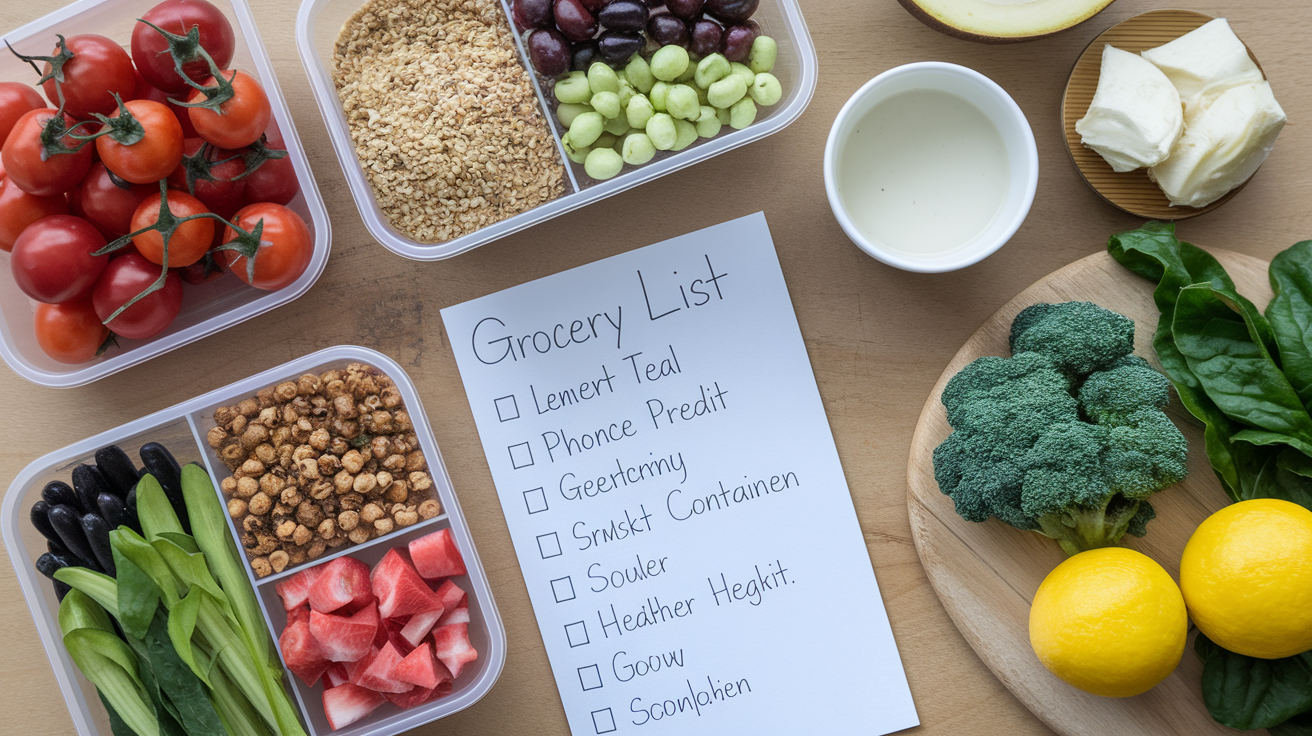
What if losing fat didn’t mean a week of rigid rules, long recipes, or endless calorie counting?
This 7-Day Simple Fat Loss Meal Plan for Beginners gives you a ready-to-use week of breakfasts, lunches, dinners, and snacks built around palm-sized proteins, veggies or fruit, and reasonable carbs and fats.
No food scale or app required, just simple swaps and a little prep so meals are quick and satisfying.
Follow this plan and you’ll cut the guesswork, keep protein high to protect muscle, and create a steady, manageable calorie gap that fits real life.
7-Day Beginner-Friendly Fat Loss Meal Plan Overview
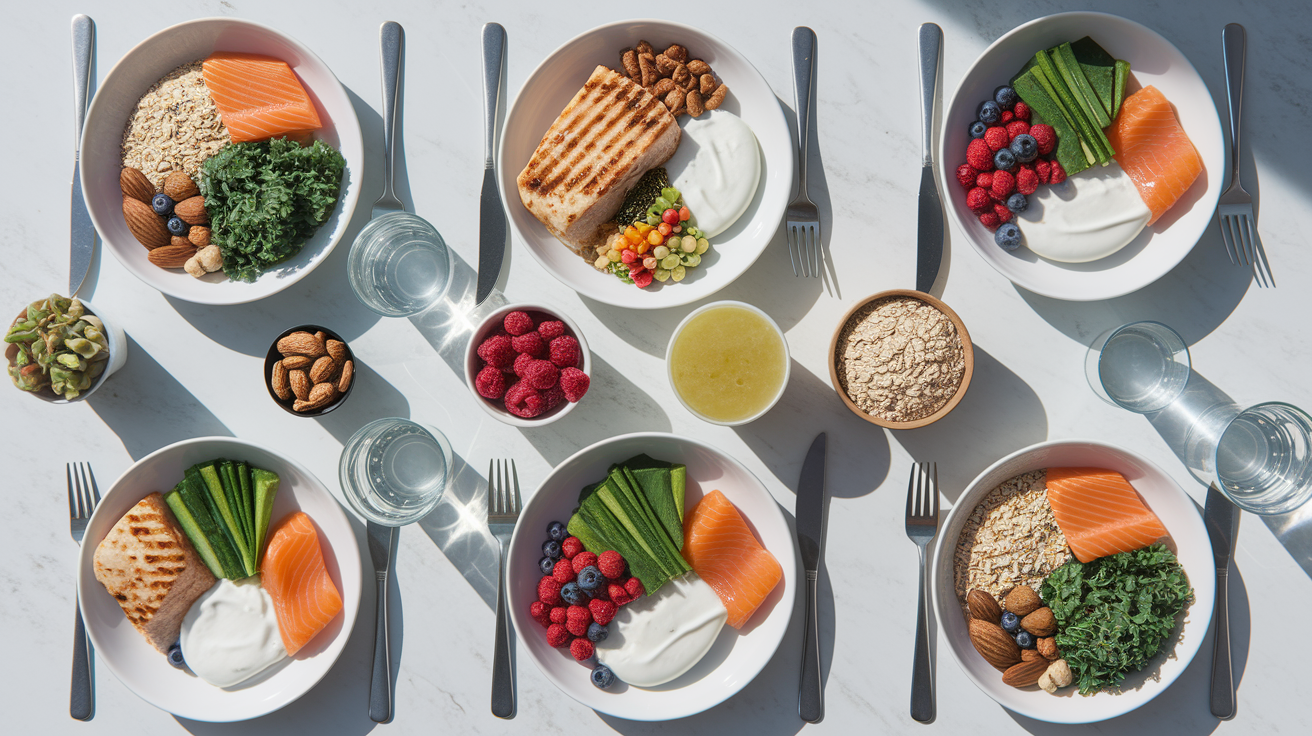
Here’s a complete weekly plan designed to keep cooking simple, portions realistic, and results consistent. Each day includes three meals and one snack, built around whole foods, lean protein, and fiber-rich carbs. The structure eliminates guesswork while giving you enough variety to stay interested without making seven trips to the grocery store.
| Day | Breakfast | Lunch | Dinner | Snack |
|---|---|---|---|---|
| Monday | 3 scrambled eggs with spinach + 1 slice whole-grain toast | Grilled chicken breast + large mixed salad + 1 tbsp olive oil dressing | Baked salmon + steamed broccoli + 1/2 cup brown rice | Greek yogurt + handful mixed berries |
| Tuesday | 1/2 cup oats cooked with milk + 1 scoop protein powder + banana slices | Turkey lettuce wraps with avocado, tomato, mustard | Lean ground beef stir-fry with bell peppers, zucchini + small portion noodles | 1 boiled egg + handful almonds |
| Wednesday | Cottage cheese bowl with cucumber, cherry tomatoes, black pepper | Tuna salad in whole-grain pita + mixed greens | Baked chicken thighs + roasted sweet potato + asparagus | Protein shake or small portion edamame |
| Thursday | Omelette (2 egg whites + 1 whole egg) with mushrooms and feta | Lentil soup + whole-grain crackers + small salad | Grilled white fish + cauliflower rice + green beans | Low-fat string cheese + small apple |
| Friday | Smoothie: protein powder, frozen berries, spinach, almond milk | Grilled chicken Caesar salad with light dressing | Turkey meatballs with marinara over zucchini noodles | 2 rice cakes + 2 tbsp almond butter |
| Saturday | Veggie-packed egg muffins (make-ahead friendly) | Grilled protein bowl: rice, beans, salsa, shredded chicken | Grilled protein meal (restaurant or home), skip bread basket, add extra veggies | Dark chocolate square + small handful walnuts |
| Sunday | Protein pancakes (oats, banana, eggs blended and cooked) | Leftovers from the week + fresh salad | Light white bean and kale soup with lean chicken broth | Same as previous days or prep snacks for next week |
Every meal follows the same basic setup: a palm-sized portion of protein, at least one serving of vegetables or fruit, and a reasonable amount of whole grains or healthy fats. You’re not weighing everything on a food scale or logging every bite in an app. The calorie range lands around 1,400 to 1,600 per day for most people, creating a deficit without the kind of hunger that makes you want to eat the fridge at 3 p.m. Protein sits around 100 to 120 grams daily, which keeps you full between meals and protects muscle while your body burns stored fat. Cooking these same meals a few times across the week makes you faster and more confident in the kitchen.
Daily Meal Breakdown With Simple Recipes
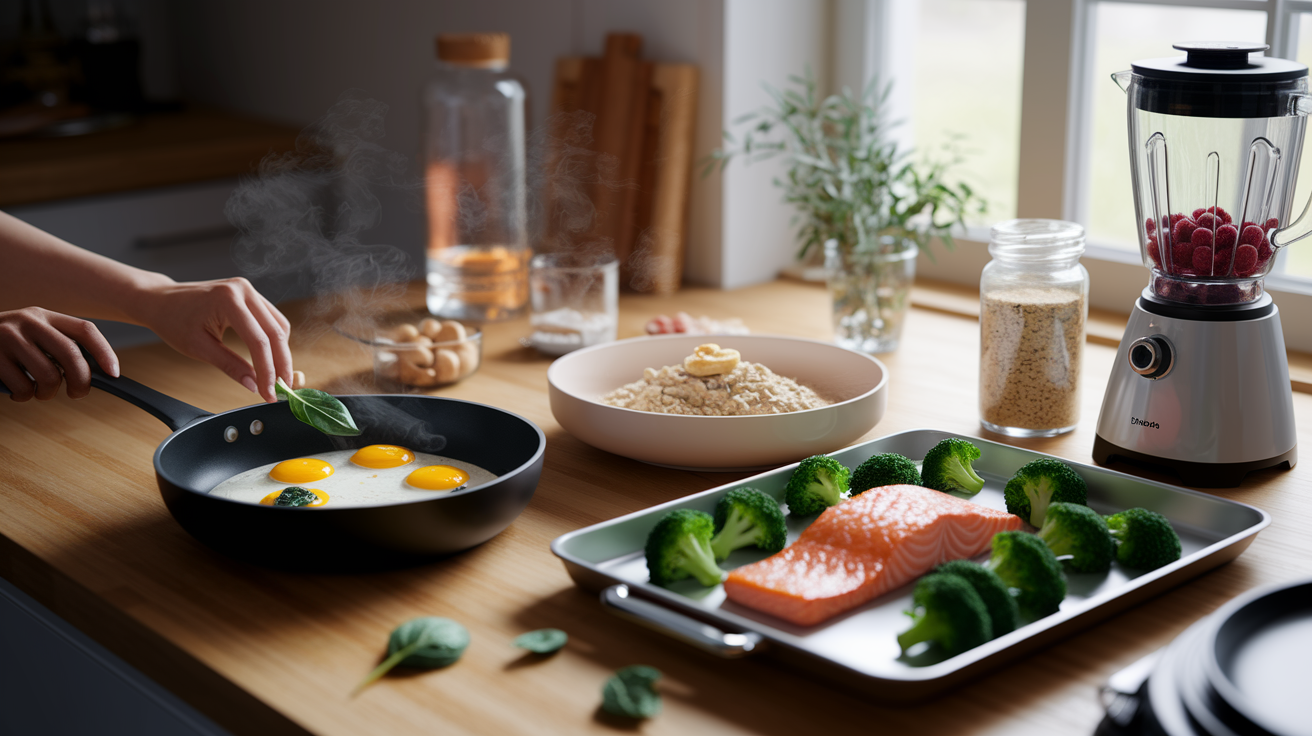
None of these need chef-level skills or ingredient lists that look like a culinary school syllabus. You’ll scramble, bake, grill, blend. Most meals take under 20 minutes once your ingredients are ready.
Breakfast Basics
For scrambled eggs and spinach, whisk three eggs in a bowl, heat a nonstick pan over medium with a little cooking spray, pour in the eggs, stir gently until they’re just set, then fold in a handful of fresh spinach until it wilts. Serve with one slice of toasted whole-grain bread. Oats with protein powder starts with half a cup of old-fashioned oats simmered in three-quarters cup of milk for about five minutes. Pull it off the heat, stir in one scoop of vanilla or unflavored protein powder, top with banana slices. The cottage cheese bowl is even faster. Half a cup of plain cottage cheese, diced cucumber, a handful of cherry tomatoes, cracked black pepper. Done.
Quick Lunch Options
Grilled chicken salad uses a four-ounce chicken breast seasoned with salt, pepper, garlic powder, grilled or baked until it hits 165°F inside. Slice it over three cups of mixed greens, cherry tomatoes, cucumber. Dress with one tablespoon of olive oil mixed with lemon juice or vinegar. Turkey lettuce wraps ditch the tortilla. Lay out large romaine or butter lettuce leaves, add two to three ounces of sliced deli turkey or leftover roasted turkey, top with avocado slices, diced tomato, a stripe of mustard. Roll and eat. Tuna salad mixes one can of drained tuna with a tablespoon of plain Greek yogurt or a bit of mayo, diced celery, squeeze of lemon. Stuff it into a whole-grain pita pocket with greens on the side.
Simple Dinners
Baked salmon is a four-ounce fillet drizzled with olive oil, salt, pepper, squeeze of lemon, laid on a lined baking sheet at 400°F for 12 to 15 minutes until it flakes with a fork. Serve with a cup of steamed broccoli and half a cup of cooked brown rice. The stir-fry browns four ounces of lean ground beef or turkey in a hot skillet, then you toss in sliced bell peppers and zucchini, season with low-sodium soy sauce and garlic powder, serve over a small portion of whole-grain noodles or cauliflower rice. Turkey meatballs come from mixing one pound of ground turkey with one egg, a quarter cup of breadcrumbs or oats, Italian herbs, salt, pepper. Roll into 12 to 14 balls, bake at 375°F for 20 minutes, simmer in marinara, serve over spiralized zucchini noodles.
Healthy Snacks
Plain unsweetened Greek yogurt works best. Half to three-quarters cup, handful of fresh or frozen berries. If you want a little sweetness, half a teaspoon of honey. A boiled egg with almonds means one hard-boiled egg (batch-cook eight to ten on Sunday) plus 10 to 12 raw almonds for protein and healthy fat. Rice cakes with almond butter gives you crunch and satisfaction. Spread two tablespoons of almond or peanut butter on two plain rice cakes. For a quick protein shake, blend one scoop of protein powder with a cup of unsweetened almond milk, handful of spinach, half a frozen banana.
Beginner Shopping List for the Week
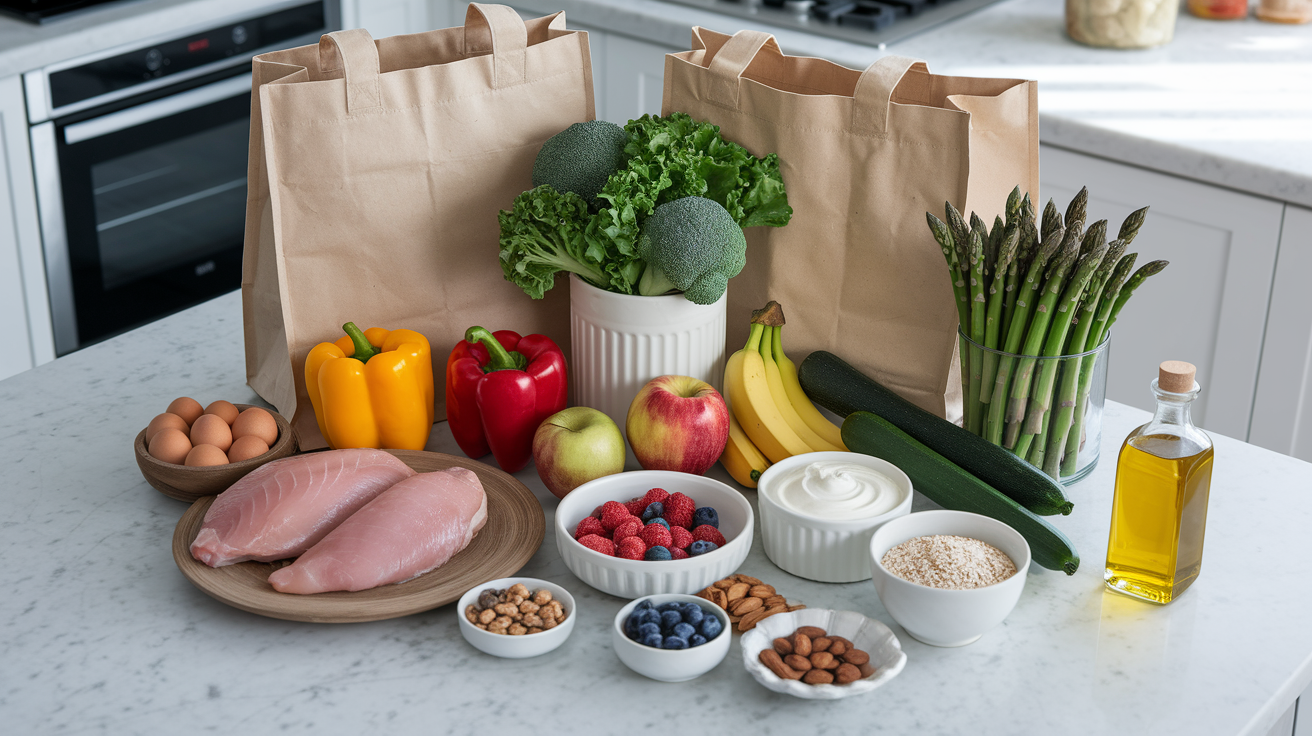
Buying exactly what you need keeps you from late-night pantry raids that end with a bowl of cereal instead of the dinner you planned. A focused list also keeps your budget predictable and your fridge organized enough that vegetables don’t turn into forgotten experiments.
Proteins
• 2 to 3 pounds boneless skinless chicken breast
• 1 to 1.5 pounds salmon or white fish fillets
• 1 pound lean ground beef or turkey
• 14 large eggs
• 2 cans tuna (5 to 6 ounces each)
Vegetables
• 1 large bag mixed greens or spinach (10 to 14 cups total)
• 1 pound fresh broccoli
• 3 bell peppers
• 2 medium zucchini
• 1 pound asparagus or green beans
Fruits
• 7 bananas
• 2 small apples
• 1 to 2 pints fresh or frozen mixed berries
Whole Grains and Starches
• 1 loaf whole-grain bread or 1 package whole-grain tortillas
• 1 bag brown rice or quinoa (dry, about 1 to 1.5 cups dry yields 3 to 4 cups cooked)
• 1 small box old-fashioned oats
• 1 package whole-grain crackers
Snacks and Staples
• 24 to 32 ounces plain Greek yogurt
• 6 to 8 ounces raw almonds or mixed nuts
• Small jar natural almond or peanut butter
• 1 small bottle olive oil
• Low-sodium chicken or vegetable broth
Most of this fits a weekly budget of $40 to $70 depending on where you shop and whether you go fresh or frozen on vegetables. If salmon feels pricey, swap in more chicken or canned tuna a couple times that week. Frozen berries cost less than fresh and work just as well in yogurt or smoothies.
Meal Prep Tips to Stay On Track
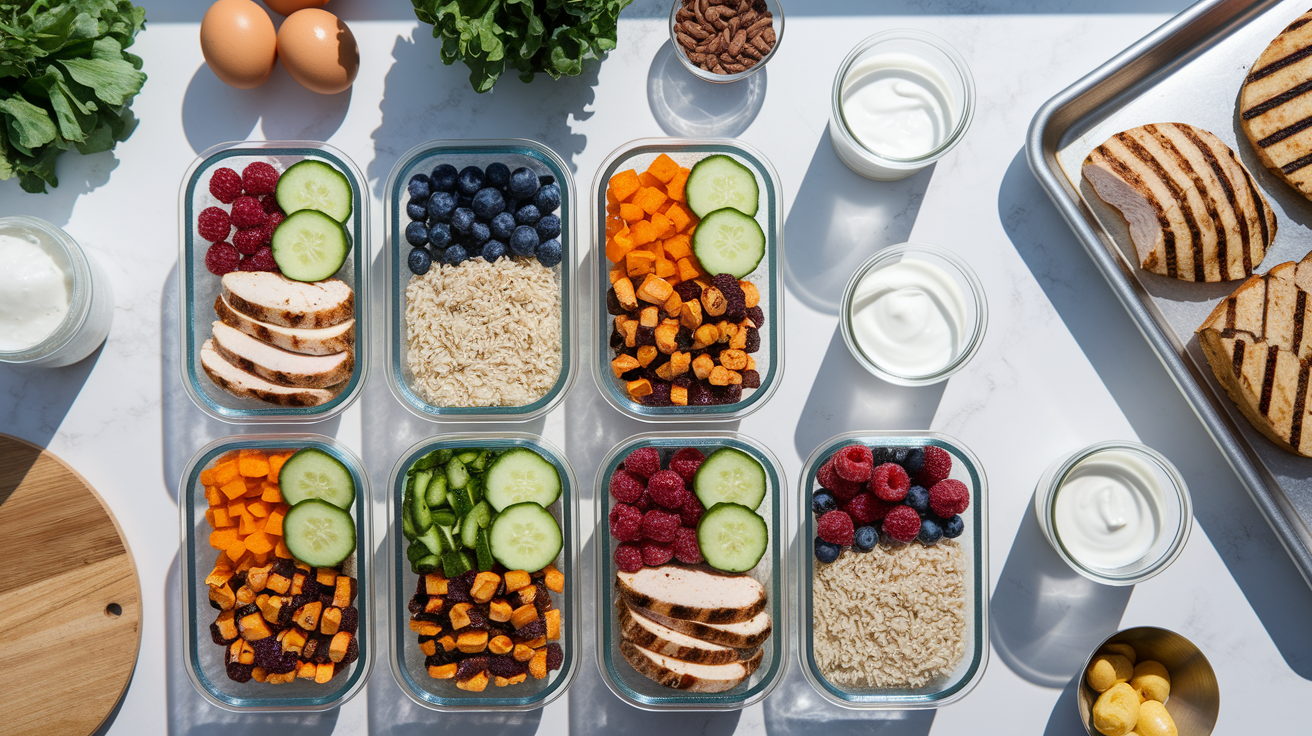
The gap between sticking to a plan and eating whatever’s fastest usually comes down to whether your meals are already half-ready when hunger shows up. An hour on Sunday makes every weekday lunch and dinner a five-minute assembly instead of a full cooking session when you’re already tired.
Batch-cook your proteins first. Season and bake two to three chicken breasts at once, let them cool, slice or cube, store in portioned containers. One four-ounce serving per container gives you grab-and-go protein for salads, wraps, bowls. Hard-boil eight to ten eggs at the start of the week. Keep them in the fridge with shells on so they stay fresh longer. Cook a big pot of brown rice or quinoa. Three to four cups of cooked grains portioned into half-cup servings can sit in the fridge for up to four days or freeze for up to three months.
Wash and chop your vegetables right after you get home from the store. Dice bell peppers, slice cucumbers, trim broccoli. Store each in separate airtight containers with a paper towel to absorb moisture. Leafy greens stay crisp if you keep them in their original bag or a ventilated container. Portion out snacks like Greek yogurt into small jars, divide almonds into 10-to-12-nut servings in snack bags, pre-measure almond butter into small containers if you can’t be trusted with a jar and a spoon.
Quick time-savers:
• Sheet pan cooking lets you roast chicken and vegetables at the same time. One pan, one cleanup.
• Egg muffins (scrambled eggs baked in a muffin tin with diced veggies) made on Sunday turn into grab-and-go breakfasts all week.
• Freeze extra portions of soups, chili, cooked grains in single-serve containers so you’ve always got a backup meal.
• Label containers with the day of the week or the date you cooked it. Eat refrigerated meals within three to four days. Pull frozen portions the night before to thaw in the fridge.
Nutritional Guidelines for Simple Fat Loss
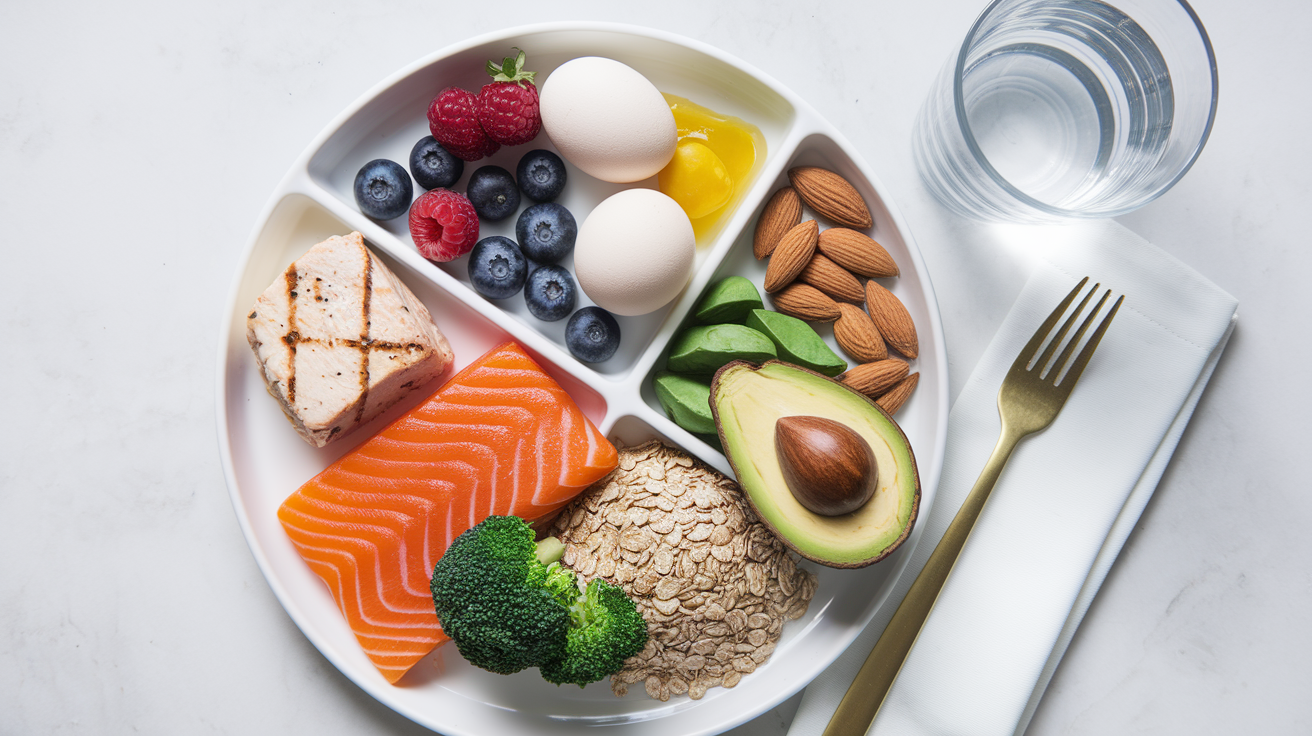
Fat loss happens when you eat slightly less energy than your body uses each day. That deficit doesn’t need to be huge. Most beginners see steady progress with a daily shortfall of 300 to 500 calories, which usually results in losing about half a pound to one pound per week. This plan creates that gap naturally by focusing on high-protein, high-fiber whole foods that fill you up on fewer calories than processed snacks or restaurant meals hiding extra fats and sugars.
Protein does more than most people think. Your body burns more calories digesting protein than it does breaking down carbs or fat. Processing protein uses up about 20 to 30 percent of the calories it contains. Carbs take 5 to 10 percent. Fat takes almost none. Shooting for 20 to 30 grams of protein per meal (roughly three to four ounces of cooked chicken, fish, or a few eggs) keeps you full longer, protects your muscle while you lose fat, gives your metabolism a small but real boost throughout the day. Pair that protein with fiber from vegetables and whole grains. Fiber slows digestion, stabilizes blood sugar, adds volume to meals without packing in calories.
Hydration supports every part of fat loss. It helps your body metabolize stored fat and cuts down on the false hunger signals that show up when you’re actually just thirsty. Aim for at least eight cups of water per day as a baseline. More if you’re active or it’s warm outside. Drinking a glass before meals can help with portion control too.
| Nutrient | Role in Fat Loss | Example Foods |
|---|---|---|
| Protein | Preserves muscle, increases satiety, higher thermic effect during digestion | Chicken, salmon, eggs, Greek yogurt, lean beef, turkey |
| Fiber | Slows digestion, stabilizes blood sugar, adds meal volume with minimal calories | Broccoli, spinach, berries, oats, brown rice, beans, whole-grain bread |
| Healthy Fats | Supports hormone production, increases nutrient absorption, provides lasting energy | Olive oil, avocado, almonds, walnuts, salmon |
Final Words
You now have a full, easy weekly plan ready to use. The article laid out the complete 7-day menu so you can scan and pick meals fast.
We also walked through simple recipes, a beginner shopping list, meal prep tips, and the nutrition basics that make fat loss sustainable.
Use this 7-day simple fat loss meal plan for beginners to get started, tweak as needed, and collect small wins all week. You’ve got this.
FAQ
Q: What is a 7-day beginner-friendly fat loss meal plan?
A: A 7-day beginner-friendly fat loss meal plan is a simple weekly menu with easy breakfasts, lunches, dinners, and snacks that creates structure and repeatable meals for steady progress without overwhelm.
Q: How does this 7-day plan support fat loss for beginners?
A: This 7-day plan supports fat loss by creating a modest calorie deficit, emphasizing protein and vegetables, and using consistent portions to help you lose weight while keeping energy and hunger manageable.
Q: How do I follow the daily meal breakdown and simple recipes?
A: The daily meal breakdown and simple recipes show quick steps: pick a core protein, add a vegetable and whole grain or healthy fat, and use one-pan or 10–20 minute methods to save time.
Q: What should be on my shopping list for the week?
A: Your shopping list for the week includes lean proteins (chicken, beans), vegetables (spinach, broccoli), fruits (apples, berries), whole grains (oats, brown rice), and snacks like yogurt and nuts.
Q: How can meal prep help me stay on track?
A: Meal prep helps you stay on track by saving time, reducing last-minute choices, and enforcing portion control—batch-cook proteins, chop veggies, and pre-portion meals into containers for grab-and-go simplicity.
Q: How do I portion meals for fat loss?
A: To portion meals for fat loss, aim for a palm-sized protein, two cupped handfuls of vegetables, one fist of whole grains, and a thumb of healthy fat per meal on most days.
Q: What storage tips keep meals fresh?
A: Storage tips to keep meals fresh include cooling foods before sealing, using airtight containers, labeling with dates, keeping salads separate until serving, and freezing portions you won’t eat within three days.
Q: How do calorie deficit and macronutrients work for fat loss?
A: Calorie deficit and macronutrients work for fat loss by eating fewer calories than you burn while prioritizing protein to preserve muscle, balancing carbs for energy, and including healthy fats for fullness.
Q: How much should I drink each day while following this plan?
A: You should drink water throughout the day, aiming for about eight cups as a simple target, more if you’re active or hot, and sip with meals to support appetite control and digestion.
Q: Can I swap meals or adjust the plan for dietary preferences or restrictions?
A: You can swap meals or adjust the plan by matching protein, vegetables, and grains—swap chicken for tofu, dairy yogurt for plant-based options, or choose gluten-free grains while keeping portions similar.
Q: How do I choose healthy snacks from the plan?
A: To choose healthy snacks from the plan, pick protein-forward options like Greek yogurt or nuts, add a fruit or veggie for fiber, and keep portions to one serving to avoid extra calories.
Q: When should I see a professional about nutrition or weight loss?
A: You should see a professional about nutrition or weight loss if you have medical conditions, major weight changes, disordered eating concerns, or need a tailored plan beyond general beginner guidance.