What if you could snack and still lose fat — without feeling hungry?
You don’t have to pick between cravings and progress; choosing snacks built on protein, fiber, and healthy fats keeps you full and helps you stay in a calorie deficit.
In this post you’ll get six grab-and-go options with exact portions and calories, a simple macro framework, and three easy recipes you can batch prep.
Read on to learn snacks that let you bridge meals, control hunger, and keep progress steady, even on busy days.
Immediate Fat‑Loss Snack Solutions With Portion Sizes and Calories
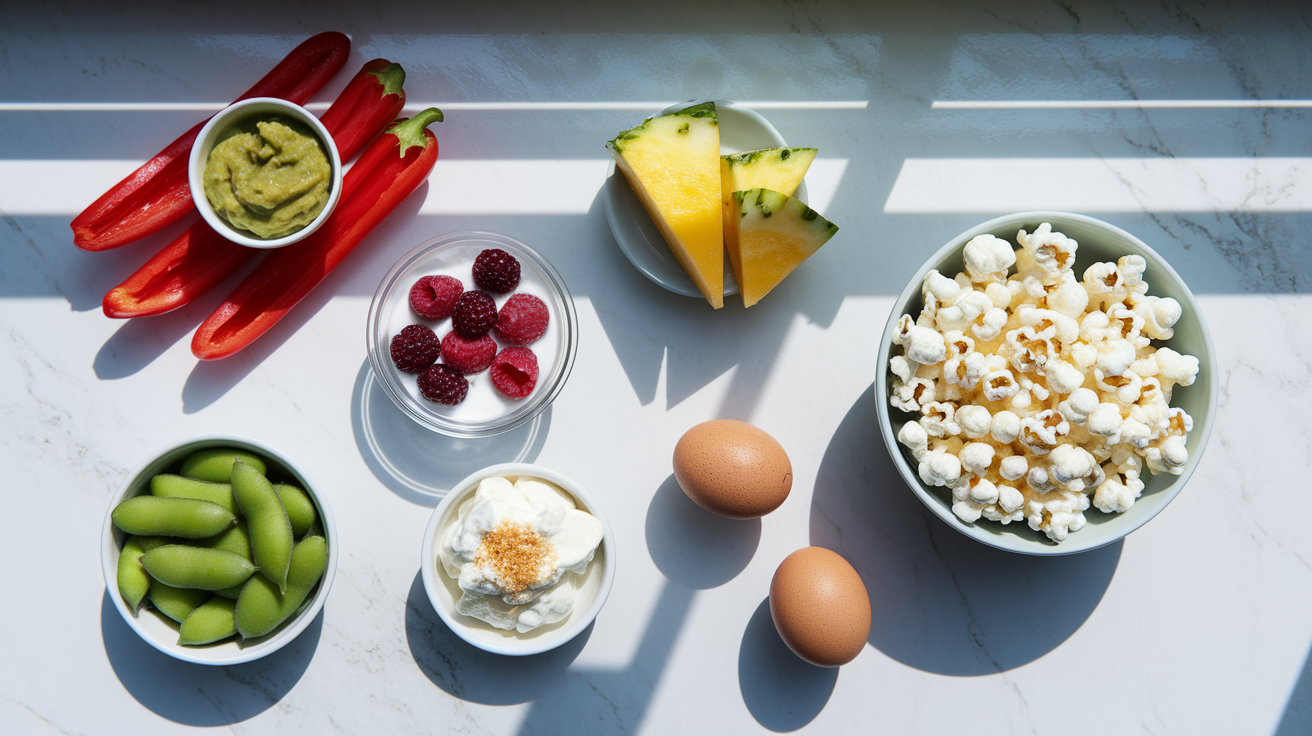
• Red bell pepper with guacamole – 1 large red bell pepper + ¼ cup (60 g) guacamole, under 200 kcal. Fiber and water from pepper plus healthy fats from avocado increase satiety.
• Greek yogurt and mixed berries – Single serving Greek yogurt (about 12 g protein) + mixed berries, under 200 kcal. High protein yogurt slows digestion, berries add fiber and antioxidants.
• Cottage cheese and fruit – 1 cup cottage cheese (25 g protein) + pineapple or papaya, about 200 kcal. Very high protein for satiety, pair with fiber rich fruit for balance.
• Air popped popcorn with Parmesan – 3 cups air popped popcorn + 1 tablespoon grated Parmesan, under 130 kcal. High volume whole grain snack with fiber plus protein from cheese.
• Hard boiled eggs – 2 large eggs, about 156 kcal and 12 g protein. Portable, high quality protein that promotes fullness and helps preserve lean mass.
• Edamame – 1 cup steamed edamame, about 18 g protein and 8 g fiber, roughly 200 kcal. Complete plant based protein with high fiber for satiety and muscle maintenance.
These six snacks work because they combine protein, fiber, and healthy fats in portions that support fat loss without triggering hunger an hour later. When you eat cottage cheese with its 25 grams of protein per cup, you slow digestion and extend fullness. Same goes when you pair air popped popcorn’s 4 grams of fiber with a small amount of Parmesan for protein and flavor.
The calorie ranges stay under or around 200 kilocalories per snack. That makes it easy to fit two or three snacks into your day without breaking your deficit. A half avocado in your guacamole delivers about 120 kilocalories of healthy fats, while three cups of air popped popcorn come in under 100 before you add a light sprinkle of cheese or nutritional yeast.
Blood sugar regulation improves when you choose snacks built on protein and fiber instead of refined carbs alone. Greek yogurt’s 12 grams of protein per half cup serving prevents the sharp insulin spike that often leads to rebound hunger. Edamame’s combination of 18 grams of protein and 8 grams of fiber per cup creates a steady energy release that keeps cravings in check.
Plan your snacks for mid morning around 10 to 11 AM or mid afternoon around 3 to 4 PM to bridge the gap between meals. Use the protein plus fiber rule every time. Add at least one source of each to maximize satiety and avoid reaching for a second snack thirty minutes later.
Macro‑Balanced Snack Framework for Fat Loss
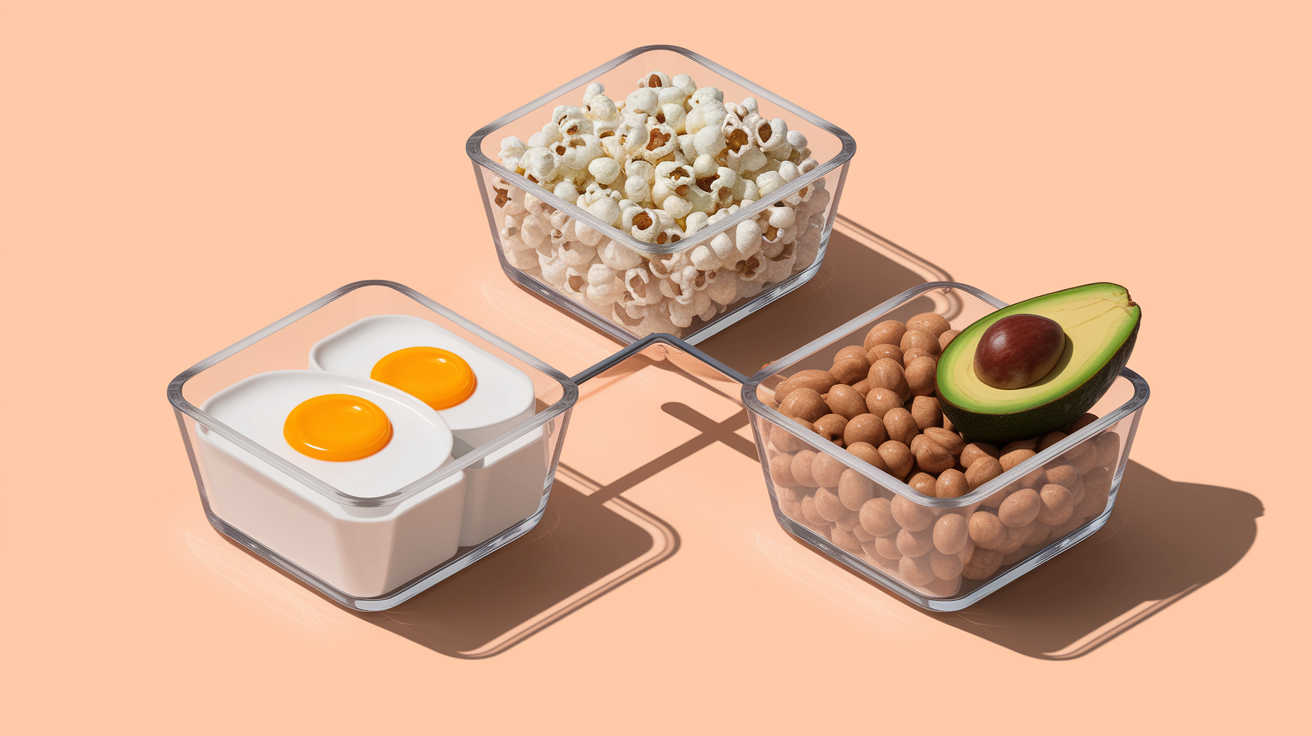
A macro based approach eliminates confusion by organizing snacks into three clear categories: protein focused, fiber focused, and healthy fat options. Instead of hunting through endless snack lists wondering which choice will actually keep you full, you pick one item from each category or combine two categories in a single snack to hit your satiety targets.
Protein‑Focused Snacks
Protein is the single most effective macronutrient for increasing satiety and preserving lean muscle mass during a caloric deficit. When you eat Greek yogurt with its 12 grams of protein per half cup serving, you trigger the release of satiety hormones that signal fullness to your brain. Cottage cheese delivers an even bigger protein punch at 25 grams per cup, making it one of the highest protein snacks you can grab from the refrigerator.
Edamame offers 18 grams of protein plus 8 grams of fiber in a single cup. That’s two satiety drivers in one steamed snack. Hard boiled eggs provide about 12 grams of protein in two large eggs, and they travel well in a lunchbox or bag. Turkey roll ups with cheese and vegetables add lean protein from deli turkey plus extra protein and fat from cheese, all without the carbs from bread.
Protein focused snacks work best when you need to extend fullness for three to four hours or when you’re recovering from a workout and want to support muscle repair. Aim for at least 10 to 15 grams of protein per snack to feel the satiety effect.
Fiber‑Focused Snacks
Fiber slows gastric emptying. Your stomach takes longer to pass food into your intestines and you feel full longer. Roasted chickpeas deliver 6 grams of fiber per half cup serving along with plant based protein, creating a crunchy snack that satisfies the urge to munch. Air popped popcorn offers 4 grams of fiber in a generous three cup serving, letting you eat a large volume for minimal calories.
Apples contain about 3 grams of fiber each. When you pair apple slices with peanut butter you combine fruit fiber with healthy fats and plant protein to curb hunger. Whole grain crackers with at least 3 grams of fiber per serving make a better base than refined crackers because they slow digestion and prevent blood sugar spikes.
Fiber focused snacks are your best option when you want to add volume without adding many calories. They work especially well in the mid afternoon when you need something to chew and keep your hands busy without blowing your calorie budget.
Healthy‑Fat Snacks
Healthy fats increase the release of satiety hormones and slow the rate at which your stomach empties. That extends the time between snacks and meals. Half a medium avocado contains about 120 kilocalories of monounsaturated fats, and when you sprinkle it with salt and cayenne you create a quick, filling snack that requires zero cooking.
One ounce (28 grams) of mixed nuts provides protein, fiber, and healthy fats in a portable package, but you must measure the portion because nuts are calorie dense. Two tablespoons of peanut or almond butter is the maximum portion that keeps most people under 200 kilocalories while still delivering satiety from fat and protein.
Healthy fat snacks work best when combined with fiber or protein. Eating a handful of almonds alone might leave you wanting more in an hour, but pairing those almonds with an apple or a few whole grain crackers creates a more balanced snack that keeps hunger at bay longer.
When you combine protein, fiber, and healthy fats in a single snack, you hit all three satiety pathways at once. Greek yogurt with berries and a sprinkle of almonds, or cottage cheese with pineapple and a few walnuts, delivers the trifecta that makes it easy to wait three to four hours before your next meal without feeling deprived.
Easy Homemade Fat‑Loss Snack Recipes
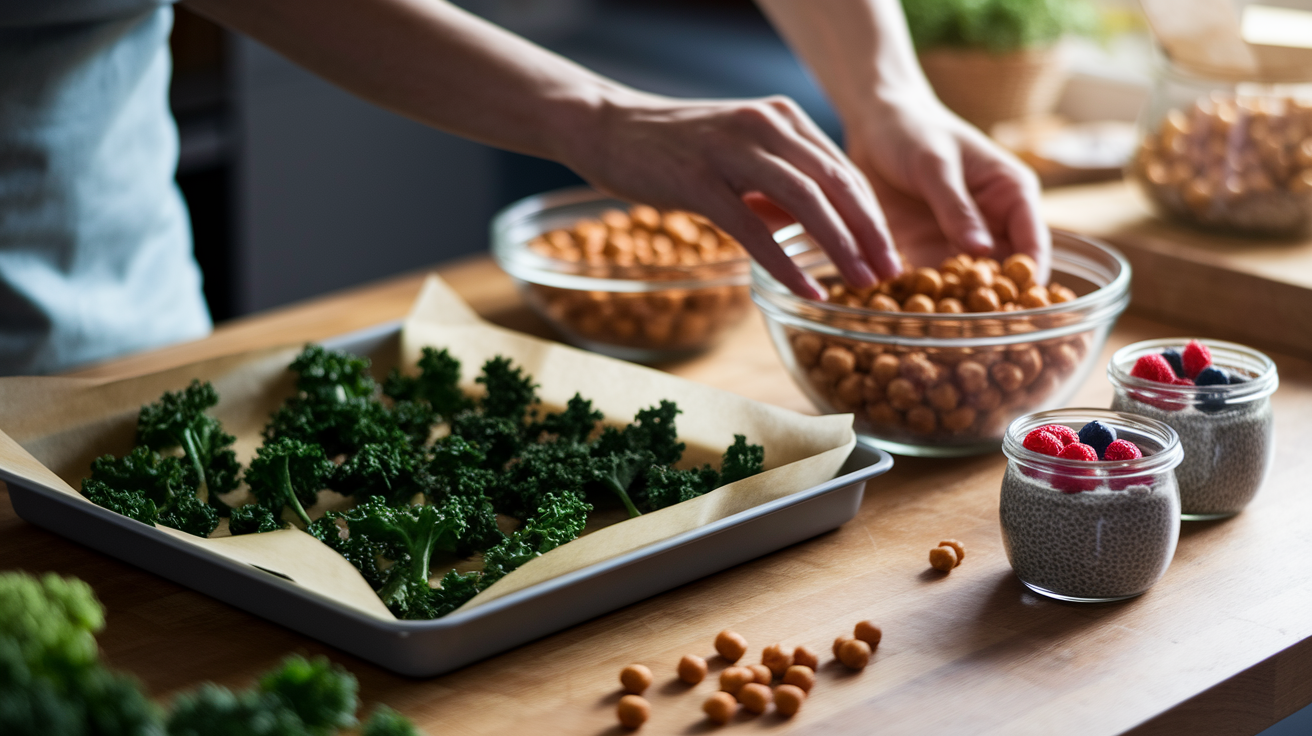
Homemade snacks let you control portion sizes, skip added sugars, and batch prep three to five days of grab and go options in one cooking session. The three recipes below require minimal skill and basic ingredients you probably already have.
Kale Chips
Preheat your oven to 275 to 300°F for a slow, even bake that crisps the kale without burning it. Tear one bunch of kale into bite sized pieces, removing the thick stems, and toss the leaves in 1 to 2 teaspoons of olive oil until they’re lightly coated.
Spread the kale in a single layer on a baking sheet lined with parchment paper, season with sea salt and optional garlic powder or smoked paprika, and bake for 10 to 20 minutes. Check at the 10 minute mark and rotate the pan if your oven has hot spots. The chips are done when the edges are crispy but not browned.
Kale chips deliver fiber, antioxidants, and minerals in a low calorie package. The small amount of olive oil adds just enough fat to improve the absorption of fat soluble vitamins. Store finished chips in an airtight container for up to three days, though they’re best eaten the same day.
Roasted Chickpeas
Drain and rinse one 15 ounce can of chickpeas, then pat them dry with a clean towel to remove excess moisture so they crisp up in the oven. Toss the chickpeas with 1 tablespoon of olive oil and your choice of spices. Smoked paprika, cumin, garlic powder, and a pinch of cayenne work well.
Spread the chickpeas on a baking sheet in a single layer and roast at 400°F for 25 to 35 minutes, shaking the pan every 10 minutes to ensure even browning. They’re ready when they’re golden and crunchy on the outside.
A half cup serving of roasted chickpeas provides about 6 grams of fiber and plant based protein, making them a satisfying crunchy snack that travels well in a small container.
High‑Protein Chia Pudding or Smoothie
For chia pudding, mix 2 to 3 tablespoons of chia seeds with 1 cup of milk or unsweetened plant milk in a jar, stir well to prevent clumping, and refrigerate for at least two hours or overnight. The chia seeds absorb the liquid and form a gel like texture that’s filling and rich in fiber and omega 3 fatty acids.
For a high protein smoothie, combine one scoop of protein powder or half a cup of Greek yogurt with one serving of fruit, a handful of spinach or kale, and optional healthy fats like a tablespoon of nut butter or a quarter of an avocado. Blend until smooth and aim for 15 to 25 grams of protein per smoothie to maximize satiety.
Both options let you prep multiple servings at once, and you can adjust flavors with cinnamon, vanilla extract, or a small drizzle of honey to keep your taste buds from getting bored.
Portable Snack Ideas for Work, Travel, and Busy Schedules
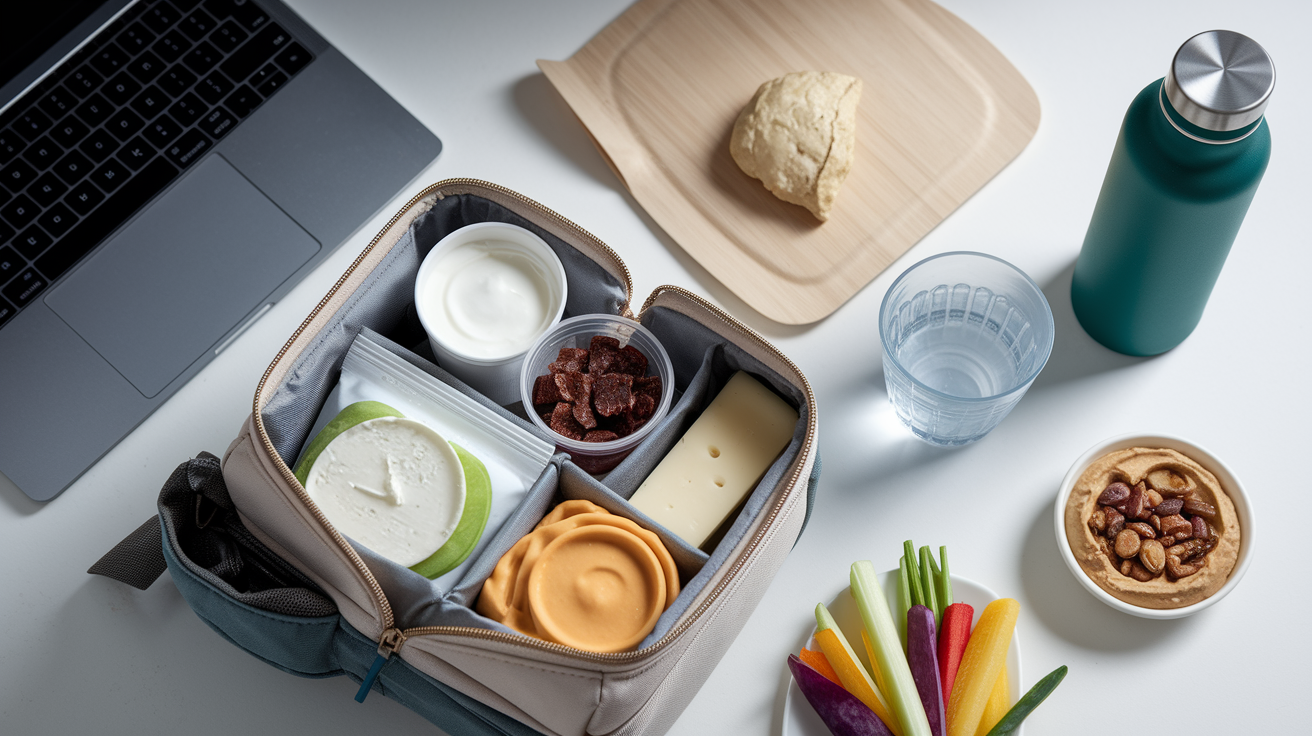
Portable snacks solve the problem of reaching for vending machine chips or convenience store candy when hunger hits between meetings or during a long commute. The key is choosing snacks that don’t require refrigeration, won’t spill in your bag, and deliver enough protein or fiber to keep you satisfied until your next meal.
Single serve packaging makes portion control automatic and prevents the mistake of eating half a bag of trail mix in one sitting. Pre portioned Greek yogurt cups, cheese sticks, and small bags of nuts fit easily into a lunch box or desk drawer. You know exactly how many calories you’re eating without needing to measure.
| Snack | Portion | Calories |
|---|---|---|
| Low sodium beef or turkey jerky | 1 oz | 60–90 kcal |
| Greek yogurt (single serve) | 5–6 oz | 100–150 kcal |
| Raw mixed nuts | 1 oz (~23 almonds) | 160–170 kcal |
| Unsweetened dried fruit | ¼ cup | 80–120 kcal |
| Low fat cheese stick | 1 stick | 50–80 kcal |
Look for jerky with less than 300 milligrams of sodium per serving to avoid water retention that can mask fat loss on the scale. Freeze dried fruit in 15 to 20 gram servings delivers 40 to 70 kilocalories with concentrated fruit flavor and fiber, and it won’t bruise or leak in your bag the way fresh fruit sometimes does.
Prep snacks three to five days ahead by hard boiling a batch of eggs, dividing nuts into one ounce portions in small zip top bags, and washing and cutting vegetables to pair with pre portioned hummus or guacamole cups. Sunday evening prep means you grab a ready made snack on Monday morning instead of skipping it and arriving at lunch ravenous.
Low‑Sugar Sweet Snack Alternatives That Support Fat Loss
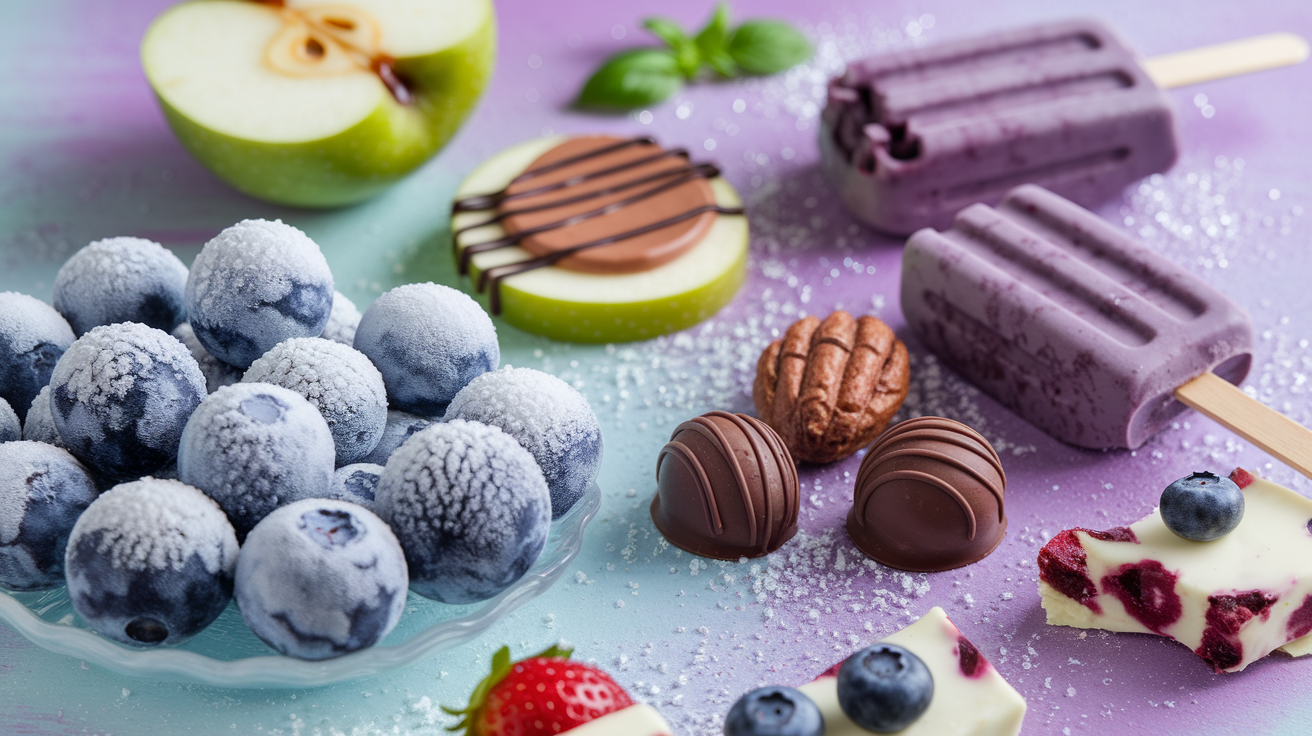
Sweet cravings don’t disappear when you’re losing fat, but you can satisfy them with snacks that deliver sweetness from fruit or small amounts of dark chocolate instead of refined sugar that spikes blood glucose and leaves you hungry again thirty minutes later. Low sugar sweet snacks keep your taste buds happy without blowing your calorie budget.
Frozen yogurt covered blueberries combine the natural sweetness of berries with a coating of Greek yogurt for 80 to 120 kilocalories per half cup serving. Dip fresh blueberries in plain Greek yogurt, freeze them on a parchment lined tray for two hours, and store them in a freezer safe container for a grab and go treat that feels indulgent.
• Apple slices with peanut butter and a light dark chocolate drizzle – 1 medium apple + 1 tablespoon peanut butter, about 190 to 220 kcal. Fruit fiber plus protein and healthy fat from peanut butter control sugar cravings.
• Dark chocolate covered almonds – 8 to 12 almonds with dark chocolate coating, about 100 to 140 kcal. Choose chocolate with low added sugar to get antioxidants and healthy fats without excess calories.
• Strawberry basil popsicle with cottage cheese – 1 popsicle plus ¼ cup cottage cheese, about 80 to 130 kcal. Fruit fiber plus optional cottage cheese protein lengthens satiety.
• Frozen blueberry yogurt bark – ½ to ¾ cup equivalent serving, about 100 to 150 kcal. Blend Greek yogurt with a small amount of honey or mashed banana, spread on a tray, top with blueberries, freeze, and break into pieces.
Using protein to anchor your sweet snacks reduces the speed at which sugar enters your bloodstream and keeps insulin levels more stable. Greek yogurt with berries or cottage cheese with pineapple delivers sweetness along with 12 to 25 grams of protein per serving, turning a potential sugar crash into a steady energy snack that keeps you full until dinner.
Snack Timing and Metabolism‑Supportive Choices
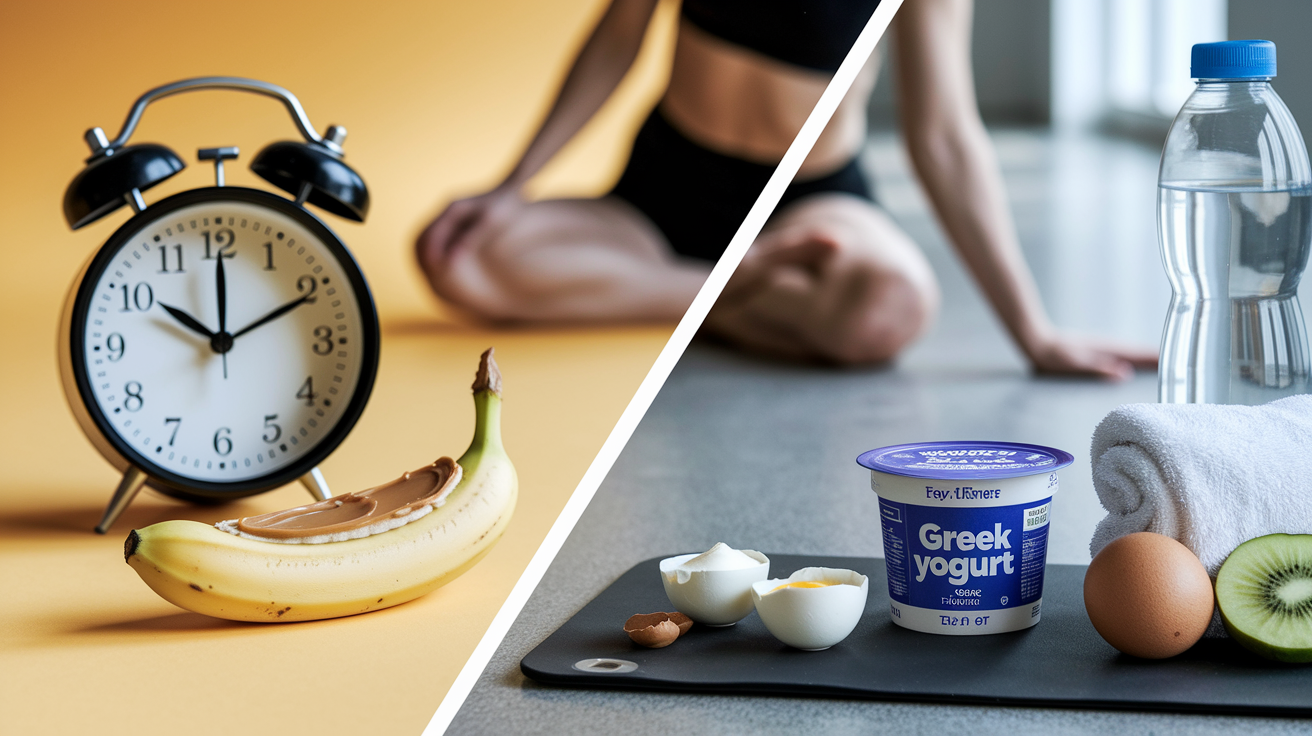
Timing your snacks to match your natural hunger rhythms prevents overeating at meals and keeps your energy stable throughout the day. Most people experience a dip in blood sugar and focus around 10 to 11 AM and again around 3 to 4 PM. Those windows are ideal for a planned snack that bridges the gap to your next meal.
Pre workout snacks should combine a small amount of carbohydrate for quick energy with a bit of protein to prevent muscle breakdown during your session. A banana with one tablespoon of nut butter eaten 30 to 60 minutes before training gives you easily digestible fuel without sitting heavy in your stomach. Apple slices with a cheese stick or a small handful of dried fruit with a few almonds work the same way.
Post workout snacks prioritize protein to support muscle repair and recovery. Ideally consumed within two hours of finishing your session. Greek yogurt, hard boiled eggs, or shrimp bites deliver the amino acids your muscles need to rebuild, and pairing them with a small portion of carbohydrate helps replenish glycogen stores if your workout was intense.
Long term studies support the role of strategic snacking in hunger regulation and weight management. A 2016 review in Advances in Nutrition found that snacks combining protein and fiber help reduce overeating at subsequent meals. A 20 year study of 120,000 adults linked diets higher in fruits, vegetables, yogurt, nuts, and whole grains with greater long term weight loss compared to diets heavy in chips, sugar sweetened drinks, and processed meats.
Smart Shopping and Portion Control for Fat‑Loss Snacks
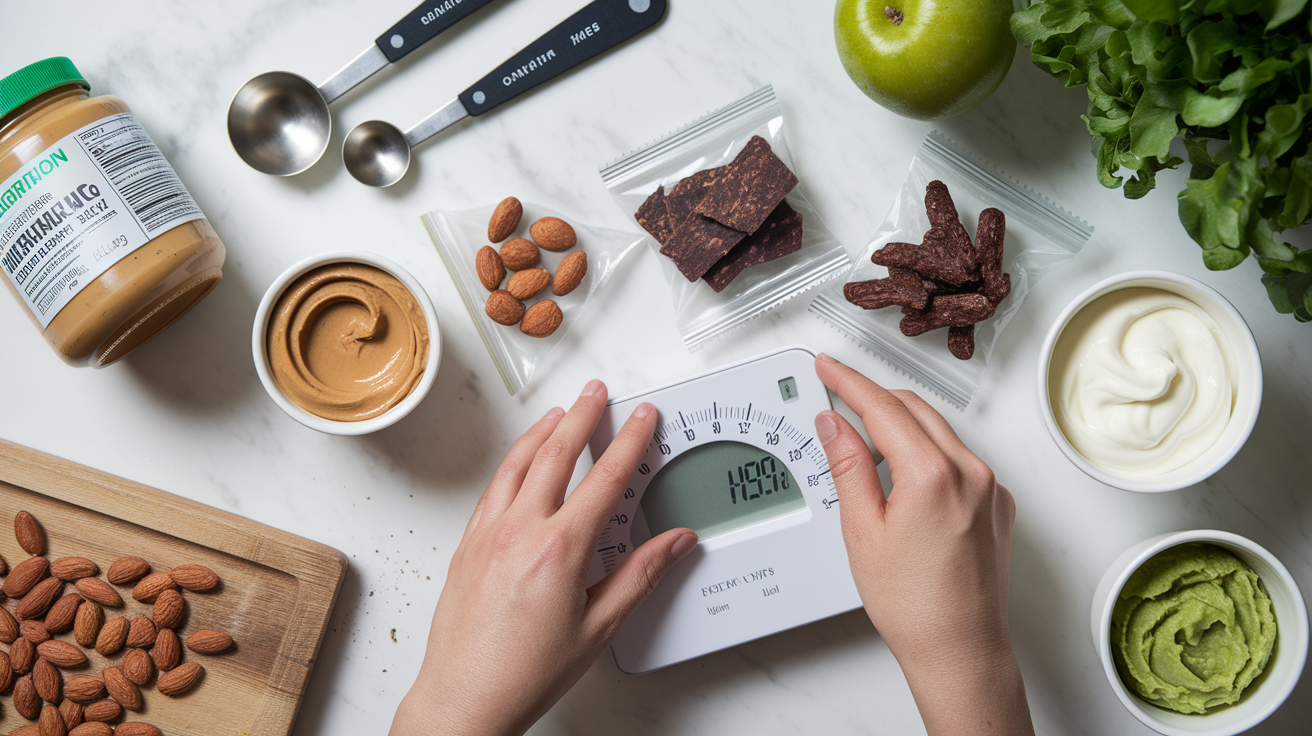
Reading nutrition labels before you buy saves you from bringing home snacks that look healthy but hide added sugars, excess sodium, or portion sizes that don’t match the calorie count you expect. Check the ingredient list for added sugar terms like maltose, cane sugar, brown sugar, corn syrup, and fruit juice concentrate. All of which add empty calories without improving satiety.
Sodium guidelines matter especially for jerky, canned snacks, and pre seasoned nuts. Look for labels that say “no salt added,” “low sodium,” or “reduced sodium,” and aim for less than 300 milligrams of sodium per serving to avoid water retention that can mask fat loss on the scale and leave you feeling bloated.
• Mixed nuts – Buy raw or dry roasted, portion into 1 ounce (28 gram) bags at home.
• Plain Greek yogurt – Single serve 5 to 6 ounce containers, add your own fruit to control sugar.
• Hummus – Individual 2 tablespoon (34 gram) cups or a larger tub you portion at home.
• Guacamole – Single serve 60 gram packs or make your own with half a medium avocado per serving.
• Low sodium jerky – Look for less than 300 milligrams sodium per 1 ounce serving.
Pre portioning nuts, trail mix, and jerky into one ounce bags the day you buy them prevents the common mistake of eating three servings straight from a large container while watching TV or working at your desk. One ounce of nuts is about 28 grams or roughly 23 almonds. Measuring it once trains your eye to recognize the correct portion without a scale every time.
Hidden calories sneak in when you add “just a little more” peanut butter or pour an extra handful of granola without measuring. Two tablespoons of peanut butter is the portion size that keeps most people under 200 kilocalories, but it’s easy to scoop three or four tablespoons if you’re eyeballing it. Use measuring spoons for nut butters, hummus, and guacamole until you can consistently estimate portions by sight.
Final Words
Pick one of the six snack ideas at the top and try it today—portioned and under 200 kcal so you can actually stick with it.
The post gave quick snack swaps, a macro‑balanced system (protein, fiber, healthy fats), easy homemade recipes, portable picks, low‑sugar treats, and timing plus shopping tips to make it real.
Use the protein‑plus‑fiber rule and the timing windows to steady hunger and keep energy steady.
Keep choosing small wins—healthy snack ideas that support fat loss and feel doable this week.
FAQ
Q: What snacks help burn fat?
A: Snacks that support fat loss focus on protein, fiber, and healthy fats—examples: ½ cup Greek yogurt (≈12 g protein), 1 cup edamame, 3 cups air-popped popcorn (<100 kcal), 1 oz nuts.
Q: What are good snacks for Type 2 diabetics?
A: Good snacks for Type 2 diabetics manage blood sugar with protein, fiber, and healthy fats—try an apple with 1 tbsp nut butter, ½ cup Greek yogurt, 1 cup edamame, or raw veggies with 2 tbsp hummus.
Q: How to lose 15 pounds in 3 weeks?
A: Losing 15 pounds in 3 weeks is very aggressive and not recommended. Aim for steady 0.5–2 pounds per week: small calorie deficit, protein-rich snacks, strength work, good sleep, and check with a clinician.
Q: What are good snacks for hypertension?
A: Good snacks for hypertension are low-sodium, potassium-rich whole foods—fresh fruit, raw veggies with 2 tbsp hummus, 1 oz unsalted nuts, plain Greek yogurt, and avoid high-salt packaged snacks.