
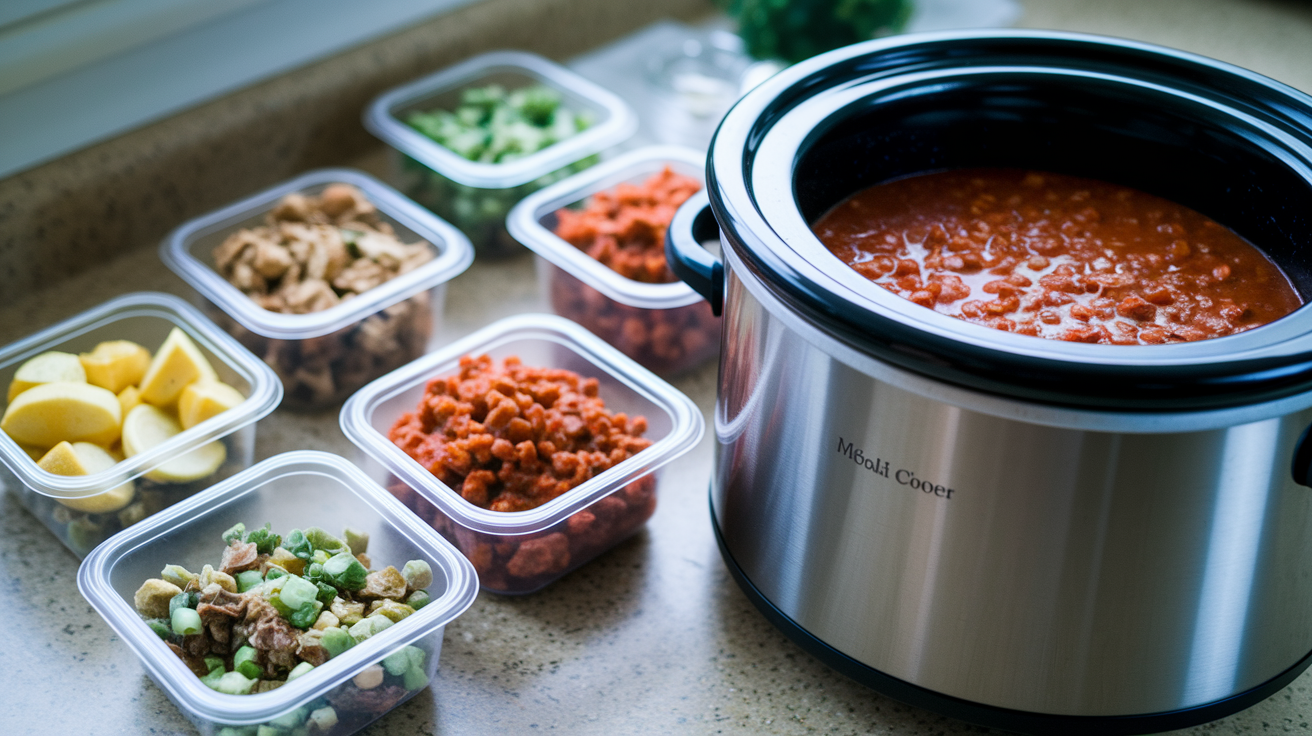
Forget complicated meal plans — your slow cooker might be the easiest way to get steady fat loss.
Slow-cooker dinners are simple to portion, often land between 300 and 450 calories, and can pack 25 to 35 grams of protein plus 8 to 12 grams of fiber to keep you full.
Prep usually takes 10 to 20 minutes, and the hands-off cook time removes evening decision fatigue so you’re less likely to grab higher-calorie takeout.
This post gives practical recipes, portion rules, and batch-cooking tips to make steady, sustainable progress without extra stress.
Core Slow Cooker Strategies That Deliver Steady Fat Loss Results
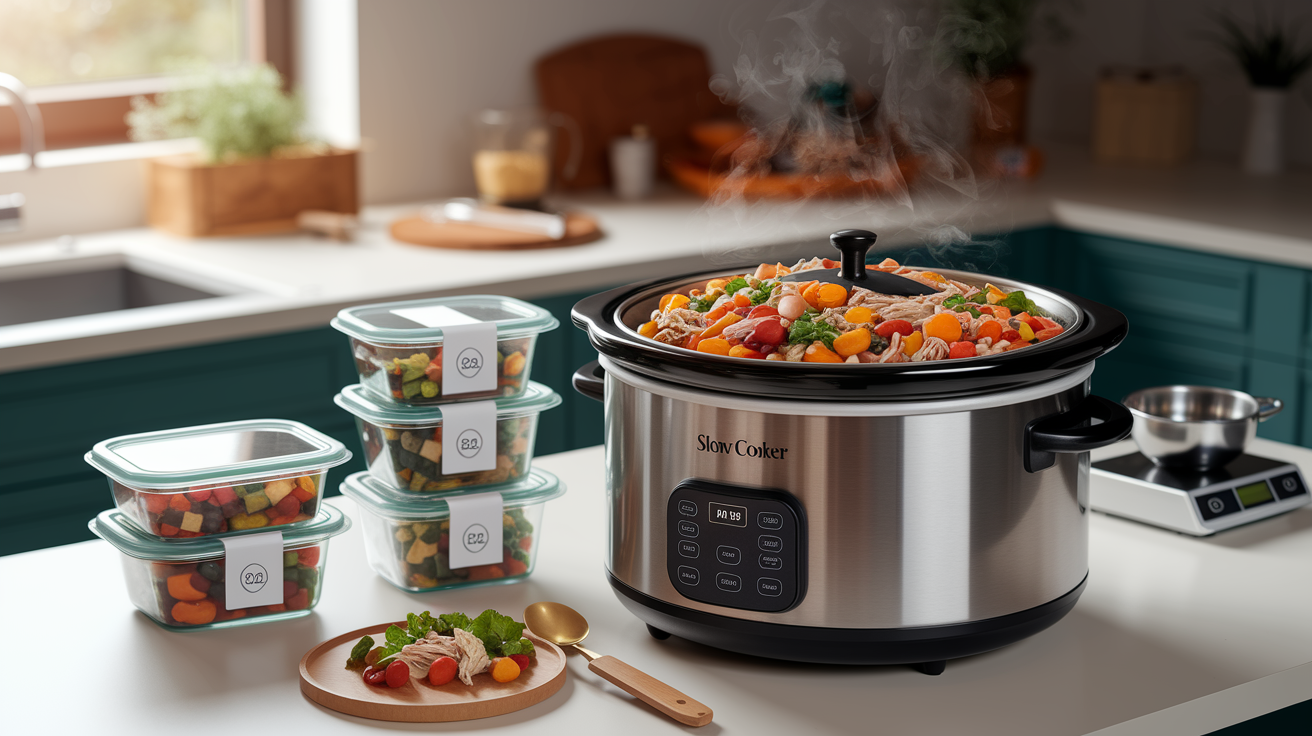
A slow cooker supports gradual fat loss because it makes consistent, calorie-controlled dinners possible without needing much effort at night. The best slow cooker recipes for weight loss hit 300 to 450 calories per serving, pack 25 to 35 grams of protein, deliver 8 to 12 grams of fiber, and keep fat somewhere between 8 and 18 grams. This balance creates meals that feel complete and satisfying while leaving space in your daily calorie budget for breakfast, lunch, and snacks. When dinner’s covered at a predictable calorie level, you’re way less likely to overestimate portions or grab something higher in calories on a busy weeknight.
Prep times usually run 10 to 20 minutes. You assemble ingredients in the morning or the night before, press start, and you’re done. The hands-off nature removes decision fatigue and cuts the temptation to add extra fats or oils while cooking. Slow cookers retain moisture, so you often don’t need any cooking oil at all. Proteins and vegetables release enough liquid to prevent sticking. If you brown meats for flavor, you’re only adding 5 to 10 minutes of active work. After cooking, you can skim rendered fat from the surface. If you chill the finished meal and remove the hardened layer, that one step trims another 50 to 100 calories per serving.
Slow cookers work best during long cook windows. Stews and chilis simmer for 6 to 8 hours on Low, shredded meats take 6 to 10 hours, dried legumes need 8 to 10 hours. Those extended times fit perfectly around a workday, and the combo of protein and fiber keeps you full enough to skip late-night snacking. When you batch-cook three or four dinners over a weekend and freeze individual portions, you turn your slow cooker into a fat loss tool that works all month.
Nutrition Foundations for Low-Calorie Slow Cooker Meals
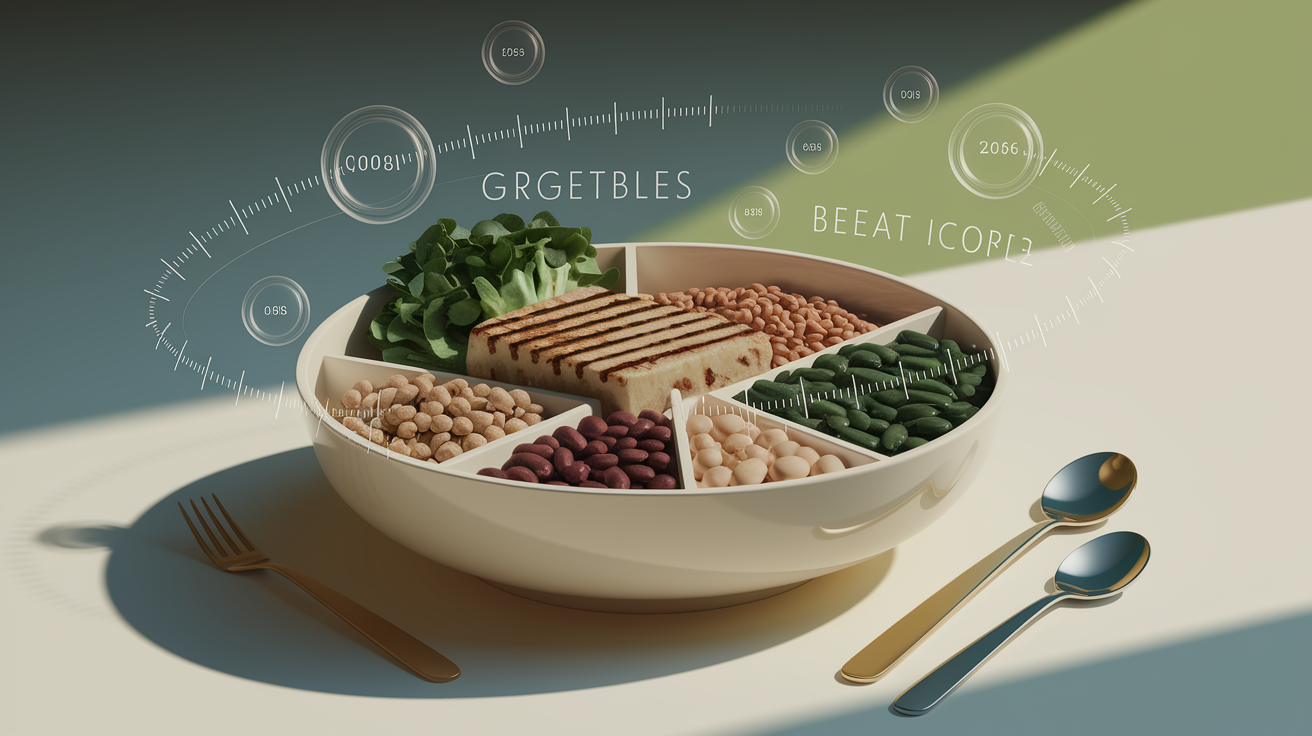
The typical macro breakdown for a steady fat loss slow cooker dinner looks like this: about 120 calories from protein (30 grams), 160 calories from carbs (40 grams), and 108 calories from fat (12 grams). That composition keeps total energy around 350 to 420 calories, which leaves room for two other meals and a small snack without going over most people’s maintenance or modest deficit targets. Protein sits at the top of the priority list because it has the highest thermic effect. Your body burns roughly 20 to 30 percent of protein calories just digesting it, and protein preserves lean muscle mass when you’re losing weight. Fiber follows closely. When you hit 8 to 12 grams per meal from beans, lentils, vegetables, and whole grains, you slow stomach emptying, blunt post-meal blood sugar spikes, and extend fullness by two to three hours.
Portioning is straightforward if you weigh or measure once. A standard serving includes 3 to 4 ounces of cooked lean protein, 1 cup of cooked whole grains, and 1 to 2 cups of non-starchy vegetables. Sodium targets stay between 600 and 800 milligrams per serving when you use low-sodium broth and rinse canned beans. Rinsing alone cuts sodium by 30 to 40 percent. If you’re batch cooking for the week, those portion rules scale cleanly. A recipe sized for four servings divides into four equal containers, each hitting your calorie and macro targets without recalculating every time.
Here are four precise macro and portion rules to follow:
- Protein: Aim for 25 to 35 grams per dinner, measured after cooking (3 to 4 ounces cooked lean poultry, turkey, pork loin, or legumes).
- Fiber: Target a minimum of 8 grams per meal to support satiety and steady blood sugar (add beans, lentils, or at least 1 cup of non-starchy vegetables).
- Carbohydrates: Keep total carbs between 30 and 50 grams to balance energy needs with calorie control (prioritize whole grains, sweet potatoes, or legume-based carbs).
- Fat: Limit fat to 8 to 18 grams per serving by using lean cuts, minimal added oil, and skimming rendered fat after cooking.
Slow Cooker Prep Essentials for Consistent, Lean Results
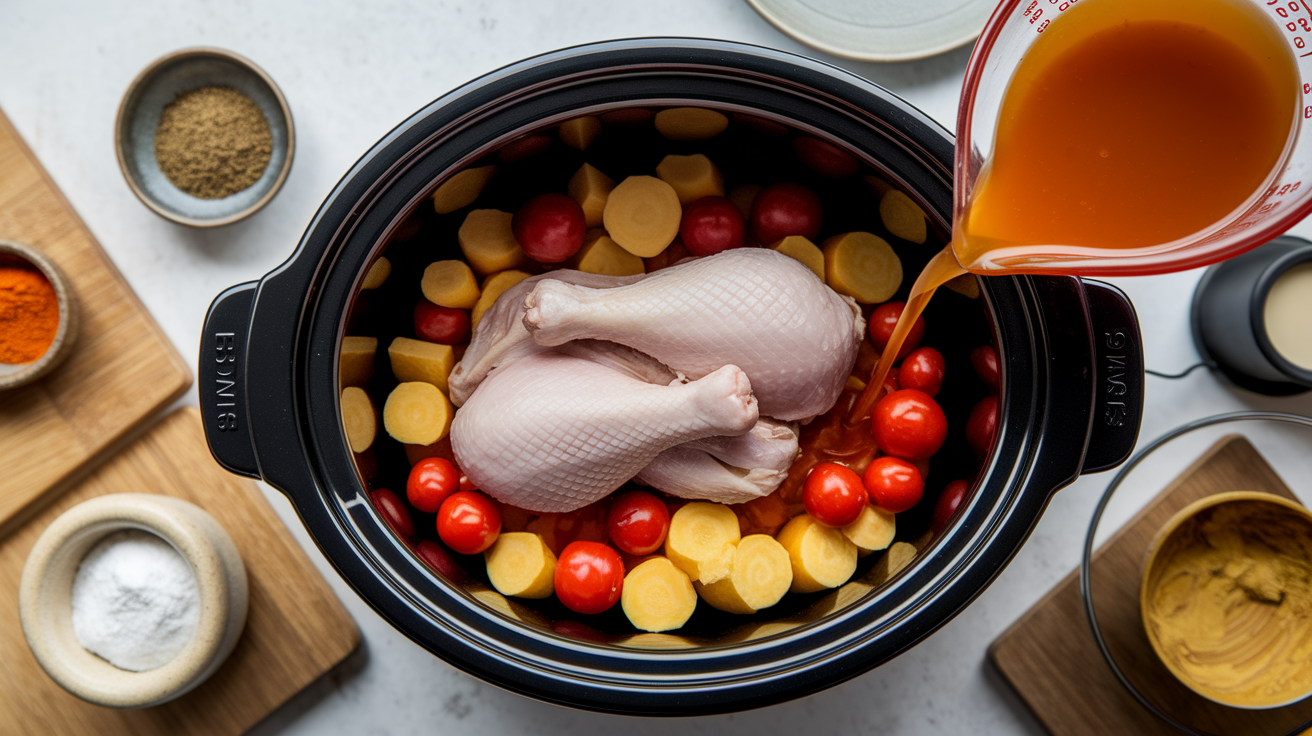
Loading a slow cooker correctly improves texture, safety, and nutrient retention. Start by layering root vegetables on the bottom. Carrots, onions, potatoes, sweet potatoes all need the most heat and take the longest to soften. Place proteins on top so they cook more gently and stay moist. For a four-serving recipe, use 1 to 2 cups of liquid. Broth, tomatoes, salsa, or a combination all work. Too much liquid dilutes flavor and turns dinner into soup when you wanted a stew. Too little risks scorching, especially on High settings. Most slow cookers should be filled no more than two-thirds full to ensure even heat circulation and safe cooking temperatures.
Doneness temperatures matter for safety and quality. Poultry must reach an internal temperature of 165°F, measured at the thickest part of the breast or thigh. Pork and beef can be cooked to preference, but safe minimums are 145°F for pork and 160°F for ground meats. Legumes need at least 8 hours on Low to neutralize lectins and become tender. If you’re short on time, pre-soak beans for 1 to 2 hours and reduce cook time slightly. Browning meat before adding it to the slow cooker is optional, but those 5 to 10 minutes of searing develop deeper, richer flavors through the Maillard reaction. If your morning is packed, skip the browning step and rely on spices, herbs, and umami-rich ingredients like tomatoes and mushrooms to build complexity.
Fish and delicate seafood are the exceptions to long cook times. They overcook quickly and turn rubbery if left in for 6 to 8 hours. Cook fish on Low for 1 to 2 hours, or add it during the final hour of a vegetable or grain-based dish. That timing keeps texture firm and flaky. When you follow these basics, your slow cooker becomes a reliable tool for producing lean, flavorful dinners that fit a fat loss plan without constant monitoring.
Lean Protein Slow Cooker Recipes for Steady Fat Loss
Chicken-Based Slow Cooker Recipes
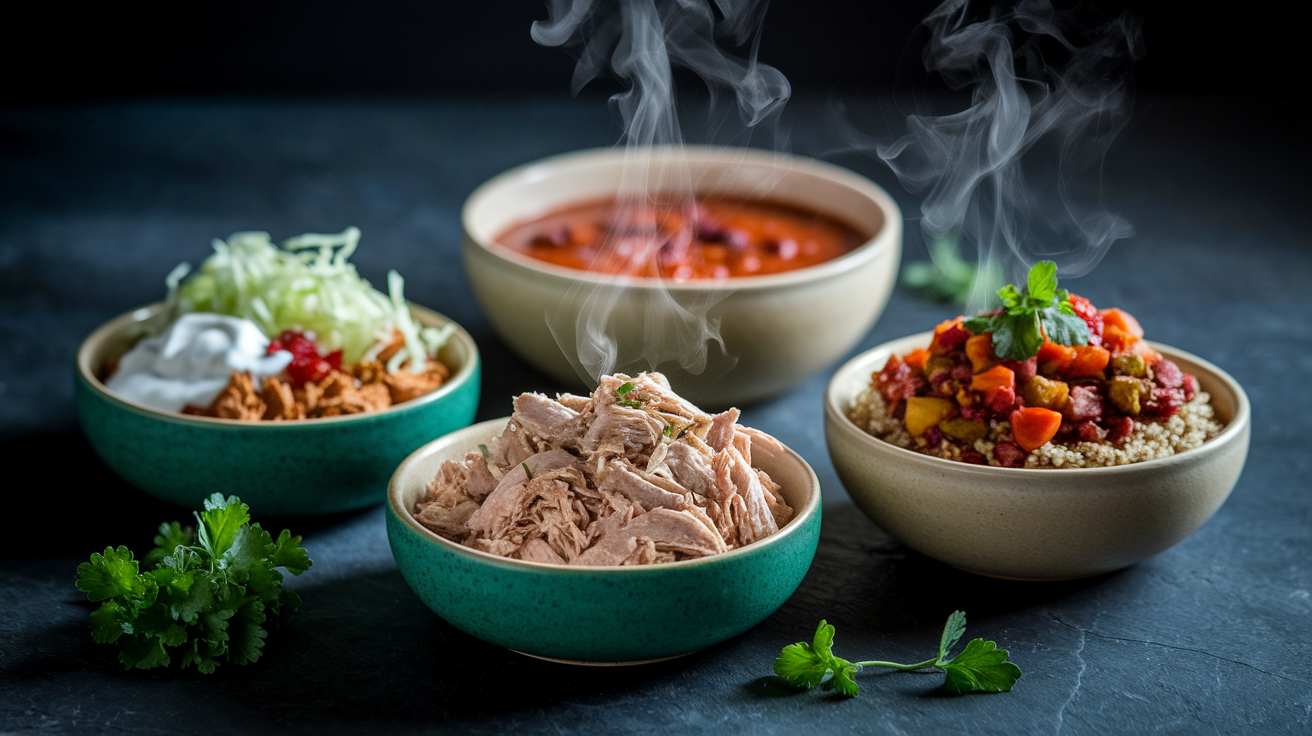
Chicken and vegetable stew delivers 360 calories and 32 grams of protein per serving. Assemble 1.5 pounds of boneless, skinless chicken breast, 2 cups of chopped carrots, 2 cups of diced bell peppers, 1 chopped onion, 2 cups of low-sodium chicken broth, and seasonings like black pepper, thyme, and a bay leaf. Cook on Low for 6 to 8 hours. The chicken shreds easily with a fork, and the vegetables stay tender without falling apart. Serve over 1 cup of cooked brown rice or skip the grain entirely to drop the meal closer to 300 calories.
Shredded chicken tacos start with 1.5 pounds of chicken breast, 1 cup of salsa, 1 teaspoon of cumin, and 1 teaspoon of chili powder. Cook on Low for 4 to 6 hours, shred, and divide into four servings. Each portion contains roughly 380 calories and 30 grams of protein. Serve in whole-wheat tortillas with shredded cabbage and a tablespoon of plain Greek yogurt instead of sour cream to keep fat and calories in check.
Turkey-Focused Slow Cooker Dishes
Lean turkey chili combines 1.2 pounds of ground turkey, 1 can of black beans (drained and rinsed), 1 can of diced tomatoes, 1 chopped onion, 2 cloves of garlic, 1 tablespoon of chili powder, and 1 teaspoon of cumin. Cook on Low for 6 to 8 hours. One serving provides 420 calories, 34 grams of protein, and 12 grams of fiber. The extended cook time allows the spices to bloom and the beans to soften without turning mushy.
Turkey and vegetable ragu uses 1.2 pounds of lean ground turkey, 2 cups of diced tomatoes, 1 cup of chopped mushrooms, 1 cup of chopped zucchini, 2 cloves of garlic, and Italian herbs. Cook on Low for 6 to 8 hours, then serve over 1 cup of cooked quinoa. Each serving hits 430 calories and 36 grams of protein. The ragu freezes well for up to three months, making it ideal for batch meal prep.
How Lean Cuts Improve Satiety and Reduce Calories
Lean cuts contain significantly less fat than darker meats or marbled cuts. A 4-ounce serving of chicken breast has roughly 4 grams of fat and 165 calories, while the same portion of chicken thigh with skin can have 13 grams of fat and 250 calories. That 85-calorie difference per serving compounds across a week of dinners. Trimming visible fat before cooking removes another 30 to 50 calories per portion. After cooking, chill the finished dish in the refrigerator and remove the hardened fat layer from the surface. This step is easy in slow cooker meals because fat rises and solidifies cleanly.
Protein-dense, lower-fat meals keep you full longer because protein slows gastric emptying and triggers satiety hormones more effectively than carbs or fats alone. When your dinner reliably delivers 30 to 36 grams of protein in under 450 calories, late-night hunger becomes less frequent and easier to manage.
High-Fiber Plant-Based Slow Cooker Meals That Increase Fullness
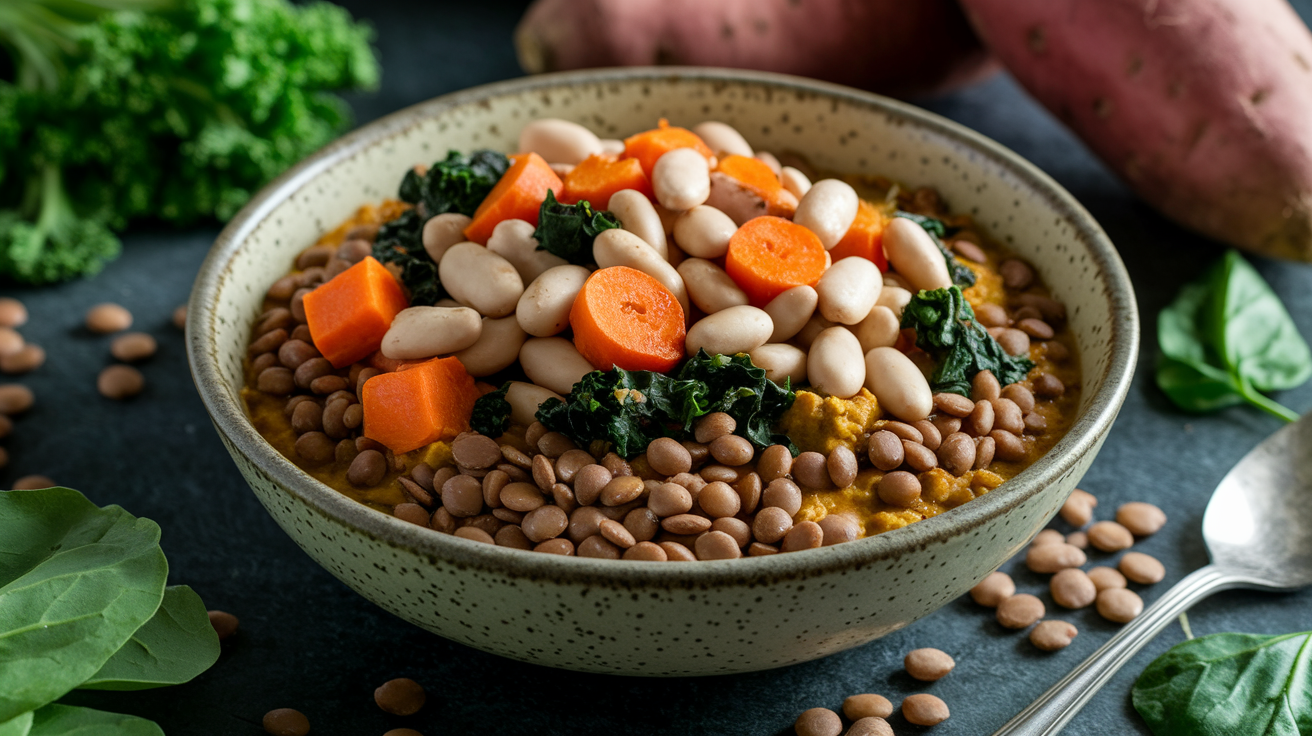
Lentil and root-vegetable curry delivers about 350 calories, 22 grams of protein, and 14 grams of fiber per serving. Combine 1.5 cups of dried lentils, 2 chopped carrots, 1 chopped sweet potato, 1 can of diced tomatoes, 1 cup of low-sodium vegetable broth, 1 tablespoon of curry powder, and 1 teaspoon of cumin. Cook on Low for 6 to 8 hours until the lentils are tender. Serve over a small portion of brown rice or eat it as-is for a lower-calorie option. The fiber from lentils and vegetables slows digestion and keeps blood sugar steady, which reduces the urge to snack between meals.
White bean and greens soup uses 2 cans of white beans (drained and rinsed), 4 cups of chopped spinach or kale, 1 chopped onion, 2 cloves of garlic, 4 cups of low-sodium vegetable broth, and a squeeze of lemon juice at the end. Cook on Low for 5 to 6 hours. One serving contains roughly 320 calories, 25 grams of protein, and 11 grams of fiber. The beans provide plant-based protein and resistant starch, which feeds beneficial gut bacteria and supports satiety.
Legumes offer four key advantages for slow cooker fat loss meals:
- Fiber satiety: Lentils and beans deliver 8 to 15 grams of fiber per cooked cup, which increases meal volume and slows stomach emptying, keeping you full for three to four hours after eating.
- Slow digestion: The combination of protein, fiber, and resistant starch in legumes results in a low glycemic response, preventing the blood sugar spikes and crashes that trigger cravings.
- Low cost: Dried beans and lentils cost a fraction of the price per gram of protein compared to meat, making them a budget-friendly choice for weekly meal prep.
- Stable texture in slow cookers: Unlike delicate vegetables, beans and lentils hold their shape and texture during 8 to 10 hour cook times, resulting in hearty, satisfying meals that reheat well all week.
Low-Calorie Slow Cooker Soups, Stews, and Chilis for Everyday Fat Loss
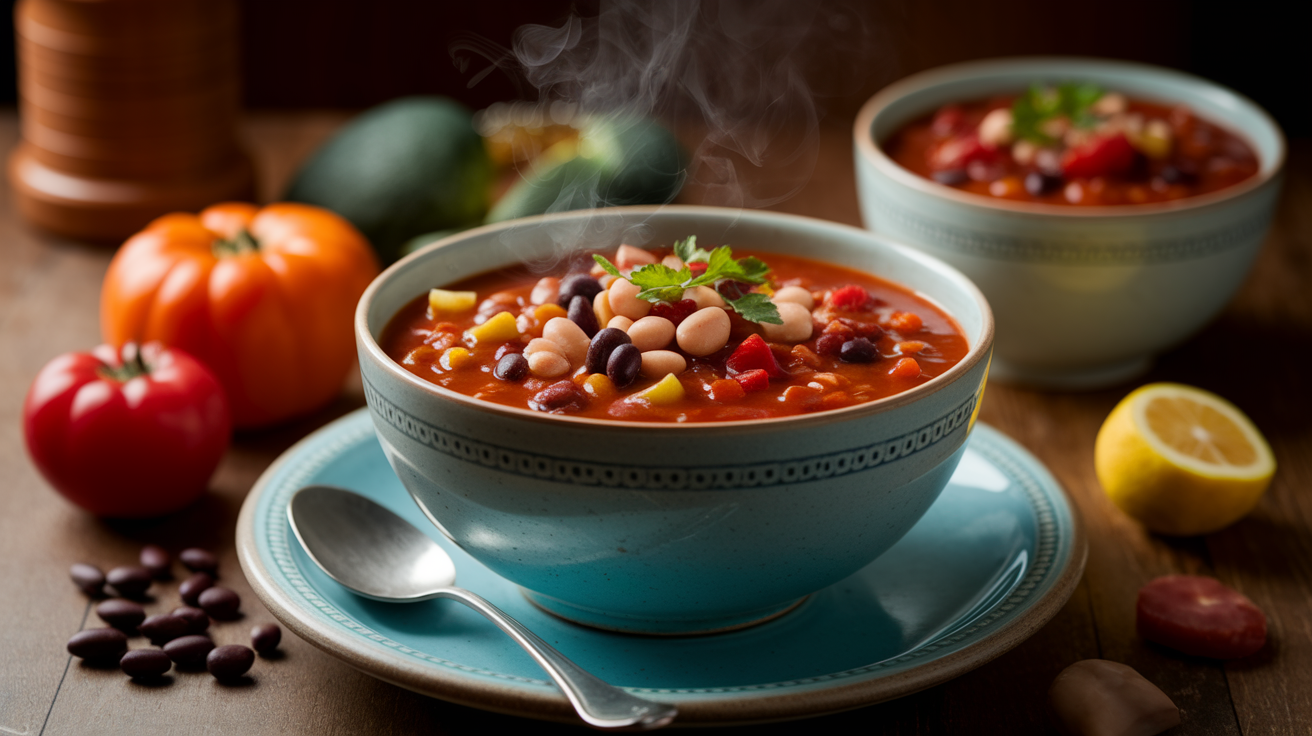
Soups, stews, and chilis naturally reduce calorie density because they add water-based volume without piling on energy. A bowl of turkey chili with beans, tomatoes, and broth delivers 420 calories but fills a 2-cup serving. The same calorie count in a sandwich or pasta dish would leave you looking at a much smaller portion. That volume matters. When you see a full bowl, your brain registers satisfaction before you even take the first bite. The extended cook time allows flavors to deepen and textures to soften, so you don’t need to add butter, cream, or other calorie-dense ingredients to make the meal taste complete.
Portioning liquid-based meals is easier than portioning casseroles or mixed dishes. You ladle out a measured cup or two, and the calories stay consistent because the ingredients are evenly distributed. White bean and spinach soup, for example, provides 320 calories and 25 grams of protein per 2-cup serving. If you’re still hungry, you add another cup of soup for 160 calories instead of reaching for crackers or bread that would add 200-plus calories without the same satiety. Fiber content in these recipes keeps digestion slow and triggers stretch receptors in the stomach, signaling fullness to your brain before you overeat.
Slow cooker chilis, stews, and soups also freeze exceptionally well. Cook a double batch on Sunday, divide into 3-serving containers, and freeze for up to three months. Thaw overnight in the refrigerator, reheat to 165°F, and dinner is ready in five minutes. That consistency removes the decision fatigue and evening hunger that often lead to ordering takeout or assembling calorie-dense convenience meals. When your freezer holds four or five ready-to-reheat options, staying in a calorie deficit becomes a logistical win, not a willpower battle.
Low-Carb & Whole-Grain Pairings for Balanced Slow Cooker Dinners
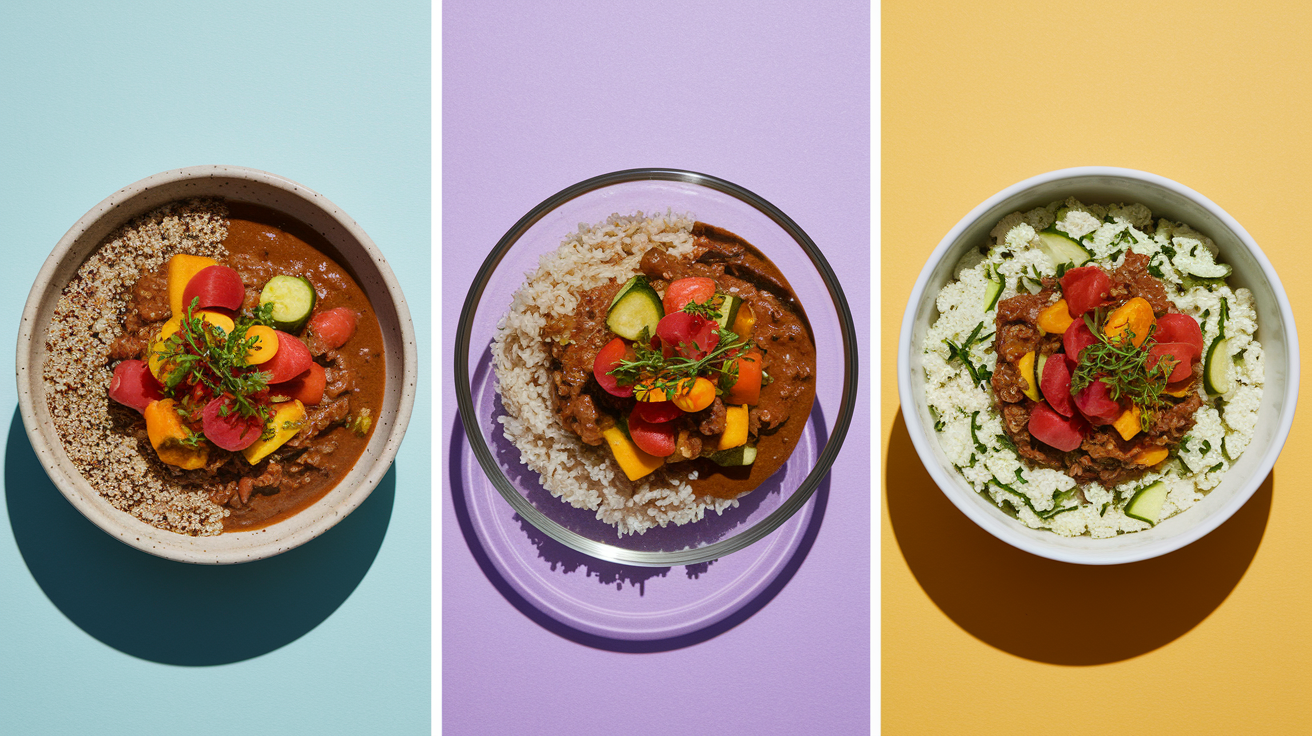
Most slow cooker recipes benefit from a base. Something to soak up the sauce and turn a stew into a complete meal. Whole grains like quinoa and brown rice add 30 to 50 grams of carbs per 1-cup cooked serving, which fits comfortably within a 300 to 450-calorie dinner target. Cook grains separately on the stovetop or in a rice cooker, then add them when you reheat the slow cooker meal. If you cook grains directly in the slow cooker for 6 to 8 hours, they often turn mushy and absorb too much liquid, leaving the stew dry. Cooking them separately preserves texture and makes portioning more accurate.
Cauliflower rice is a reliable lower-carb swap. One cup of riced cauliflower contains about 25 calories and 5 grams of carbs, compared to 200 calories and 45 grams of carbs in 1 cup of cooked brown rice. Swapping in cauliflower rice reduces the meal’s total calorie count by 50 to 100 calories, which can be the difference between hitting your daily target and overshooting it. Sauté the cauliflower rice briefly in a skillet with a teaspoon of olive oil, or microwave it for 3 to 4 minutes, then spoon the slow cooker stew or chili on top.
Three effective carb strategies for slow cooker fat loss meals include:
- Whole grains cooked separately: Quinoa, brown rice, farro, or barley added at serving time to control portion size and prevent overcooking.
- Reduced-carb swaps: Cauliflower rice, zucchini noodles, or spaghetti squash as a base to cut 100 to 175 calories per serving while maintaining meal volume.
- Vegetable-based bases: Serve stews and chilis over roasted or steamed broccoli, green beans, or a mixed-greens salad to add fiber and bulk without starchy carbs.
Slow Cooker Meal Prep & Freezer Strategy for Steady Fat Loss
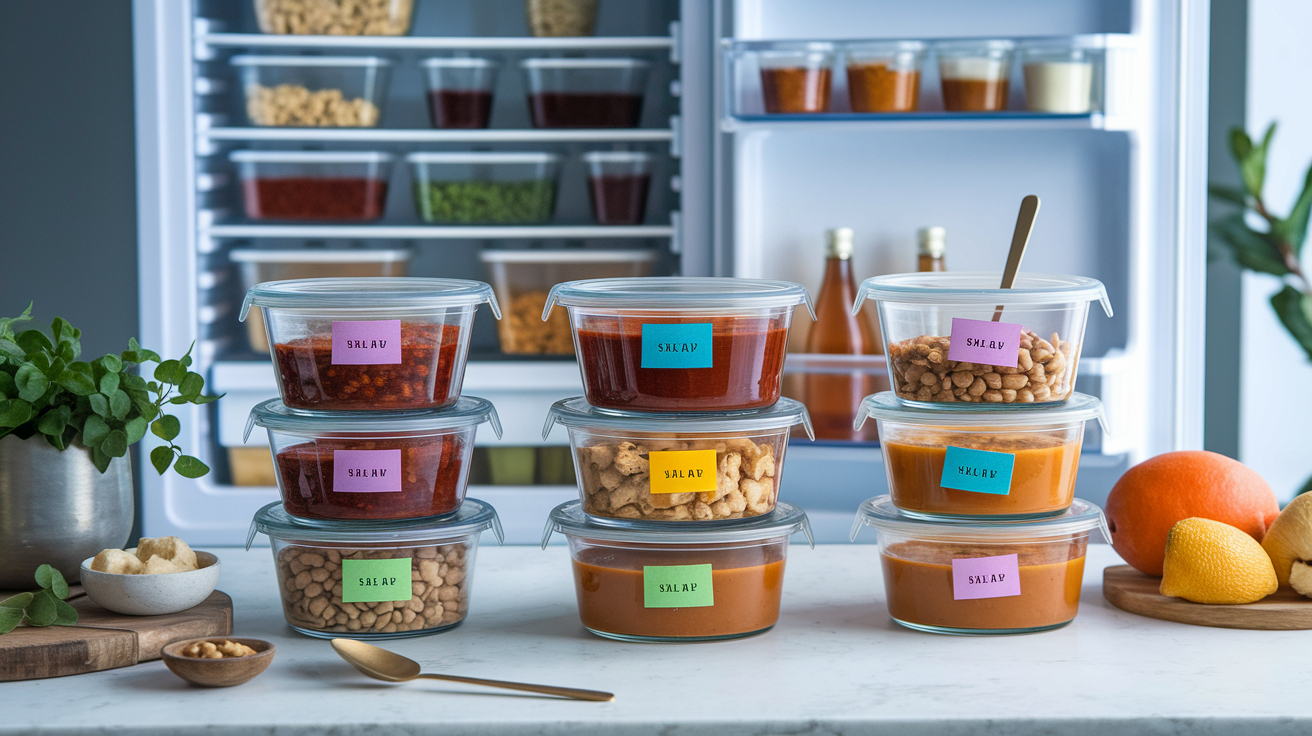
How to Batch-Cook 3 to 4 Slow Cooker Dinners per Week
Batch cooking turns one Sunday afternoon into a month’s worth of weeknight dinners. Pick three or four recipes. Turkey chili, chicken stew, lentil curry, and white bean soup work well. Double each one. Most slow cookers hold 6 to 7 quarts, which accommodates 8 servings of stew or chili without overfilling. Chop all vegetables, measure spices, and trim proteins the night before. Store each recipe’s ingredients in separate containers in the refrigerator. In the morning, dump one container into the slow cooker, set it on Low, and leave for work. When you return 8 hours later, portion the finished meal into 3-serving containers. One for dinner tonight, the rest for the freezer.
Label each container with the recipe name and date. Stack them flat in the freezer so they thaw evenly. When you need dinner, move a container from the freezer to the refrigerator the night before. Reheat in the microwave on medium power or in a saucepan on the stovetop until the internal temperature hits 165°F. If you froze the meal without grains, cook fresh rice or quinoa and add it when reheating to keep the texture right. This system removes the daily “What’s for dinner?” question and ensures you always have a calorie-controlled, protein-forward option ready.
| Recipe Type | Storage Duration | Reheating Notes |
|---|---|---|
| Soups and stews | 3 to 4 days refrigerator; 3 months freezer | Reheat to 165°F; stir halfway through; add fresh herbs after reheating |
| Shredded meats (chicken, pork, turkey) | 3 to 4 days refrigerator; 3 months freezer | Thaw overnight; reheat to 165°F; add a splash of broth if dry |
| Bean and lentil dishes | 3 to 4 days refrigerator; 3 months freezer | Reheat to 165°F; texture holds well; stir gently to avoid breaking beans |
| Grain-based meals | Cook grains fresh when reheating; store stew/chili separately | Add cooked grains after reheating the protein-vegetable base to prevent mushiness |
A 7-Day Slow Cooker Dinner Template for Steady Fat Loss
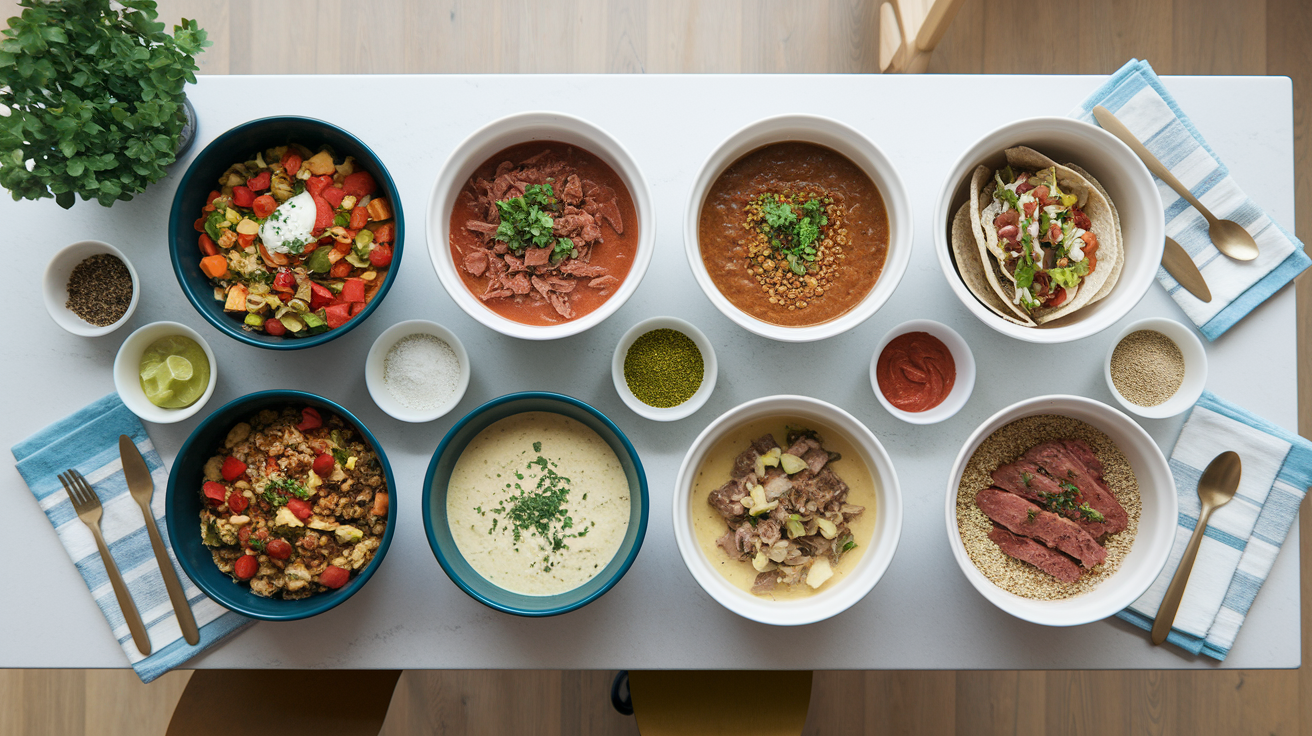
A seven-day slow cooker meal plan removes guesswork and keeps calories predictable. Each dinner targets 300 to 450 calories, delivers 25 to 36 grams of protein, and includes 8 to 12 grams of fiber. Prep all ingredients on Sunday, cook Monday’s and Tuesday’s meals that day, and stagger the rest through the week. If you have two slow cookers, you can run two recipes simultaneously and finish the week’s dinners in two sessions.
Shopping for this plan requires 1.5 kilograms of chicken breast, 1.2 kilograms of lean ground turkey, 1.2 kilograms of lean pork loin or beef top round, four 15-ounce cans of white beans, three 15-ounce cans of black beans, twelve carrots, eight onions, eight bell peppers, seven medium sweet potatoes, 3 cups of dry brown rice, 1.5 cups of dry quinoa, 6 to 8 cups of low-sodium broth, 2 cups of canned diced tomatoes, and 12 ounces of salsa. Add fresh or frozen spinach, kale, mushrooms, and any additional vegetables you prefer. Stock your pantry with olive oil, garlic, chili powder, cumin, oregano, black pepper, and apple-cider vinegar.
| Day | Recipe | Calories | Protein (g) | Fiber (g) |
|---|---|---|---|---|
| Monday | Chicken & vegetable stew | 360 | 32 | 10 |
| Tuesday | Lean turkey chili with beans | 420 | 34 | 12 |
| Wednesday | Lentil & root-vegetable curry | 350 | 22 | 14 |
| Thursday | Shredded chicken tacos | 380 | 30 | 9 |
| Friday | White bean & spinach soup | 320 | 25 | 11 |
| Saturday | Pork loin with apple & cabbage | 410 | 34 | 8 |
| Sunday | Turkey & vegetable ragu over quinoa | 430 | 36 | 9 |
Ingredient Swaps That Cut 50 to 150 Calories in Slow Cooker Recipes
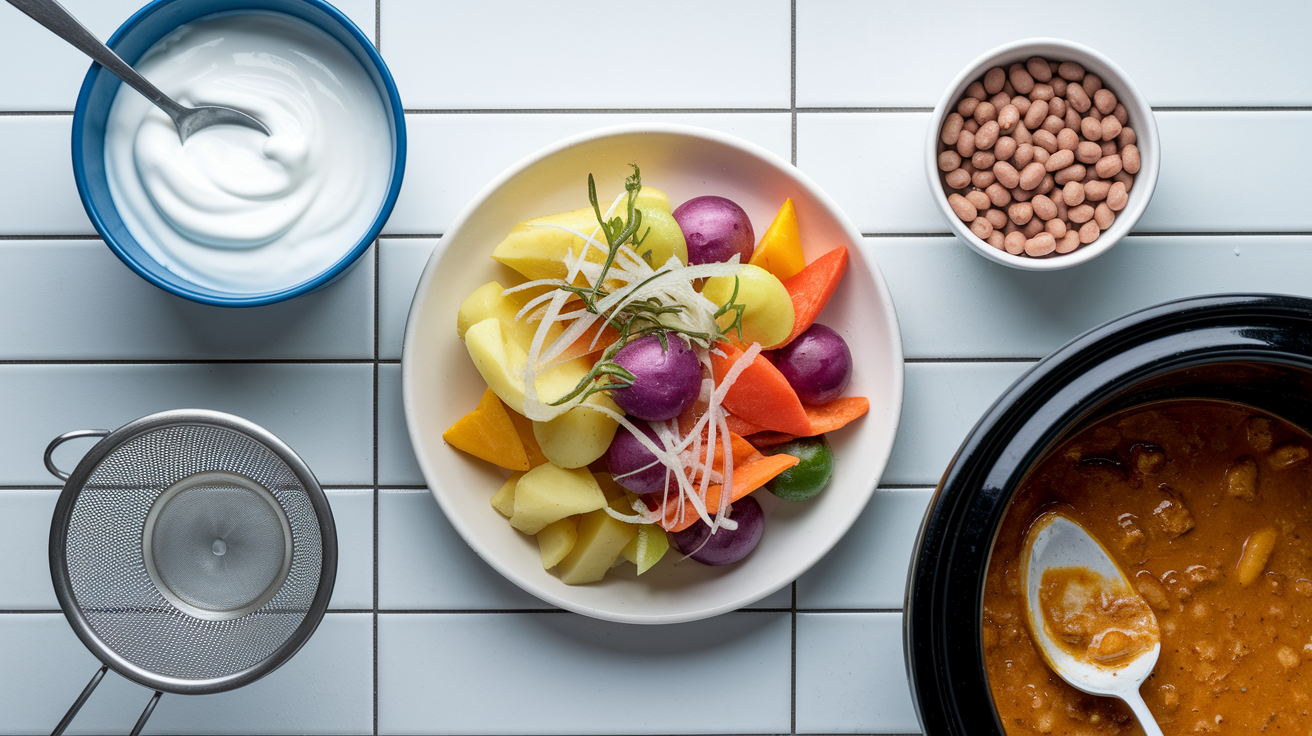
Heavy cream shows up in many traditional slow cooker recipes to add richness, but you can replace it with plain nonfat Greek yogurt and save 150 to 200 calories per cup. For a four-serving recipe, use one-quarter to one-half cup of Greek yogurt stirred in after cooking, off the heat. The yogurt provides creaminess and a slight tang without the saturated fat. If you want a thicker sauce without dairy, whisk 2 to 3 tablespoons of cornstarch with a quarter cup of cold water, stir it into the slow cooker during the last 30 minutes on High, and let it thicken.
Starchy carbs add bulk and comfort, but reducing them by 25 percent cuts 50 to 100 calories per serving. If a recipe calls for 2 cups of diced potatoes, use 1.5 cups and add an extra cup of carrots, bell peppers, or mushrooms. The meal still feels hearty, but the calorie density drops and the fiber content rises. Rinsing canned beans under cold water for 30 seconds removes excess sodium and a small amount of starch, lowering sodium by 30 to 40 percent and shaving a few calories per serving.
Skimming fat after cooking is simple and effective. When a slow cooker meal finishes, transfer it to a shallow container and refrigerate for at least two hours. Fat rises to the surface and hardens into a white or yellow layer. Lift it off with a spoon and discard it. One tablespoon of skimmed fat removes about 120 calories from the entire batch, 30 calories per serving in a four-serving recipe. This technique works especially well with pork, beef, and dark-meat poultry, where rendered fat can add up quickly.
Slow Cooker Ingredient Prep Hacks for Busy Professionals
Prep time for slow cooker meals averages 10 to 20 minutes, but you can cut that in half by prepping ingredients in bulk. Spend 30 minutes on Sunday chopping onions, carrots, bell peppers, and celery. Store each vegetable in a separate container in the refrigerator. When you assemble a recipe on Monday or Tuesday morning, you grab pre-cut vegetables instead of pulling out the cutting board. This approach works for fresh herbs, too. Chop parsley, cilantro, or basil, wrap in a damp paper towel, and store in a sealed container for up to five days.
Here are four additional time-saving hacks:
- Freezer packs: Assemble all ingredients for a recipe in a gallon freezer bag, label it with the recipe name and cook time, and freeze flat. The night before you want to cook, move the bag to the refrigerator to thaw. In the morning, dump the contents into the slow cooker and start it. This method works best for recipes without dairy or delicate greens, which should be added fresh.
- Pre-measured spices: Measure out the spices for a recipe and store them together in a small container or sealed bag. When you assemble the meal, you pour the spice mix in all at once instead of opening five jars.
- Pre-soaking legumes: Soak dried beans or lentils for 1 to 2 hours the night before. Drain and refrigerate them until morning. This reduces cook time slightly and ensures even texture.
- Batch browning proteins: If you prefer to brown meat before slow cooking, sear four to six chicken breasts or 2 pounds of ground turkey at once. Store the browned meat in the refrigerator for up to two days, then divide it among multiple recipes during the week.
Evidence-Based Benefits of Slow Cooker Meals for Sustainable Fat Loss
Protein’s thermic effect means your body burns 20 to 30 percent of the calories in protein just to digest, absorb, and process it. A 400-calorie slow cooker dinner with 32 grams of protein (128 calories from protein) requires about 25 to 38 calories to metabolize, compared to only 5 to 10 calories for the same amount of carbs or fat. Over a week of dinners, that difference adds up to an extra 140 to 200 calories burned through digestion alone. Protein also triggers the release of satiety hormones like peptide YY and GLP-1, which signal fullness to your brain and reduce hunger between meals.
Fiber slows gastric emptying and reduces the rate at which glucose enters the bloodstream. When you eat a slow cooker lentil curry with 14 grams of fiber, the meal takes longer to digest, your blood sugar rises gradually, and you avoid the sharp insulin spike that often leads to a crash and renewed hunger two hours later. Fiber also adds bulk to the meal without adding calories, so you can eat a larger volume of food for the same calorie count. That combination creates a meal structure that supports adherence over months, not just weeks.
Consistent batch cooking reduces reliance on calorie-dense takeout and convenience foods. When you have three or four ready-to-reheat dinners in the freezer, the barrier to eating a controlled-calorie meal drops to almost zero. You don’t need to decide what to cook, drive to the store, or wait for delivery. You reheat a container, add a simple side, and sit down to eat. Research on meal planning and weight loss shows that people who prep meals in advance are significantly more likely to stick to their calorie targets and lose weight steadily, because the friction between intention and action disappears. A slow cooker automates that process. You invest two to three hours on a weekend and reap the benefits all month.
Final Words
Get the slow cooker going: we covered calorie-controlled, protein-forward meals (300–450 kcal), plus why soups, stews, and legumes keep you full.
You learned safe cook times, portioning, simple swaps to shave calories, and batch-cook/freezer tricks to save time.
Use these tools to build consistency. Try a few slow cooker recipes for steady fat loss this week and adjust as needed. Small changes add up, and you’ve just made healthier dinners easier to keep doing.
FAQ
Q: Is a slow cooker good for weight loss?
A: A slow cooker can be good for weight loss by making low-calorie, high-protein, high-fiber meals with minimal added fat, easy batch cooking, and simple portioning for consistent calorie control.
Q: What is the 3 3 3 rule for fat loss?
A: The 3-3-3 rule for fat loss usually means a simple target: three protein-rich meals, three strength sessions per week, and three shorter cardio or activity sessions to build consistency and calorie burn.
Q: What is the best meal for fat loss?
A: The best meal for fat loss is protein-forward, moderate in carbs, high in fiber, roughly 300–450 kcal, and includes plenty of vegetables—like a chicken and vegetable stew that keeps you full with fewer calories.
Q: What are some healthy crockpot recipes for weight loss?
A: Healthy crockpot recipes for weight loss include turkey chili, chicken and vegetable stew, lentil curry, and white bean with greens soup — all protein- or fiber-focused and about 300–420 kcal per serving.