
Think skipping breakfast will help you crush a heavy morning session?
For many lifters, it’s the opposite.
Your muscles need quick carbs after an overnight fast, and the wrong food too close to warm-ups can leave you bloated or sluggish.
The simple fix is matching what you eat to how much time you have: quick carbs and small shakes 30 to 90 minutes out, full meals 1 to 3 hours out.
Read on for straightforward timing rules and real breakfast options that boost performance without stomach trouble.
Optimal Timing Guidelines for Eating Before Morning Strength Training
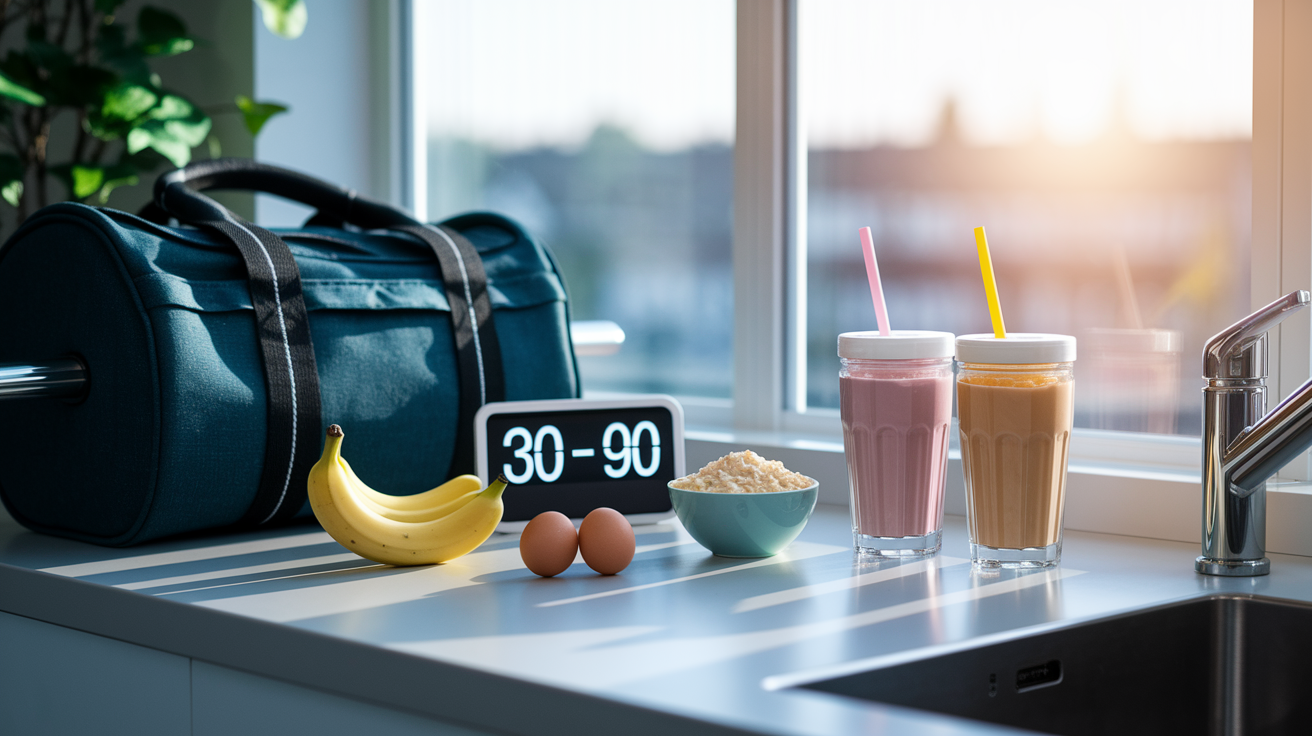
You’ll want to eat 30–90 minutes before your session if you’re grabbing a snack. Full meals need more space, usually 1–3 hours out. Why? Because carbs need time to hit your bloodstream and actually reach your muscles without making you feel like garbage mid-set. Eat too close and you’re dealing with bloating or that sluggish, heavy feeling. Too early and you’re running on fumes by the time you touch the barbell.
Digestion speed matters here. Fat and fiber slow everything down, so if you’re eating eggs, avocado, and whole-grain toast, you need more lead time than you would with a banana and protein shake. Carbs digest faster than fat or fiber and they’re what your muscles actually use during strength work, so they’re the priority.
How to match timing to what you’re eating:
1–3 hours out: Full meals with carbs, moderate protein, healthy fats. Think oatmeal with whey, eggs with toast, yogurt bowls.
60–90 minutes out: Smaller portions, fast carbs, lean protein. Rice cakes with peanut butter, Greek yogurt with banana.
30–60 minutes out: Light carb snacks or smoothies, minimal fiber. Banana, applesauce, liquid protein shake with fruit.
15–30 minutes out: Very light, fast carbs or liquids only. Handful of grapes, diluted sports drink, small protein shake.
Under 15 minutes: Skip solid food. Either go with minimal liquid options or just train fasted. Solid food this close usually causes problems during lifts.
Adjust based on how your stomach handles mornings, how much you’re eating, and how hard you’re training. If you wake up without appetite or your stomach’s sensitive, start small with liquid options and work up. Bigger meals need longer windows. Higher intensity sessions need more fuel available.
Ideal Breakfast Composition for Pre-Workout Fueling
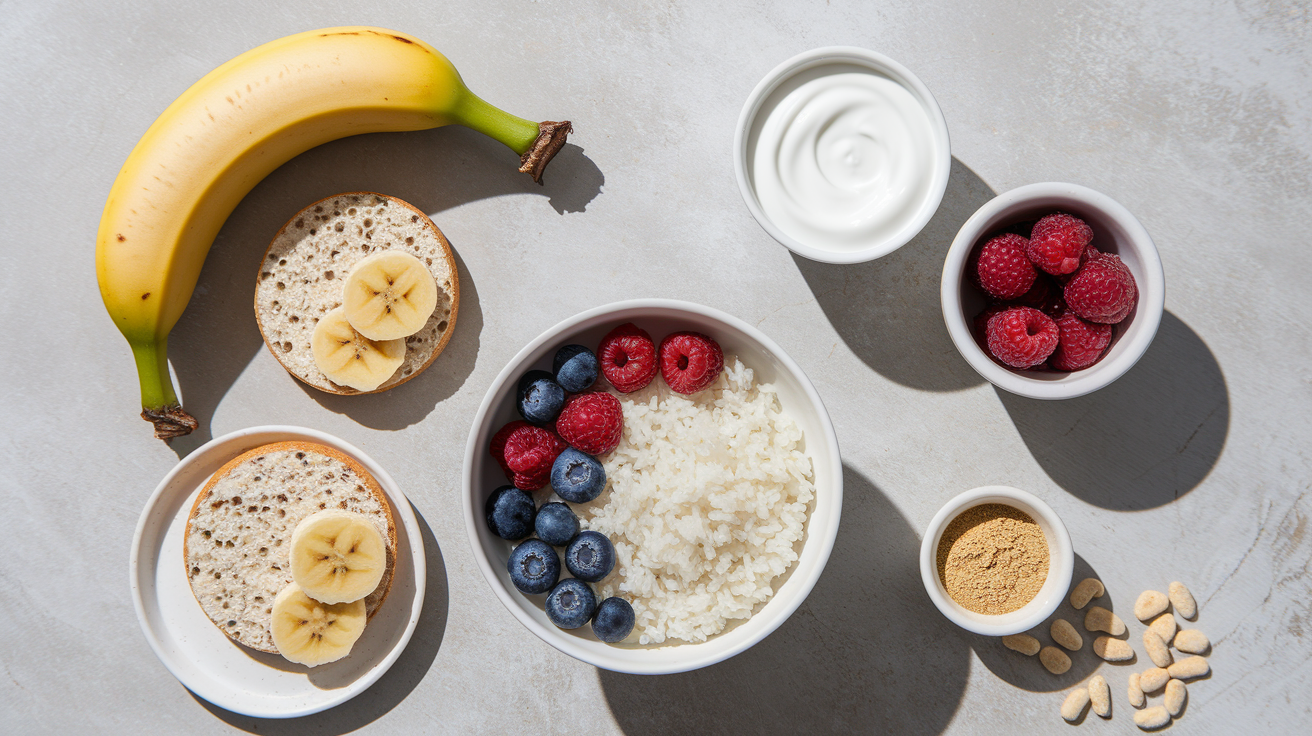
Focus on easily digestible carbs and moderate protein. Keep fat and fiber low to avoid GI issues during your session. Carbs improve performance and reduce fatigue after you’ve been fasting all night, when liver glycogen’s depleted and blood sugar runs lower. Protein supports muscle repair and gets amino acids circulating during and after training, especially valuable for strength work. If you’re eating within 90 minutes of lifting, keep fats under 10 grams and fiber under 5 grams to avoid slowing digestion.
Glycemic index matters most when you’re eating close to training. Quick-digesting carbs like white rice, ripe bananas, or honey within 30–60 minutes ensure glucose is available by the time you start warming up. Slower carbs like oatmeal or sweet potatoes work better in the 60–90+ minute window, giving you steadier energy without spiking blood sugar too early.
What to eat:
Fast-digesting carbs: White rice, ripe bananas, rice cakes, honey, applesauce, dried fruit, sports drinks.
Moderate-digesting carbs: Oats, whole-grain bread, sweet potatoes, berries, yogurt.
Lean protein: Egg whites, low-fat Greek yogurt, whey or plant protein powder, low-fat cottage cheese.
Fast options for tight timing: Smoothies, protein shakes, fruit, diluted juice, gels or chews if needed.
Low-fat, low-fiber foods: Rice cakes, white bread, bananas without added nut butter, pretzels, nonfat yogurt.
Skip these close to training: Greasy breakfast sandwiches, high-fiber cereals, large servings of nuts or nut butters, full avocados, fatty meats like bacon or sausage.
Comparing Fasted vs. Fed Morning Strength Sessions

Training fasted might increase fat oxidation during the session, but it often reduces your capacity for high-intensity work and lowers total training volume. Pre-workout carbs improve performance markers like power output, rep count, and focus, especially during demanding strength sessions that require high neural drive and sustained effort. Fasted training works for some people during lighter sessions or when you’re just maintaining strength rather than chasing PRs. But most lifters perform better with at least a small pre-workout meal or snack.
Fed training benefits anyone chasing strength or hypertrophy gains, especially in multi-set, high-volume sessions. Fasted training suits people who tolerate it well, prefer simplicity, or train at very low intensity. If you’re switching from fasted to fed, start with something small and liquid, like a protein shake with a banana 30 minutes before training. Then gradually add size or move the meal earlier as your stomach adapts.
| Approach | Benefits | Drawbacks |
|---|---|---|
| Fasted Training | May increase fat oxidation; simpler morning routine; some people feel lighter and more comfortable. | Reduced power output and volume capacity; higher fatigue; may increase muscle breakdown during longer sessions. |
| Fed Training | Better strength performance; higher training volume; reduced fatigue; improved focus and muscle preservation. | Requires planning and earlier wake time; risk of GI upset if timing or food choices are off. |
Applied Pre-Workout Breakfast Options Based on Available Time
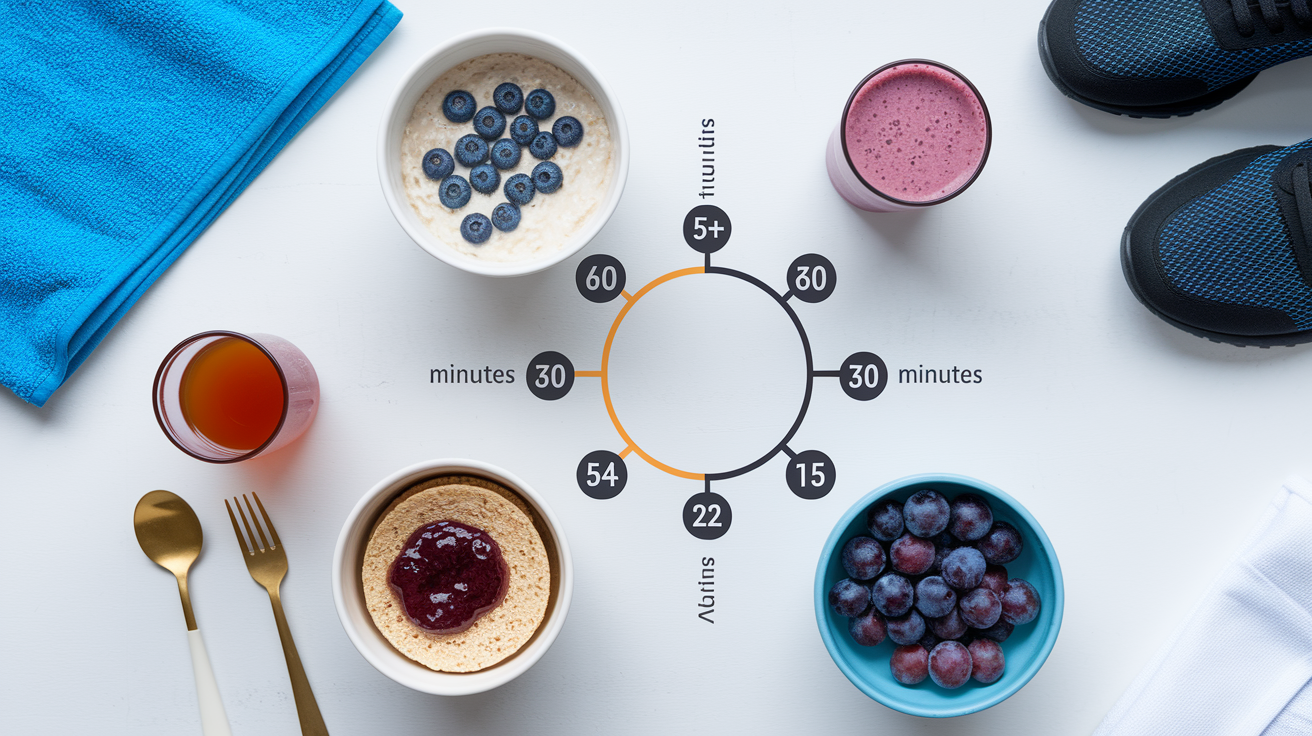
Timing dictates what you eat and how much. Use these guidelines to match your breakfast to the time between waking up and walking into the gym.
60+ Minutes Before Training
Full small meals work here. Go with balanced options that combine carbs and protein without excessive fat or fiber.
Example 1, Oatmeal with Whey Protein:
½ cup rolled oats (cooked in water) + 1 scoop (25 g) whey protein + ½ cup blueberries
Macros: 320 kcal | 26 g protein | 35 g carbs | 6 g fat
Example 2, Plain Greek Yogurt with Banana & Honey:
1 cup nonfat Greek yogurt + 1 medium banana + 1 tsp honey
Macros: 260 kcal | 23 g protein | 35 g carbs | 2 g fat
30–60 Minutes Before Training
Light, carb-focused snacks digest quickly enough to provide energy without causing discomfort. Keep protein moderate and fat minimal.
Example 1, Peanut Butter & Jam Rice Cakes:
2 rice cakes + 1 tbsp peanut butter + 1 tsp jam
Macros: 230 kcal | 6 g protein | 27 g carbs | 10 g fat
Example 2, Banana with Honey:
1 medium banana + 1 tsp honey drizzled on top
Macros: 130 kcal | 1 g protein | 33 g carbs | 0 g fat
15–30 Minutes Before Training
Use liquid or ultra-light options that digest fast and won’t sit heavy during warm-up sets.
Example, Protein Smoothie:
1 scoop whey or plant protein + 1 cup unsweetened almond milk + ½ cup frozen berries
Macros: 200 kcal | 25 g protein | 15 g carbs | 3 g fat
Under 15 Minutes Before Training
Skip solid food. If you need something, go minimal with a handful of grapes, a few sips of diluted sports drink, or a small portion of applesauce. Most lifters do fine going straight into training at this point if they ate a solid dinner the night before.
Four quick options most people tolerate:
1 medium ripe banana
Handful of grapes (about 15–20)
1 rice cake with thin layer of honey
Small protein shake (half serving, blended thin)
Targeted Meal Recommendations for Specific Strength Goals
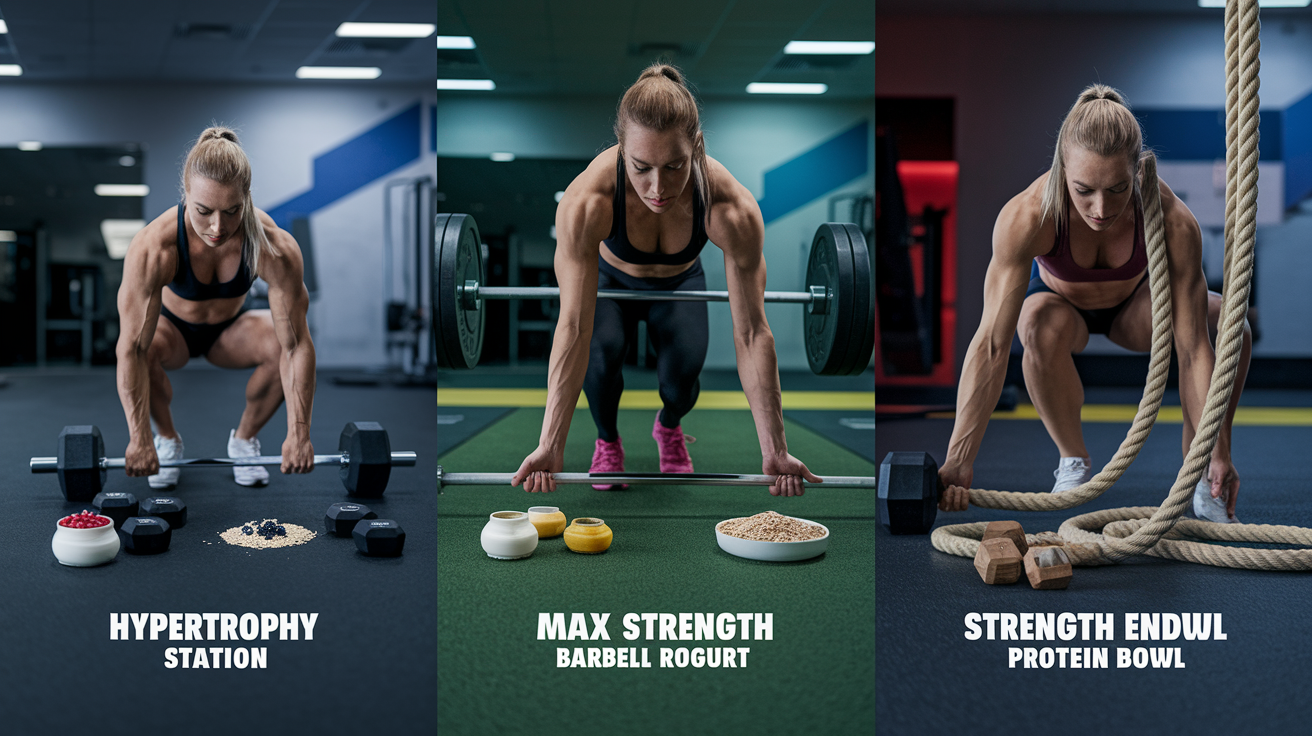
Different training goals need slightly different fueling strategies. Hypertrophy sessions with high volume and moderate load benefit from more total carbs to sustain rep quality across multiple sets. Max strength or power sessions demand adequate carbs but rely less on volume, so smaller pre-workout meals often work fine. Strength endurance work burns through glycogen faster, making carb-rich breakfasts necessary for maintaining performance late in the session.
Hypertrophy Sessions
Eat 60–90 minutes before training. Go for 30–50 grams of carbs and 15–25 grams of protein. Volume work benefits from sustained glucose availability, so choose moderate-digesting carbs like oats or whole-grain toast paired with lean protein.
Example:
2 slices whole-grain toast + 2 scrambled egg whites + ½ cup berries
Macros: 300 kcal | 20 g protein | 40 g carbs | 6 g fat
Max Strength or Power Sessions
Eat 30–60 minutes before training. Keep it lighter and carb-focused, around 20–30 grams of carbs and 10–15 grams of protein. Power output relies on neural drive and quick energy, so fast-digesting carbs work well.
Example:
1 cup nonfat Greek yogurt + 1 tsp honey + small banana
Macros: 220 kcal | 20 g protein | 30 g carbs | 1 g fat
Strength Endurance Sessions
Eat 60–90 minutes before training. Target 40–60 grams of carbs and 15–20 grams of protein. Longer sessions with shorter rest periods tax glycogen stores quickly, so fuel accordingly.
Example:
1 cup cooked oatmeal + 1 scoop whey protein + ½ cup blueberries
Macros: 350 kcal | 28 g protein | 45 g carbs | 7 g fat
| Goal | Recommended Timing | Best Meal Types |
|---|---|---|
| Hypertrophy | 60–90 minutes before | Moderate carbs (30–50 g), moderate protein (15–25 g), low fat; oats, toast, yogurt, berries. |
| Max Strength / Power | 30–60 minutes before | Light carbs (20–30 g), light protein (10–15 g), minimal fat; banana, rice cakes, yogurt, honey. |
| Strength Endurance | 60–90 minutes before | Higher carbs (40–60 g), moderate protein (15–20 g), low fat; oatmeal, fruit, protein powder. |
Hydration, Caffeine, and Supplement Timing With Your Pre-Workout Breakfast
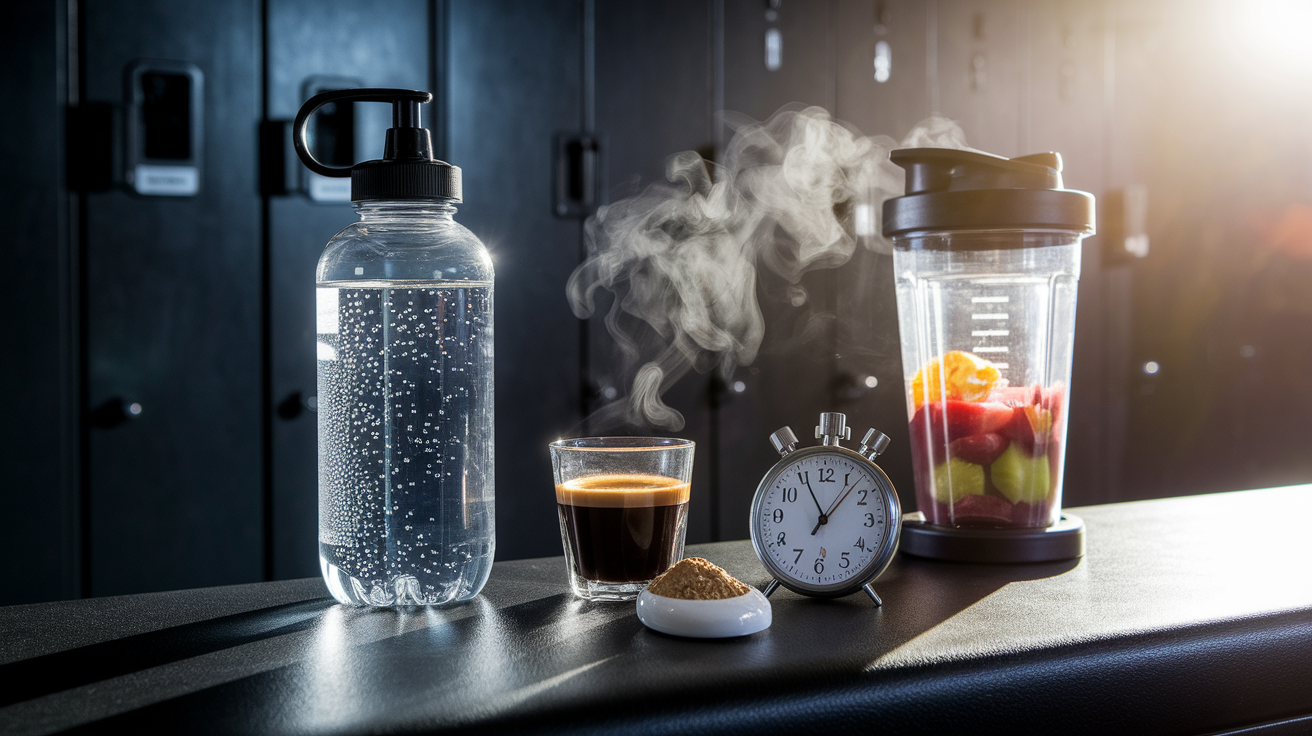
Start hydrating at least 4 hours before your session if you can, targeting 5–7 mL of water per kilogram of body weight during that window. For a 70 kg lifter, that’s roughly 350–500 mL (12–17 oz) of water. Pale-yellow urine by the time you start training means you’re good. Drink another 6–12 oz during your warm-up if your session’s intense or the gym’s warm.
Caffeine timing pairs well with your pre-workout meal, especially when combined with carbs. Caffeine peaks in your bloodstream 30–60 minutes after you take it, so have it with your breakfast or snack if you’re eating 30–90 minutes before lifting. Creatine timing’s flexible and doesn’t need to line up with your workout window, so take it with breakfast, post-workout, or whenever fits your routine. Protein shakes digest quickly and work as both a meal and a hydration source when you blend them with water or milk.
| Item | Timing Recommendation | Notes |
|---|---|---|
| Water | Begin 4 hours before; 5–7 mL/kg body weight | Pale-yellow urine = adequate hydration. Sip another 6–12 oz during warm-up. |
| Caffeine | 30–60 minutes before training | Pair with carbs for synergistic effect. Typical dose: 3–6 mg/kg body weight. |
| Creatine | Anytime (with or separate from workout) | Daily consistency matters more than timing. 3–5 g per day. |
| Protein Shake | 15–60 minutes before, or immediately after | Digests quickly. Add fruit for carbs if using pre-workout. |
Special Population Considerations for Morning Pre-Workout Breakfast Timing
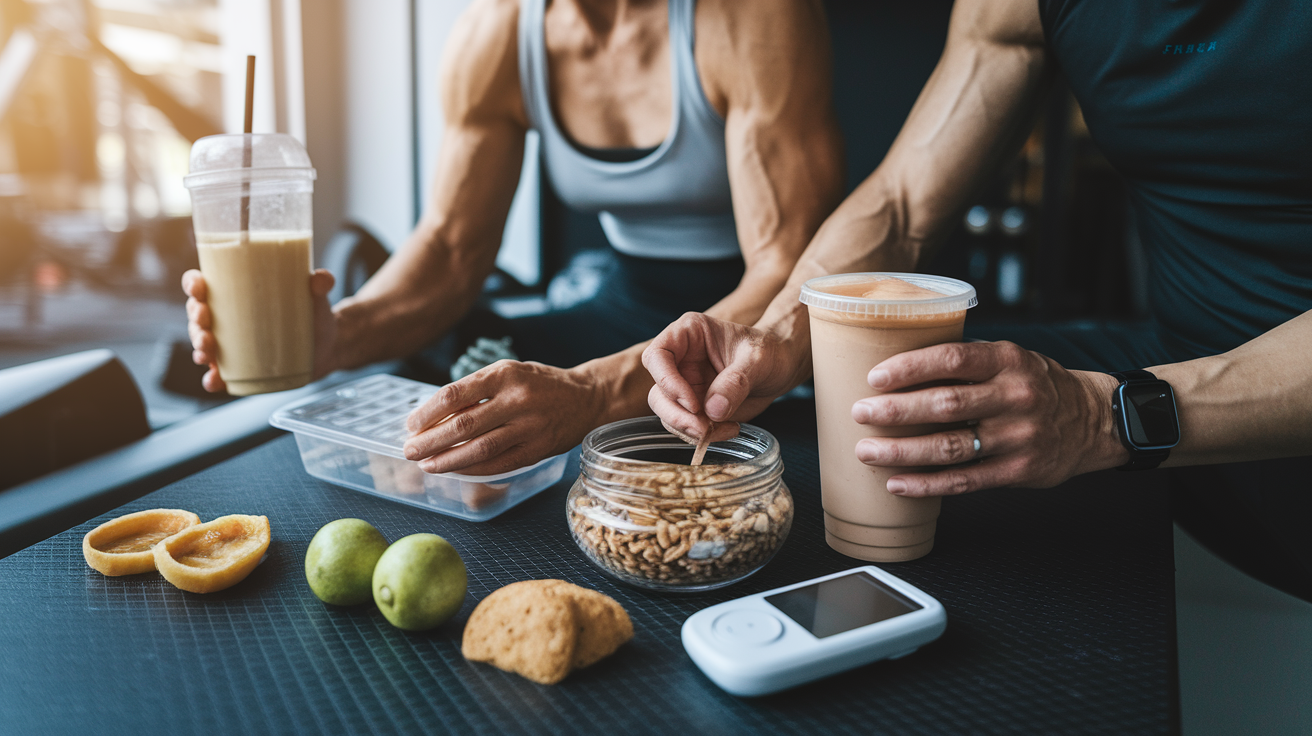
Older lifters often deal with slower gastric emptying and may need longer lead times between breakfast and training. A 90–120 minute window works better than 30–60 minutes for many people over 50, especially when eating full meals. Liquid options still work well if time’s limited, since digestion speed matters more than age alone.
Women may notice changes in appetite, digestion, and energy availability across different phases of the menstrual cycle. During the luteal phase, some women tolerate smaller, more frequent meals better than one larger pre-workout breakfast. Adjust timing and portion sizes based on how you feel rather than sticking rigidly to one strategy all month. Pre-diabetic and diabetic lifters benefit from pairing carbs with protein to moderate blood sugar spikes, and should monitor glucose response to different breakfast timing windows to find what keeps levels stable through training.
Early shift workers and lifters with tight morning commutes can rely on portable, shelf-stable options like rice cakes, protein bars, or pre-mixed shakes. Prepare breakfast the night before when possible, and go with liquid or semi-liquid options if you’re eating in the car or during a short break before the gym.
Four practical tweaks for special populations:
Older adults: extend pre-workout timing to 90–120 minutes for full meals; use liquids when time’s short.
Women in luteal phase: reduce meal size and eat 30–45 minutes before training to avoid sluggishness.
Pre-diabetic/diabetic lifters: always pair carbs with protein and track blood sugar response to refine timing.
Early shift workers: prep portable breakfasts the night before; go with bars, shakes, or rice cakes you can eat on the go.
Things to Keep in Mind When Adjusting Your Pre-Workout Breakfast Timing

Your personal digestion rate varies widely, so symptoms guide necessary timing adjustments more reliably than generic rules. If you feel nauseous, bloated, or sluggish during your warm-up, move your meal earlier or reduce portion size. If you feel weak, lightheaded, or can’t complete your planned sets with good effort, eat more or move your meal closer to training. Small changes work best. Shift timing by 15 minutes, swap one food for another, or adjust portion size by 25%. These reveal what works without requiring a complete overhaul.
Track energy levels, GI feedback, and performance over one to two weeks when testing timing changes. Note whether you hit your target reps, how your focus felt, and whether any discomfort interrupted your session. Consistency matters more than perfection, so repeat your chosen timing strategy for at least a week before deciding it doesn’t work.
Five-item checklist for refining your pre-workout breakfast timing:
Did you feel energized by your first working set, or sluggish and flat?
Did any GI discomfort (bloating, nausea, cramping) interfere with your session?
Were you able to complete your planned volume and intensity without unusual fatigue?
Did you feel mentally focused and ready to lift, or distracted by hunger or fullness?
Was the timing realistic to repeat most training days, or does it require a schedule change?
Final Words
Aim to eat 30–90 minutes before morning strength sessions; full meals work best 1–3 hours out. These windows matter because carbs give quick fuel, while fat and fiber slow digestion and can hurt lifting.
If you’re short on time, choose liquids or small carbs. We covered fed vs fasted, meal examples, hydration, caffeine, and tweaks for different people.
Try these tips, track energy and GI, and adjust over a few workouts. Dialing in your pre-workout breakfast timing for morning strength training helps you lift better and stay consistent.
FAQ
Q: What is the 30 30 30 rule for breakfast?
A: The 30 30 30 rule for breakfast is aiming for about 30 grams each of protein, carbs, and fat at breakfast to balance energy, fullness, and recovery for morning strength sessions.
Q: What is the 3-3-3 rule for workout?
A: The 3-3-3 rule for workout is commonly used as three sets of three reps for heavy lifts, giving a simple strength template; some also apply it as 3 exercises, 3 rounds, 3 minutes each.
Q: What to eat in the morning before strength training?
A: Before morning strength training, eat easily digestible carbs plus moderate protein, and keep fat and fiber low if eating within 30 to 60 minutes. Try a banana, yogurt, or smoothie.
Q: What is the 5 5 5 30 morning workout?
A: The 5 5 5 30 morning workout is usually a short, structured session—often 5 exercises done for 5 sets of 5 reps with 30 seconds rest, or a 30-minute AM circuit depending on goals.