

What if the reason you’re exhausted every morning isn’t a weak will but a mismatched first hour?
Most people reach for coffee, hit snooze, or scroll and wonder why energy never sticks.
Those quick fixes mask tiredness instead of fixing the cause.
You don’t need a 5 AM wake-up or an hour-long ritual.
Five small habits—water, sunlight, two minutes of movement, short breathwork, and delaying your phone—take under 20 minutes and set your body up for steady energy all morning.
Try them for three days and you’ll notice the difference.
Understanding the Morning Energy Problem and the Sustainable Solution

Morning fatigue isn’t a personality problem. It’s feedback that your first hour doesn’t match how your body actually wakes up.
Most people try fixing mornings with more coffee, double snoozing, or phone scrolling until their brain catches up. Those habits don’t create energy. They mask fatigue or steal focus from later in the day. A sustainable morning routine addresses the upstream factors that decide whether you feel sharp or foggy for the next eight hours.
The solution’s simpler than you think. You don’t need an hour-long ritual, a 5 AM alarm, or flawless execution. You need five small actions that tell your body it’s time to wake up and your brain it’s safe to focus.
Here’s what works:
- Drink 8 to 16 oz of water right when you wake up to counter overnight dehydration.
- Get sunlight for 5 to 10 minutes to trigger cortisol and dial down melatonin.
- Do a 2 minute movement burst like air squats or stretching to get blood moving.
- Delay phone use for 30 minutes so your first thoughts aren’t reactive.
- Eat a protein forward breakfast to stabilize blood sugar and support sustained focus.
These actions take under 20 minutes combined. They’re flexible enough to survive a messy week and specific enough to produce noticeable results within three days.
Why Morning Fatigue Happens and What Disrupts Energy
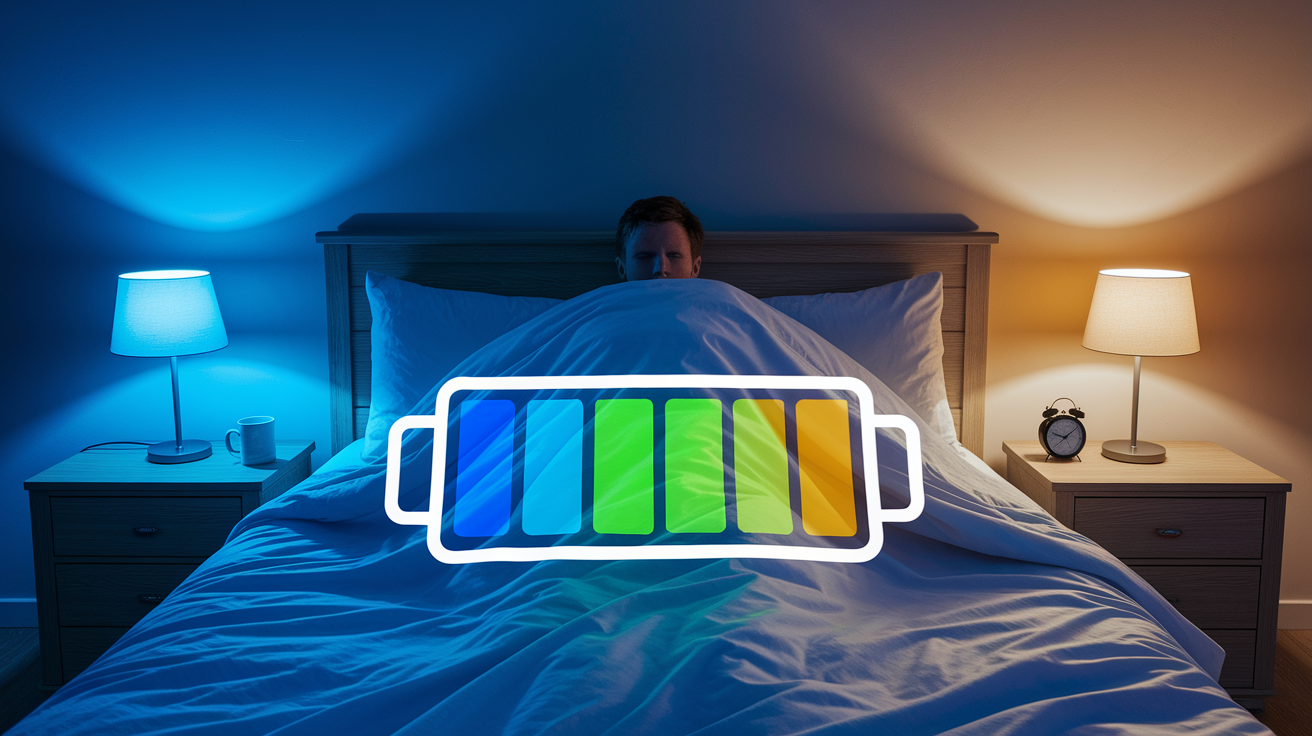
Your body doesn’t wake up instantly. For the first 30 to 90 minutes after your alarm, you’re in a biological transition called sleep inertia. Melatonin’s still clearing, core body temperature’s rising, and your brain’s slowly switching from low power mode to active processing. If you try forcing focus during this window without supporting the transition, your nervous system stays sluggish and your energy never fully kicks in.
Most morning fatigue comes from behaviors that extend sleep inertia or create metabolic friction. Poor sleep raises cortisol and messes with blood sugar, which makes you crave quick carbs and feel irritable by 10 AM. Inconsistent wake times confuse your circadian rhythm because your body doesn’t know when to release cortisol or suppress melatonin. Hitting snooze restarts fragmented sleep cycles, which increases grogginess instead of reducing it. And reaching for your phone first thing floods your brain with reactive stimuli before it’s ready to filter or prioritize, leaving you mentally behind before you even stand up.
Here are the root causes of low morning energy:
- Circadian disruption from waking at different times on weekdays versus weekends.
- Hydration gaps after seven to nine hours without water overnight.
- Morning reactivity triggered by checking notifications before your prefrontal cortex is fully online.
- Sleep inertia from inconsistent sleep patterns, late screens, bright light exposure before bed, or unstructured bedtimes that prevent deep restorative sleep.
When you address these four causes instead of covering them with caffeine, your mornings feel less like a battle and more like momentum.
Core Morning Energy Habits to Build a Reliable Routine
Sustainable routines are built from habits that cost almost nothing in time or willpower but compound into noticeable energy shifts within a week. The goal isn’t perfection. It’s consistency with a small set of actions that work even on rough days.
Get Sunlight Within 5 to 10 Minutes of Waking
Natural light exposure tells your brain to stop producing melatonin and start releasing cortisol, which drives alertness and focus. Step outside for five to ten minutes, or open your blinds and stand near a window if it’s still dark. If sunrise happens after your wake time, a bright light therapy lamp (10,000 lux) can simulate the effect. This single habit sets your circadian rhythm for the entire day and improves nighttime sleep quality.
Hydrate Before Caffeine
Drink 8 to 16 oz of water as soon as you wake up. After seven to nine hours without fluids, your blood volume’s lower and your cells are mildly dehydrated, which directly reduces cognitive performance and physical energy. Add a pinch of sea salt or a squeeze of lemon if you want to replace trace electrolytes. Keep a filled water bottle on your nightstand so hydration becomes automatic.
Move Your Body for Two Minutes
You don’t need a full workout. Two minutes of dynamic movement increases circulation, raises your heart rate slightly, and signals to your nervous system that it’s time to be active. Try 10 air squats, 10 arm circles in each direction, 10 cat cow stretches, or walking while you brush your teeth. Movement that feels natural to your body works better than movement you force yourself to do.
Use Breathwork to Reset Your Nervous System
Take three to five cycles of 4-4-8 breathing. Inhale for four seconds, hold for four seconds, exhale for eight seconds. This pattern activates your parasympathetic nervous system, reduces residual stress from sleep or dreams, and increases mental clarity. You can do this sitting on the edge of your bed or standing in the bathroom.
Delay Phone Use for 30 Minutes
Checking notifications, emails, or social media within the first 30 minutes creates a reactive mental state. Your brain shifts into problem solving mode before it has a chance to set intentions or priorities for the day. Keep your phone in another room overnight, turn on airplane mode, or use a separate alarm clock. This boundary protects the time when your brain’s most open to intentional focus.
Six habit stacking ideas to make these actions automatic:
- Drink water while your coffee brews.
- Do breathwork after you turn off your alarm.
- Stretch while you brush your teeth.
- Step outside for sunlight while your water heats for tea.
- Stack hydration with opening your blinds.
- Pair movement with letting your dog outside or waiting for breakfast to cook.
| Habit | Time Needed | Benefit |
|---|---|---|
| Sunlight exposure | 5 to 10 minutes | Triggers alertness, regulates circadian rhythm |
| Hydration | 1 minute | Reverses overnight dehydration, supports cognition |
| Movement | 2 minutes | Boosts circulation, raises energy |
| Breathwork | 2 minutes | Calms nervous system, improves focus |
| Phone delay | 0 minutes (just a boundary) | Prevents reactive stress, protects intention |
Building a Sustainable Breakfast for Long Lasting Morning Energy

The first meal you eat determines whether your energy holds steady until lunch or crashes by mid morning. A protein forward breakfast with healthy fats and complex carbs stabilizes blood sugar, reduces cravings, and supports focus without the spike and crash cycle that comes from sugary cereals, pastries, or skipping food entirely.
Your goal’s simple: one palm sized serving of protein, a source of healthy fat, and a moderate portion of complex carbohydrates. That might look like scrambled eggs with avocado and a slice of whole grain toast, Greek yogurt with nuts and berries, or a smoothie with protein powder, spinach, frozen fruit, and a tablespoon of almond butter. If you drink coffee, pair it with food instead of drinking it on an empty stomach. Caffeine without food can spike cortisol and leave you jittery instead of alert.
Five foods to prioritize in the morning:
- Eggs for complete protein and choline to support brain function.
- Greek yogurt or cottage cheese for protein and probiotics.
- Avocado for healthy fats and fiber that slow digestion.
- Oatmeal or sweet potato for complex carbs that provide steady glucose.
- Berries or leafy greens for antioxidants and micronutrients without excess sugar.
If you work out first thing in the morning and need something light beforehand, a small smoothie with spinach, half an avocado, and a handful of frozen fruit provides quick digesting carbs without heaviness. Save your full breakfast for after the workout when your body’s ready to absorb nutrients and rebuild.
Hydration counts as part of breakfast. Water, herbal tea, or coconut water are better first choices than jumping straight to coffee. If you prefer a warm drink, green tea or matcha offer a gentler caffeine curve with L-theanine to smooth out the stimulant effect.
Quick Movement and Mobility Routines to Increase Alertness

Movement doesn’t need to be a full workout to wake up your body. A few minutes of intentional mobility increases blood flow, reduces stiffness from sleep, and signals to your nervous system that it’s time to be active instead of passive.
Five categories of morning movement that fit into any schedule:
- Dynamic stretching like leg swings, arm circles, or spinal twists.
- Bodyweight exercises like squats, lunges, or push ups.
- Yoga flows such as sun salutations or cat cow sequences.
- Walking around your home, outside, or on a treadmill.
- Jumping or marching in place to raise your heart rate for 30 seconds.
5 Minute Wake Up Mobility Flow
This sequence wakes up your joints, improves range of motion, and primes your body for the rest of the day. Do each movement slowly and with control. You don’t need a warm up because the flow itself is the warm up.
Standing Reach and Side Stretch. Stand tall, reach both arms overhead, then lean to the right for 30 seconds. Return to center and lean to the left for 30 seconds. Focus on lengthening through your ribs and breathing deeply.
Cat Cow. Get on your hands and knees. Arch your back and look up (cow), then round your spine and tuck your chin (cat). Move smoothly between the two positions for 10 full reps. This mobilizes your spine and wakes up your core.
World’s Greatest Stretch. Step your right foot forward into a lunge, place your left hand on the floor inside your right foot, and rotate your right arm up toward the ceiling. Hold for a breath, then switch sides. Do 5 reps on each side. This stretch opens your hips, thoracic spine, and shoulders all at once.
Squats or Glute Bridges. Stand with feet hip width apart and squat down, keeping your chest up and knees tracking over your toes. Stand back up. Do 10 reps. If squats feel hard in the morning, lie on your back, bend your knees, and lift your hips into a bridge for 10 reps instead.
Jumping Jacks or High Knees. Finish with 30 seconds of light cardio. Jumping jacks or marching in place with high knees will raise your heart rate and leave you feeling more alert. Don’t push hard. Just move continuously.
This flow takes five minutes and works whether you’re in workout clothes or pajamas. It’s flexible enough to do in a hotel room, your kitchen, or a tiny apartment.
Designing a Minimalist, Sustainable Morning Routine That Fits Your Life

The best morning routine’s the one you can repeat on a busy Tuesday, after a bad night of sleep, or when your schedule changes. It’s not about doing everything. It’s about doing a few things consistently enough that they become automatic.
Start with one habit. Pick hydration, sunlight, movement, or breathwork. Master it for a week before adding the next one. Once a habit feels easy, it costs almost no willpower to maintain, which creates space to add something new without burning out. This approach is slower than overhauling your entire morning at once, but it’s the only approach that survives real life.
Habit stacking makes new behaviors stick because you anchor them to actions you already do. Your brain’s wired to follow sequences, so when you pair a new habit with an existing cue, the new behavior becomes part of the same automatic routine. You don’t have to remember to hydrate if you always drink water while your coffee brews. You don’t have to motivate yourself to stretch if you always stretch while brushing your teeth.
Six habit stacking examples for mornings:
- Drink water immediately after turning off your alarm.
- Do breathwork while sitting on the edge of your bed before standing up.
- Open your blinds and step outside while waiting for your coffee to brew.
- Stretch or do squats while your breakfast cooks or your tea steeps.
- Journal or plan your day while drinking your first cup of coffee or tea.
- Walk around your home or neighborhood while listening to a podcast or music.
Preparation the night before reduces decision fatigue and removes friction. Lay out your workout clothes so you don’t waste energy deciding what to wear. Fill a water bottle and leave it on your nightstand. Prep breakfast ingredients or set out oatmeal and a bowl. These small actions take two minutes at night and save ten minutes of mental effort in the morning.
| Sustainable Routine | Unsustainable Routine |
|---|---|
| Start with one habit, add more gradually | Overhaul everything overnight |
| 5 to 20 minutes of core actions | 60 to 90 minute morning ritual with no flexibility |
| Flexible timing and realistic expectations | Rigid wake time (e.g. 5 AM) without gradual adjustment |
| Focus on actions you genuinely enjoy | Force habits because they sound optimal |
| Night before prep to reduce morning decisions | Wing it every morning and rely on motivation |
Preventing Morning Routine Breakdowns and Staying Consistent

Routines break down when life gets unpredictable or when the routine itself feels rigid. Flexibility’s the key to long term consistency. Your routine should have a core set of actions you can rely on and permission to adjust when things don’t go as planned.
Environmental cues keep habits on track when motivation’s low. Place your alarm across the room so you have to stand up to turn it off. Keep a filled water bottle on your nightstand so hydration’s automatic. Lay out your workout clothes the night before. These small changes remove decision points and make the right action easier than the wrong one.
Five common problems and their solutions:
- Problem: You hit snooze and lose 20 minutes. Solution: Move your alarm out of reach and commit to standing up immediately after turning it off.
- Problem: You forget to hydrate. Solution: Keep water next to your bed and drink it before you do anything else.
- Problem: You skip movement because you don’t have time. Solution: Do two minutes instead of ten. Two minutes still works.
- Problem: You check your phone first thing out of habit. Solution: Keep your phone in another room overnight or on airplane mode until after breakfast.
- Problem: The routine feels boring or repetitive. Solution: Rotate your movement (yoga one day, stretching the next), change your breakfast, or listen to different music or podcasts.
Tracking doesn’t need to be complicated. A simple checkmark on a calendar or a note in your phone’s enough to show progress and build momentum. The goal isn’t a perfect streak. It’s noticing patterns, celebrating small wins, and getting back on track quickly when you miss a day.
If your routine consistently falls apart in the same place, adjust the routine instead of blaming yourself. Maybe you need to wake up 15 minutes later and do a shorter version. Maybe you need to prep more the night before. The routine should serve you, not the other way around.
When to Seek Extra Support or Adjust Your Morning Routine

If you’ve built a consistent routine with hydration, sunlight, movement, balanced meals, and good sleep hygiene, but your mornings still feel difficult, it’s worth looking deeper. Chronic fatigue, persistent brain fog, or low energy that doesn’t respond to lifestyle changes can signal underlying issues like sleep disorders, hormonal imbalances, nutrient deficiencies, or chronic stress that need professional evaluation.
A structured program, coach, or supportive community can help if you’re struggling to implement the basics on your own. Sometimes the missing piece isn’t information. It’s accountability, personalized guidance, or someone who helps you troubleshoot what’s not working. Weekly check ins, habit tracking support, and real time adjustments make it easier to stay consistent and refine your approach based on what actually happens in your life.
Three situations where outside support helps:
- You’ve tried to build a routine multiple times but can’t maintain it past a few days.
- You’re doing the habits but still feel exhausted, foggy, or unmotivated most mornings.
- You want personalized coaching to design a routine that fits your specific schedule, energy patterns, or health constraints.
Experimentation and reflection are part of the process. What works for someone else might not work for you, and that’s normal. Track how you feel after different wake times, breakfast combinations, or movement types. Adjust based on your energy levels, not based on what sounds optimal on paper. A sustainable routine’s one you can repeat, enjoy, and trust to work even when everything else feels chaotic.
Final Words
Start your morning with the essentials: 8–16 oz water, 5–10 minutes of sunlight, a 2-minute movement burst, breathwork, and delay your phone while you eat a protein-forward bite.
Keep it minimalist: pick one habit, stack another, prep the night before, and favor consistent wake times.
Use these steps to learn how to build a sustainable morning routine for energy. Small, repeatable moves add up. Keep it flexible, track progress, and expect steadier energy within weeks. You can do this.
FAQ
What makes a morning routine sustainable long-term?
A sustainable morning routine is built on simple, stackable habits that take minimal time and require low decision-making. It works because you start with one or two actions, not ten, and gradually layer in new habits only after the first ones feel automatic and easy to repeat.
How much time does an effective morning energy routine actually take?
An effective morning energy routine can work in as little as 10 to 15 minutes total. The core actions—drinking water, getting sunlight, doing a quick movement burst, and eating a balanced breakfast—don’t require long blocks of time to deliver noticeable improvements in alertness and focus.
What should I do first thing in the morning to feel more awake?
The first thing you should do in the morning to feel more awake is drink 8 to 16 ounces of water to reverse overnight dehydration. Follow that with 5 to 10 minutes of natural light exposure, which signals your brain to boost alertness and supports your circadian rhythm.
Why does hitting snooze make me feel worse instead of better?
Hitting snooze makes you feel worse because it restarts incomplete sleep cycles, which increases grogginess and disrupts your body’s natural wake-up process. This confusion deepens sleep inertia, leaving you foggier than if you’d just gotten up at the first alarm with a consistent wake time.
Can I skip breakfast and still have good morning energy?
You can skip breakfast if you feel genuinely energized and focused without it, but most people experience better sustained energy with a protein-forward meal that stabilizes blood sugar. If you’re skipping it and crashing mid-morning or craving sugar, a balanced breakfast will likely help your consistency and alertness.
What’s the best way to get sunlight if I wake up before sunrise?
The best way to get sunlight before sunrise is to go outside as soon as the sky starts lightening, even if the sun isn’t fully up yet. If that’s not realistic, use a bright indoor light near a window and prioritize outdoor light as soon as it’s available later in the morning.
How long should I wait before checking my phone in the morning?
You should wait at least 30 minutes before checking your phone in the morning to avoid starting your day in reactive mode. This delay gives you time to hydrate, move, and set your own mental tone before responding to messages, notifications, or other people’s priorities.
What kind of movement actually helps with morning energy?
Movement that helps with morning energy includes light dynamic stretches, bodyweight squats, cat-cow stretches, or a short walk to boost circulation and shake off stiffness. Even two minutes of jumping jacks or high knees can raise your heart rate enough to improve alertness and reduce grogginess.
Do I need a full workout in the morning to feel the benefits?
You do not need a full workout in the morning to feel energy benefits. A 2 to 5 minute movement burst—like stretching, breathwork, or a quick mobility flow—is enough to wake up your body, improve circulation, and support focus for the rest of your day.
What breathing technique works best for morning alertness?
The breathing technique that works best for morning alertness is a simple 4-4-8 pattern: inhale for 4 seconds, hold for 4 seconds, exhale for 8 seconds. This calms your nervous system while increasing oxygen flow, helping you feel awake without feeling wired or anxious.
Should I drink coffee right after waking up?
You should not drink coffee right after waking up on an empty stomach, as it can spike cortisol and disrupt blood sugar stability. Instead, hydrate first, eat a small protein-forward breakfast, and then have your coffee 30 to 60 minutes after waking for steadier energy.
What’s a good alternative to coffee for morning energy?
A good alternative to coffee for morning energy is green tea or matcha, which provides a gentler caffeine boost along with L-theanine for calm focus. Herbal teas, coconut water, or just cold water with lemon can also support hydration and alertness without any caffeine at all.
How do I build a morning routine when my schedule changes every day?
You build a morning routine with a changing schedule by focusing on flexible micro-habits that work in any order or timeframe, like drinking water first, getting light when possible, and doing one quick movement. Keep the core actions small enough to repeat even on your busiest or most unpredictable mornings.
What does habit stacking mean in a morning routine?
Habit stacking means pairing a new habit with something you already do automatically, like drinking water while your coffee brews or stretching while you brush your teeth. This strategy reduces decision fatigue and makes it easier to build consistency without adding extra time or mental effort.
How can I prepare the night before to make my morning routine easier?
You can prepare the night before by laying out your clothes, filling a water bottle, prepping breakfast ingredients, and setting your alarm across the room to avoid snoozing. These small actions reduce morning friction and decision-making, which makes it easier to follow through when you’re still groggy.
What should I do if I’m just not a morning person?
If you’re not a morning person, start with one small, non-negotiable habit like drinking water right when you wake up, then gradually add light exposure and movement as those actions feel automatic. You don’t need to become a 5 a.m. person—you just need a short, repeatable routine that works with your natural rhythm and schedule.
How long does it take for a morning routine to feel automatic?
A morning routine typically takes 3 to 6 weeks to feel automatic, depending on how simple the habits are and how consistently you repeat them. Starting with just one or two actions speeds up the process and makes it easier to stay consistent without relying on motivation.
What if I still feel tired even with a solid morning routine?
If you still feel tired even with a solid morning routine, the issue may be rooted in sleep quality, chronic stress, inconsistent sleep timing, or an underlying health concern. At that point, consider tracking your sleep patterns, reviewing your evening habits, or talking to a coach or doctor for personalized support.
Can I adjust my morning routine on weekends or should I stay consistent?
You can adjust your morning routine slightly on weekends, but keeping your wake time within 30 to 60 minutes of your weekday schedule helps maintain your circadian rhythm and prevents Monday grogginess. Small flexibility is fine—just avoid major swings that disrupt your body’s natural rhythm and energy patterns.
What’s the biggest mistake people make when starting a morning routine?
The biggest mistake people make when starting a morning routine is trying to add too many new habits at once, which leads to burnout and inconsistency. Instead, start with one or two core actions, build those into automatic behaviors, and only add more once the first steps feel easy and repeatable.