
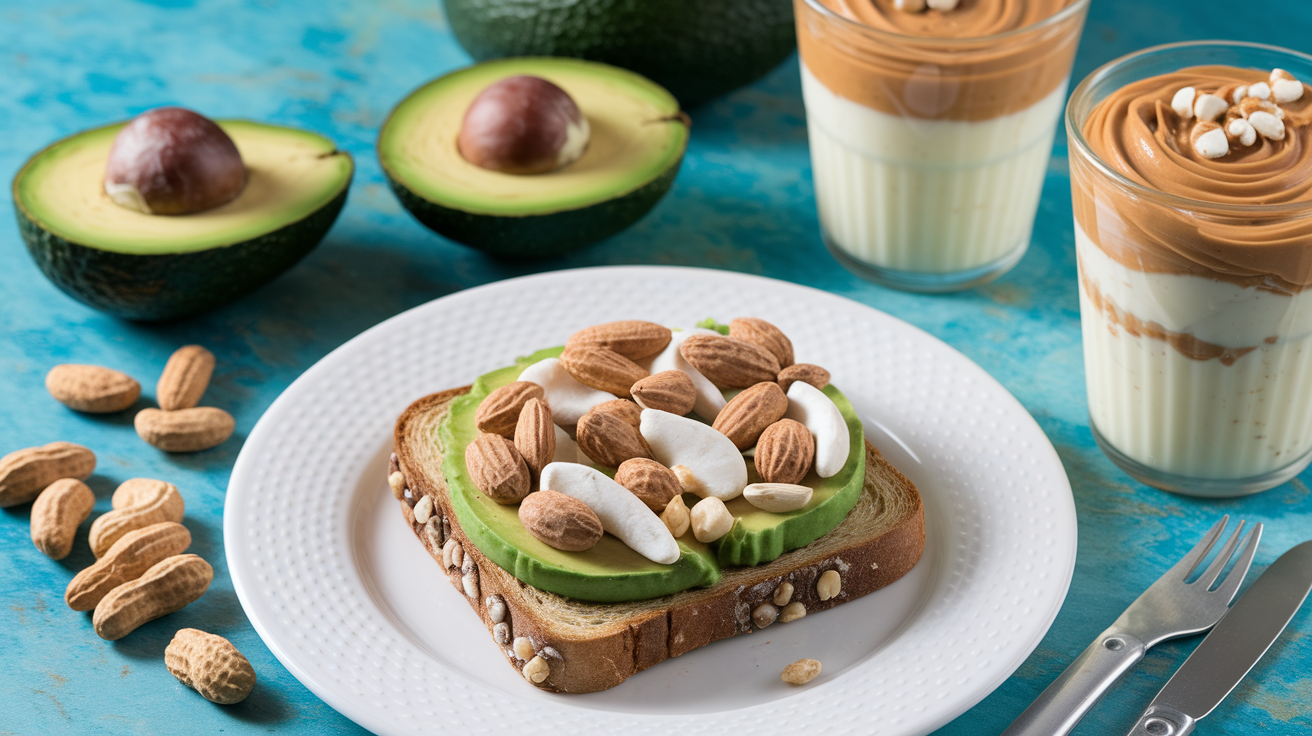
Controversial: you don’t need to force down massive meals to gain weight.
Smart, calorie-dense snacks can add 300 to 500 extra calories daily without leaving you stuffed.
Choose foods high in healthy fats and protein, like nut butters, full-fat dairy, smoothies, and nuts, so those extra calories help build tissue and fuel workouts.
This post gives 12 easy, portable snack ideas and simple rules to hit a steady calorie surplus in a realistic, sustainable way.
Calorie-Dense Snack Options That Support Healthy Weight Gain
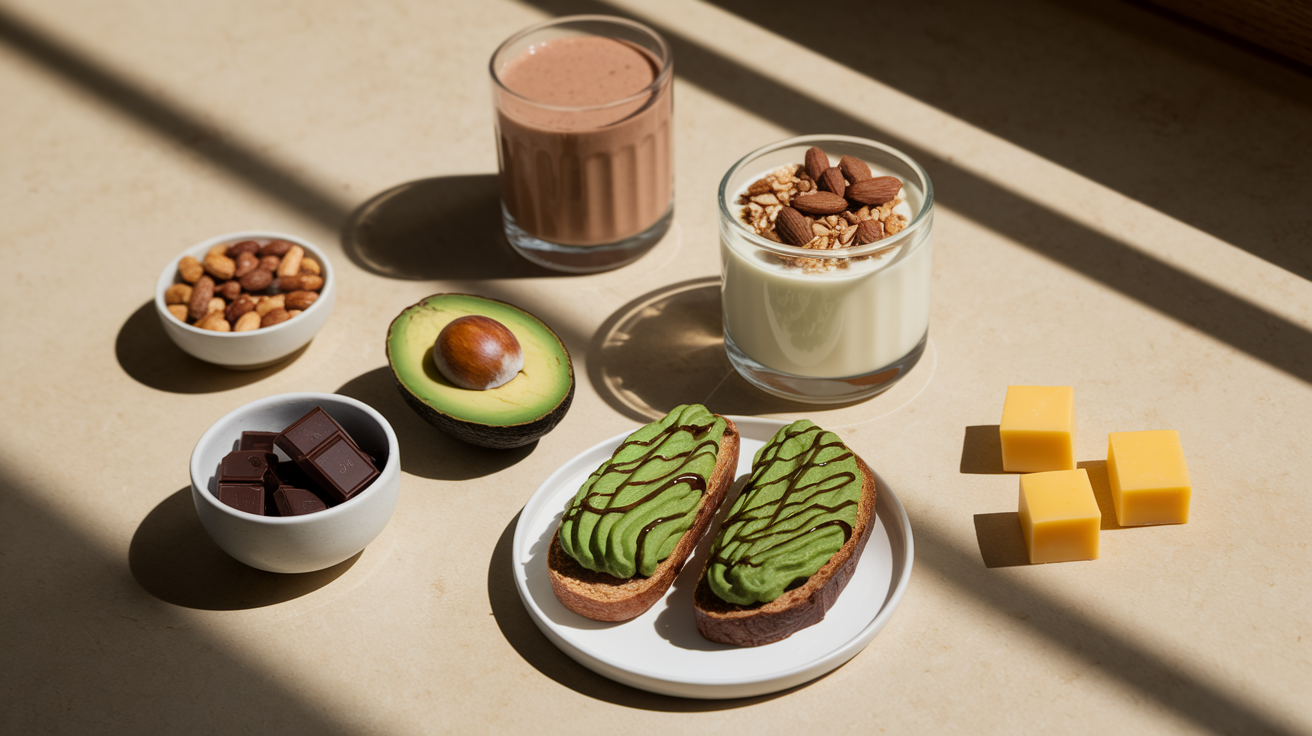
You don’t need to force down massive meals to hit a calorie surplus. If you’re trying to gain weight gradually, adding 300 to 500 extra calories per day through smart snacking is usually the most realistic move. Energy-dense snacks pack concentrated nutrition into smaller portions, so you’re not walking around stuffed all day while still nudging the scale up.
Healthy fats and proteins work best here because they cram more calories into less space. Fats give you 9 calories per gram versus the 4 you get from carbs or protein, so a tablespoon of nut butter or half an avocado delivers serious energy without requiring you to eat a second dinner. Pairing those fats with quality protein helps your body actually use those calories to build muscle and tissue instead of just storing them.
The goal? Keep your snack routine simple enough that it actually happens. You don’t need complicated recipes or a full kitchen at 3 PM on a Tuesday. Stock a few go-to options that travel well, taste good, and give you the calorie boost you’re after.
12 High-Calorie Snack Ideas to Keep On Hand:
- Mixed nuts (1 oz = 160–200 calories), almonds, cashews, walnuts, or pistachios plain or lightly salted
- Nut butter on whole-grain toast (2 tbsp peanut or almond butter ≈ 250 calories)
- Avocado toast with olive oil drizzle (half an avocado ≈ 250 calories, plus bread and oil)
- Full-fat Greek yogurt parfait with granola and fruit (1/2 cup yogurt + toppings ≈ 300–360 calories)
- Trail mix with nuts, seeds, dried fruit, and dark chocolate chips (1/2 cup ≈ 300–400 calories)
- Dried fruit paired with cheese cubes (1 oz dried mango + 1 oz cheddar ≈ 200–250 calories)
- Granola eaten plain or with whole milk (1/2 cup granola ≈ 200–300 calories)
- Protein bars made with real ingredients, not just sugar alcohols (200–300 calories per bar)
- Smoothies blended with whole milk, banana, nut butter, and protein powder (16 oz ≈ 400–600 calories)
- Cottage cheese mixed with canned fruit in syrup or honey (1/2 cup cottage cheese + fruit ≈ 250 calories)
- Hard-boiled eggs drizzled with olive oil and sea salt (2 eggs + 1 tbsp oil ≈ 280 calories)
- Dark chocolate squares with almonds or cashews (1 oz chocolate + 1 oz nuts ≈ 300 calories)
Understanding Energy-Dense Foods for Healthy Weight Gain
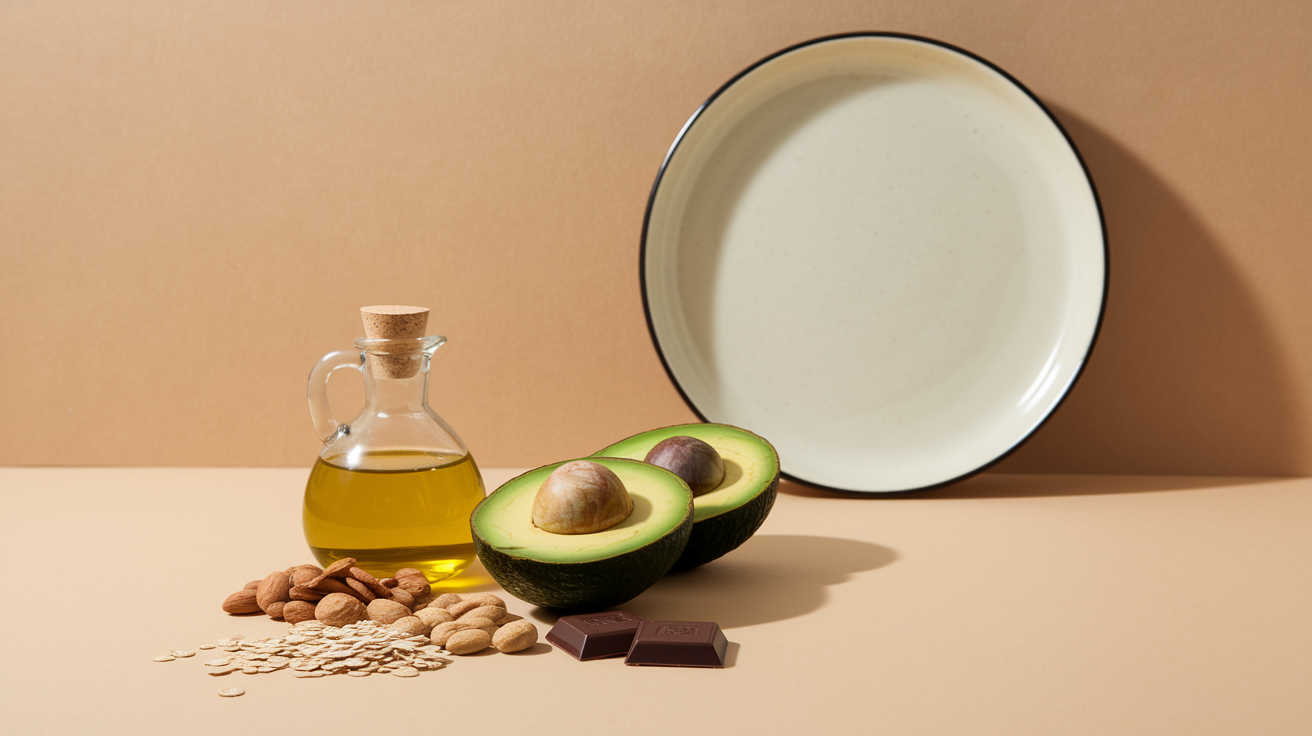
Not all calories come packaged the same way. Fats contain 9 calories per gram. Proteins and carbs only deliver 4. That difference matters when you’re trying to increase your intake without feeling stuffed after every snack. Choosing foods that are naturally energy-dense means you can meet your daily calorie goals with smaller, more manageable portions.
Here’s the thing. You want to focus on healthy unsaturated fats from sources like nuts, seeds, avocado, and olive oil instead of loading up on empty-calorie junk. Yeah, a bag of chips or a box of donuts will technically add calories. But they won’t give your body the raw materials it needs to build muscle, support your immune system, or keep your energy stable. Ultra-processed foods also tend to promote unhealthy fat distribution and increase long-term risks for diabetes and heart disease, so they’re not a smart foundation for weight gain that actually sticks.
Five High-Calorie Macronutrient Sources to Prioritize:
- Healthy fats: avocado, nut butters, olive oil, coconut products, fatty fish
- Complex carbohydrates: whole-grain bread and pasta, oats, quinoa, sweet potatoes
- Protein-rich snacks: eggs, Greek yogurt, cottage cheese, jerky, protein powder
- Whole-food calorie boosters: dried fruit, full-fat dairy, dark chocolate, hummus
- Seeds: chia, flax, hemp, sunflower, pumpkin for sprinkling or blending
When you build your snacks around these categories, you’re stacking calories in a way that supports your overall health instead of working against it. You’ll feel better and perform better.
Nut-Based High Calorie Snacks for Weight Gain
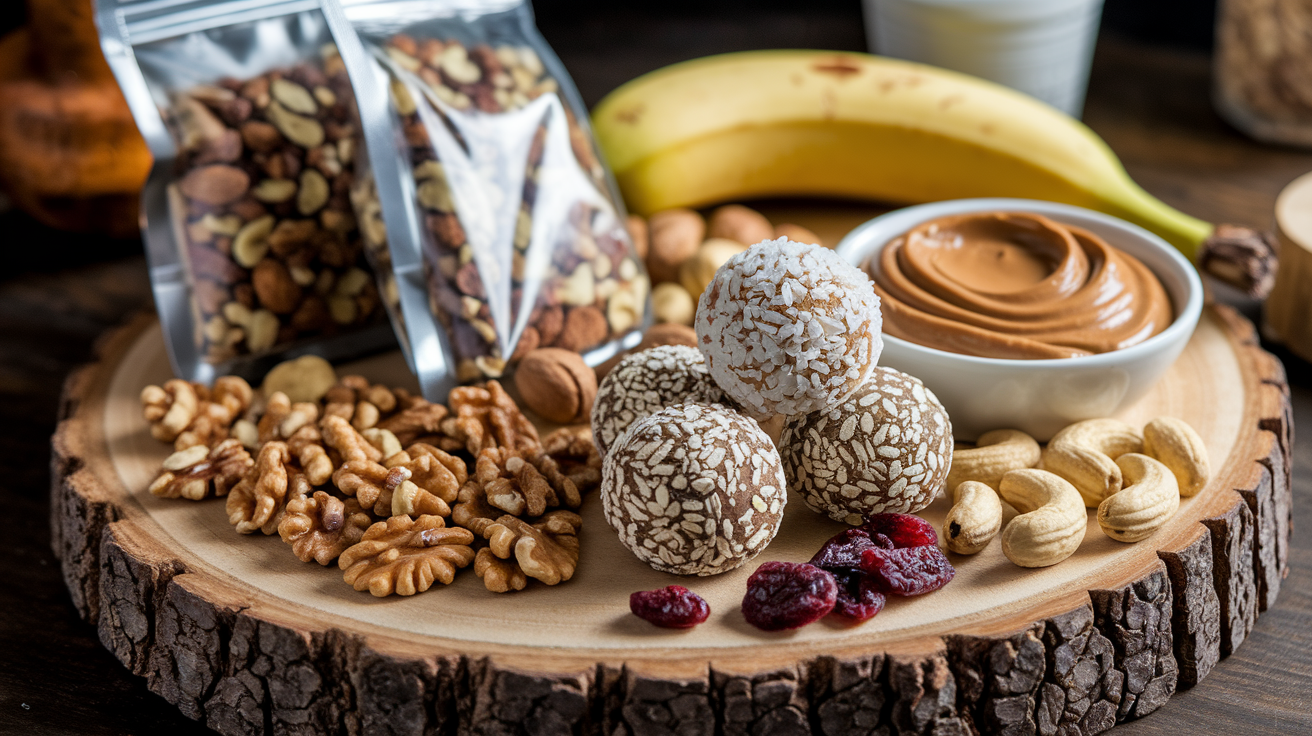
Nuts and nut butters are some of the most efficient calorie carriers in any kitchen. A single ounce of mixed nuts delivers between 160 and 200 calories, and studies show that eating five or more ounces per week is linked to up to 50 percent lower heart disease risk. They’re portable, shelf-stable, and easy to pair with almost anything.
Mixed Nuts & Trail Mix
Raw or lightly salted mixed nuts are one of the simplest snacks you can grab on your way out the door. Keep small portions in resealable bags or a desk drawer so you always have a calorie-dense backup plan. Trail mix takes that base and adds dried fruit, seeds, and optional dark chocolate for variety and extra carbs. A half-cup serving of homemade trail mix can easily land in the 300 to 400 calorie range, and you can customize the ingredients to match what you actually like eating. Avoid the pre-made versions loaded with candy-coated chocolate or sweetened cranberries if you want to keep the sugar in check.
Nut Butters on Fruits & Grains
Two tablespoons of natural peanut or almond butter spread on an apple, banana, or slice of whole-grain toast adds roughly 250 calories in a format that feels like a real snack. Nut butters are also versatile enough to stir into oatmeal, blend into smoothies, or use as a dip for celery or whole-grain crackers. Look for versions without added sugars or hydrogenated oils so you’re getting the full nutritional benefit of the nuts themselves. If you’re dairy-free or avoiding peanuts, sunflower seed butter or cashew butter work just as well.
Homemade Energy Balls
Energy balls and no-bake cookies made with nut butter, oats, honey, and mix-ins like chocolate chips or dried fruit are easy to batch-prep and store in the fridge for the week. Each ball typically delivers around 100 to 120 calories, so eating two or three as a snack gives you a solid 200 to 360 calorie boost. Roll them in coconut flakes or crushed nuts for extra texture and a few more calories. They travel well, don’t require refrigeration for a few hours, and taste enough like a treat that you’ll actually look forward to eating them.
| Snack Type | Calories per Serving | Best Pairings |
|---|---|---|
| Mixed nuts (1 oz) | 160–200 | Dried fruit, dark chocolate, seeds |
| Nut butter (2 tbsp) | ~190 | Toast, apple slices, banana, oatmeal |
| Trail mix (1/2 cup) | 300–400 | Portable snack, desk drawer, car |
| Energy balls (2–3 pieces) | 200–360 | Pre-workout, mid-afternoon, travel |
Dairy-Rich High Calorie Snacks to Support Weight Gain
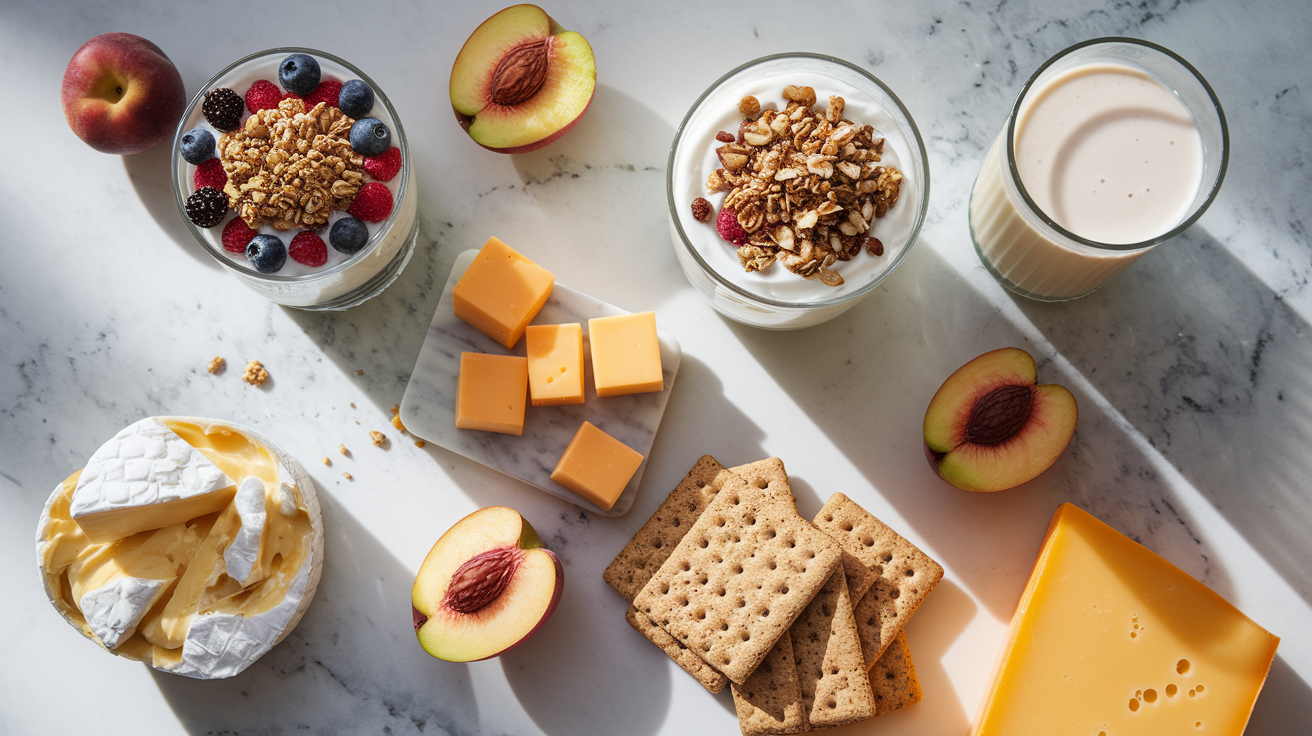
Whole-fat dairy products give you a reliable combination of protein, fat, and carbs in formats that are easy to eat at any time of day. Whole-milk Greek yogurt contains about twice the protein of regular yogurt, which means you’re building muscle while you’re adding calories. Full-fat cottage cheese has roughly 1.5 grams more saturated fat per serving than the 2% version, and when you’re actively trying to gain weight, that extra fat is a feature, not a problem.
A yogurt parfait built with half a cup of whole-milk Greek yogurt, a tablespoon of maple syrup or honey, a handful of granola, and some chopped nuts or dried fruit can deliver around 300 to 360 calories in a single bowl. It feels like breakfast or dessert, but it works just as well as a mid-morning or afternoon snack. If you’re not into yogurt, a serving of cottage cheese mixed with canned fruit in syrup or a drizzle of honey brings similar calorie density with a different texture.
Six Dairy-Based Snack Ideas:
- Whole-milk Greek yogurt with granola, nuts, and fresh or dried fruit
- Full-fat cottage cheese with canned peaches or pineapple in syrup
- Cheese cubes (cheddar, gouda, or Swiss) paired with whole-grain crackers
- Whole milk blended into a smoothie with banana, nut butter, and protein powder
- String cheese or Babybel rounds with an apple or a handful of grapes
- Hot chocolate made with whole milk and a dollop of whipped cream
Protein-Focused High Calorie Snacks for Muscle Building and Weight Gain
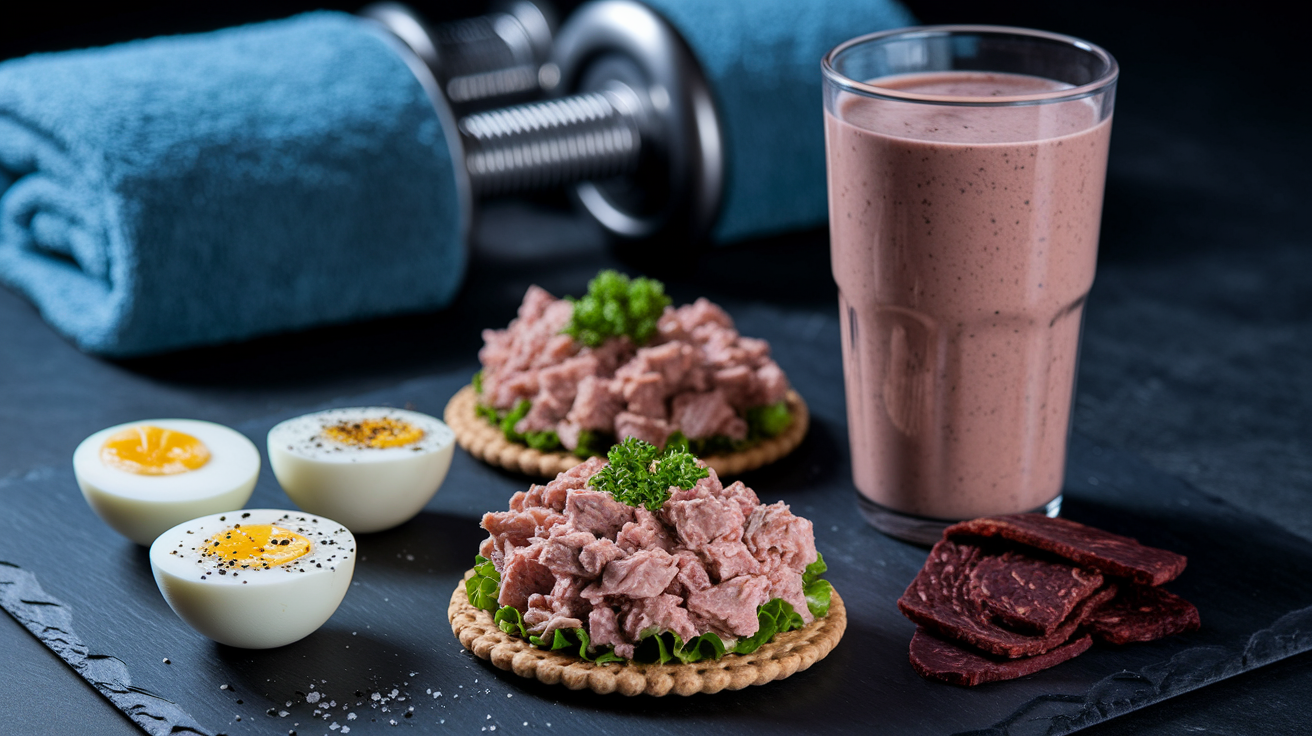
Protein-rich snacks are especially useful if you’re lifting weights or doing any kind of resistance training alongside your effort to gain weight. One large egg delivers 78 calories and about 6 grams of protein, so eating two or three hard-boiled eggs as a snack gives you a solid protein foundation plus around 160 to 240 calories before you add any toppings. Drizzle a tablespoon of olive oil over those eggs and you’re closer to 280 calories in a snack that takes zero cooking if you batch-prep your eggs at the start of the week.
Protein powder is another efficient tool for boosting both protein and calories without adding much volume. Choose versions made from whey, hemp, rice, or pea protein that don’t rely on artificial sweeteners or unnecessary additives. Blend a scoop into a smoothie with whole milk, a banana, a tablespoon of nut butter, and a handful of frozen fruit, and you can easily hit 400 to 600 calories in a 16-ounce shake. Some people even stir protein powder into oatmeal or coffee for a quick calorie bump.
Eight High-Protein Snack Options:
- Hard-boiled eggs with olive oil, sea salt, and black pepper
- Deviled eggs made with full-fat mayo
- Beef or turkey jerky (choose low-sugar versions)
- Protein bars with 10+ grams of protein and whole-food ingredients
- Greek yogurt mixed with a scoop of protein powder
- Cottage cheese blended into a smoothie for extra creaminess and protein
- Tuna or salmon salad on whole-grain crackers
- Rotisserie chicken slices with guacamole or hummus
If you’re worried about cholesterol, limit egg yolks to about four per week and check in with your healthcare provider for personalized guidance. Otherwise, eggs are one of the highest-quality protein sources available and an easy snack to keep in rotation.
High Calorie Snacks Featuring Avocado and Healthy Fats
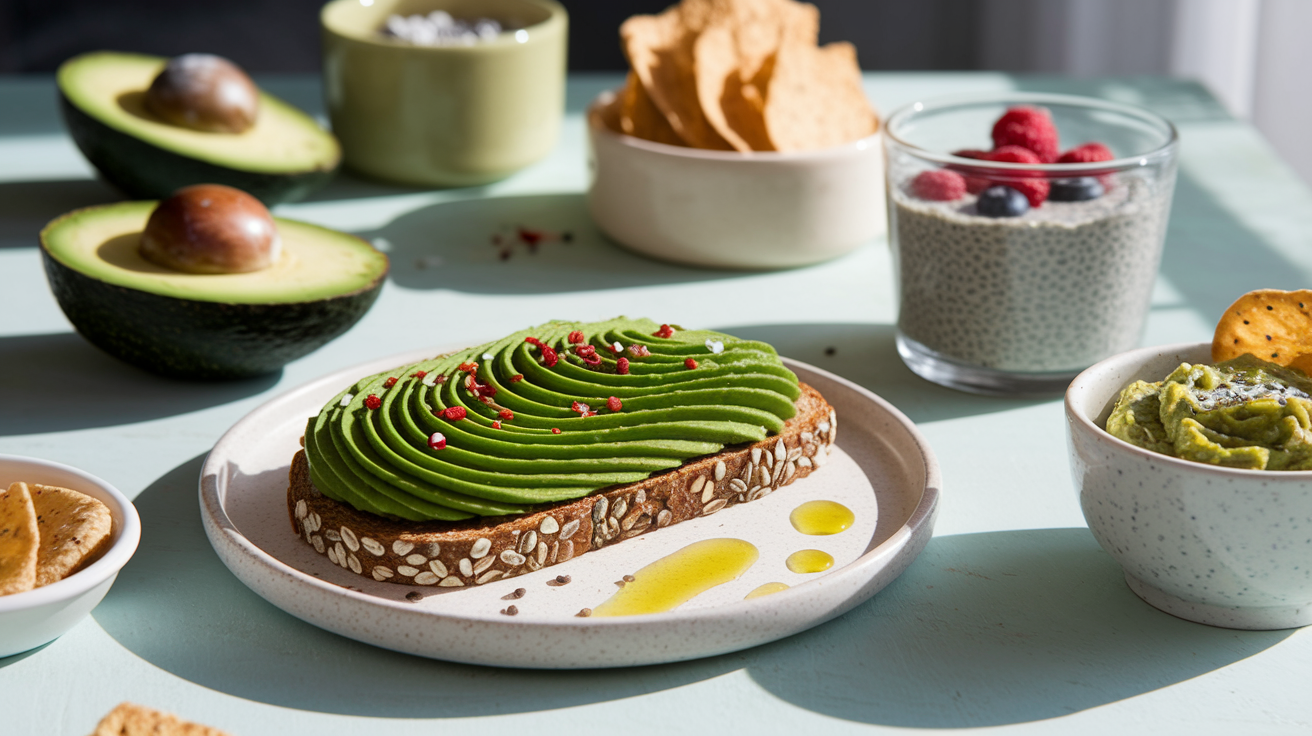
Roughly 75 percent of the calories in an avocado come from monounsaturated fats, the same heart-healthy fats found in olive oil and nuts. Half an avocado spread on a slice of whole-grain toast adds about 250 calories before you count the bread or any toppings like a drizzle of olive oil or a sprinkle of seeds. Avocados are creamy enough to feel indulgent without being heavy, and they pair well with both sweet and savory flavors.
If you’re looking for something more portable, mash half an avocado and mix it with lime juice, salt, and a pinch of chili powder to make a quick guacamole. Pair that with whole-grain crackers or veggie sticks and you’ve got a snack that travels well and delivers concentrated energy. Avocado also blends smoothly into brownies or energy bites for a sneaky fat boost that doesn’t change the flavor much. A single avocado brownie bite can clock in around 165 calories, which makes it a solid choice when you want something that feels like dessert but still supports your calorie goals.
Four Healthy-Fat Snack Ideas:
- Avocado toast with olive oil, sea salt, and red pepper flakes
- Guacamole with whole-grain tortilla chips or sliced bell peppers
- Coconut yogurt topped with chia seeds, hemp hearts, and sliced almonds
- Chia pudding made with full-fat coconut milk, maple syrup, and berries
Homemade High Calorie Snacks and Meal Prep Options
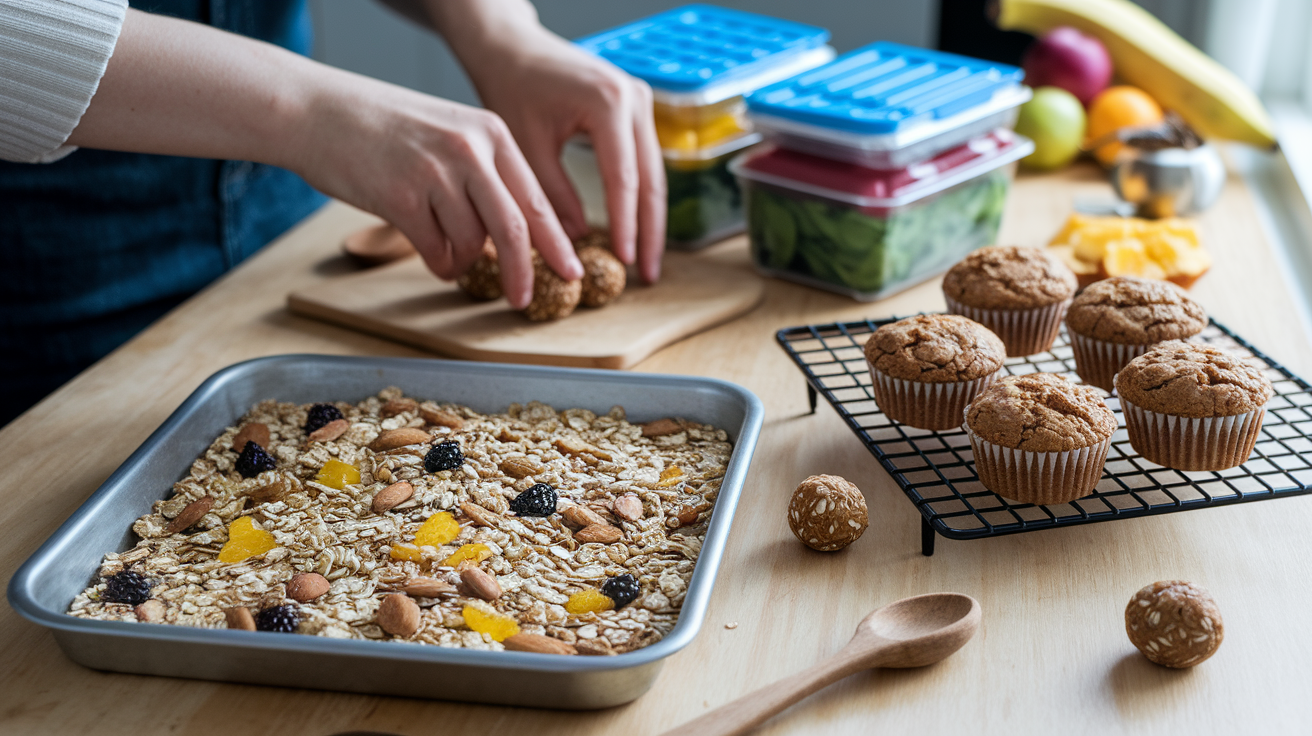
Making your own snacks gives you full control over ingredients, portion sizes, and calorie density without relying on packaged products that might be loaded with added sugar or low-quality oils. Homemade granola is a perfect example. Mix oats with chopped nuts, seeds, a drizzle of honey or maple syrup, and dried fruit, then bake it in a single layer until golden. Store it in resealable bags and you’ve got a snack that lasts for weeks and delivers 200 to 300 calories per half-cup serving.
Energy balls are another batch-friendly option. Combine a cup of oats, half a cup of nut butter, a quarter cup of honey, and mix-ins like mini chocolate chips, shredded coconut, or ground flax seeds. Roll the mixture into small balls, refrigerate for an hour, and you’ll have a week’s worth of grab-and-go snacks ready. Smoothie packs make mornings easier too. Portion out frozen fruit, a tablespoon of chia or flax seeds, and a handful of spinach into freezer bags, then just dump one into the blender with milk and nut butter when you need a quick 400-calorie shake.
Baked goods like muffins, pancakes, or quick breads can be calorie-boosted by adding mashed banana, a spoonful of nut butter, or an extra egg to the batter. Those small tweaks increase the energy density without changing the texture or taste in any noticeable way.
Six Homemade Snack Ideas:
- Homemade granola with macadamia nuts, almonds, and dried cranberries
- No-bake peanut butter oat cookies
- Banana muffins with walnuts and a swirl of almond butter
- Smoothie packs stored in the freezer for quick blending
- Baked sweet potato rounds topped with almond butter and cinnamon
- Homemade protein bars using oats, honey, protein powder, and dark chocolate chips
| Snack | Key Ingredients | Approx Calories |
|---|---|---|
| Homemade granola (1/2 cup) | Oats, nuts, honey, dried fruit | 250–300 |
| Energy balls (3 pieces) | Oats, nut butter, honey, chocolate chips | 240–300 |
| Banana muffin with nut butter | Whole-wheat flour, banana, almond butter, egg | 200–250 |
Strategic Snack Timing and Eating Habits for Weight Gain
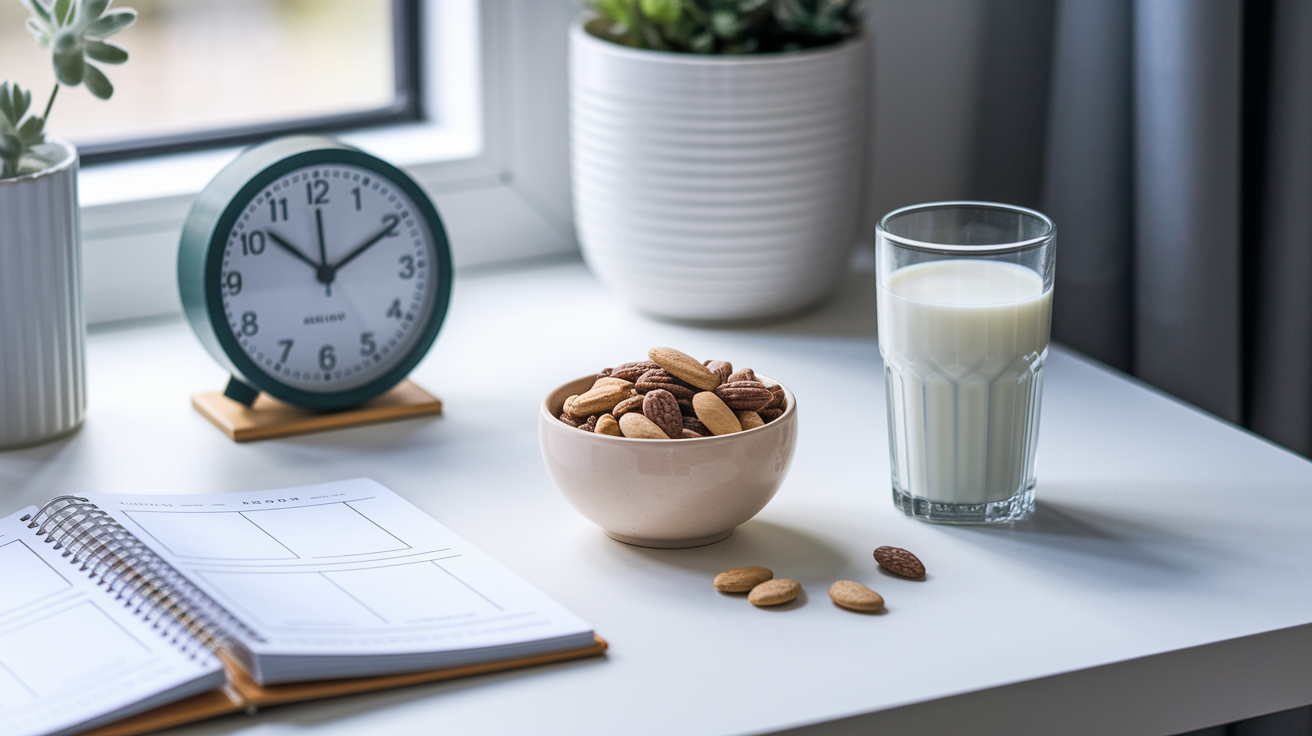
When you’re trying to reach a calorie surplus, timing your snacks matters as much as what you’re eating. Aim to eat something every three to five hours throughout the day so your body has a steady stream of energy coming in. That usually means three meals plus two or three planned snacks, depending on your schedule and appetite. Skipping snacks and trying to make up the difference at dinner rarely works because you’ll either feel too full to finish or you’ll underestimate how many calories you actually need.
One of the simplest timing hacks? Avoid drinking water or other non-caloric beverages in the 30 minutes before a meal or snack. Liquids can fill your stomach and make you feel less hungry right when you’re trying to eat. Instead, save your water for between eating windows and consider adding calorie-containing drinks like whole milk, 100% fruit juice, or smoothies to your routine. A glass of whole milk with breakfast or a post-workout shake can add 150 to 300 calories without requiring you to chew anything extra.
Three Practical Timing Tips:
- Schedule a mid-morning snack around 10 AM and a mid-afternoon snack around 3 PM to bridge the gap between meals
- Add a small bedtime snack rich in protein and healthy fat, like a cup of whole milk or half a cup of cottage cheese with seeds
- Drink calorie-containing beverages with or after meals instead of plain water to maximize intake without early fullness
Building Weight Gain Snacks That Support Long-Term Wellness
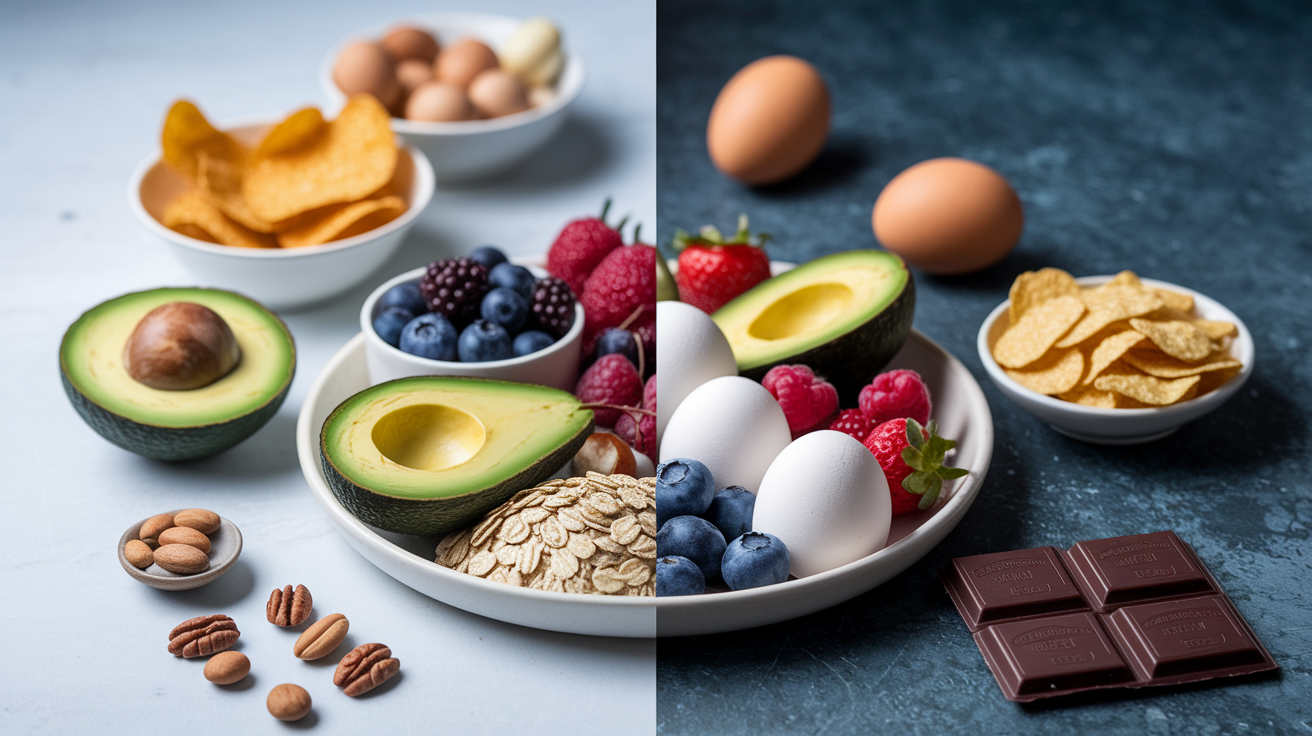
It’s tempting to reach for chips, candy, and fast food when you’re just trying to hit a calorie number. But relying on ultra-processed junk foods comes with trade-offs you don’t want. Those foods tend to promote unhealthy fat distribution around your midsection and increase your risk for type 2 diabetes and heart disease over time. They also don’t give your body the vitamins, minerals, and fiber it needs to function well, so you end up gaining weight without feeling or performing any better.
Prioritizing nutrient-dense calories from whole foods means you’re building muscle, supporting your immune system, and maintaining steady energy levels while you gain weight. That doesn’t mean you can never have a cookie or a slice of pizza, but those shouldn’t be the foundation of your daily intake. Focus on foods that deliver protein, healthy fats, complex carbs, and micronutrients in every snack, and save the occasional treat for what it is. When your snacks are built around real ingredients, you’re setting yourself up for weight gain that lasts and a body that actually works better at a higher weight.
Final Words
Start by choosing a few easy, calorie-dense snacks like mixed nuts, nut butter on toast, full-fat yogurt parfaits, avocado toast, or a smoothie. Aim for an extra 300 to 500 calories per day to support steady gains.
Plan snack timing every 3 to 5 hours, pack portable options, and batch-prep energy balls or granola so you’ll eat them. Small portions add up: two tablespoons of peanut butter are about 250 calories; half an avocado is about 250 calories.
Pick a list of high calorie snacks for weight gain you enjoy, repeat them most days, and be patient. Consistency wins.
FAQ
Q: What is the best snack for weight gain?
A: The best snack for weight gain is a calorie-dense, nutrient-rich choice like nut-butter toast, a full-fat yogurt parfait, or a milk-and-nut-butter smoothie—small portions that add 200–400 calories.
Q: What can I eat to get 3000 calories a day or 8000 calories a day?
A: To reach 3,000 or 8,000 calories a day, focus meals on nuts, nut butter, full-fat dairy, smoothies, granola, and calorie-containing drinks; 8,000 is extreme, so check with a clinician before trying it.
Q: What to eat to gain 10 pounds?
A: To gain 10 pounds, aim for a consistent 300–500 calorie daily surplus, eat protein and healthy fats, add energy-dense snacks, track weight weekly, and adjust intake until you reach your goal.