
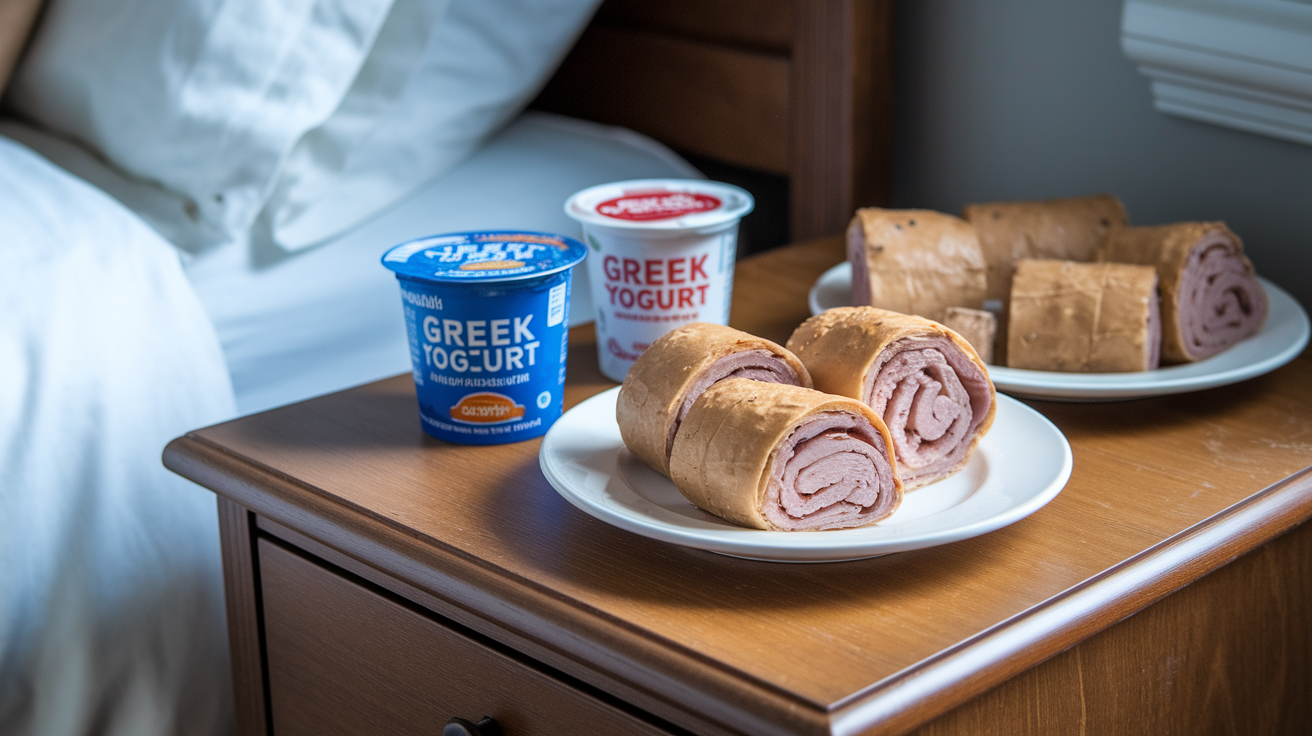
Craving a snack at midnight but worried it will wreck your sleep or set back your progress?
You don’t have to choose between satisfaction and smart fueling.
This guide gives simple, high-protein late-night snacks that hit 20–40 grams of protein, keep hunger down, and support overnight repair and steady blood sugar.
Think cottage cheese, Greek yogurt, tuna pouches, casein shakes—easy picks you can eat 30 to 60 minutes before bed so you fall asleep satisfied, not stuffed.
Best High-Protein Snack Options to Eat Before Bed (Immediate Answers for Nighttime Hunger)
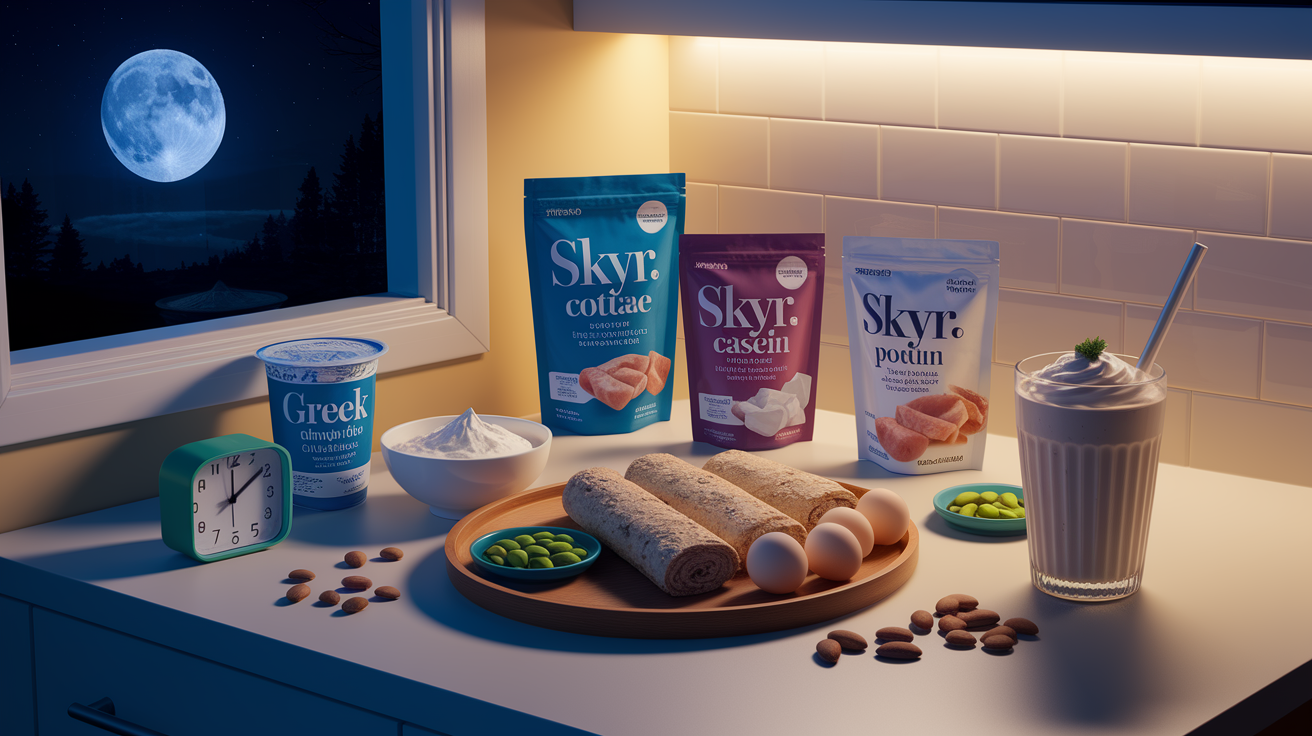
A solid late night protein snack should land somewhere between 20 and 40 grams of protein, which translates to about 80 to 160 calories just from protein. Total snack? Aim for 150 to 350 calories, depending on whether you’re cutting, recovering, or just trying to shut down hunger without feeling stuffed when you lie down. Slow proteins are your best bet here. Casein, specifically, releases amino acids gradually over hours, supporting muscle repair while you sleep. Greek yogurt, cottage cheese, skyr, casein shakes, and lean stuff like tuna or turkey all fit the bill and get you past that 20 gram threshold without much effort.
Timing isn’t just a detail. Eat your snack about 30 to 60 minutes before bed. That gives your stomach time to start breaking things down without causing discomfort when you’re horizontal. If you deal with reflux or get full easily, push it closer to 60 or even 90 minutes. You want to fall asleep satisfied, not bloated, with digestion humming quietly instead of keeping you awake.
The fastest options require zero cooking. Tuna pouches, pre-portioned Greek yogurt cups, ready-made protein shakes, sliced deli turkey. All grab and go. Hard-boiled eggs can be prepped on Sunday and stored for the week. Protein bars work too, but choose ones with at least 20 grams of protein and under 10 grams of added sugar. Pair two smaller items together (like half a cup of cottage cheese with a handful of almonds) and you’re at 25 to 30 grams without needing a recipe.
12 high-protein late night snacks that deliver:
- Nonfat Greek yogurt – 1 cup gets you about 20 grams of protein and 150 to 170 calories. Go plain or low-sugar to avoid an insulin spike.
- Low-fat cottage cheese – 1 cup delivers 25 to 28 grams of protein and 200 to 220 calories. Loaded with slow casein and contains tryptophan for sleep support.
- Casein protein shake – 1 scoop with water or 8 ounces of milk gives you 20 to 30 grams of protein and 120 to 220 calories depending on what you mix it with. Built specifically for overnight absorption.
- Whey isolate shake with milk – 1 scoop whey plus 8 ounces skim milk totals about 33 grams of protein and 160 to 220 calories. Better earlier in your pre-bed window since whey digests faster.
- Canned tuna in water – 3 ounces provides 20 to 22 grams of protein and 90 to 110 calories. Lean, low-volume, portable. Watch sodium if you’re sensitive.
- Turkey or chicken breast roll-ups – 3 to 4 ounces cooked offers 24 to 30 grams of protein and 120 to 160 calories. Wrap with a slice of cheese or bit of avocado for extra satiety.
- Hard-boiled eggs with extra whites – 3 whole eggs plus 1 egg white gives you about 21 to 22 grams of protein and 220 to 260 calories. Prep on the weekend, grab all week.
- High-protein bar – Look for bars with at least 20 grams of protein and fewer than 10 grams of added sugar. Usually 180 to 260 calories per bar. Zero prep.
- Skyr (Icelandic yogurt) – 1 cup contains 18 to 22 grams of protein and 140 to 170 calories. Similar to Greek yogurt, dense protein per serving, slow digestion.
- Shelled edamame – 1.5 cups cooked provides about 20 grams of protein and 240 to 300 calories. Plant-based, complete protein with fiber. Microwave from frozen in about 5 minutes.
- Cottage cheese with almonds – 1 cup low-fat cottage cheese (25 to 28 grams) plus 10 almonds (about 2 grams) totals 27 to 30 grams of protein and 250 to 300 calories. Combines slow protein and healthy fats for steady blood sugar.
- Protein smoothie (blended) – 1 scoop protein powder (20 to 25 grams) plus half a cup of cottage cheese (14 grams) and 4 to 8 ounces of water or milk reaches 34 to 45 grams of protein and 200 to 350 calories. Customizable and easy to sip.
How High-Protein Late Night Snacks Support Sleep and Recovery

Casein digests slowly, continuing to supply amino acids to your muscles for several hours after you eat. That’s why dairy like cottage cheese, Greek yogurt, and skyr show up on every late-night eating list. Whey digests faster (usually within an hour or two), so it’s still useful if you eat earlier in your pre-bed window, but casein’s the better choice if you want sustained overnight support. Both help prevent muscle breakdown during the long stretch between dinner and breakfast, especially helpful if you trained in the evening or just want to maintain lean mass while managing calories.
Certain amino acids in high-protein snacks can support sleep quality. Tryptophan, found in turkey, eggs, and dairy, is a precursor to serotonin and melatonin (the hormones that regulate mood and sleep cycles). Magnesium, present in nuts like almonds, also plays a role in relaxation. A study in the Journal of Nutrition found that a solid, high-protein bedtime snack (like a protein shake) didn’t negatively affect fat metabolism in female athletes. That suggests eating protein before bed is unlikely to interfere with your body’s ability to burn fat overnight, especially if you’re active.
Three research-backed benefits of eating protein before bed:
- Overnight muscle repair – Protein consumed before sleep provides the building blocks for muscle protein synthesis during the night, helping repair tissue damaged during the day or during evening workouts.
- Blood-sugar stability – Protein slows the digestion of any carbs you eat with it, preventing sharp rises and drops in blood sugar that can wake you up or leave you hungry mid-night.
- Reduced late-night cravings – High-protein snacks increase satiety and reduce the likelihood you’ll raid the pantry for chips or sweets an hour later, keeping your total calorie intake more predictable.
Slow-Digesting High-Protein Late Night Snacks That Keep You Full Longer
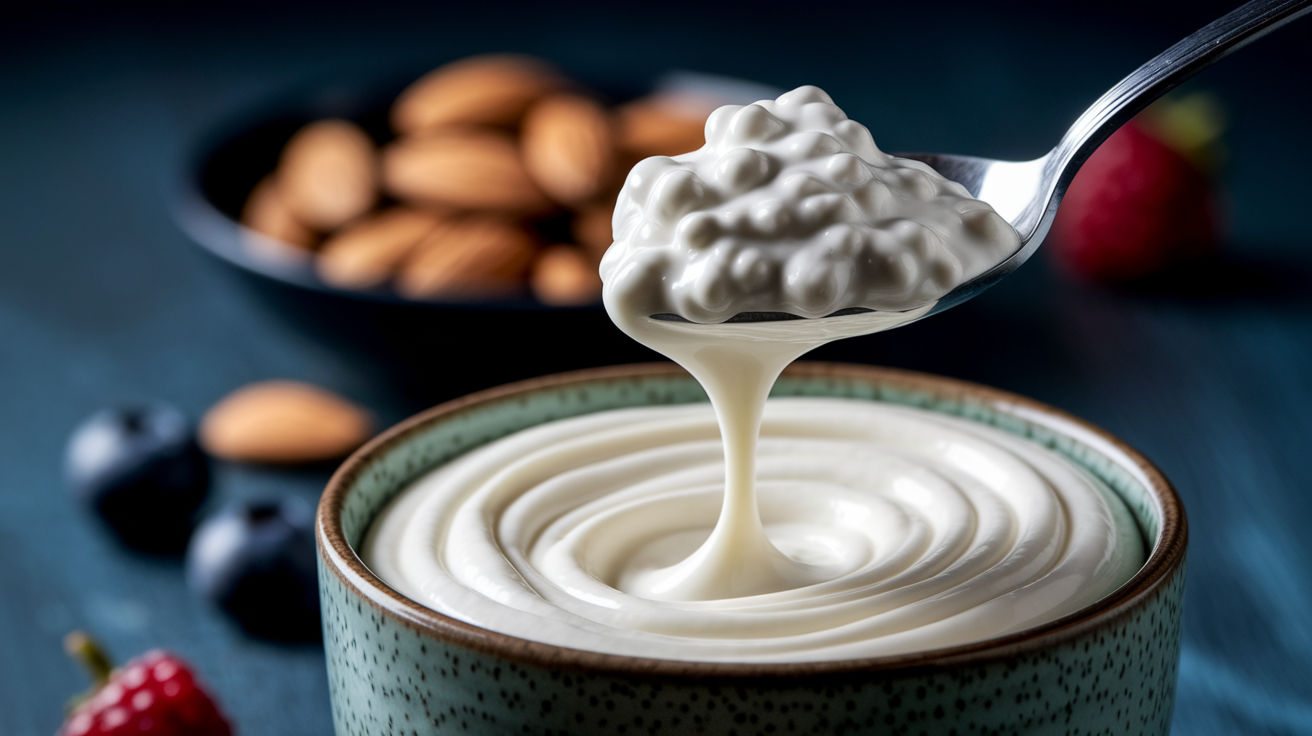
Casein-rich foods are the gold standard for nighttime protein because they form a gel in the stomach, slowing the release of amino acids into your bloodstream for up to seven hours. Cottage cheese is one of the simplest ways to get casein. One cup delivers 25 to 28 grams of protein and about 200 to 220 calories if you choose low-fat versions. It also contains tryptophan, which may help you fall asleep more easily. Greek yogurt and skyr are similarly slow-digesting and sit in the 18 to 22 gram range per cup, with minimal prep. You can eat them plain or add a small amount of berries, a teaspoon of nut butter, or a sprinkle of cinnamon without loading up on sugar.
Casein protein shakes are another straightforward option when you want something drinkable. One scoop of casein powder mixed with water or milk provides 20 to 30 grams of protein and 120 to 220 calories depending on the liquid. These shakes are specifically formulated to digest slowly, and many brands offer flavors like vanilla, chocolate, or cookies and cream that satisfy sweet cravings without added sugar. If you prefer whole foods over powders, ricotta cheese is a lesser-known casein source that works well in small bowls with a bit of honey or cocoa powder. Half a cup of part-skim ricotta gives you about 14 grams of protein, so you can pair it with a few almonds or a scoop of protein powder to reach the 20 gram threshold.
The combination of protein and a small amount of fat in these snacks helps you stay full through the night and wake up satisfied instead of starving. Fat slows digestion even further, which is helpful for long overnight stretches, but you still want to keep total fat moderate to avoid reflux or sluggish digestion. If you’re managing calories closely, stick to low-fat or nonfat dairy and measure portions carefully. Cottage cheese and Greek yogurt can quickly add up if you’re eating straight from a large tub.
| Food | Protein (per serving) | Best Nighttime Benefit |
|---|---|---|
| Cottage cheese (1 cup, low-fat) | 25–28 grams | Slow casein release; tryptophan content supports sleep |
| Greek yogurt (1 cup, plain nonfat) | 20 grams | Easy portion control; casein and whey blend for steady digestion |
| Skyr (1 cup) | 18–22 grams | Dense protein per cup; similar to Greek yogurt with slightly thicker texture |
| Casein protein shake (1 scoop + water) | 20–30 grams | Specifically designed for overnight amino acid delivery; low prep |
Quick & Convenient High-Protein Late Night Snacks (No-Cook Options)
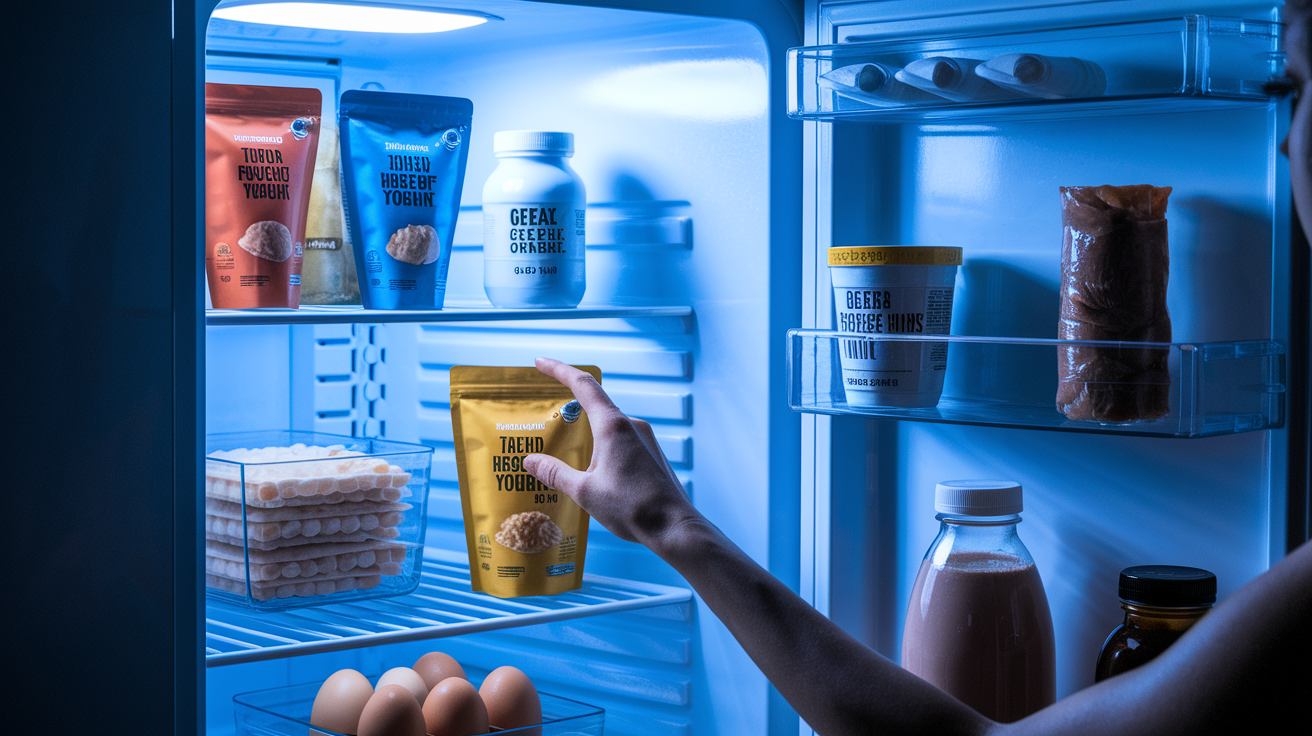
When you’re too tired to cook or clean, no-cook high protein snacks are the only realistic option. Tuna pouches in water deliver 20 to 22 grams of protein per 3 ounce pouch and take about one minute to open and eat. You can eat them straight from the pouch or dump the tuna onto a few whole-grain crackers if you want a small carb buffer. Pre-sliced turkey or chicken breast from the deli provides 24 to 30 grams of protein in a 3 to 4 ounce portion and requires no prep beyond opening the package. Roll a few slices around a piece of cheese or a pickle for extra flavor and fat. Greek yogurt tubs and skyr cups are already portioned and usually contain 18 to 22 grams of protein per single-serve container. About as convenient as it gets. Protein bars work if you choose carefully. Look for bars with at least 20 grams of protein, fewer than 10 grams of added sugar, and whole-food protein sources like whey isolate or milk protein concentrate.
Ready-made protein shakes are another zero-effort option, though you’ll pay more per serving compared to mixing your own powder. Many brands offer shelf-stable bottles or refrigerated cartons with 20 to 30 grams of protein per serving and around 150 to 200 calories. Check the label for added sugars and artificial sweeteners, which can vary widely between brands. If you prefer something with a bit of chew, hard-boiled eggs are technically a prep item, but if you cook a batch on Sunday and store them in the fridge, they become grab and go all week. Three whole eggs plus one egg white gives you about 21 to 22 grams of protein and takes zero additional time during the week.
Six no-cook high protein late night snacks:
- Tuna pouch (3 ounces in water) – 20 to 22 grams protein, 90 to 110 calories. Tear open and eat in under two minutes.
- Pre-sliced deli turkey (4 ounces) – 24 to 30 grams protein, 120 to 160 calories. Roll with cheese or eat plain.
- Single-serve Greek yogurt (1 cup) – 18 to 22 grams protein, 140 to 170 calories. Choose plain or low-sugar flavors.
- High-protein bar (1 bar) – Typically 20 grams protein, 180 to 260 calories. Zero prep, easy to stash in a drawer or bag.
- Ready-made protein shake (11-ounce bottle) – 20 to 30 grams protein, 150 to 200 calories. Shake and drink.
- Hard-boiled eggs (3 eggs, prepped earlier) – 18 grams protein, 210 calories. Peel and eat in about one minute.
Sweet High-Protein Late Night Snacks That Stay Under Control
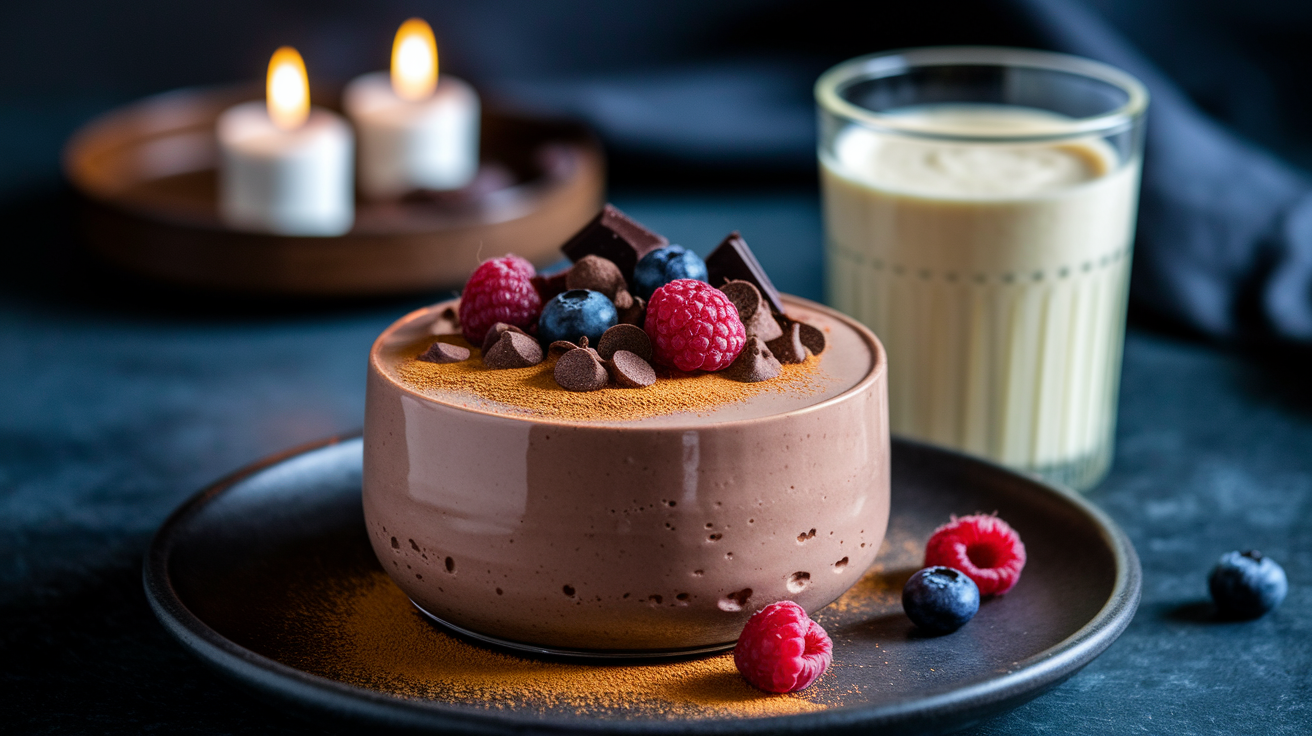
Sweet cravings before bed are common, but loading up on sugar can spike your blood sugar and mess with sleep quality. The best late night protein snacks that taste sweet rely on naturally sweet ingredients like berries, a small drizzle of honey, or flavored protein powders that use minimal added sugar. A protein smoothie made with one scoop of vanilla or chocolate protein powder, half a cup of cottage cheese, and a handful of frozen strawberries can reach 34 to 45 grams of protein and 200 to 350 calories depending on the liquid you use. Blend it with water or unsweetened almond milk to keep calories lower, or use skim milk if you want extra protein. The frozen fruit adds natural sweetness and a thick, creamy texture without needing ice cream or sweetened yogurt.
Low-sugar Greek yogurt with a teaspoon of cocoa powder and a few dark chocolate chips is another simple option that feels like dessert but stays around 180 to 220 calories and 20 grams of protein per cup. Overnight oats made with protein powder can be prepped the night before and stored in the fridge for the next evening. Mix half a cup of rolled oats with one scoop of protein powder, three quarters of a cup of unsweetened almond milk, and a few blueberries. Let it sit overnight, and you’ll have a sweet, filling snack that delivers around 25 to 30 grams of protein and 250 to 300 calories. Protein cookies and protein ice cream alternatives exist in stores, but read labels carefully. Many are loaded with sugar alcohols or artificial sweeteners that can cause digestive issues if you’re sensitive.
Smart Sweet Add-Ins
Small additions can make a plain protein base taste sweet without derailing your calorie or blood-sugar goals. Berries like strawberries, blueberries, or raspberries add natural sweetness and fiber with minimal sugar impact. Half a cup of mixed berries typically contains only 5 to 7 grams of sugar. Cinnamon is calorie-free and adds warmth and perceived sweetness to yogurt, cottage cheese, or smoothies. Unsweetened cocoa powder gives you a rich chocolate flavor for about 10 calories per tablespoon, and you can mix it into Greek yogurt, protein shakes, or even cottage cheese for a pudding-like texture. A few dark chocolate chips (70 percent cacao or higher) can satisfy a chocolate craving with less sugar than milk chocolate. Just measure a small portion, like 10 grams or about a tablespoon, which adds roughly 50 calories and a little healthy fat.
Savory High-Protein Late Night Snacks for Deeper Satiety
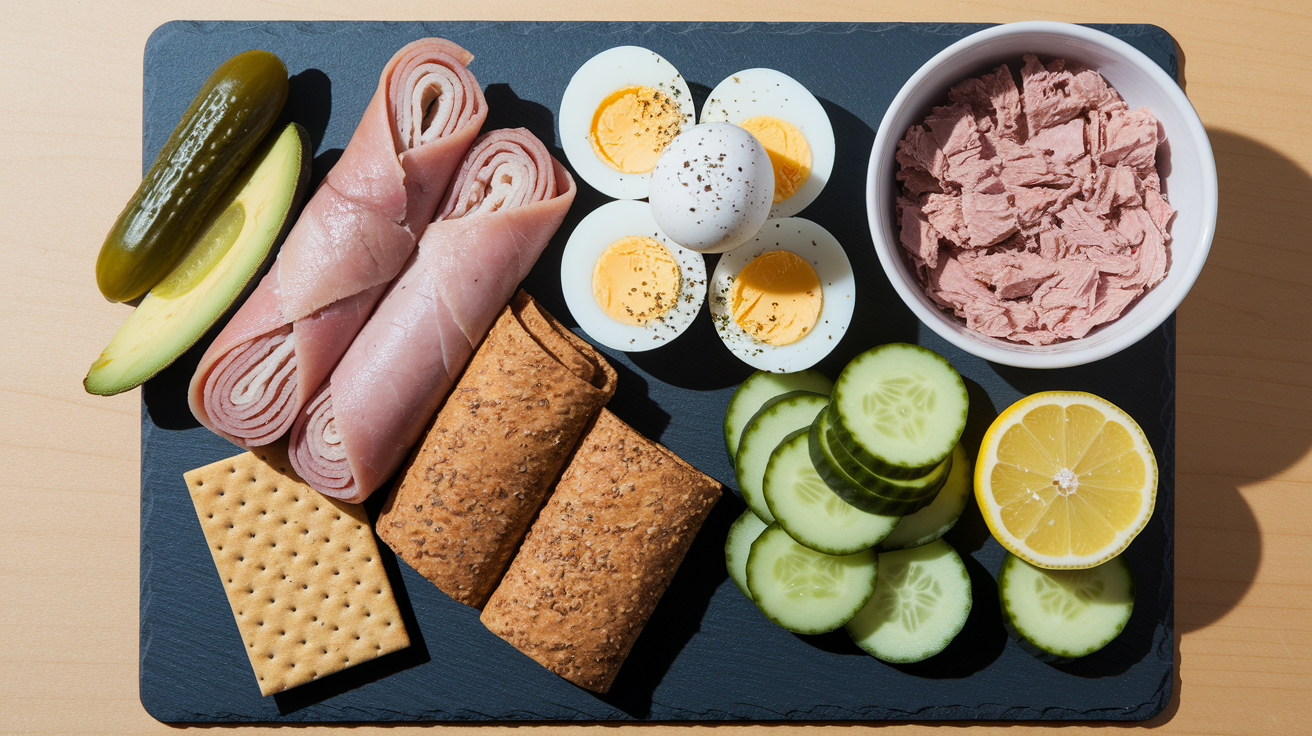
Savory snacks often feel more satisfying than sweet ones if you’re genuinely hungry rather than craving dessert. Turkey or chicken breast roll-ups are one of the simplest savory options. 3 to 4 ounces of cooked turkey or chicken provides 24 to 30 grams of protein and 120 to 160 calories. Wrap the slices around a piece of cheese, a few slices of avocado, or a pickle for extra flavor and a small amount of fat. The combination of lean protein and a little fat keeps you full without overloading your digestive system before bed. If you prefer fish, canned tuna or salmon in water works just as well. A 3 ounce pouch of tuna delivers 20 to 22 grams of protein and about 90 to 110 calories, and you can mix it with a small spoonful of mustard or a squeeze of lemon juice to keep it interesting.
Eggs are another reliable savory choice. Three large hard-boiled eggs plus one egg white give you about 21 to 22 grams of protein and 220 to 260 calories. If you don’t mind a quick scramble, you can cook three eggs in a nonstick pan in about five minutes and season them with salt, pepper, and a pinch of garlic powder. Pair the eggs with a slice of whole-grain toast if you want a small carb buffer to help with satiety and sleep. Smoked salmon on a few whole-grain crackers or cucumber slices is a less common but effective option. 2 ounces of smoked salmon provides about 12 grams of protein, so you’ll need to pair it with another protein source like a hard-boiled egg or a small amount of cottage cheese to reach the 20 gram threshold.
Savory snacks tend to be lower in carbs than sweet ones, which makes them a good fit if you’re managing blood sugar or following a lower-carb approach. The combination of protein and fat in turkey, eggs, and fish slows digestion and extends the feeling of fullness, which can prevent you from waking up hungry in the middle of the night. Just watch portion sizes on cheese and avocado. Both add healthy fats, but those fats contribute calories quickly if you’re not measuring.
High-Protein Vegan and Dairy-Free Snacks for Late Night Eating
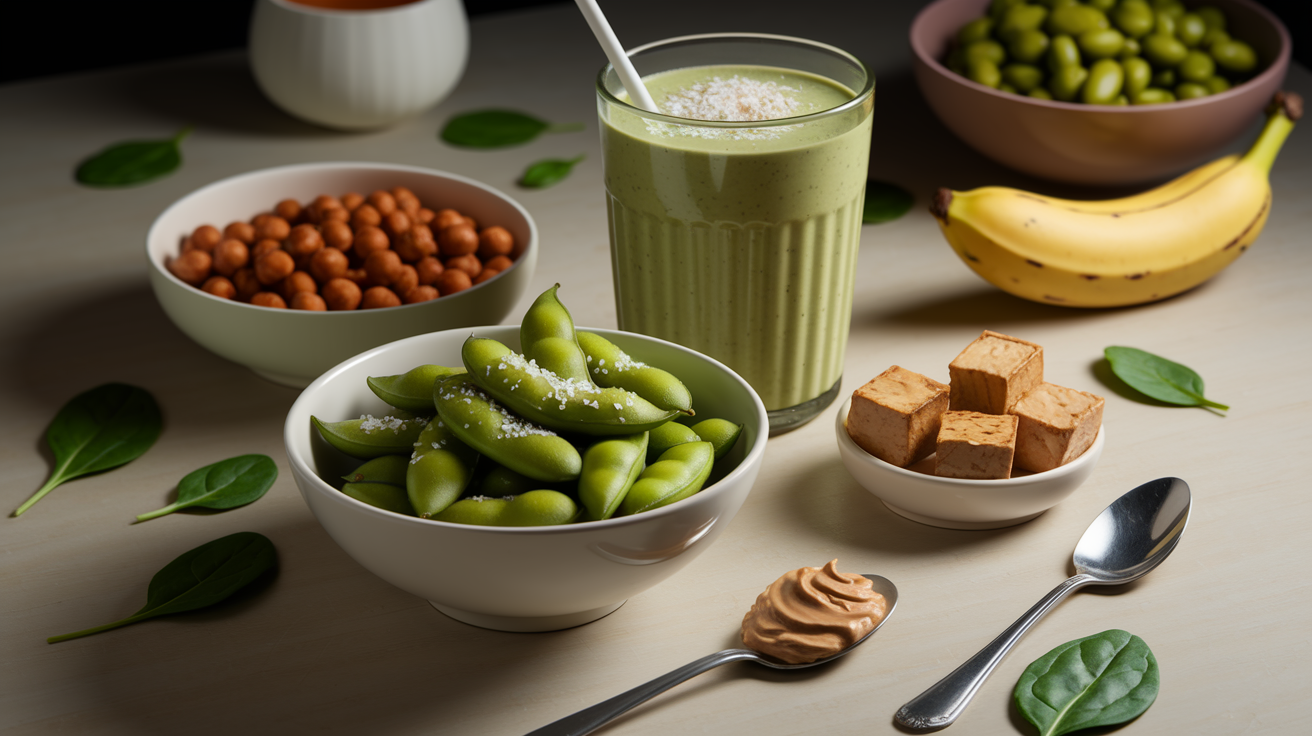
Plant-based high protein late night snacks can hit the 20 gram mark if you choose concentrated sources or combine two smaller items. Edamame is one of the best single-source options. 1.5 cups of cooked, shelled edamame provides about 20 grams of protein and 240 to 300 calories. You can buy frozen edamame and microwave it in about five to eight minutes, then season it with a little salt or soy sauce. It’s a complete protein (contains all nine essential amino acids), and the fiber content helps with satiety and digestion. Roasted chickpeas are another plant-based choice, but half a cup only delivers about 6 to 7 grams of protein, so you’ll need to combine them with something else (like a scoop of pea or soy protein powder in a smoothie) to reach your target.
Plant-based protein powders are the easiest way to reach 20 to 30 grams of protein in a vegan or dairy-free snack. Pea protein isolate, soy protein isolate, and blends that include rice or hemp protein typically provide 20 to 25 grams of protein per scoop. Mix one scoop with unsweetened almond milk, oat milk, or water, and you have a complete snack in under two minutes. If you want something thicker, blend the protein powder with half a frozen banana and a handful of spinach for a nutrient-dense smoothie that sits around 25 to 30 grams of protein and 200 to 250 calories. Tofu is another option, though it requires a bit more prep. 4 ounces of firm tofu provides about 10 grams of protein, so you’d need to eat 8 ounces or pair it with a scoop of protein powder to reach 20 grams.
Four combined plant-based snacks that reach 20 grams of protein:
- 1.5 cups cooked edamame – 20 grams protein, 240 to 300 calories. Steam or microwave from frozen and season lightly.
- 1 scoop pea protein powder + 1 cup unsweetened almond milk + 1/2 frozen banana – 22 to 25 grams protein, 200 to 250 calories. Blend for a quick smoothie.
- 1/2 cup roasted chickpeas + 1 scoop soy protein isolate in water – 26 to 30 grams protein, 220 to 280 calories. Eat the chickpeas on the side, drink the shake.
- 8 ounces firm tofu (pan-seared or baked) + 1 tablespoon almond butter – 20 to 22 grams protein, 280 to 320 calories. Season the tofu with soy sauce and garlic powder for a savory snack.
How to Choose the Right High-Protein Late Night Snack for Your Goals
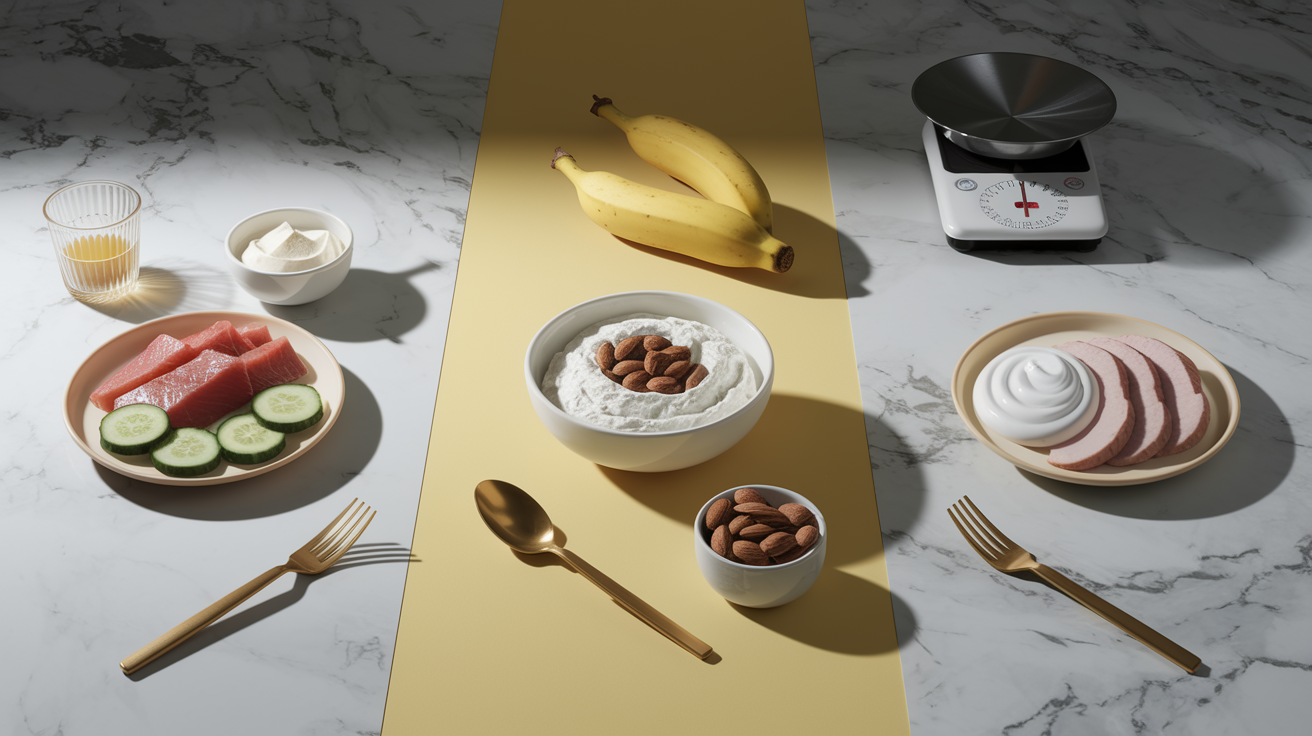
Your ideal snack depends on whether you’re prioritizing weight loss, muscle gain, or simply satisfying hunger without disrupting sleep. For weight loss, aim for snacks in the 150 to 250 calorie range that emphasize lean protein. Greek yogurt, tuna, turkey, or a protein shake with water. These options provide 20 to 25 grams of protein with minimal fat and carbs, keeping total calories controlled while still preventing overnight hunger. If your goal is muscle recovery or you’re actively trying to gain mass, a 250 to 350 calorie snack with a balance of protein and moderate fat or carbs works better. Cottage cheese with almonds, a protein smoothie with skim milk and half a banana, or turkey roll-ups with avocado all fit this profile.
Digestion sensitivity also plays a role. If you’re lactose intolerant, skip regular dairy and choose lactose-free Greek yogurt, lactose-free cottage cheese, or plant-based protein powders like pea or soy isolate. If you deal with acid reflux, avoid high-fat snacks close to bedtime and eat your snack at least 60 to 90 minutes before lying down. Lean proteins like turkey or tuna are safer choices than full-fat cheese or nut butter. For diabetic-friendly options, prioritize snacks with low glycemic impact, like plain Greek yogurt, cottage cheese, eggs, or turkey, and skip dried fruit, honey, or sweetened protein bars.
Spacing protein intake throughout the day matters for muscle protein synthesis, and research suggests aiming for protein every four hours or so. If your last meal was at six or seven in the evening and you go to bed around ten or eleven, a bedtime snack bridges that gap and extends the window during which your muscles have access to amino acids. Pairing protein with a small amount of healthy fat (like almonds, avocado, or a teaspoon of nut butter) or a portion of complex carbs (like a slice of whole-grain bread) can improve satiety and stabilize blood sugar, which helps you sleep more soundly and wake up less hungry.
Portion & Macro Targets
- Start with your protein goal – Measure or estimate to ensure you’re getting at least 20 grams. If a single food falls short, combine two items, like half a cup of Greek yogurt (10 grams) plus a scoop of protein powder (20 grams) for a total of 30 grams.
- Add fats or carbs based on your calorie budget – If you have room for 250 to 350 calories, include a small handful of nuts, a tablespoon of almond butter, or half a cup of berries. If you’re keeping it tight at 150 to 200 calories, stick to lean protein alone or pair it with a low-calorie vegetable like cucumber slices.
- Check total intake for the day – Your bedtime snack should fit within your daily calorie and macro targets, not add extra on top. If you’ve already hit your protein and calorie goals for the day, a bedtime snack may not be necessary unless you’re genuinely hungry or training intensely.
Recipes & Prep Tips for High-Protein Late Night Snacks
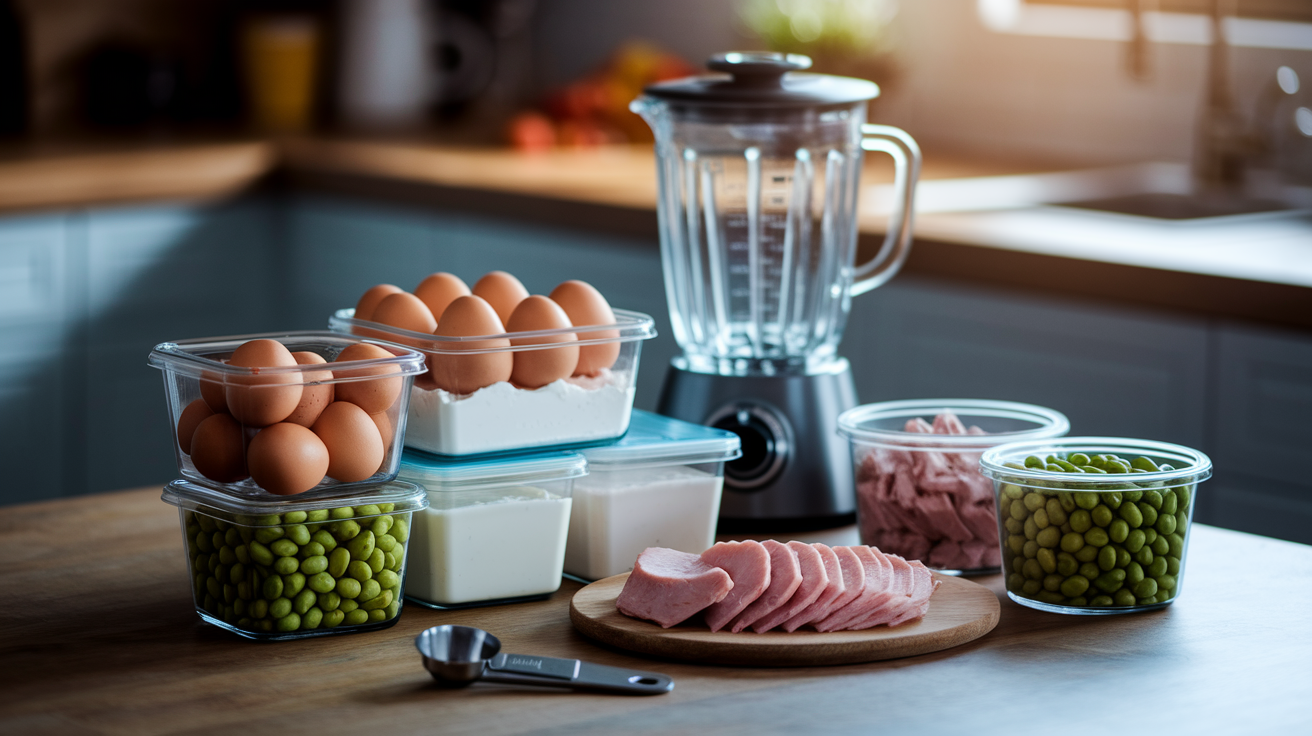
Batch prepping a few snack components on the weekend makes late-night eating faster and more consistent during the week. Hard-boiled eggs take about 10 to 12 minutes to cook and can be stored in the fridge for up to a week. Cook a dozen at once, peel them if you want to save time later, and store them in a sealed container. Edamame can be microwaved from frozen in about five to eight minutes, or you can steam a larger batch on the stove and portion it into half-cup or one-cup servings in small containers. Greek yogurt and cottage cheese are already portioned if you buy single-serve tubs, but buying larger containers and dividing them into meal-prep containers saves money and reduces packaging waste.
Smoothie packs are another time-saver. Portion out your dry ingredients (one scoop of protein powder, half a cup of oats if you’re using them, a handful of frozen berries, and a tablespoon of chia or flax seeds) into small zip-top bags or reusable containers. When you’re ready for a snack, dump the contents into a blender, add your liquid of choice (water, milk, or unsweetened almond milk), and blend for two to five minutes. The result is a 25 to 35 gram protein snack with minimal cleanup. Pre-portioned tuna or salmon pouches don’t require any prep, but if you’re buying larger cans, dividing the contents into 3 ounce servings in small containers makes it easier to grab the right amount without overeating.
Weekly Prep Foundations
Batch-cook eggs – Boil a dozen eggs on Sunday and store them in the fridge. Peel them all at once or leave them unpeeled and peel as you eat. Three eggs plus one egg white becomes a ready-to-eat 21 gram protein snack any night of the week.
Pre-portion yogurt and cottage cheese – Buy large tubs and divide them into half-cup or one-cup servings in glass or plastic containers. Label each with the date and protein content so you know exactly what you’re eating.
Freeze smoothie ingredient packs – Combine one scoop of protein powder, a handful of frozen fruit, and any add-ins (like spinach or oats) in a freezer-safe bag. Store in the freezer and blend with liquid when you’re ready. Each pack becomes a complete snack in under five minutes.
Pre-slice and portion deli meats – If you buy deli turkey or chicken in bulk, weigh out 3 to 4 ounce portions and store them in individual bags or containers. This prevents you from guessing portions or eating too much straight from the package.
Final Words
Aim for 20–40 grams of protein and about 150–350 kcal to quiet hunger and support overnight recovery. Slow-digesting choices like cottage cheese, casein, or Greek yogurt keep amino acids available while you sleep.
Try to eat 30–60 minutes before bed so digestion feels easy and sleep isn’t disrupted. Quick options like tuna pouches or a casein shake work when time is tight.
Pick a few favorite high protein late night snacks and rotate them. Small, steady wins. You’ve got this.
FAQ
Q: What is a good late night protein snack? / What to eat at night for protein?
A: A good late-night protein snack or what to eat at night for protein is about 20–40 grams of slow-release protein like cottage cheese, Greek yogurt, casein shake, tuna, or turkey, eaten 30–60 minutes before bed.
Q: What’s a good snack for a diabetic?
A: A good snack for a diabetic is a protein-plus-fiber option under 200–250 kcal, like plain Greek yogurt with berries, cottage cheese and cucumber, turkey roll-ups, or hummus with veg, and monitor portions and blood sugar.
Q: What to eat at 3am when hungry?
A: At 3am when hungry, choose a small, easy-to-digest protein snack of about 10–20 g and 100–200 kcal, such as plain Greek yogurt, cottage cheese, a small protein shake, or a tuna pouch, and avoid caffeine.