
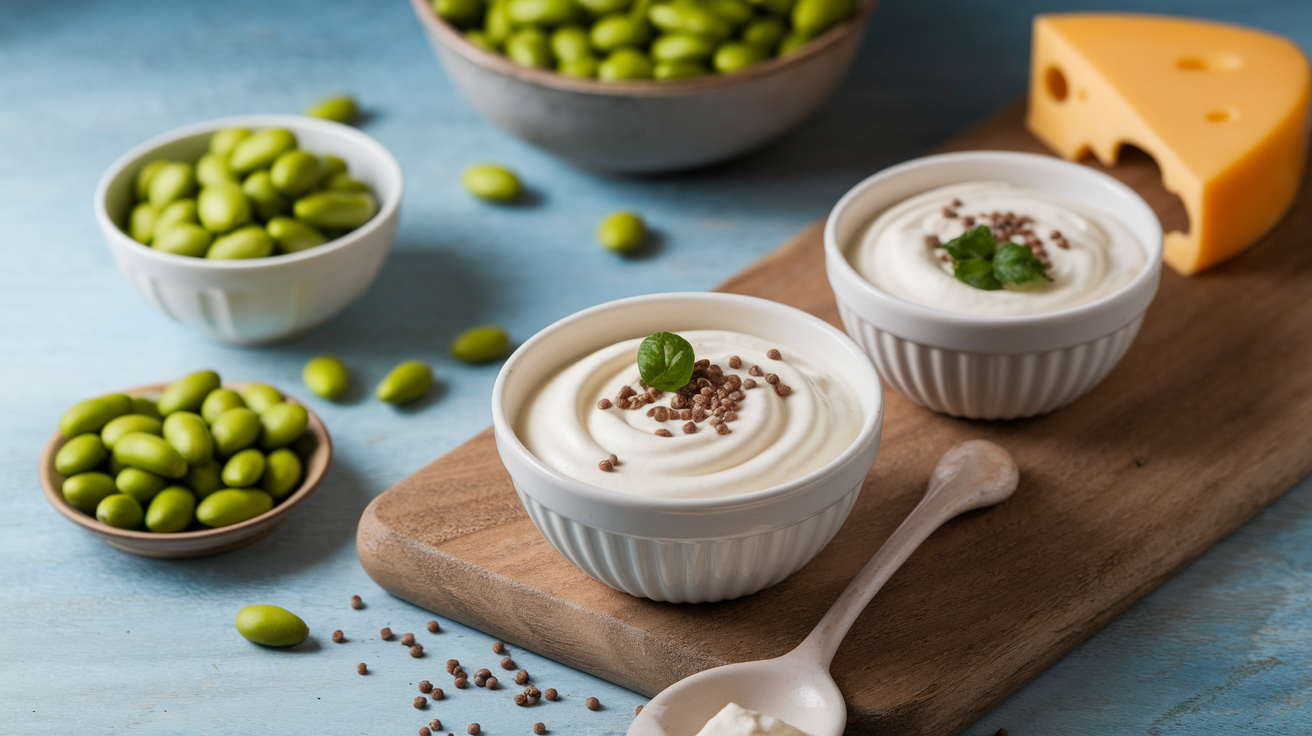
Think a 100-calorie snack can’t keep you full? Think again.
Small, measured bites with 4 to 13 grams of protein can quiet hunger without derailing your day.
This quick guide lists 12 real snacks—Greek yogurt, tuna, edamame, string cheese, nuts, and plant-based picks—with exact portions so you know what actually fits 100 calories.
You’ll also get simple measuring tips, grab-and-go store picks, and easy no-cook combos that stop snack cravings.
Use this list to pick one snack you can repeat this week.
Quick Guide to 100-Calorie High-Protein Snack Options
Smart snacking is about finding options that give you real protein without pushing calories too high. A snack around 100 calories with at least 4 to 6 grams of protein creates enough fullness to get you from one meal to the next without throwing off your day. Portion control matters most here. The difference between a helpful snack and accidentally eating a mini-meal usually comes down to whether you measured or just poured.
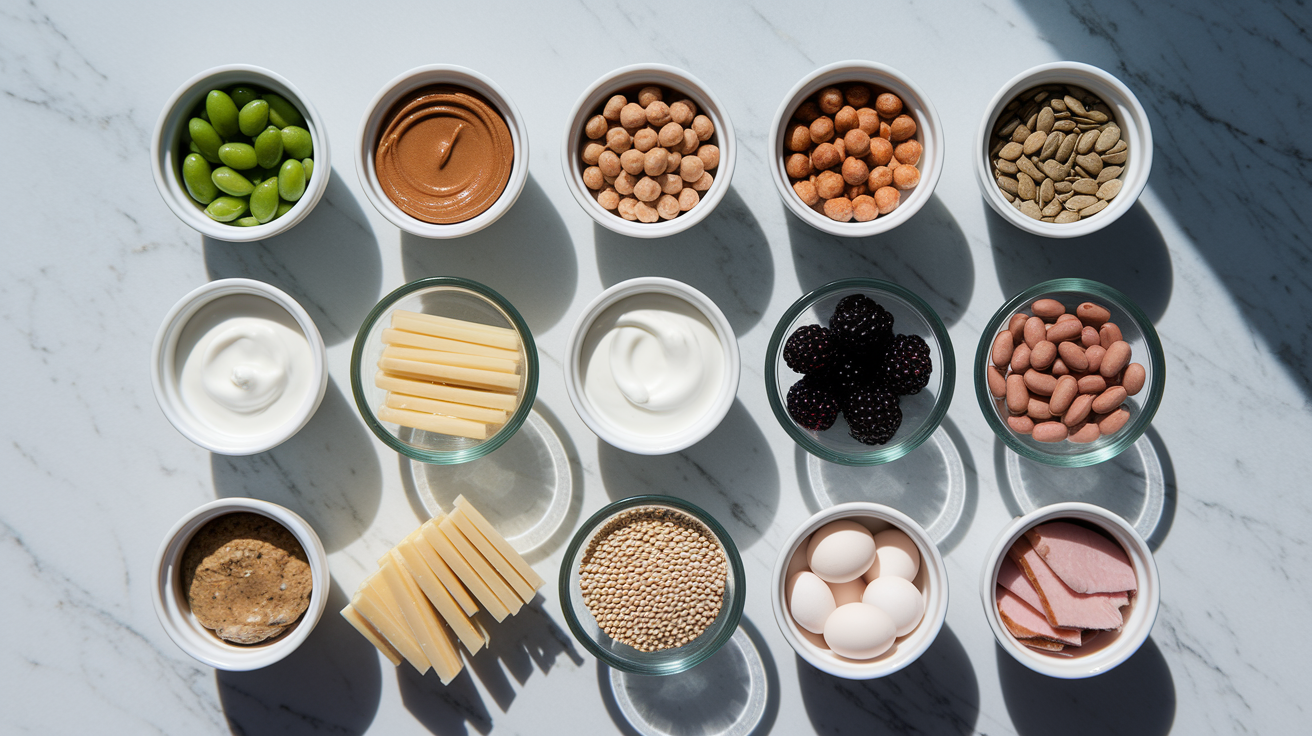
Here are 12 simple, protein-focused snacks that stay near or under 100 calories per serving. Each one includes the exact portion size so you know what actually fits the target.
- Roasted edamame (½ cup shelled): 90–100 calories, 9–10 g protein
- Almond butter on celery (1 tablespoon almond butter + 2 celery stalks): 95–100 calories, 4 g protein
- Roasted chickpeas (¼ cup): 90–100 calories, 5–6 g protein
- Pumpkin seeds (1 tablespoon): 90 calories, 4–5 g protein
- Dry-roasted peanuts (2 tablespoons): under 100 calories, 7 g protein
- Plain Greek yogurt (½ cup nonfat): 90–100 calories, 10 g protein
- Part-skim mozzarella or light string cheese (1 ounce): 80–90 calories, 6–7 g protein
- Blackberries (1 cup): 62 calories, 2 g protein, 8 g fiber
- Lupini beans (¼ cup): 60–80 calories, 7–8 g protein
- Canned light tuna (2 ounces): ~60 calories, 13 g protein
- Egg whites (3 large egg whites): ~51 calories, 11 g protein
- Smoked turkey breast (2 ounces): ~60 calories, 10 g protein
These snacks work because they combine protein density with practical portion sizes. Whether you’re managing hunger between meetings or refueling after a workout, having a short list of measured options takes the guesswork out. When protein is high and calories stay low, you get fullness that lasts. You won’t need to snack again an hour later.
Best High-Protein Snack Ideas Under 100 Calories (Expanded List & Variations)
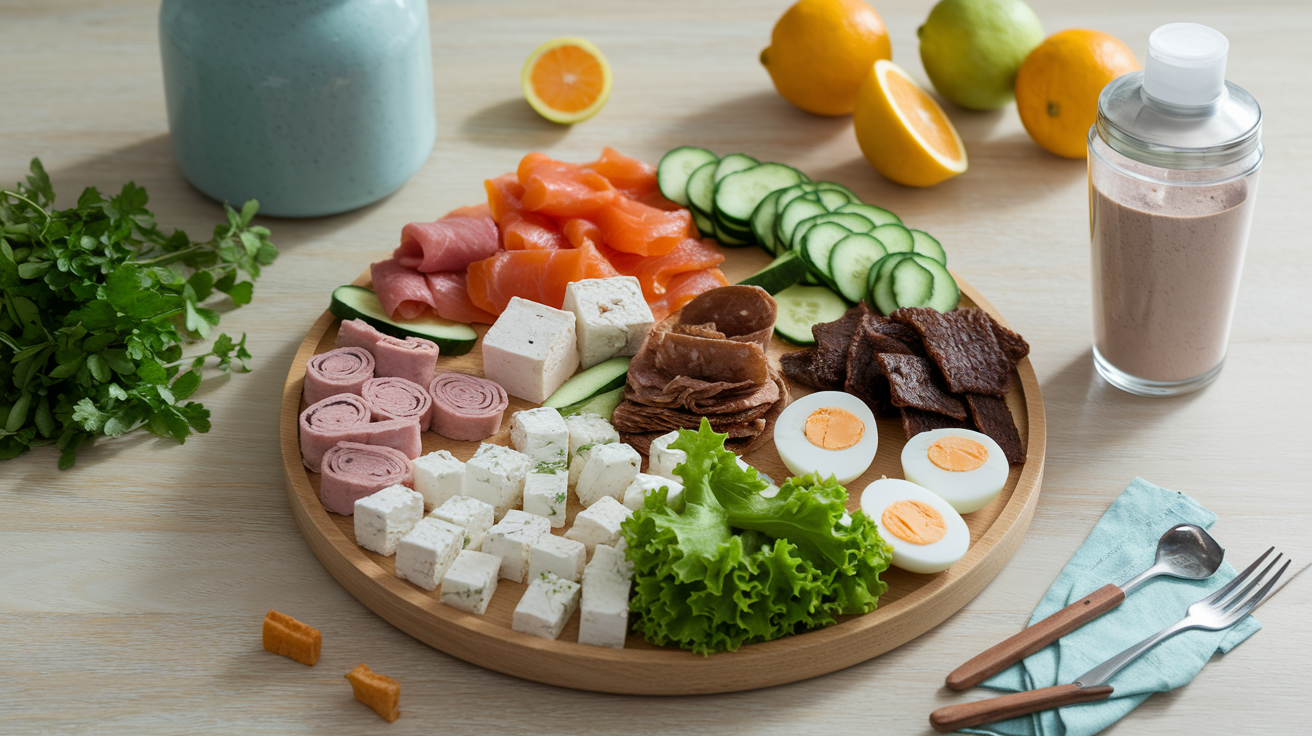
Variety keeps you consistent. If you’re eating the same snack every afternoon for two weeks, you’ll probably stop packing it. Expanding your rotation with different textures and flavors makes it easier to stick with smart choices without getting bored.
Hard-boiled egg (1 large): ~70 calories, 6 g protein
Deli turkey roll-ups with cucumber (2 ounces turkey + cucumber slices): ~65 calories, 10 g protein
Smoked salmon (1 ounce): ~35 calories, 5 g protein. Pair with celery or cucumber for volume.
Baked tofu cubes (2 ounces): ~60 calories, 6 g protein
Tempeh strips (1.5 ounces): ~80 calories, 7 g protein
Part-skim ricotta (¼ cup): ~85 calories, 7 g protein
Cottage cheese (⅓ cup low-fat): ~60 calories, 8 g protein
Dry-roasted edamame (3 tablespoons): ~90 calories, 9 g protein
Beef jerky (¾ ounce low-sodium): ~70 calories, 9 g protein
Protein powder mixed with water (½ scoop whey isolate): ~50 calories, 12 g protein
Adjusting portions to hit exactly 100 calories is simple once you know the base numbers. If a snack lands at 80 calories with 8 grams of protein, you can add a small piece of fruit or an extra celery stalk. If it’s closer to 110 calories, trim the portion by a tablespoon or half an ounce. Small tweaks keep everything predictable.
Protein Quality and Calorie Density in 100-Calorie Snacks
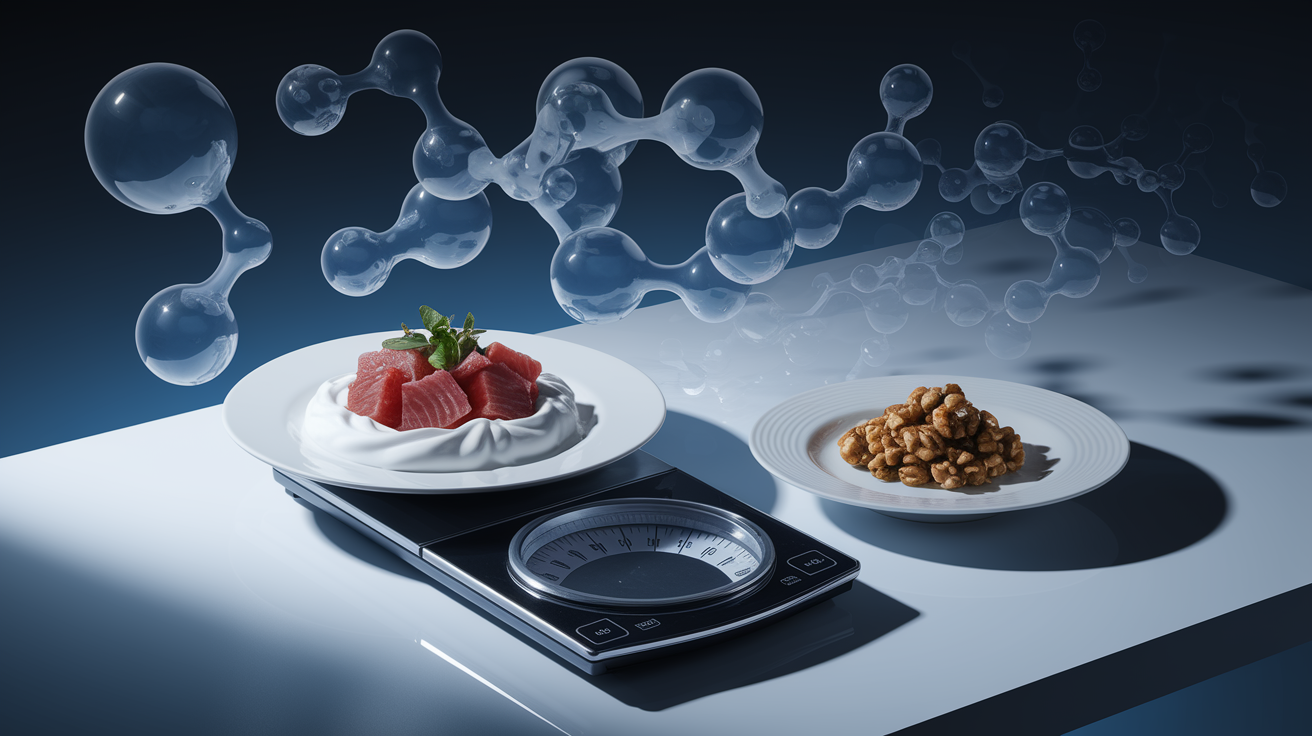
Not all protein snacks are built the same. Calorie density measures how much protein you get per calorie, and that matters when you’re working with a tight budget of 100 calories. A snack with 10 grams of protein at 90 calories is more efficient than one with 4 grams at the same calorie count. Higher protein per calorie means better fullness for the same or fewer calories.
Complete proteins contain all nine essential amino acids your body can’t make on its own. Animal sources like Greek yogurt, cottage cheese, tuna, and eggs are naturally complete. On the plant side, edamame, lupini beans, and certain protein powder blends (pea + rice, for example) also qualify. If a snack is incomplete, pairing it with another source later in the day covers your bases.
| Snack | Calories | Protein |
|---|---|---|
| Plain Greek yogurt (½ cup nonfat) | 90 | 10 g |
| Canned light tuna (2 oz) | 60 | 13 g |
| Roasted edamame (½ cup) | 95 | 9 g |
| Dry-roasted peanuts (2 Tbsp) | 100 | 7 g |
Use this kind of comparison when you’re deciding between two snacks. If both taste fine and both fit your day, pick the one that delivers more protein. That extra gram or two can be the difference between feeling satisfied and reaching for something else twenty minutes later.
How to Portion and Measure 100-Calorie High-Protein Snacks
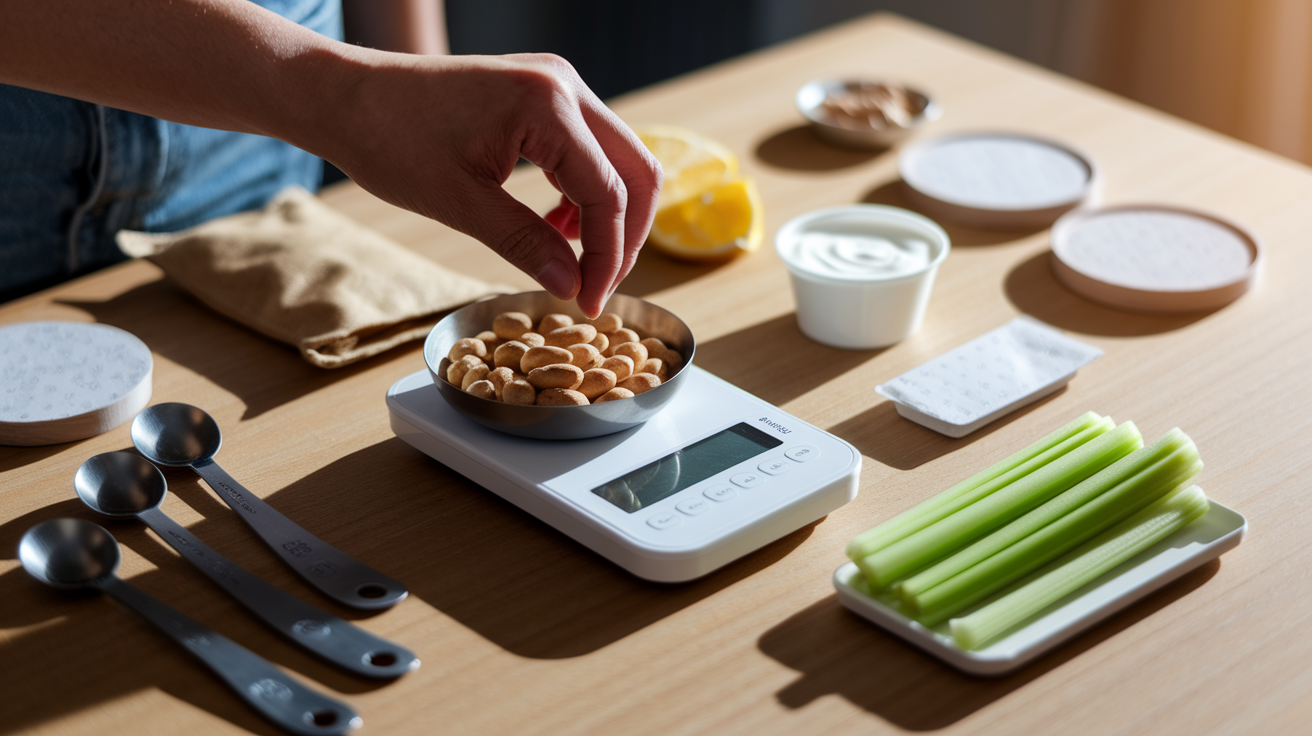
Eyeballing portions works until it doesn’t. A “handful” of peanuts can range from 80 to 200 calories depending on your hand size and how generous you’re feeling that day. Without measuring, it’s easy to double or triple a serving and wonder why the snack didn’t help.
Use a food scale for nuts, seeds, and roasted legumes. One tablespoon of pumpkin seeds weighs about 8 grams. Two tablespoons of peanuts is roughly 18 grams. Weigh it once so you know what the portion looks like in your hand.
Pre-portion snacks into small containers or bags. Measure once, divide into single servings, and grab one when you need it. Removes the temptation to keep eating from a large bag.
Check labels for “per serving” versus “per container.” Some single-serve packages contain two servings. Read the label before assuming the whole package is 100 calories.
Measure liquids like Greek yogurt with measuring cups. Half a cup is half a cup, not “a few spoonfuls.” Small differences add up over the week.
Pair measured protein with low-calorie volume. Two tablespoons of almond butter with celery stays under 100 calories. Two tablespoons on a banana jumps to 200. The add-ons matter.
Portion control keeps your snack strategy predictable. When you measure consistently, you know exactly what you’re getting. That removes the guesswork from managing hunger and calories. It’s not about being perfect. It’s about knowing what “enough” actually looks like so you can repeat it.
Store-Bought 100-Calorie High-Protein Snacks (Easy Grab-and-Go)
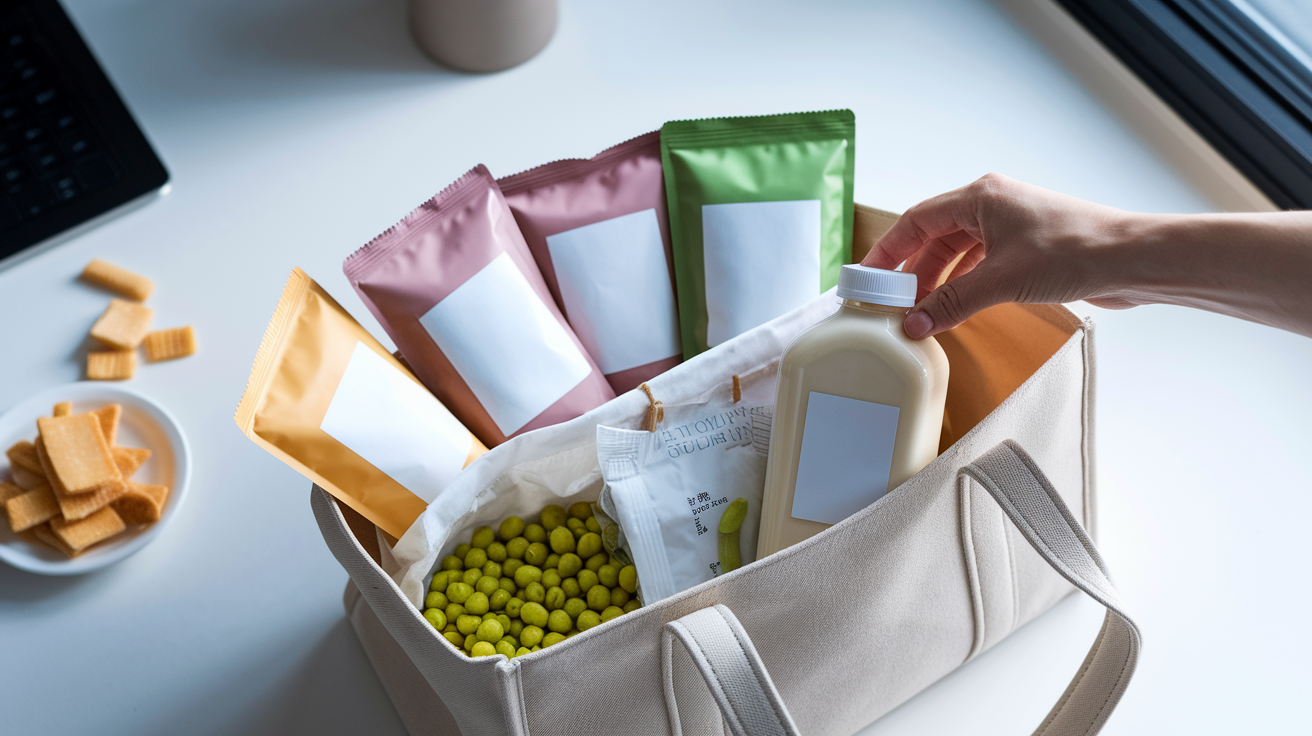
Convenience matters when you’re busy. Store-bought options work when you know what to look for on the label. Prioritize snacks with short ingredient lists, low added sugar (under 3 grams per serving), and minimal sodium. Avoid anything with a long list of oils, syrups, or unpronounceable additives.
Single-serve Greek yogurt cups. Look for plain nonfat or low-fat versions. Fage 0% and similar brands offer ½ to ¾ cup servings at 90–100 calories with 10–15 grams of protein.
Pre-portioned roasted chickpeas. Brands like Biena or The Good Bean sell ¾-ounce packs around 90–100 calories with 5–6 grams of protein. Check sodium levels and choose lightly salted or unsalted.
Dry-roasted edamame snack packs. Seapoint Farms and similar brands offer single-serve pouches with 9–14 grams of protein for 100–130 calories.
Light string cheese or mini mozzarella. One stick typically delivers 6–7 grams of protein at 80 calories. Choose part-skim versions without added starches or fillers.
Protein shakes in ready-to-drink format. Some brands offer smaller bottles (8 ounces) with 15–20 grams of protein for around 100 calories. Mix with ice if you prefer it cold and thicker.
Reading labels takes an extra thirty seconds, but it’s the difference between a snack that fits your plan and one that quietly adds 50 extra calories from sugar or oil. When the ingredients are clean and the macros match your target, grab-and-go options become just as effective as anything homemade.
Homemade and No‑Cook 100-Calorie High-Protein Snack Ideas
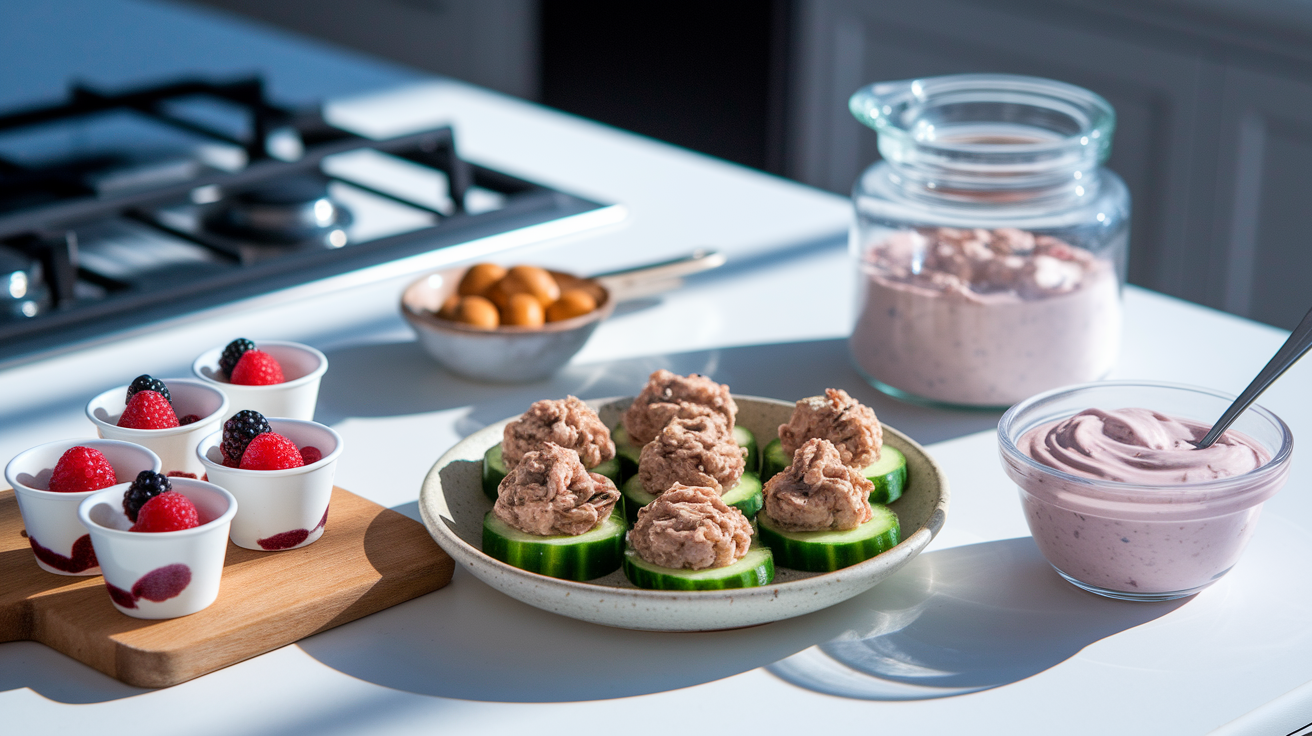
Making snacks at home doesn’t require recipes or extra time if you stick to simple assembly. No-cook options are the easiest to repeat because there’s no waiting, no cleanup, and no chance of burning something while you’re distracted.
Greek Yogurt Mini Cups
Portion ½ cup of plain nonfat Greek yogurt into small containers. Add a sprinkle of cinnamon or a few fresh berries. (½ cup berries adds about 30 calories, so adjust the yogurt to ⅓ cup if needed.) Each cup delivers around 90–100 calories with 8–10 grams of protein. Make five at once and store them in the fridge for the week.
Tuna or Chicken Veggie Bites
Mix 2 ounces of canned light tuna or shredded cooked chicken breast with a tablespoon of plain Greek yogurt, a squeeze of lemon, and a pinch of black pepper. Spoon onto cucumber slices or endive leaves. Two ounces of tuna is about 60 calories and 13 grams of protein. The veggies add crunch and volume without pushing calories up.
Simple Protein Powder Mixes
Stir half a scoop of unflavored or lightly flavored protein powder into ⅓ cup of plain Greek yogurt. You’ll end up with around 100 calories and 15–18 grams of protein depending on the powder. If you prefer a drink, mix half a scoop with 6–8 ounces of water and ice. Blend for 20 seconds if you want it smooth and cold.
Plant-Based 100-Calorie High-Protein Snack Options
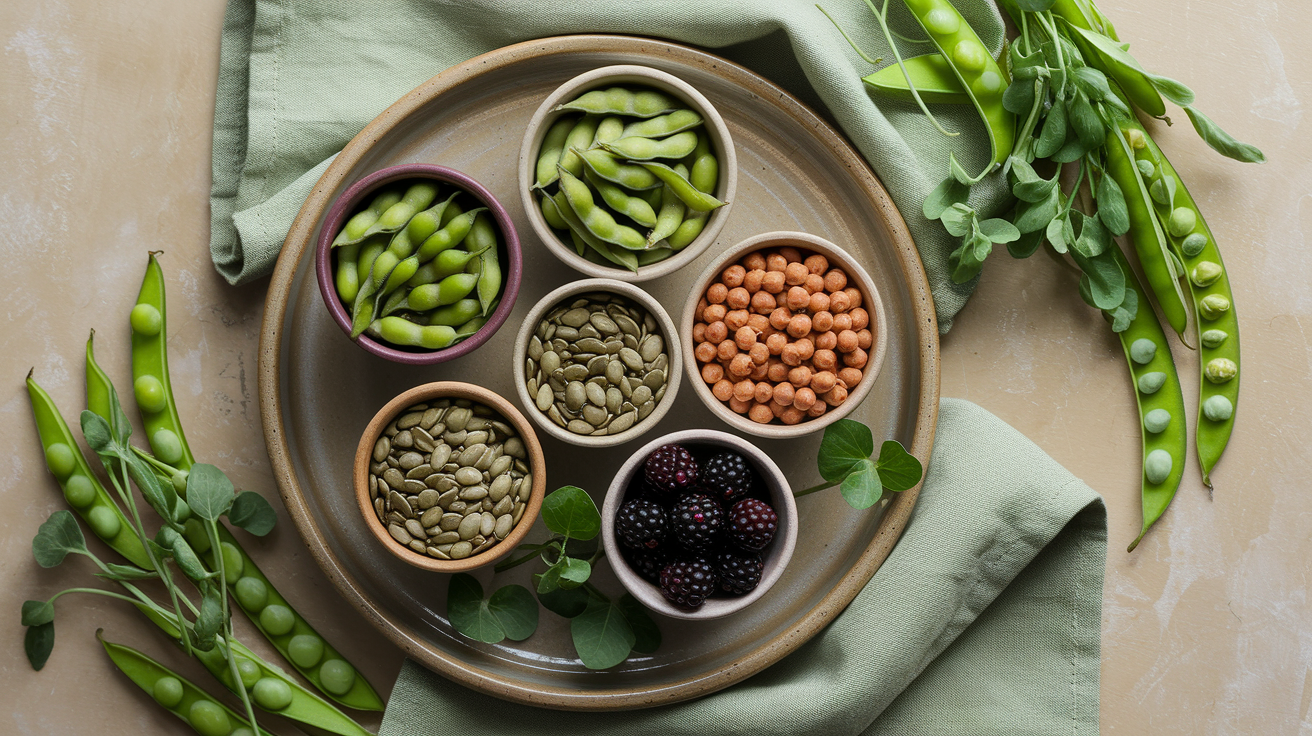
Plant-based protein snacks work well when you choose whole-food sources that bring fiber and micronutrients along with the protein. Legumes, seeds, and soy-based options offer solid macros without requiring animal products.
| Snack | Calories | Protein |
|---|---|---|
| Roasted edamame (½ cup shelled) | 95 | 9–10 g |
| Roasted chickpeas (¼ cup) | 90–100 | 5–6 g |
| Pumpkin seeds (1 Tbsp) | 90 | 4–5 g |
| Lupini beans (¼ cup) | 60–80 | 7–8 g |
| Blackberries (1 cup) | 62 | 2 g, 8 g fiber |
Pairing plant proteins with fiber-rich fruits or vegetables slows digestion and extends fullness. A quarter cup of roasted chickpeas with a handful of blackberries gives you protein, fiber, and antioxidants in one sitting. It’s a simple combination that doesn’t require cooking or complicated prep. Works whether you’re vegan, vegetarian, or just trying to eat more plants during the week.
Dairy & Vegetarian High-Protein Snacks Around 100 Calories
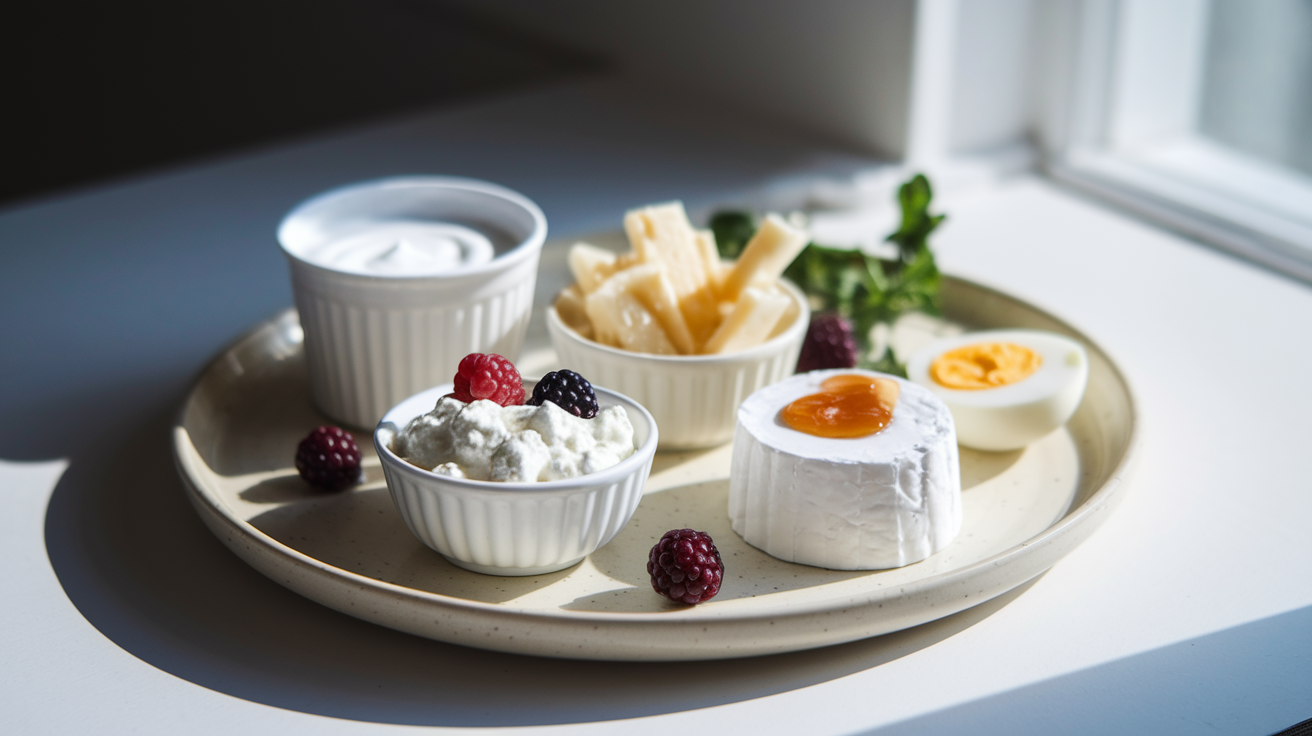
Dairy-based snacks deliver high-quality protein in portions that are easy to measure and store. Greek yogurt and cottage cheese are both strained, which concentrates protein and reduces lactose, making them easier to digest for some people. If you’re vegetarian but not vegan, these options expand your choices significantly.
Plain nonfat Greek yogurt offers about 10 grams of protein in a half-cup serving for roughly 90 calories. If you prefer a creamier texture, 2% Greek yogurt adds about 10–15 calories per half cup but keeps the protein nearly the same. Cottage cheese works similarly. A third of a cup of low-fat cottage cheese delivers around 8 grams of protein at 60 calories, leaving room to add a small piece of fruit or a sprinkle of everything bagel seasoning without going over 100 calories.
Part-skim mozzarella and light string cheese are naturally low in carbs and portion-controlled by design. One ounce of string cheese delivers 6–7 grams of protein at 80 calories. It’s portable, doesn’t require refrigeration for a few hours, and pairs well with raw veggies or a few whole-grain crackers if you have calories to spare. Ricotta cheese is another option. A quarter cup of part-skim ricotta gives you about 7 grams of protein at 85 calories. Mix it with a teaspoon of honey or a handful of berries for a snack that feels more like a treat.
Eggs also fit here. One hard-boiled egg is about 70 calories with 6 grams of protein. Three egg whites cooked in a nonstick pan with cooking spray come in around 51 calories and 11 grams of protein. If you’re making an egg-white omelet, add diced peppers, spinach, or mushrooms for volume and micronutrients without adding significant calories.
Protein Snack Prep & Storage Tips for Busy Schedules
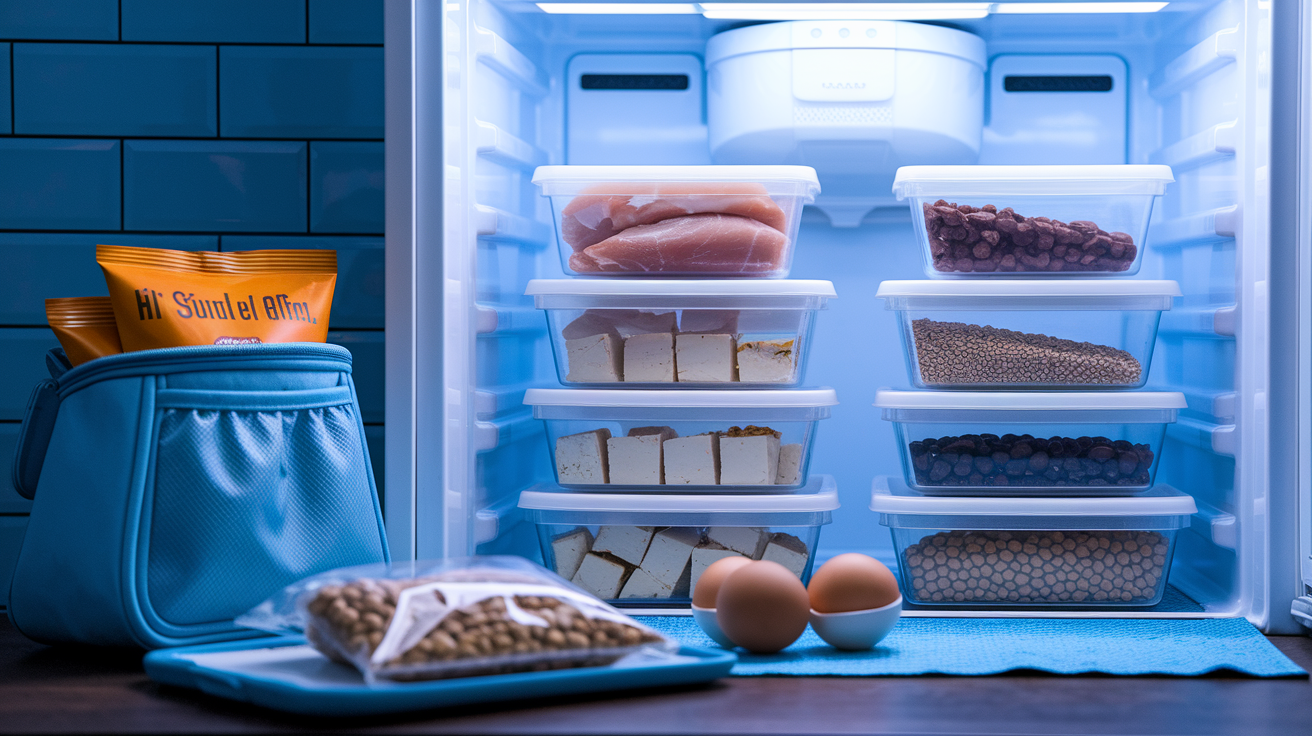
Consistency happens when snacks are already ready. If you have to think about what to eat, measure portions, and assemble something every time you’re hungry, you’ll skip it or grab whatever’s easiest. Prep removes the friction.
Batch-prep proteins on Sunday or your least busy day. Grill or bake 1–2 pounds of chicken breast, press and bake a block of tofu, or hard-boil a dozen eggs. Portion into 2- or 4-ounce servings and store in airtight containers.
Pre-portion nuts, seeds, and roasted legumes into snack bags. Measure out single servings (1 tablespoon of pumpkin seeds, 2 tablespoons of peanuts, ¼ cup of roasted chickpeas) and seal them. Label with the calorie count if it helps you stay organized.
Press tofu before cooking. Wrap the block in a clean kitchen towel, place a cutting board on top, and let it sit for 15–20 minutes. Removing excess water improves texture and helps seasonings stick.
Choose unsalted or lightly salted versions of roasted snacks. You can always add your own seasoning. Starting with a low-sodium base gives you control and keeps you from hitting your sodium limit by mid-afternoon.
Keep a few grab-and-go backups in your desk, gym bag, or car. Single-serve protein powder packets, dry-roasted edamame packs, or light string cheese can sit unrefrigerated for a few hours and save you when plans change.
When your snacks are prepped and stored in predictable spots, eating well becomes automatic. You’re not deciding what to eat in the moment. You’re just reaching for what you already made. That small shift makes a big difference over the course of a week.
Final Words
Pick a few go-to options – edamame, Greek yogurt, string cheese, or roasted chickpeas – that land around 100 calories and give real protein. The post gives exact portions and protein counts so you can pack or buy with confidence.
Measure with simple rules: half cup, 1 ounce, or 1 tablespoon. Pair protein with fiber like berries or celery to stay full and steady.
Keep a small rotation in your fridge and pantry. Small changes add up – these 100 calorie high protein snacks make smart snacking doable and satisfying.
FAQ
Q: How to get 20g protein in 100 calories?
A: Getting 20 grams of protein in 100 calories is hard with whole foods; use a protein isolate (whey or egg-white powder). One measured scoop of isolate often gives ~20–24g protein for ~100 kcal. Check labels.
Q: What has the most protein in 100 calories?
A: The highest protein per 100 calories are protein isolates and powders, followed by Greek yogurt, edamame, lupini beans, and very lean seafood. Choose isolates for the greatest protein density.
Q: What are good snacks for hypertension?
A: Good snacks for hypertension are low-sodium, potassium- and fiber-rich picks like fresh fruit, raw veggies with unsalted nut butter, unsalted nuts, edamame, or plain Greek yogurt. Always check sodium labels.
Q: What snack can I eat for 100 calories?
A: A 100-calorie snack can be ½ cup edamame (≈9–10g protein), 1 oz string cheese (6–7g), ¼ cup roasted chickpeas (5–6g), or 1 tbsp almond butter with celery.