
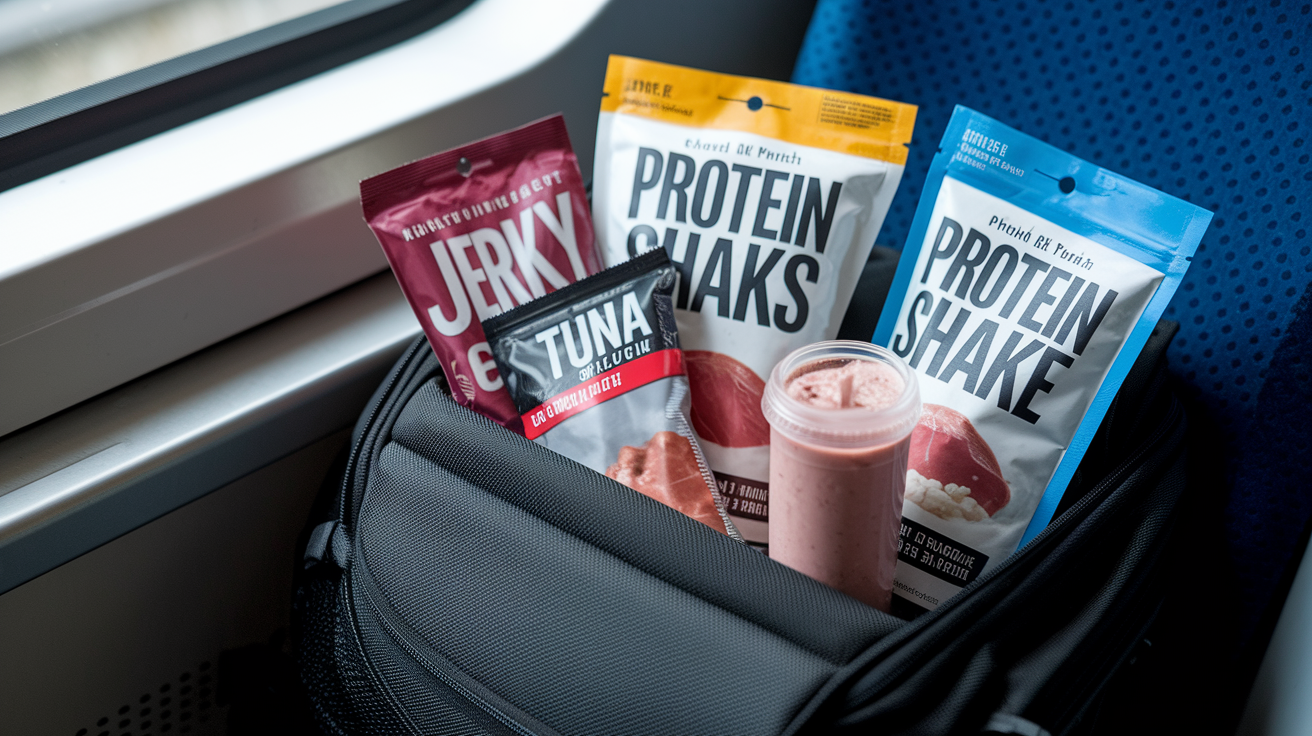
Think finding real protein between meetings and carpool means settling for a sugar-filled snack or skipping food?
It doesn’t have to be that way.
There are portable choices like yogurt pouches, jerky, tuna packets, roasted edamame, and ready-made shakes that deliver about 8 to 30 grams of protein per serving and fit in a purse, cup holder, or desk drawer.
This post breaks down the best on-the-go picks, which ones need a cooler, and quick swaps so you can stay full and steady until your next meal.
Fast, Portable Protein Snacks That Fit Busy Schedules
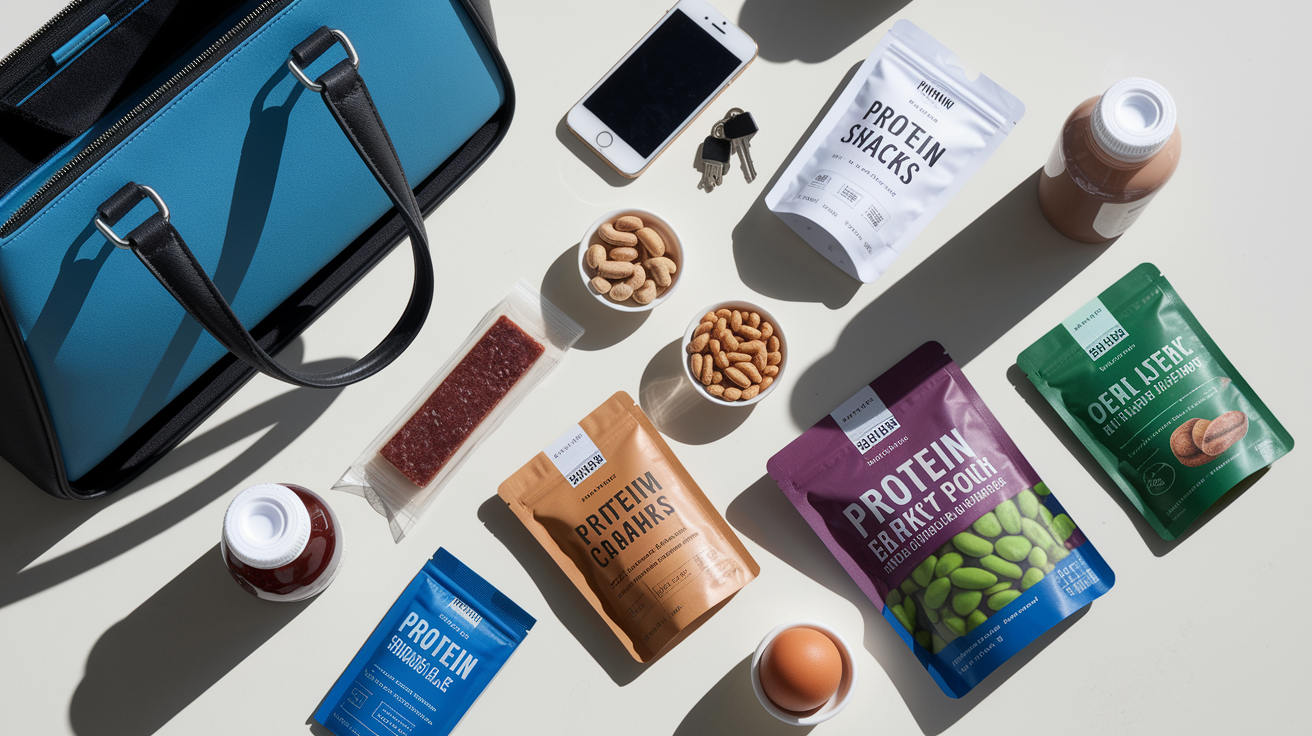
Finding protein between meetings, commutes, and kid pickups doesn’t have to mean gas station junk or nothing at all. Portable protein snacks come in dozens of ready-to-eat formats designed to slip into a bag, fit in a cup holder, or survive a few hours in a backpack. The best options combine solid protein content with minimal fuss. No reheating, no mess, and no need to remember a fork.
Most ready-made portable snacks deliver between 8 and 30 grams of protein per serving. Greek yogurt offers 20 to 25 grams per cup, cottage cheese gives about 14 grams per half-cup, and beef jerky sticks typically range from 8 to 12 grams. Roasted edamame delivers 14 grams per one-third cup. Bone broth packets and cartons provide roughly 20 grams per serving. On the higher end, ready-made protein shakes like Nurri hit 30 grams per bottle. For quick, calorie-controlled snacks, most portable options stay under 175 calories and provide enough protein to keep you steady until your next meal.
Shelf-stable choices make life simpler when refrigeration isn’t reliable. Jerky, roasted edamame packets, bone broth cartons, tuna pouches, and nut butter packets don’t need a cooler or fridge access. Refrigerated items like yogurt, cottage cheese, and bottled shakes work well for shorter trips or when you have access to a break-room fridge. Here’s what fits busy schedules:
Greek yogurt cups or pouches give you 20 to 25 grams per serving but need refrigeration.
Cottage cheese singles deliver 14 grams per half-cup, also refrigerated.
Roasted edamame snack packs pack 14 grams per one-third cup and sit on shelves for weeks.
Beef or turkey jerky sticks range from 8 to 12 grams per stick, no cooling needed.
Bone broth packets or cartons hit roughly 20 grams per serving and don’t spoil at room temperature.
Ready-made protein shakes land at 30 grams per bottle, some shelf-stable, others refrigerated depending on brand.
Tuna pouches provide 10 to 15 grams per pouch without refrigeration.
Overnight oat packets reach about 20 grams per packet when reconstituted, shelf-stable until mixed.
Almonds or mixed nuts offer 6 to 15 grams per one-quarter cup, totally portable.
Hard-boiled eggs give about 6 grams per egg but need to stay cold.
Pick a few formats that match your storage and routine, then keep them accessible. When protein snacks are already in the car console, desk drawer, or gym bag, you’re less likely to skip eating or grab something that leaves you hungry an hour later.
Comparing Protein Content in On-the-Go Snack Options
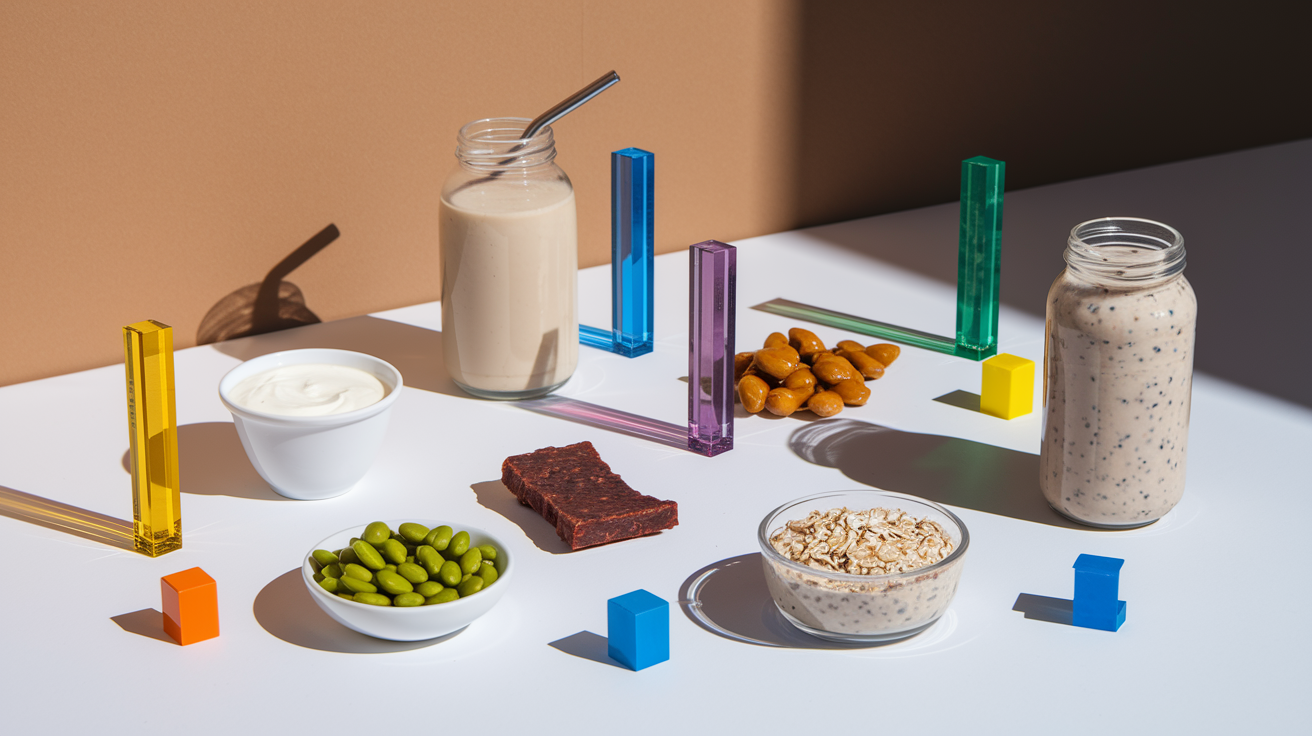
Not all portable snacks deliver the same protein-per-calorie efficiency. Knowing what you’re getting helps you pick smarter when hunger hits. Some options pack 20 grams of protein into under 150 calories, while others give you 8 grams for the same calorie cost. If your goal is satiety without calorie creep, aim for snacks that deliver at least 10 grams of protein and stay under 175 calories per serving.
Greek yogurt, cottage cheese, and ready-made protein shakes tend to offer the highest protein density. A cup of Greek yogurt provides 20 grams of protein for around 150 calories. A half-cup of cottage cheese delivers 14 grams for roughly 80 calories. Roasted edamame gives 14 grams per one-third cup at about 130 calories, making it one of the most efficient plant-based choices. Overnight oat packets hit around 20 grams per serving when mixed with milk, though calorie counts climb to 250 or higher depending on toppings.
Bone broth packets offer 20 grams for minimal calories, often 40 to 60 per serving. But they feel more like a warm drink than a filling snack. Jerky sticks land in the middle at 8 to 12 grams per stick for 80 to 100 calories, which makes them decent for quick bites but less ideal if you need substantial fuel.
| Snack | Protein per Serving | Shelf-Stable? | Calories (Approx.) |
|---|---|---|---|
| Greek yogurt (1 cup) | 20–25 g | No | 150 |
| Cottage cheese (1/2 cup) | 14 g | No | 80 |
| Roasted edamame (1/3 cup) | 14 g | Yes | 130 |
| Beef jerky stick | 8–12 g | Yes | 80–100 |
| Ready-made protein shake (1 bottle) | 30 g | Yes or No (varies) | 160–180 |
| Overnight oats (1 packet + milk) | ~20 g | No (after mixing) | 250+ |
Shelf-Stable and No-Refrigeration Protein Snack Choices
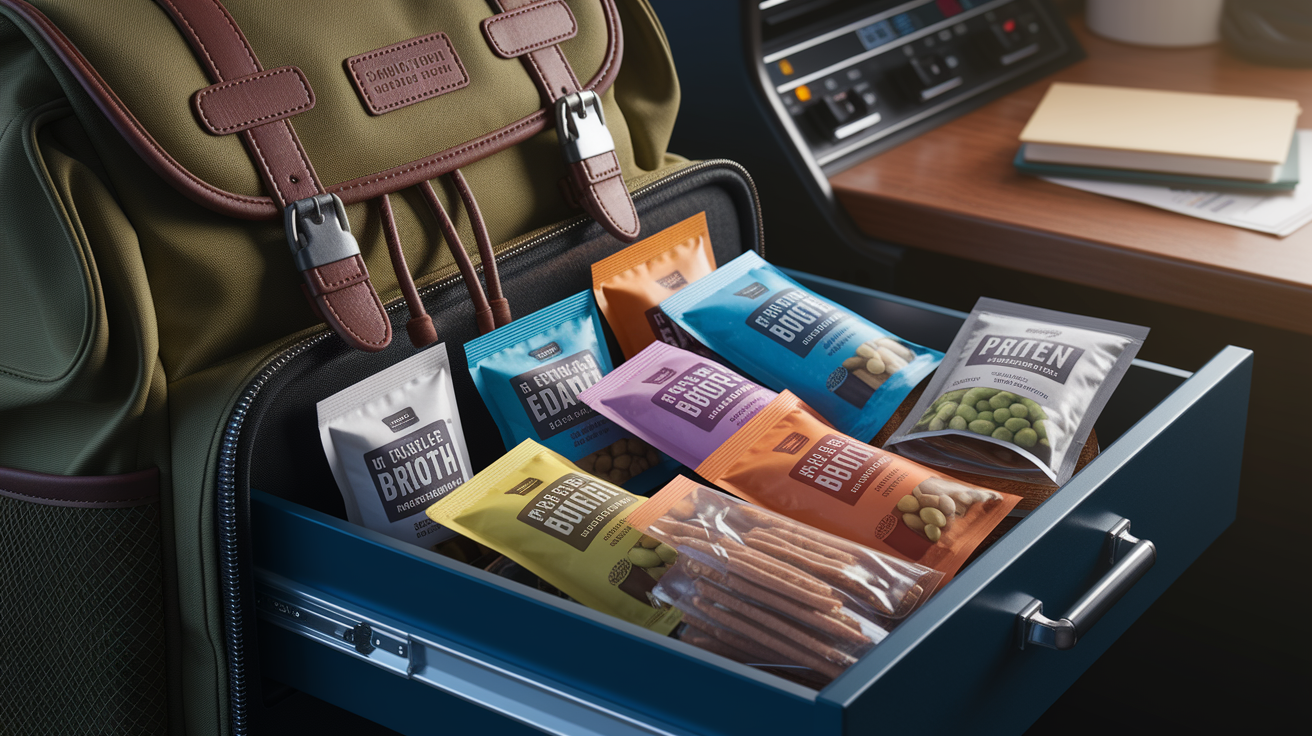
When fridge access isn’t guaranteed, shelf-stable protein snacks become essential. These options sit in your car, desk drawer, or backpack for days without spoiling. They deliver solid protein without needing ice packs or coolers. Bone broth packets and cartons, roasted edamame, jerky, tuna pouches, and nut butter packets are the most reliable no-refrigeration choices. They handle heat and long storage better than yogurt or cottage cheese, and they don’t leave you scrambling for a way to keep them cold.
Roasted edamame is one of the simplest plant-based options for long trips or unpredictable schedules. The Only Bean makes individual snack-size packets and four-ounce bags in flavors like Buffalo, Sriracha, and lightly salted. Each one-third cup serving delivers 14 grams of protein and stays crunchy for weeks.
Jerky is another go-to. Brands like Country Archer Provisions and Chomps offer individually wrapped sticks with 8 to 12 grams of protein per stick, and many come in sugar-free or no-additive versions. If you don’t eat meat, Beyond Meat’s mung bean protein jerky and Primal Spirit’s soy-based versions offer similar portability with roughly the same protein range. Tuna pouches pack 10 to 15 grams of protein per serving and don’t require draining or a can opener, making them easier to eat on the go. Bone broth packets deliver around 20 grams of protein and can be sipped warm or at room temperature if you’re in a pinch.
Bone broth packets or cartons from Brodo or Kettle & Fire work when you need something warming.
Roasted edamame snack packs, like The Only Bean, give 14 grams per one-third cup.
Beef, turkey, or plant-based jerky sticks from Country Archer, Chomps, Beyond Meat, or Primal Spirit stay fresh for weeks.
Tuna or salmon pouches deliver 10 to 15 grams protein with no draining needed.
Nut butter packets contain 8 grams per 2-tablespoon packet.
Shelf-stable hummus cups paired with crackers or pre-cut veggies add fiber and protein.
Dietary Preference-Friendly Protein Snacks for On-the-Go Lifestyles
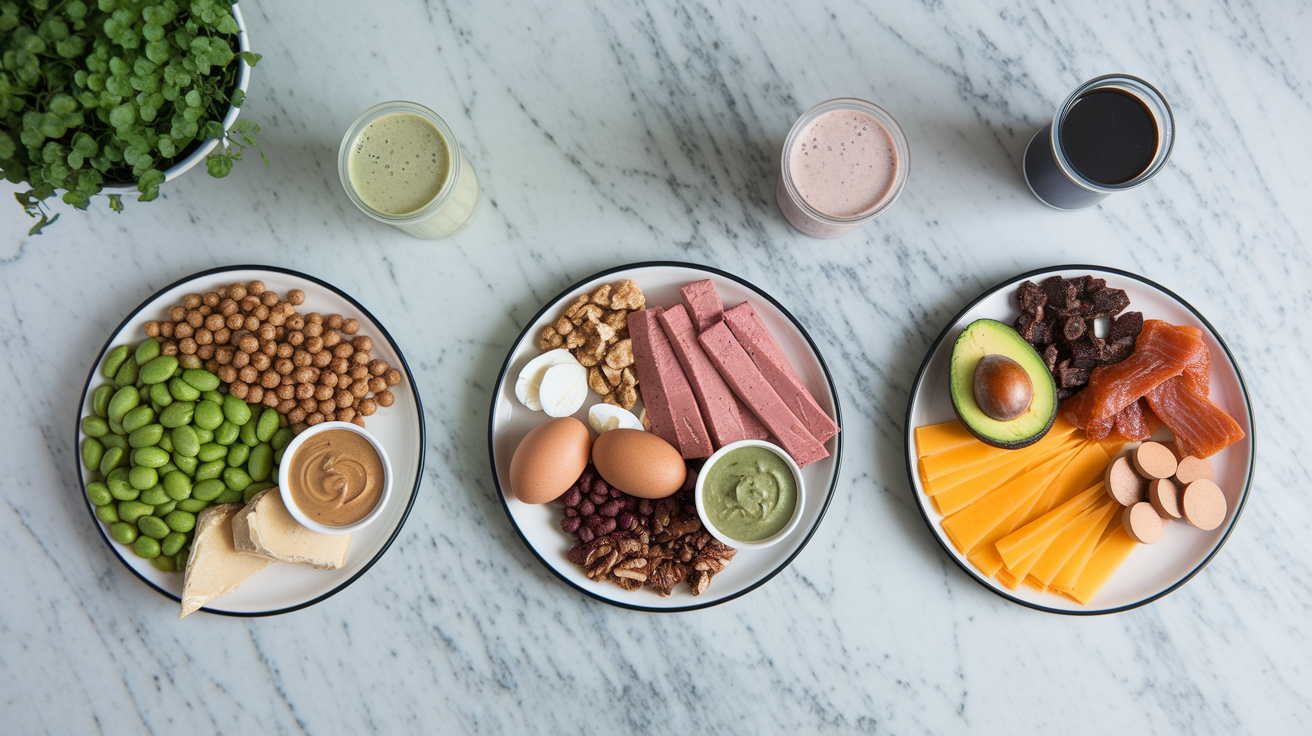
Whether you’re plant-based, avoiding dairy, or eating low-carb, portable protein snacks exist for nearly every dietary pattern. The key is knowing which ready-made formats align with your restrictions and which substitutions keep protein high without adding ingredients you avoid.
Vegan options focus on legumes, seeds, and plant-based protein blends. Daily Harvest’s frozen smoothie cups use pea protein to deliver about 20 grams per cup. Kite Hill’s almond or soy Greek-style yogurt provides around 15 grams per serving. Roasted edamame gives 14 grams per one-third cup and travels well without refrigeration. Hummus paired with whole-grain crackers or raw vegetables adds 5 grams of protein plus fiber, though you’ll need to combine it with another source to reach 15 or 20 grams in one sitting. Plant-based jerky from Beyond Meat or Primal Spirit mimics the portability and protein density of traditional jerky without animal products. If you use protein powder, single-serve packets mixed with water or a plant-based milk substitute can hit 20 to 25 grams per shake.
Vegan
Roasted chickpeas, lentil snacks, edamame, nut butters, plant-based yogurts, and pea-protein smoothies or shakes are the most convenient vegan-friendly choices. Look for brands that list legumes, nuts, seeds, or isolated pea or soy protein as the primary protein source.
Dairy-Free
OWYN and Koia Elite offer ready-made protein shakes that skip dairy and use pea or plant protein blends, delivering 20 to 30 grams per bottle. Tuna pouches, jerky, hard-boiled eggs (if you eat eggs), nut butters, and edamame all avoid dairy. If you tolerate soy or nuts, dairy-free yogurt alternatives from brands like Kite Hill can still give 10 to 15 grams of protein per serving.
Keto-Friendly
High-fat, low-carb snacks that travel well include individual portions of nuts, cheese sticks (if dairy works for you), hard-boiled eggs, salmon or tuna pouches, beef jerky, and avocado halves with a pinch of salt. Nut butter packets paired with celery sticks or a small serving of cheese deliver fat and protein without adding significant carbs. Ready-made protein shakes work if you check the label for low sugar and net carbs under five grams per serving.
Single-Serve and Packable Protein Snacks for Work, School, and Travel
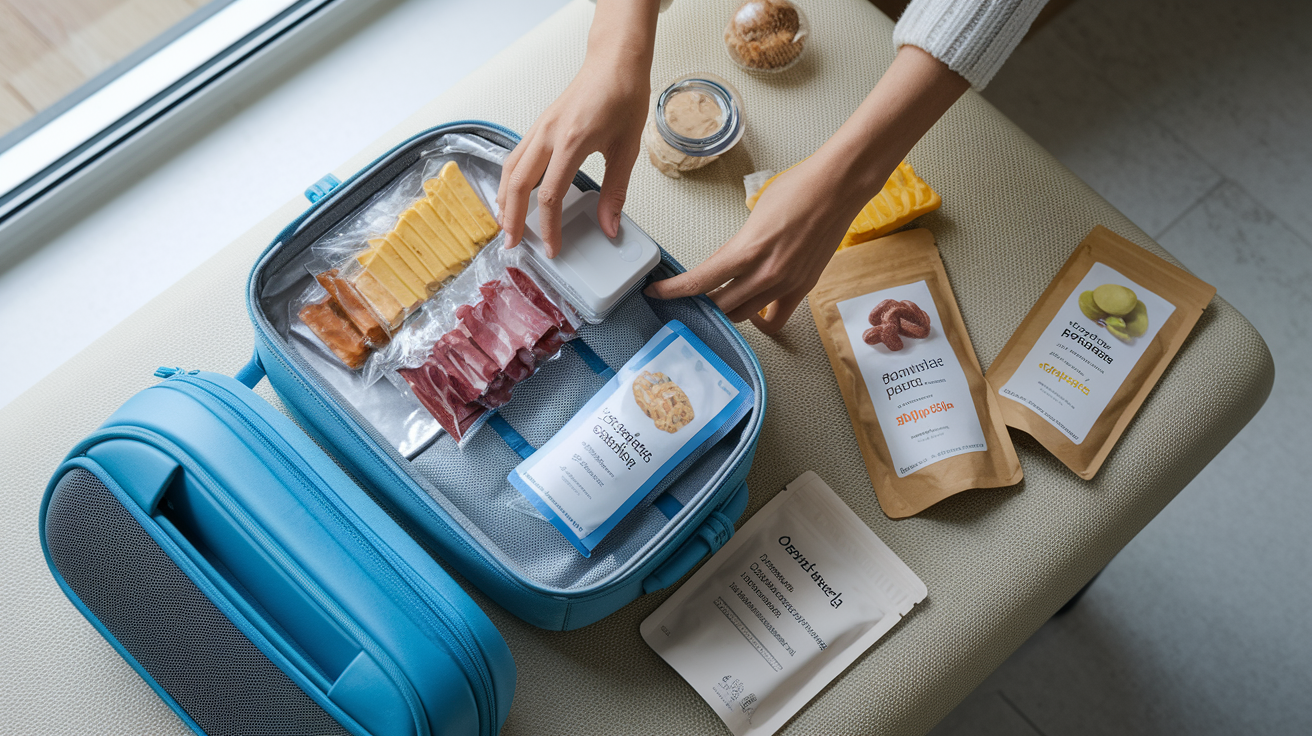
Single-serve packaging removes the guesswork and makes it easier to grab what you need without portioning at home. Yogurt pouches, individual jerky sticks, four-ounce edamame packets, tuna pouches, bottled shakes, and overnight oat packets are all designed to fit into bags, lunchboxes, and carry-ons without creating a mess or requiring extra containers.
Yogurt pouches like Siggi’s deliver around 11 grams of protein per pouch and come in flavors like strawberry acai and blueberry pomegranate. They’re refrigerated but compact enough to pack with a small ice pack for a few hours. Jerky sticks from brands like Country Archer and Chomps are individually wrapped and stay fresh in a desk drawer or backpack for weeks. Four-ounce roasted edamame packets from The Only Bean are sturdy, travel-friendly, and provide 14 grams of protein without needing refrigeration.
Ready-made protein shakes in 11 or 12-ounce bottles, like Nurri at 30 grams, fit into cup holders and most bottle pockets. Overnight oat packets from brands like Oats Over Night require only milk or water, making them easy to prep the night before or mix at work if you have access to a fridge.
For air travel or situations where liquids and gels are restricted, TSA-friendly options include packaged solids like jerky, nuts, roasted edamame, tuna pouches, and protein bars. Avoid yogurt, cottage cheese, nut butters, and liquid shakes unless they’re under 3.4 ounces or you’re checking a bag. If you’re packing for kids, yogurt pouches, cheese sticks, hard-boiled eggs, and small nut butter packets (if the school allows nuts) are simple, high-protein choices that don’t require utensils or reheating.
Yogurt pouches like Siggi’s contain 11 grams per pouch.
Individual jerky sticks have 8 to 12 grams per stick.
Four-ounce roasted edamame packets deliver 14 grams per one-third cup.
Tuna or salmon pouches give 10 to 15 grams per pouch.
Bottled protein shakes pack 30 grams per bottle.
Overnight oat packets reach 20 grams per serving when mixed.
Cheese sticks or mini Babybel rounds offer 5 to 7 grams per piece.
Homemade High-Protein Bites and Make-Ahead Snacks That Travel Well
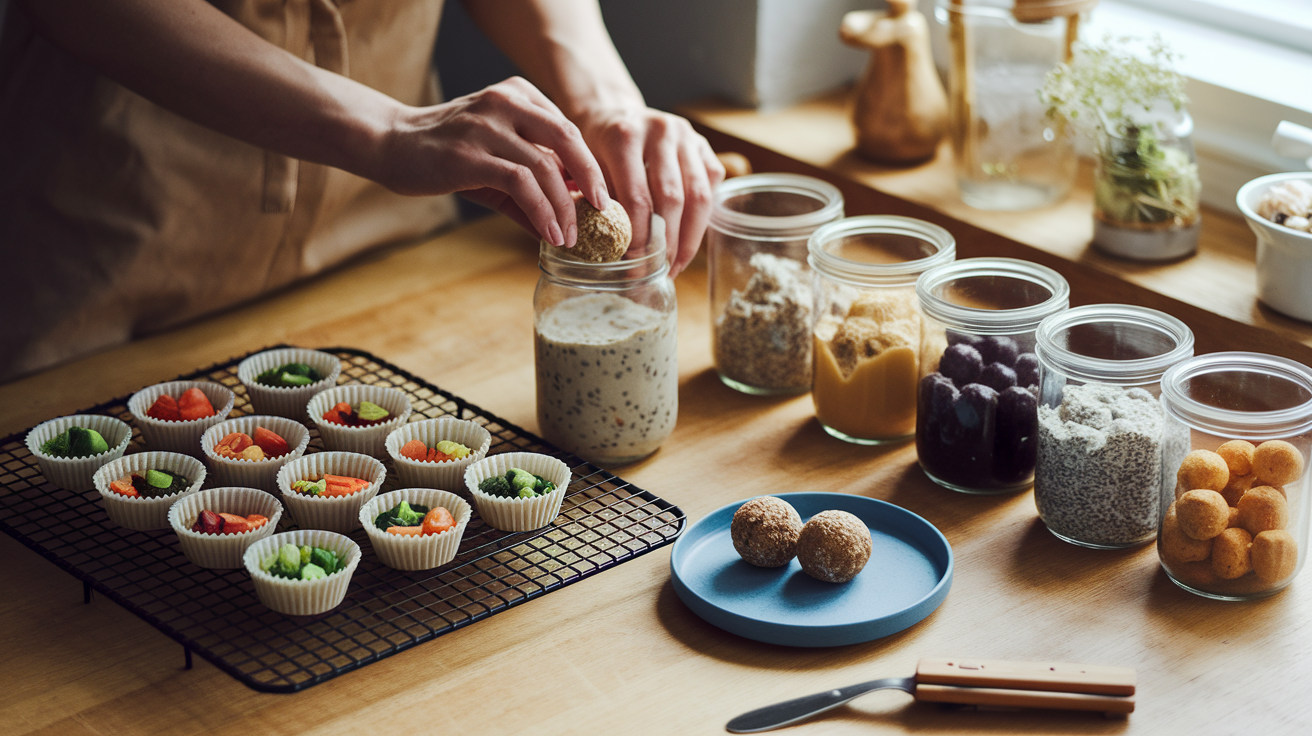
Making your own protein snacks gives you control over ingredients, portion sizes, and flavors. Many homemade options rival or exceed the protein content of store-bought versions. No-bake protein bites, egg muffin cups, protein-packed energy balls, overnight oats, and high-protein muffins are all easy to prep in batches and store for the week.
No-bake protein bites typically combine oats, nut butter, protein powder, and a binder like honey or maple syrup. A single ball can deliver 5 to 8 grams of protein depending on the protein powder you use. A serving of two or three hits 15 to 20 grams.
Egg muffin cups made with four egg whites, chopped vegetables, and a tablespoon of shredded cheese provide about 12 to 15 grams of protein per muffin. Bake a dozen on Sunday, refrigerate them in a glass container, and grab two for breakfast or a mid-morning snack. Overnight oats made with Greek yogurt and a scoop of protein powder can reach 20 to 25 grams of protein per serving. Mix them in mason jars the night before, and they’re ready to eat cold or warmed in the microwave.
Protein muffins made with cottage cheese, oat flour, and protein powder stay moist for several days and can be frozen for longer storage. Each muffin typically delivers 8 to 12 grams of protein depending on the recipe.
No-bake protein energy balls use oats, nut butter, protein powder, and honey.
Egg muffin cups combine egg whites, vegetables, and cheese.
High-protein overnight oats mix oats, Greek yogurt, protein powder, and milk.
Protein muffins blend cottage cheese, oat flour, protein powder, and eggs.
Chia pudding starts with chia seeds, almond milk, and protein powder.
Storage Tips for Homemade Snacks
Store homemade protein bites and energy balls in airtight containers in the fridge for up to one week, or freeze them for up to three months. Egg muffin cups last four to five days in the fridge and reheat well in the microwave for 30 seconds. Overnight oats stay fresh in sealed mason jars for up to four days. Protein muffins can be refrigerated for five days or frozen individually and thawed as needed. If you’re taking homemade snacks on the go, pack them with a small ice pack if they’ll be out of the fridge for more than two hours.
Portable Protein Shakes, Smoothies, and Powdered Options
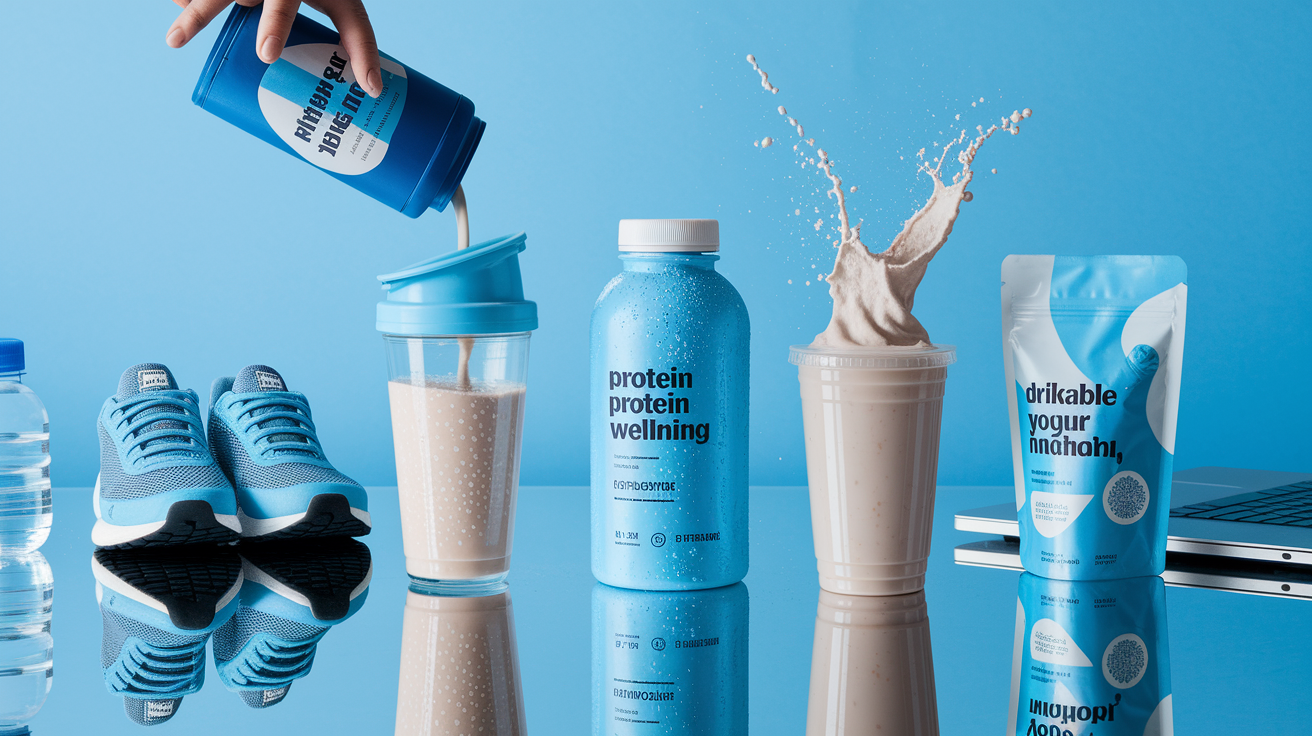
Ready-made protein shakes and smoothies are among the easiest grab-and-go options when you need 20 to 30 grams of protein in one bottle. Brands like Nurri, OWYN, Koia Elite, and Fairlife’s Core Power offer bottled shakes that range from 20 to 30 grams of protein per serving. Nurri’s ultra-filtered, lactose-free shakes hit 30 grams per bottle and are sold in 12-packs at Costco. Daily Harvest’s frozen smoothie cups use pea protein to deliver about 20 grams per cup and come in single-serve formats that require only a blender or a vigorous shake after thawing.
Powdered protein in single-serve packets or small portioned scoops gives you flexibility to mix shakes on the go. Most protein powders deliver 20 to 25 grams per scoop, and single-serve packets are easy to toss into a bag with a shaker bottle. If you prefer a thicker, more filling snack, mix protein powder into Greek yogurt instead of water or milk. This combination can push your total protein to 30 grams or more. Yogurt pouches like Siggi’s offer a middle ground with about 11 grams of protein per pouch, making them easy to drink without a spoon but lower in total protein than a full shake.
| Product Type | Protein per Serving | Refrigeration Needed | Ideal Use Case |
|---|---|---|---|
| Ready-made bottled shake (Nurri, OWYN) | 20–30 g | Varies by brand | Car, gym bag, quick meal replacement |
| Frozen smoothie cups (Daily Harvest) | ~20 g | Yes (frozen until use) | At-home blending or thaw-and-shake |
| Protein powder single-serve packets | 20–25 g | No | Travel, office, post-workout |
| Drinkable yogurt pouches (Siggi’s) | ~11 g | Yes | Light snack, kid-friendly, quick protein boost |
Protein Snack Choices for Weight Loss, Satiety, and Energy Management
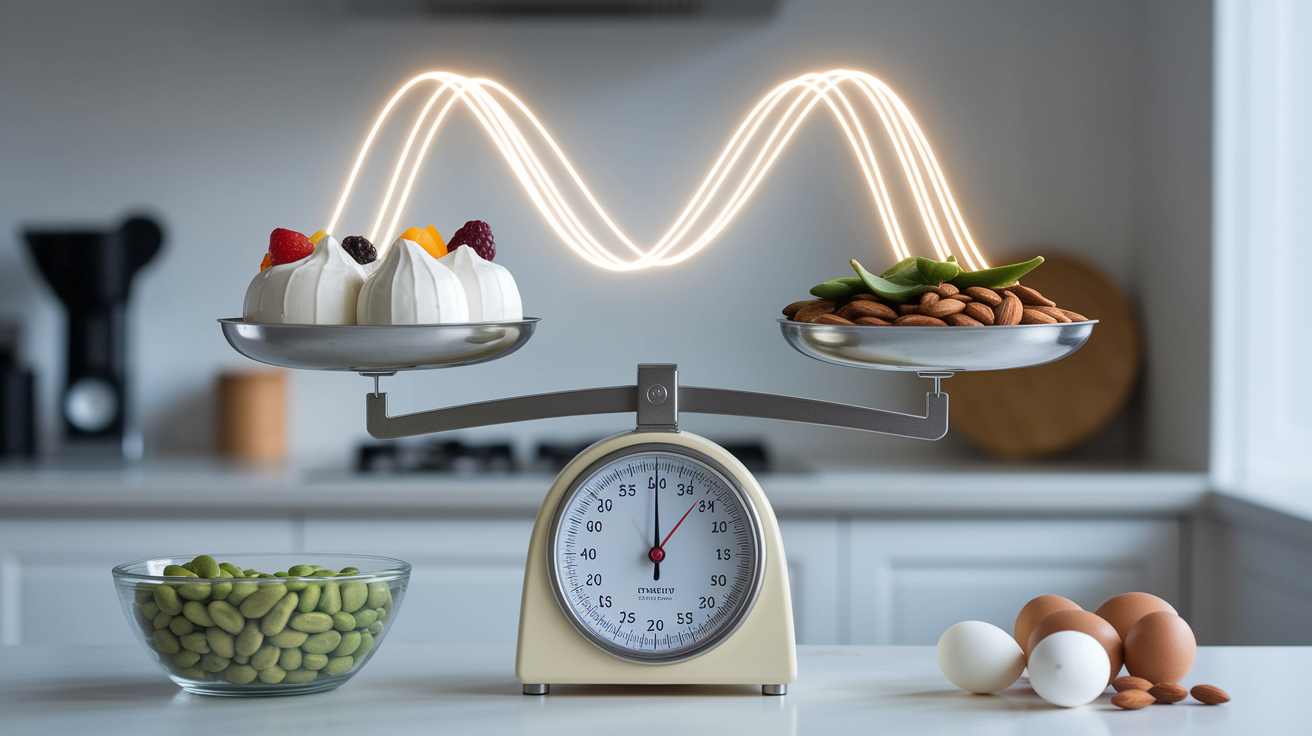
Protein snacks help manage hunger and energy levels between meals, especially when you’re trying to lose weight or maintain steady blood sugar. The guideline from nutrition experts is to keep snacks under 175 calories for weight goals. Anything over 200 calories is considered a mini-meal. High-protein snacks support satiety by slowing digestion and signaling fullness, which reduces the chance of overeating at your next meal.
Greek yogurt, cottage cheese, roasted edamame, and hard-boiled eggs are some of the most filling options for the calorie cost. A cup of Greek yogurt delivers more than 20 grams of protein for around 150 calories, making it one of the most efficient satiety-boosting snacks. Cottage cheese paired with half a cup of fruit provides more than 10 grams of protein and stays under 150 calories. Roasted edamame or chickpeas add fiber on top of 14 grams of protein per one-third cup, which keeps you fuller longer than snacks made only from refined carbs. Almonds offer 6 to 15 grams of protein per one-quarter cup depending on the variety, and their fat content adds to the satiety effect without spiking blood sugar.
If your goal is weight loss, avoid snacks that combine high calories with low protein. Chips, crackers without a protein pairing, or sweetened granola bars won’t keep you full. Instead, aim for snacks that deliver at least 10 grams of protein and include fiber when possible. Protein helps regulate appetite hormones and supports muscle retention during calorie deficits, which is why prioritizing it in snacks makes a noticeable difference in how full you feel throughout the day.
Greek yogurt brings more than 20 grams protein for under 150 calories.
Cottage cheese with fruit gives more than 10 grams protein for under 150 calories.
Roasted edamame or chickpeas pack 14 grams protein plus fiber at around 130 calories.
Hard-boiled eggs contain 6 grams protein per egg at around 70 calories.
Almonds or mixed nuts deliver 6 to 15 grams protein per one-quarter cup at around 160 calories.
Where to Buy the Best On-the-Go Protein Snacks
Finding portable protein snacks is easier now that most grocery stores, warehouse clubs, and online retailers stock single-serve and travel-friendly formats. Costco carries Nurri protein shakes in 12-packs, making them one of the most affordable options for ready-made 30-gram shakes. Amazon sells roasted edamame snack packs from The Only Bean for around 26 dollars per multi-pack. Walmart stocks beef jerky from brands like Country Archer and Chomps for about 23 dollars per package. Subscription services like Daily Harvest deliver frozen smoothie cups weekly, and Oats Over Night ships ready-to-mix overnight oat packets with about 20 grams of protein per serving.
For last-minute needs, convenience stores and gas stations often carry protein bars, jerky sticks, nuts, and bottled protein shakes. The selection isn’t always the cleanest or most affordable, but it beats skipping a snack or grabbing something with no protein. If you shop at grocery stores regularly, look for single-serve yogurt cups, cottage cheese snack packs, tuna pouches, and pre-portioned nut butter packets in the dairy, canned goods, and snack aisles. Trader Joe’s, Whole Foods, and Target all stock travel-friendly protein options, and many offer store-brand versions that cost less than name brands without sacrificing protein content.
Costco has Nurri protein shakes in 12-packs, bulk jerky, and nuts.
Amazon carries The Only Bean roasted edamame for around $26, single-serve tuna pouches, and protein powder packets.
Walmart stocks Country Archer and Chomps jerky for around $23, Greek yogurt cups, and cottage cheese singles.
Subscription services like Daily Harvest and Oats Over Night deliver frozen smoothies and overnight oat packets.
Grocery stores including Trader Joe’s, Whole Foods, and Target offer single-serve yogurt, tuna pouches, nut butter packets, and cheese sticks.
Gas stations and convenience stores carry protein bars, jerky sticks, bottled shakes, and nuts at higher cost as a last-resort option.
Final Words
Start by stashing a handful of reliable picks: jerky, tuna pouches, roasted edamame, Greek yogurt, and ready-made shakes. They cover about 8–30 grams of protein per serving and travel well.
We compared protein density and calories, mapped shelf-stable choices, and offered vegan, dairy-free, and keto swaps. You also got single-serve, homemade bites, and quick powder/shake tips so you can pick what fits your week.
Use this checklist for protein snacks on the go—choose a few favorites, pack them, and aim for roughly 20 g when you want lasting energy. Small steps win; you’ve got this.
FAQ
Q: What is a good protein snack on the go?
A: A good protein snack on the go is something portable and ready-to-eat, like a jerky stick, a Greek yogurt cup, a cottage cheese tub, a roasted edamame packet, or a single-serve protein shake.
Q: How can I get 20g of protein in a snack?
A: You can get 20 grams of protein in a snack by choosing a cup of Greek yogurt, a ready-made 20 gram protein shake, 1/2 cup cottage cheese plus a tablespoon of nuts, or two jerky sticks.
Q: What protein bars are okay for GERD?
A: Protein bars okay for GERD are low-fat, low-acid bars with simple ingredients, like oat-and-nut or whey-based bars without chocolate, peppermint, citrus, or spicy flavorings; choose low sugar and under about 10 grams fat.
Q: What’s a good snack for a diabetic?
A: A good snack for a diabetic pairs protein with fiber and low added sugar, such as Greek yogurt with berries, apple slices and nut butter, cottage cheese with cucumber, a tuna pouch, or roasted edamame.