
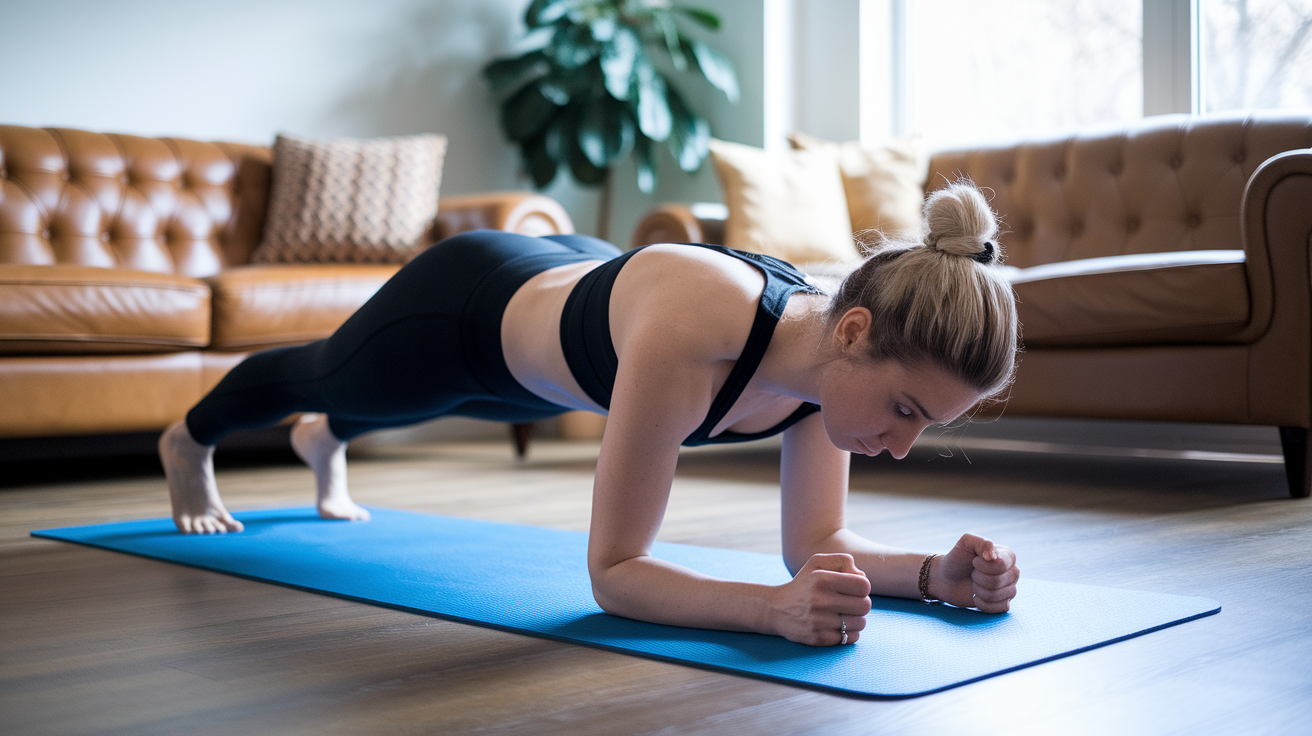
Think crunches make your core strong? Think again.
Real stability comes from resisting unwanted movement, not endless sit-ups.
This quick 12 to 15 minute routine uses four simple moves, plank, dead bug, bird dog, and glute bridge, to train anti-extension (resisting back arching), anti-rotation, hip stability, and the posterior chain.
You don’t need equipment, just floor space and steady effort.
Do these with good form and small weekly progressions and you’ll build core strength that protects your back, improves lifts, and makes daily life feel easier, fast.
Practical Starter Routine for Core Strength
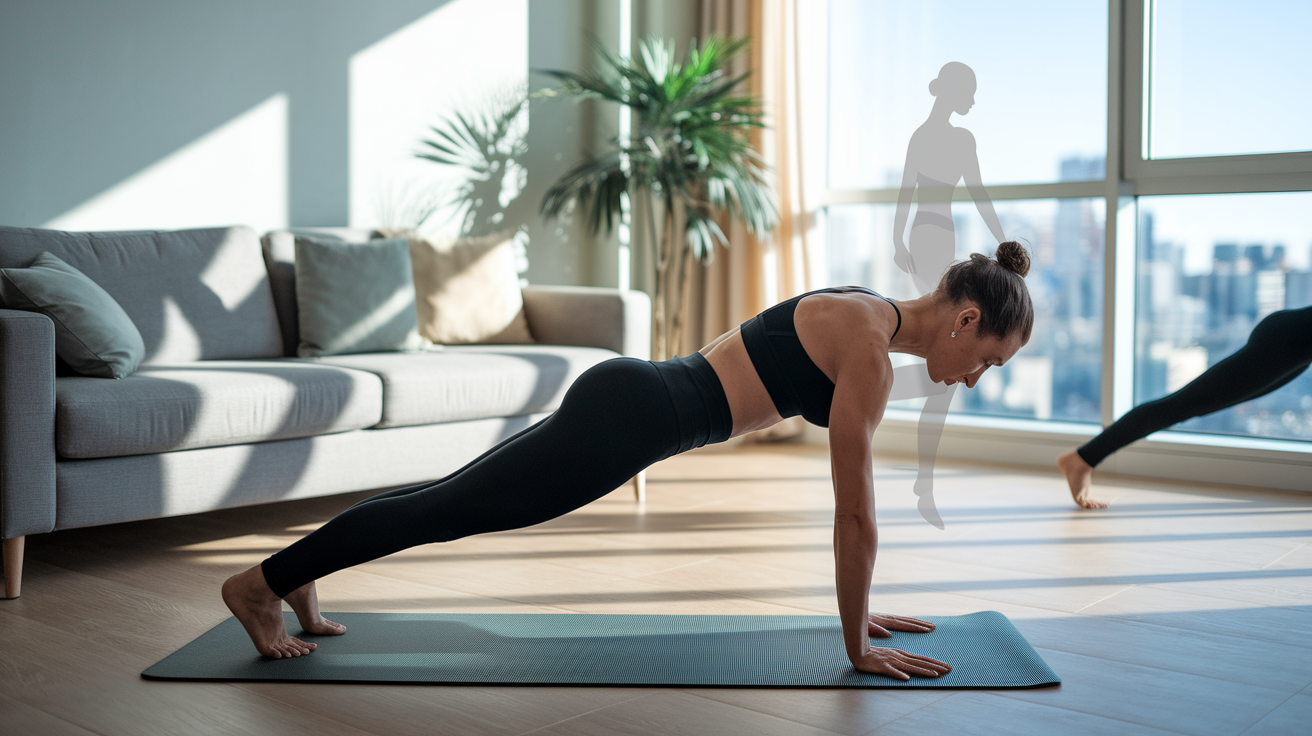
This routine takes less than 15 minutes and you don’t need anything except floor space. The four exercises hit every major core function: anti-extension, anti-rotation, hip stability, and posterior chain activation.
1. Plank
Put your forearms flat on the floor, elbows under shoulders. Step back until your body’s straight from head to heels. Squeeze your glutes and pull your ribcage toward your hips without rounding your back. Hold 20 to 30 seconds, rest 30 seconds, repeat 3 times.
2. Dead Bug
Lie on your back with knees bent at 90 degrees above your hips, arms extended toward the ceiling. Press your lower back into the floor and keep it there. Lower your right arm overhead and straighten your left leg toward the floor, stopping just before your heel touches. Return to start and switch sides. 3 sets of 8 reps per side.
3. Bird Dog
Start on hands and knees, wrists under shoulders, knees under hips. Brace your core and extend your right arm forward and left leg back until both are parallel to the floor. Hold 2 seconds, return slowly, switch sides. 3 sets of 8 reps per side.
4. Glute Bridge
Lie on your back with knees bent, feet flat and hip-width apart. Press through your heels and lift your hips until your body forms a straight line from shoulders to knees. Squeeze your glutes at the top and hold 2 seconds. Lower with control. 3 sets of 12 reps.
This takes 12 to 15 minutes including rest. Beginners can shorten holds and cut reps in half. Intermediate folks can add 5 to 10 seconds to static holds or 2 to 3 reps per set each week.
Detailed Breakdown of Foundational Core Exercises
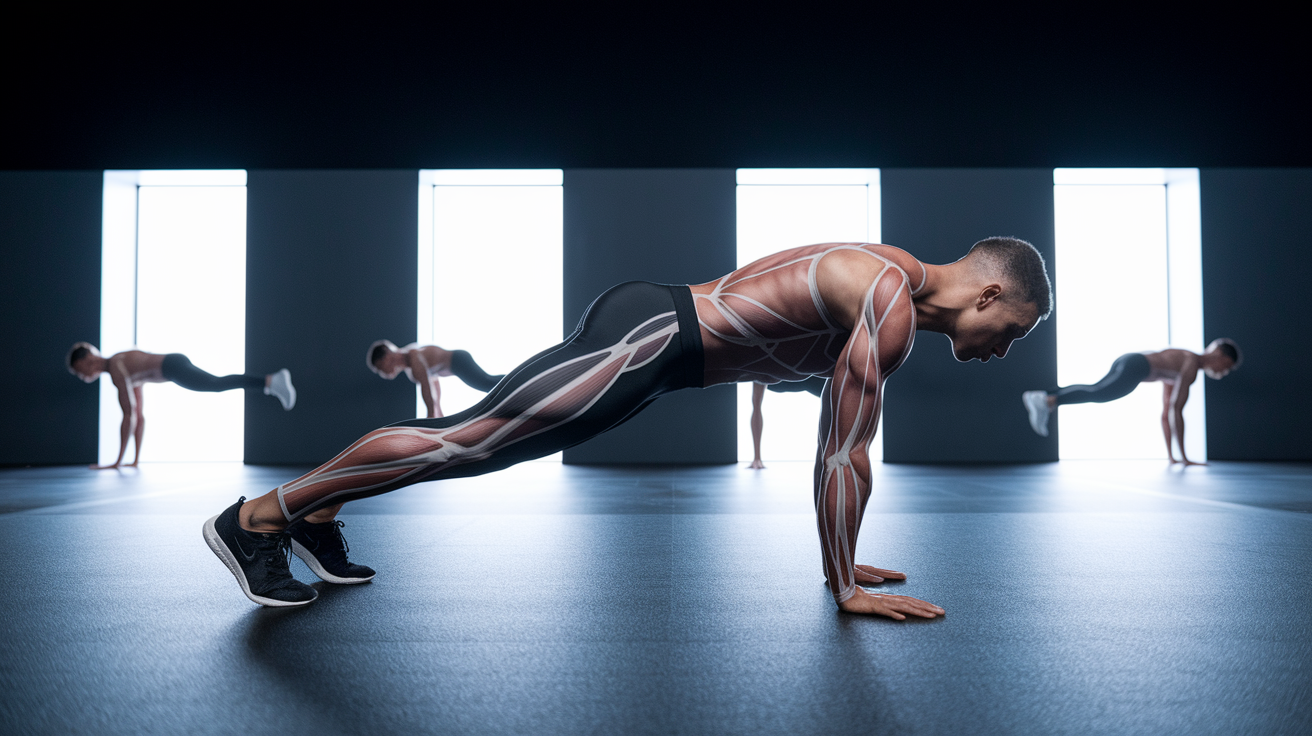
Each of these four exercises trains a specific core function. Understanding the purpose and exact execution helps you feel the right muscles working and avoid common mistakes that waste effort or risk strain.
Plank
The plank is an anti-extension drill. It teaches your core to resist lower-back arching under load. This matters for deadlifts, overhead presses, and any movement where your spine needs to stay neutral against gravity or weight.
Set forearms on the floor with elbows directly under shoulders, not forward or behind. Step feet back and engage your quads, glutes, and core at the same time. Keep your ribcage pulled down toward your pelvis. Don’t let your hips sag or pike upward. Breathe steadily and hold a straight line from the crown of your head to your heels. If your lower back starts to arch or your hips drop, end the set.
Common mistakes include lifting the hips too high (which shifts work to the shoulders), letting the belly drop toward the floor (placing shear stress on lumbar discs), and holding your breath (which spikes intra-abdominal pressure). Keep tension continuous but sustainable.
Dead Bug
The dead bug isolates anti-extension while adding limb movement. Your core has to stabilize against shifting loads. It’s one of the safest entry-level exercises for people recovering from back pain or learning to brace under control.
Lie flat with your lower back pressed into the floor, knees bent at 90 degrees above your hips. Extend your arms straight up toward the ceiling, directly above your shoulders. Slowly lower one arm overhead and the opposite leg toward the floor, stopping just before either touches down. Exhale as you extend, inhale as you return, and switch sides without letting your lower back peel off the floor. Move slowly. Rushing reduces core engagement and lets momentum take over.
The most frequent error is letting the lower back arch off the floor when the leg lowers. If that happens, reduce the range of motion by 50 percent or keep the working knee bent instead of straight.
Bird Dog
Bird dog trains anti-rotation and anti-extension at the same time while building coordination between opposite limbs. It mimics the cross-body stabilization pattern used in walking, running, and lifting.
Start on hands and knees with a neutral spine. Don’t round or arch your back. Brace your core like you’re preparing for a light punch to the stomach, then extend one arm forward and the opposite leg back. Keep your hips level and don’t rotate your torso. The extended arm and leg should reach parallel to the floor, not higher. Hold the extended position for 2 seconds, feeling tension across your entire core, then return with control. Switch sides and repeat.
Common mistakes include hiking the hip of the working leg, twisting the torso to compensate for weak obliques, and overextending the lower back. Focus on stillness. The goal is stability, not range of motion.
Glute Bridge
The glute bridge strengthens the posterior chain (glutes, hamstrings, and lower back) while teaching hip extension without lumbar hyperextension. Strong glutes reduce the load your lower back carries during squats, deadlifts, and everyday bending.
Lie on your back with knees bent, feet flat and hip-width apart, heels 6 to 12 inches from your glutes. Press through your heels and squeeze your glutes to lift your hips until your body forms a straight line from shoulders to knees. At the top, your shins should be vertical and your core braced to prevent your lower back from arching too much. Hold the top position for 2 seconds, lower with control, and stop just before your glutes touch the floor to keep tension. Don’t push your hips so high that your lower back arches sharply. Extension should come from the hips, not the spine.
Frequent errors include driving through the toes instead of the heels (which shifts work to the quads), failing to squeeze the glutes at the top, and letting the knees collapse inward. Keep your knees tracking over your toes throughout.
Additional Core Strengthening Movements
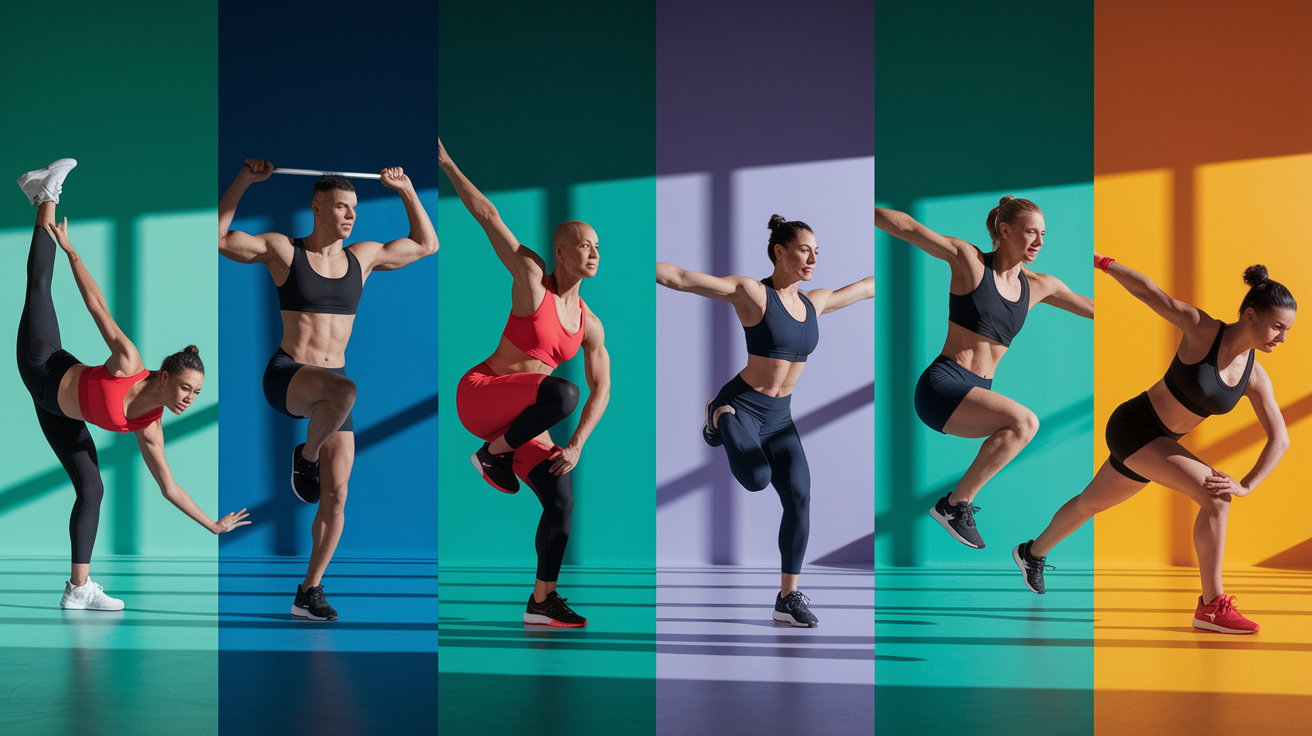
Once you’re comfortable with the starter routine, adding variety keeps development balanced and training interesting. The following eight exercises target different planes of motion, challenge stability under rotation, and integrate core work with full-body movements.
Side Plank: Lie on your side, prop yourself up on one forearm, and lift your hips until your body forms a straight line. Hold 20 to 45 seconds per side. Strengthens obliques and resists lateral flexion.
Hollow Hold: Lie on your back, press your lower back to the floor, and lift your shoulders and legs a few inches off the ground. Hold 15 to 30 seconds. Builds anti-extension endurance.
Russian Twist: Sit with knees bent and feet lifted, lean back to 45 degrees, and rotate your torso side to side while holding a light weight or your hands at your chest. 3 sets of 20 total reps. Trains rotational control.
Single-Leg Glute Bridge: Perform a glute bridge with one foot elevated off the floor, forcing the opposite glute and core to stabilize. 3 sets of 8 reps per side. Builds unilateral hip strength and anti-rotation.
Mountain Climbers: Start in a plank position and alternate driving your knees toward your chest at a controlled pace. 3 sets of 30 to 45 seconds. Combines anti-extension with dynamic hip flexion.
Pallof Press: Anchor a resistance band at chest height, hold the handle at your sternum, and press it straight out while resisting rotation. 3 sets of 10 reps per side. Strengthens anti-rotation under load.
Reverse Crunch: Lie on your back, lift your knees above your hips, and curl your pelvis toward your ribcage by contracting your lower abs. Lower with control. 3 sets of 12 reps. Isolates lower rectus abdominis.
Bicycle Crunch: Lie on your back, bring opposite elbow to opposite knee in a controlled twist, and alternate sides. 3 sets of 20 total reps. Works obliques and rectus abdominis together.
These movements can be rotated into your weekly plan or used to replace exercises that feel redundant. Focus on quality over speed. Slow, deliberate reps build more stability than fast, momentum-driven sets.
Progressions and Difficulty Scaling
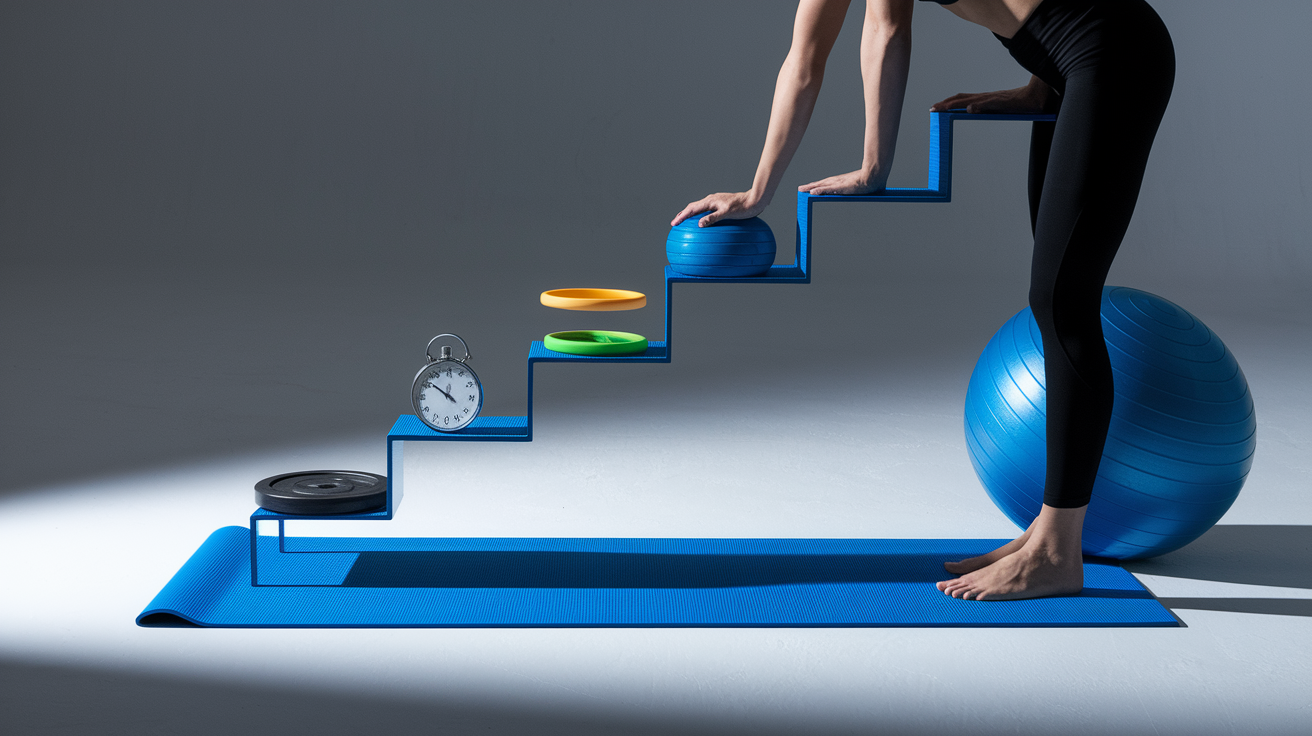
Progressive overload applies to core training just like it does to squats or presses. Repeating the same hold time or rep count for months will stall your strength gains. Small, systematic increases in difficulty keep your core adapting and improving.
Start by extending time under tension for static holds. Add 5 to 10 seconds to your plank or hollow hold each week until you reach 60 to 90 seconds per set, then switch to a harder variation instead of chasing time. For dynamic movements like dead bugs or glute bridges, add 2 to 3 reps per set each week until you hit the top of the range, then increase sets or move to a unilateral version.
1. Add External Load
Hold a light weight plate on your chest during glute bridges, or wear a weighted vest during planks. Start with 2 to 5 kg and increase by small increments.
2. Slow Down Tempo
Lower your leg in a dead bug over 4 seconds instead of 2. The longer time under tension forces your core to work harder without adding weight.
3. Introduce Instability
Perform a plank with your feet on a stability ball or your forearms on sliders. The unstable surface recruits more stabilizer muscles and increases core demand.
4. Increase Range of Motion
In a bird dog, extend your arm and leg farther or add a small weight in your hand. In a glute bridge, elevate your feet on a bench to deepen hip extension.
5. Extend Hold Duration
For static exercises, build from 20-second holds to 45 to 60 seconds before moving to a harder variant. Longer holds build endurance and teach sustained bracing.
Apply one progression variable at a time. Stacking multiple changes (adding weight and instability together, for example) makes it hard to track what’s driving improvement and increases injury risk.
Weekly Core Training Templates
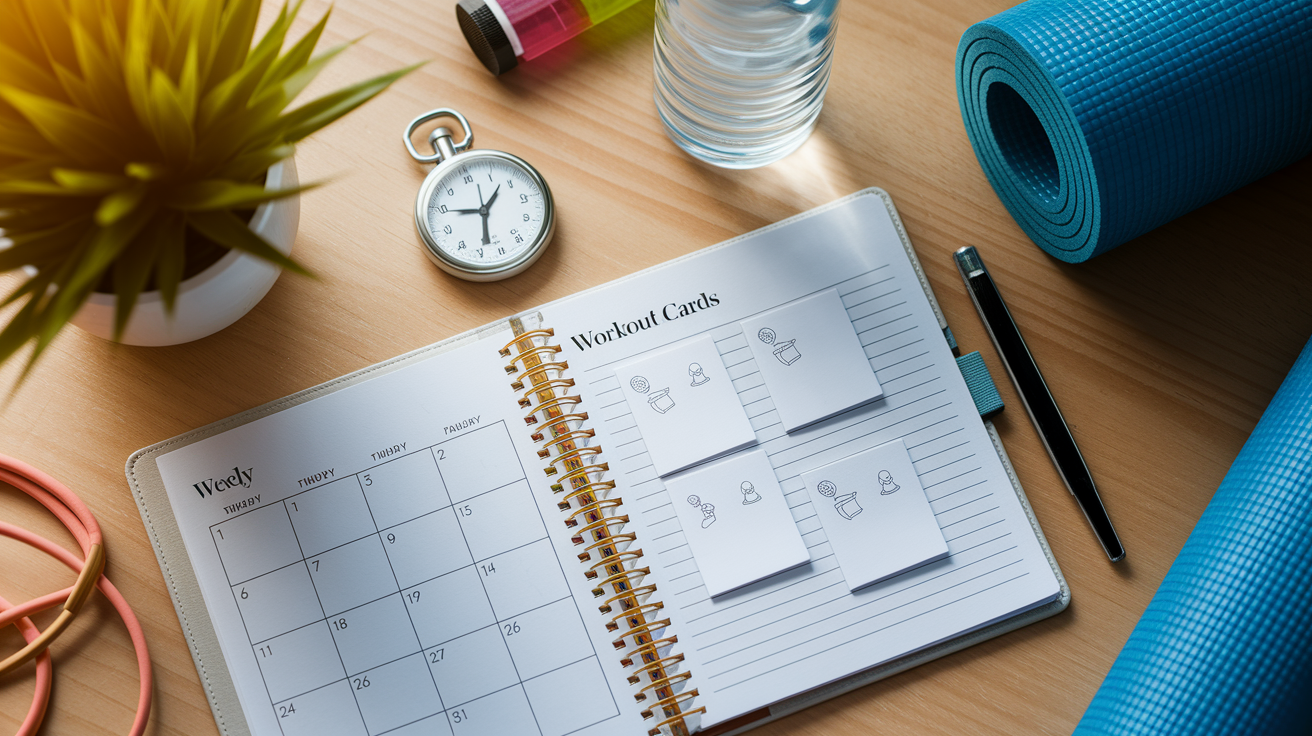
Structuring your core work into a repeatable weekly plan keeps progress consistent and allows adequate recovery. Frequency, session length, and exercise selection should match your current fitness level and training goals.
| Level | Frequency | Example Session Duration |
|---|---|---|
| Beginner | 2 sessions/week | 15–20 minutes |
| Intermediate | 3 sessions/week | 20–30 minutes |
| Advanced | 4 sessions/week | 30–40 minutes |
Beginners should space sessions 2 to 3 days apart. Monday and Thursday works well. Intermediate folks can train Monday, Wednesday, Friday, and advanced trainees can add a fourth session on Saturday or Sunday. Don’t train core hard on consecutive days. The muscles need 48 hours to recover and adapt, just like any other muscle group.
If you lift weights on the same days, do core work after your main lifts rather than before. Pre-fatiguing your core reduces spinal stability during squats and deadlifts, which increases injury risk.
Modifications for Different Fitness Levels
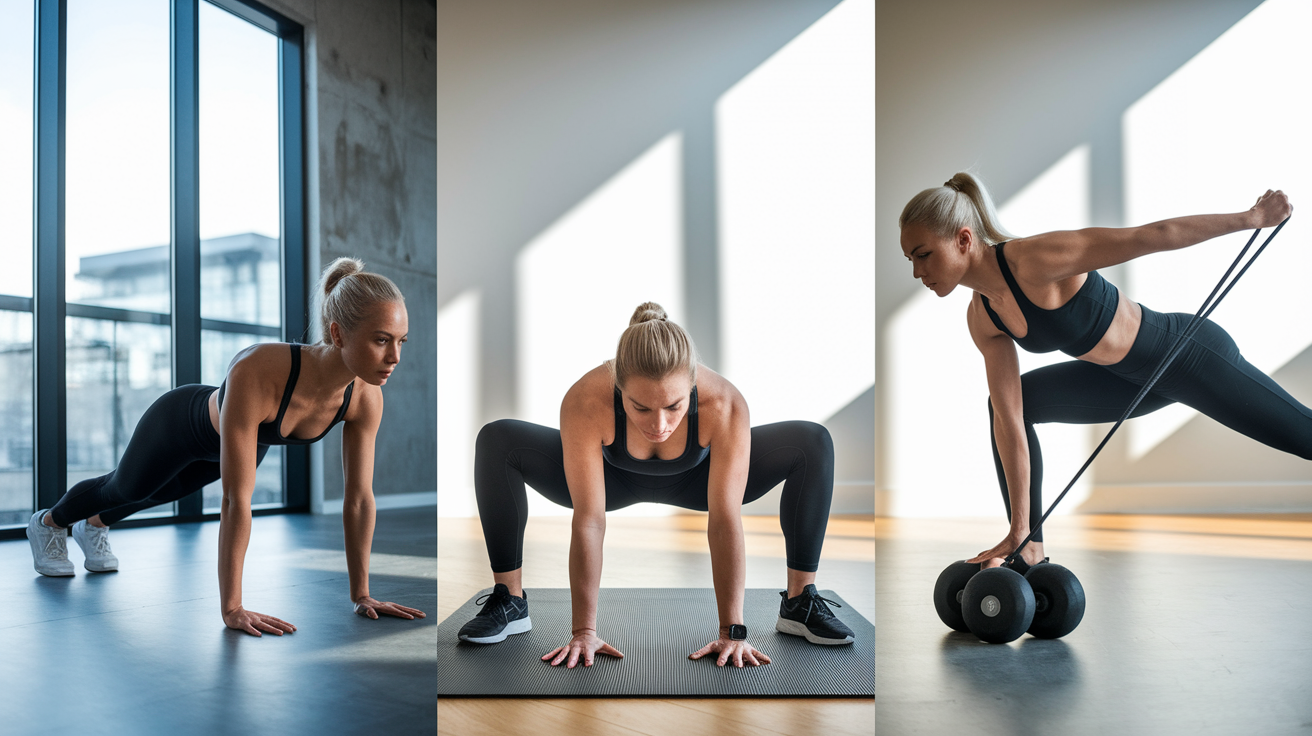
Not every exercise fits every person on day one. Adjusting range of motion, load, or body position lets you train safely and build strength from your current baseline without skipping essential movement patterns.
Beginners should start with shorter hold times and reduced reps. If a 30-second plank feels impossible, hold for 10 to 15 seconds and do 4 to 5 sets instead of 3 longer ones. In dead bugs, keep the working knee bent instead of straightening the leg. This shortens the lever and reduces lower-back stress.
Use an elevated surface for planks (hands on a bench instead of the floor) to reduce load. Do glute bridges with both feet down instead of single-leg variations. Keep feet on the floor during Russian twists instead of lifting them. Shorten the range of motion in bird dogs. Extend only halfway if full extension breaks your form. Rest 60 to 90 seconds between sets instead of 30 seconds to allow full recovery. Replace hollow holds with dead bugs if maintaining a flat lower back is difficult.
Advanced lifters can add load, instability, or tempo challenges. Hold a weight plate during planks, do single-leg glute bridges with a 4-second eccentric, or add a resistance band around your thighs during bridges to increase glute activation. You can also combine exercises into circuits with minimal rest. Plank into dead bug into bird dog without stopping builds work capacity and metabolic demand.
Core Training Safety and Form Guidance
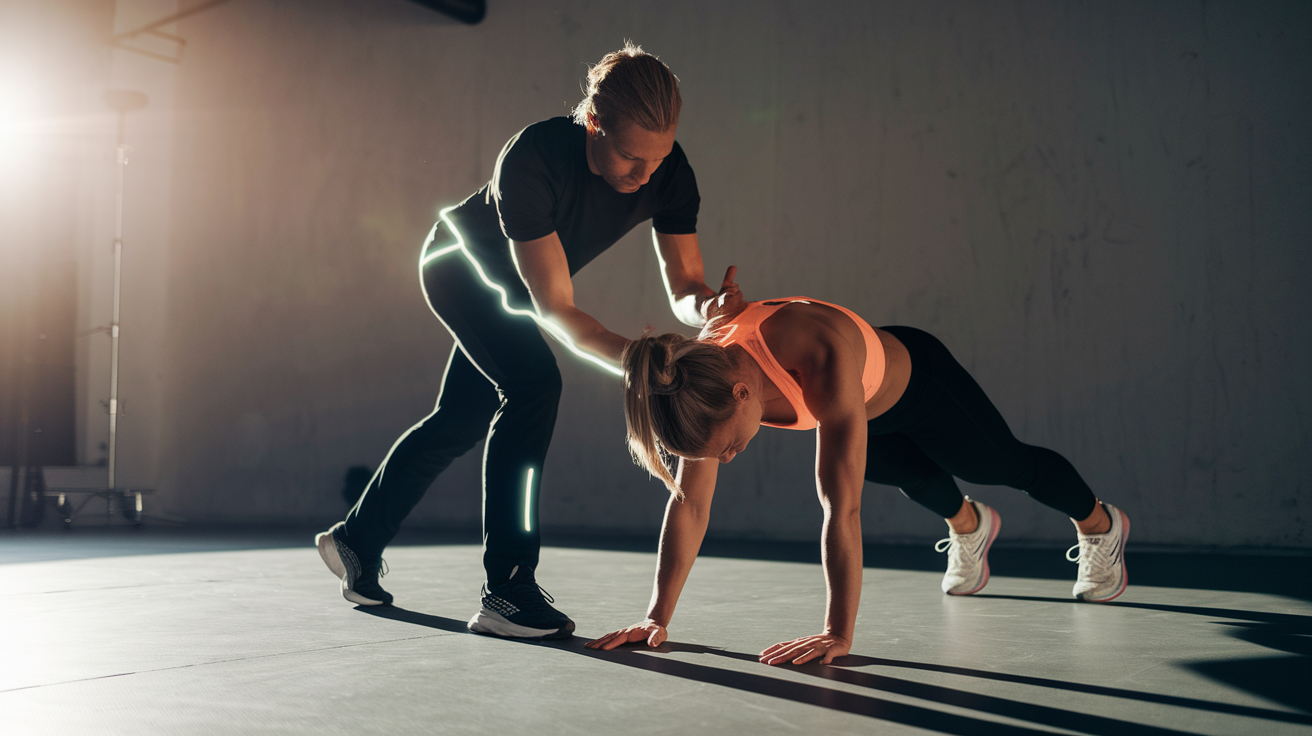
Core exercises are low-impact and beginner-friendly, but poor form can still cause strain, especially in the lower back. Focusing on alignment and listening to your body prevents setbacks and builds long-term strength safely.
Maintain a neutral spine throughout every movement. Neutral doesn’t mean completely flat. Your lower back has a natural curve. The goal is to avoid excessive arching (hyperextension) or rounding (flexion) under load. In planks and dead bugs, your lower back should stay in light contact with the floor or hold a stable position without sagging. If you feel sharp pain, tingling, or numbness in your lower back or legs, stop and reassess your setup.
Bracing properly protects your spine. Before starting any rep, take a deep breath, gently draw your navel toward your spine, and exhale as you perform the movement. Don’t hold your breath for extended periods. This spikes blood pressure and reduces oxygen to working muscles. Steady breathing keeps tension controlled and sustainable.
Stop if you feel sharp pain, not muscle fatigue or mild discomfort. Regress the exercise by 50 percent if your form starts breaking down mid-set. Keep your neck neutral. Don’t crane your head forward or let it drop during planks or bird dogs. Warm up with 5 minutes of light movement (marching, hip circles, cat-cow stretches) before core work. If you have a history of disc issues, avoid loaded spinal flexion (weighted sit-ups) and focus on anti-rotation and anti-extension drills instead.
Consistency matters more than intensity. Two well-executed 20-minute sessions per week will build more stability than one heroic 60-minute session that leaves you too sore to train again for a week.
Optional Equipment for Enhanced Core Work
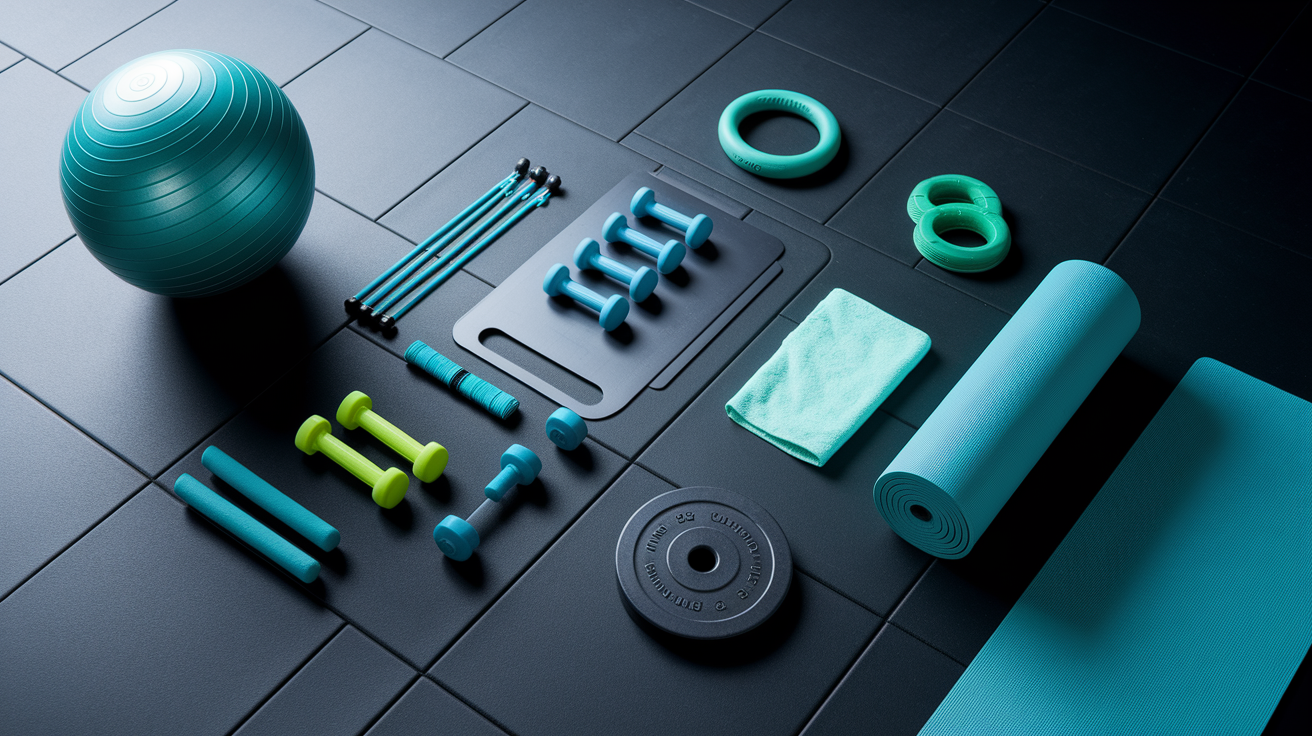
You don’t need equipment to build a strong core, but a few inexpensive tools can add variety, increase difficulty, and target muscles in new ways. These items are portable, low-cost, and useful across multiple movement patterns.
Stability Ball: Adds instability to planks, bridges, and rollouts. Forces your core to stabilize in multiple planes. Cost: $15 to $30.
Resistance Band: Anchors for Pallof presses, adds load to glute bridges, and provides variable resistance for rotational work. Cost: $10 to $25 for a set.
Sliders (or Towels on Smooth Floors): Allows controlled instability during planks, mountain climbers, and body saws. Cost: $8 to $15.
Light Dumbbells or Weight Plate: 2 to 10 kg adds load to Russian twists, weighted dead bugs, or single-arm carries. Cost: $15 to $50 per pair.
Mini Resistance Band: Loops around thighs during glute bridges to increase glute activation and prevent knee collapse. Cost: $8 to $20.
Equipment shifts the challenge without requiring advanced skills. A stability ball under your feet during a plank recruits more stabilizers than a standard plank, and a resistance band makes a Pallof press accessible at home without a cable machine. Start with bodyweight mastery first. Add equipment only when you can perform 3 sets of each exercise with solid form and no compensation.
Final Words
Start by doing the practical starter routine: plank, dead bug, bird dog, glute bridge, with the step-by-step cues and simple rep guidance so you can get moving right away.
Use the detailed breakdown to tighten your form, then add extra movements and progressions as you feel stronger. Follow the weekly templates, pick modifications when needed, and keep the safety checks in mind.
Try basic equipment to change the challenge. These core strengthening exercises are doable, steady, and easy to fit into a busy week. Keep going, you’re building something that lasts.
FAQ
Q: What are the big 3 core strengthening exercises?
A: The big 3 core strengthening exercises are plank, dead bug, and bird dog. They build spinal support, breathing control, and hip stability — aim for 2–3 sets of 8–20 reps or 20–60 seconds.
Q: What are three physical signs of a weak core?
A: Three physical signs of a weak core are lower back pain, poor posture (rounded shoulders or forward head), and difficulty stabilizing during lifts or balance tasks.
Q: Do core exercises help prolapse?
A: Core exercises can help prolapse when they include pelvic floor awareness, gentle breath timing, and gradual load. Check with a pelvic health clinician before starting and avoid heavy straining or breath‑holding.
Q: How do I strengthen my core after 60?
A: You strengthen your core after 60 by doing gentle, functional moves like modified plank, bird dog, dead bug, and glute bridge, progressing slowly 2–3 times weekly, focusing on form, breathing, and balance.