
What if chasing bigger numbers is the fastest way to lose them?
Setting bold performance goals feels exciting, but if they outpace your body’s ability to recover, you end up tired, injured, or stuck.
This post shows how to set specific, realistic goals that match your recovery, manage training load, and use simple checks (sleep, soreness, and heart-rate trends) to stop overtraining before it starts.
You’ll get practical rules for planning timelines, adjusting in real time, and building recovery into progress so gains stick.
Building Sustainable Performance Goals That Prevent Overtraining

Your performance goals need to match what your body can actually recover from, not just what sounds impressive. When you set something vague like “get fitter” or “train harder,” you’re basically creating a vacuum that gets filled with too much volume, random intensity spikes, or both. Your body doesn’t care how hard you try. It responds to the relationship between stress and recovery. If your goals outrun your recovery capacity, you’re setting yourself up for overtraining.
The SMART framework keeps things realistic. Specific, Measurable, Achievable, Relevant, and Time-sensitive goals give you clear targets and built-in checkpoints. “Lose 15 pounds in six months” is way easier to program around than “lose weight.” You can calculate weekly calorie targets, track body composition changes, and adjust training volume when fatigue creeps in. Setting a lift goal like “add 20 pounds to my back squat in 12 weeks” lets you plan intensity progressions and schedule deload weeks before you’re buried in fatigue. Specific numbers stop you from making the common mistake of pushing harder every session without any plan for pulling back.
Use these five filters when setting performance goals:
- Match your timeline to your recovery ability. If you’re juggling work stress or sleeping poorly, extend your deadlines to allow lighter training phases.
- Adjust goals immediately if fatigue piles up across multiple sessions. Don’t wait for full burnout.
- Avoid stacking multiple high-demand goals in the same training block. Chasing a strength PR and prepping for an endurance event at the same time? That’s a recipe for breakdown.
- Build measurable load markers into each goal so you can track volume and intensity trends week to week.
- Schedule planned recovery phases before setting the next goal. Don’t roll from one peak effort straight into another.
Identifying the WHY behind your goal protects you from chasing intensity just because. When someone says “I want to lose 15 pounds so I can fit into those pants I wore a year ago,” the goal stays grounded in something meaningful, not an arbitrary number. Pain-related goals work the same way. “Reduce knee pain so I can play with my kids without limping” keeps training functional and prevents overloading a sensitive joint just to hit a performance metric. When your goal ties to something that matters in daily life, you’re less likely to push past warning signs.
Managing Training Load While Working Toward Performance Goals
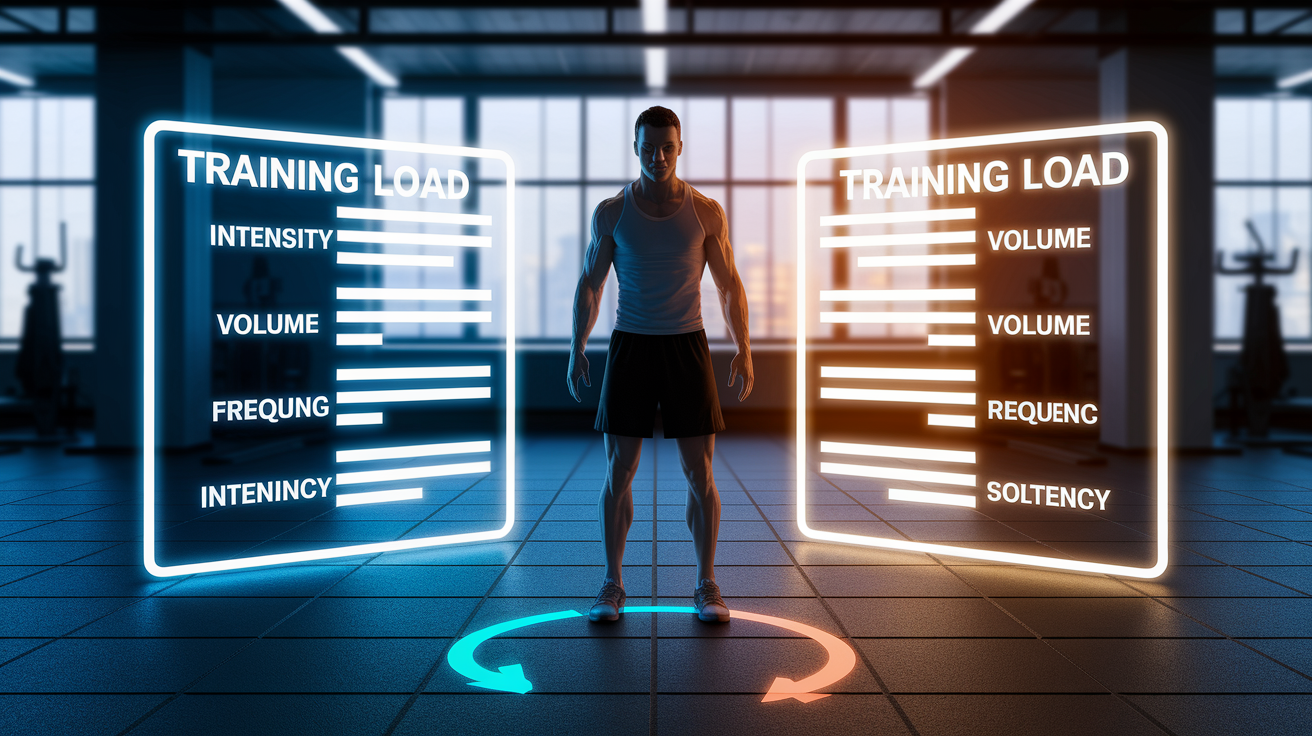
Training load management means deliberately adjusting intensity, volume, and recovery to move toward a goal without overwhelming your tissues. It supports gradual progress because it treats adaptation as a process, not a single event. When you increase one training variable (intensity, volume, frequency, or training density), you create a debt that must be repaid through recovery. Stack those increases without accounting for recovery time and your body starts falling behind. Small performance dips turn into injury risks like bone stress reactions or tendon irritation.
Early warning signs tell you when your current load exceeds your recovery capacity. Muscle soreness that lasts beyond 72 hours means tissues aren’t fully repairing between sessions. Irritability, chronic fatigue, and an elevated resting heart rate signal systemic stress accumulation. If you notice frequent strains, tendon flare-ups, or difficulty completing workouts you handled easily a few weeks ago, your load has exceeded your current tolerance. When these signs appear, reduce session intensity immediately or add an extra recovery day. Adjusting goals in real time prevents minor setbacks from requiring major recovery blocks later.
| Training Load Variable | Ideal Approach for Goal Progression | Overtraining Risk if Ignored |
|---|---|---|
| Intensity | Increase gradually across microcycles; alternate heavy and moderate effort weeks. | Persistent fatigue, CNS burnout, joint inflammation from repeated maximal efforts. |
| Volume | Add sets or reps in small increments (5–10% per week); cap total weekly volume during high-intensity phases. | Cumulative microtrauma to muscles and tendons; prolonged soreness and delayed adaptation. |
| Frequency | Add training days only after recovery metrics stabilize; ensure at least one full rest day per week. | Insufficient recovery windows; sleep debt; elevated baseline cortisol and resting heart rate. |
| Training Density | Space high-intensity sessions with at least 48 hours; use light active recovery between hard efforts. | Overuse injuries from repetitive stress; performance plateau as adaptation stalls. |
Using Progressive Overload Safely When Setting Performance Goals

Progressive overload works by systematically increasing one training variable (intensity, duration, type, or frequency) to force your body to adapt. Think of fitness on a scale from 1 to 100. If your current fitness sits at 60, a single workout temporarily lowers that number because fatigue accumulates. During recovery, your body repairs damage and adapts, pushing fitness above 60 through supercompensation. The key to safe overload is timing your next workout to land during that supercompensation window. Train again too soon and you dig a deeper fatigue hole. Wait too long and fitness drifts back down. You lose the adaptation. Moderate, consistent sessions produce more sustainable gains than sporadic all-out efforts because they keep you cycling through supercompensation without excessive fatigue debt.
Phase 1 overtraining happens when cumulative fatigue builds faster than recovery can clear it, but performance hasn’t collapsed yet. You might still hit your planned sets and reps, but irritability, sleep disruption, and low motivation start appearing. Some athletes intentionally enter Phase 1 during planned “crash weeks” of high-volume or high-intensity training, then follow with extended recovery to capture a supercompensation rebound. The risk is staying in Phase 1 too long without that planned recovery block. Ignore the warning signs and keep pushing? You slide into Phase 2.
Phase 2 overtraining means prolonged inadequate recovery has led to performance decline. You’re not just tired. You’re weaker, slower, and unable to complete workouts that used to feel manageable. Mental burnout, persistent physical fatigue, and loss of training motivation define this stage. Recovery becomes less effective because your body’s stress response is stuck in overdrive.
Goal timelines must incorporate recovery windows within both microcycles (weekly planning) and macrocycles (monthly or seasonal planning) to avoid Phase 2. A microcycle might include two hard sessions, two moderate sessions, one light active recovery day, and two rest days. A macrocycle might build intensity for three weeks, then schedule a deload week before pushing again. Without these structured recovery phases, even well-designed progressive overload becomes a path to overtraining.
Monitoring Recovery to Support Long-Term Goal Achievement

Heart rate variability, rating of perceived exertion, and resting heart rate give you daily and weekly feedback on whether your body is ready for the next training session. HRV measures the variation in time between heartbeats. Higher variability generally indicates better recovery and readiness, while consistently low HRV suggests accumulated stress. RPE scales let you compare how hard a session feels relative to the prescribed intensity. If a workout that should feel like a 6 out of 10 feels like an 8, you’re carrying fatigue from previous sessions. Resting heart rate trends help you spot overtraining early. If your morning heart rate climbs 5 to 10 beats per minute above your normal baseline and stays elevated for several days, your body is under systemic stress.
Track these six recovery indicators to stay ahead of overtraining:
- HRV patterns over a rolling seven-day average, watching for sustained drops below your baseline.
- Morning resting heart rate measured before getting out of bed, logged daily to identify upward trends.
- Muscle soreness lasting more than 72 hours, especially if it recurs in the same muscle groups.
- Mood changes like irritability, low motivation, or difficulty concentrating during the day.
- Sleep quality, including how long it takes to fall asleep, number of times you wake up, and how rested you feel in the morning.
- Training motivation. If you dread workouts you normally enjoy, it’s a red flag for mental and physical fatigue.
When multiple recovery indicators trend negative at the same time, adjust your upcoming training goals before they become harder to fix. If HRV drops and resting heart rate climbs while you’re planning a heavy training week, shift to a light or moderate week instead. If muscle soreness persists and motivation falls, add an extra rest day or replace a hard session with active recovery. The goal isn’t to hit every planned session. It’s to progress over months without breaking down. Recovery metrics help you decide when to push and when to pull back, keeping performance goals sustainable instead of forcing intensity increases that your body can’t support.
Nutrition and Sleep Strategies That Support Performance Goal Progression

Adequate protein, consistent hydration, and smart nutrient timing enhance muscle repair and ensure your body is ready for the next training stimulus. Protein supports tissue repair after every session. Aim for a palm-sized portion at each meal, with special attention to post-workout fueling within two hours of finishing. Hydration affects everything from nutrient transport to joint lubrication, so drink water consistently throughout the day rather than chugging large amounts right before or after training.
Nutrient timing matters most around your hardest sessions. Eating a mix of protein and carbs after high-intensity or high-volume work speeds glycogen replenishment and kickstarts muscle repair. This shortens your recovery window and protects your ability to train again soon.
Four sleep hygiene practices that improve adaptation and recovery:
- Keep a consistent sleep schedule, going to bed and waking up within the same 30-minute window every day, even on weekends.
- Set your bedroom temperature between 65 and 68 degrees to support deeper sleep cycles.
- Reduce screen time for at least 30 minutes before bed to limit blue light exposure that disrupts melatonin production.
- Build a pre-sleep wind-down routine like light stretching, reading, or breathing exercises to signal your body that it’s time to rest.
Proper sleep and nutrition increase your tolerance for progressive training loads because they allow full physiological adaptation between sessions. When you’re well-fueled and well-rested, a challenging workout stimulates growth without overwhelming your system. When you’re under-fueled or sleep-deprived, the same workout becomes a stressor your body can’t recover from. You start sliding toward overtraining. Staying aligned with performance goals over weeks and months depends on these foundational habits as much as the training plan itself.
Tracking Progress Metrics to Evaluate Goal Safety and Avoid Overtraining

Recording training metrics like volume, intensity, and symptoms gives you a clear view of whether your current plan is sustainable. A simple log might include the date, exercises performed, sets and reps completed, load used, how the session felt on a 1-to-10 scale, and any soreness or fatigue notes from the following day. Over time, this data shows patterns you can’t see day to day. If your training volume climbs steadily but performance plateaus or declines, you’re likely in Phase 1 overtraining. If symptoms like persistent soreness, irritability, or low motivation start clustering around high-volume weeks, you know those weeks exceeded your recovery capacity.
Subjective rating tools like mood scales or perceived fatigue levels detect early stress accumulation before it shows up in performance data. A daily check-in might ask you to rate your energy, motivation, muscle soreness, and overall stress on a scale of 1 to 5. When scores trend downward across multiple days, it’s a signal to reduce training intensity or add recovery time, even if your planned workload looks reasonable on paper. These tools work because they capture the things objective data misses. How you feel mentally. How your body responds to life stress outside the gym. Whether you’re excited or dreading your next session.
Consistent logging helps identify plateaus and guides adjustments to your goals. If you’ve been following a progressive plan but your lift numbers haven’t moved in three weeks, your log will show whether the problem is insufficient volume, excessive fatigue, poor recovery, or a need to change the training stimulus. When a plateau appears, review your recent logs for patterns. Did you skip rest days? Did soreness persist longer than usual? Did life stress spike during this block?
Use that information to adjust your next training phase. Maybe you need a deload week, or a shift to lower intensity and higher volume, or simply an extra day of sleep before pushing again. Progress tracking turns vague feelings into actionable data, keeping your goals tied to what your body can actually handle.
Final Words
In the action, you matched goals to recovery and used SMART targets so numbers and timelines guide training instead of vague aims.
You also learned to manage load, apply progressive overload safely, and watch recovery markers like HRV, resting heart rate, and RPE. Nutrition and sleep were framed as part of the plan, not extras.
Keep logging progress, adjust when fatigue shows up, and focus on setting performance goals without overtraining. Small, steady steps build real fitness. You’ve got this.
FAQ
Q: What is the 3-3-3 rule in gym?
A: The 3-3-3 rule in the gym is a common strength template using three sets of three reps per major lift to build maximal strength, emphasizing heavy load, full recovery between sets, and strict technique.
Q: How do professional athletes avoid overtraining? / What are three things you can do to avoid overtraining?
A: Professional athletes avoid overtraining by matching training load to recovery, tracking fatigue with objective and subjective measures, and prioritizing sleep, nutrition, and planned rest—three practical steps you can use too.
Q: What are 5 symptoms of overtraining?
A: Five symptoms of overtraining are persistent muscle soreness beyond 72 hours, chronic fatigue, elevated resting heart rate, irritability or low mood, and a noticeable drop in performance or repeated plateaus.